
Want to turn your yard into a colorful, eco-friendly space that supports local wildlife? Using wildflower garden ideas can bring vibrant beauty to your outdoor area while benefiting the environment.
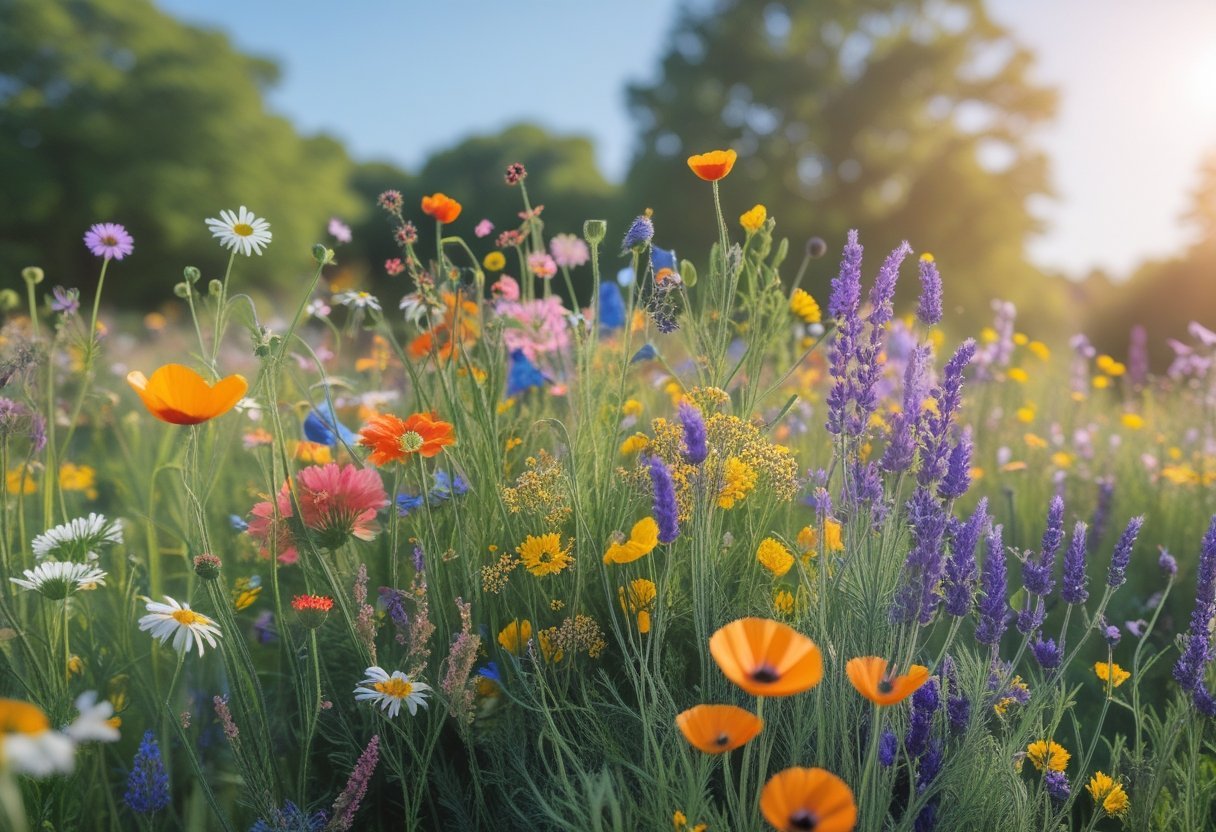
You can attract butterflies, conserve water, and enjoy a natural landscape with easy-to-maintain flowers suited to your style. Creating a wildflower garden offers flexibility whether you want a lively pollinator habitat or a low-effort floral display.
1. Native Wildflower Meadow
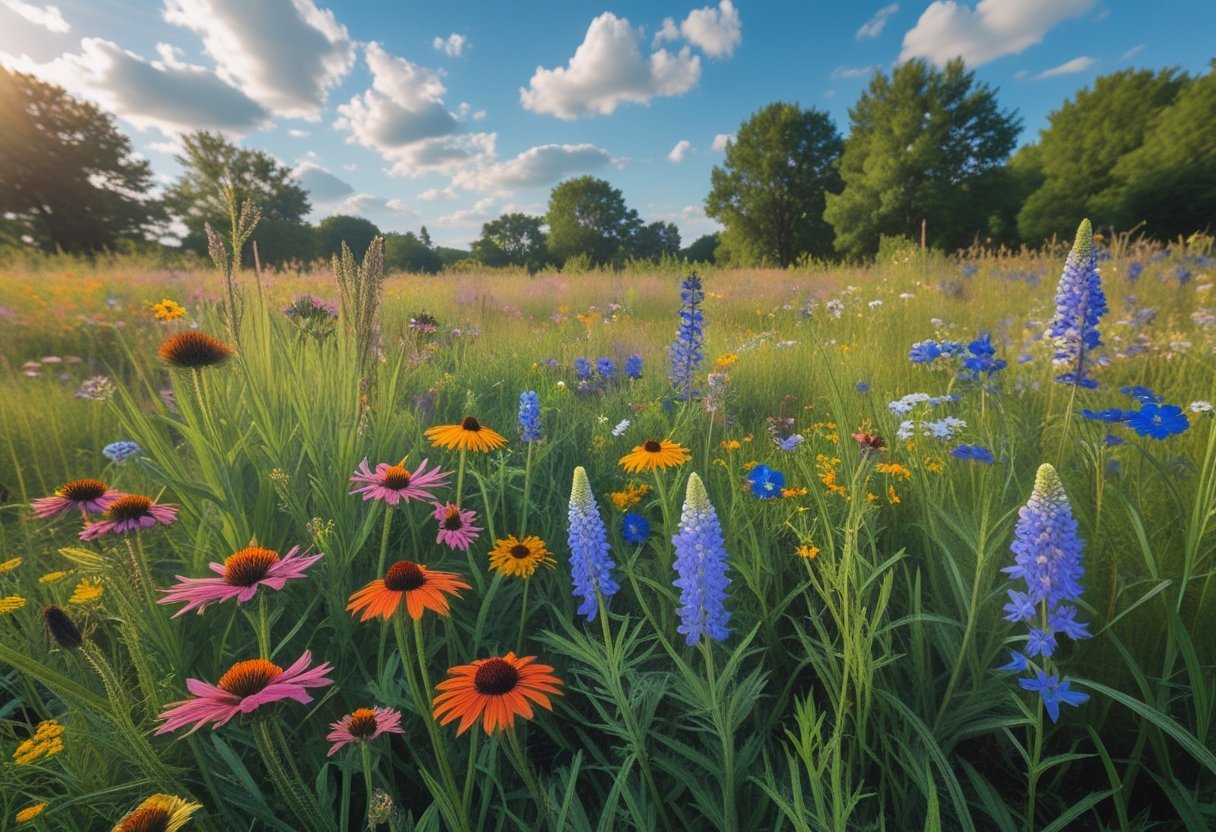
Choose flowers that naturally grow in your region to build a thriving wildflower meadow. This approach supports local wildlife by providing food and shelter. Your meadow will need little upkeep once it is established and will use water efficiently, making it a practical and sustainable option. Expect seasonal changes that add color and life throughout the year.
Recommended Products

ADAPTED FOR SOUTHERN STATES: Our Southeast wild flower seed mix is specially formulated for Alabama, Arkansas, northern Florida, Georgia, Louisiana, Mississippi, North Carolina, eastern Oklahoma, Tennessee, eastern Texas, and South Carolina. This tailored blend ensures optimal growth and beauty in these specific climates.

7,500+ PURE LIVE SEEDS – Get a generous 1 oz. mix of Northeast regional wildflower seeds, designed to cover up to 100 sq. ft. when planted according to the recommended seeding rate.

19,000 PREMIUM SEEDS: Revitalize your landscape with 19,000 high-quality wildflower seeds specially selected to thrive in California’s diverse climate zones—from coastal areas to inland valleys.
2. Butterfly and Pollinator Garden
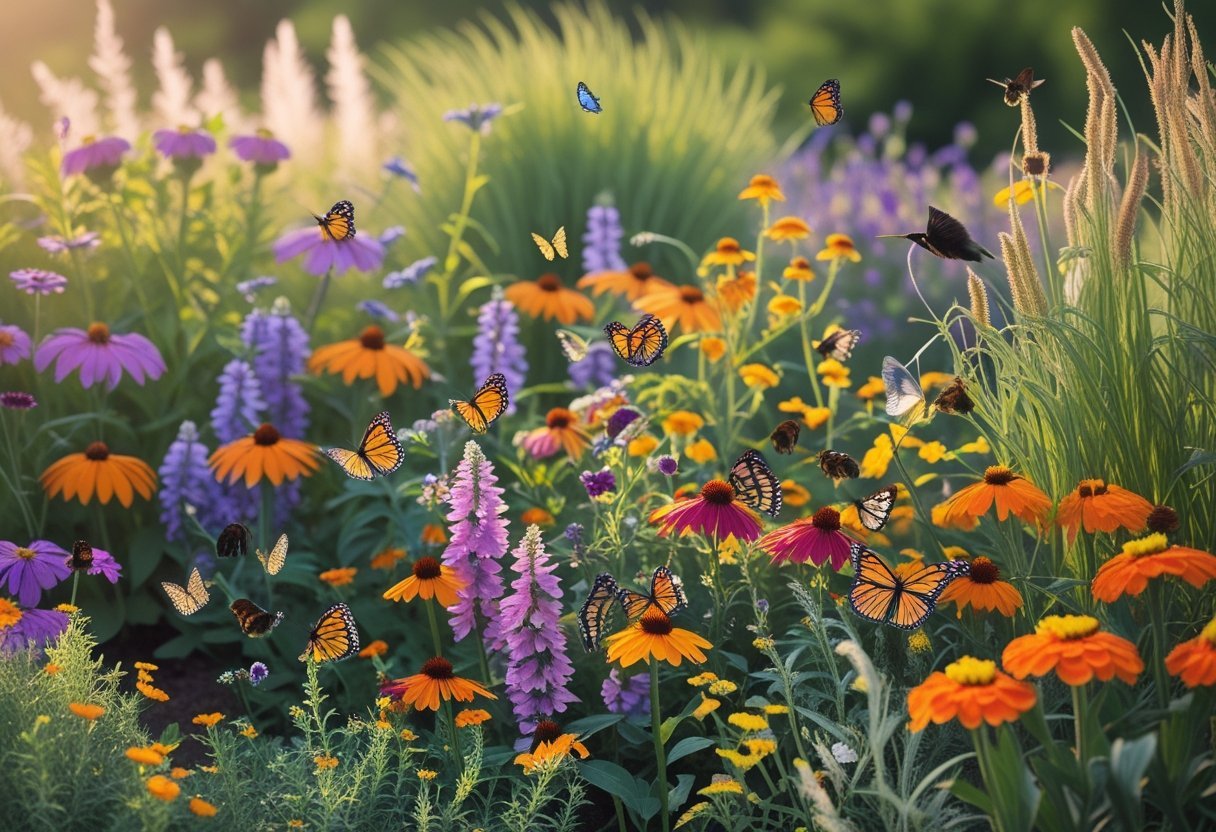
You can create a garden that attracts bees, butterflies, and hummingbirds by providing a reliable supply of nectar and pollen. Selecting a variety of flowers that bloom at different times keeps food available throughout the seasons. This approach supports pollinator populations, which are vital for plant reproduction and maintaining healthy ecosystems. Keep your garden vibrant and active by mixing diverse plants.
Recommended Products

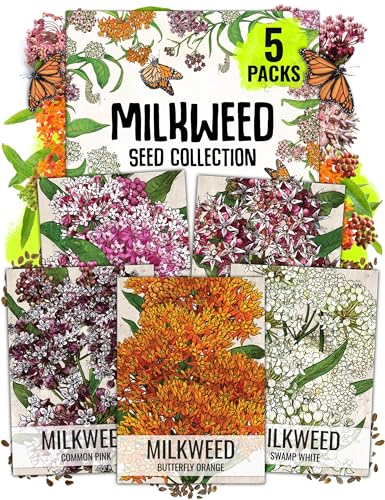
Pollinator Attraction: Milkweed flowers are known for attracting a variety of pollinators, including bees, butterflies, and hummingbirds. They produce a sweet nectar that is particularly enticing to monarch butterflies, which lay their eggs exclusively on milkweed plants.

3. Informal Wildflower Garden with Cottage Style
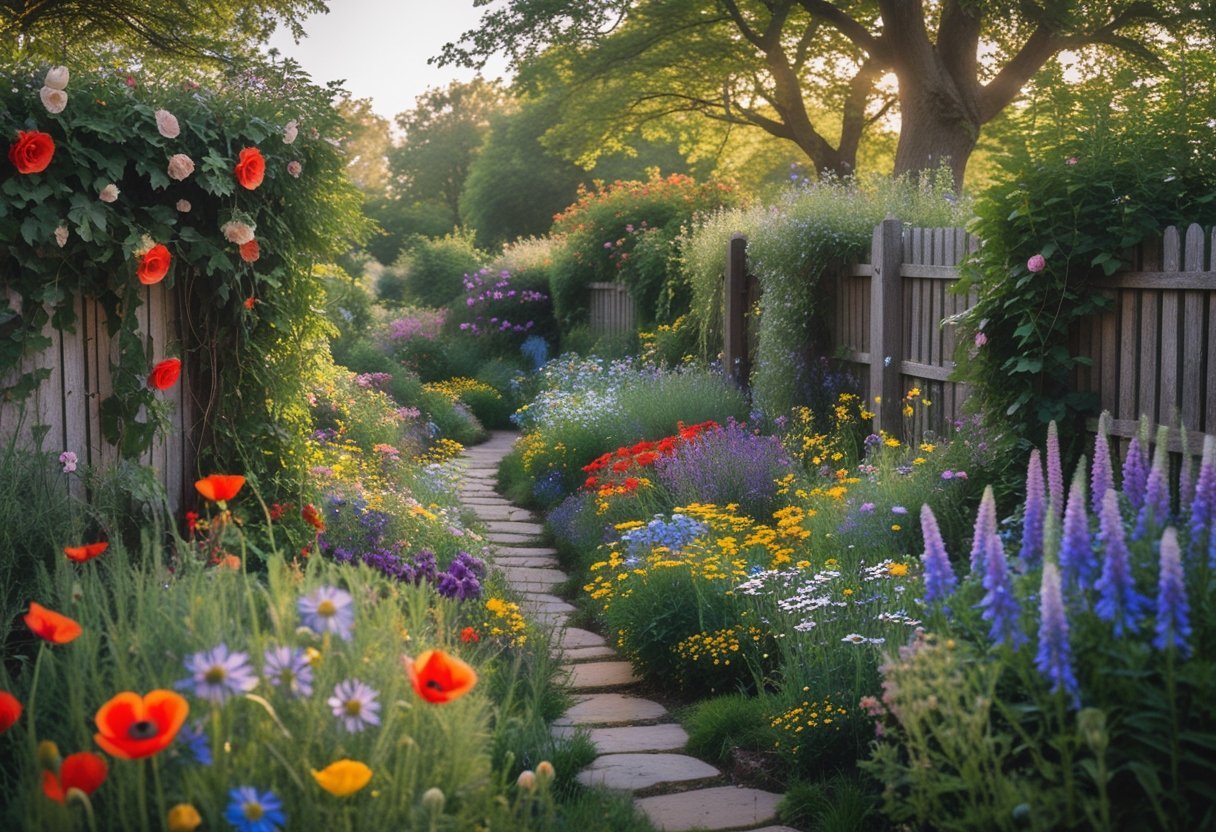
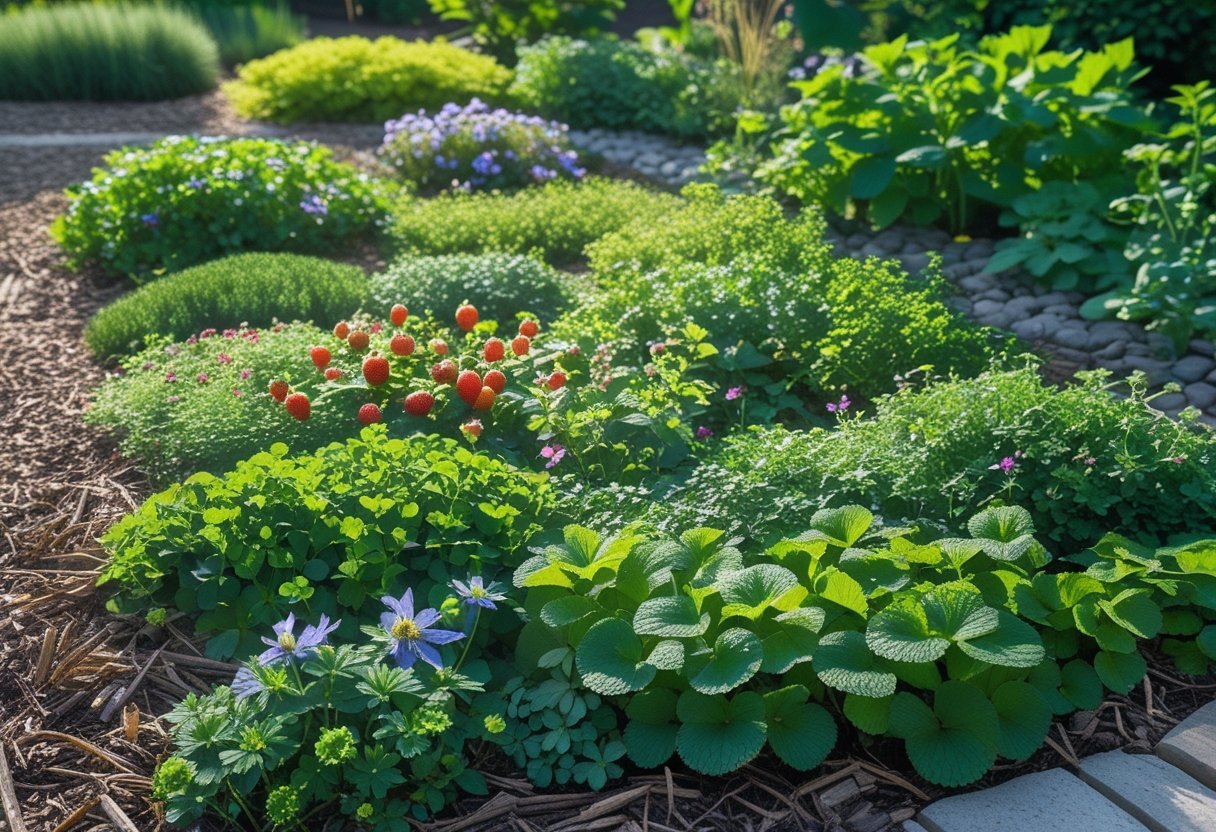
You can create a relaxed outdoor space by mixing wildflowers with herbs and shrubs in a cottage-inspired layout. This approach blends natural, colorful plants for an inviting, effortless look. It suits those who want a garden that feels charming but requires minimal upkeep, embracing a more organic and informal design. This style encourages a casual, nature-focused atmosphere in your yard.
Recommended Products

Your hunt is in the bag - we deliver more quality seed for your money!

DESIGNED FOR MIDWESTERN GROWING CONDITIONS – A premium blend of 16 carefully selected annual and perennial wildflower species chosen for the Midwestern climate. Creates colorful meadows that attract butterflies, bees, hummingbirds, and other beneficial pollinators throughout the growing season.

Sun and shade grass seed for use in full sun to medium-shaded areas
4. Prairie-Style Wildflower Planting
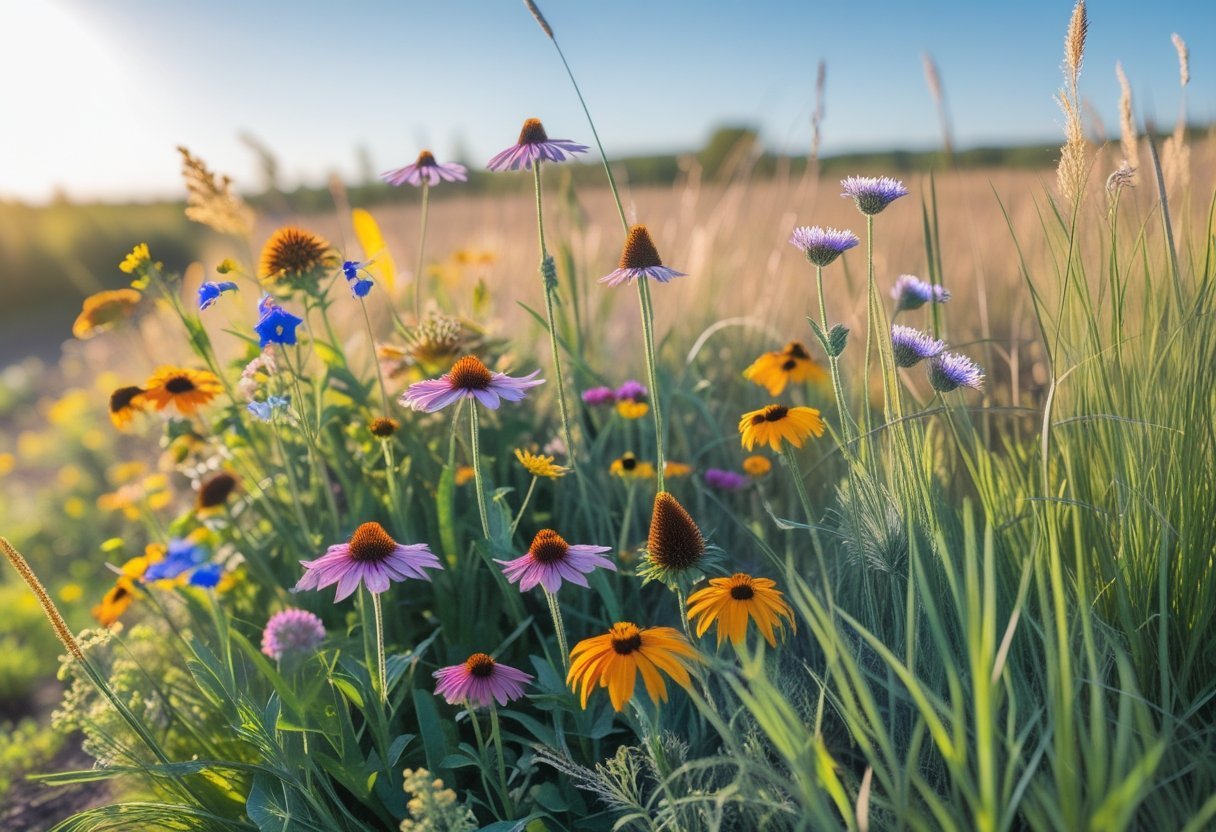
You can create a garden featuring tall native grasses alongside tough wildflower species. These plants thrive in sunny, dry locations and need minimal irrigation once they are growing well. Adding such a mix brings you a low-maintenance, natural look inspired by open prairie landscapes that supports local ecology.
Plant suggestions:
- Prairie grasses
- Coneflowers
- Black-eyed Susans
- Native asters
Recommended Products

EXTRA LARGE PACKET contains over 1 full ounce of pure live seeds (7,500+ seeds) - Enough to cover 100 square feet.


✔Size: 8"×12"(20cm×30cm) with 12.8"(32cm) Stake.
5. Wildflowers for Shady Spots
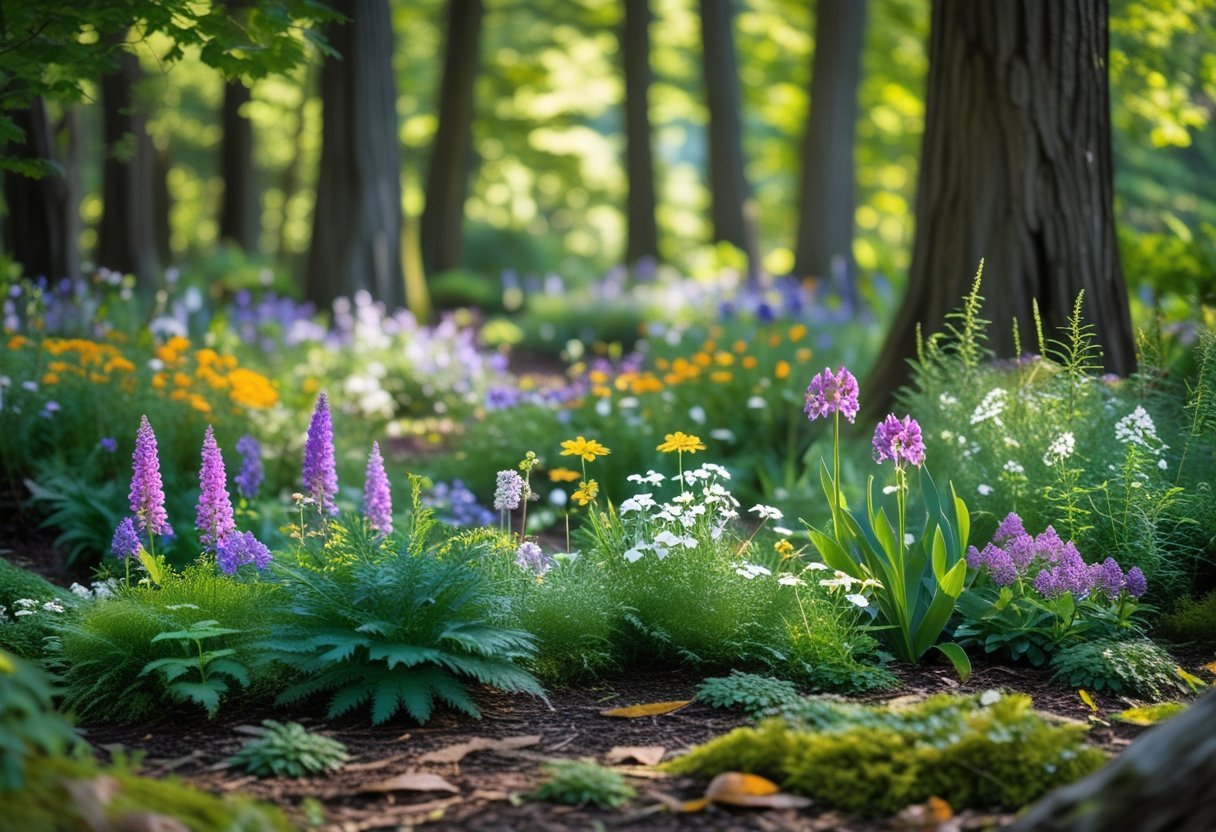
If you want to brighten areas with little sunlight, focus on wildflowers that grow well in shade. These plants are well-suited for spots under trees or along north-facing walls. Choosing shade-loving wildflowers helps create a lively garden without needing much water or fertilizer. Such a garden brings life to dim corners while supporting a low-maintenance, eco-friendly space.
Recommended Products

Complete All-In-One Kit - No need to buy separate supplies. This herb starter set comes with 4 plastic planter pots, 4 soil discs, 4 plant markers 4 heirloom herb seed packets, and essential planting tools—everything you need to start your indoor herb garden immediately.

15 Herb Seeds Variety Pack – 4300 Seeds Included: Start your own herb garden with this all-in-one heirloom herbs seeds kit. Includes Genovese Basil, Sweet Basil, Italian Oregano, Rosemary, Thyme, Cilantro, Dill, Mint, Sage, Lavender, Chives, Garlic Chives, Parsley, Chervil, and Scallions. Each herb seed packet is USA-sourced and tested for high germination. Grow these herb garden seeds in your backyard, windowsill, raised beds, or pots for fresh flavors all season long.

🌿【Complete 9-Herb Starter Kit】- Everything you need to grow a thriving indoor garden! Includes premium seeds (Basil, Rosemary, Thyme, etc.), 9 biodegradable pots, nutrient-rich soil discs, pruning shears, and markers—ready to plant instantly.
6. Wildflower and Herb Garden Mix
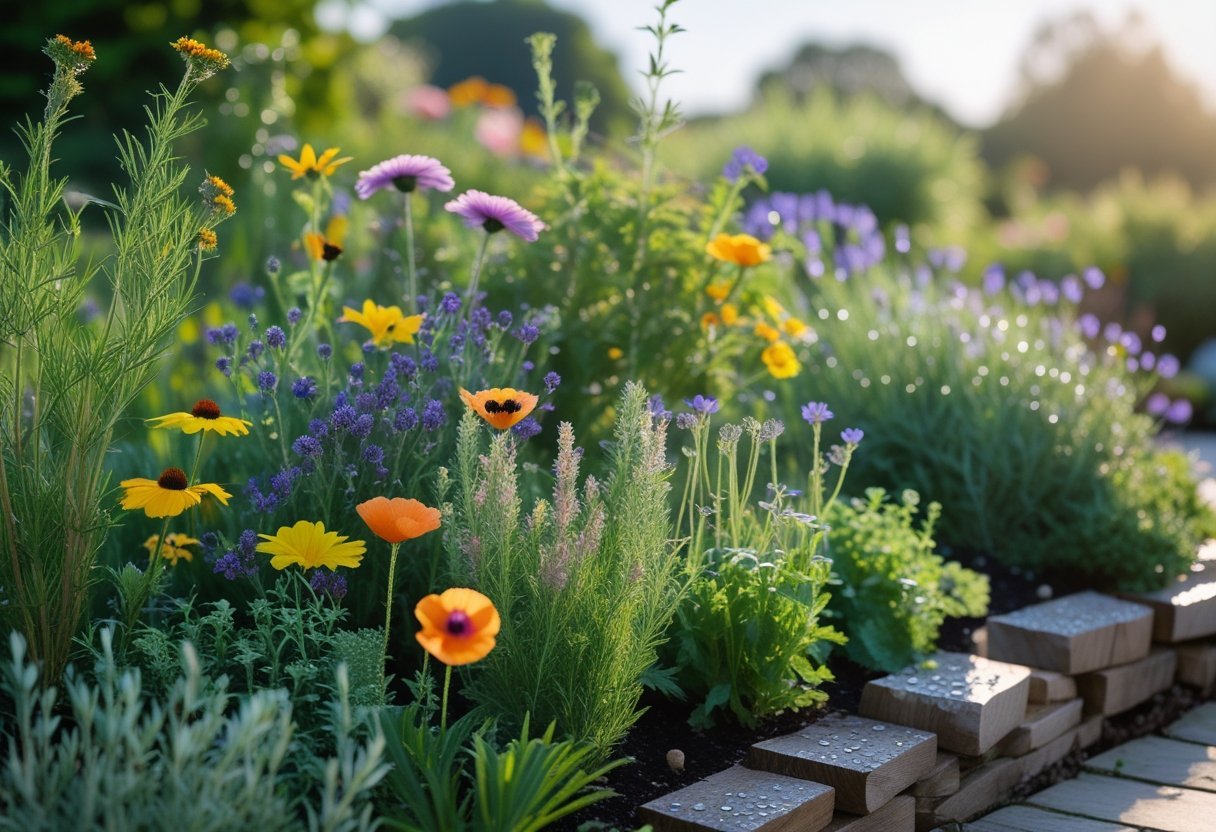
You can combine wildflowers with herbs like lavender, thyme, and rosemary to create a garden that looks vibrant and smells wonderful. This setup supports pollinators and adds useful plants for cooking or natural remedies. Your garden becomes both visually pleasing and practical, offering fragrance and ecological benefits.
Recommended Products


🌼 “American Meadow Magic” Wildflower Seed Mix: Our signature PlantMe blend features 25 diverse wildflower varieties, specially curated to create a stunning, natural meadow right in your own backyard. Experience the magic of a flourishing, colorful ecosystem.

Premium Seed Content: Three ounces of pure wildflower seeds with no filler; Covers 250 square feet with vibrant blooms; Contains fifty percent more seeds than competing brands; Grow a beautiful flower garden with this diverse seed mix
7. Drought-Tolerant Wildflower and Succulent Mix
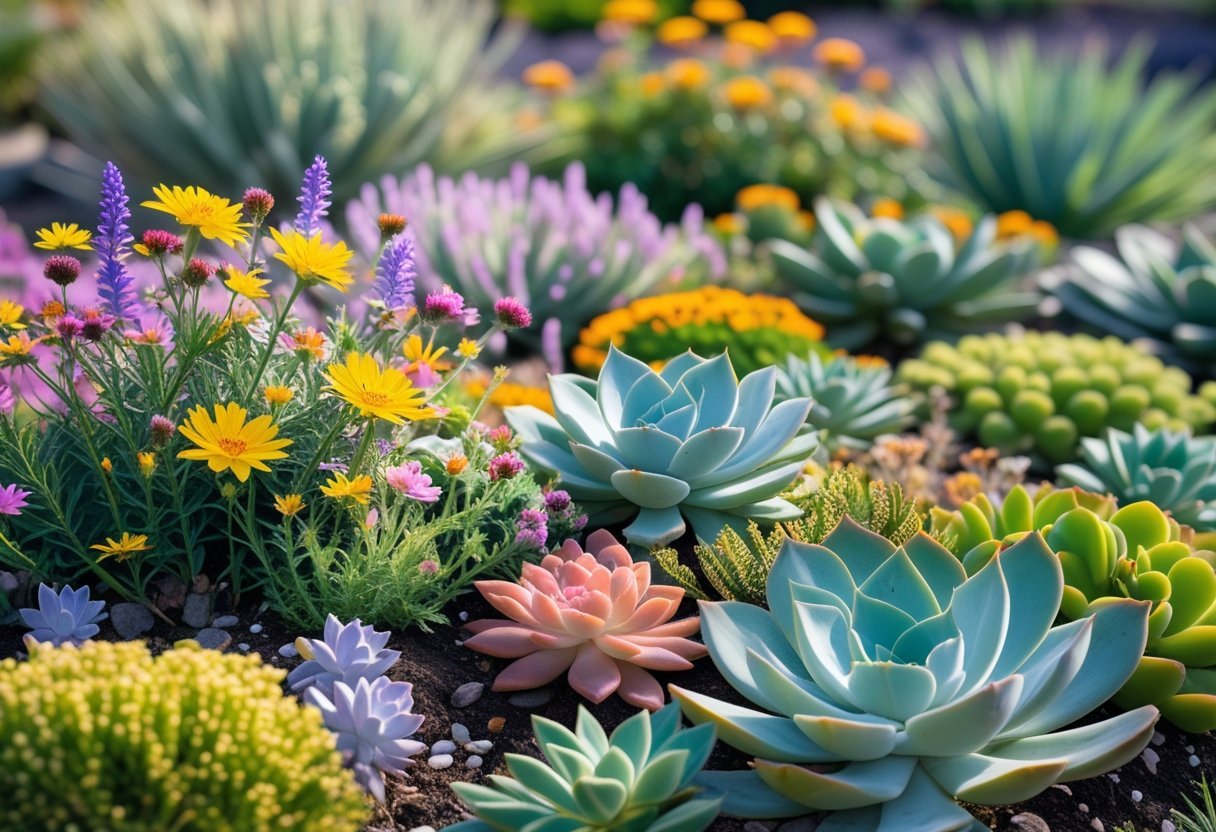
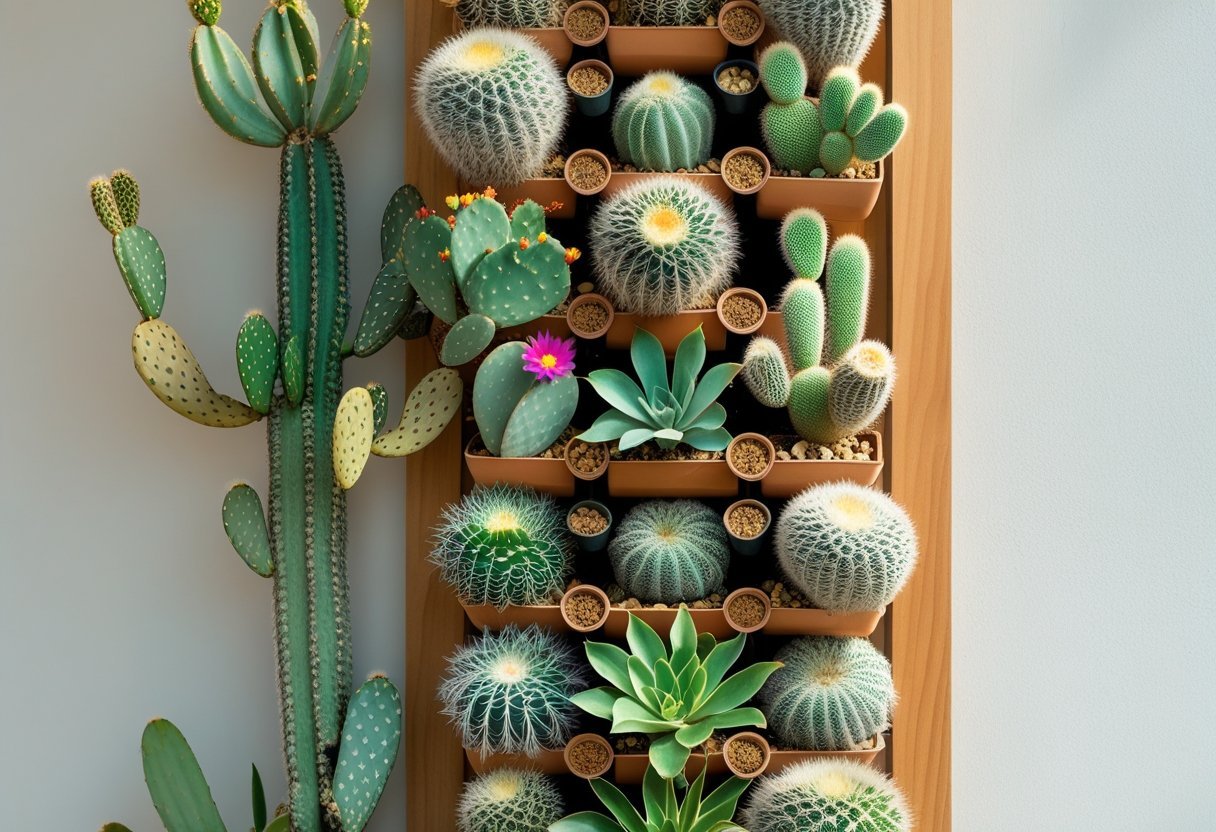
You can create a garden that blends colorful wildflowers with water-conserving succulents. This combination works well in sunny, dry spots and reduces your need for frequent watering. Succulents store moisture efficiently, while wildflowers bring seasonal vibrancy to your landscape. This approach suits those aiming for a sustainable, low-effort garden in areas with limited rainfall.
Recommended Products

LARGE 1 OUNCE PACKET: Embark on a wildflower journey with our generous 1 ounce packet, bursting with over 11,000 pure live seeds! Transform 125 square feet into a vibrant haven for nature.

High Quality Seeds & Expert Guidance: Experience the BBB Seed (Beauty Beyond Belief Seed) difference. We provide premium open-pollinated, non-GMO/non-GE wildflower seeds with no fillers. Every seed lot is tested for germination and weed seed quality. A trusted source of quality seed since 1985.

8. Wildflower Edge Planting
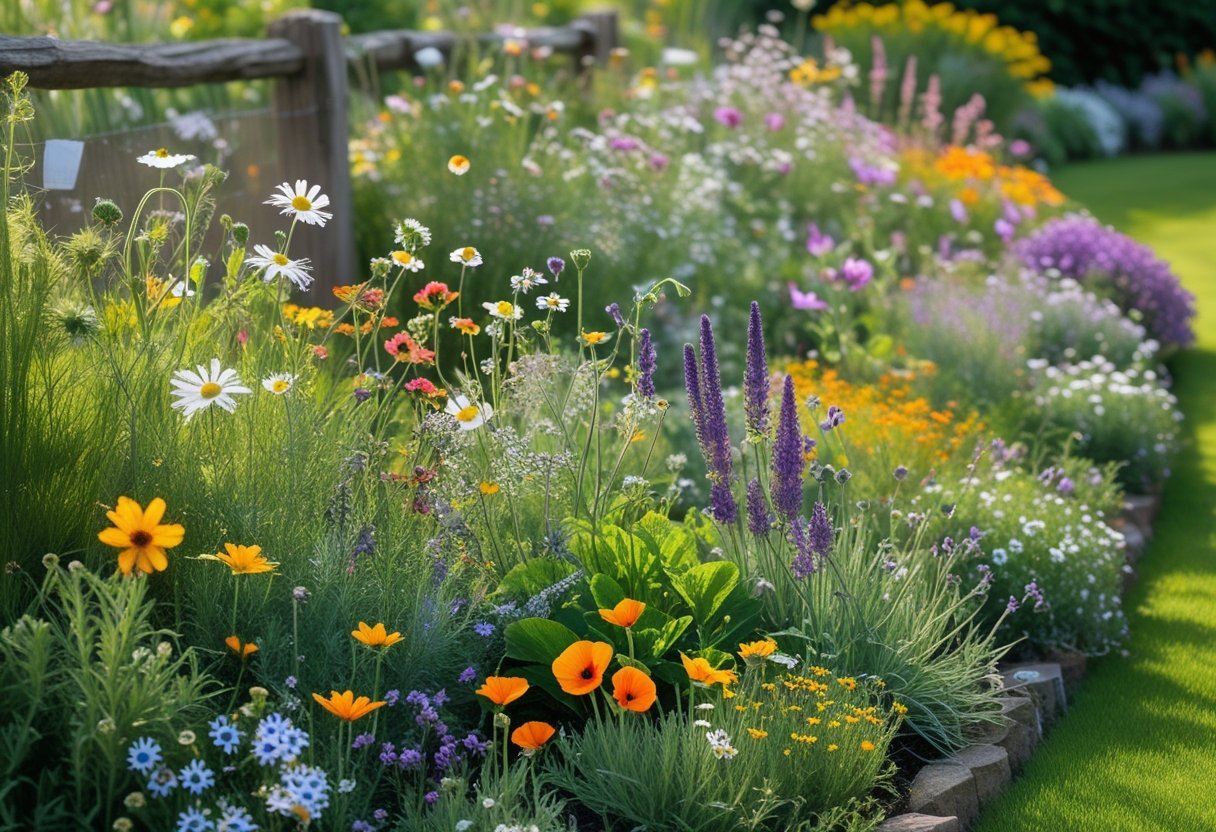
You can define your yard’s edges by planting wildflowers along borders. This method creates a gentle, natural separation between spaces. It also encourages pollinators and supports helpful insects, adding ecological value. Using a variety of wildflowers boosts visual appeal without crowding your garden area.
Recommended Products

Kentucky 31 Tall Fescue grass seed is the original turf for your home
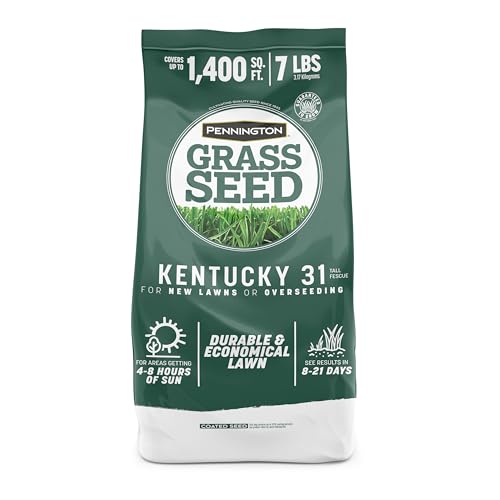
A grass seed for lawns that grows thick blades of grass that stand up to hot summers and heavy rains

POLLINATOR PARADISE: Over 20000 wildflower seeds create thriving habitats for monarchs, bees and hummingbirds; Perfect blend of milkweed seeds for monarch butterflies and nectar-rich flowers; Creates vibrant meadows and beds while supporting essential biodiversity
9. Elevated Wildflower Garden Beds
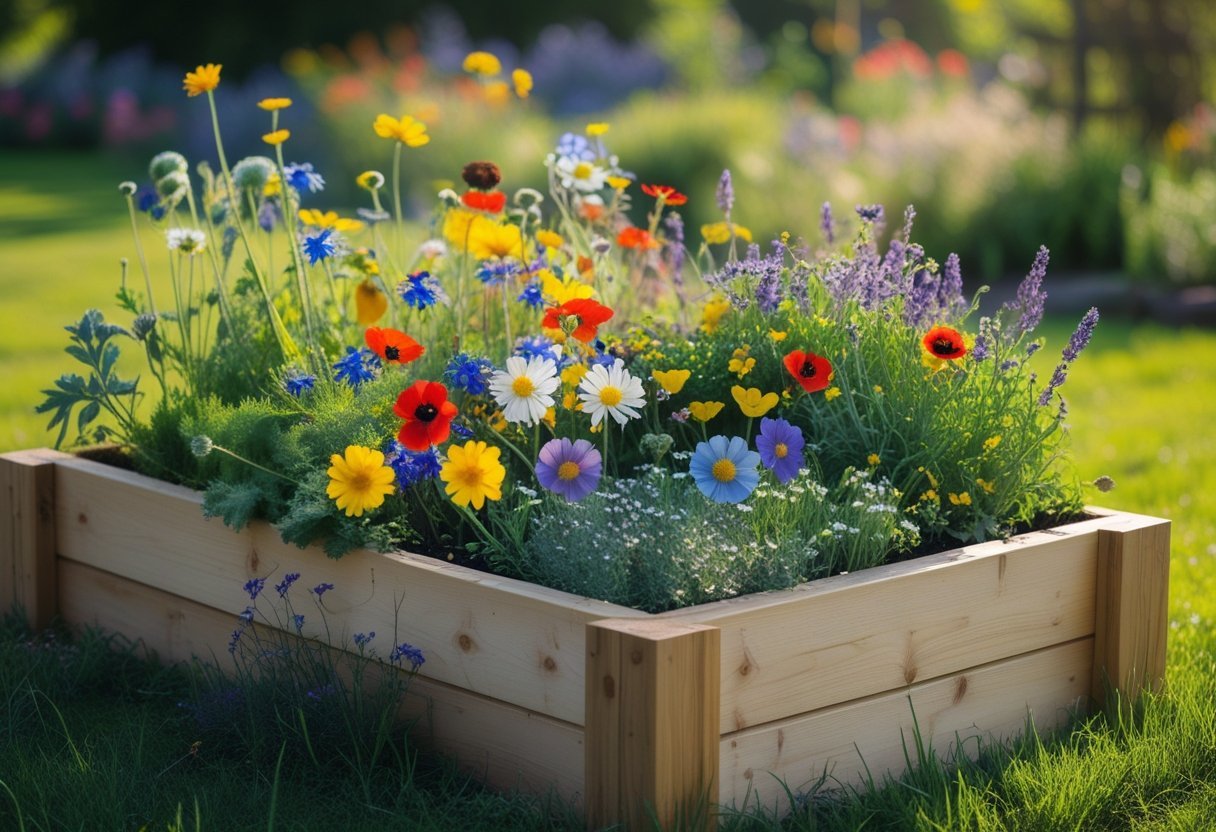
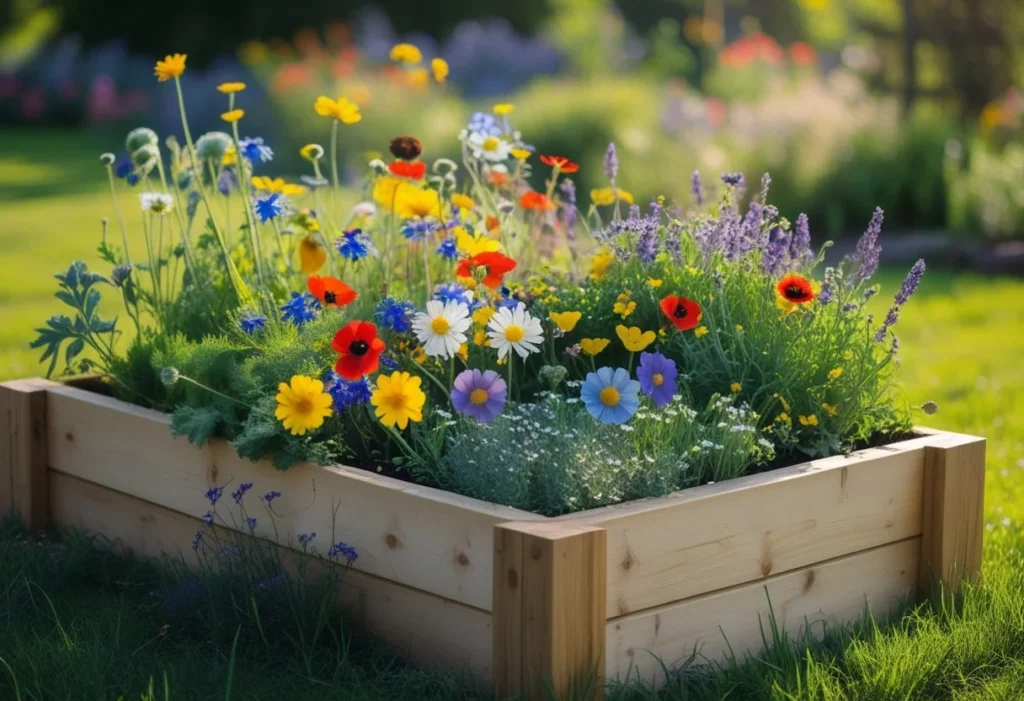
Using raised beds lets you create a controlled space ideal for growing wildflowers, especially where soil quality is poor or compacted. You can design the beds to fit your available area, making the garden both functional and attractive. Raised beds also ease tasks like weeding and reduce the need to bend or kneel, which is helpful if you prefer a more accessible gardening setup.
10. Moisture-Loving Wildflower Garden
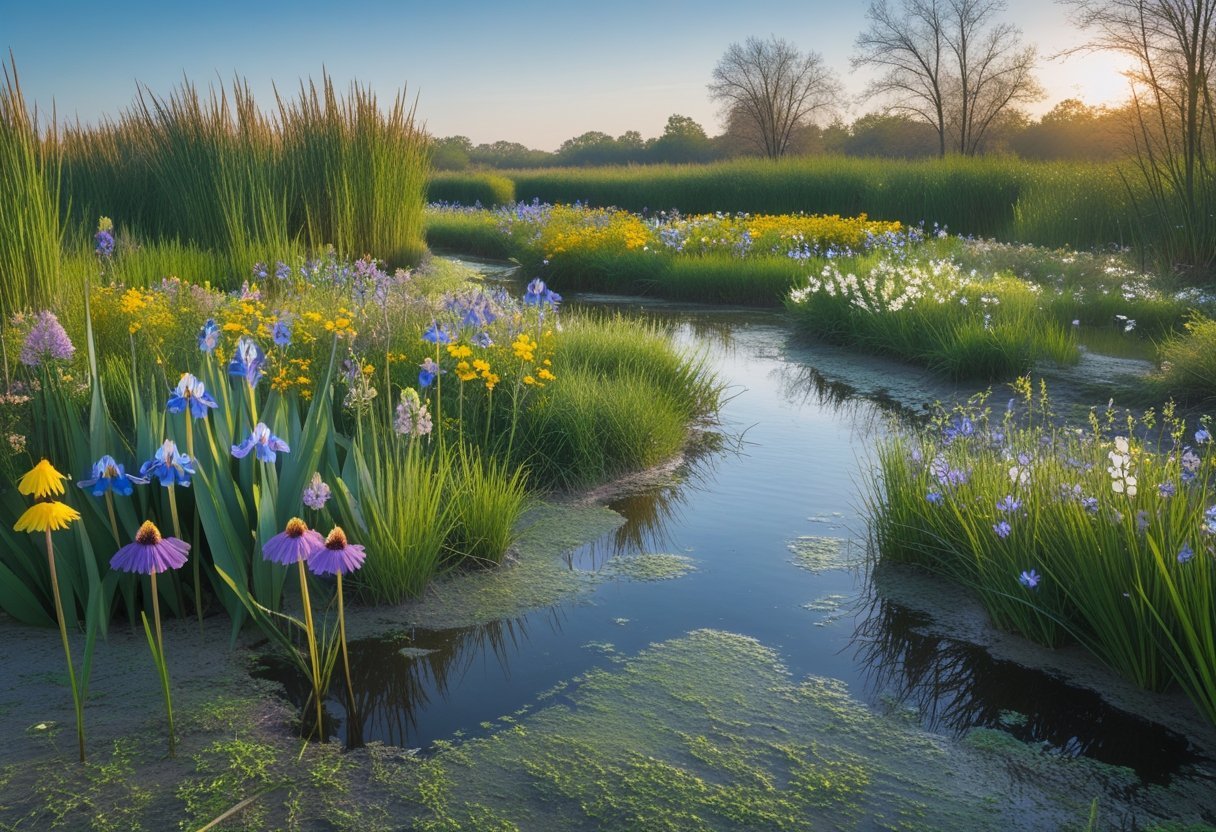
If your garden includes damp spots near ponds or streams, plants that thrive in wet conditions will flourish there. These moisture-tolerant wildflowers enhance your space with vibrant colors and attract diverse wildlife. Incorporating them helps build a natural habitat that supports aquatic creatures while offering a calm, refreshing area for you to enjoy.
Recommended Products


USDA CERTIFIED ORGANIC & NON-GMO: Grow your own fresh culinary herbs with peace of mind. Our open pollinated, heirloom variety pack is 100% clean, natural, rigorously tested for germination, and proudly certified organic by Oregon Tilth.

TRUE ENGLISH LAVENDER 'VERA' + STRATIFICATION SUCCESS – Not French lavender — this heirloom English lavender is the original variety with stronger fragrance and superior oil quality. Cold stratify seeds 2–4 weeks before planting to dramatically improve germination, whether growing indoors or outdoors.
11. Wildflower Yard Option
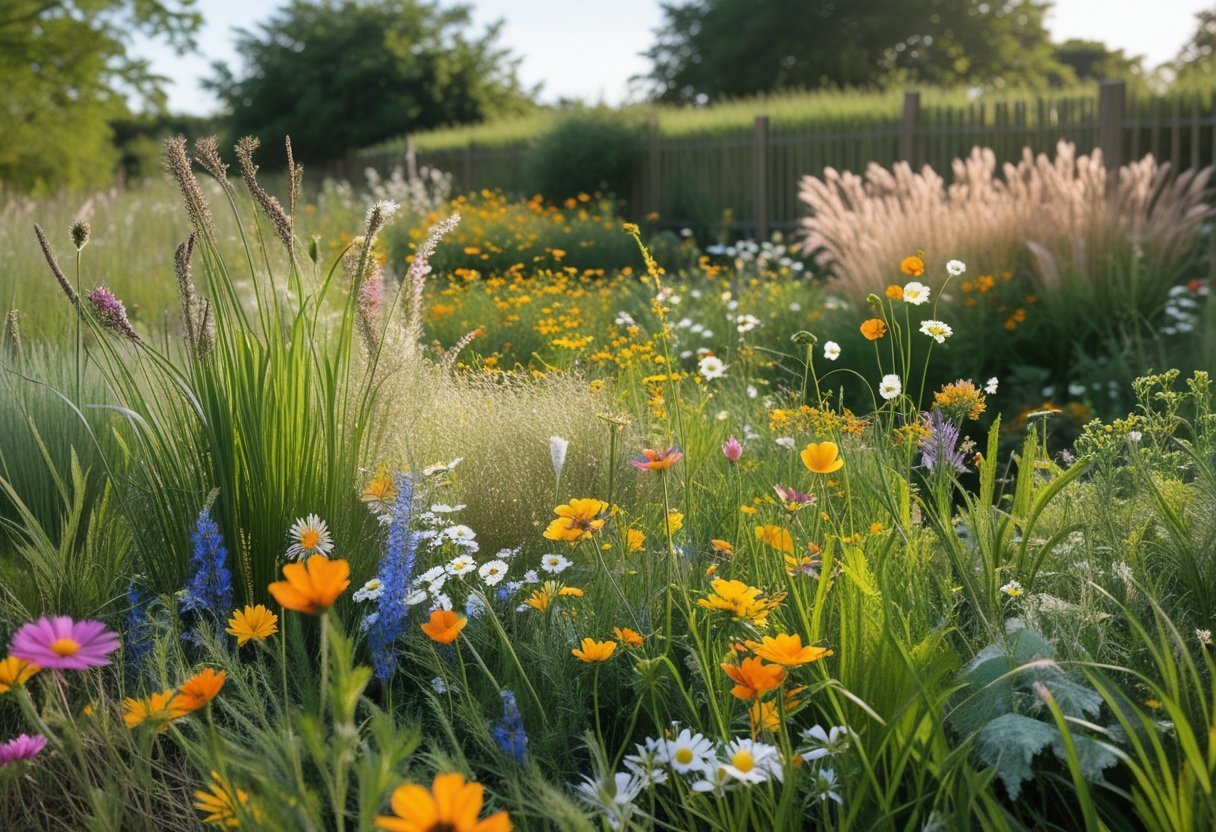
Choosing wildflowers instead of grass cuts down on mowing, watering, and chemical use. You encourage a variety of plants that attract pollinators and helpful insects. This choice promotes a healthier outdoor space while lowering maintenance efforts and costs.
12. Garden for Picking Wildflowers
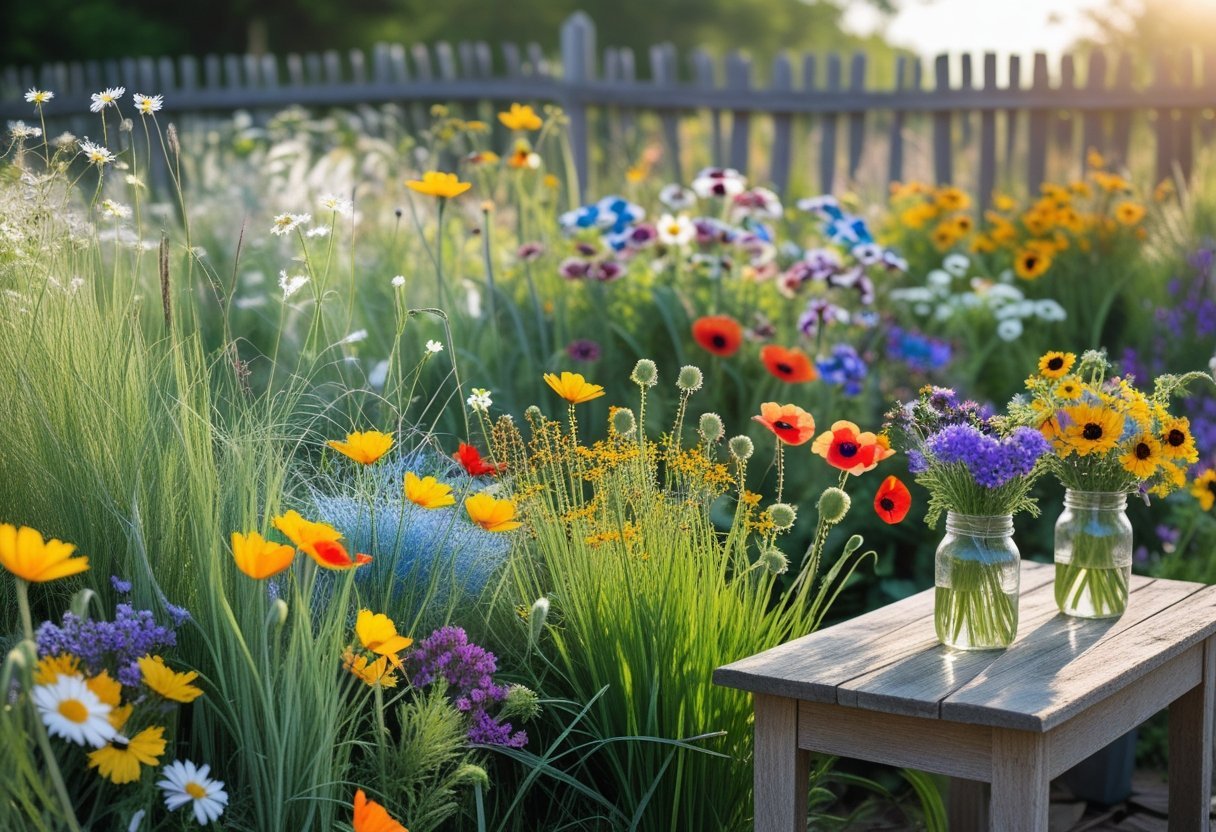
You can grow specific wildflowers known for lasting well after being cut, perfect for crafting fresh bouquets regularly. Your garden will offer a steady supply of blooms while supporting local wildlife. Selecting plants with durable flowers helps keep your arrangements vibrant for longer periods.
13. Low-Water Wildflower Garden
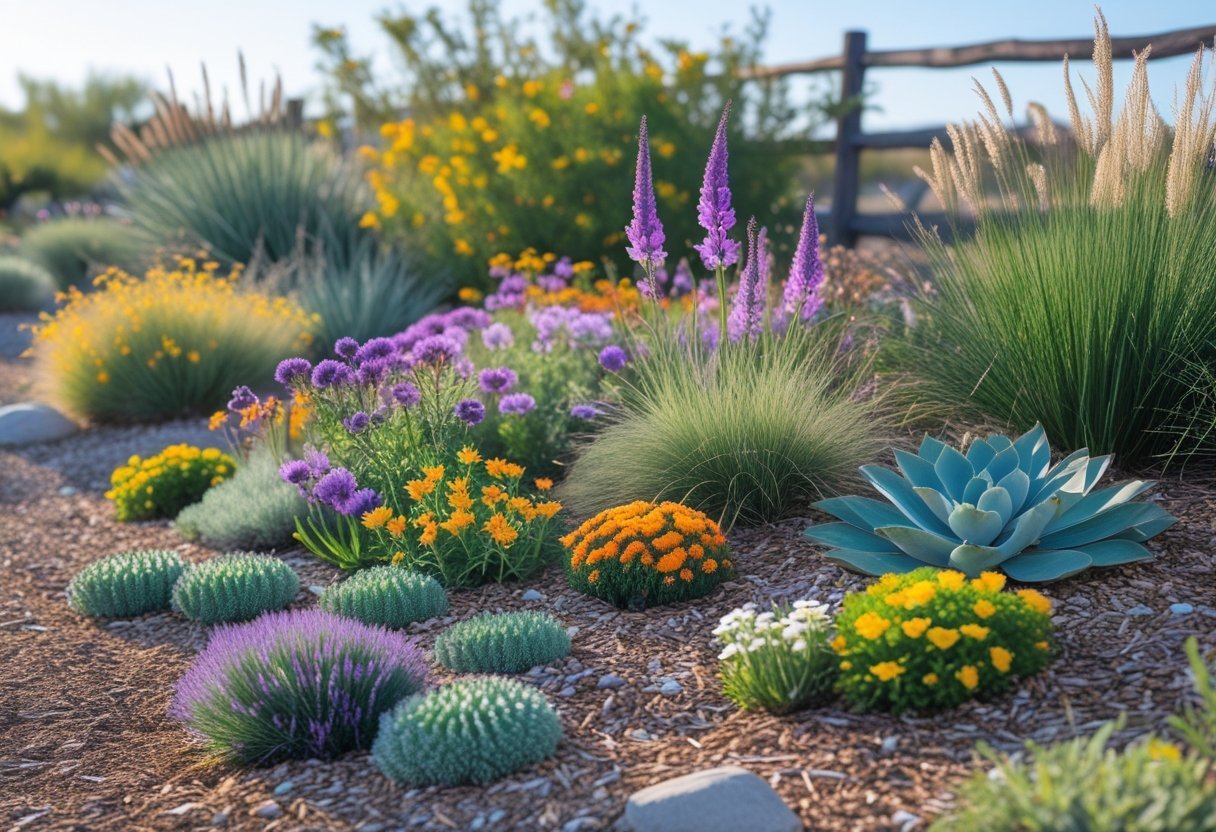
You can create a vibrant garden using native wildflowers that need little water. This type of garden thrives in dry or drought-prone areas while conserving resources. Maintenance stays simple, as these plants are adapted to local conditions and reduce your overall water use. Emphasize sustainable, colorful choices for long-lasting beauty.
14. Wildflower Garden with Rocks
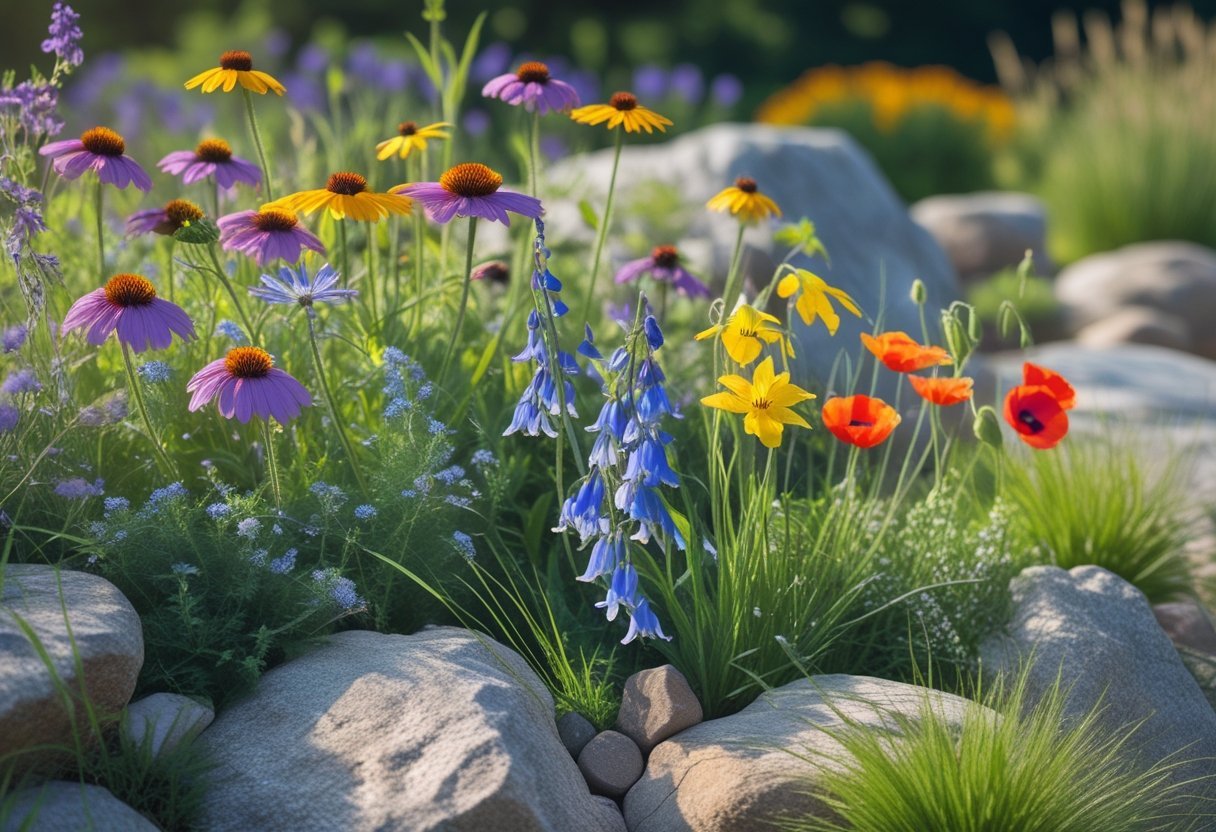
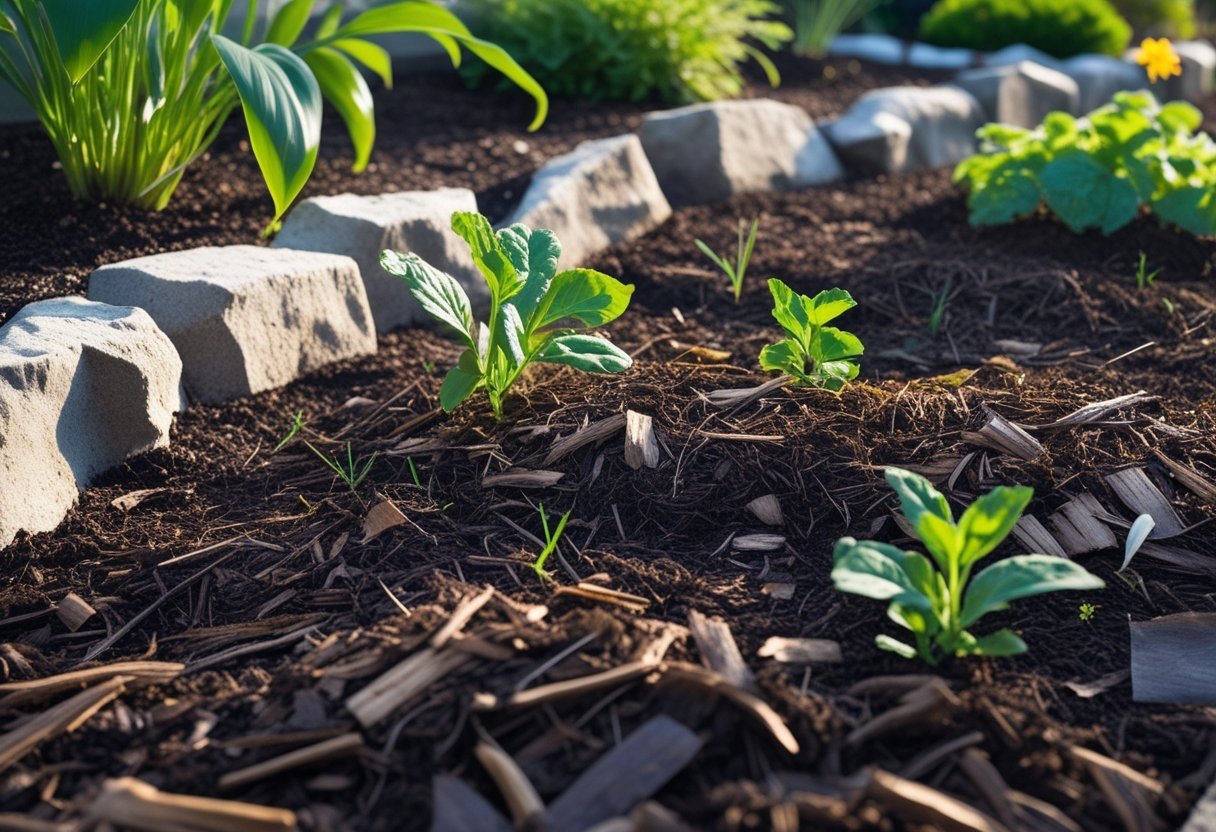
You can combine wildflowers with natural stone to create a visually appealing garden area. Rocks improve soil drainage, benefiting many wildflower varieties. This style is ideal for small yards or uneven terrain, offering a low-maintenance and organic look that enhances your outdoor space with texture and color.
15. Garden with Plants That Support Butterfly Development
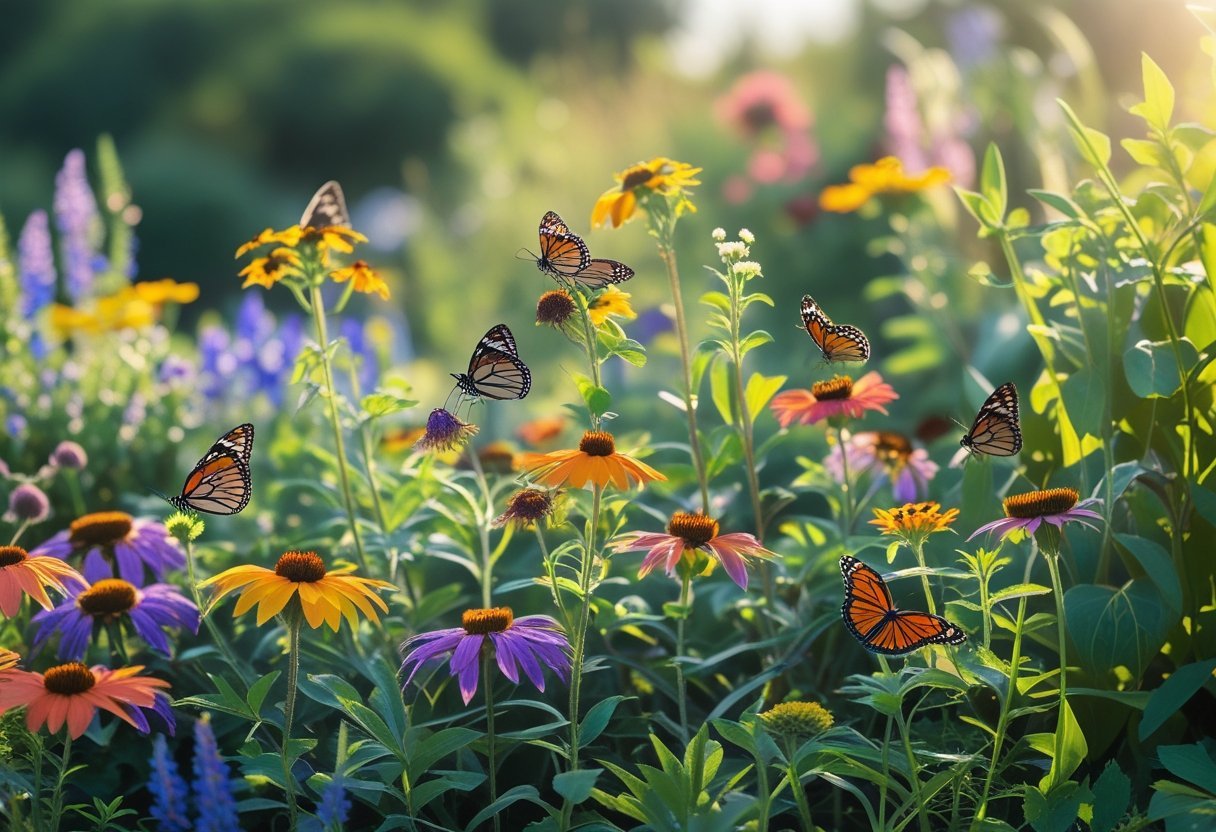
You can create a space where butterfly larvae find food and shelter by planting specific host species. These plants supply both nectar for adult butterflies and leaves young caterpillars need to eat. Including these in your garden helps support butterfly growth through all life stages, contributing to local biodiversity and a healthier ecosystem.
16. Low-Water Wildflower Garden
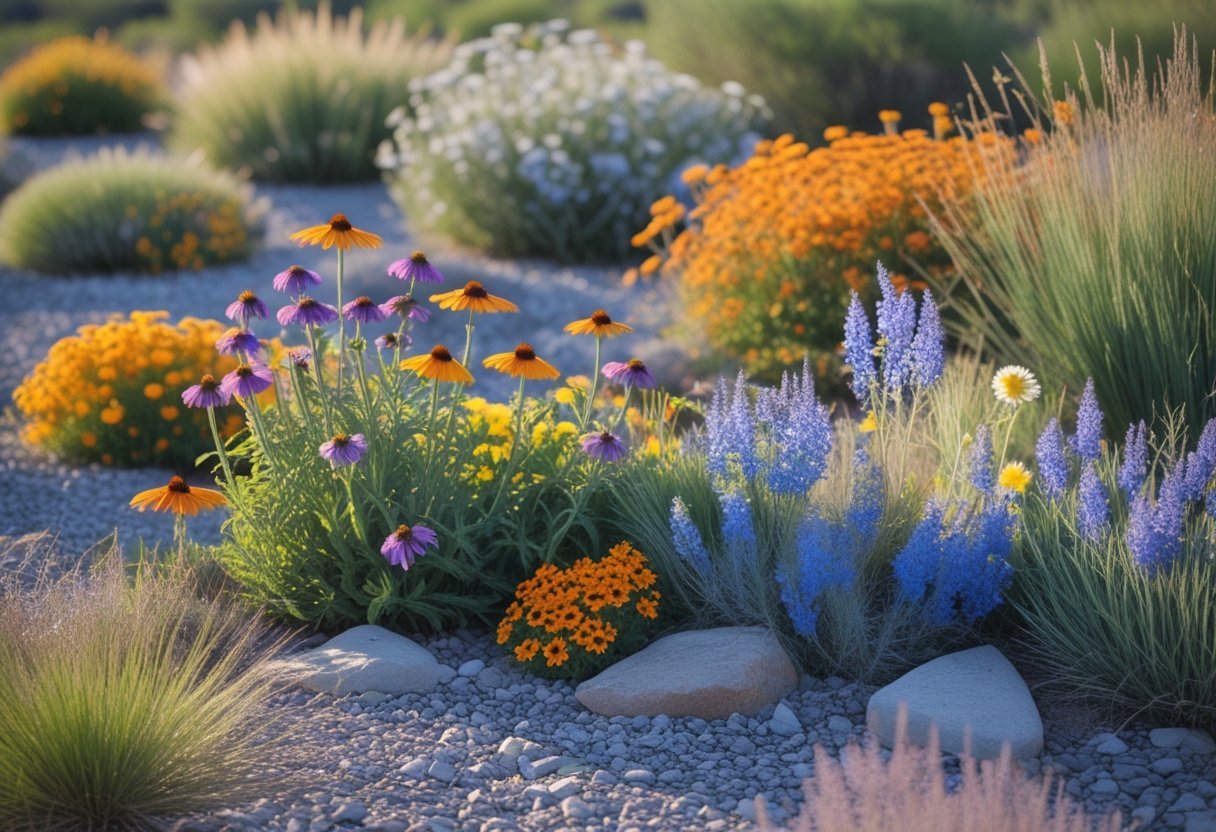
You can create a garden that thrives with minimal watering by selecting wildflowers suited for dry environments. Plants such as coneflowers and black-eyed Susans naturally handle heat and sun without much care. This type of garden saves water and brings long-lasting color to sunny spots in your yard. Consider grouping drought-tolerant species to maximize efficiency and visual appeal.
17. Wildflower Area with Bird Nest Boxes
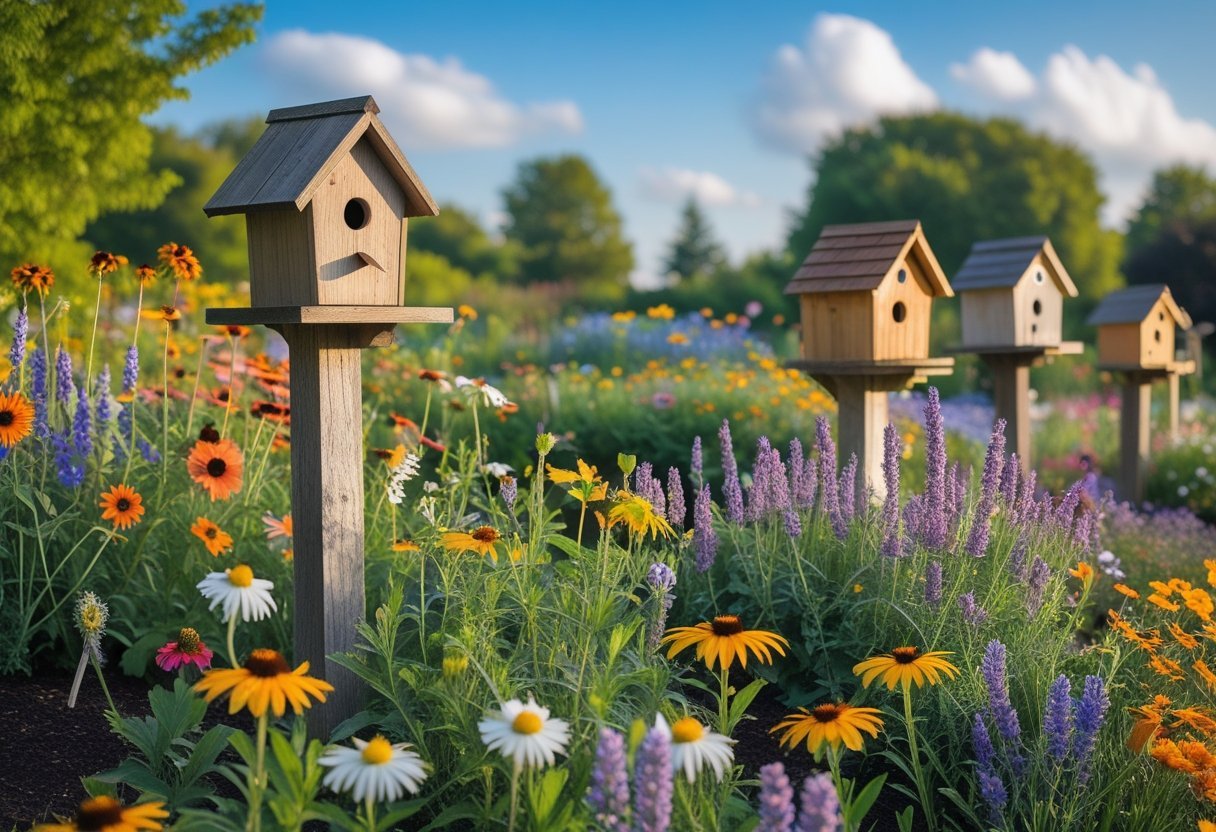
You can enrich your wildflower garden by adding birdhouses, which offer nesting places for local birds. The flowers attract pollinating insects, while the birdhouses encourage bird activity. This mix creates a balanced environment that supports diverse wildlife and livens up your garden space.
18. Water-Edge Wildflower Garden
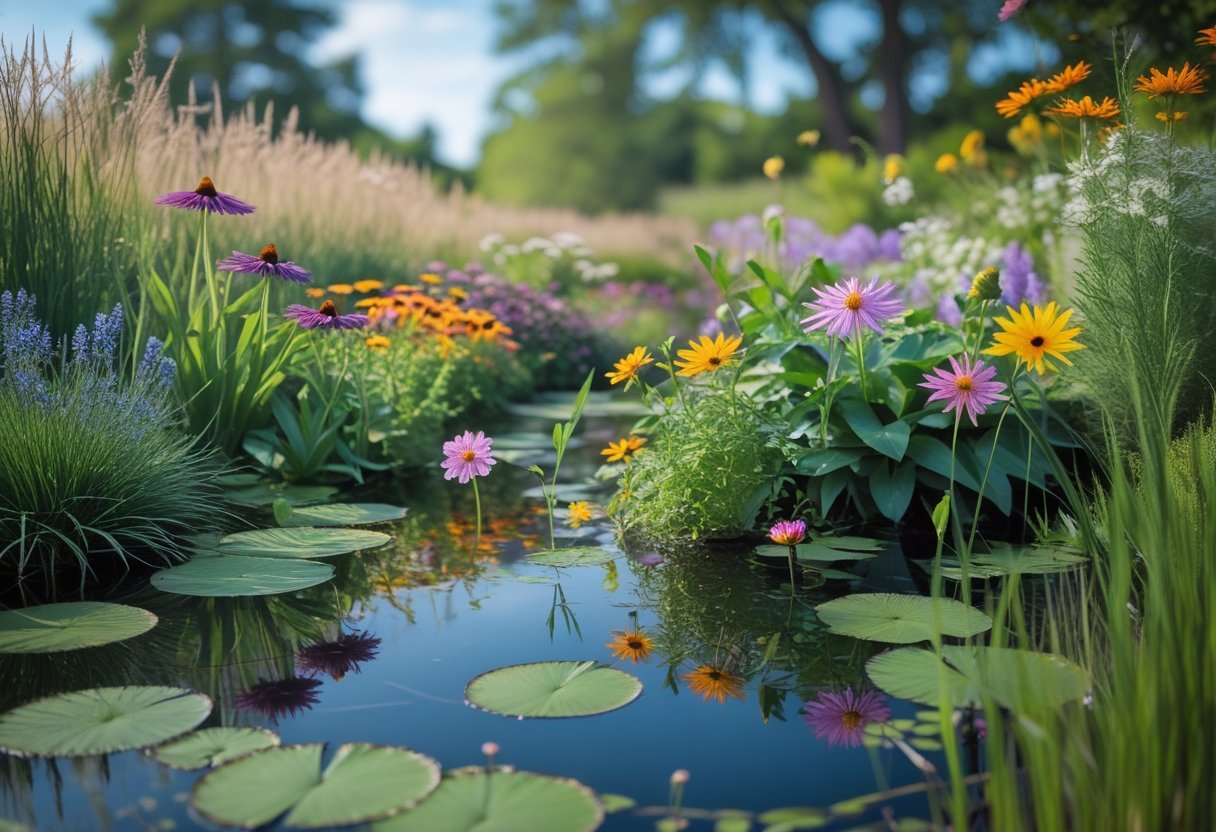
You can enhance pond or stream areas by planting wildflowers that thrive in moist environments. These plants attract wildlife like frogs, dragonflies, and birds, enriching your garden’s ecosystem. This setup adds peacefulness to your outdoor space while supporting water health naturally.
19. Creating a Garden That Supports Pollinators
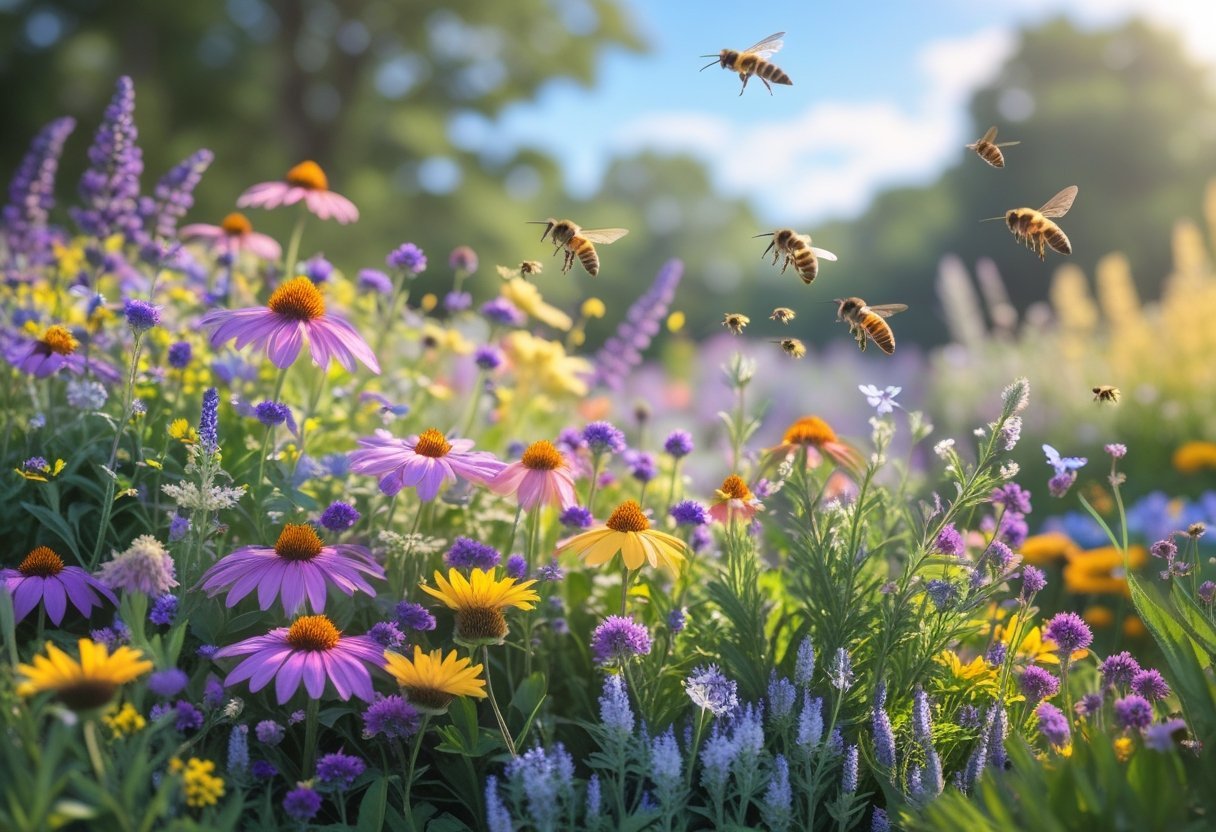
You can attract bees, butterflies, and other pollinators by planting a diverse mix of flowers. Choose species that bloom across different seasons to provide continuous nectar and pollen. This practice not only sustains these essential creatures but also benefits your local environment and encourages biodiversity naturally.
20. Front Yard Wildflower Garden
You can create a lively front yard by planting a wildflower garden that adds color and natural texture. This type of garden supports local wildlife and encourages ecological balance. It also lowers the need for frequent lawn care, making your yard easier to maintain and more attractive.
21. Forest Wildflower Garden
You can create a thriving garden in shaded woodland areas using plants like trillium, violets, and ferns. These species adapt well to the low-light conditions beneath the trees. Incorporating them adds natural charm while attracting helpful wildlife. This approach refreshes your outdoor space with calm and greenery.
22. Wildflower Garden with Walkways
You can create inviting walkways that weave through your wildflower garden, offering easy access to enjoy the plants closely. These paths help you explore different views and create a peaceful atmosphere. They also make upkeep simpler while encouraging you to connect with nature in your outdoor space.
23. Creating a Wildflower Garden That Blooms All Year
To keep your garden lively through every season, choose a mix of wildflowers that bloom in spring, summer, and fall. This ensures continuous bursts of color and texture as different plants take their turns blooming. By planning with seasonal blooms in mind, your outdoor space stays fresh and visually interesting throughout the year.
24. Wildflower Garden Designed for Bees
You can support bee populations by selecting wildflower species that provide abundant nectar and pollen. These plants create a habitat where bees can feed and thrive, aiding in pollination and the growth of many crops.
Focus on native flowers suited to your region; they often require less care and bloom across different seasons. Your garden becomes a dynamic space, hosting various pollinators like bees, butterflies, and hummingbirds.
Consider planting a mix of perennials and annuals to maintain continuous flowering. This also promotes biodiversity and boosts the overall health of your garden ecosystem.
| Benefits of Bee-Friendly Wildflowers | Examples of Common Species |
|---|---|
| Provides food for pollinators | Black-eyed Susan, Coneflower |
| Supports local wildlife | Milkweed, Aster |
| Requires low maintenance | Goldenrod, Bee balm |
By doing this, you help protect essential pollinators while enhancing the natural beauty of your outdoor space.