
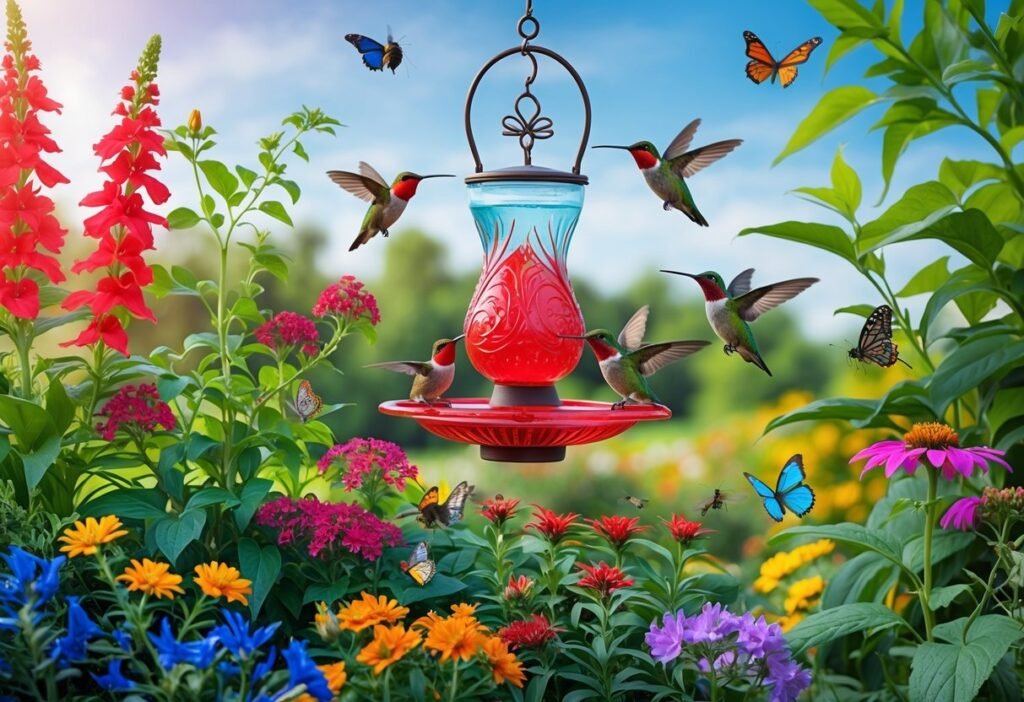
Want to make a difference for bees, butterflies, and other pollinators right in your own yard? A pollinator garden is an easy way to provide these helpful insects with the food and shelter they need to thrive.
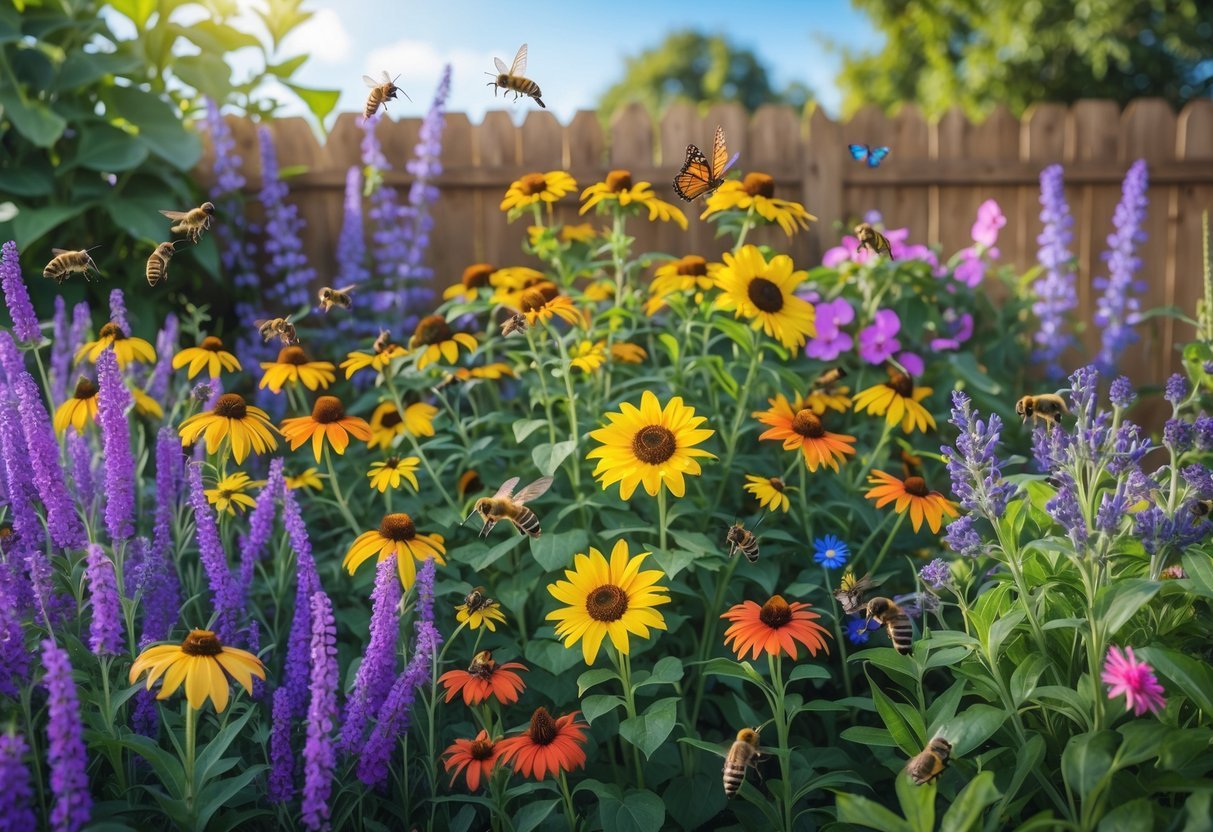
By adding certain plants and flowers, you can create a colorful, lively space that supports important pollinators. Below are 23 simple ideas to help you build a garden that attracts and nourishes these vital creatures.
1. Wildflower Habitat
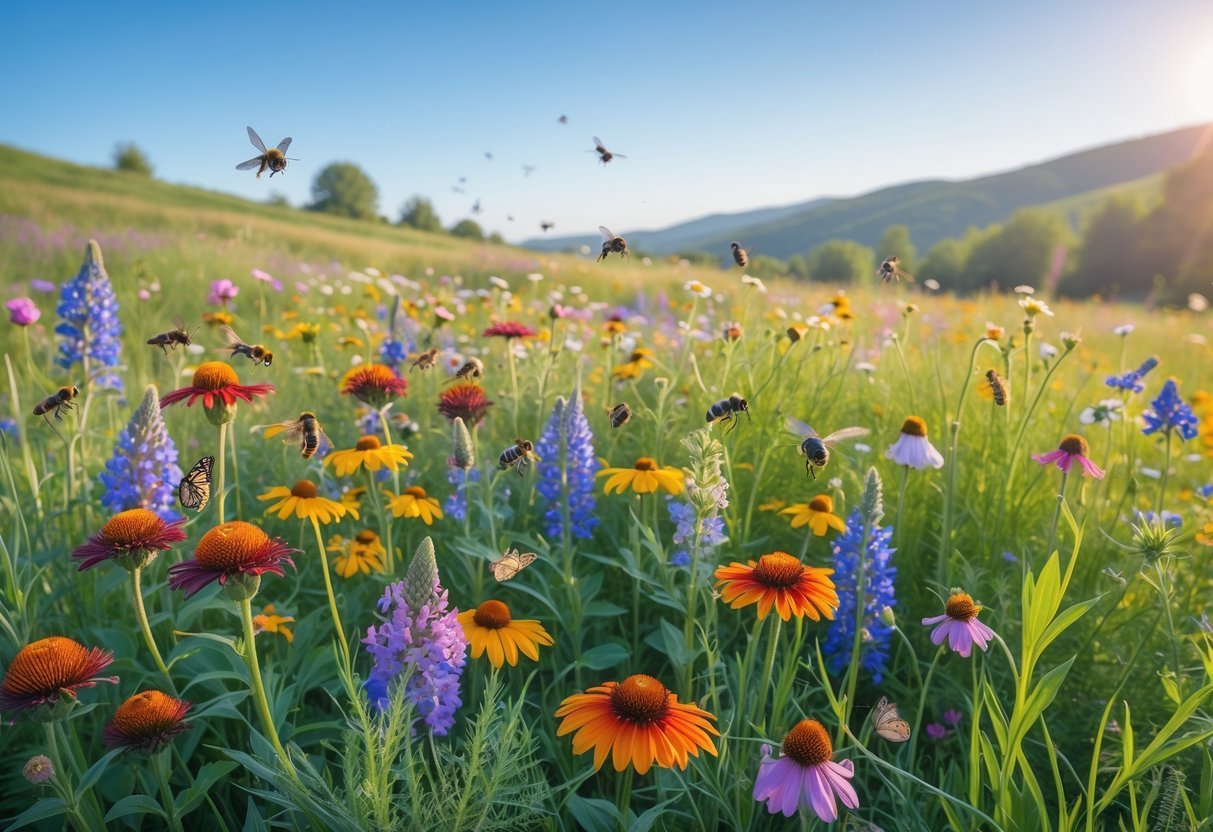
You can create a natural area that supports many pollinators by planting native wildflowers. Different flowers bring in bees, butterflies, and moths, increasing the chance of pollination. This type of habitat helps keep local wildlife healthy and supports the balance of nature. Including a mix of native species offers food and shelter to pollinators through all seasons.
Recommended Products

PREMIUM WILDFLOWER SEED MIX: Contains 24 prairie wildflower varieties; High germination rate with non-GMO USA-sourced seeds; Perfect for midwest regions including Indiana, Missouri, Michigan, and Pennsylvania; Creates stunning flower mix for all gardens

19,000 PREMIUM SEEDS: Revitalize your landscape with 19,000 high-quality wildflower seeds specially selected to thrive in California’s diverse climate zones—from coastal areas to inland valleys.

Premium Seed Content: Three ounces of pure wildflower seeds with no filler; Covers 250 square feet with vibrant blooms; Contains fifty percent more seeds than competing brands; Grow a beautiful flower garden with this diverse seed mix
2. Butterfly Habitat
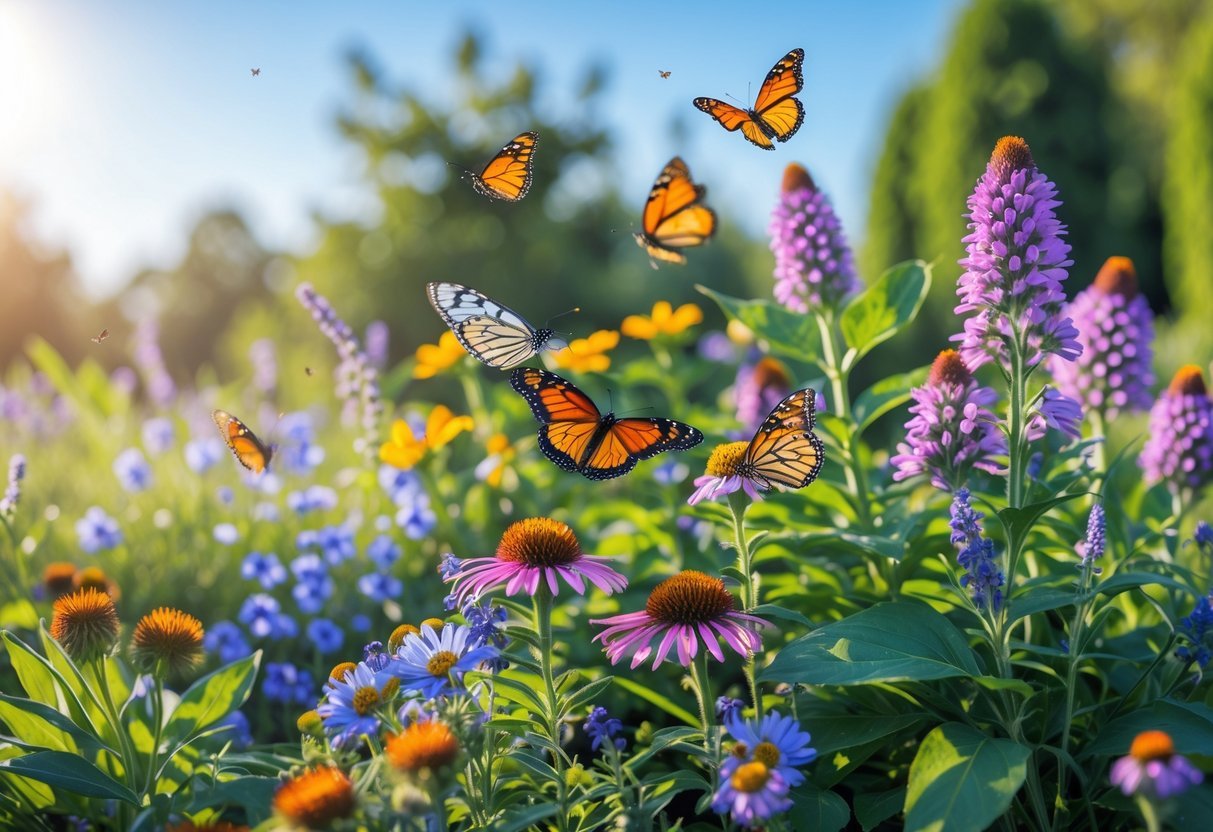
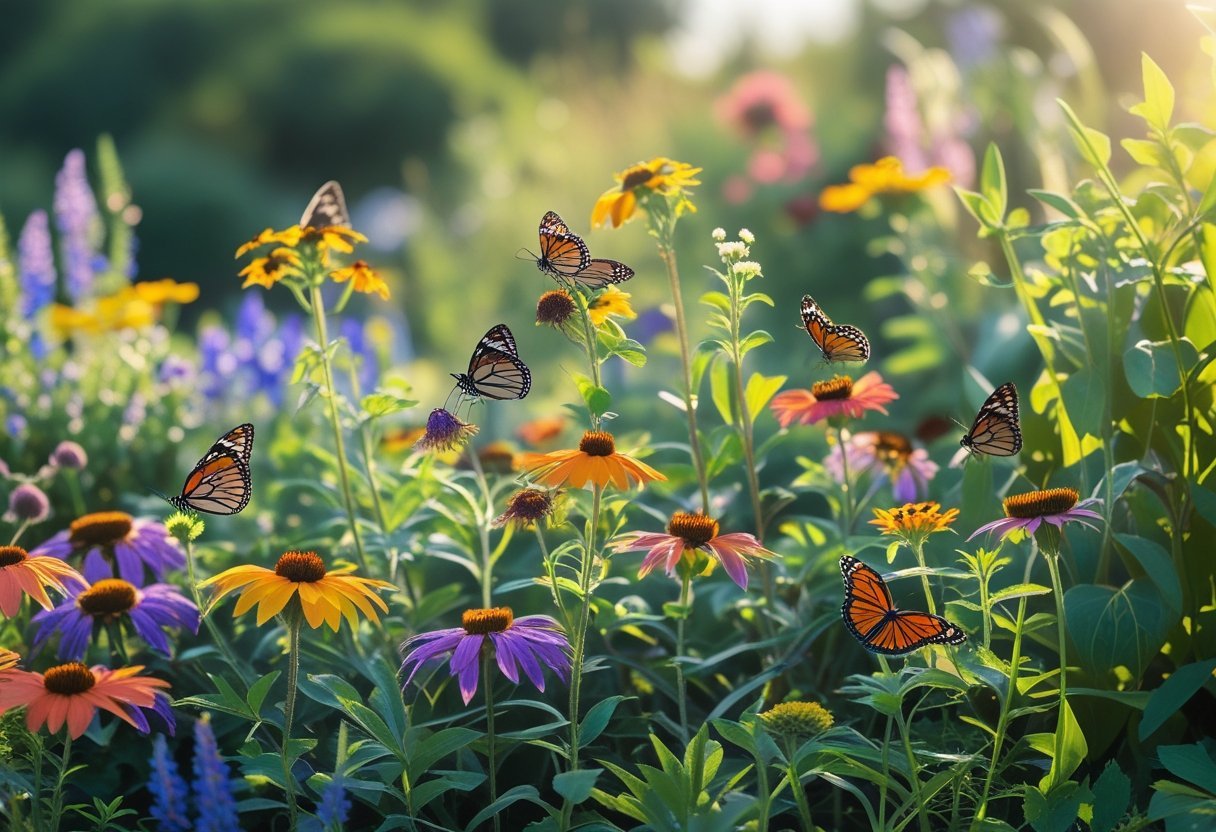
You can attract butterflies by planting flowers like milkweed, coneflowers, and lavender that are full of nectar. These plants also give butterflies places to lay their eggs. Adding a butterfly habitat supports your garden’s health and helps protect these important pollinators.
Recommended Products

POLLINATOR PARADISE: Over 20000 wildflower seeds create thriving habitats for monarchs, bees and hummingbirds; Perfect blend of milkweed seeds for monarch butterflies and nectar-rich flowers; Creates vibrant meadows and beds while supporting essential biodiversity

HIGH GERMINATION RATE: Start a thriving pollinator garden with over 100 premium, heirloom, non-GMO Butterfly Milkweed seeds. Carefully selected for exceptional germination, these seeds promise stunning orange blooms that attract monarch butterflies, bees, and other essential pollinators. Germination occurs within 7-14 days under ideal conditions.

Patience is a Virtue: While easy to grow from seed, Butterfly Milkweed may take 2-3 years to fully establish and flower.
3. Local Plant Garden
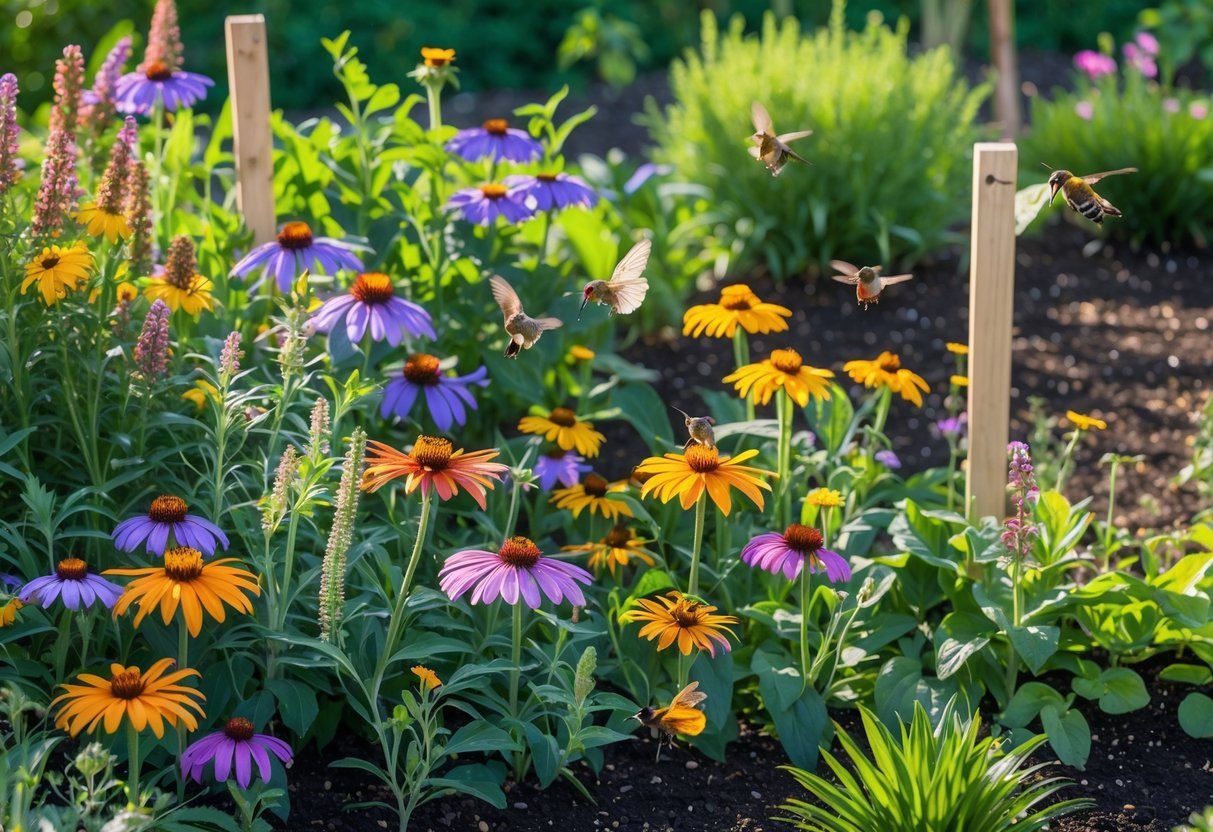
Choosing plants native to your area helps attract pollinators like bees and butterflies. Your garden will fit the natural climate and provide food sources pollinators need. This approach supports local wildlife and lowers how much you depend on pesticides. Native plants create a balanced environment for your garden’s health.
Recommended Products

Includes 50 Seeds in a Pack.
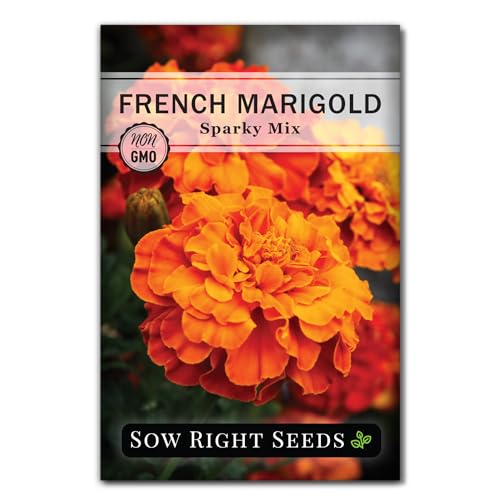
Beautiful - Large premium packet of ‘Sparky Mix’ French Marigold (Tagetes patula) seeds. This annual variety produces medium-sized flowers with wavy petals in a mix of gold, orange, red, yellow or bi-colored blossoms. Perfect for beginners and seasoned gardeners alike, these seeds allow you to effortlessly cultivate brilliant Marigolds that bloom all summer long. These lush, robust blooms also make ideal cut flowers for bouquets and arrangements. Minimum of 1g per packet ( about 350 seeds).

🌼 Fast-Blooming Marvel: Flowers in Just 45 Days: Watch vibrant blooms explode in color just 45–50 days after planting! These fast-growing marigold seeds deliver instant gratification, perfect for gardeners eager to brighten up beds, borders, and containers without a long wait.
4. Growing Herbs That Support Pollinators
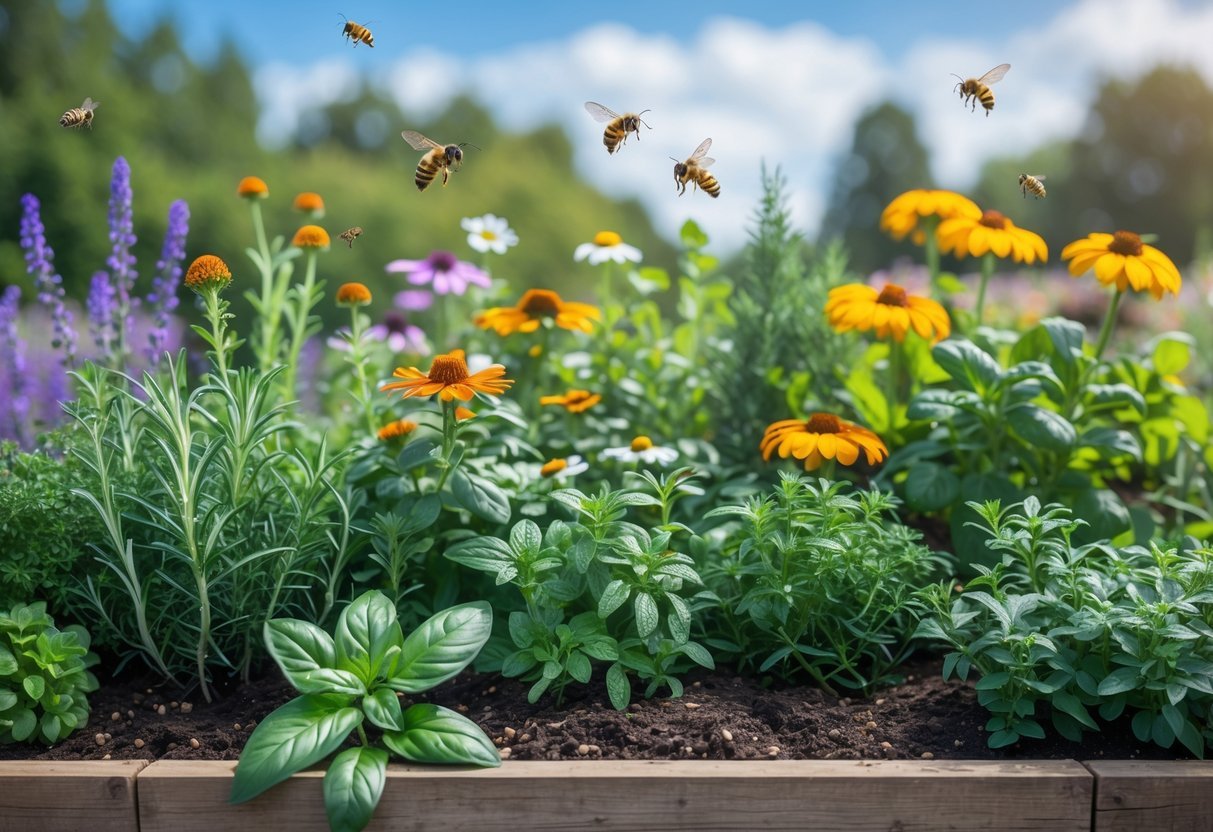
You can plant herbs like basil, thyme, and rosemary to attract bees and other pollinators. These herbs produce scented flowers that draw insects, especially when they bloom. By including these plants, your garden helps both your cooking and local pollinator populations thrive in the same space.
Recommended Products

Bee Balm Gardenview Scarlet (Monarda didyma ‘Gardenview Scarlet’) is a stunning perennial prized for its vibrant scarlet-red blooms and exceptional performance in the garden.

Attracts Pollinators: The blooms are effective at drawing hummingbirds, butterflies, and other pollinators to your garden

Native Pollinator Magnet: Spotted bee balm seeds produce aromatic wildflowers that attract honeybees, butterflies, and hummingbirds. Ideal native bee balm seeds for planting outdoors in full sun gardens.
5. Growing Pollinator Plants in Containers
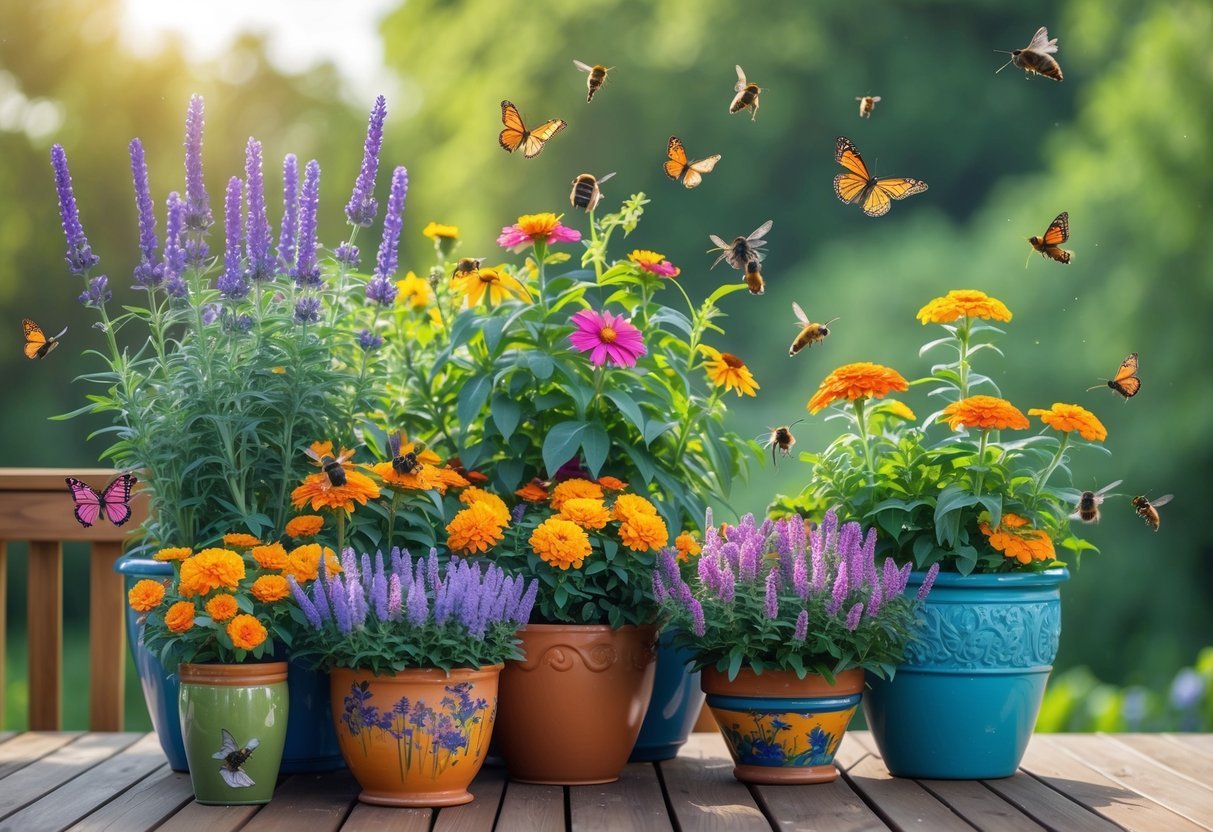
If you have limited space, you can grow pollinator-friendly plants in containers. Plants like lavender, marigolds, and geraniums do well in pots and attract bees and butterflies. This approach works well in cities where green areas are small but you still want to support pollinators. Using containers lets you place plants where they get the most attention from visitors.
Recommended Products

Strong fragrance: Creeping thyme has a unique and strong aroma, with a minty cool fragrance, mixed with a hint of sweetness, a rich flavor, and the aroma of broken leaves after being trampled also has the effect of repelling mosquitoes

🌱 10000+ Lemon Thyme Seeds for Planting Includes 10000+ lemon thyme seeds for planting, ideal for herb gardens, borders, containers, and outdoor landscaping projects with long-lasting aromatic foliage.

PREMIUM QUALITY CLOVER SEED: This high-quality white clover seed is perfect for erosion control, creating a lush lawn alternative, enriching pasture mixtures, and supporting seasonal food plot preparation. Ideal for homeowners, gardeners, landscapers, farmers, and wildlife managers, it works well for deer food plots, green manure crops, ground cover, lawns, gardens, and backyards.
6. Creating a Garden with Nectar-Rich Plants for Rainwater
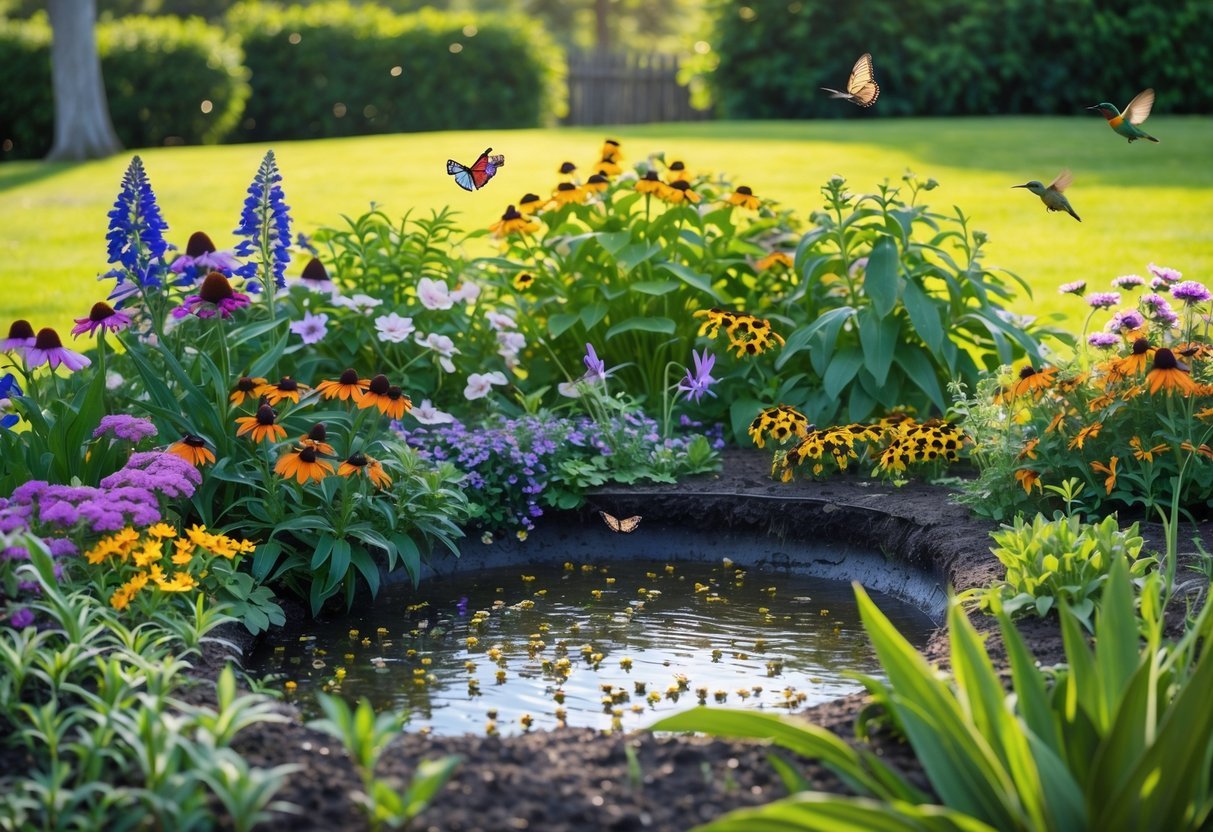
You can design your rain garden to catch runoff while attracting pollinators. Plant species such as bee balm, asters, and goldenrod provide nectar that supports bees and butterflies. This type of garden helps with water management and encourages local wildlife.
Recommended Products

7,500+ PURE LIVE SEEDS – Get a generous 1 oz. mix of Northeast regional wildflower seeds, designed to cover up to 100 sq. ft. when planted according to the recommended seeding rate.

NATIVE BEAUTY – New England Aster, Smooth Blue Aster, Purple Coneflower, Narrow-Leaved Coneflower, Black-Eyed Susan, Dense Blazing Star (Gayfeather), Bee Balm (Wild Bergamot), Lanceleaf and Plains Coreopsis (Tickseed), Showy, Common, and Swamp Milkweed, Purple Prairie Clover, Joe Pye Weed, Spiderwort, Common, Prairie, and Maximilian Sunflowers, Little Bluestem, Switchgrass, Indian Grass, Blue Vervain, Canada Wild Rye, and White Yarrow.

7. Alternatives to Traditional Lawns That Help Pollinators
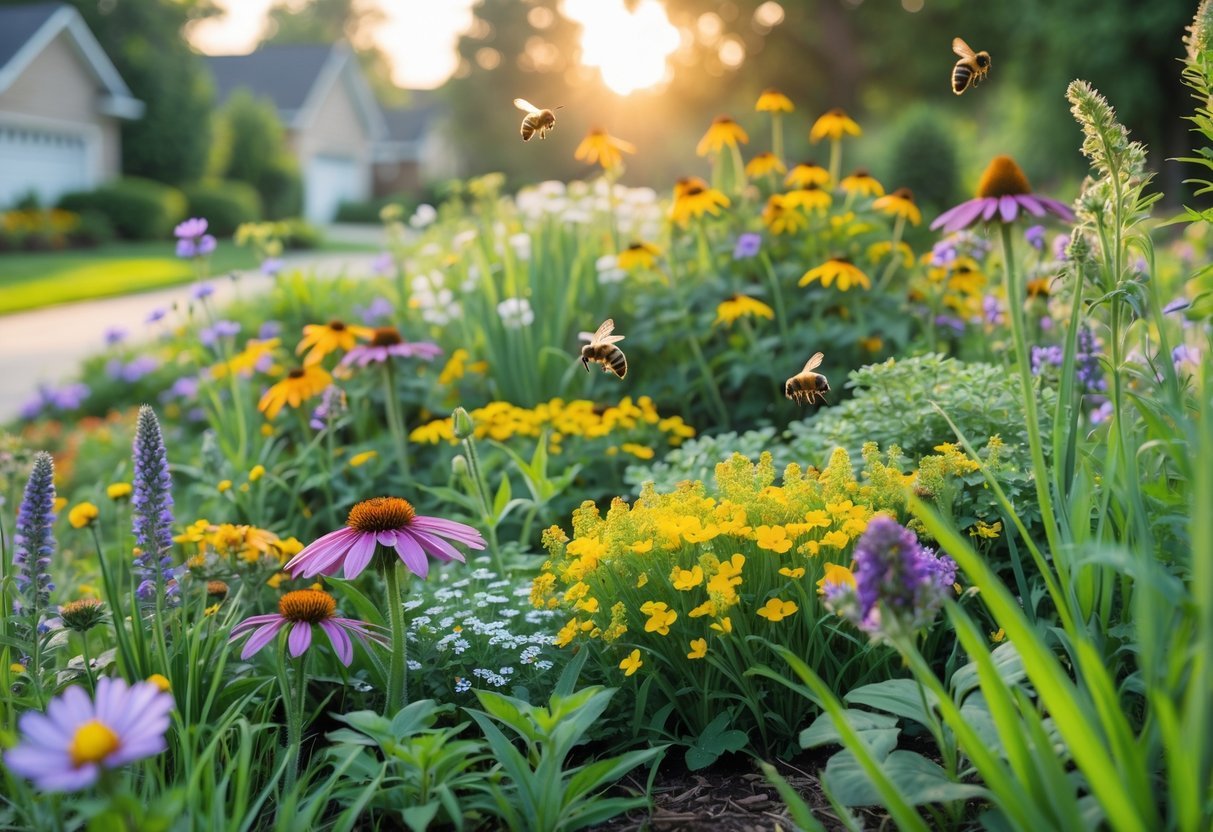
You can choose plants like clover or creeping thyme instead of regular grass to support pollinators. These options need less care and offer nectar for bees and other helpful insects. Using these plants reduces the need for chemicals, making your yard healthier and more eco-friendly.
Recommended Products

High Quality Seeds & Expert Guidance: Experience the BBB Seed (Beauty Beyond Belief Seed) difference. We provide premium open-pollinated, non-GMO/non-GE wildflower seeds with no fillers. Every seed lot is tested for germination and weed seed quality. A trusted source of quality seed since 1985.

Make a direct impact on the survival of monarchs by planting milkweed seeds for monarch butterflies. This essential plant serves as a breeding ground for monarchs and provides nourishment for their caterpillars, helping you play a role in saving these beautiful creatures.

Cold stratify: mix butterfly milkweed seeds with moist sand, refrigerate 30 days, then sow native milkweed seeds for planting just below surface. Native wildflower seeds germinate in 10-21 days.
8. Butterfly Drinking Spot
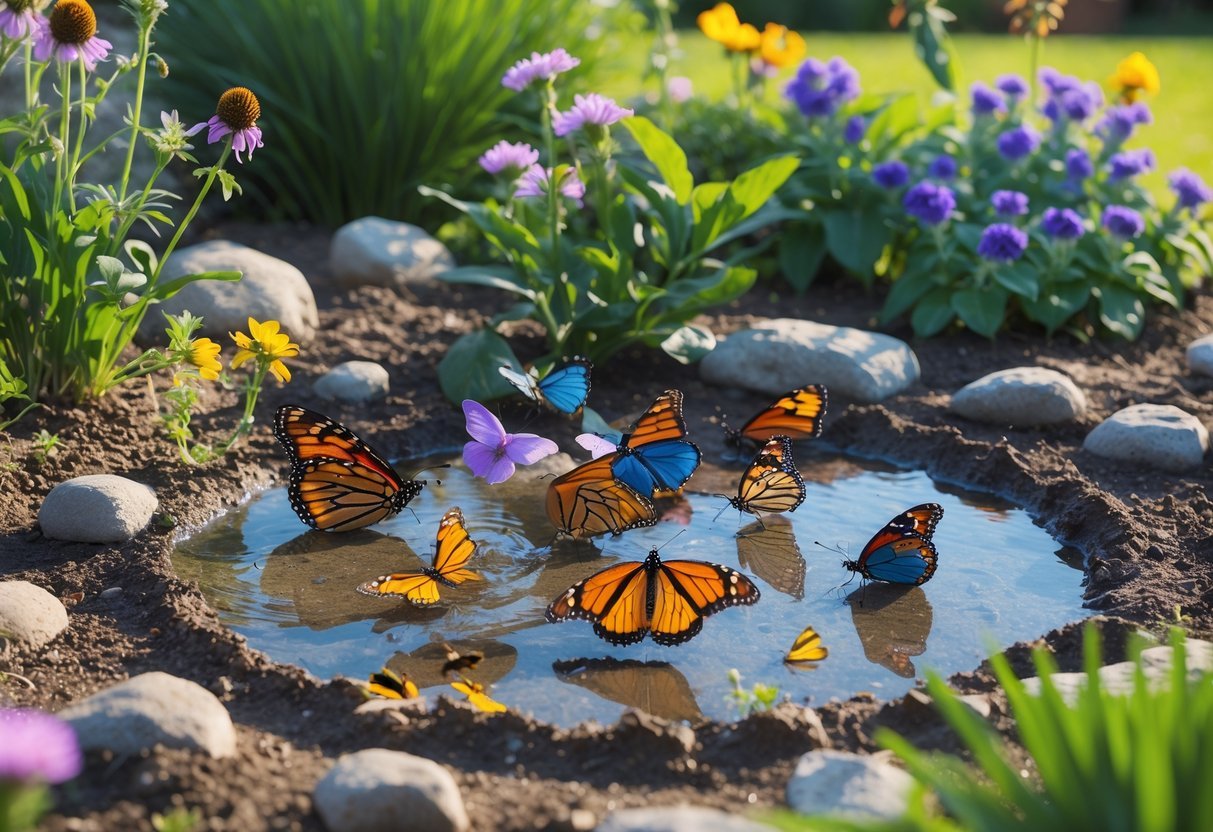
You can make a shallow water area by filling a container with wet sand and water for butterflies to drink and get minerals. This spot helps butterflies stay hydrated, especially when it’s dry outside. Placing it in a sunny area invites pollinators to gather and rest while they soak up needed nutrients.
Recommended Products

Premium Quality Seeds : Harvested from high-quality marigolds to ensure freshness and vibrant blooms!

EASY - Marigolds are a favorite to grow because they are so easy and germinate quickly! Great to get kids interested in gardening.

Variety and Appearance: Petite Blend Marigolds are a mix of French Marigold varieties known for their compact size, making them ideal for garden borders, containers, or edging. They usually grow to a height of about 8-12 inches and come in vibrant colors like yellow, orange, and red.
9. Creating a Hummingbird Feeder Spot
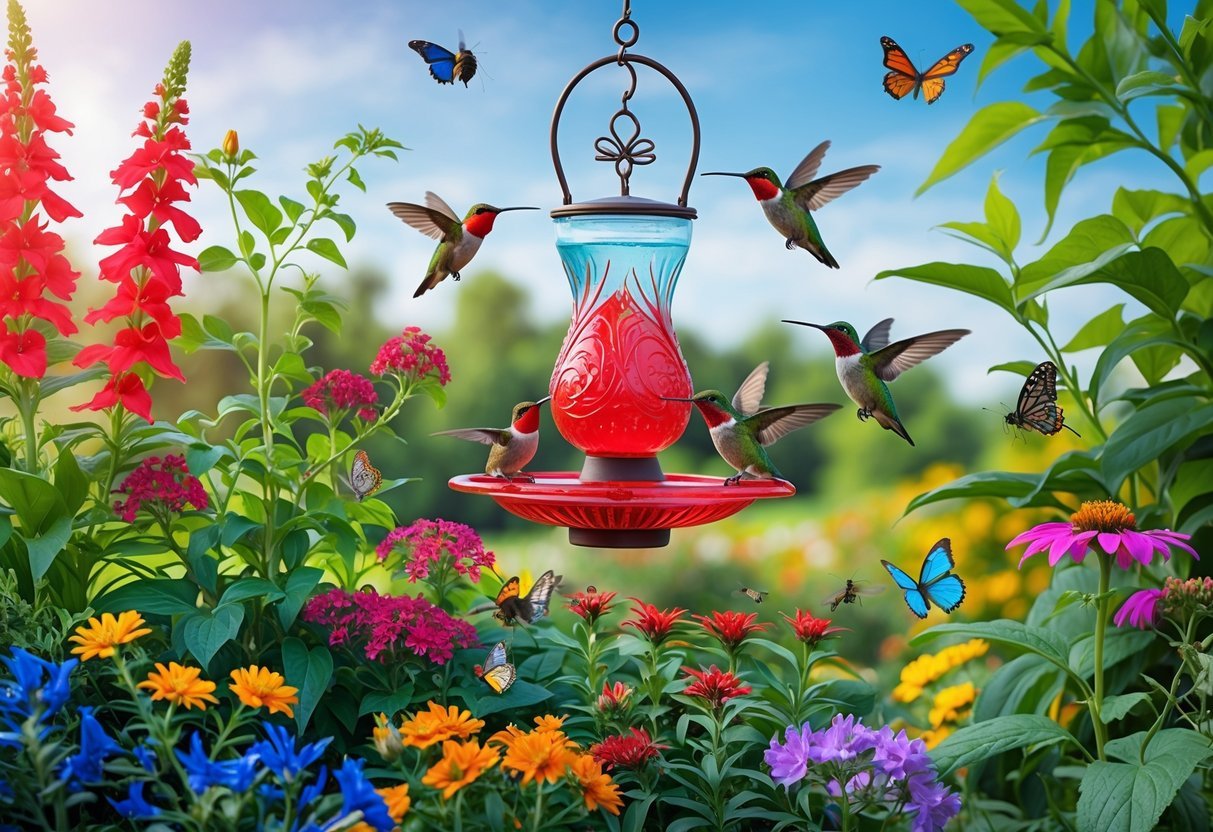
You can attract hummingbirds by setting up nectar feeders alongside plants that produce natural food. Including flowers like trumpet vine, bee balm, and columbine helps provide extra nourishment. This kind of garden supports hummingbirds, especially where natural food is scarce, making your space a vital stop for these small pollinators. Keep feeders clean and filled to maintain their visit.
Recommended Products

Perennials: Wild Bee Balm, also known as bergamot, is a native North American perennial herb in the mint family, commonly found in prairies, meadows, and open woodlands.
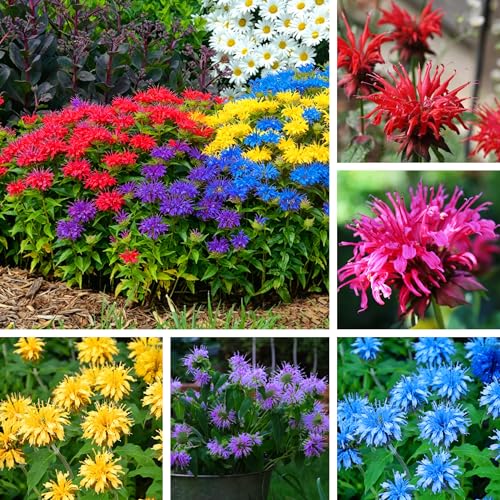
Colorful Bloom: These plants produce vibrant, eye-catching blooms throughout the entire growing season, keeping your garden alive and visually captivating year-round

Pollinator Garden Color: Grow bee balm seeds into purple summer blooms that attract bees, butterflies & hummingbirds, adding lively movement to beds, borders and native plantings
10. Creating a Space for Bees in Your Garden
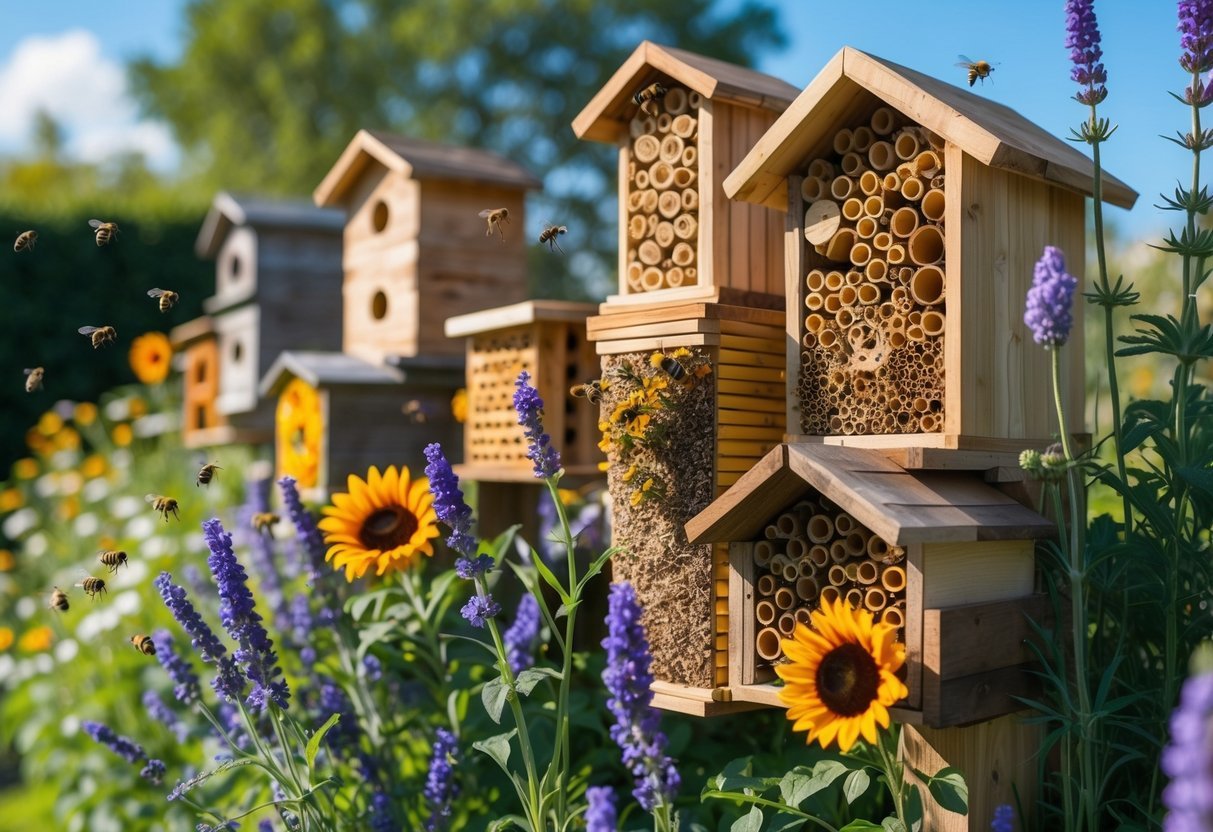
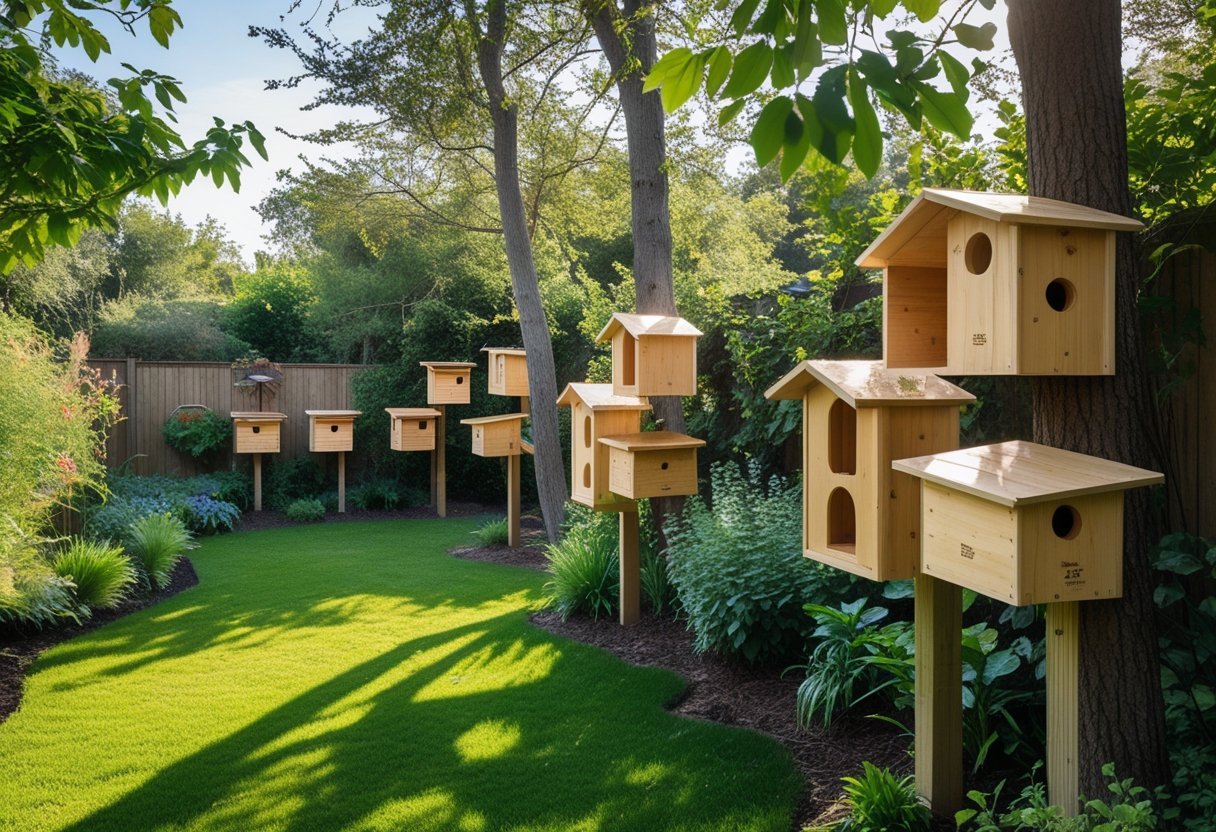
You can add bee houses made from natural materials like wood or bamboo to offer safe places for solitary bees. These small shelters let bees lay eggs and help grow their population. Placing bee hotels in your garden supports pollinators that often lack natural nesting spots. This boosts local plant pollination effectively.
Recommended Products
PREMIUM QUALITY CLOVER SEED: This high-quality white clover seed is perfect for erosion control, creating a lush lawn alternative, enriching pasture mixtures, and supporting seasonal food plot preparation. Ideal for homeowners, gardeners, landscapers, farmers, and wildlife managers, it works well for deer food plots, green manure crops, ground cover, lawns, gardens, and backyards.
PREMIUM QUALITY CLOVER SEED: This high-quality white clover seed is perfect for erosion control, creating a lush lawn alternative, enriching pasture mixtures, and supporting seasonal food plot preparation. Ideal for homeowners, gardeners, landscapers, farmers, and wildlife managers, it works well for deer food plots, green manure crops, ground cover, lawns, gardens, and backyards.

LOW MAINTENANCE STRAWBERRY CLOVER SEEDS FOR LAWNS: O.M. Scott & Sons Strawberry Clover Seed is crafted with premium strawberry clover which grows a naturally low-maintenance green space with small, pink flowers
11. Climbing Vines on a Trellis for Pollinators
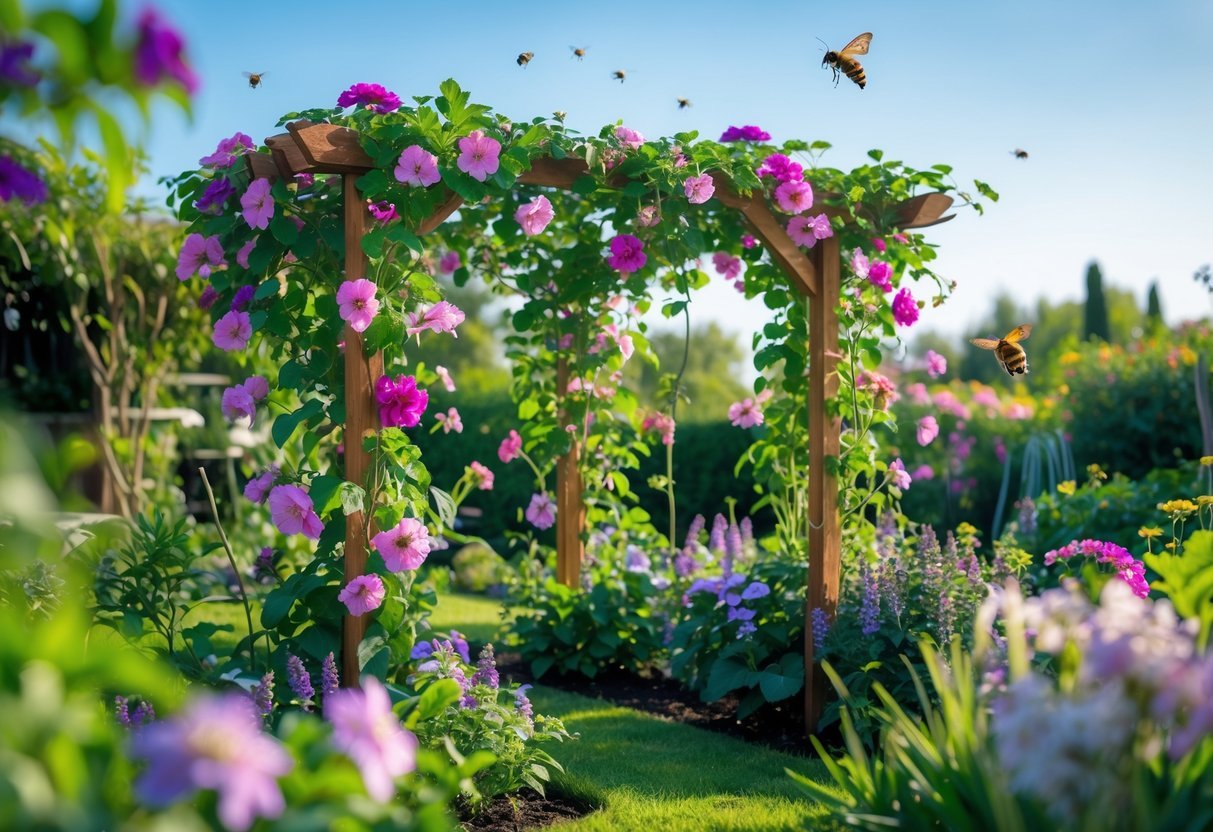
You can use a trellis to grow climbing vines that attract bees and hummingbirds. Plants such as honeysuckle, clematis, and morning glories work well. This setup helps you save space while providing food and shelter for pollinators in your garden.
12. Using Rocks and Plants to Attract Pollinators
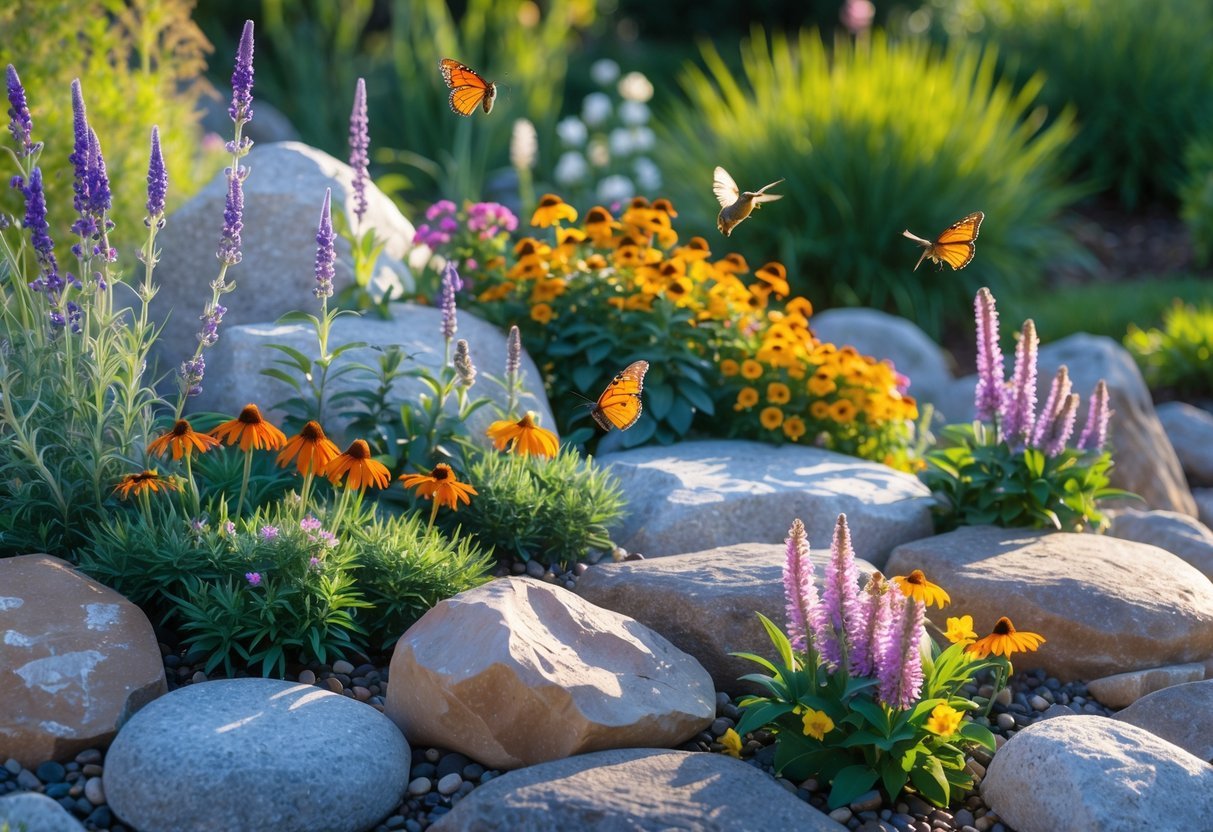
You can create a small habitat by placing drought-friendly plants like lavender and thyme among stones. Rocks help keep moisture in the soil, supporting plant growth while offering resting spots for pollinators. This type of garden saves water and provides shelter and food for bees and other helpful insects.
13. Shared Pollinator Habitat
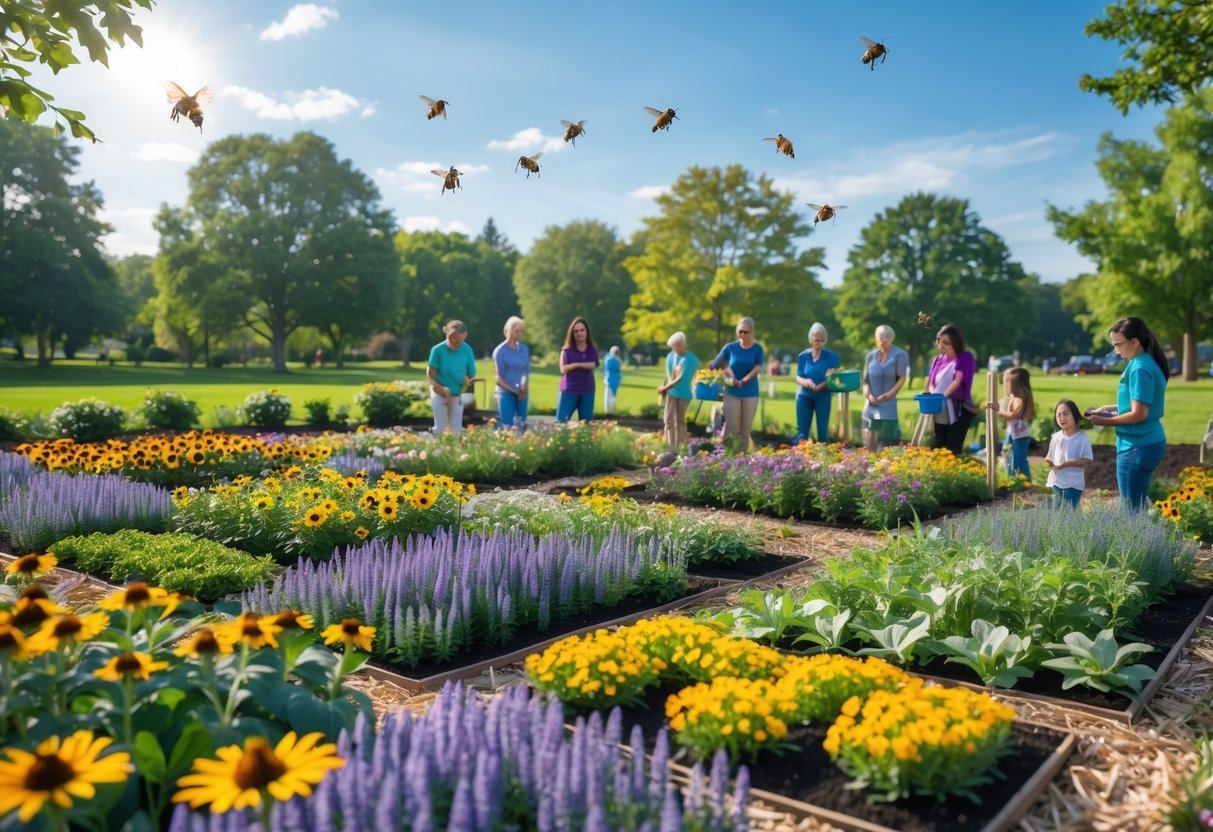
You can work with neighbors to create a shared garden that supports pollinators. Plant a mix of flowers and plants that attract different pollinators. This space not only helps pollinators survive but also encourages learning and caring for the environment together. A diverse garden benefits everyone in your community.
14. Growing Pollinator Plants Upwards
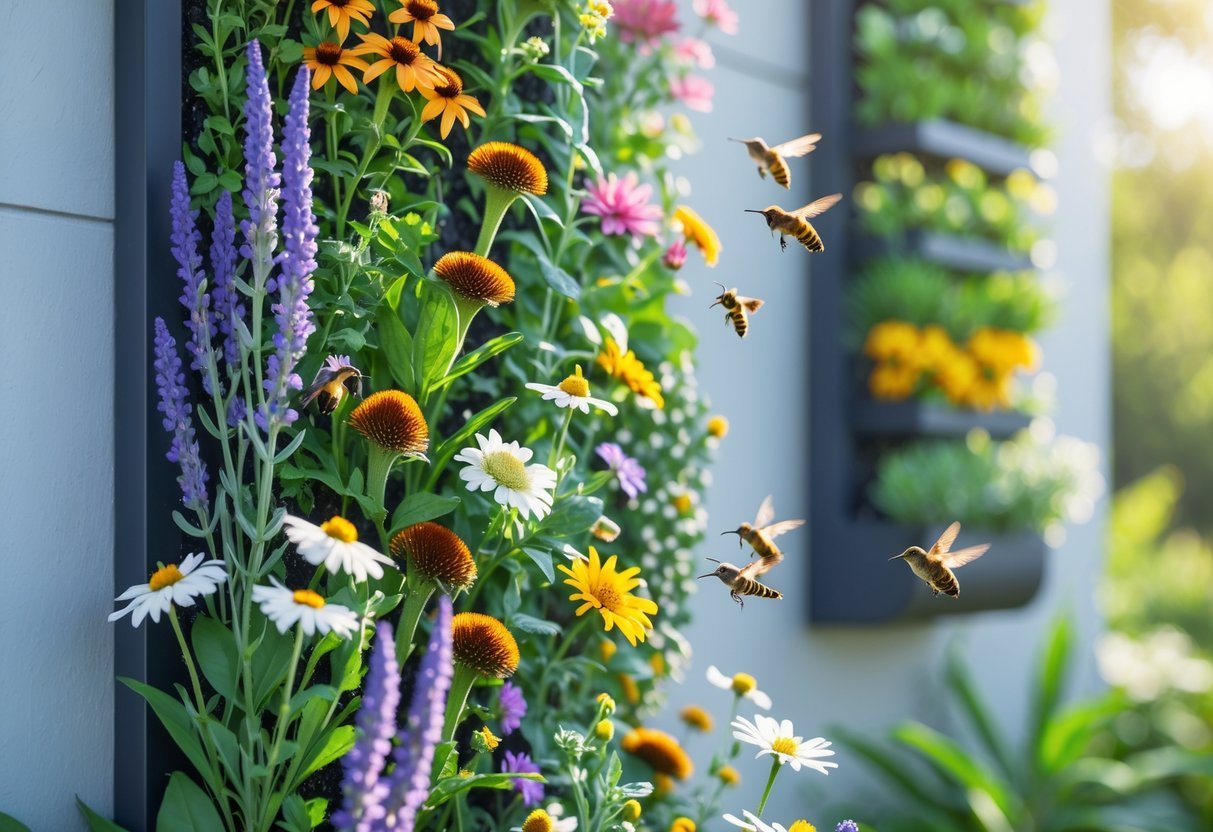
You can use walls or fences to create gardens that attract bees and butterflies. Plants like jasmine or ivy climb these vertical surfaces, making the most of limited space. This approach helps you support pollinators even if your yard is small, while offering them places to live and feed.
15. Garden That Feeds Pollinators and You
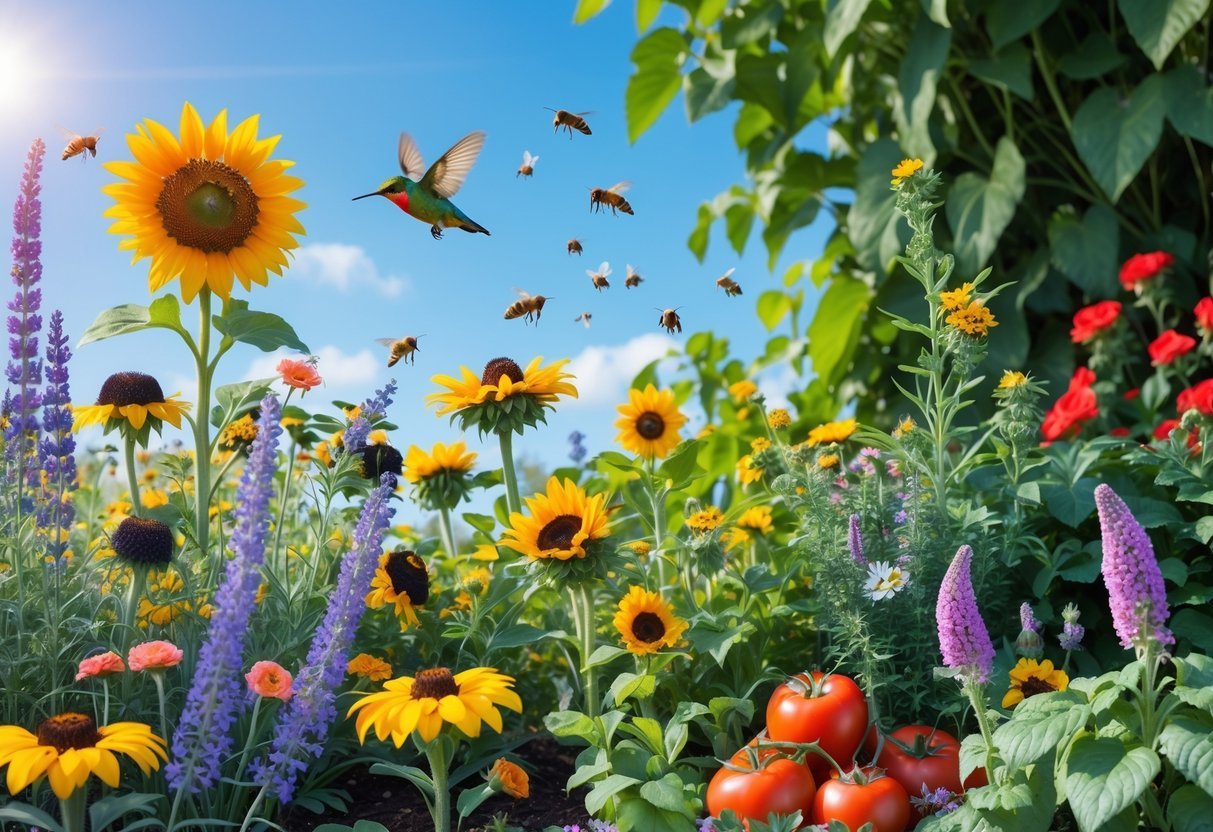
You can grow vegetables like tomatoes, squash, and strawberries to help feed pollinators while producing food. These plants depend on pollinators, so your garden supports both fruit growth and local bee populations. This type of garden benefits your harvest and helps maintain pollinator health.
16. Creating a Pollinator Garden in Shade
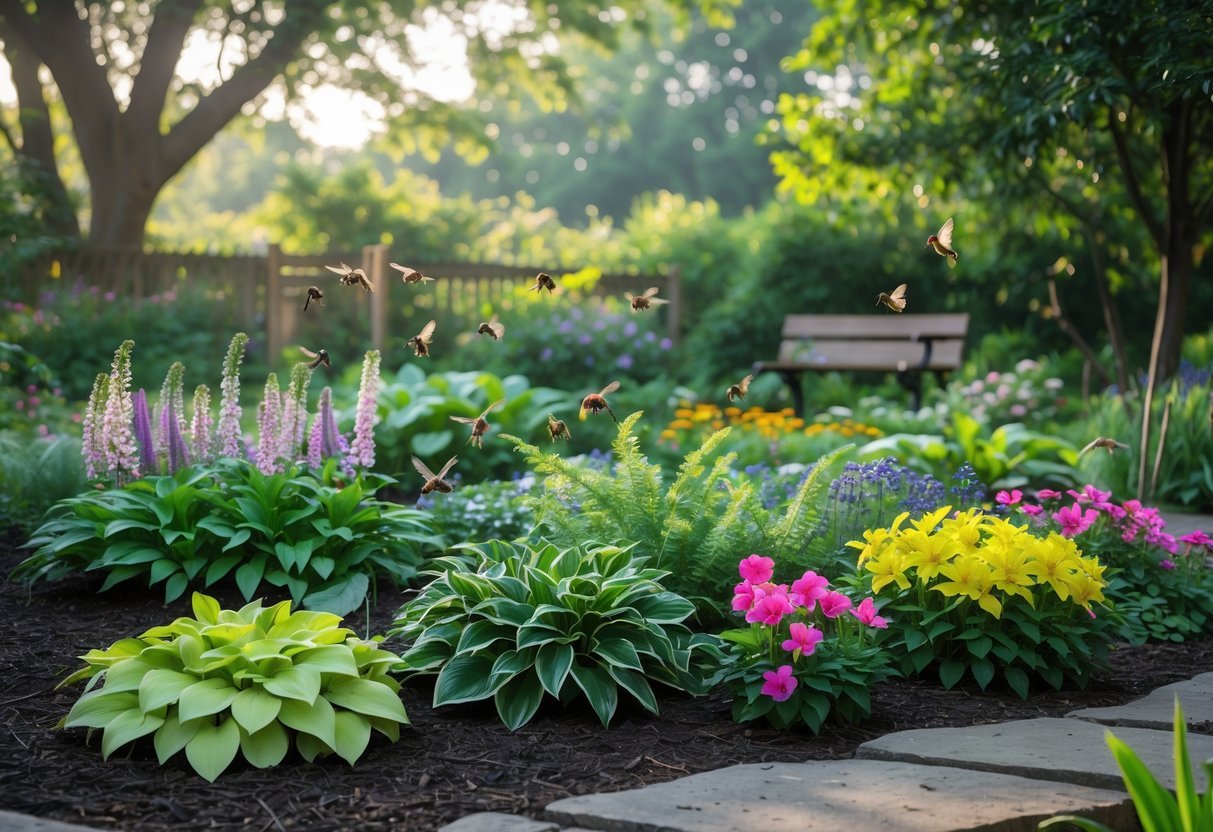
You can support pollinators even where sunlight is limited. Choosing plants like astilbe, hostas, and foxgloves helps provide food and shelter in shaded areas. These plants ensure pollinators find what they need, making your shady spots just as valuable as sunny ones.
17. Adding Water Spots to Support Pollinators
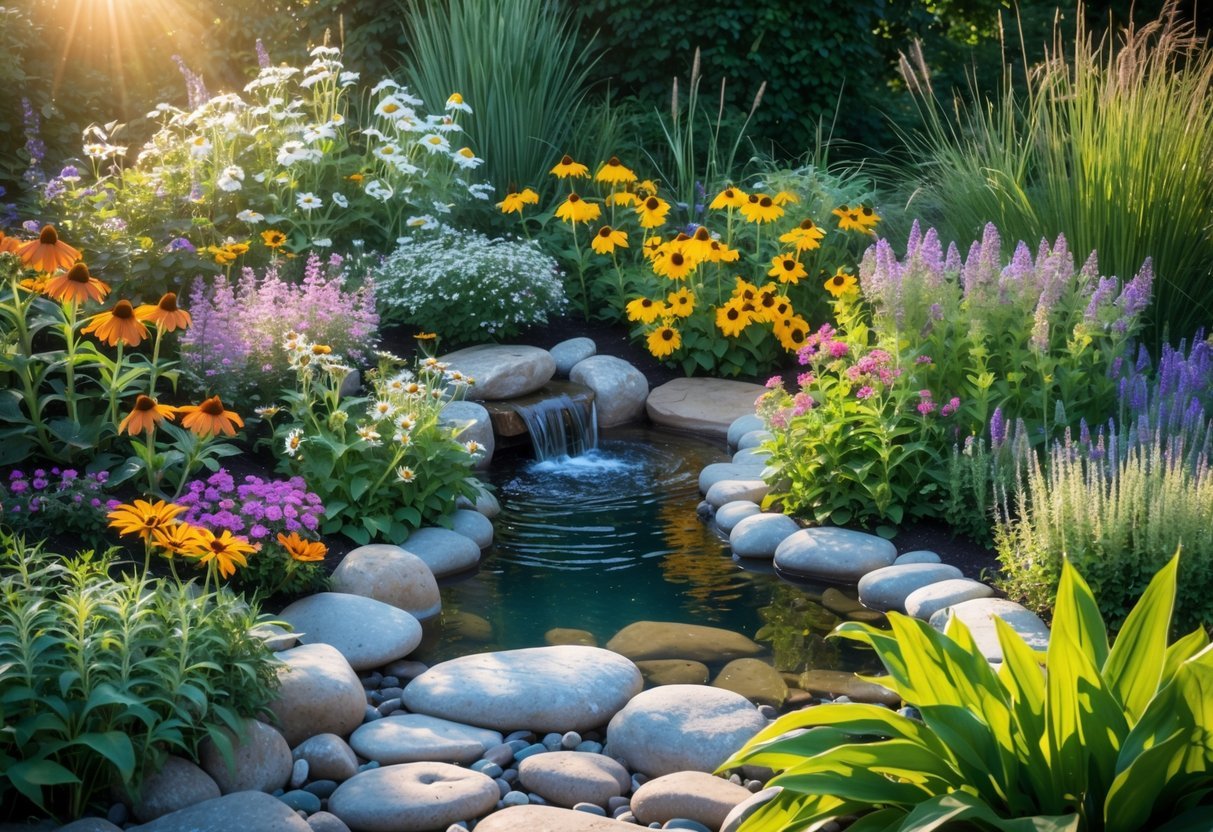
You can help pollinators by adding water spots like a birdbath or small pond. These places give bees, butterflies, and other insects a chance to drink and cool down. Water sources are especially important during hot days to keep pollinators healthy.
18. Plant Night Flowers to Support Evening Pollinators
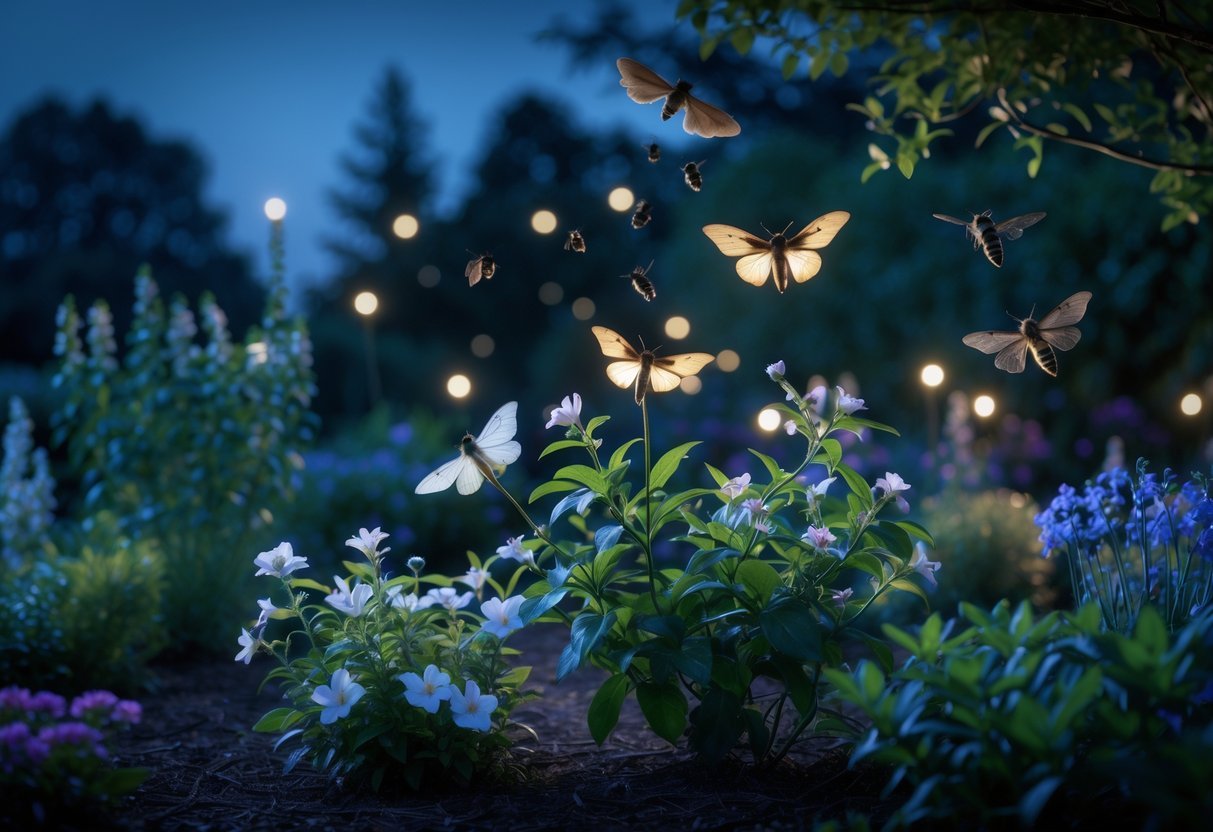
You can attract moths and other nighttime pollinators by choosing flowers that open after dark. Species like moonflowers and evening primrose offer nectar when daytime blooms close. Adding these plants helps provide food sources for pollinators active at night, balancing your garden’s ecosystem around the clock.
19. Creating a Pollinator Garden in Tight Spaces
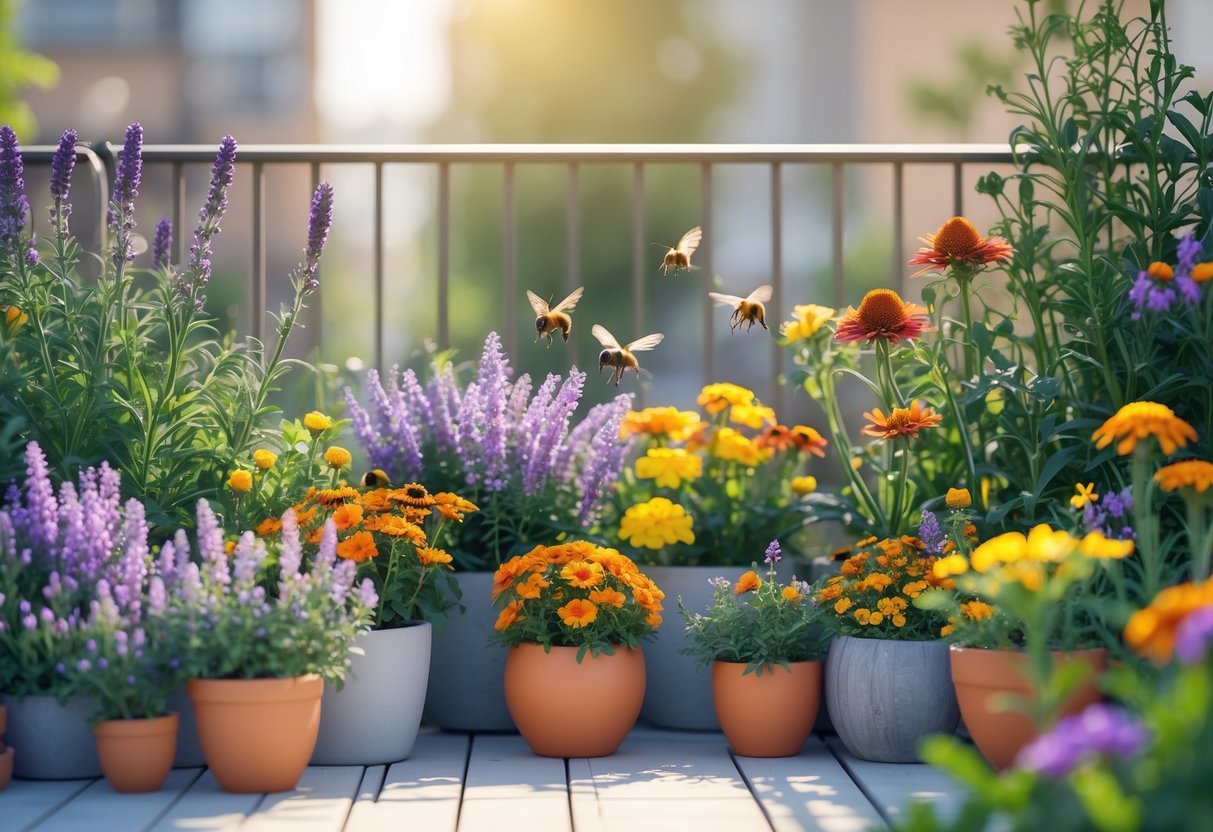
You can support pollinators even with very little room. Choose plants like echinacea, lavender, and marigolds that stay small but attract bees and butterflies. Using these in urban or small yard areas helps provide important food and shelter where space is scarce.
20. Creating a Fruit Tree Garden That Supports Pollinators
You can plant fruit trees such as apple, pear, or cherry to attract bees and other pollinators with their flowers. These trees give pollinators food and a place to rest. Adding fruit trees helps increase the variety of pollinator species in your garden while also producing fruit for you to enjoy.
21. Butterfly Bush Garden
You can attract many butterflies by planting butterfly bushes in your garden. These plants bloom over a long period, giving butterflies a steady supply of nectar. Adding butterfly bushes supports pollinators by providing reliable food, making your garden a lively place for various butterfly species.
22. Succulents That Support Pollinators
You can use succulents like sedum, agave, and echeveria to attract bees, butterflies, and other pollinators. These plants provide nectar and places for insects to rest. Succulent gardens work well in dry areas because they need little water but still help support local pollinator populations. This makes your garden eco-friendly and easy to maintain.
23. Year-Round Pollinator Garden from Spring to Fall
You can support pollinators all season long by planting flowers that bloom at different times. Start with early spring blooms to feed bees and butterflies coming out of winter. Then add plants that flower in mid-summer to keep food sources steady. Finish with late-blooming flowers to help pollinators prepare for colder months.
By combining these plants, you provide constant nourishment for pollinators during their life stages. This approach helps maintain their health and encourages them to visit your garden regularly. Whether your space is large or small, seasonal planting offers options to fit your needs.
Focus on selecting a variety of flowers with overlapping bloom times. Include milkweed to attract monarch butterflies and native plants that best suit your region. Adding shelter, such as piles of leaves or logs, can also invite more pollinators to stay. This steady, year-round food and habitat supply supports local ecosystems and brings life to your yard.