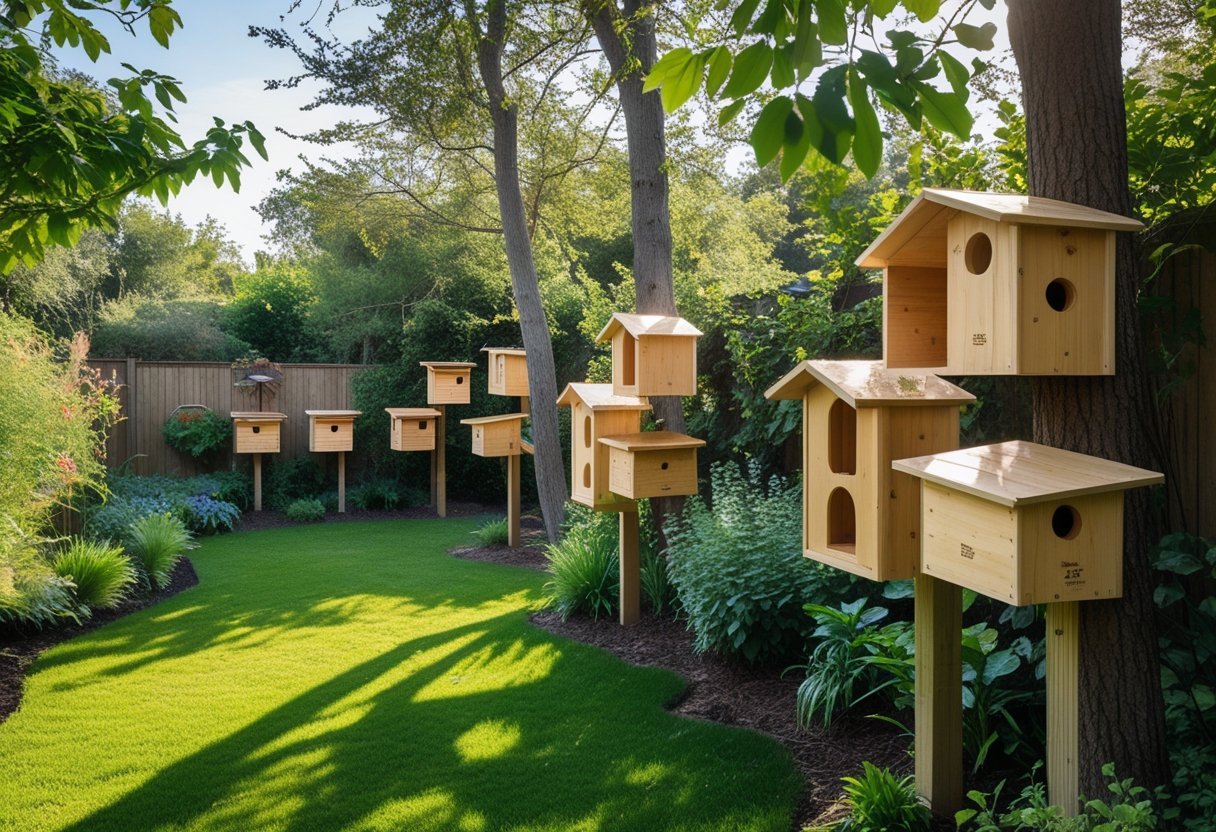


Want to attract more ladybugs to your garden and naturally reduce pests? You can easily do this by choosing specific plants and adopting simple gardening habits that create a welcoming environment for these beneficial insects.
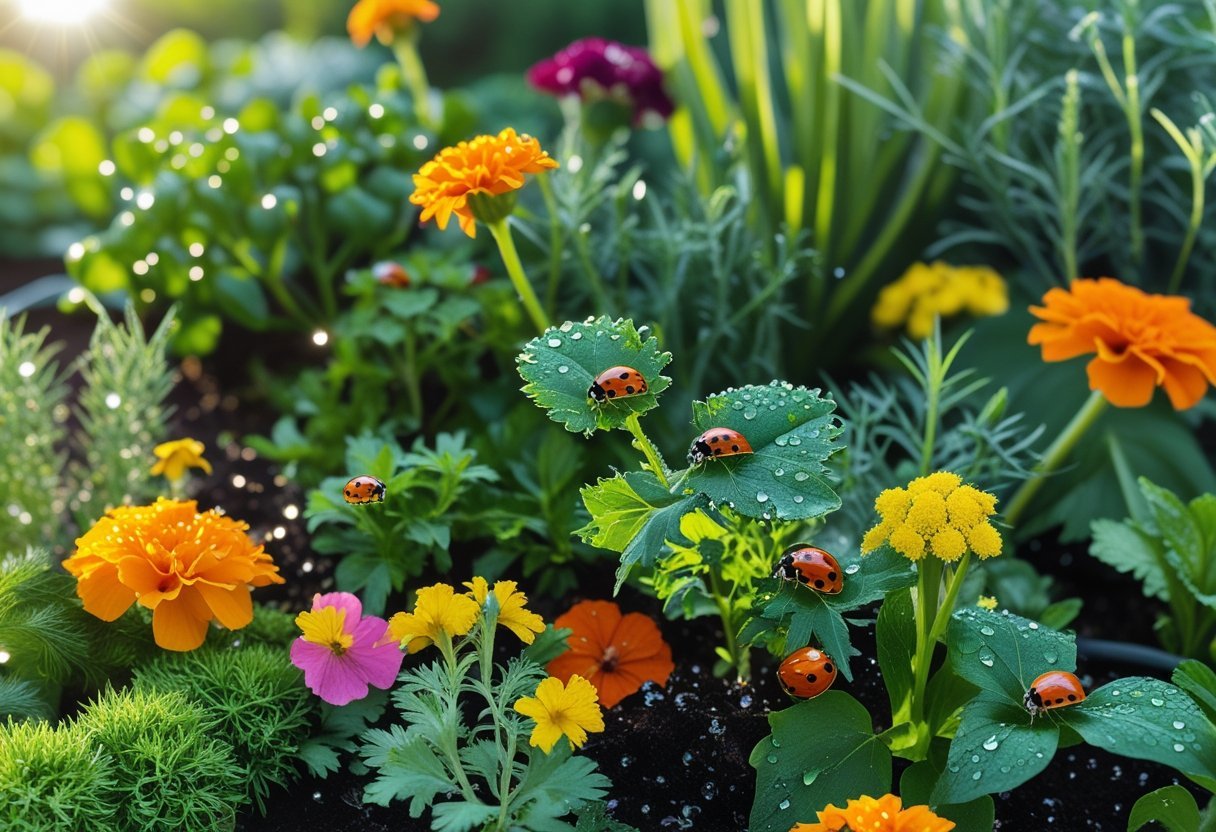
By growing herbs like dill and fennel or planting garlic flowers, you increase the chances of ladybugs visiting your space. These plants not only provide food sources but also support the insects ladybugs feed on, helping you maintain a healthier garden.
1. Plant Dill
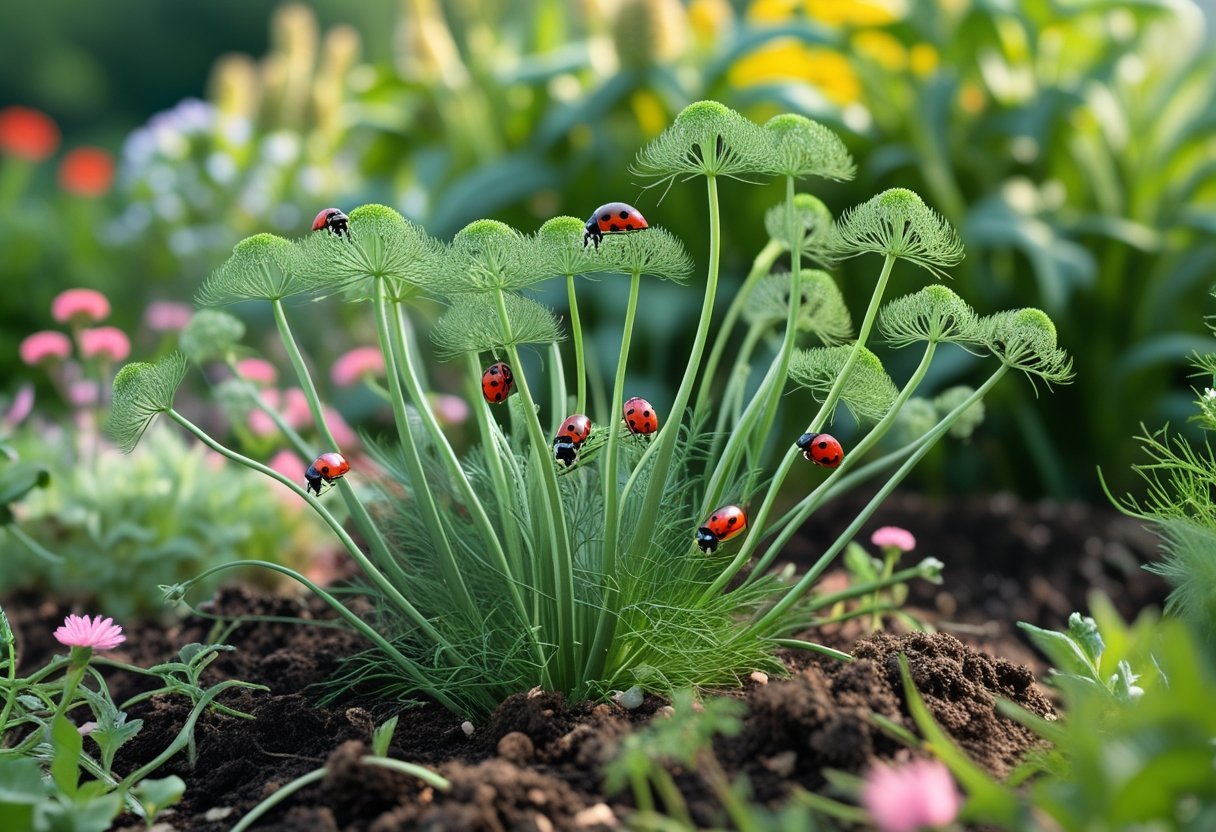
You can attract ladybugs by growing dill, which offers clustered flowers that serve as perfect landing spots. Ladybugs feed on aphids, so having dill nearby supports their presence for pest control. This herb also enriches your garden while drawing beneficial insects that help protect your plants naturally.
Recommended Products

Beautiful - Large color packet of the popular culinary herb Dill (Anethum Graveolens). This carefully selected variety can easily be grown indoors in your kitchen or outdoors in the garden. There is actually enough seed to do both. Minimum of 1g per packet (about 650 seeds).

COMPACT DILL BUSHES - Sow these dill seeds for bushy dwarf plants that fit indoor spaces, patios, raised beds, and small gardens while producing dependable fragrant leafy growth for pickles, canning, and everyday use
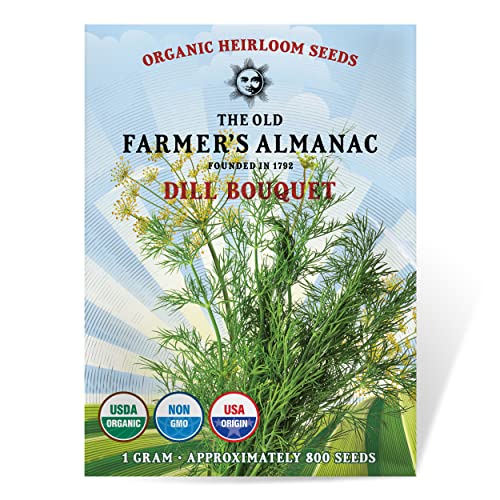
Anethum Graveolens - With large yellow blooms, flavorful green foliage and plentiful seeds, Organic Bouquet Dill is an ideal herb for cooking and cut flowers!
2. Add Fennel to Your Garden
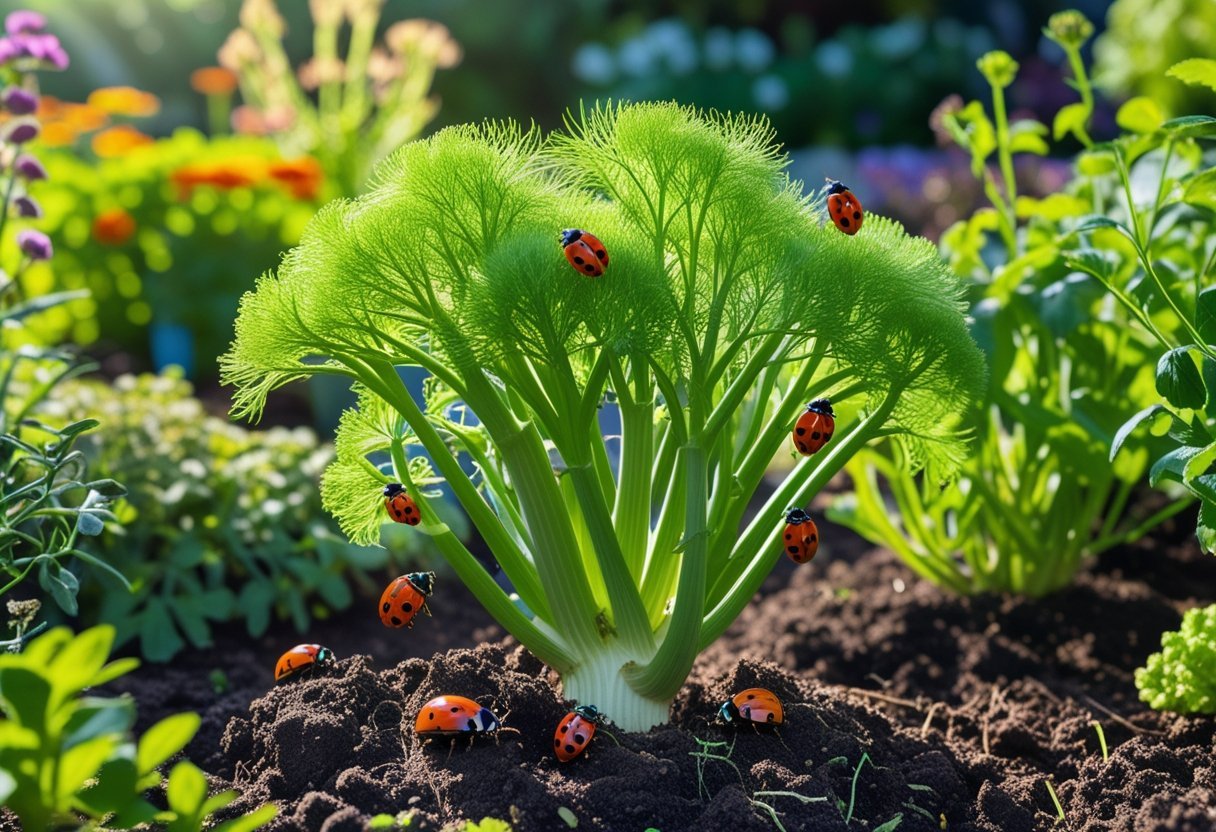
Plant fennel to attract ladybugs with its fragrant leaves and nectar-filled small flowers. It creates a natural habitat while encouraging aphids, which serve as a food source for ladybug larvae. Including fennel supports both adult ladybugs and their young, making it a practical choice to enhance your garden’s ecosystem.
Recommended Products

BRONZE FENNEL SEED - Non-bulbing fennel is grown for its beautiful foliage, which matures from black to bronze and produces showy flowers. The anise/licorice flavored foliage can be used for cooking or teas, and so can the slightly immature seeds.

Beautiful - Large premium packets of Florence Fennel (Foeniculum Vulgare). A delicious garden snack also Known as Finocho. Minimum of 400 mg per packet (about 150 seeds).
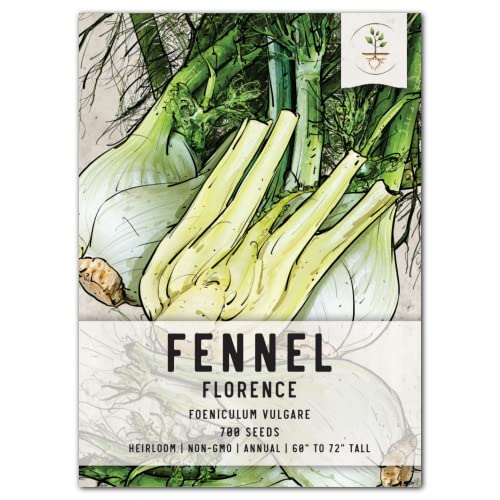
Botanical Identity: Florence fennel, scientifically known as Foeniculum vulgare, is a variety of fennel cultivated for its bulbous stem base which is used as a vegetable, unlike the common fennel which is primarily used for its seeds and leaves.
3. Include Yarrow in Your Garden
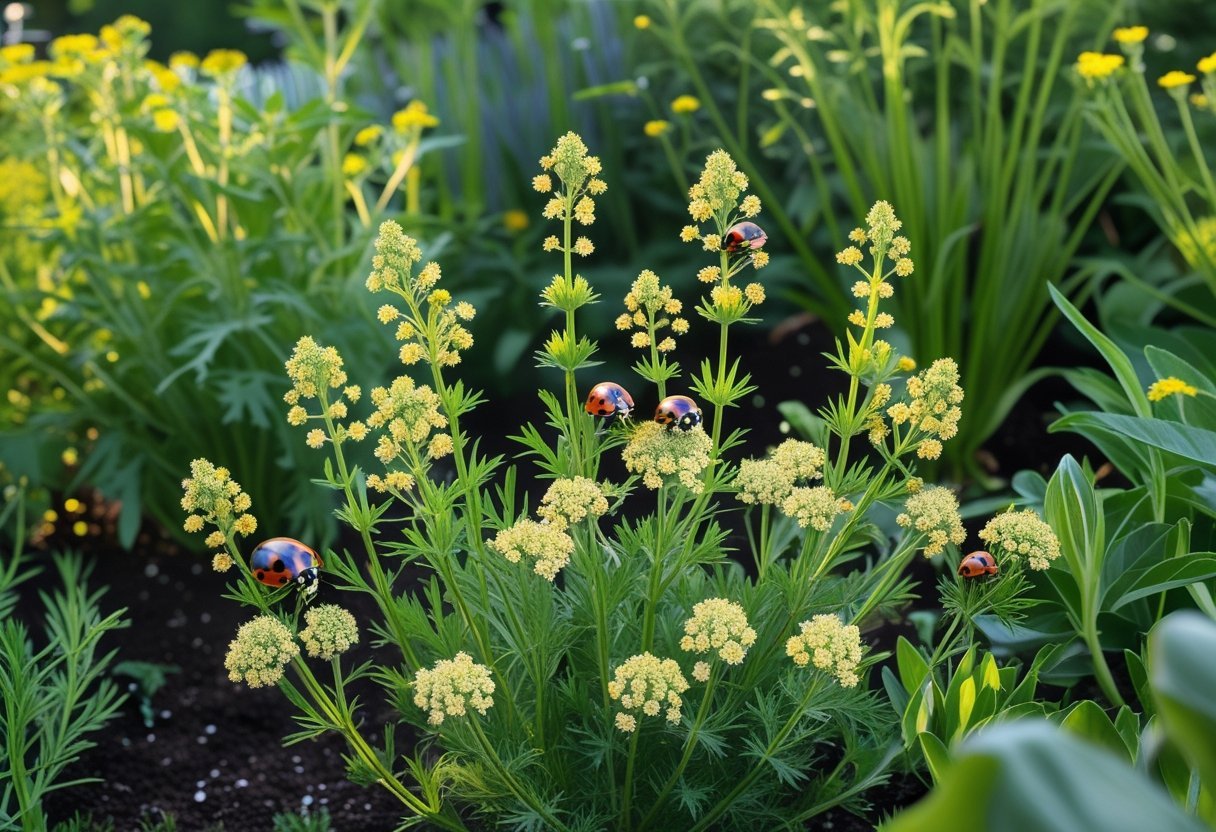
You can attract ladybugs by planting yarrow, which offers flat clusters of flowers that provide both nectar and shelter. This plant supports beneficial insects and helps increase your garden’s biodiversity. Yarrow is also drought tolerant, making it a practical choice for various garden conditions.
Recommended Products
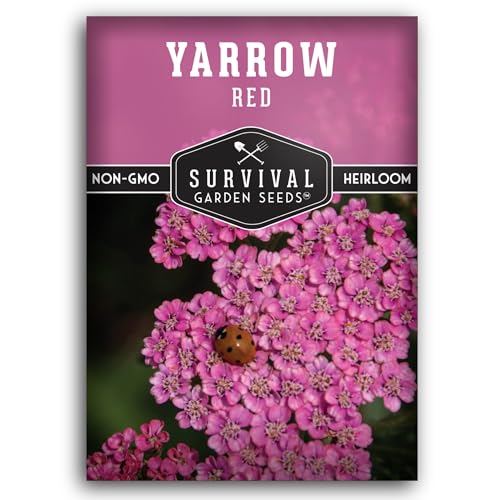
STRIKING REDDISH PINK BLOOMS – Yarrow flowers add bold color to your garden, creating heirloom perennial beauty that returns season after season MEDICINAL HERB USES –...
4. Add Marigolds to Your Garden
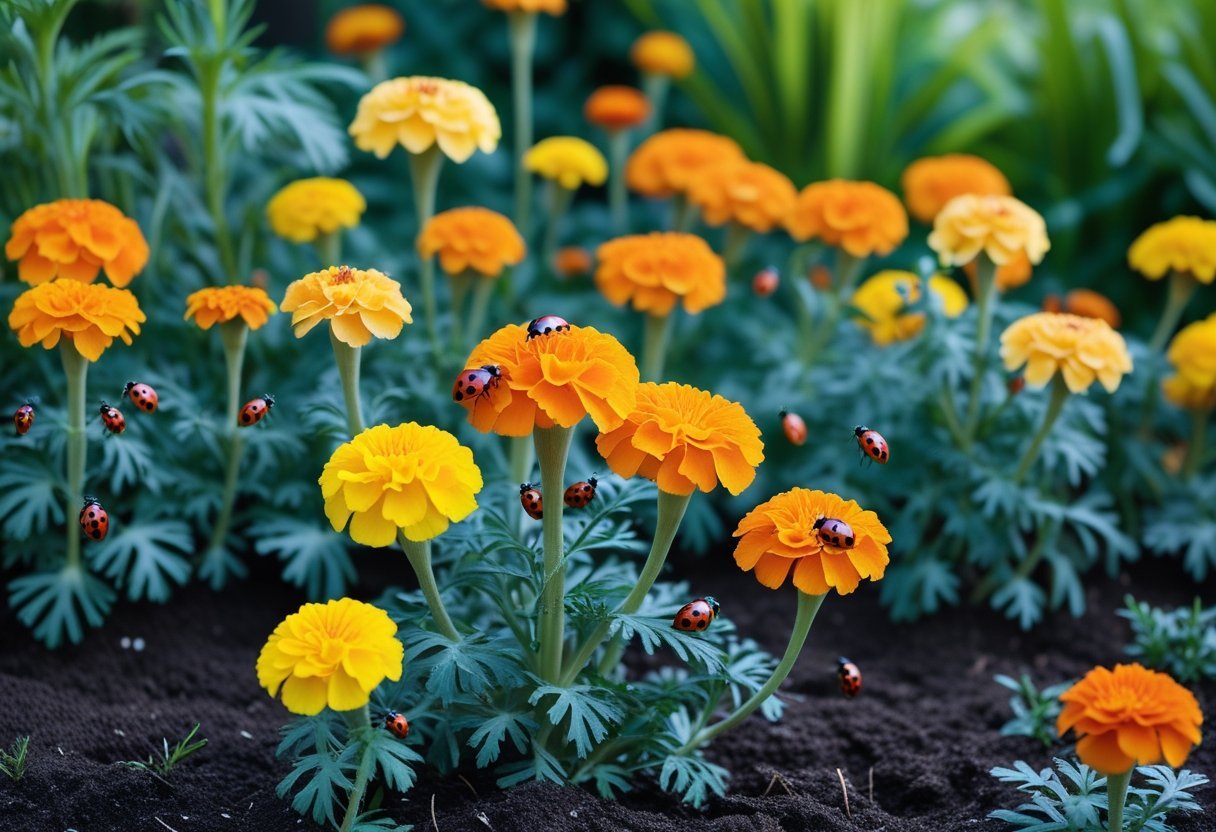
You can attract ladybugs by planting marigolds, which offer bright colors and nectar. These flowers help reduce pests like nematodes and whiteflies naturally. Marigolds serve as both an attractive and practical choice for encouraging ladybugs in your garden.
Recommended Products

Includes a Ladybug educational sheet with Release Tips, Release Rates, Ladybug Fun Facts and FAQ's

Kills lady beetles when spray dries - The spray will kill once completely dried and continues to kill Asian lady beetles weeks after application
Kills Lady Beetles When Spray Dries - The spray will kill once completely dried and continues to kill asian lady beetles weeks after application
5. Incorporate Cosmos Into Your Garden
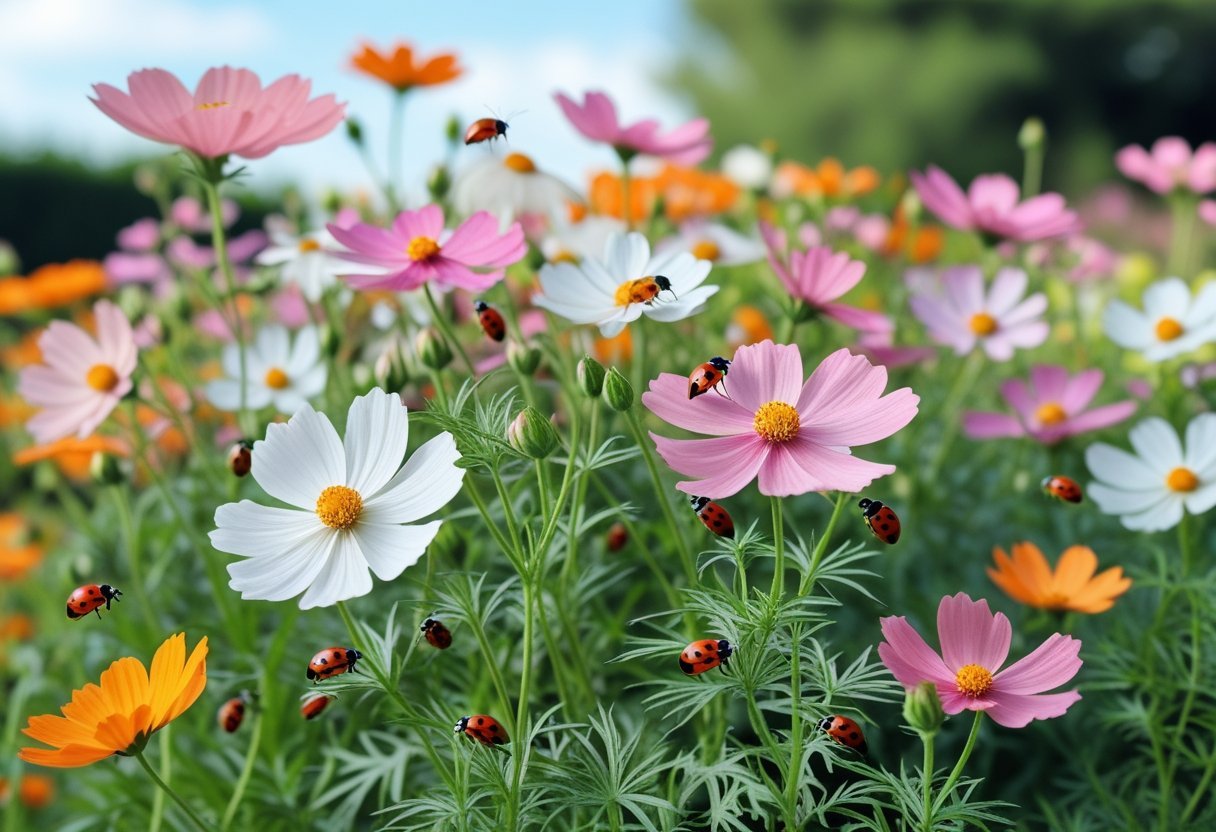
You can attract ladybugs by planting cosmos, which offer abundant pollen and open blooms. These flowers also provide a suitable space for ladybugs to rest and reproduce. Cosmos require little care, making them a practical addition for supporting beneficial insects in your garden.
Recommended Products

Extended Harvest: Slow bolt cilantro seeds (semillas de cilantro para sembrar) stay leafy longer in cool seasons. Ideal across USDA 3-11 for steady cut-and-come-again use in your herb garden and kitchen garden.

The Best Value - Organo Republic Cilantro Seeds Pack contains 5 g or 550 of Non-GMO heirloom coriander seeds. Cilantro (Coriandrum sativum) is known for its spicy taste and is the perfect addition to fresh vegetable salad or culinary creations.

Slow Bolt Variety: Santo cilantro seeds produce vigorous cilantro plant with strong fresh flavor and slight citrus notes. This cilantro seeds variety grows 12–24 inches tall and thrives in cooler 65–75°F conditions for extended harvests.
6. Add Tansy to Your Garden
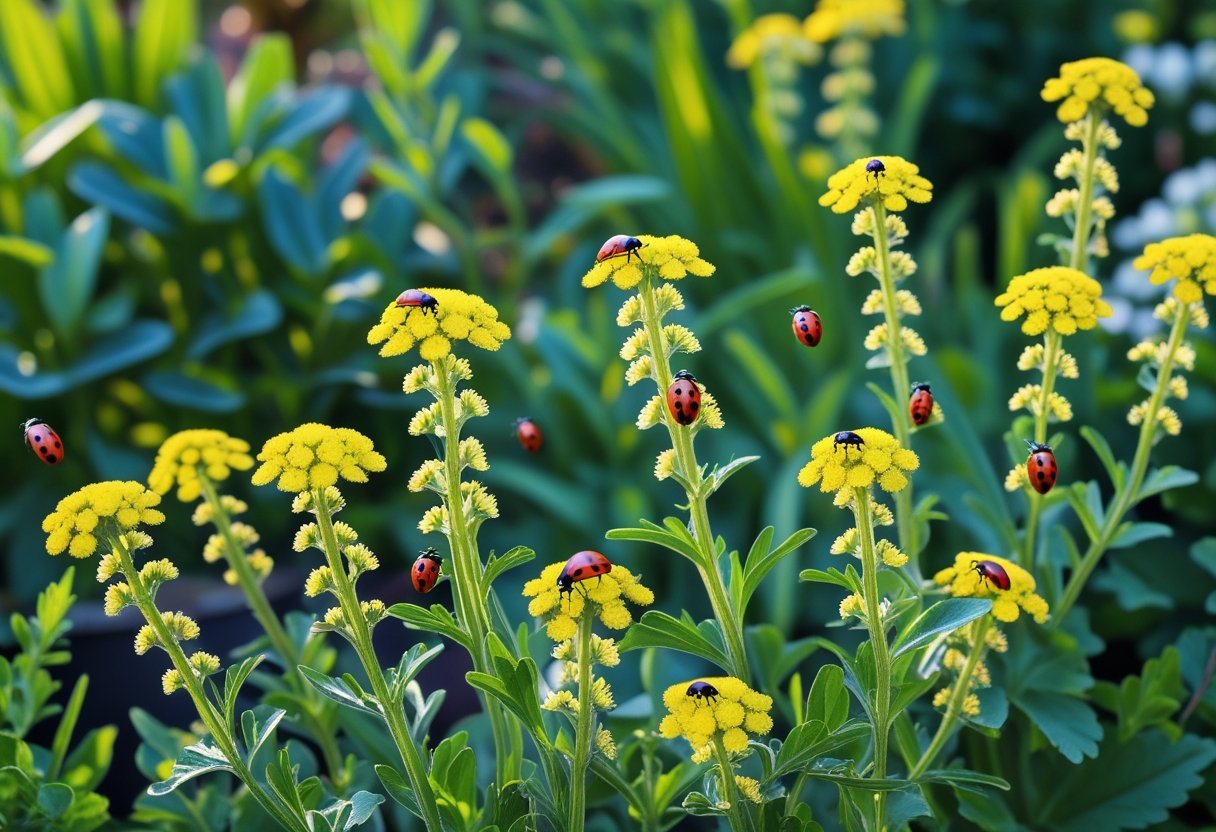
You can attract ladybugs by planting tansy, which produces clusters of small yellow flowers. This plant often draws aphids, providing a reliable food source for ladybugs. Keep in mind, tansy can spread quickly, so manage its growth carefully to maintain balance in your garden.
Recommended Products

Traditional Uses: Used in various cuisines worldwide, including Mediterranean, Eastern European, and Indian dishes

VERSATILE USAGE: Sadaf Dill Weed is a versatile spice for seasoning a wide range of dishes. Use it in salads, dressings, dips, soups, seafood, and pickling recipes to add a refreshing and tangy flavor to your cooking.

🌿 Aromatic Culinary Herb – Bouquet Dill seeds produce vigorous plants with fragrant foliage and bright yellow flower umbels. Perfect for herb gardens, raised beds, and containers, this productive variety provides continuous harvests for fresh cooking, pickling, seasoning, and attracting beneficial pollinators.
7. Grow Dandelions
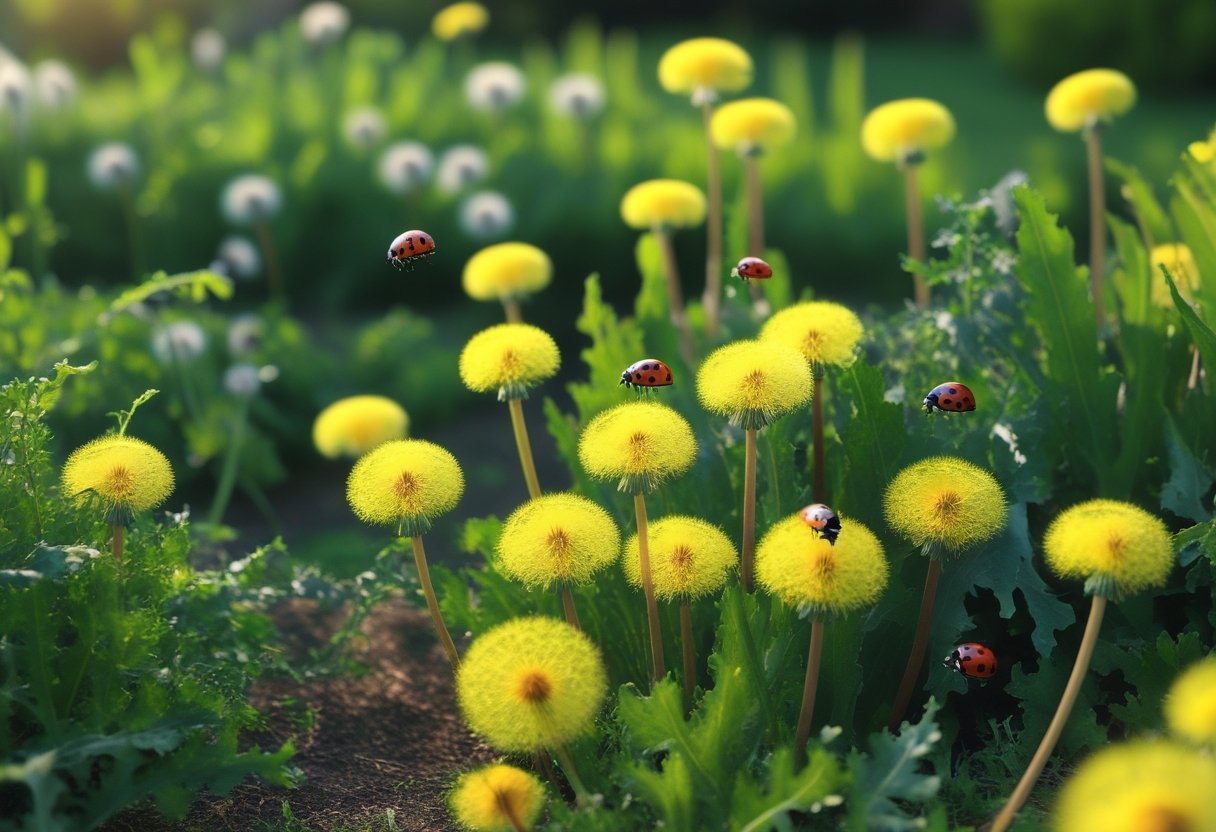
You can support ladybugs early in the season by planting dandelions. These flowers provide important nectar and pollen when few other plants bloom. Including dandelions in your garden creates a natural food source that helps sustain ladybugs.
Recommended Products

Premium Live Plants: Two (2) LARGE live Orion Fennel Plants. Big, healthy, ready to grow. Premium plants, 4" to 8" tall, in 4" pots. Non GMO. No Neonicotinoids. Pollinator Friendly

8. Add Cilantro to Your Garden
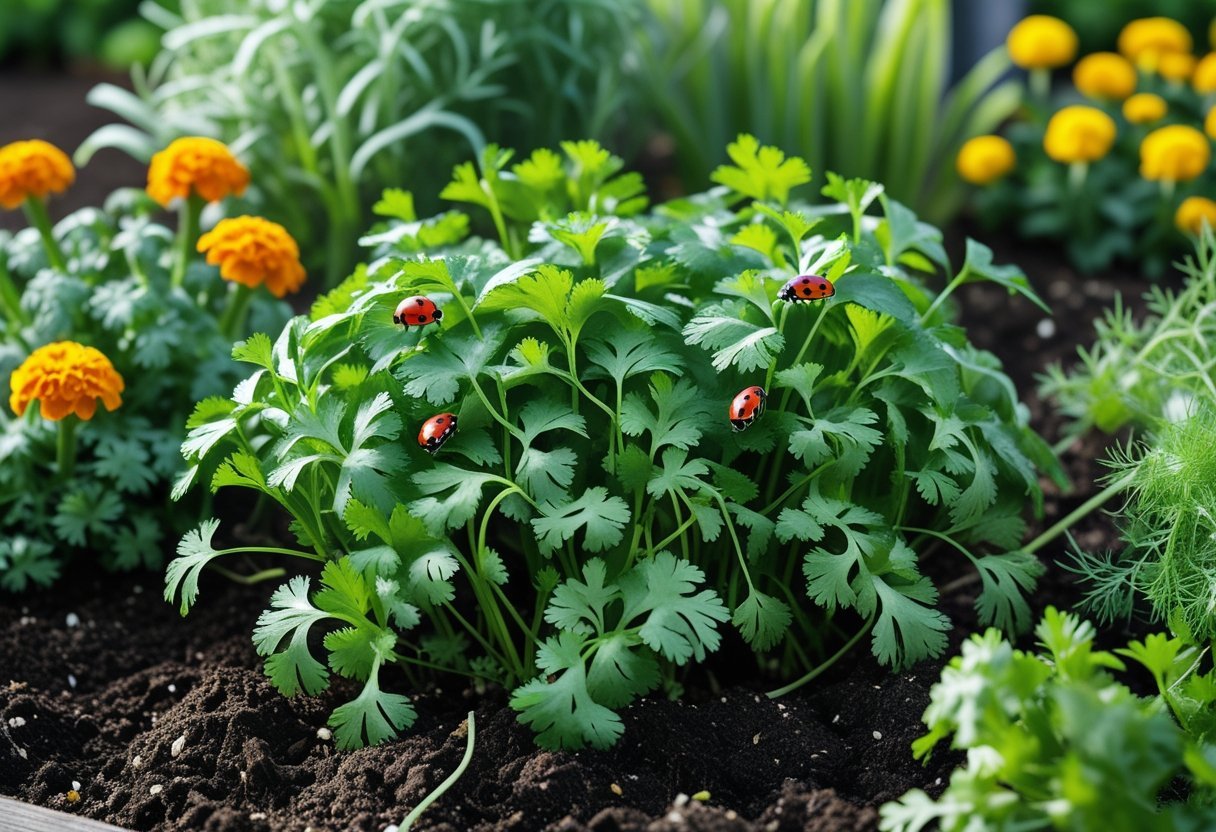
You can attract ladybugs by planting cilantro, especially when it blooms. Its small flowers provide both nectar and a safe place for these insects. Including cilantro also encourages other beneficial predators, helping with pest management naturally.
9. Incorporate Coreopsis into Your Garden
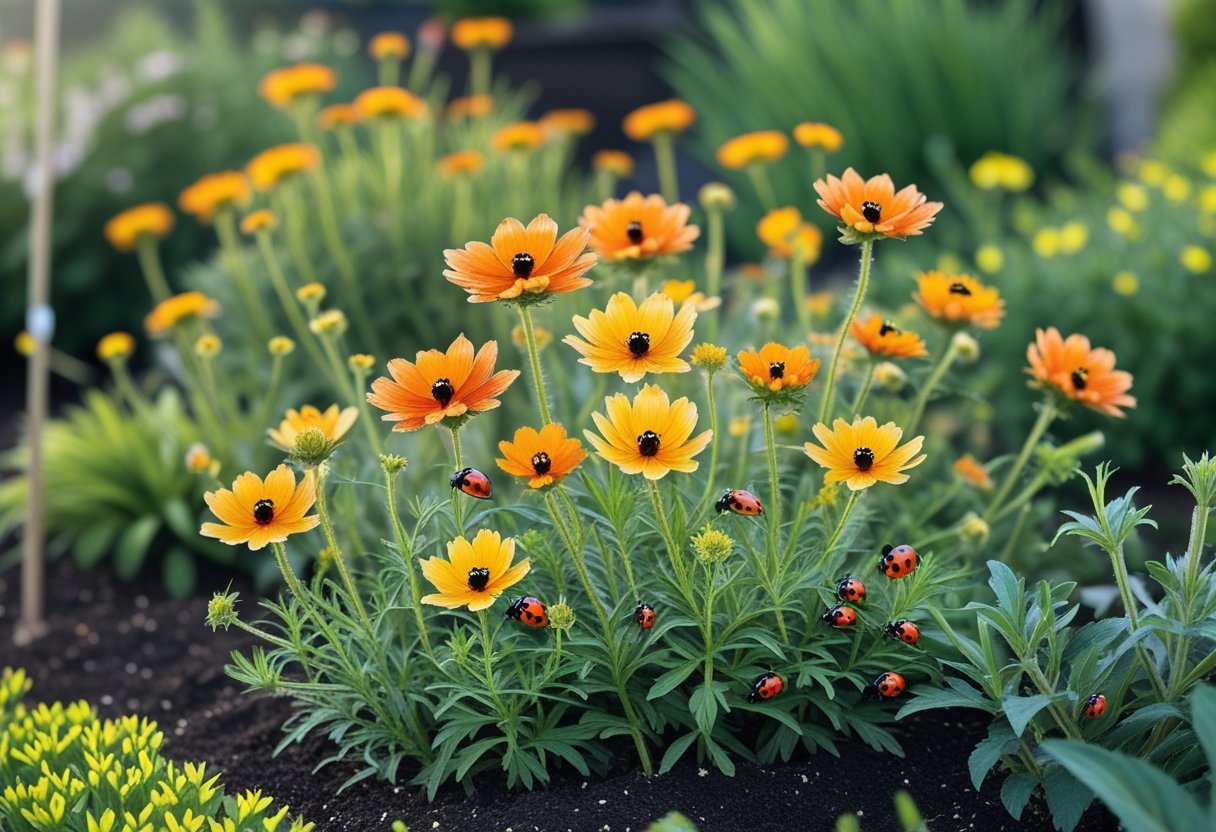
You can attract ladybugs by planting coreopsis, known for its bright, daisy-like blooms. These flowers offer nectar and spots for ladybugs to rest. Adding coreopsis also adds vibrant color while supporting beneficial insects effectively.
Recommended Products

Ladybugs are general predators that feed on a variety of slow-moving insects including Aphids, Moth eggs, Mites, Scales, Thrips, Leaf Hoppers, Mealybugs, Chinch Bugs, Asparagus Beetle larvae, Whitefly and others

Step-by-Step Usage Guide – Each order includes detailed instructions on how to release, store, and maximize the benefits of your ladybugs for a thriving garden.

1500 Live Ladybugs: Each pack contains a generous amount of 1500 ladybugs, providing ample coverage to enhance your garden or landscape.
10. Include Fragrant Geraniums in Your Garden
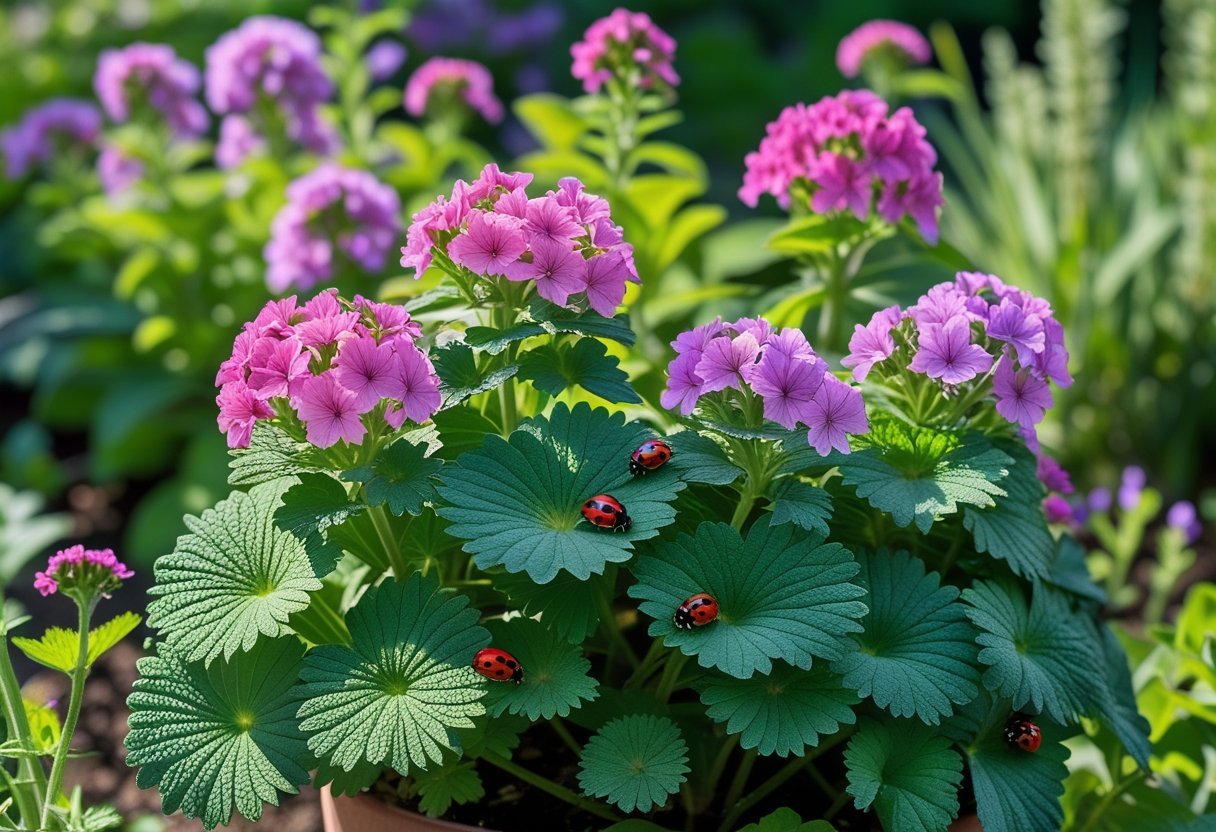
You can attract ladybugs by planting fragrant geraniums, which offer thick leaves and nectar that ladybugs favor. These plants help keep harmful insects away while inviting helpful ones. Adding scented geraniums enhances both the smell and ecological balance of your garden.
Recommended Products

Beautiful - Full color packet of Cilantro (Coriandrum Sativum), one of the most popular culinary herbs. Give the gift of a kitchen herb garden to your gardening friend. Can easily be grown indoors or outdoors. Minimum of 2g of seed (about 150 seeds).

Extended Harvest: Slow bolt cilantro seeds (semillas de cilantro para sembrar) stay leafy longer in cool seasons. Ideal across USDA 3-11 for steady cut-and-come-again use in your herb garden and kitchen garden.

We grow a variety of edible seasonal seedlings (aka plugs/starts/transplants) that will flourish in your soil or hydroponic garden.
11. Avoid Using Chemical Sprays
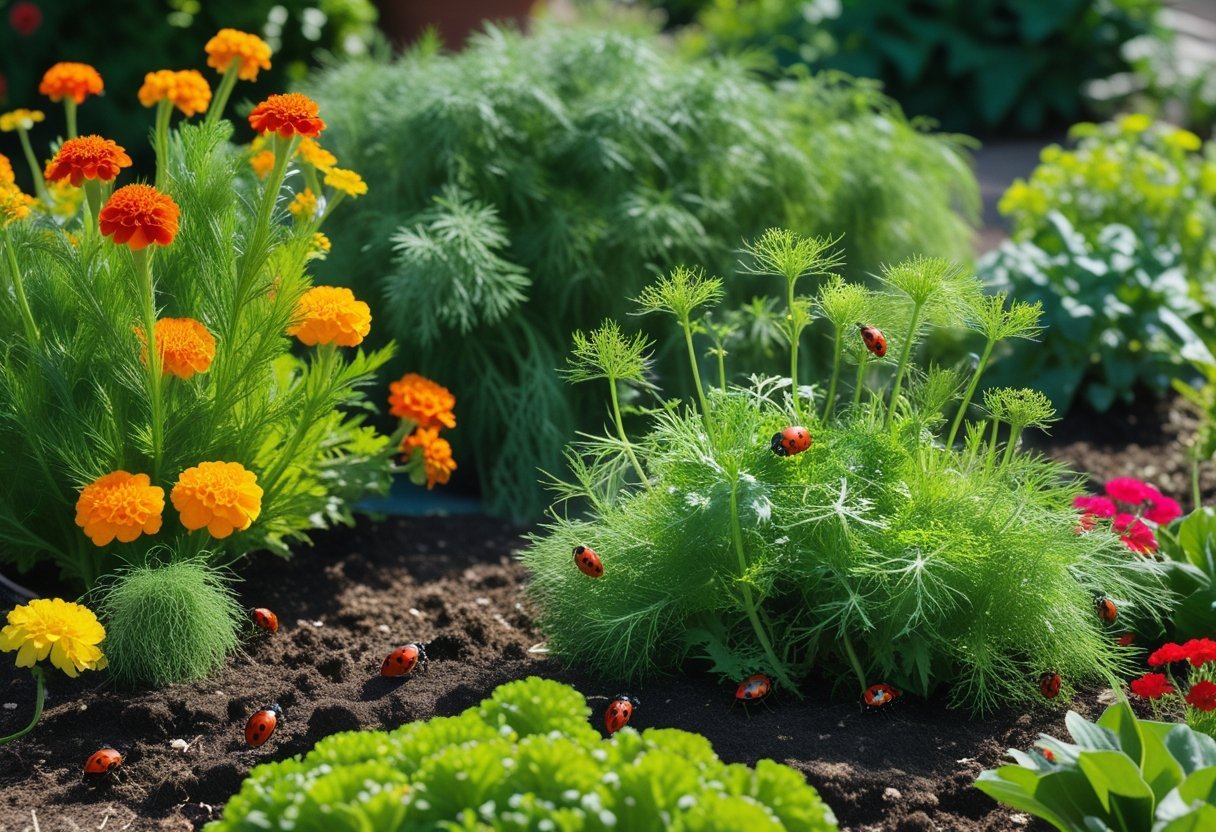
You protect ladybugs by steering clear of chemical pesticides in your garden. These chemicals harm not only pests but also beneficial insects that support your plants. Choosing natural pest control methods helps keep ladybugs healthy and encourages them to stay around longer. Prioritize this step to maintain a balanced garden environment.
12. Set Up Shallow Water Sources
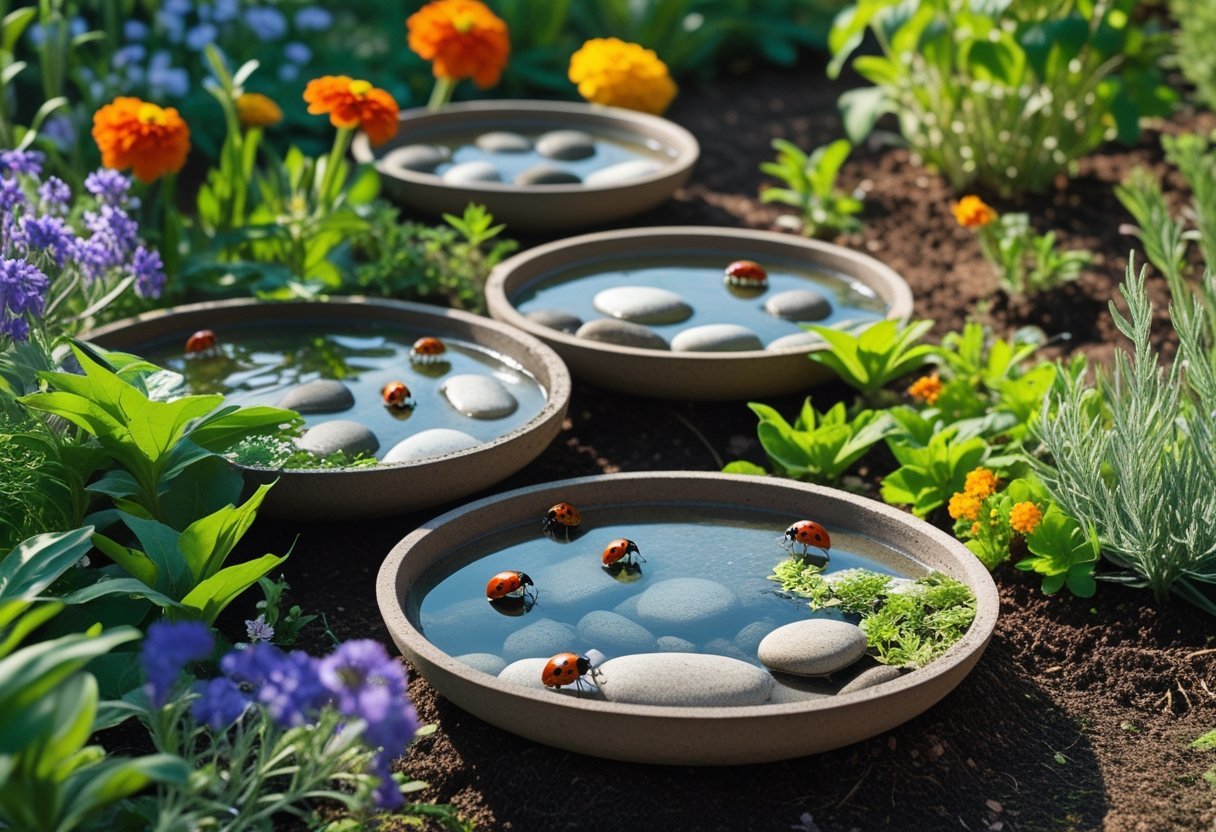
To keep ladybugs hydrated, place shallow dishes filled with water around your garden. Add small stones or sticks to create safe landing spots for them. This simple step encourages ladybugs to stay and makes your garden more inviting for these beneficial insects. Regularly refill the water to maintain a steady supply.
13. Include Angelica in Your Garden
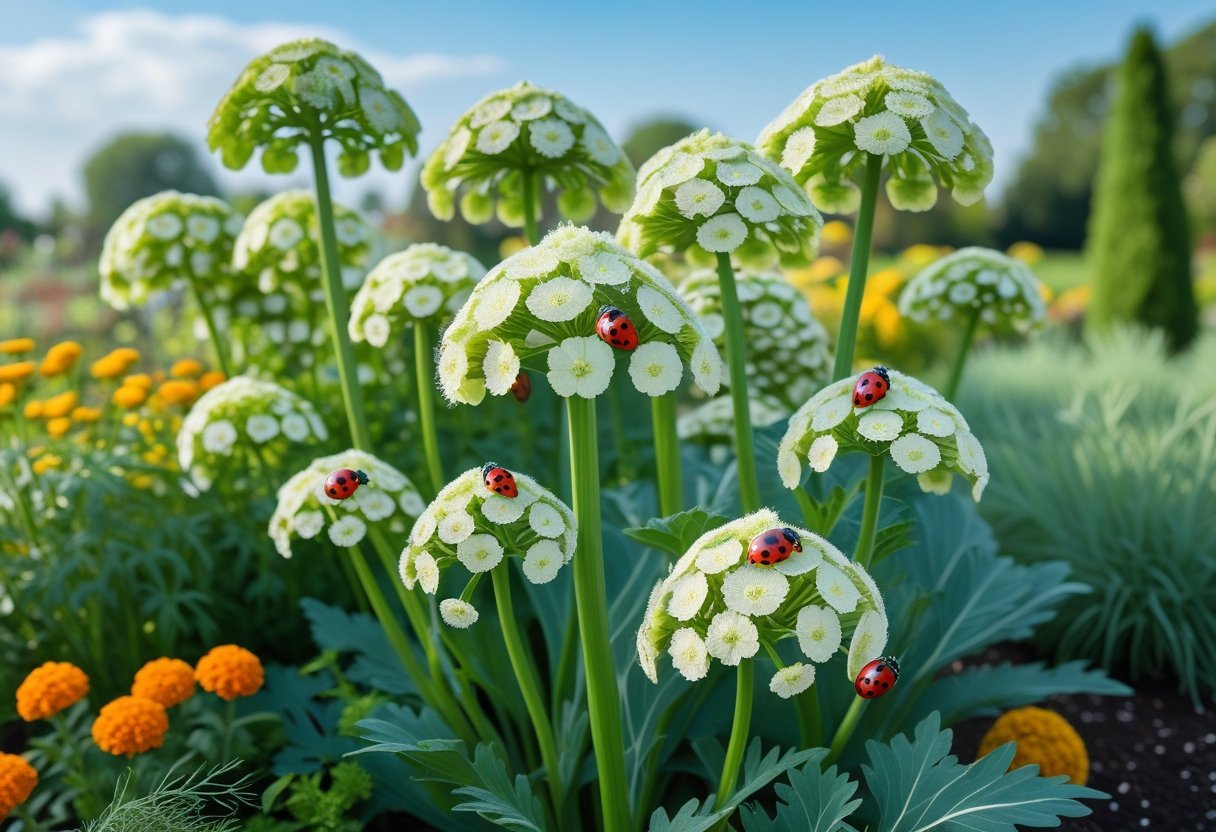
You can attract ladybugs by planting angelica, known for its tall stems and umbrella-shaped flowers. It grows well in spots with partial shade and offers both nectar and shelter. Adding angelica supports beneficial insects naturally in your garden.
14. Add Goldenrod to Extend Ladybug Activity
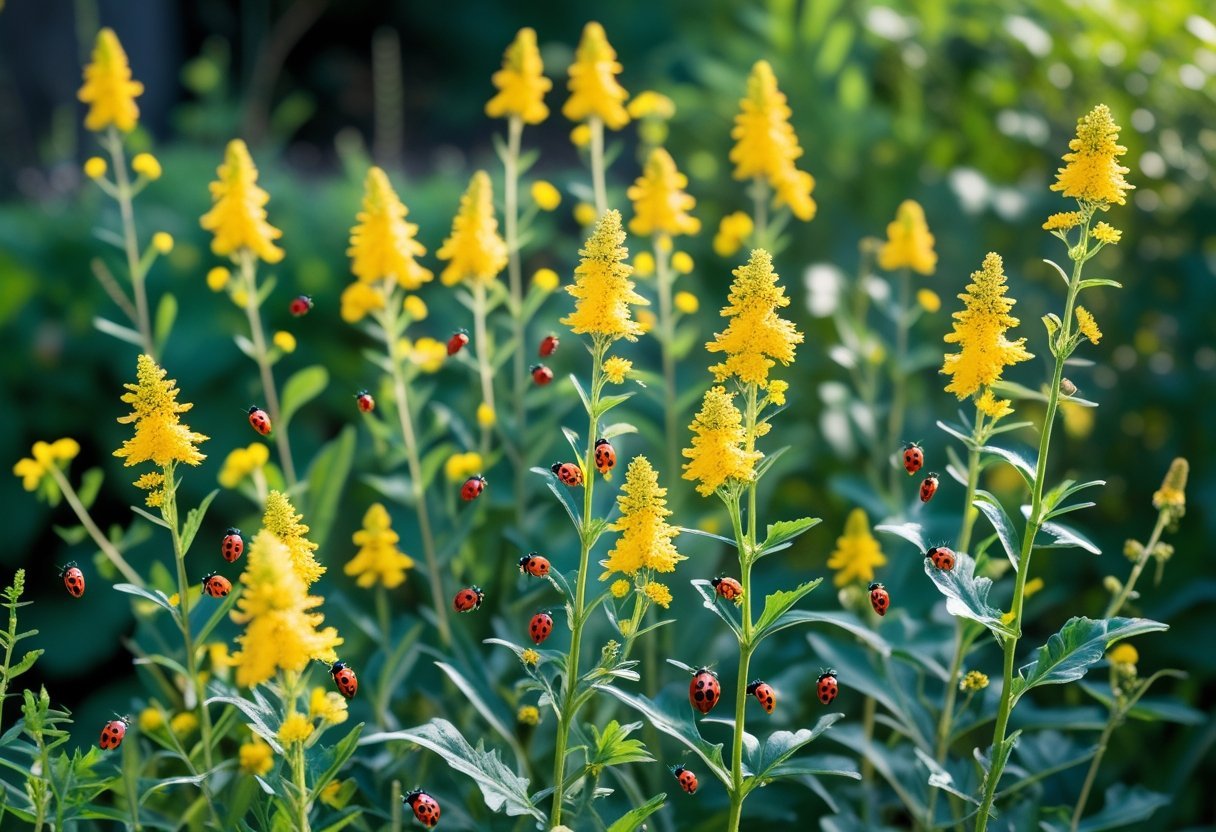
You can boost ladybug presence by planting goldenrod, which flowers late in the season. Its vivid yellow blooms offer a reliable nectar source when other plants fade. Including goldenrod supports pollinators and helps keep ladybugs active in your garden longer.
15. Let Some Aphids Stay

You should keep a small number of aphids in your garden because they provide a steady food source for ladybugs. Completely removing pests can discourage ladybugs from settling. Allowing some aphids supports a balanced ecosystem that benefits natural pest control.
16. Use Mulch or Leaf Layers
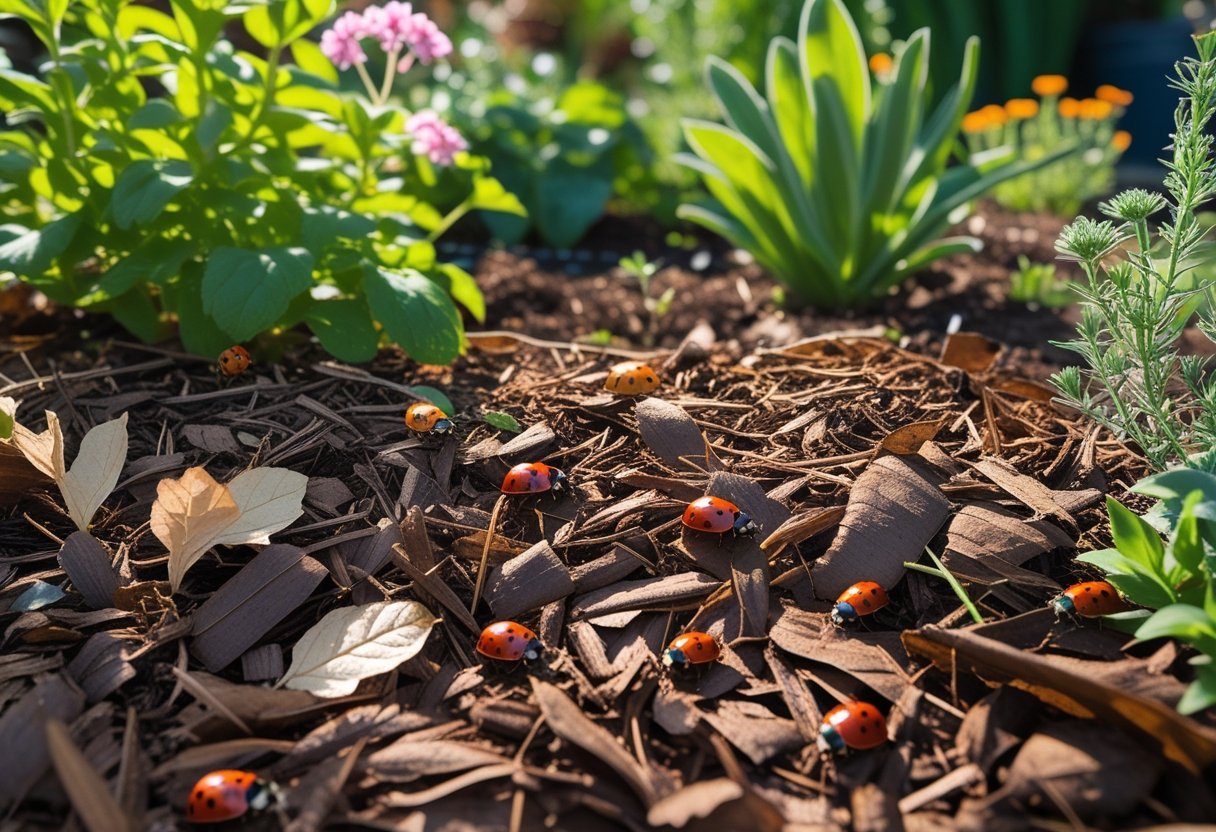
You can create a cozy and safe space for ladybugs by adding mulch or leaf litter around your plants. These natural coverings keep the soil moist and offer shelter from predators. They also encourage a thriving environment for the insects ladybugs feed on, supporting their presence in your garden.
17. Plant Sweet Alyssum for Ladybugs
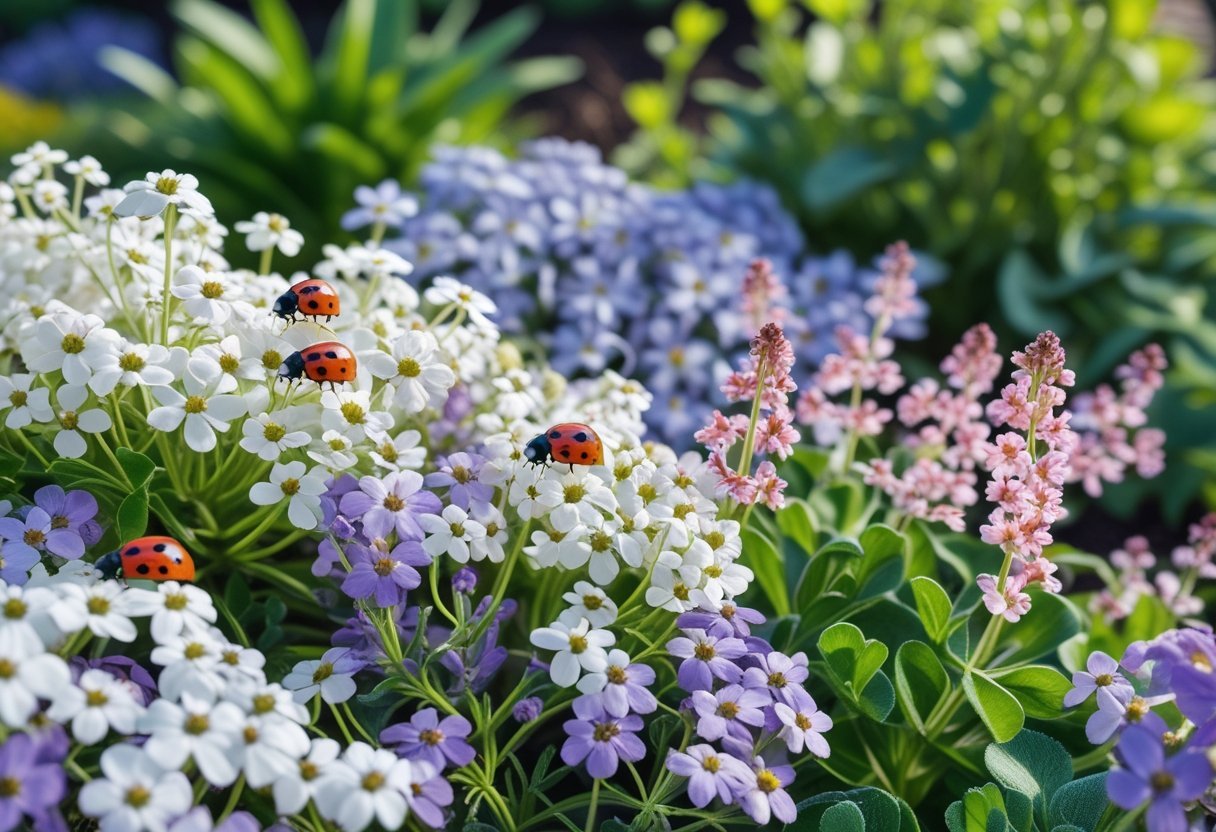
Growing sweet alyssum offers a reliable way to attract ladybugs with its long-lasting blooms and nectar-rich flowers. This plant also serves as ground cover, providing shelter for ladybug eggs and larvae. By including sweet alyssum in your garden, you create a welcoming environment that supports ladybug populations continuously.
To maximize its benefits, plant sweet alyssum in areas that receive full sun to partial shade. Its low height and spreading habit make it a practical choice for filling spaces while helping maintain natural pest control. Adding this plant alongside others like dill and marigolds, and minimizing pesticide use, boosts your garden’s overall health.