
Looking for a way to grow a healthy garden without the constant hassle of digging and tilling? No-till gardening offers an effective solution to cultivate plants while preserving the soil’s natural structure.
With methods like sheet mulching, container planting, and hugelkultur, you can reduce soil disturbance and improve long-term fertility. These approaches help you maintain a thriving garden with less effort and more sustainable results.
1. Elevated Bed Gardening
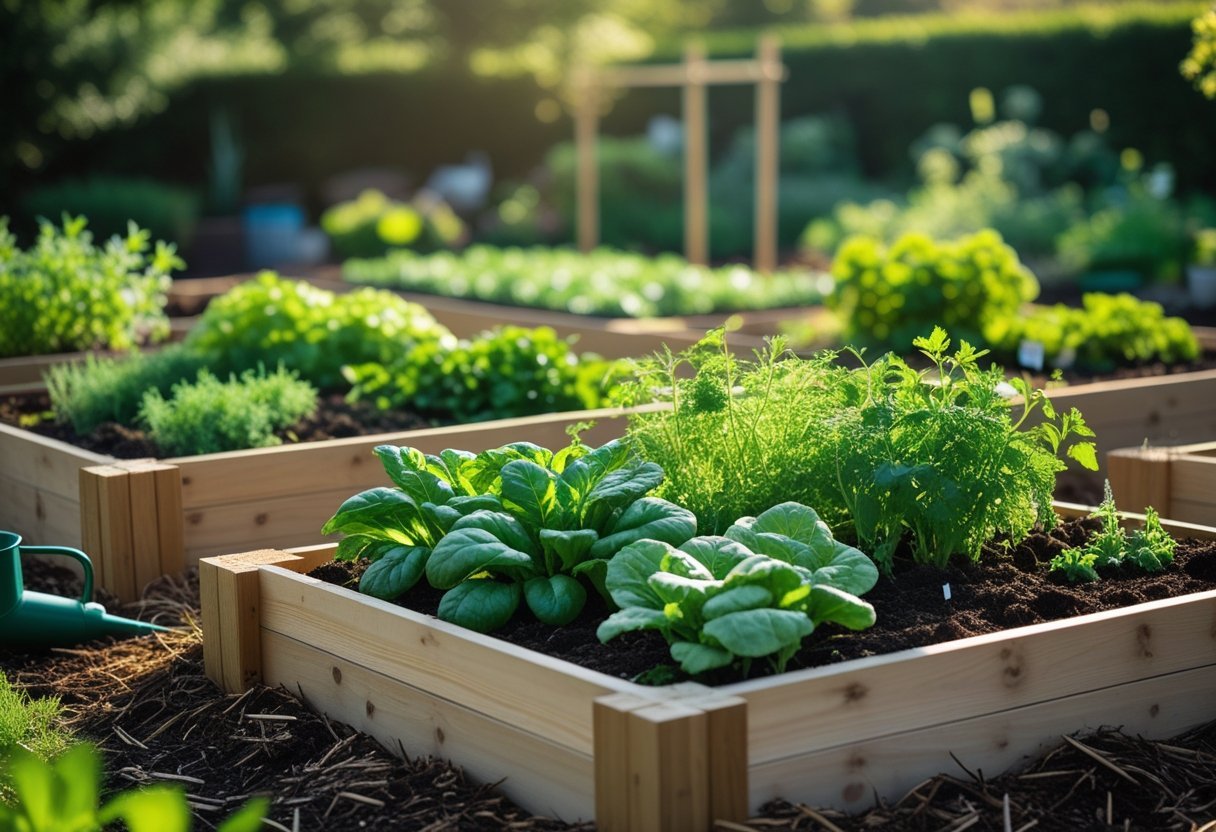
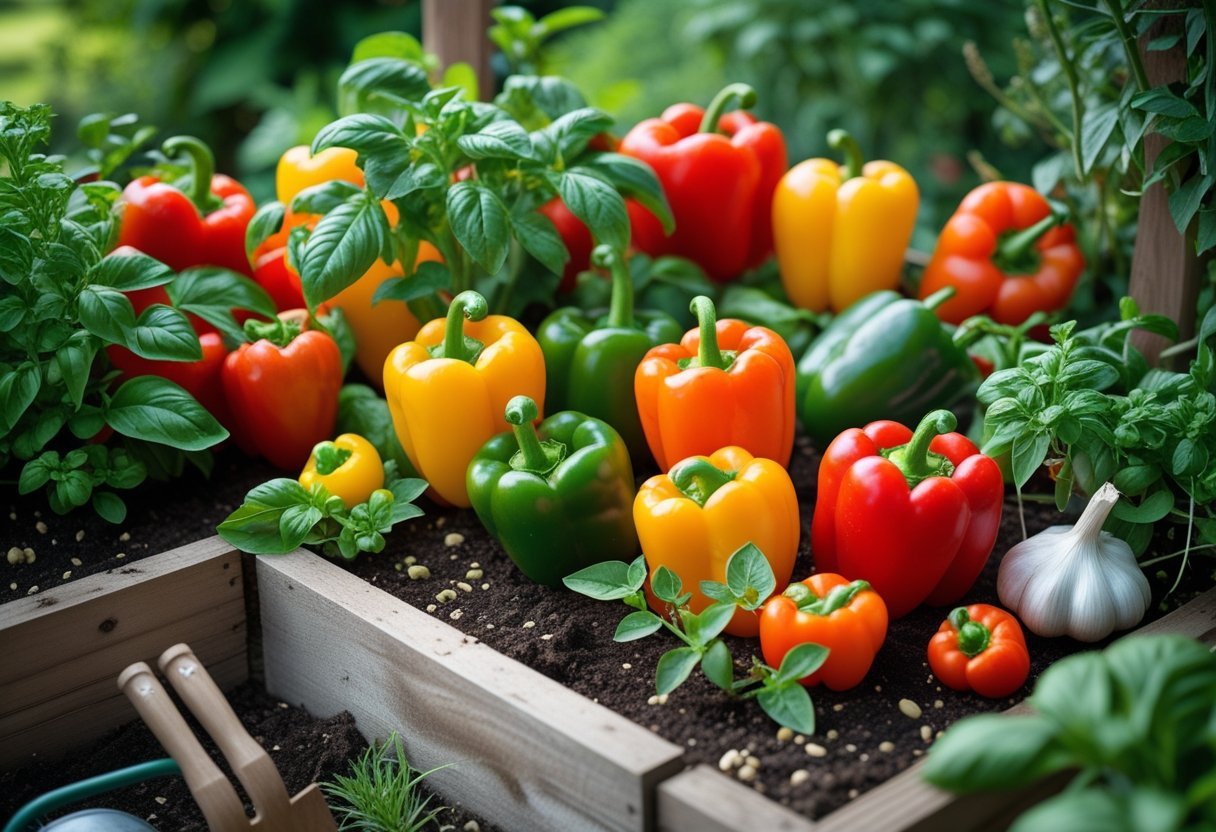
You can grow plants in soil raised above the ground, often held by wood or stone borders. This setup prevents soil compaction and helps maintain healthy soil conditions without digging. Elevated beds improve drainage, limit erosion, and support soil quality over time. This approach fits well if you want a low-maintenance, no-disturbance growing space.
Recommended Products

Size: Accessories for 2 complete garden beds in one box!!! 72"(L) x 36"(W) x 12"(H), growing area of this garden bed perfect for an array of vegetables, herbs, and flowers in your yard
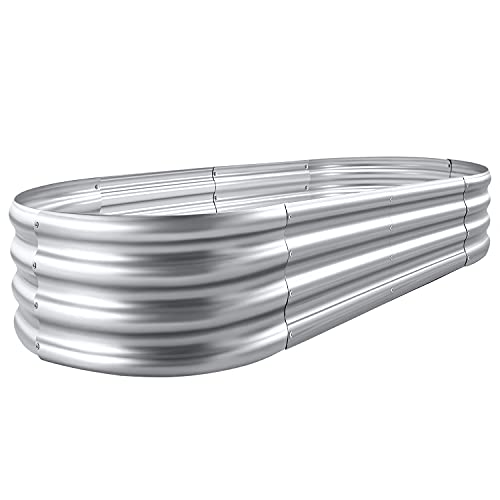
Each raised metal garden bed size: 4×2×1ft ,7.14Cu

Raised Garden Bed - Add a new level of convenience to your gardening experience with the Galvanized Raised Garden Bed. Enjoy expanded yield and a more assembled garden layout with this garden accessory, each sized at 120 cm X 60 cm x 30 cm.
2. Layered Mulching Technique (Lasagna Gardening)
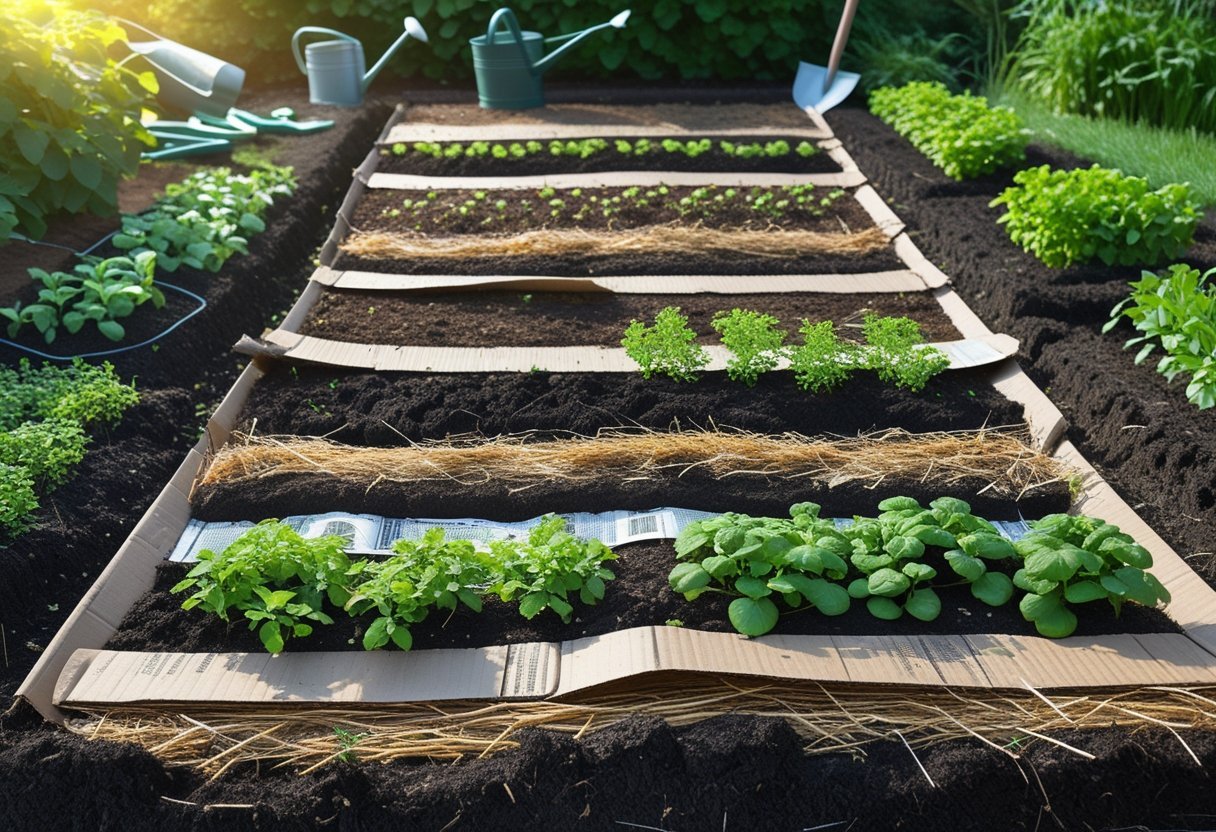
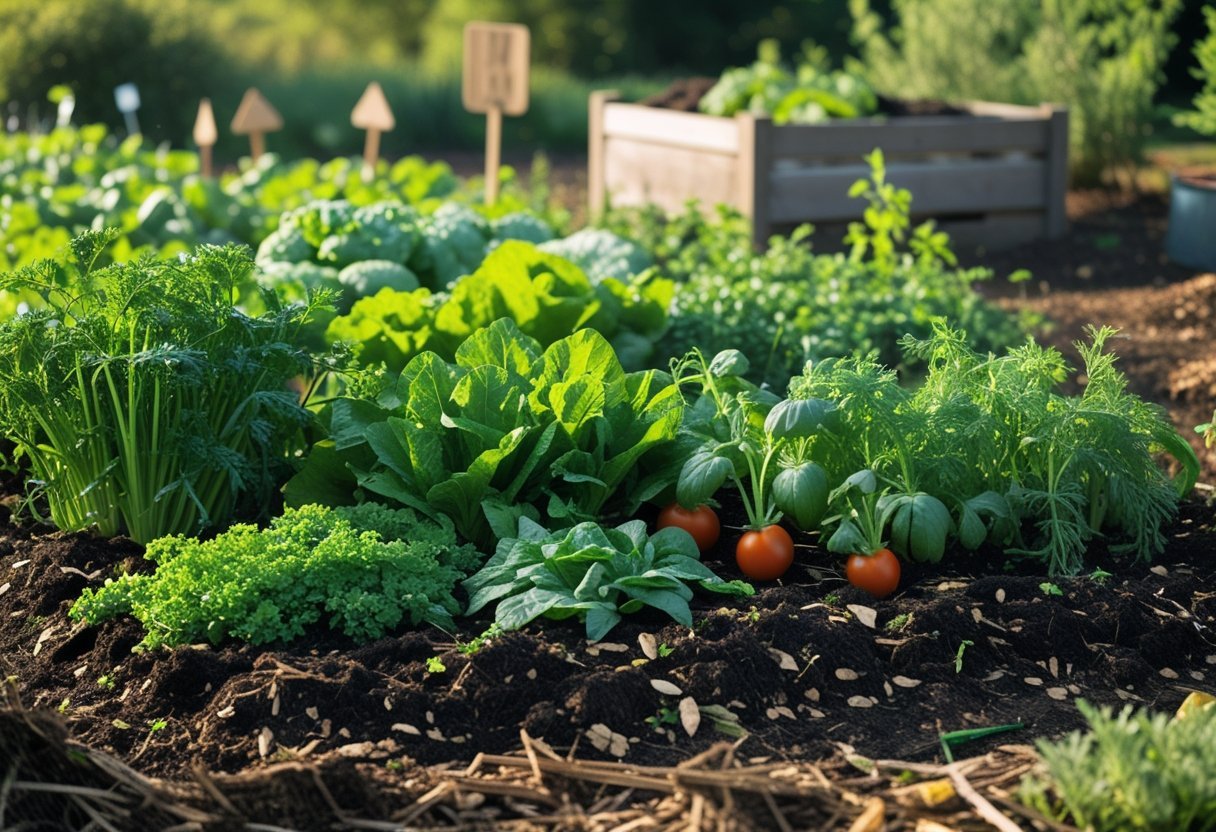
You create rich garden beds by layering organic items such as cardboard, compost, and straw directly on top of your soil. This method naturally suppresses weeds while enhancing soil health without digging or disturbing beneficial organisms beneath. It follows natural decomposition processes, making it effective and low maintenance for your garden.
Recommended Products

Packaging May Vary: Same great Seeding Mulch with updated packaging!

ORGANIC PROCESSED STRAW With TACKIFIER – Premium Processed Straw with a bonding agent (Tackifier) that gives straw a tackiness which holds it together. This natural bonding agent is biodegradable and helps to protect grass seed from heavy washout and wind.

Packaging May Vary: You will receive 2 bales of straw.
3. Using Straw Bales for Planting
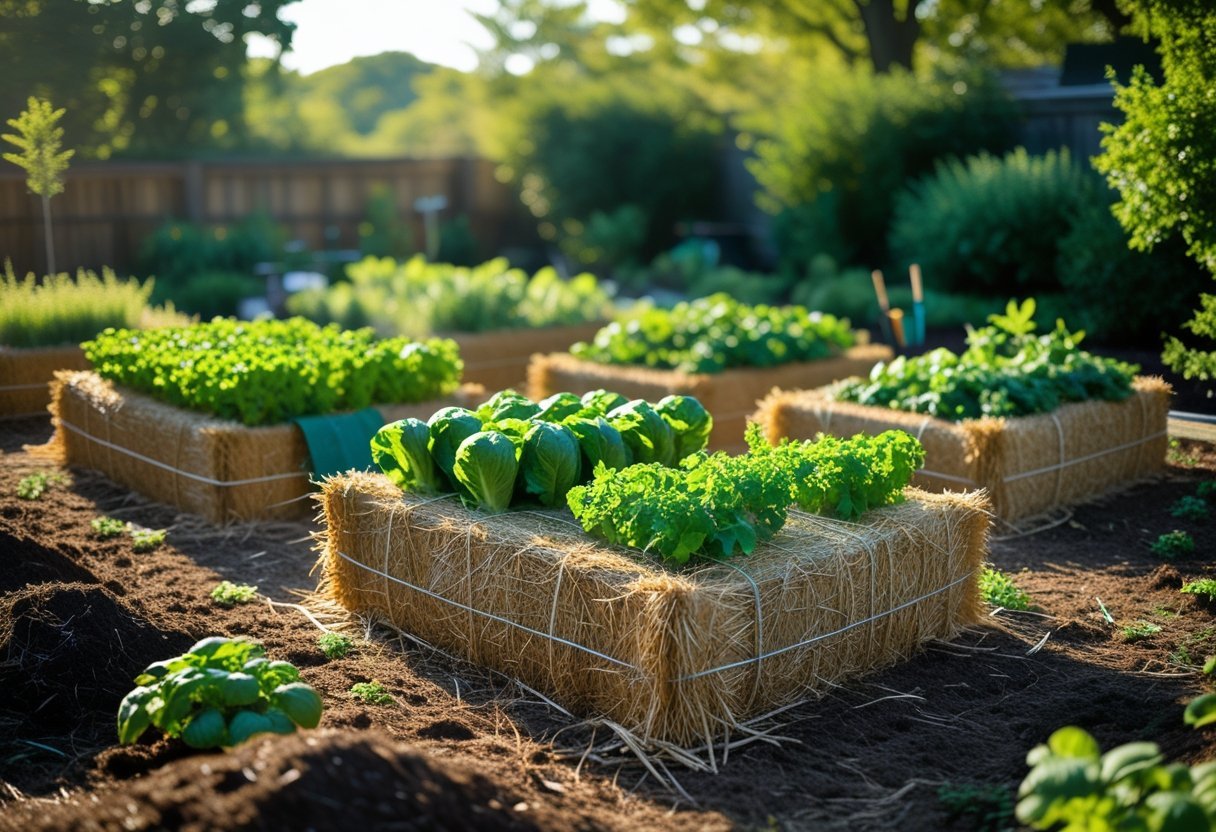
You can grow your plants directly in straw bales, which act as natural containers without disturbing the soil beneath. As the straw decomposes, it releases nutrients that feed your plants. This approach helps keep your soil’s structure intact and reduces the risk of erosion, making your garden healthier over time.
Recommended Products

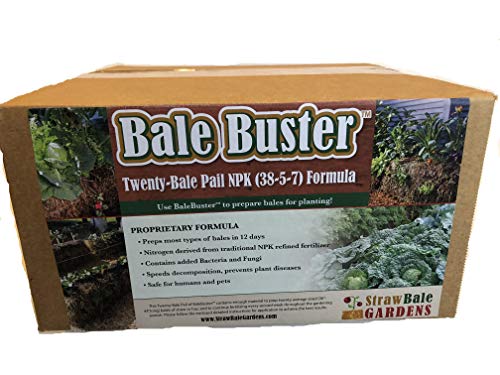
Proprietary formulation - BaleBuster was developed by the original Pioneer of the STRAW BALE GARDENS method, and has been adopted by many Straw Bale Gardeners around the world to assure success without the need to search for the correct products to use for conditioning bales properly. BaleBuster is an all-in-one solution, and is simple to apply. It works quickly, disolves as needed. , and contains beneficial bacteria and fungal spores that are activated by appllication of water. Recreating the BaleBuster formula would require purchasing four seperate products and mixing them accurately with a carrier for the microbials.

Only product on the market specifically formulated for Straw Bale Gardening
4. Hugelkultur Gardens
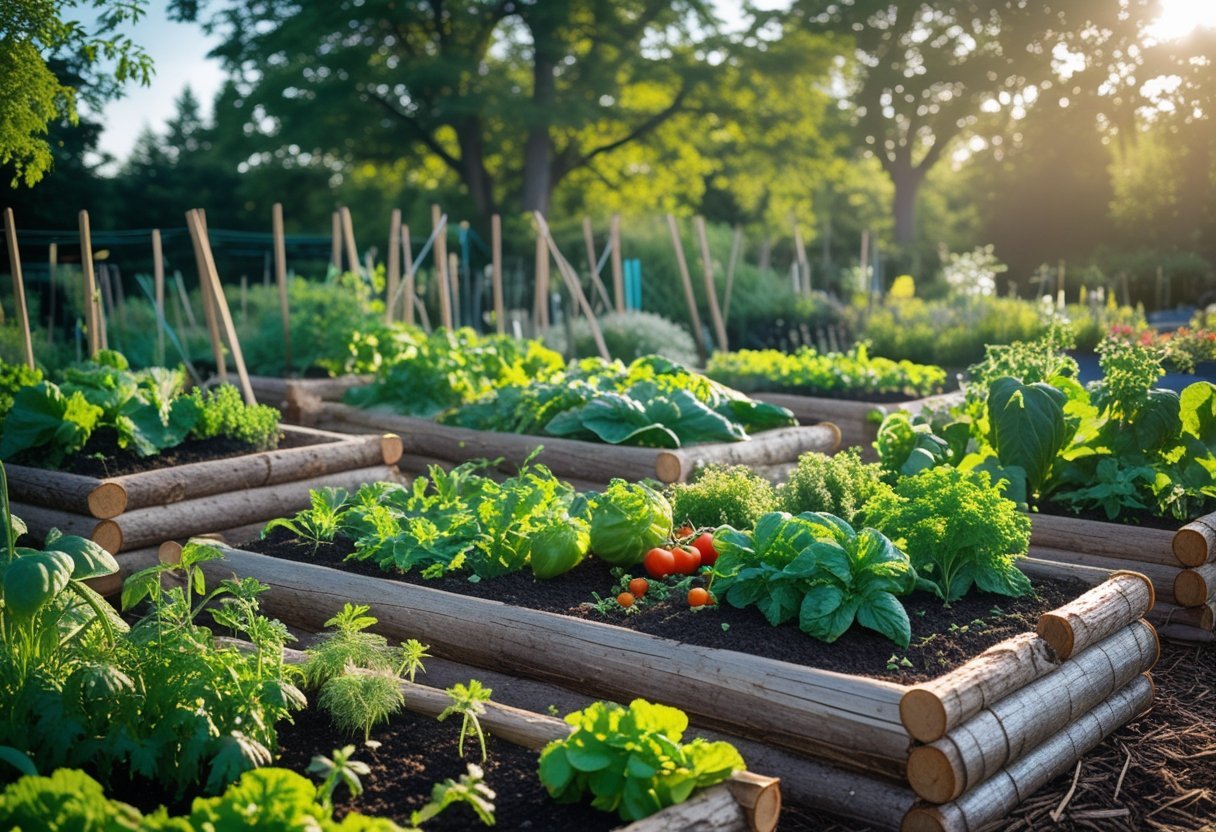
You build raised planting areas by stacking logs, branches, and organic materials, then covering them with compost and soil. These beds hold water effectively and slowly release nutrients, reducing how often you need to disturb the soil. This method supports ongoing soil health and is well suited for no-till gardening.
Recommended Products

GREAT FOR THE GARDEN: This rustic log planter measures 35.5" W x 13" D x 9.75" H overall and weighs 18.4 lbs. The inside of the planter measures 34" W x 10" D x 8.5" H. The planter opening is 28.25" W x 10.5" H. It features 3 drainage holes that are 1" in diameter, and each drainage hole includes a stopper. Enhance exterior areas with this standing planter that's sure to brighten the atmosphere with greenery and woodland charm.

Materials: Injection Mold with durable, BPA-free Polypropylene Plastic (PP), specifically meant for outdoor use.
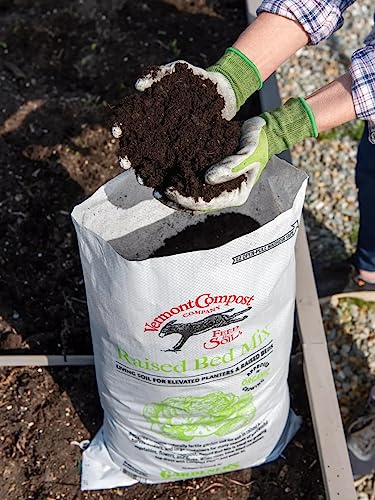
BEST USE AS: Raised Bed mix is Designed to mimic naturally fertile garden soil for use in raised beds, elevated planters and large containers for many seasons of successful harvests. Perfect for growing vegetables, flowers and herbs. It holds moisture for longer, while still allowing healthy drainage, and it’s less prone to compaction, so your roots have free range to roam and find their sweet spot.
5. Growing Plants in Containers
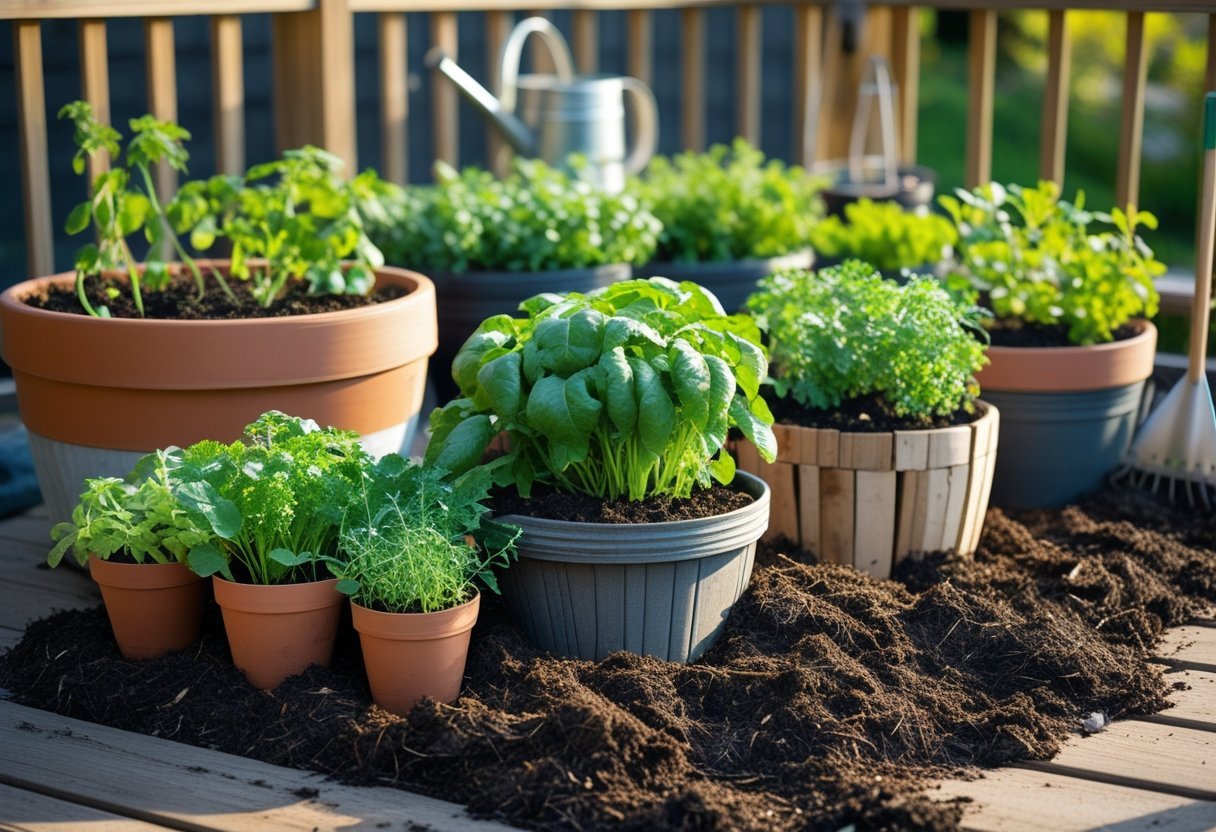
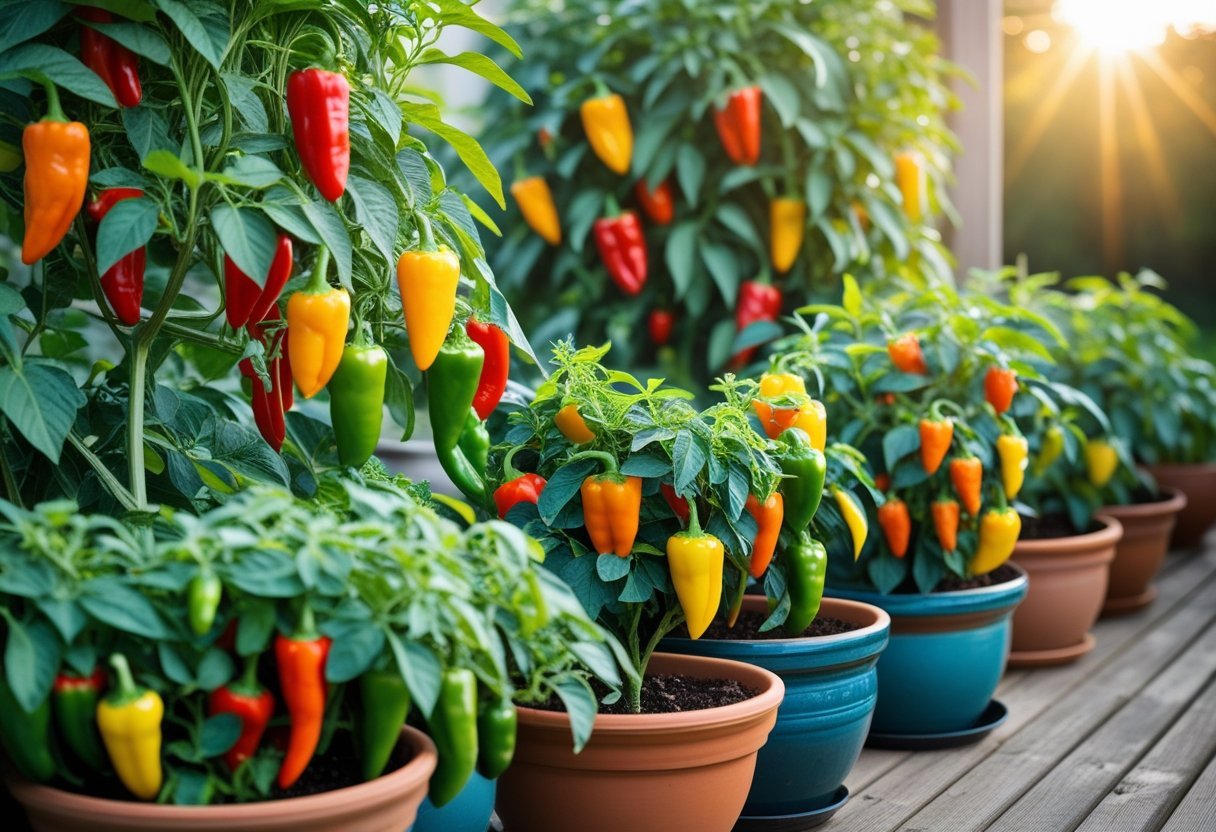
You can cultivate plants easily using containers filled with quality soil, giving you control without disturbing the ground. This method avoids traditional digging by relying on self-contained growing media. It works well for beginners and those gardening in limited urban spaces.
Recommended Products

Natural Cedar; Use with your outdoor and indoor plants; will hold moisture in! THIS IS A 4 QUART SIZE OF CEDAR CHIPS

BEAUTIFUL SOIL COVERING - Add visual consistency to your indoor potted plant garden with house plant mulch - Mulch chips are longer lasting than coconut coir or shavings

ALL-NATURAL INGREDIENTS: No added fertilizers or pesticides
6. Returning to Nature with Wood Chip Mulch
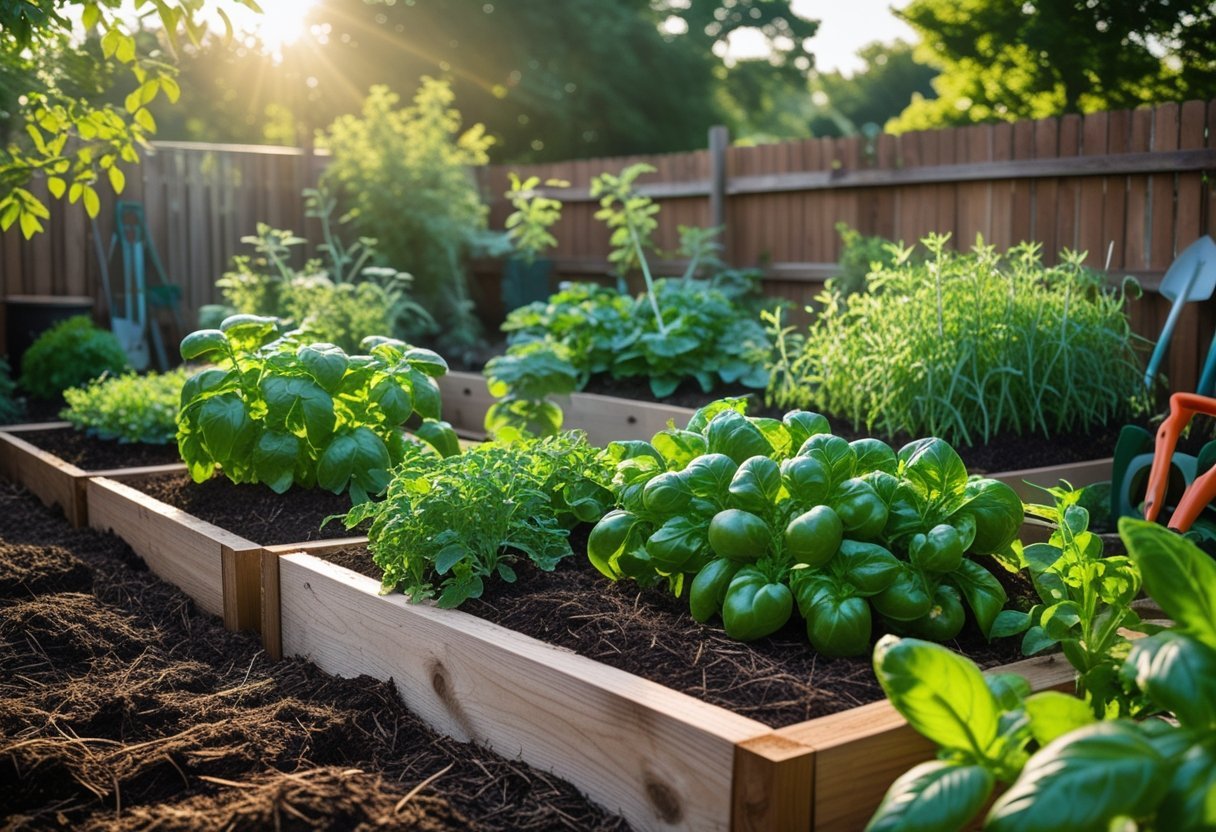
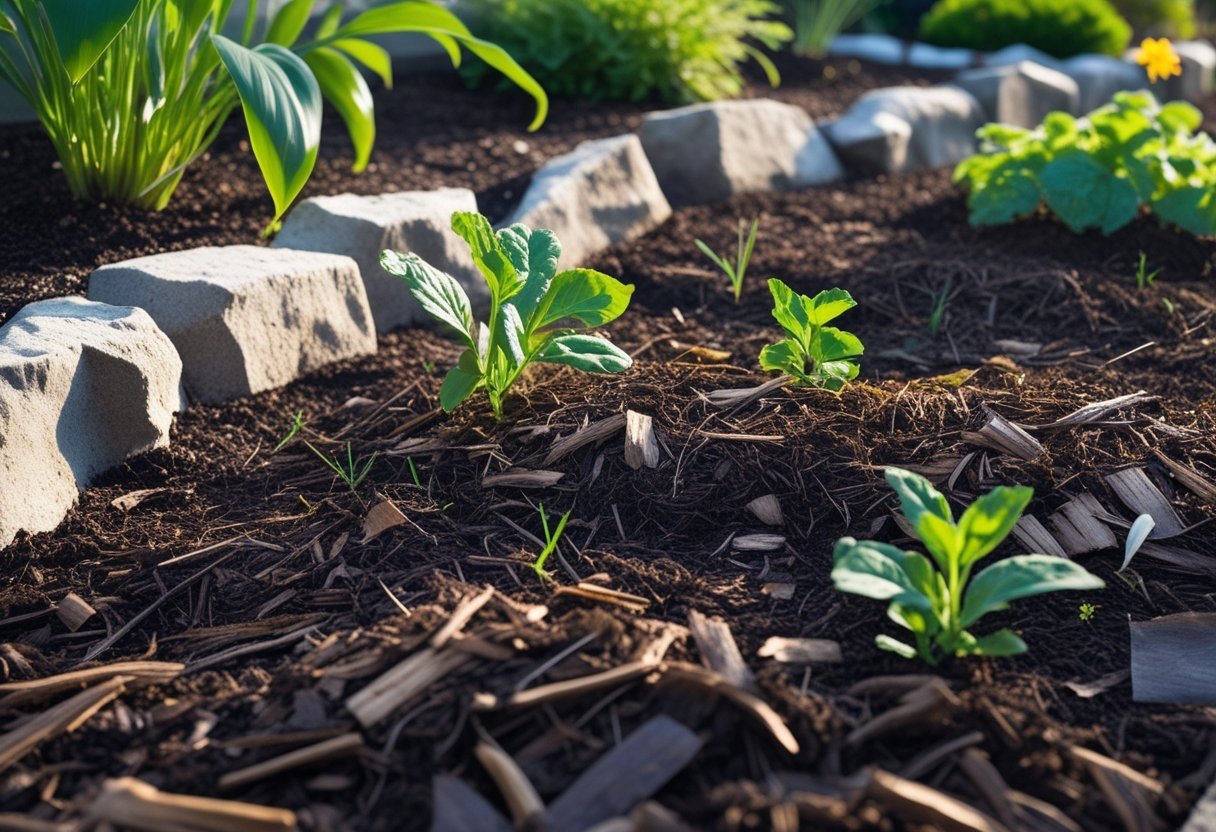
You improve your soil by layering a thick cover of wood chips that imitates natural forest floors. This mulch slowly breaks down, nourishing the earth beneath without any need for digging or disturbance. Using this method helps you maintain healthy soil ecosystems and reduce garden maintenance over time.
Recommended Products


More suitable raised garden bed size and Volume:67"L x 20"W x10"H, 7 Cu. Ft. You can cultivate plants, like vegetables, flowers, herbs in your patio, yard, garden, and greenhouse.
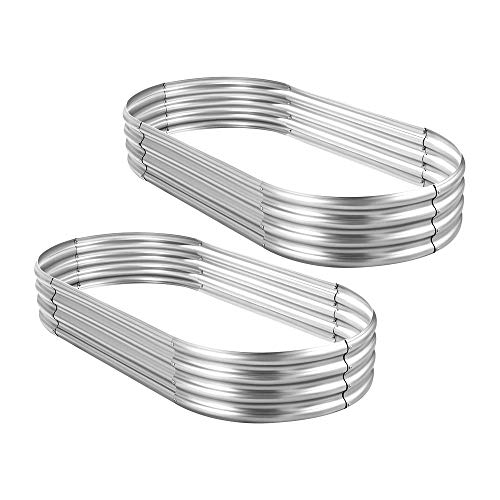
Each raised metal garden bed size: 4×2×1ft , 7Cu
7. Ruth Stout Approach
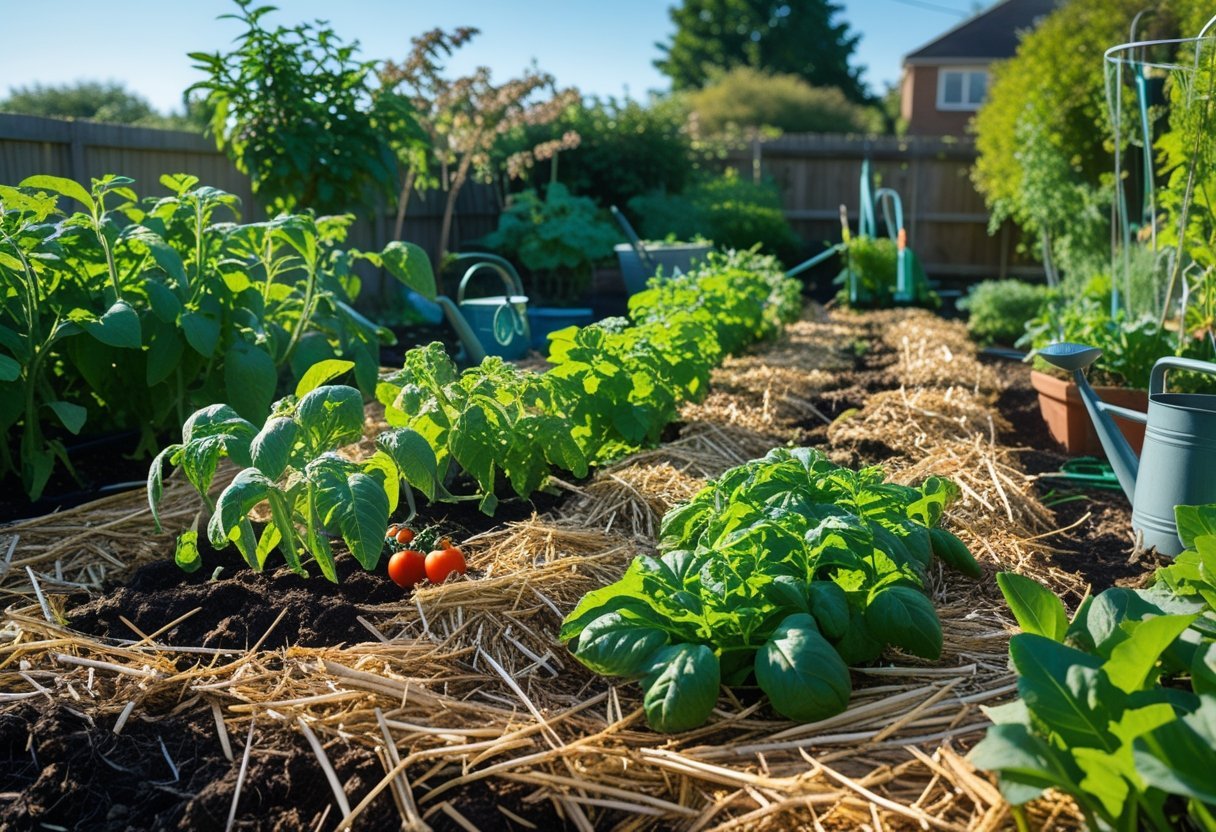
You cover your garden soil with thick layers of straw or hay to block weeds and keep moisture locked in. This method lets you plant directly into the mulch without disturbing the soil. It reduces both watering and digging, making your gardening routine simpler and less labor-intensive.
Recommended Products

Packaging may vary - You will receive 2 bales of straw.

Packaging May Vary: You will receive 3 bales of straw.
Packaging May Vary: You will receive 2 bales of straw.
8. Using Living Mulch with Cover Crops
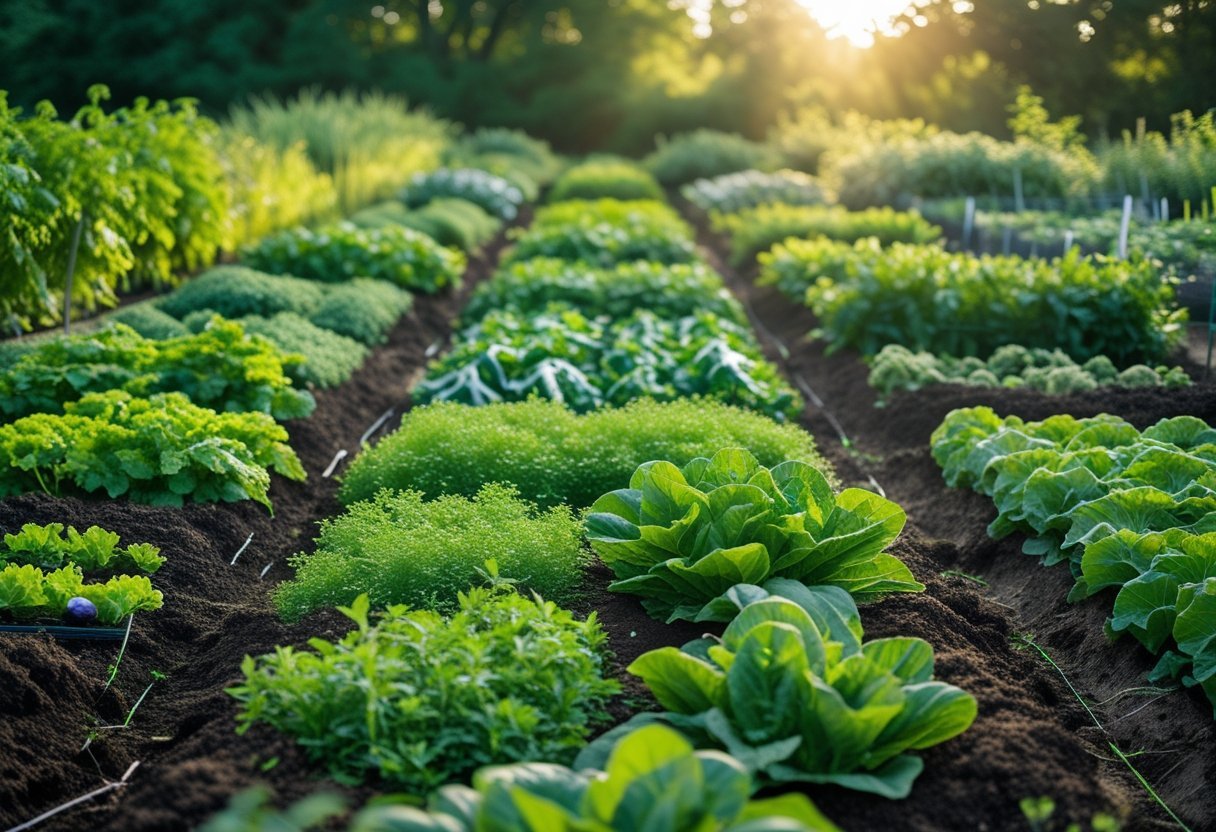
You can plant cover crops like clover or rye to form a living mulch that naturally limits weed growth while enriching your soil. These plants either remain growing between your main crops or are cut and left to break down in place. This method supports soil health and reduces erosion without disturbing the ground.
Recommended Products

Organic – All-Natural Premium Clean Processed Straw

100% Natural Wheat Straw,that has been dried to ensure it is free of weed seeds and will not germinate during use.

9. Thick Layer Mulch Composting
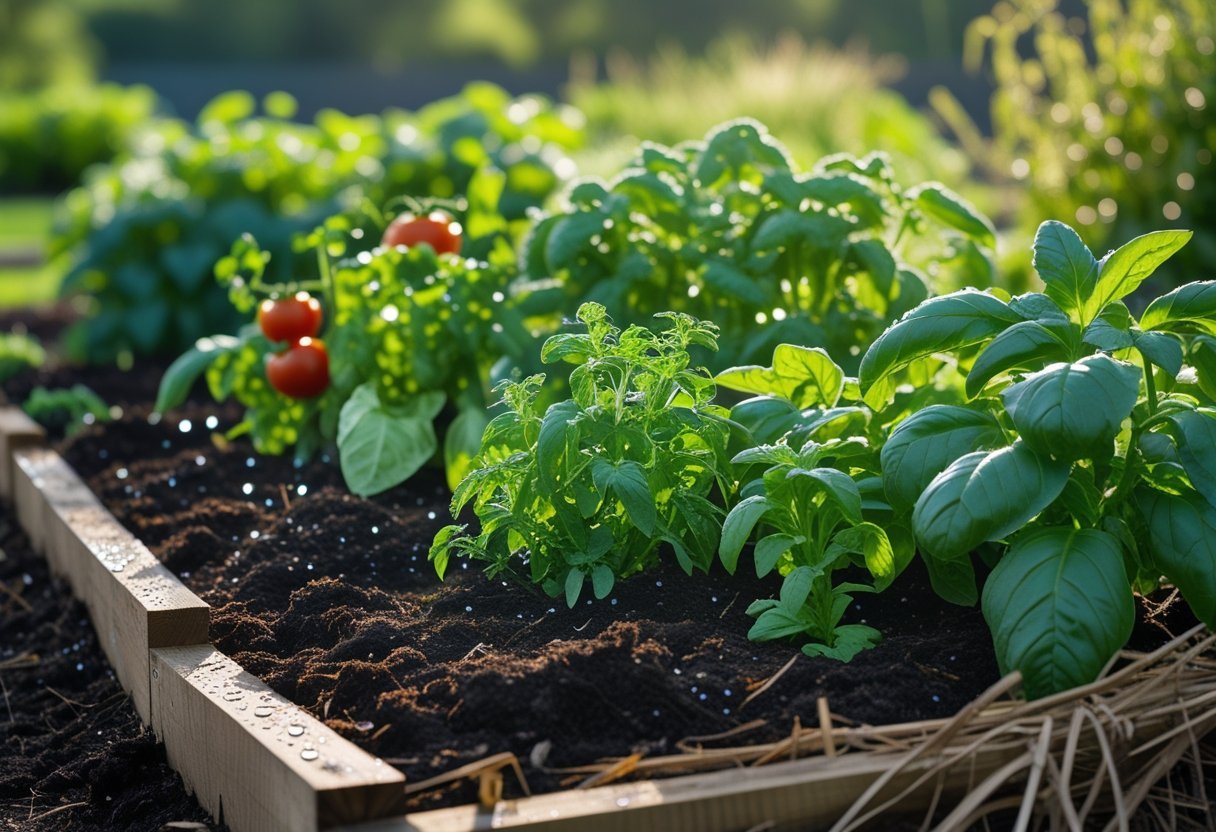
You build fertile soil by layering organic materials like leaves and wood chips deeply over your garden beds. This approach nourishes the soil without the need for digging. Microorganisms and worms work naturally to break down the material, enriching your soil as they integrate nutrients throughout.
Recommended Products
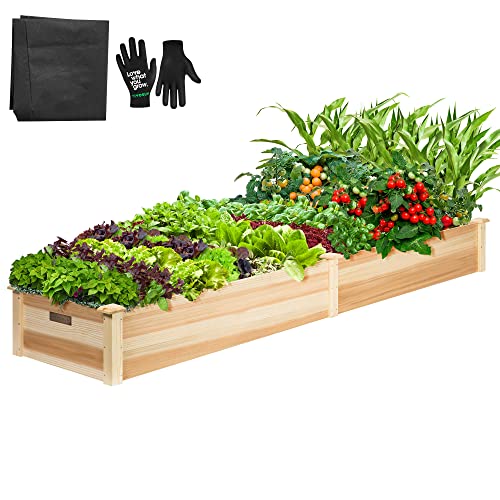
Spacious and Deep: Dimensions: 96"(L) x 24"(W) x 10.5"(H); Let your vegetables, flowers, and herbs thrive in this deep garden bed Garden Organizer: The garden bed is...
10. Keyhole Garden Beds
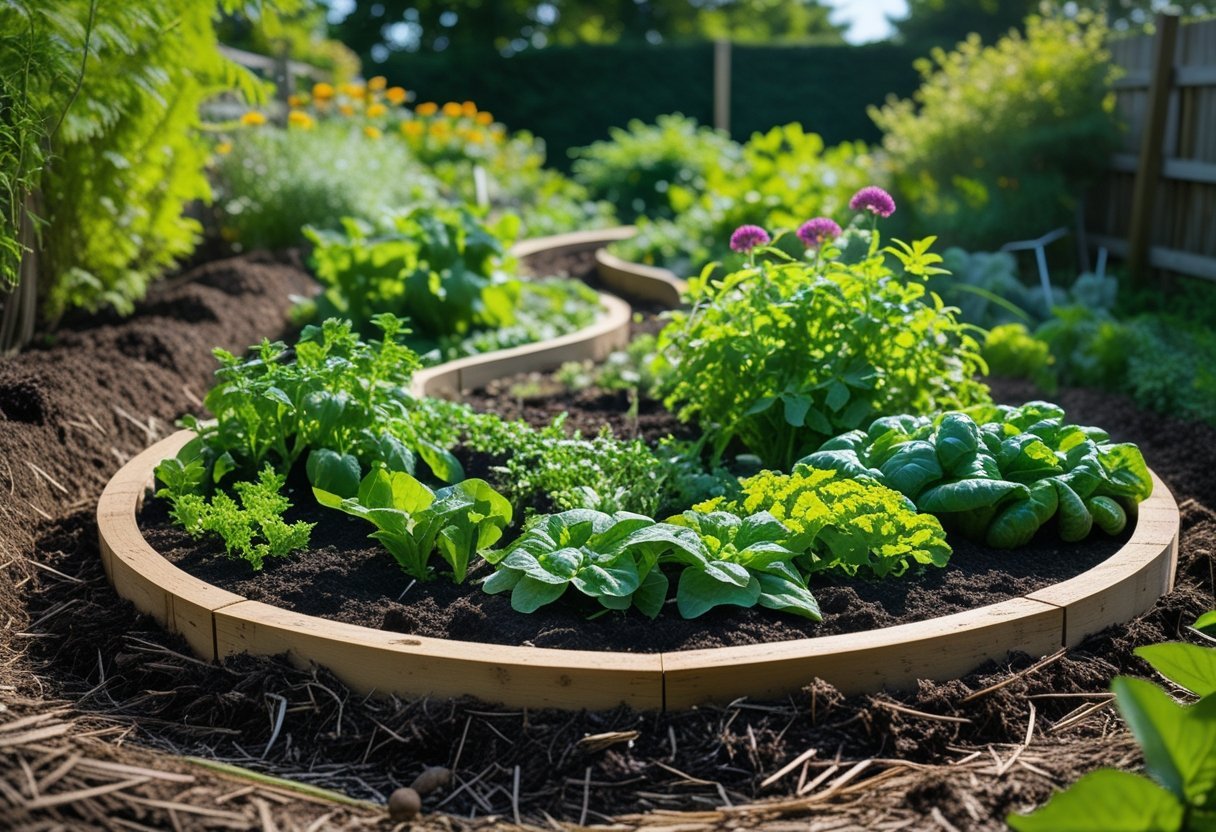
You create a circular raised bed with a central compost basket to recycle kitchen scraps efficiently. The keyhole-shaped access makes tending your plants easier without stepping into the bed. This method supports soil health by avoiding digging and encourages natural nutrient cycling through composting in one convenient setup.
Recommended Products

PREMIUM RED MULCH: Vibrant red wood chip mulch colored with non-toxic dye that is safe for soil, pets, and plants, enhancing the visual appeal of gardens and landscapes

ALL-NATURAL INGREDIENTS: No added fertilizers or pesticides

Bold Red Colored Wood Chips: Natural forest product colored with a beautiful bold red that adds vibrant color to your outdoor spaces
11. Burying Organic Waste in Soil Trenches
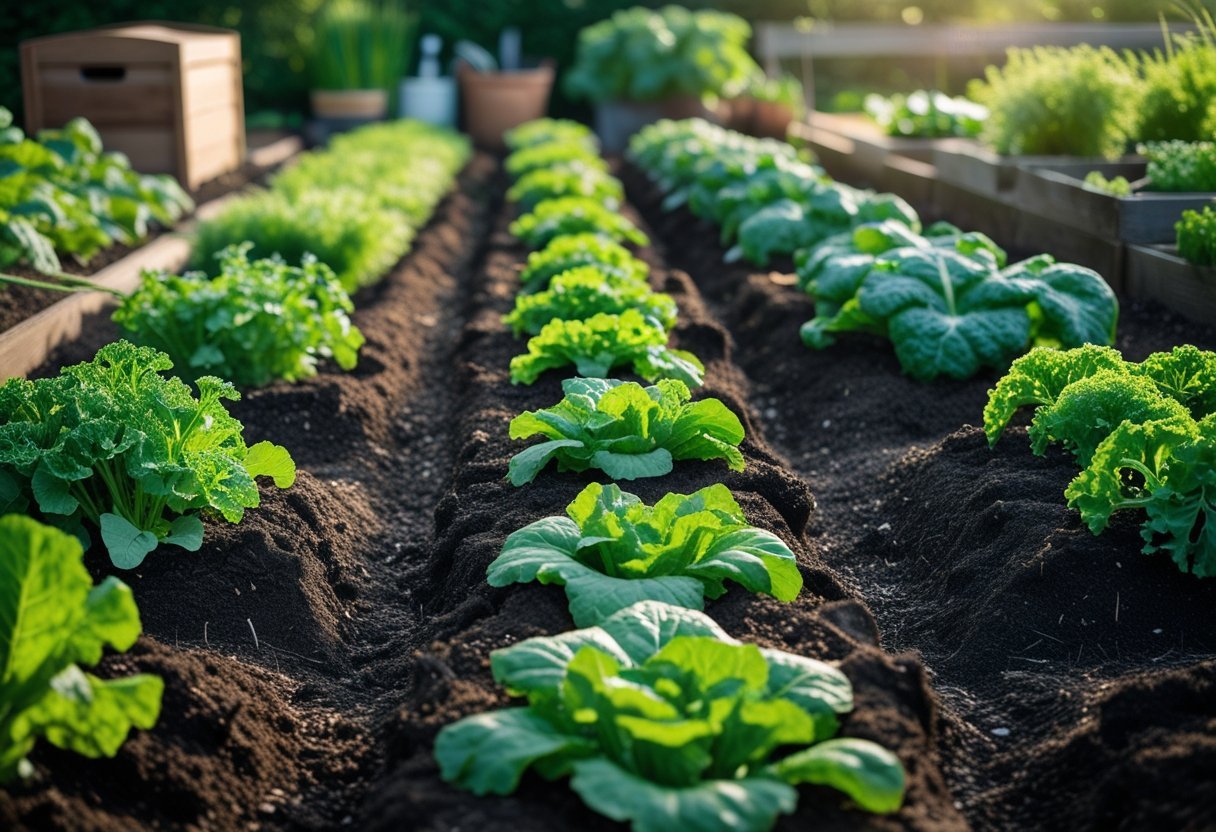
You can improve your garden soil by placing kitchen scraps in shallow trenches. This method avoids disturbing the earth and promotes beneficial microbial life at deeper levels. It fits well if you prefer low-effort gardening without turning the soil.
12. Compact Raised Bed Planting
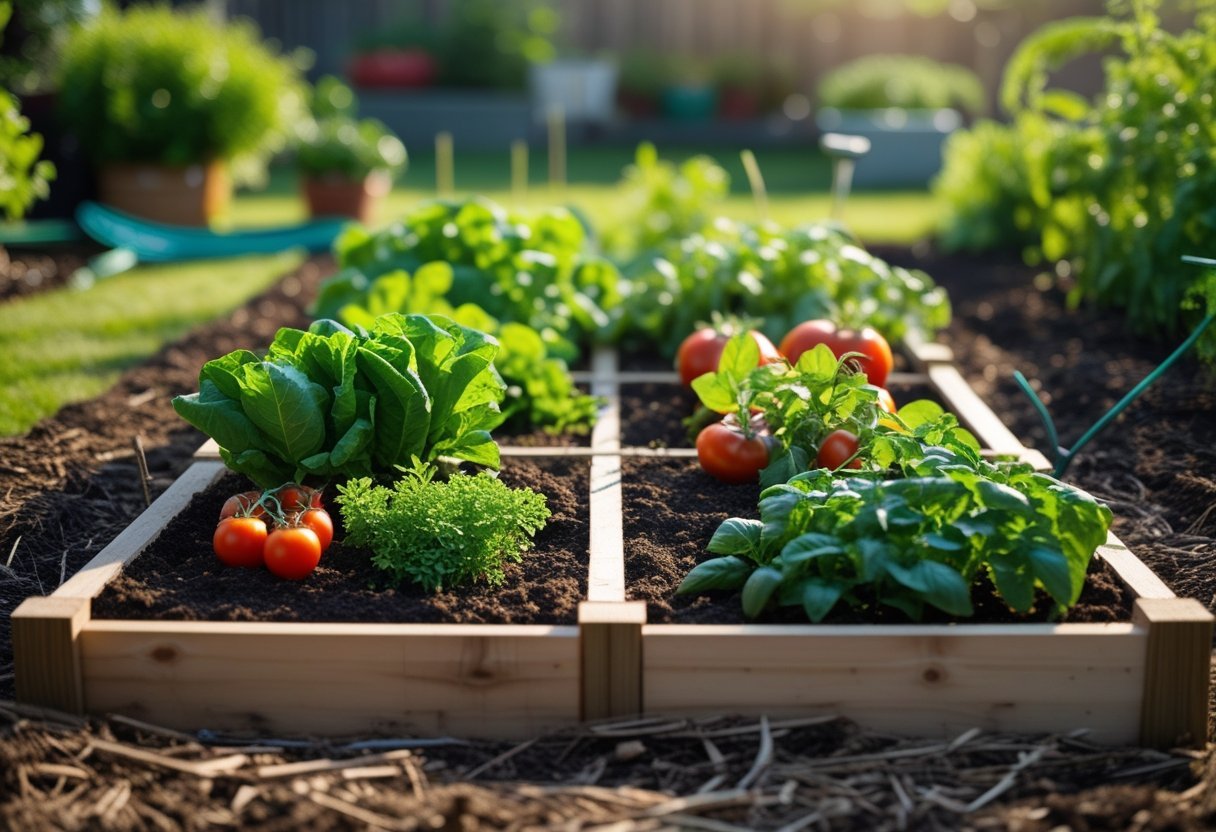
You organize your garden into small sections within raised beds filled with loose, nutrient-rich soil. This method avoids stepping on or digging into the earth, keeping it well-aerated and healthy. By planting densely, you increase production while protecting the soil structure.
13. Growing Upwards: Vertical Garden Techniques
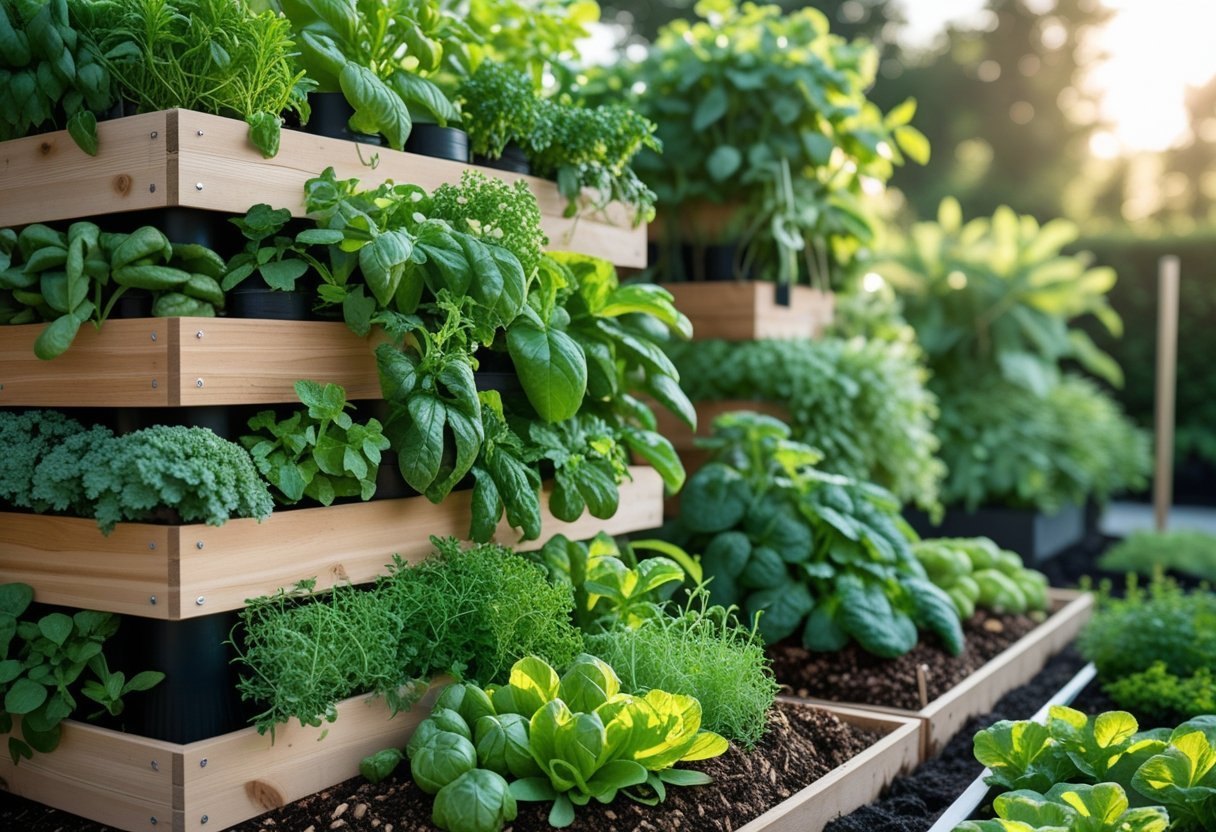
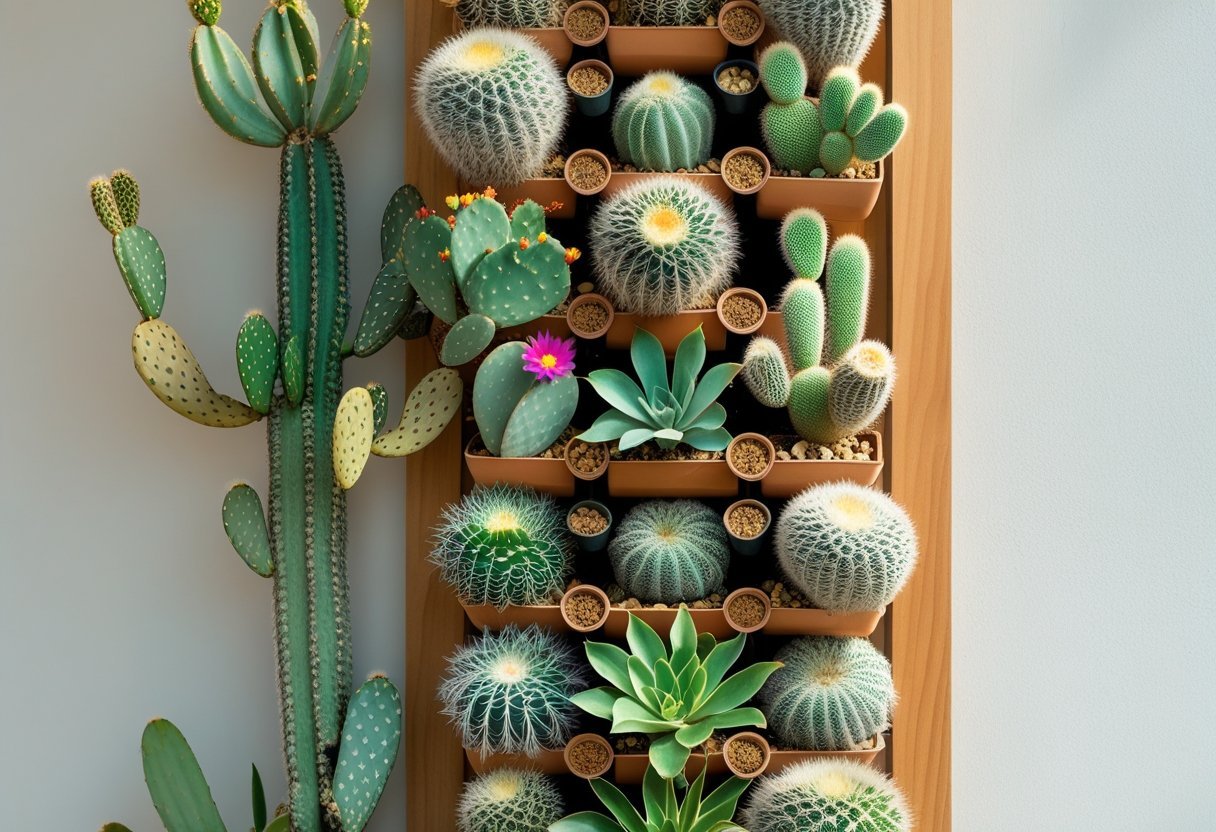
You can save ground space by using structures like trellises, towers, or wall-mounted planters to grow plants upward. This method avoids disturbing soil through tilling and improves light access for your crops. Vertical gardening works well both indoors and outdoors, making it a practical solution to maximize your growing area efficiently.
14. Using Fabric Containers for Growing
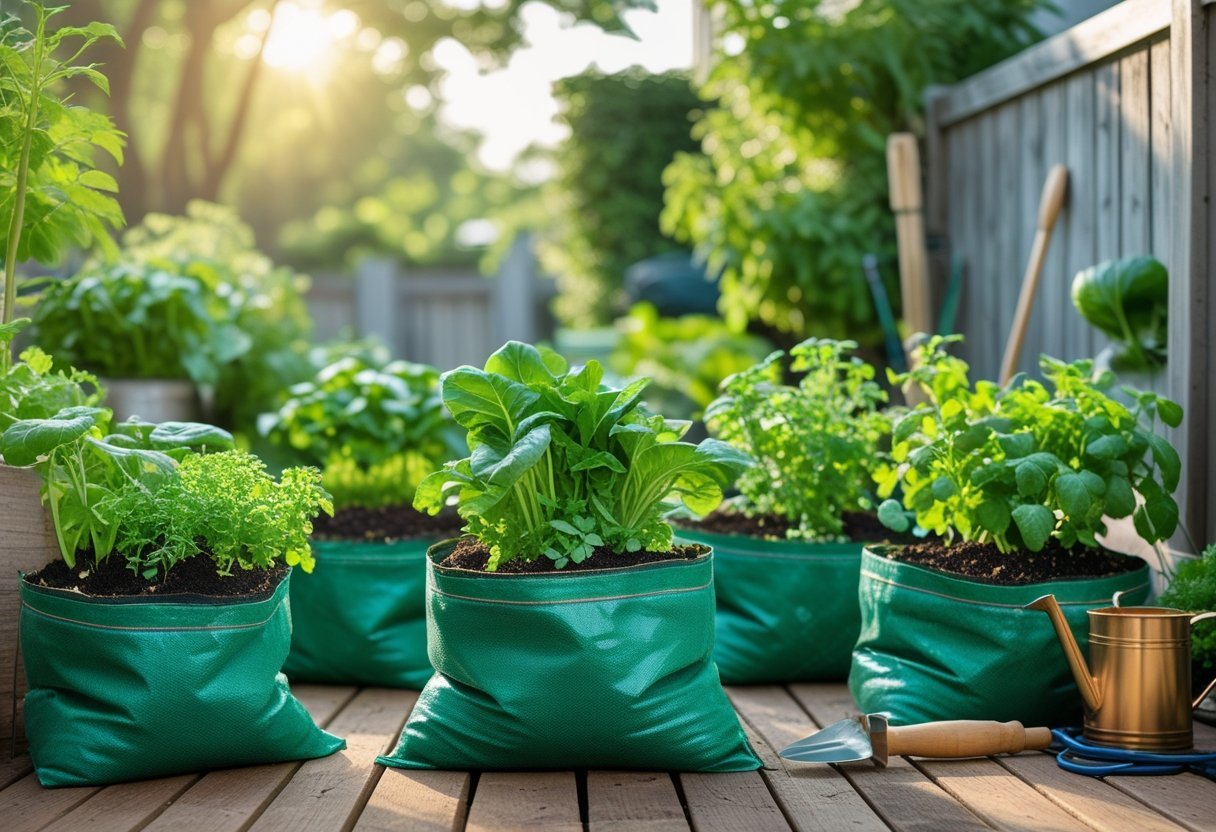
You can use fabric containers filled with rich soil that allow roots to breathe and water to drain easily. These bags work well if your soil is poor or space is tight. This approach is a flexible, no-dig option that fits well with modern urban gardening.
15. Garden Design Along Forest Borders
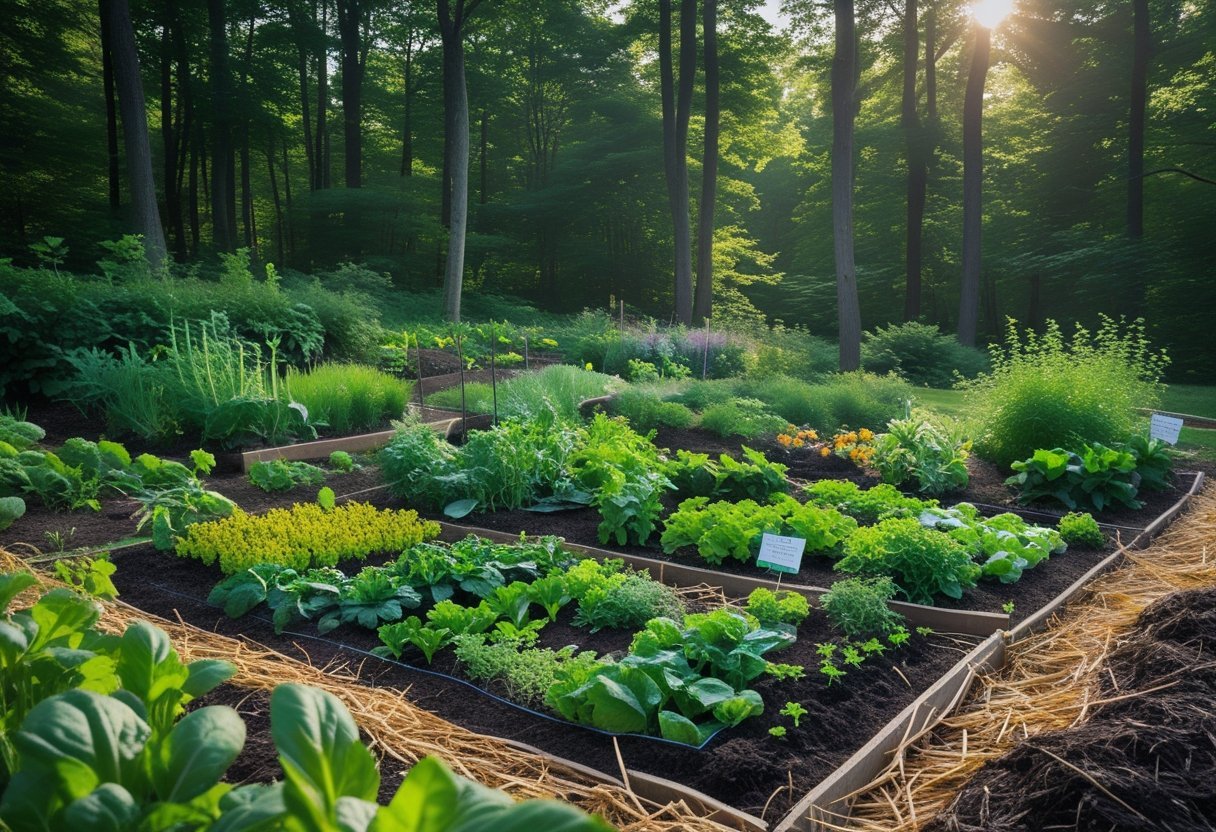
You can recreate the natural blend where woods meet open land by planting layers of perennials, shrubs, and ground covers. This style encourages biodiversity, supporting various plants without disturbing the soil. It lets your garden develop organically while avoiding the need for tilling.
16. Creating a Layered Food Garden
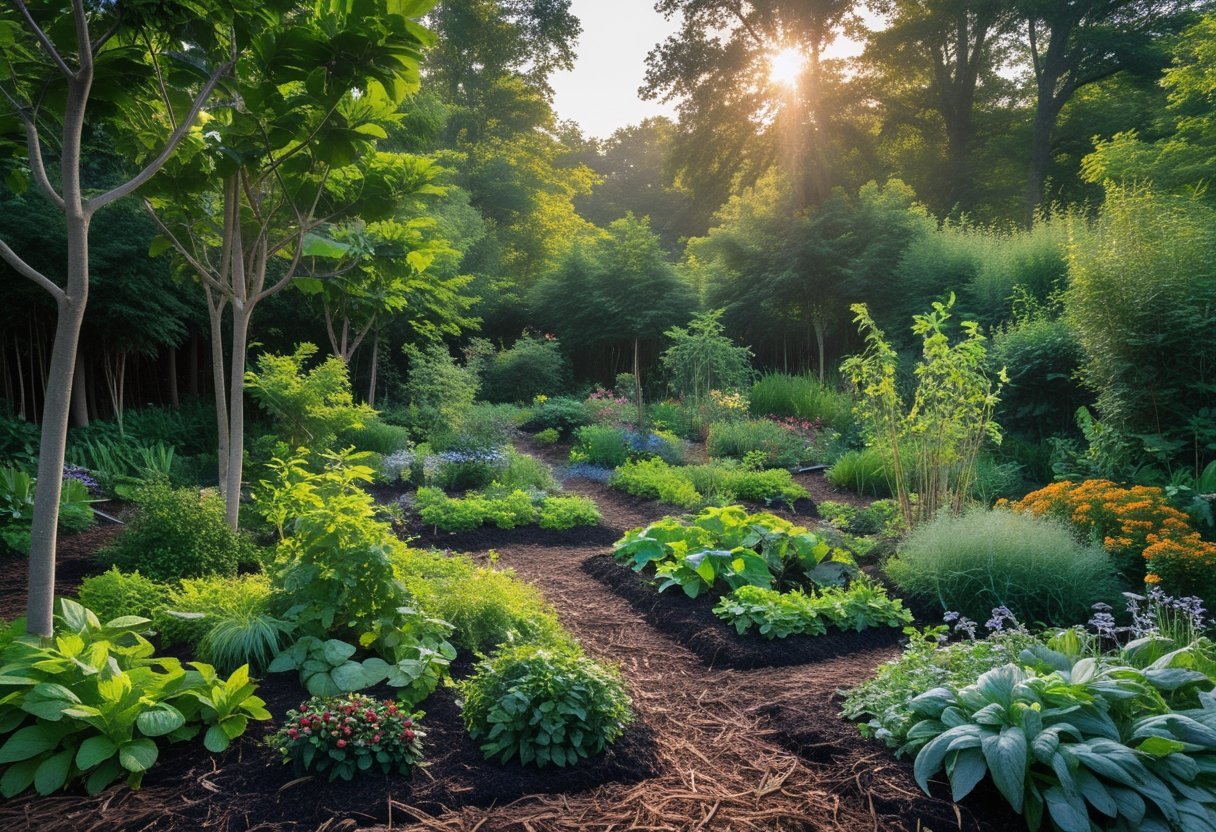
You can design a garden that mimics natural forests by stacking trees, shrubs, and herbs together. This method builds a sustainable ecosystem that grows steadily with little need for digging or constant care. It fits well if you want a low-maintenance, long-lasting food source.
17. Compost Mound Planting
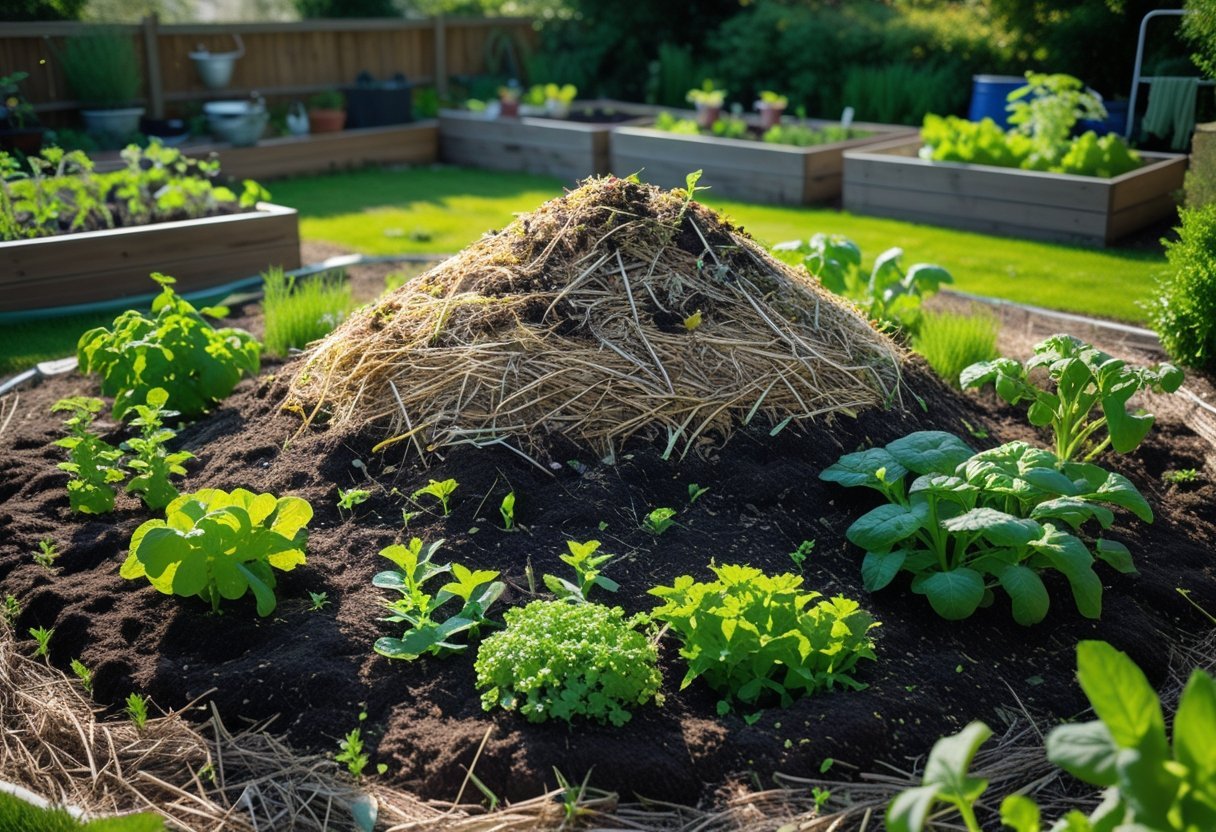
You create raised garden beds by piling composting organic materials such as grass clippings, food scraps, and manure. The natural breakdown process enriches the soil without you needing to turn or dig it. This method efficiently transforms waste into fertile growing areas for your plants.
18. Growing Multiple Crops Together
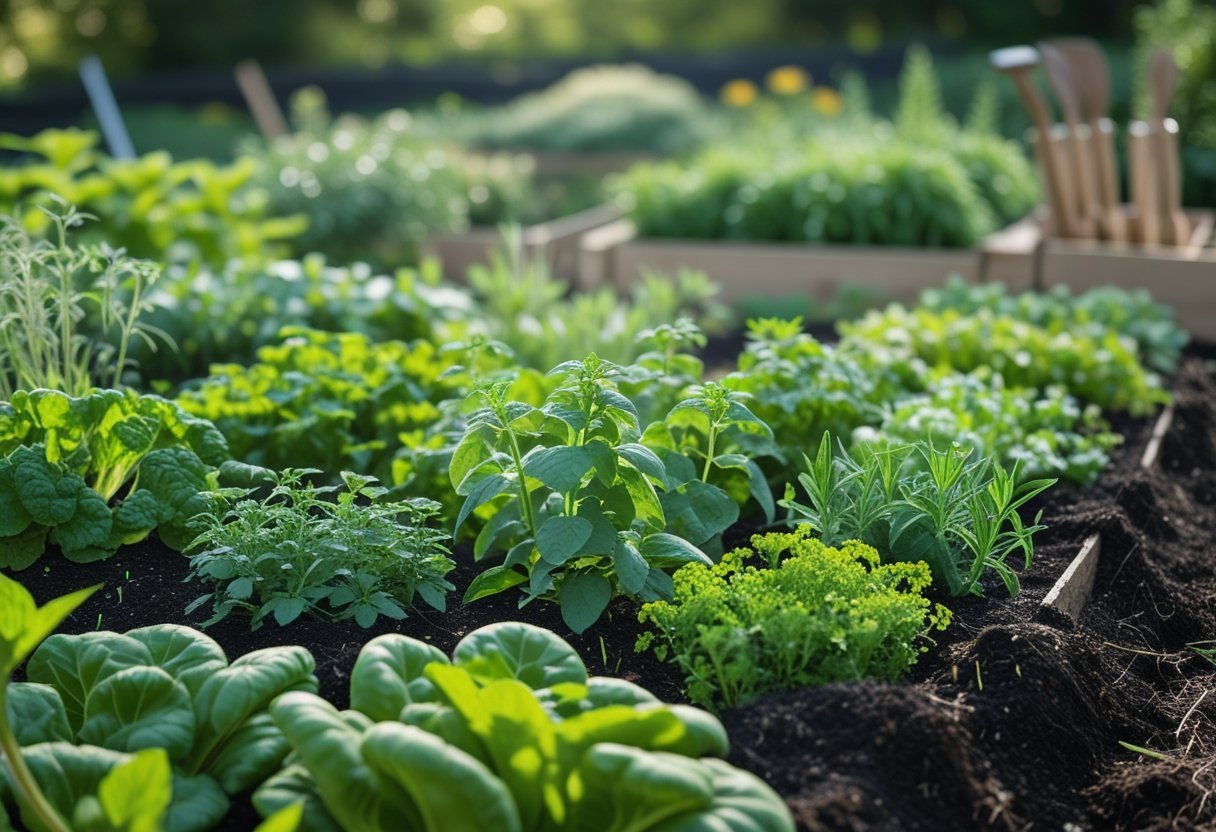
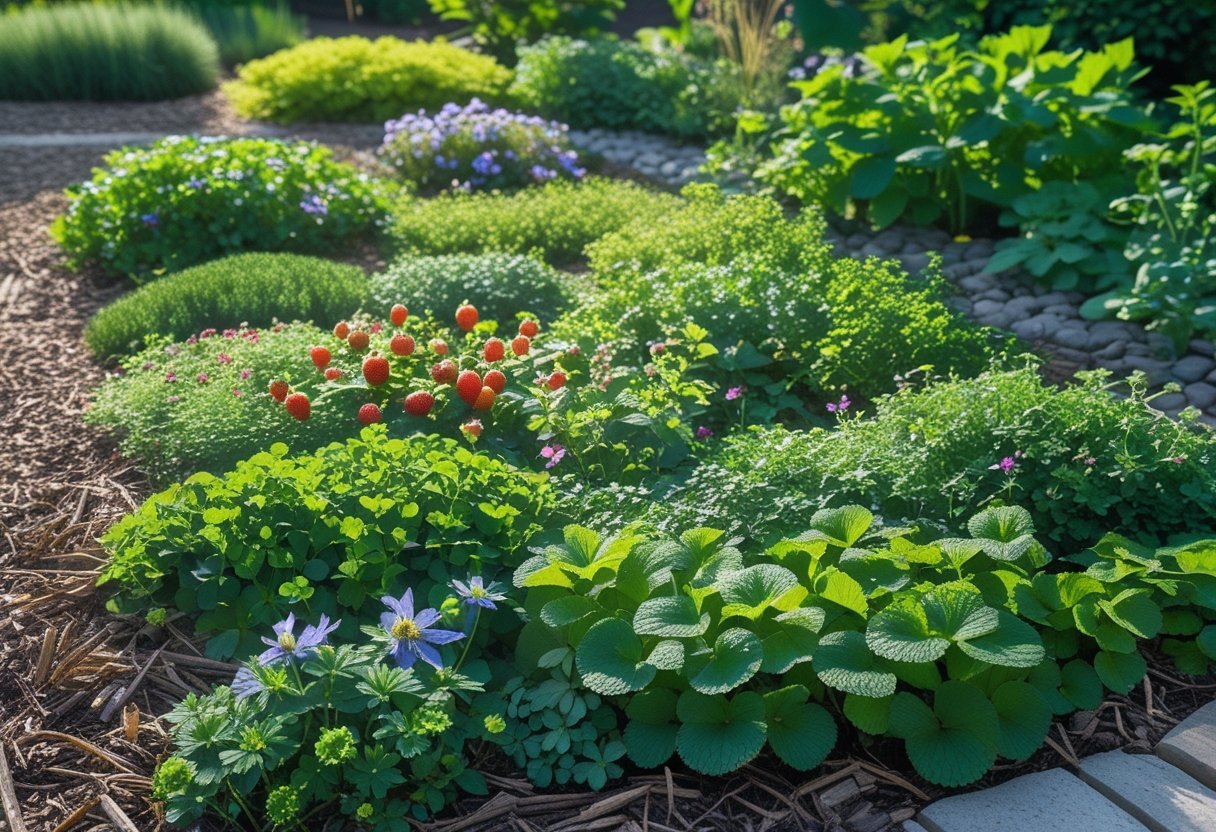
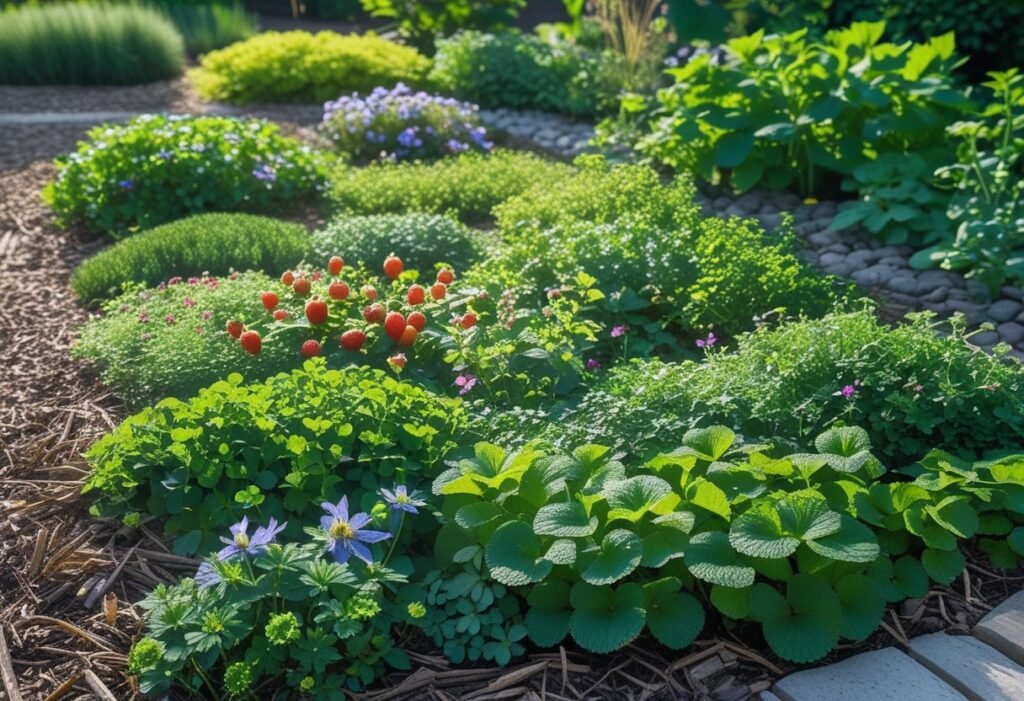
You can improve nutrient flow and natural pest control by planting diverse crops side by side. This approach keeps soil covered, lowering the need to disturb it often. It also helps create a more balanced and healthy garden ecosystem by supporting various plants at once.
19. Using Plant Cuttings as Soil Cover
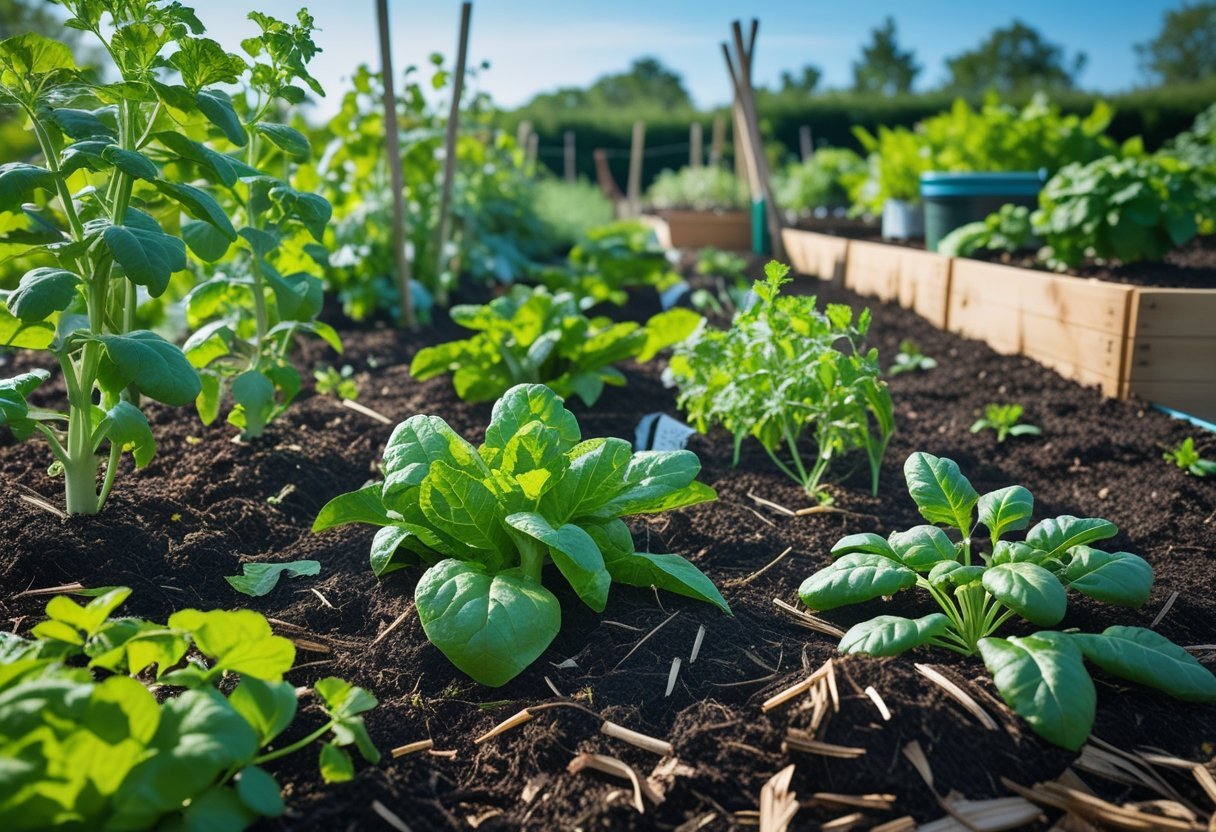
You cut plants and leave the pieces on the soil to naturally break down. This method enriches your soil without disturbing it by digging or turning. It saves you effort while helping maintain soil health in your no till garden.
20. Planting Shallowly in Intact Soil
You place seeds or seedlings into small openings without disturbing the soil layers. This approach keeps the soil structure intact, encouraging natural life below the surface. To boost fertility, you add mulch and compost, avoiding the need to turn or dig the earth. This method helps maintain a healthy growing environment with less effort.
21. Growing New Crops Among Established Perennials
When you plant new crops within existing perennial beds, you take advantage of the strong root networks and stable microclimate already in place. This method keeps the soil structure undisturbed, preserving the natural ecosystem underground. Over time, decaying plant material enriches the soil, feeding your garden without extra work.
This strategy saves you effort by reducing weed pressure and protecting beneficial soil life. Whether you use raised beds, mulch, or forest garden designs, interplanting supports healthier soil and consistent moisture retention. It works well in small spaces or larger plots, making it suitable for many garden setups.
By adopting this no-till technique, you maintain soil vitality while introducing diverse plants that grow alongside long-lived perennials for lasting productivity.