
What if your garden could offer more than just decoration? Imagine picking fresh herbs, berries, and mushrooms right from your own yard whenever you want.
Creating a foraging-friendly garden lets you grow edible plants that save you money and bring healthy food to your table. With a bit of planning, your outdoor space can become a natural and enjoyable place to explore daily.
1. Garden Bed with Edible Flowers
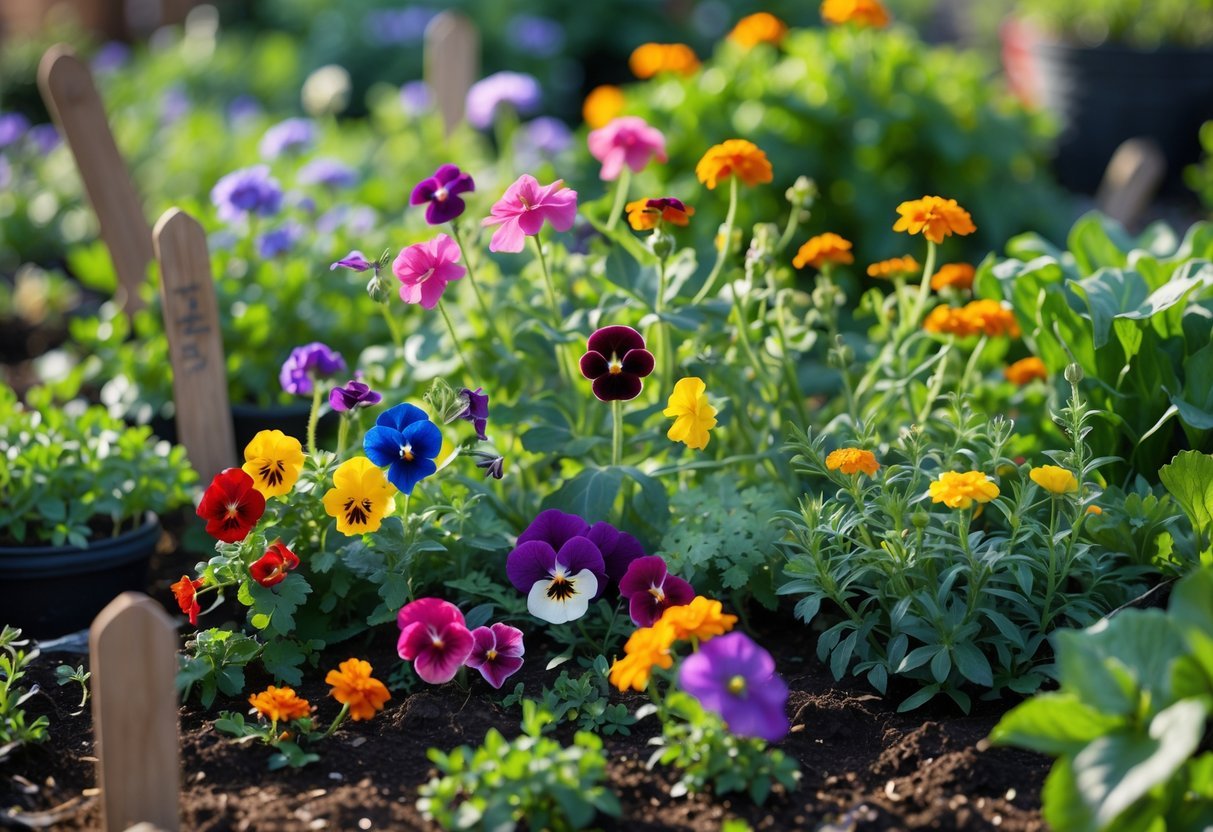
You can brighten your garden by planting flowers like nasturtiums, calendula, and violets that are safe to eat. These flowers add color while giving you extra nutrients and vitamins. They also attract helpful pollinators such as bees and butterflies, which support a healthy garden environment.
Recommended Products

Quality flower seeds packaged by Seed Needs. Intended for the current and the following growing season. Packets are 3.25" wide by 4.50" tall and come with a full colored illustration on the front side, as well as detailed sowing instructions on the reverse.b1

The Best Value - Organo Republic Nasturtium Seeds Pack contains 1 oz or 180 of Non-GMO heirloom nasturtium seeds. Grow vibrant Nasturtium(Tropaeolum) flower with our heirloom, organic nasturtium seeds, perfect for planting outdoors. These edible flower seeds are ideal for gardens, salads, and companion planting. Enjoy colorful blooms and lush trailing growth!

Variety: Jewel Mixed Nasturtium, scientifically known as Tropaeolum nanum, is a compact variety of nasturtium, ideal for small gardens, containers, or borders.
2. Herb Spiral Garden Design
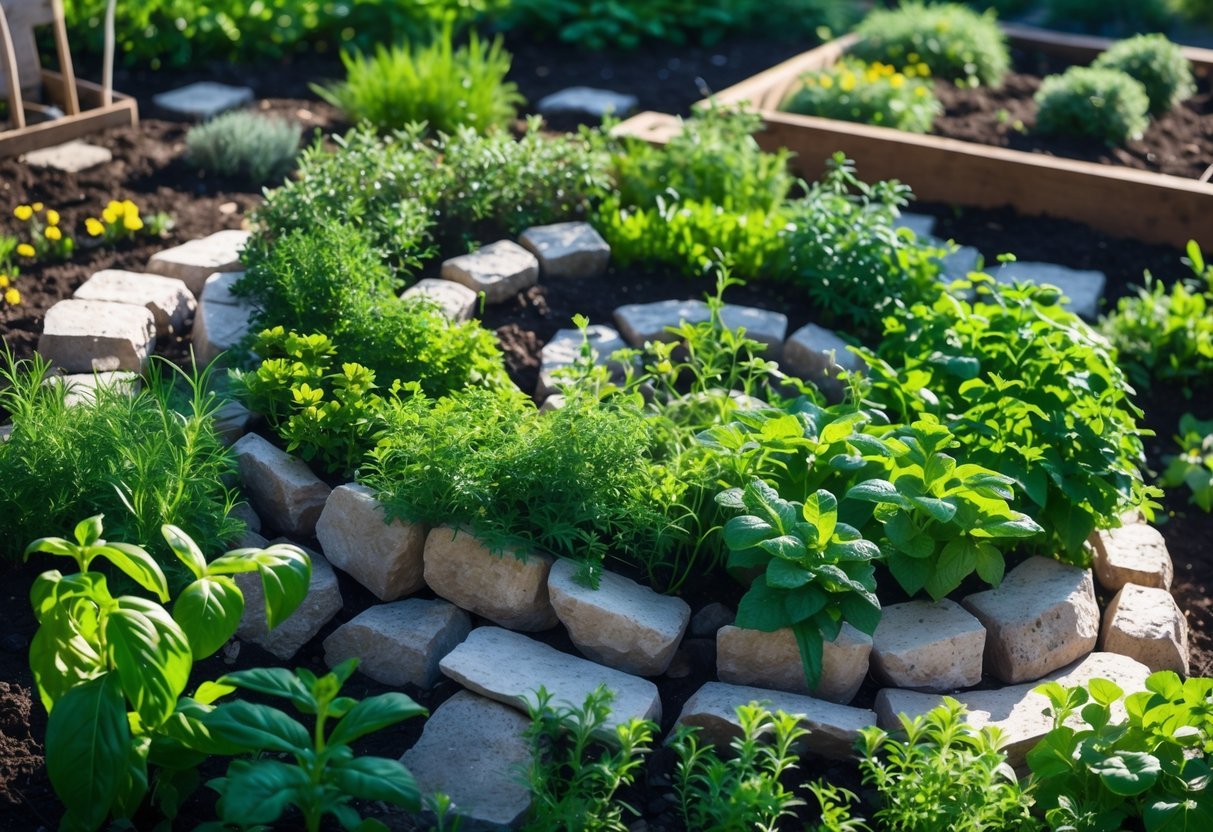
You can save space by building a spiral garden that offers different areas for herbs needing various sun and moisture levels. This shape helps you grow plants like rosemary, thyme, and basil together. It also uses water wisely and ensures your herbs get enough sunlight throughout the day, making your garden more efficient.
Recommended Products

Complete All-In-One Kit - No need to buy separate supplies. This herb starter set comes with 4 plastic planter pots, 4 soil discs, 4 plant markers 4 heirloom herb seed packets, and essential planting tools—everything you need to start your indoor herb garden immediately.

HERB PLANTS & SEEDS - Start an indoor herb garden from seed with basil, chives, dill, cilantro and parsley, each in its own burlap pot.

🌿【Complete 9-Herb Starter Kit】- Everything you need to grow a thriving indoor garden! Includes premium seeds (Basil, Rosemary, Thyme, etc.), 9 biodegradable pots, nutrient-rich soil discs, pruning shears, and markers—ready to plant instantly.
3. Stacked Mushroom Log Tower
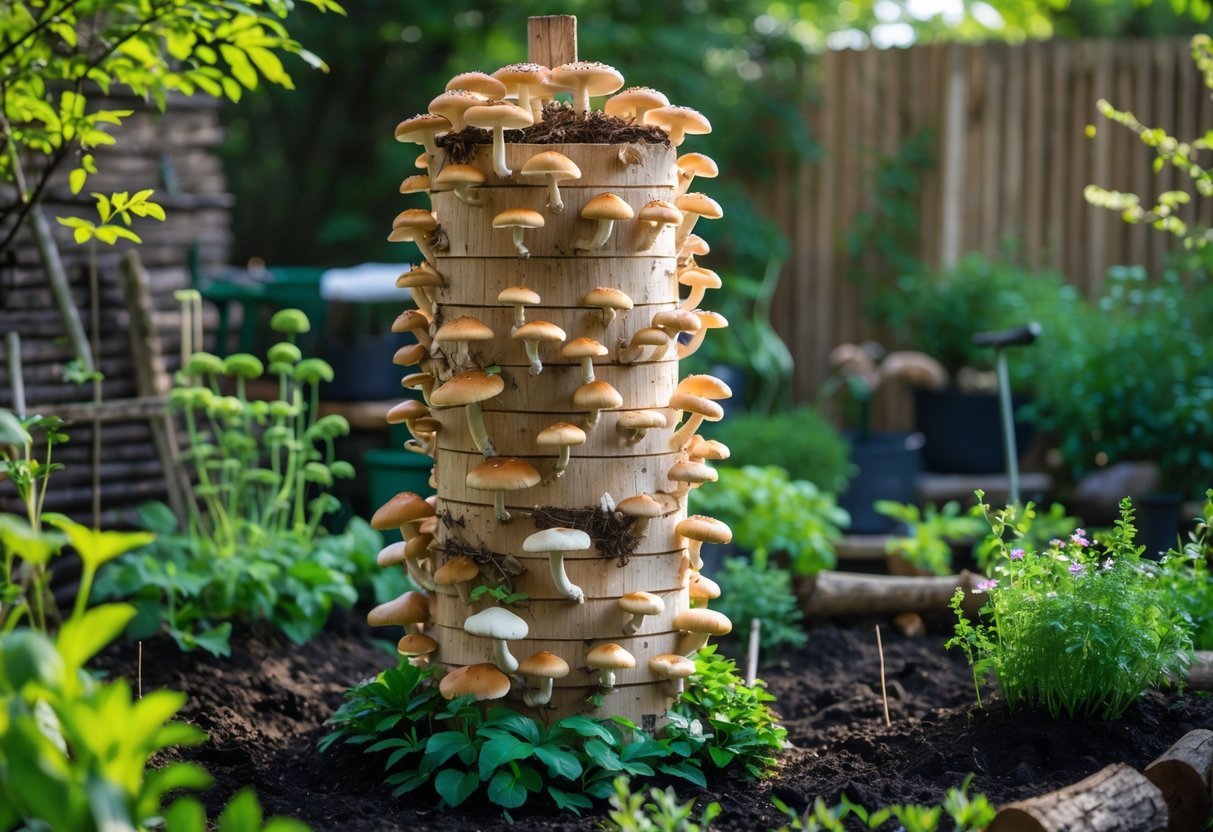
You can grow mushrooms like shiitake, oyster, or reishi by stacking logs vertically. This setup uses little space and fits well in shaded garden spots you might not use otherwise. It helps you add healthy, protein-rich food to your diet while practicing a sustainable way to grow fungi.
Recommended Products

14.11 Ounces of Seasoned Crispy and Crunchy Shiitake Mushroom Crisps

Trusted by 350,000+ growers and USDA Certified Organic: North Spore's Blue Oyster (Pleurotus ostreatus) mushroom plug spawn is handcrafted in Maine by expert mycologists using in-house cultures

4. Creating a Berry Bush Border
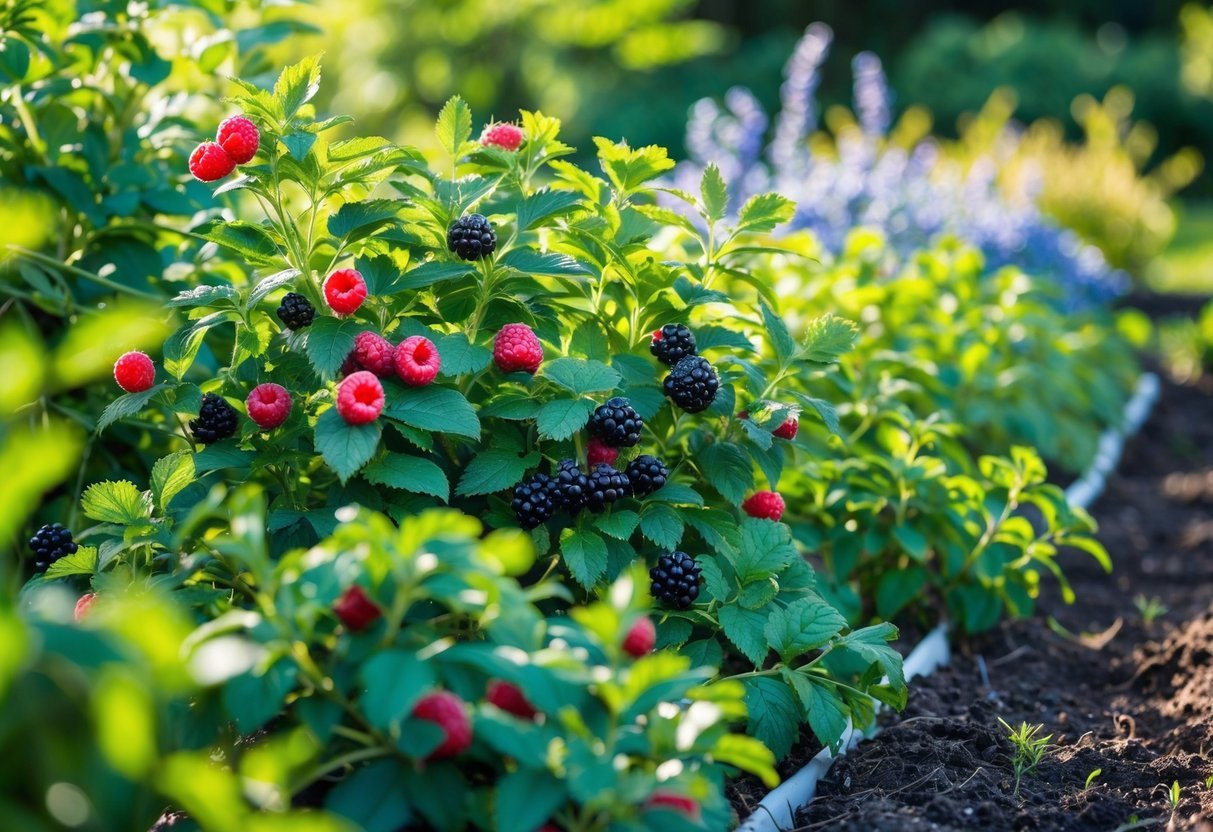
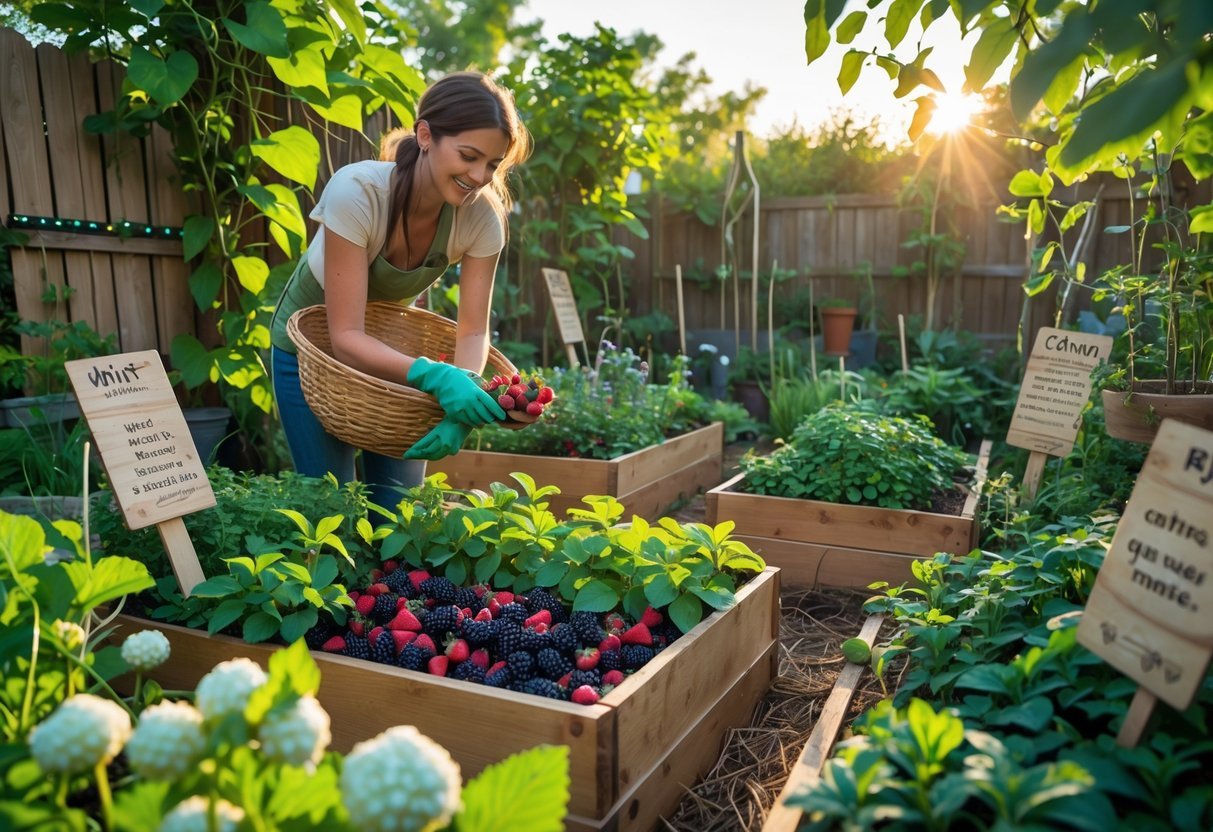
You can turn your garden edges into a source of fresh berries like blackberries, raspberries, and gooseberries. These bushes not only give you fruit but also bring in helpful wildlife. Prune them well to shape natural fences or protect your garden from wind.
Recommended Products

Grow your own blackberries; With the Arapaho vine you can grow your own source of sweet delcious blackberries right in your front or backyard. These fruit vines consistently produce lots of berries

Good quality fake raspberries. Plump & juicy raspberries. These are brightly colored and fun.

Lifelike raspberry and nice touch, with bright surface and color, very realistic shape
5. Herbal Tea Garden Ideas
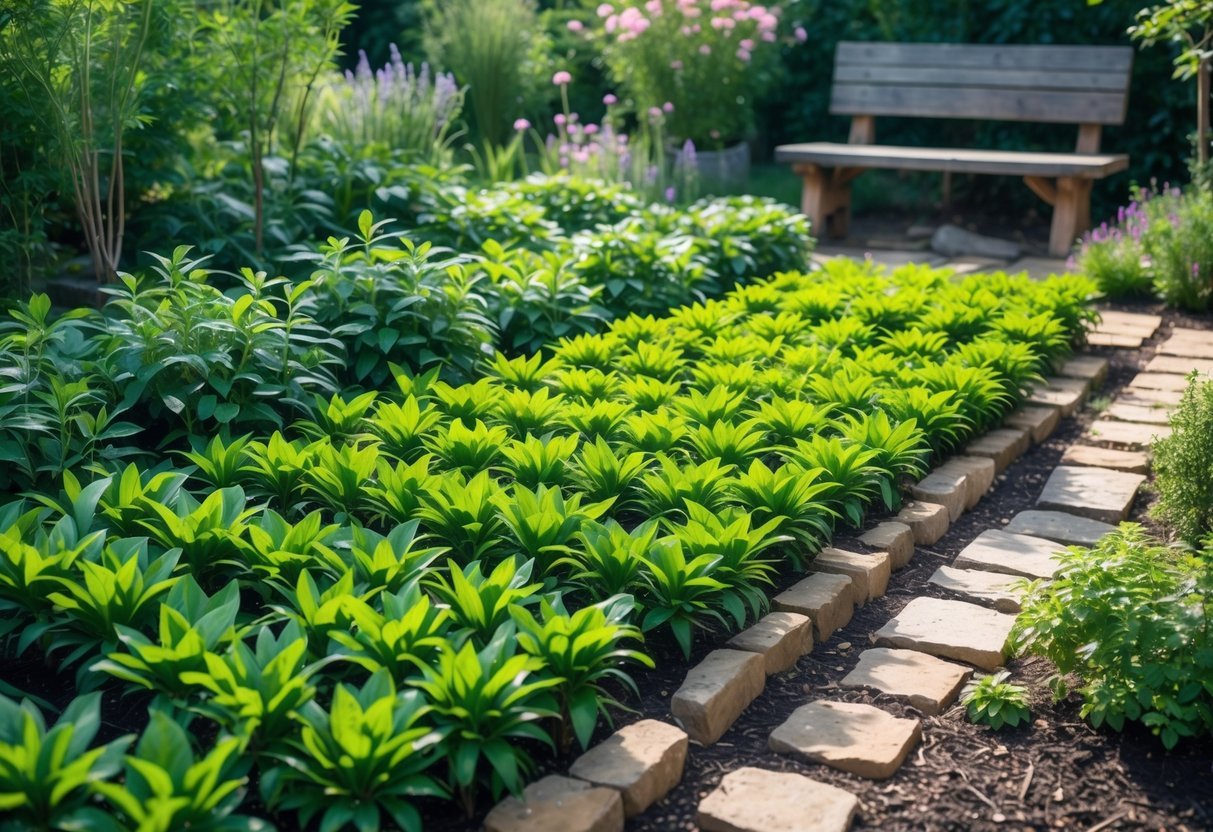
You can grow easy plants like chamomile, lemon balm, and mint for your own tea garden. These herbs need little care and fit well in small pots or containers. Fresh leaves and flowers help you make tea at home, saving money and giving you control over what goes in your cup. Try planting some to enjoy anytime.
Recommended Products


★ 𝐖𝐡𝐨𝐥𝐞 𝐃𝐫𝐢𝐞𝐝 𝐋𝐞𝐦𝐨𝐧 𝐁𝐚𝐥𝐦 𝐋𝐞𝐚𝐯𝐞𝐬: Premium-quality lemon balm leaf, carefully dried to preserve their refreshing aroma and herbal properties—perfect for tea, infusions, and natural wellness.

Chamomile & Spearmint: Sip soothing German Chamomile tea and energize your favorite steeps with sweet, cooling Spearmint!
6. Nutrient-Rich Wild Greens Spot
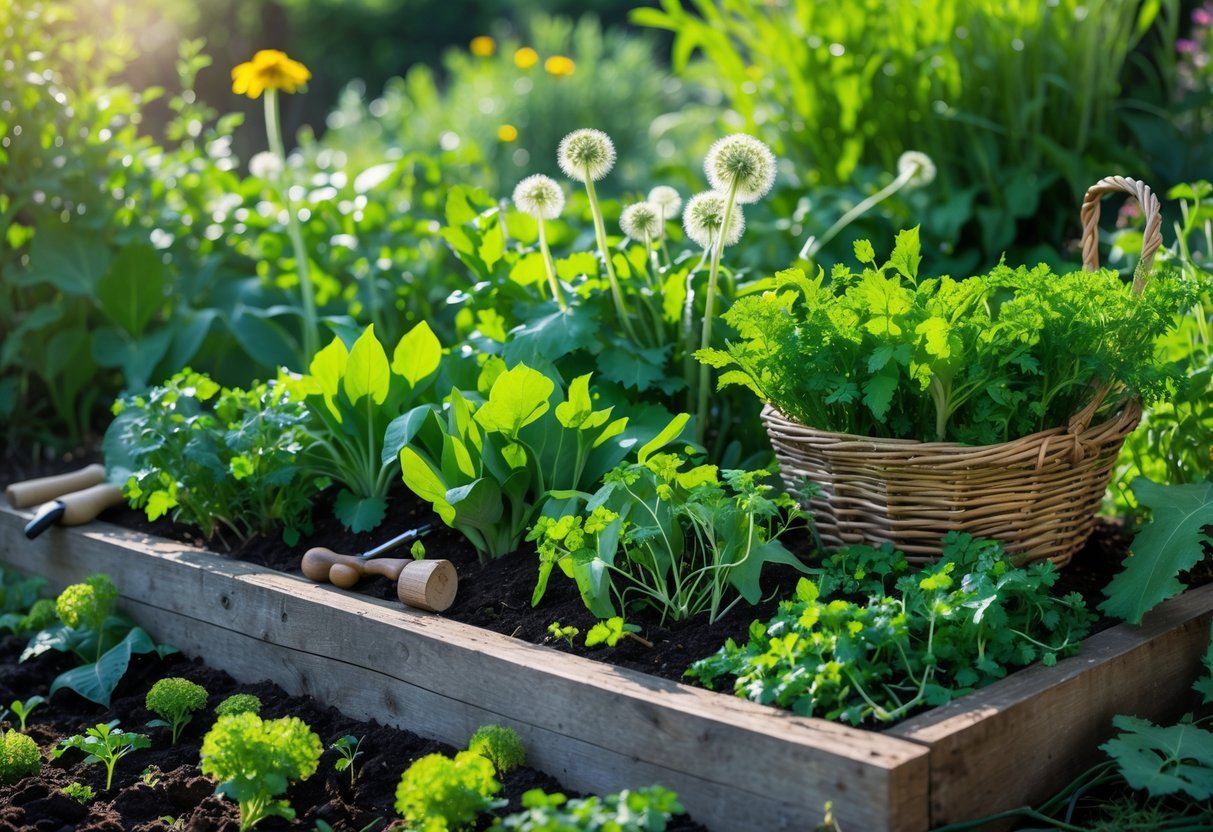
You can grow a variety of wild greens like dandelion, purslane, and chickweed in one area of your garden. These plants grow quickly, so you’ll have fresh, healthy greens to harvest often. This spot also helps attract helpful insects and improves the condition of your soil.
Recommended Products
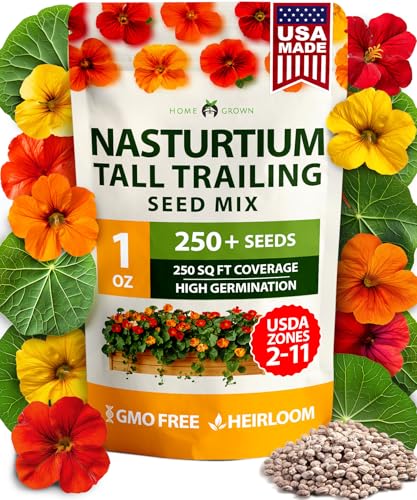
TOP-RATED TALL TRAILING MIX: Experience a versatile and original decorative mix of Nasturtiums. These high-ranking trailing vines are designed to create a "wow" factor for every garden visitor. A stunning blend of beauty and vigorous growth.
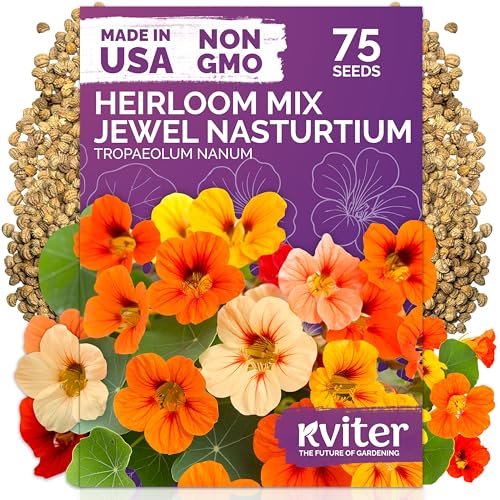
High Germination Rate: Soak dwarf nasturtium seeds overnight to reach up to 90% germination in 10-12 days at 60-65°F; flowers seeds are hardy in USDA 1-12 for gardens, window boxes & hanging baskets.

Nasturtium Seeds: Jewel Mixed Nasturtium, scientifically known as Tropaeolum nanum, is a compact variety of nasturtium, ideal for small gardens, containers, or borders.
7. Plants That Draw Pollinators in Your Zone
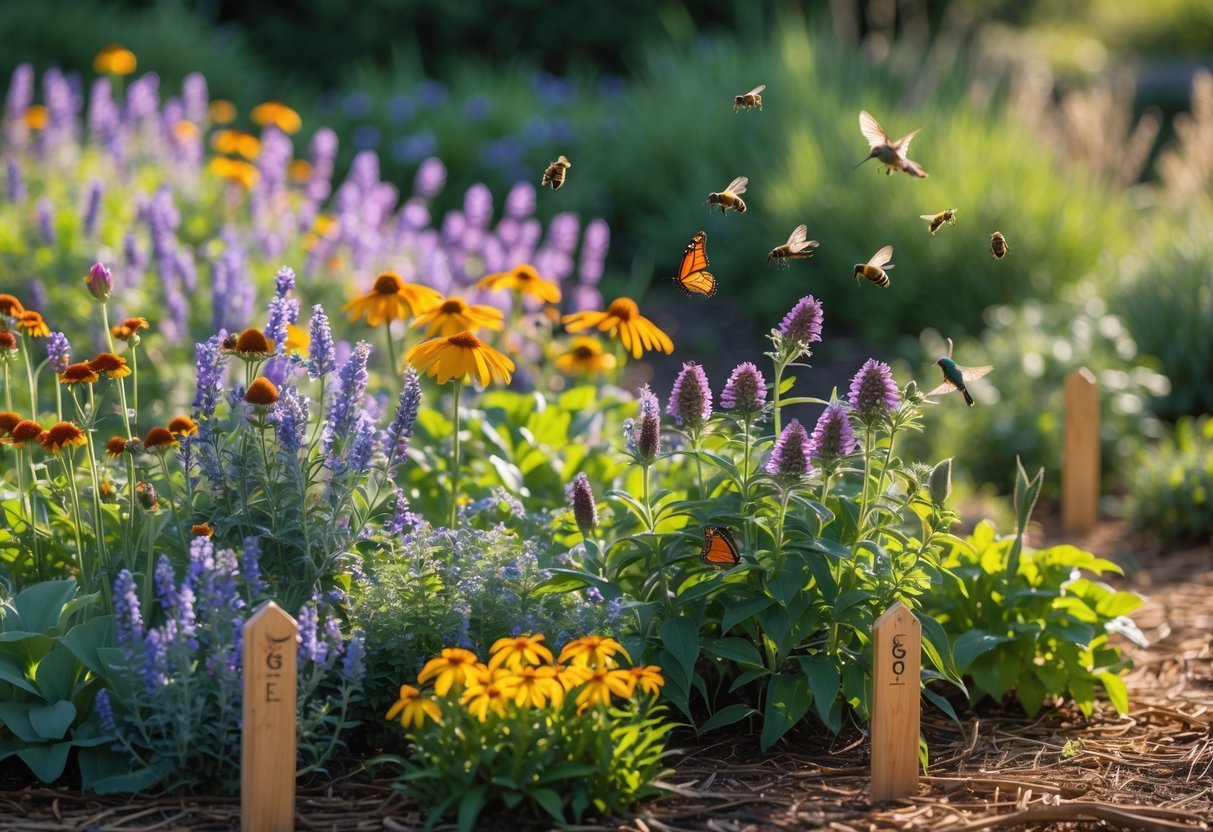
You can boost your garden’s health by planting flowers like lavender, echinacea, and borage. These attract bees, butterflies, and hummingbirds, which helps pollinate your plants. More pollinators mean you get more fruit and seeds, supporting both your garden and local wildlife.
Recommended Products

COMPLETE INDOOR HERB GARDEN KIT: This ROOTCRAFT herb growing kit includes everything you need to start your herb growing journey. It's perfect for kitchen, windowsills, balconies and patios, elevating your indoor space with a vibrant array of gourmet herbs
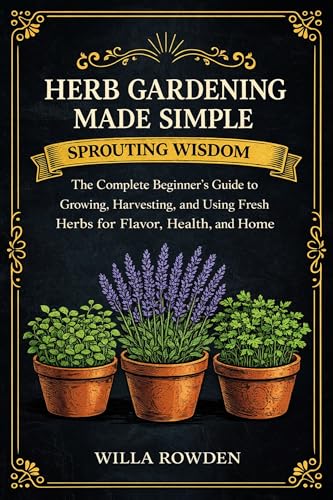
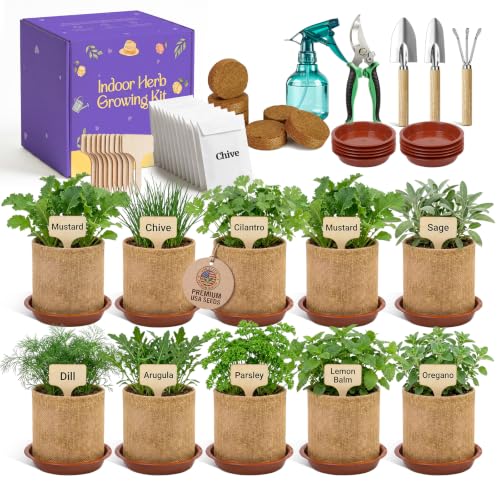
Complete Indoor Herb Garden Kit: Includes 10 jute fabric pots, 10 drainage trays, 10 plant labels, 10 packs of herb seeds, 7 coco coir soil blocks, a wide trowel, narrow trowel, cultivator, pruning shears, and spray bottle. Detailed planting guidance helps you get started.
8. Corner Reserved for Nut Trees
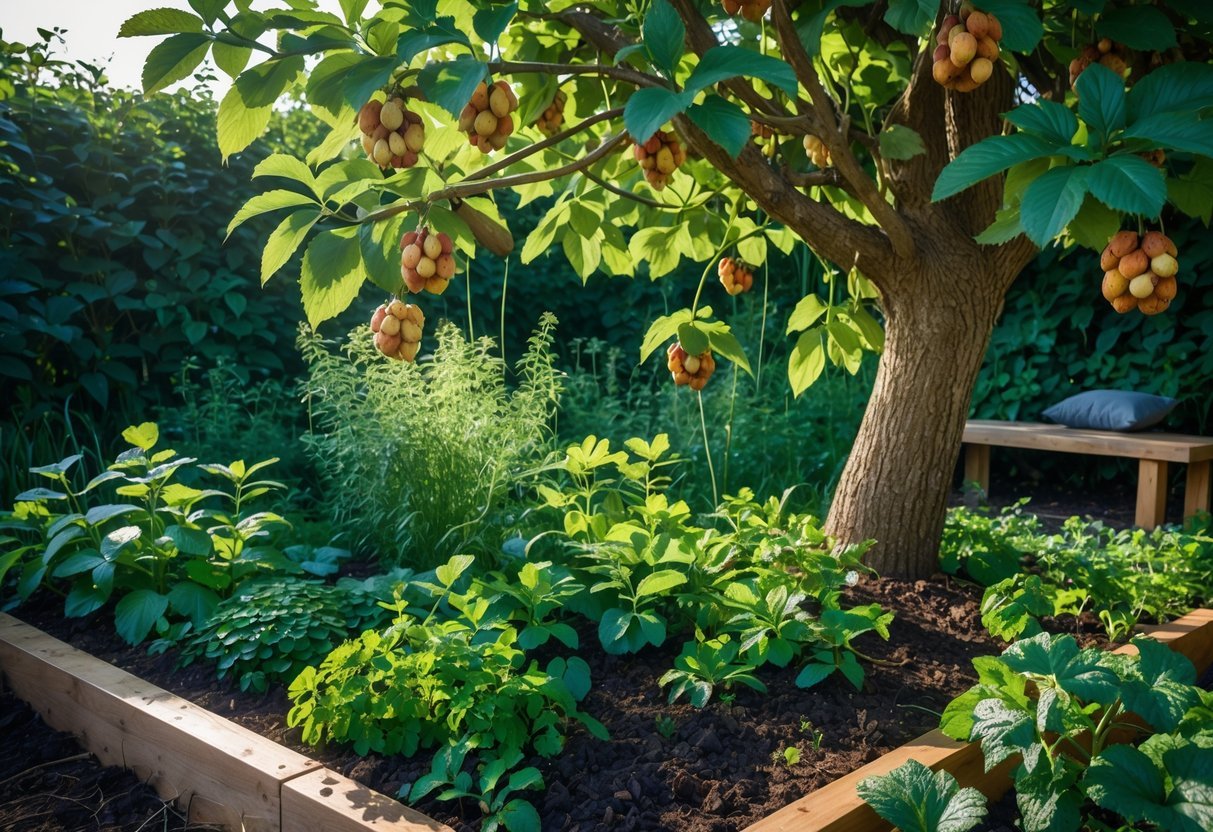
You can set aside a garden corner for trees like hazelnuts, walnuts, or almonds. These trees produce nuts that are rich in nutrients and can last for many months when stored. Besides food, they create shade and attract birds and other wildlife, adding value to your garden space.
Recommended Products

GROW RED REISHI ON LOGS OUTDOORS: Each pack of 100 mushroom spawn plugs for logs inoculates 2-3 hardwood logs — drill holes, hammer in plugs, seal with wax, and let the mycelium colonize over 12-24 months
![Dried Shiitake Mushrooms 'Donko' [ Premium Japanese Log-Grown, Thick & Meaty ] – 80g, for Cooking](https://m.media-amazon.com/images/I/51ydOajbtjL._SL500_.jpg)
【Premium Japanese donko, thick texture and rich umami】Naturally log-grown in Japan, Donko shiitake mushrooms offer a rich, earthy flavor and a meaty texture that enhances any dish. These mushrooms are carefully cultivated and sun-dried, which deepens their umami profile, making them perfect for soups, stir-fries, and sauces. Their slightly smoky aroma complements a variety of cuisines, adding depth to both traditional Japanese dishes and modern recipes.

MUSHROOM EXTRACT BLEND: Solgar Mushroom Extract provides three species of mushroom extract—130 mg organic Red Reishi, 100 mg organic Shiitake, and 100 mg organic Maitake—each traditionally used in Oriental health practices for over 2,000 years*
9. Raised Beds for Growing Root Vegetables
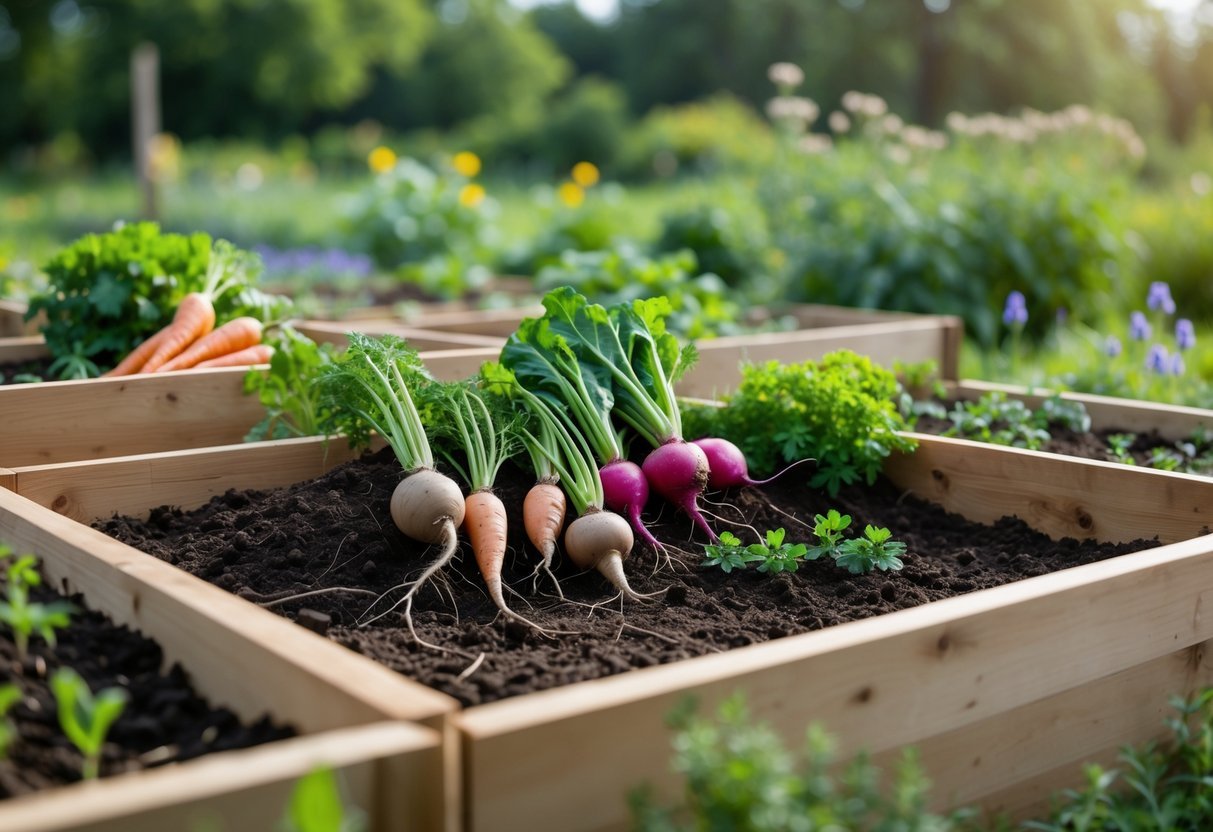
You can grow root vegetables like carrots, beets, and radishes in raised beds for easier harvesting. Using recycled materials to build these beds helps reduce waste and supports eco-friendly gardening. Root vegetables fit well in small gardens and add nutritious variety to your meals.
Recommended Products

PRODUCE A BUSHEL OF BLACKBERRIES — Produce Big Fresh Berry in the First Year of Planting (One of the Largest Blackberry size Varieties)

Offers easy and hassle-free cultivation with no thorns, making harvesting and maintenance simple and safe.

Caddo blackberry plants are known to produce consistently high yields of flavorful high quality blackberries!
10. Circular Bed for Healing Herbs
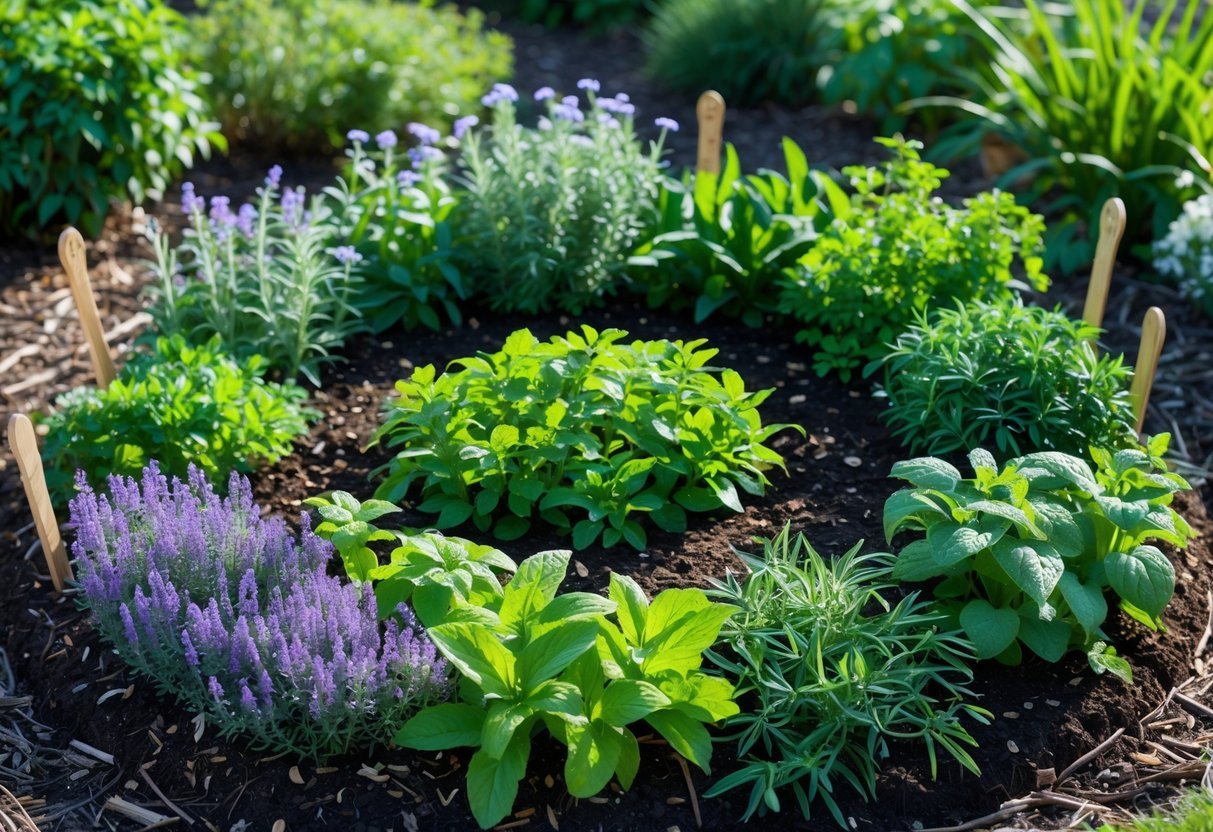
You can plant herbs like echinacea, sage, and yarrow in a round garden bed to keep them all within reach. This shape helps you rotate crops, which saves space and keeps the soil healthy. After harvesting, dry the herbs for teas or homemade balms.
Recommended Products

HERBAL TEA SEED VARIETY PACK: Sip your way to serenity! Grow 5 soothing and aromatic herbs, including calming Chamomile, fragrant Lavender, and refreshing Peppermint. Perfect for teas, aromatherapy, and relaxation.
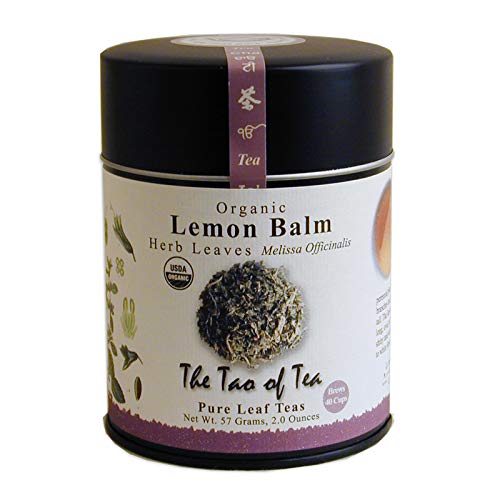
Soothing, earthy, lemon-mint flavor and aroma.

11. Wild Salad Patch Nourished by Compost
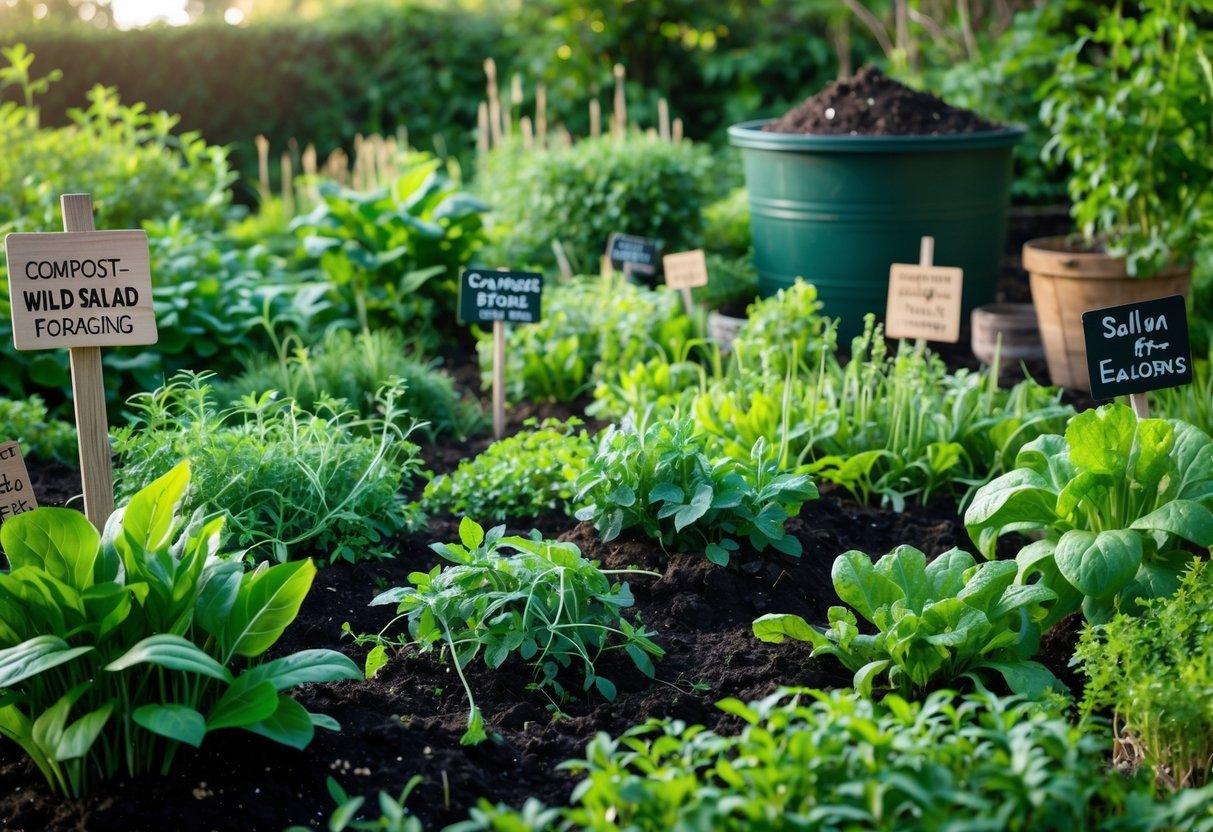
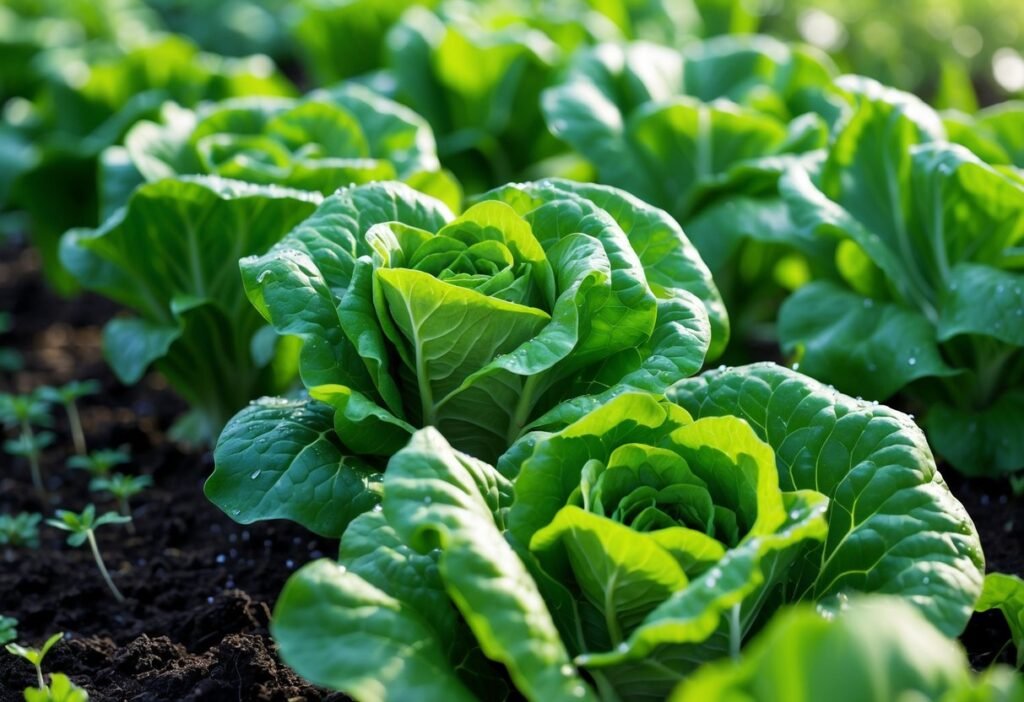
You can create a dedicated spot in your garden where wild salad greens like lamb’s quarters, sorrel, and plantain grow well. Feeding this area with compost improves soil health and boosts plant growth. This method helps reduce food waste and gives you fresh, nutrient-rich greens to enjoy right from your garden.
12. Wild Garlic Cluster
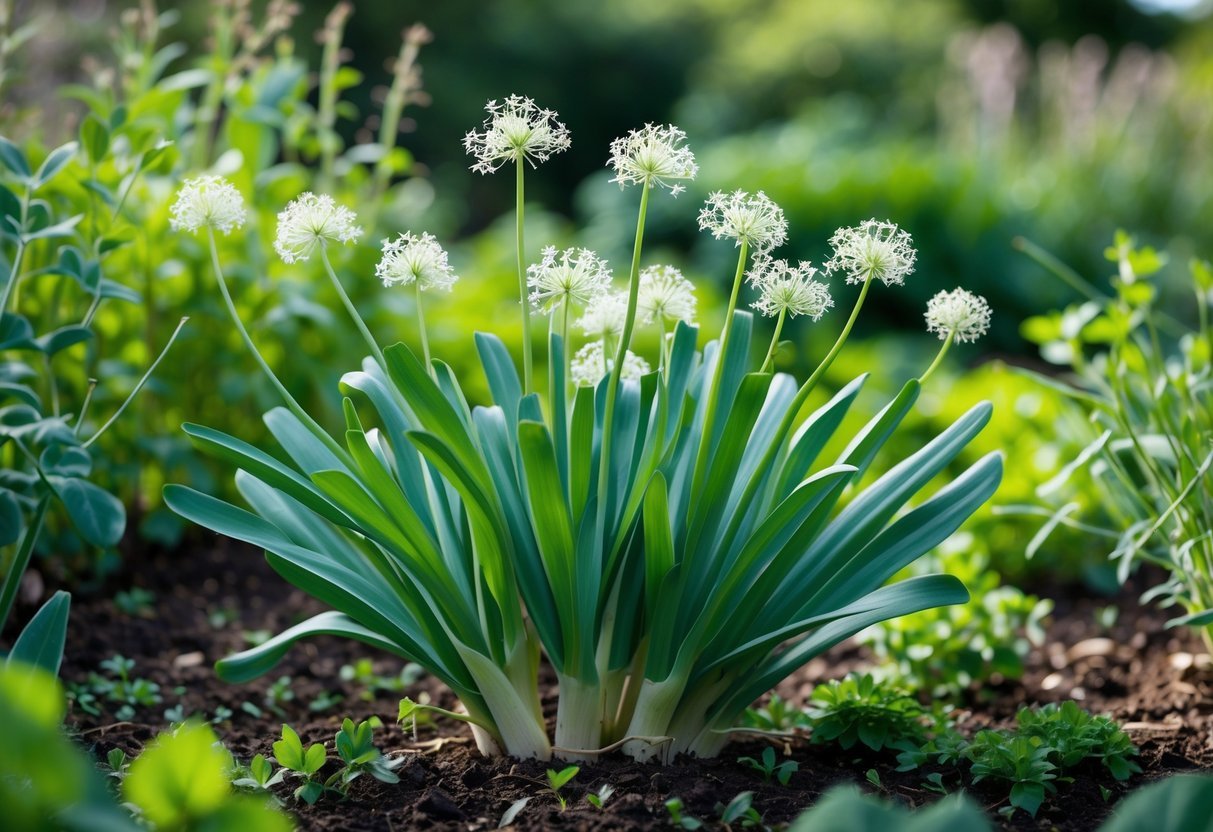
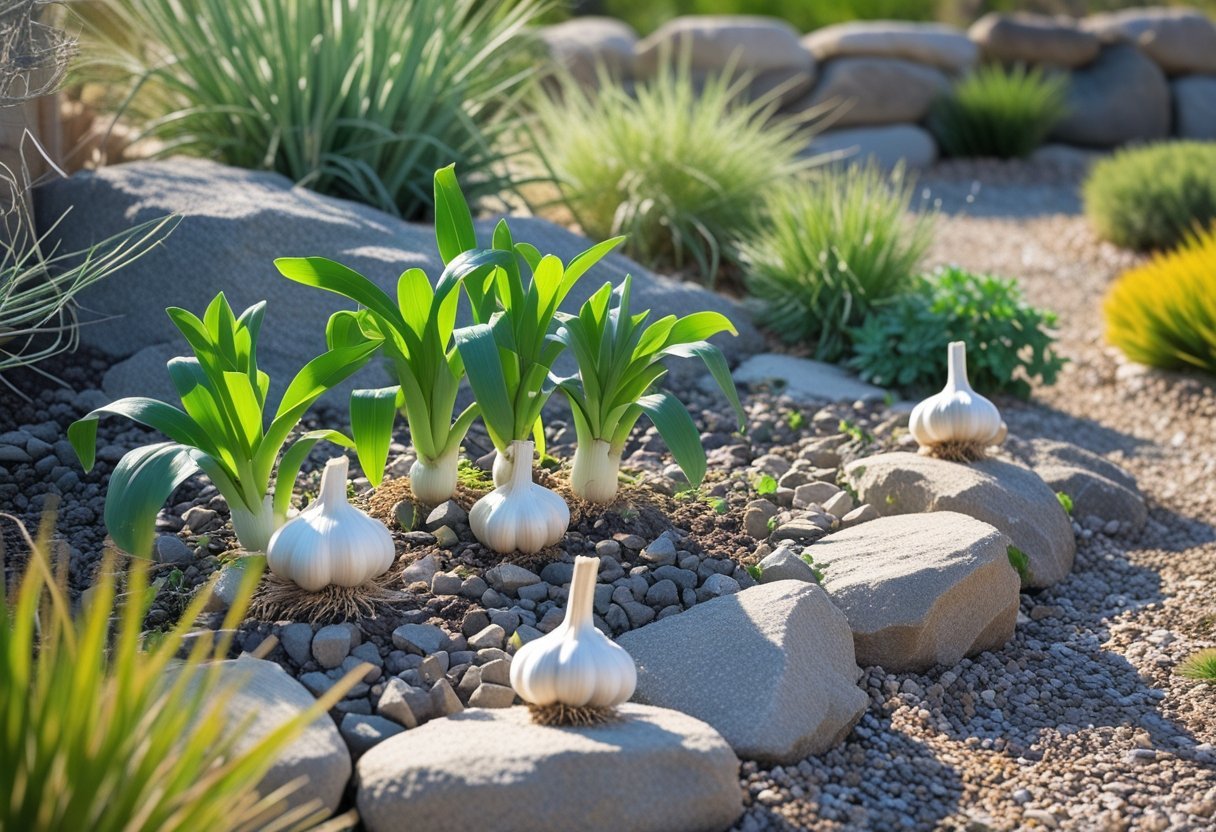
You can grow wild garlic in damp, shaded spots where it returns year after year. Its strong, tasty leaves work well in many dishes like pesto and salads. Adding wild garlic to your garden also helps keep some pests away, making it a practical and flavorful choice for your space.
13. Small Fruit Orchard
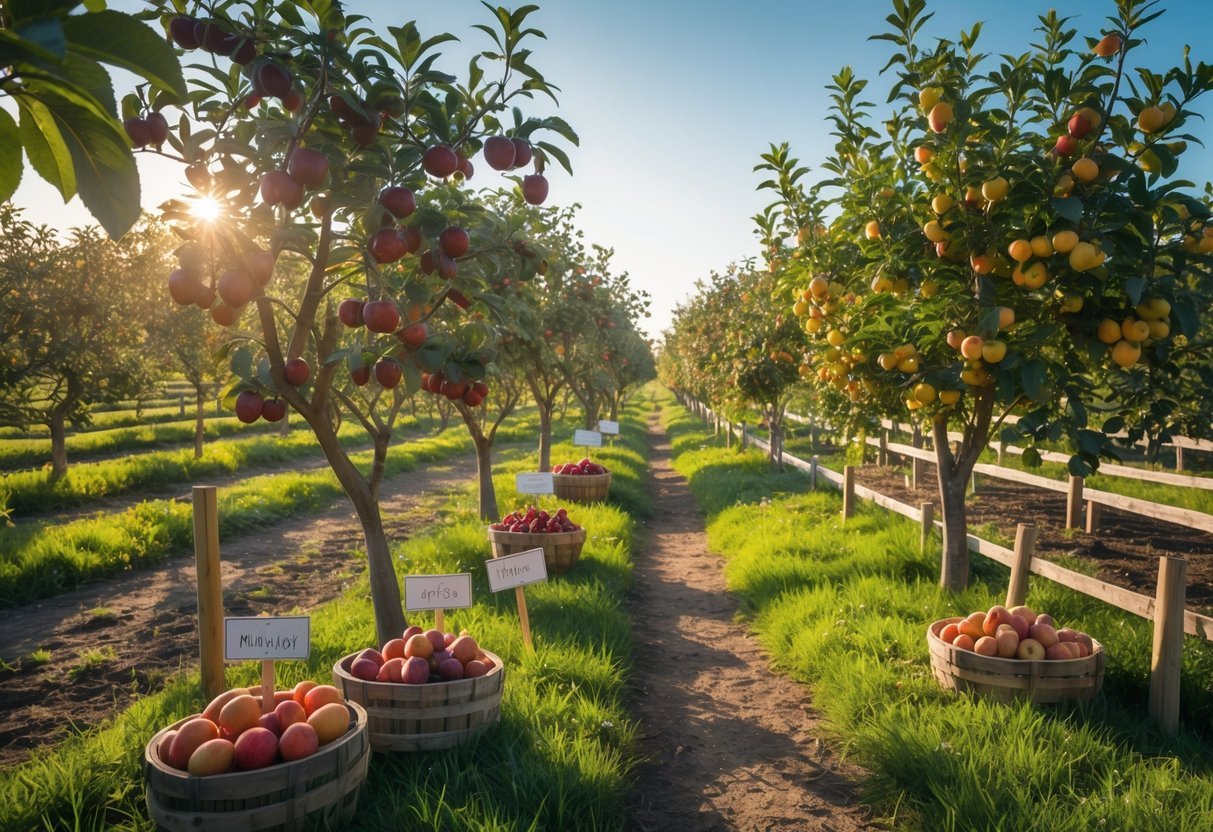
You can grow fruit trees like apples, pears, and plums in a small area to supply fresh, organic fruit throughout the seasons. Pruning helps keep trees manageable for limited space. Fallen fruit also draws helpful insects, which supports a healthy garden environment.
14. Sunflower Seed Area
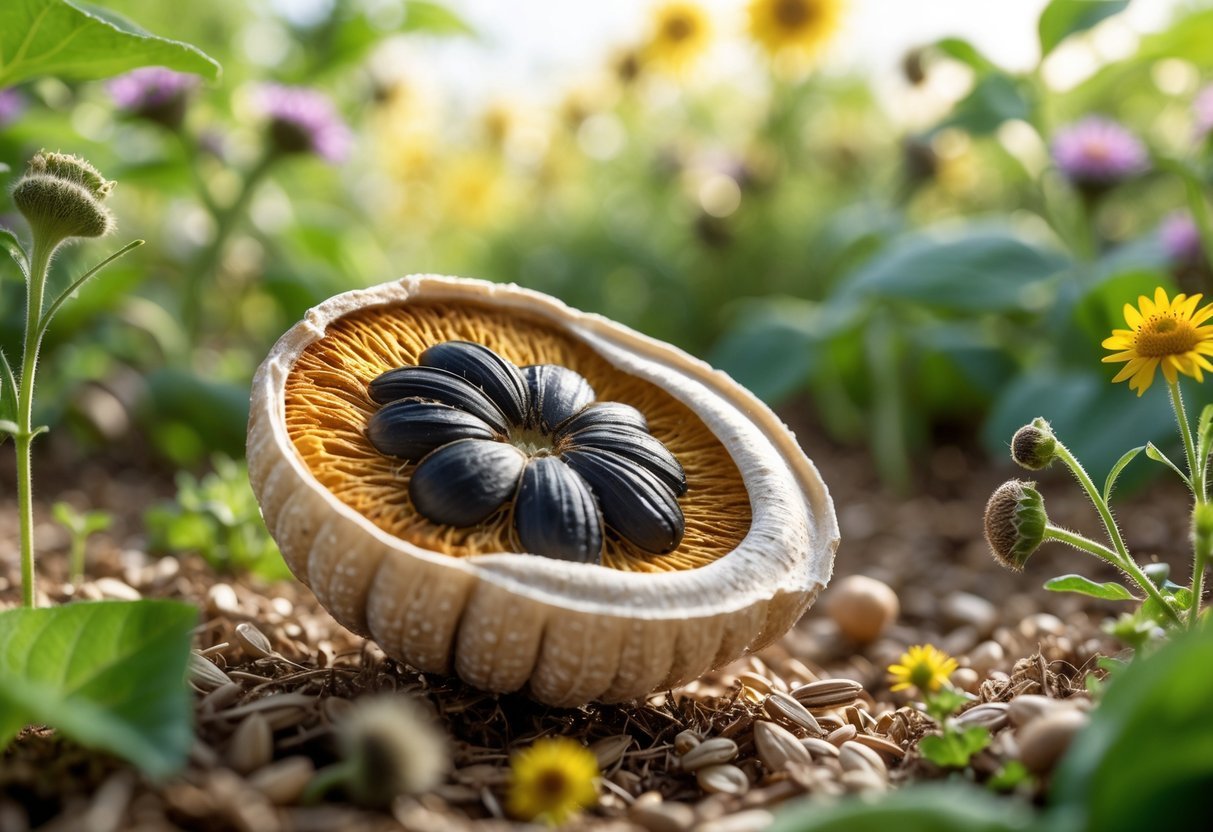
You can plant sunflowers along your garden edges to help block the wind naturally. These flowers attract bees and other pollinators, which is good for your whole garden. When the seeds dry, you can save them for months. They provide a healthy snack full of fats and protein.
15. Lawn Mix with Dandelions and Clover
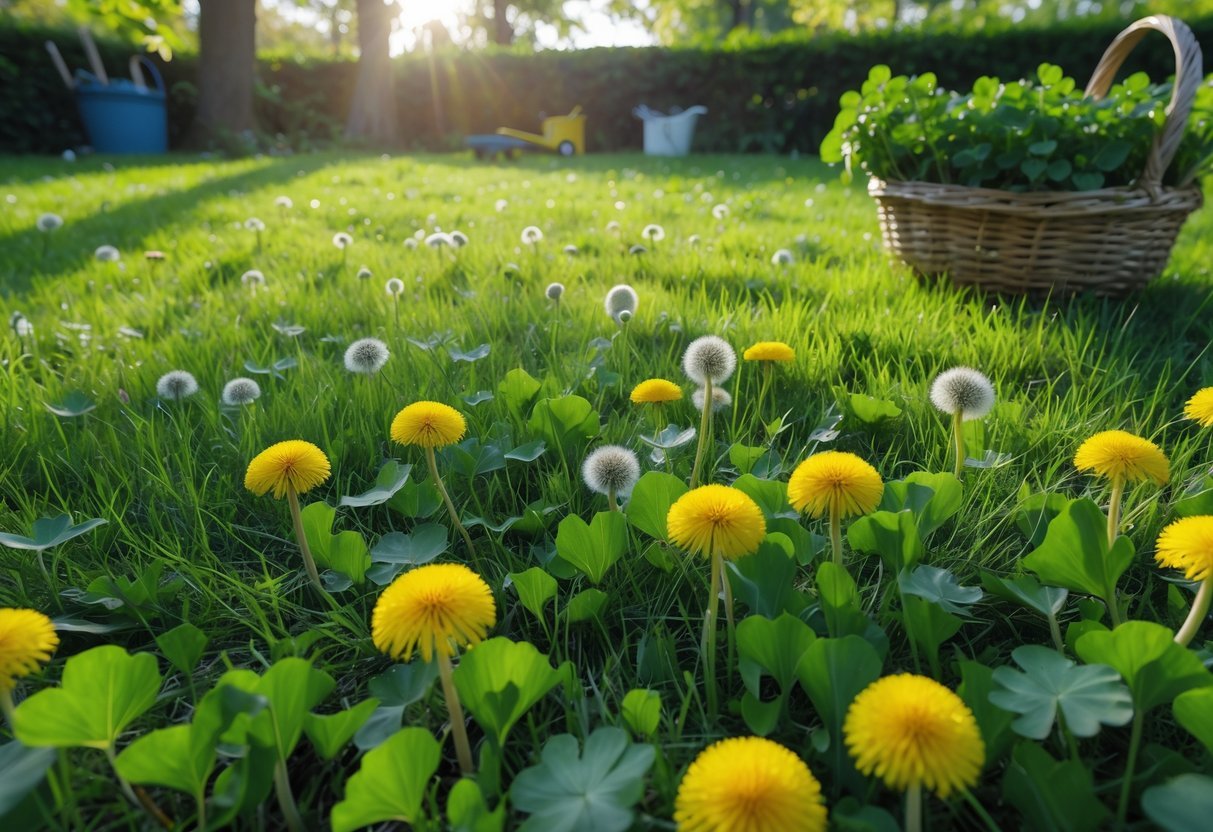
You can swap regular grass for a blend of dandelions and clover to create a useful and easy-care lawn. Dandelions give you edible leaves and flowers. Clover adds nutrients by naturally fixing nitrogen in the soil. This mix needs less watering and cutting.
16. Grouping Bee Balm with Mint
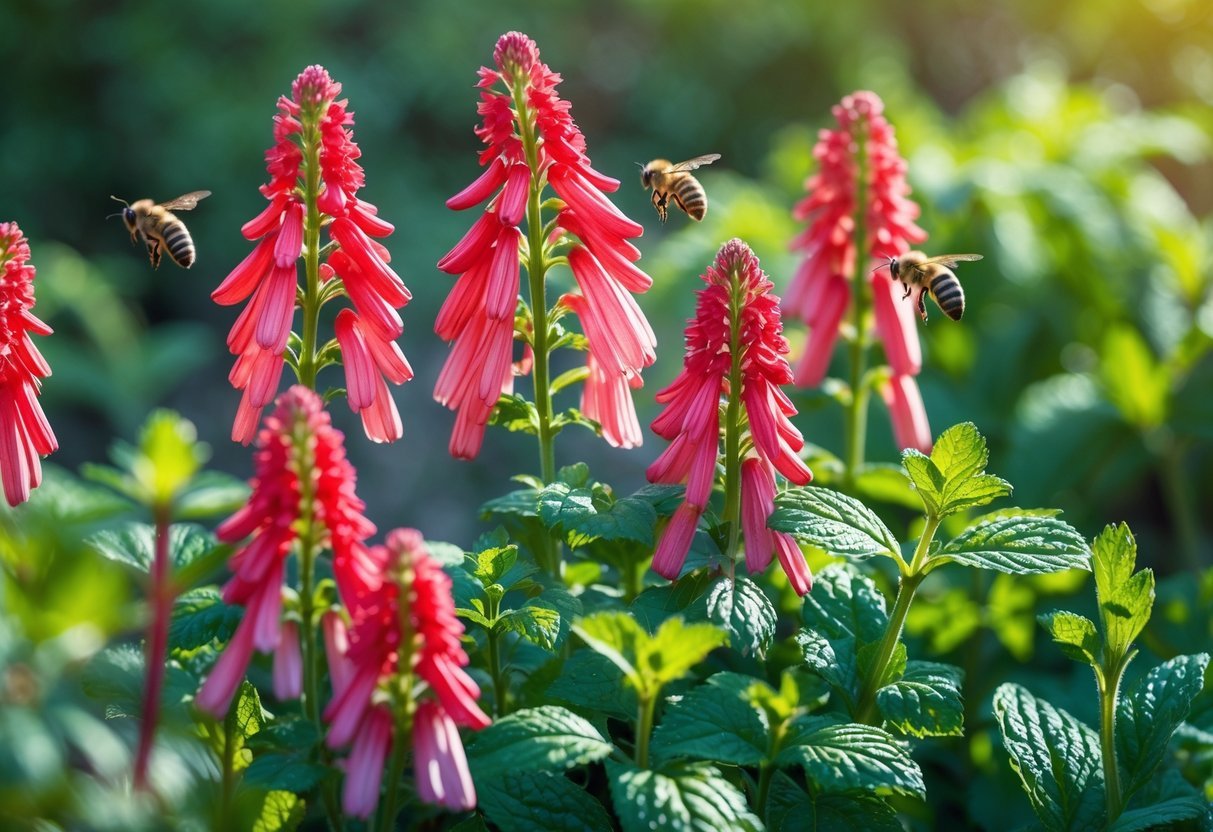
You can plant bee balm and mint together to form a fragrant area that attracts pollinators like bees and butterflies. Both plants serve well for culinary uses such as teas. Make sure to prune them regularly to keep their growth under control while supporting wildlife.
17. Aquaponics Fish Pond
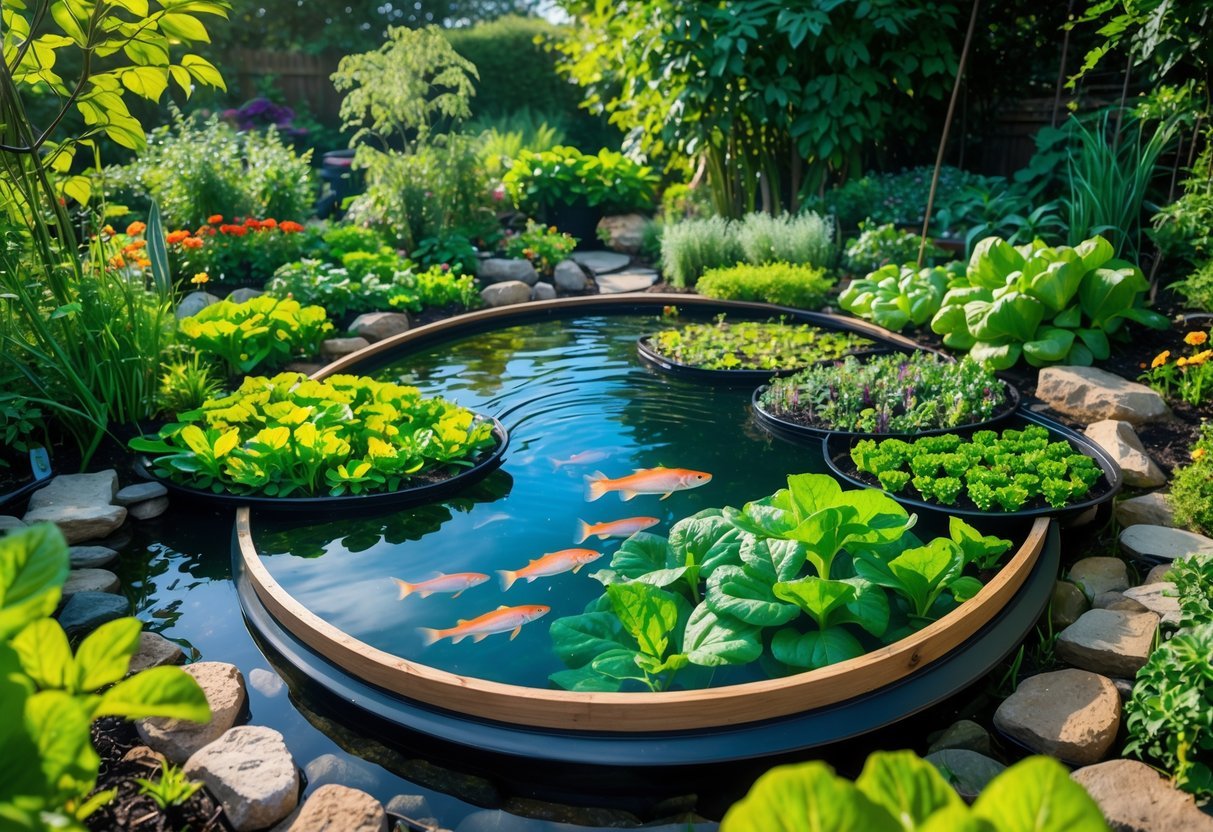
You can combine raising fish with growing plants to create a system that feeds both. Fish produce waste that naturally nourishes plants like lettuce and watercress. This setup uses less water and cuts down on chemical fertilizers, making your garden more eco-friendly and efficient.
18. Using Strawberries as Ground Cover
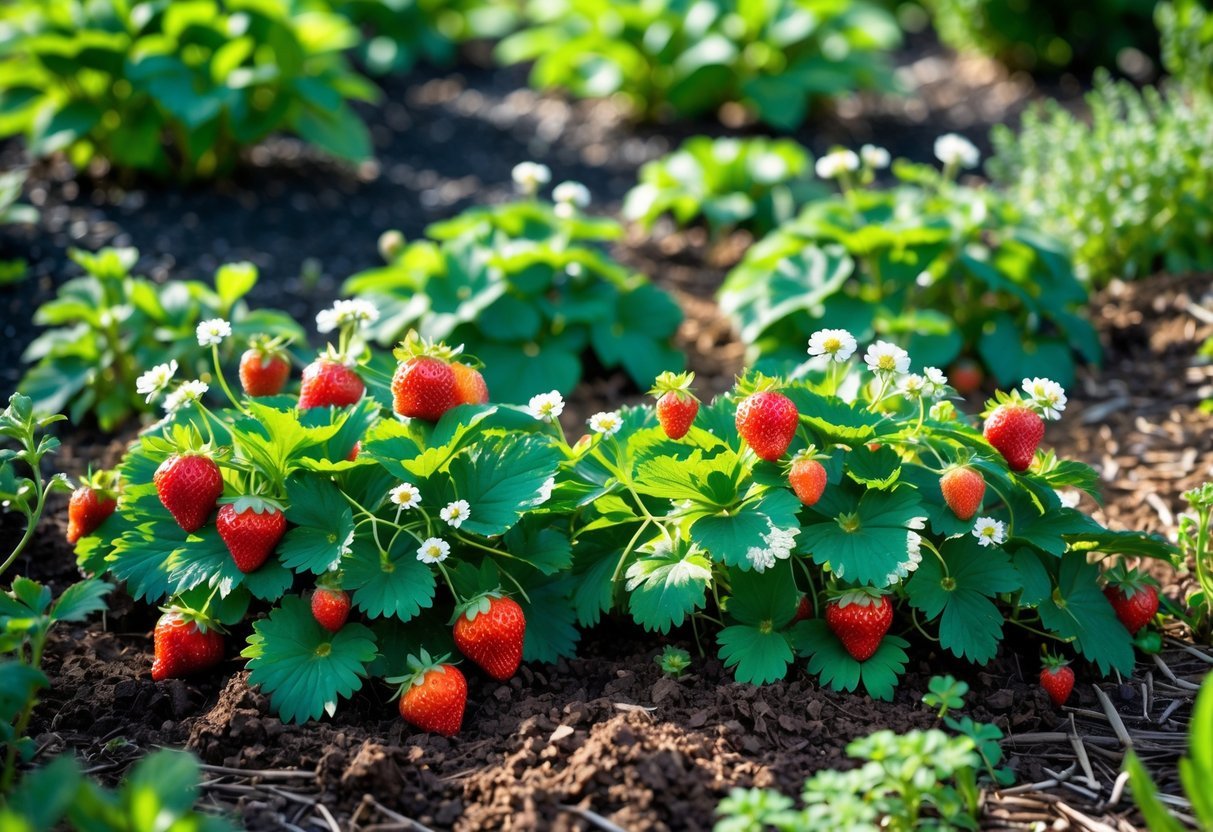
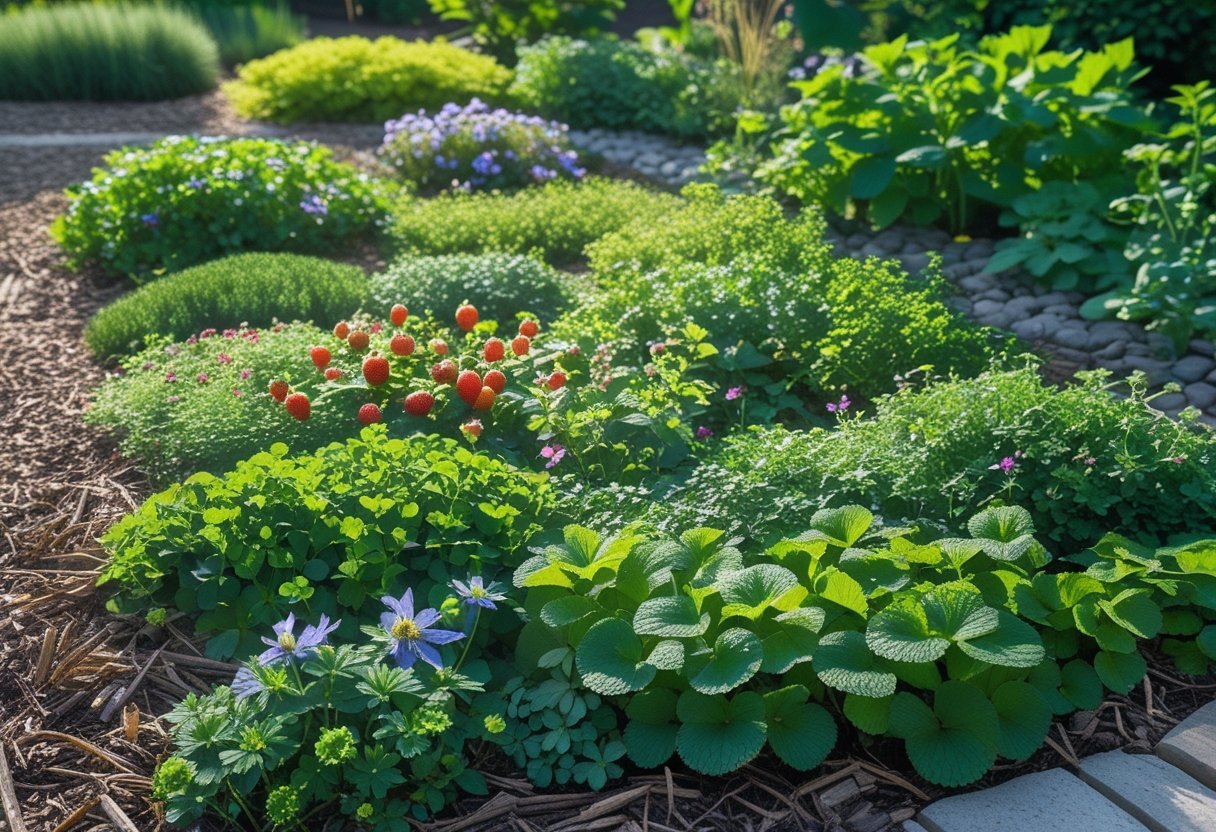
You can plant strawberries to cover the soil while also growing tasty fruit. They grow well in partly shaded spots, perfect for areas not fully used in your garden. The plants spread fast through runners, giving you a steady supply of fresh berries.
19. Dedicated Section for Native Edible Plants
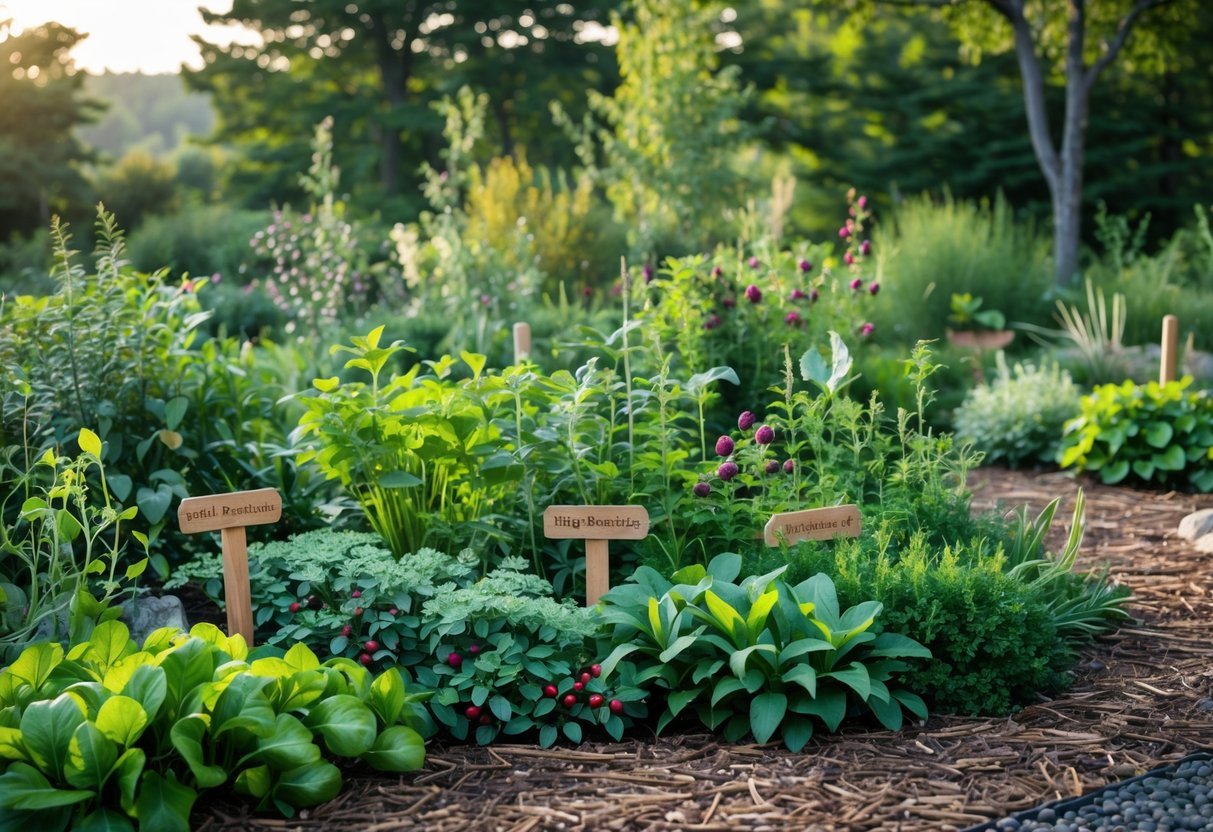
You can create a space in your garden for native edibles like elderberry, pawpaw, and serviceberry. These plants fit your local climate well, so they need less water and care. By choosing them, you also attract native pollinators, helping the environment around your garden thrive.
20. Growing Edible Mushrooms Using Inoculated Logs
You can grow mushrooms like shiitake, oyster, and lion’s mane by inoculating logs with mushroom spores. Choose hardwood logs from trees such as oak, maple, or beech for best results. Drill holes in the logs, fill them with spawn, and seal with wax to protect the spores. Keep the logs moist and shaded to encourage mushroom growth.
This method makes good use of fallen wood while supporting your garden’s ecosystem. As fungi break down organic matter, they help improve soil health. Adding mushroom logs complements other food sources like edible flowers and nut trees, creating a varied and sustainable garden. You’ll have fresh, nutrient-rich mushrooms ready to harvest, while also providing habitat for wildlife.