
Looking to grow your own natural dye plants for vibrant, homemade colors? You can easily cultivate flowers, herbs, and leaves that provide beautiful pigments for fabric, crafts, or art projects right in your garden or on your balcony.
By choosing the right plants, you’ll enjoy a variety of hues from everyday garden staples. This simple approach lets you create plant-based dyes while adding charm and utility to your outdoor space.
1. Raised Beds for Growing Dye Plants
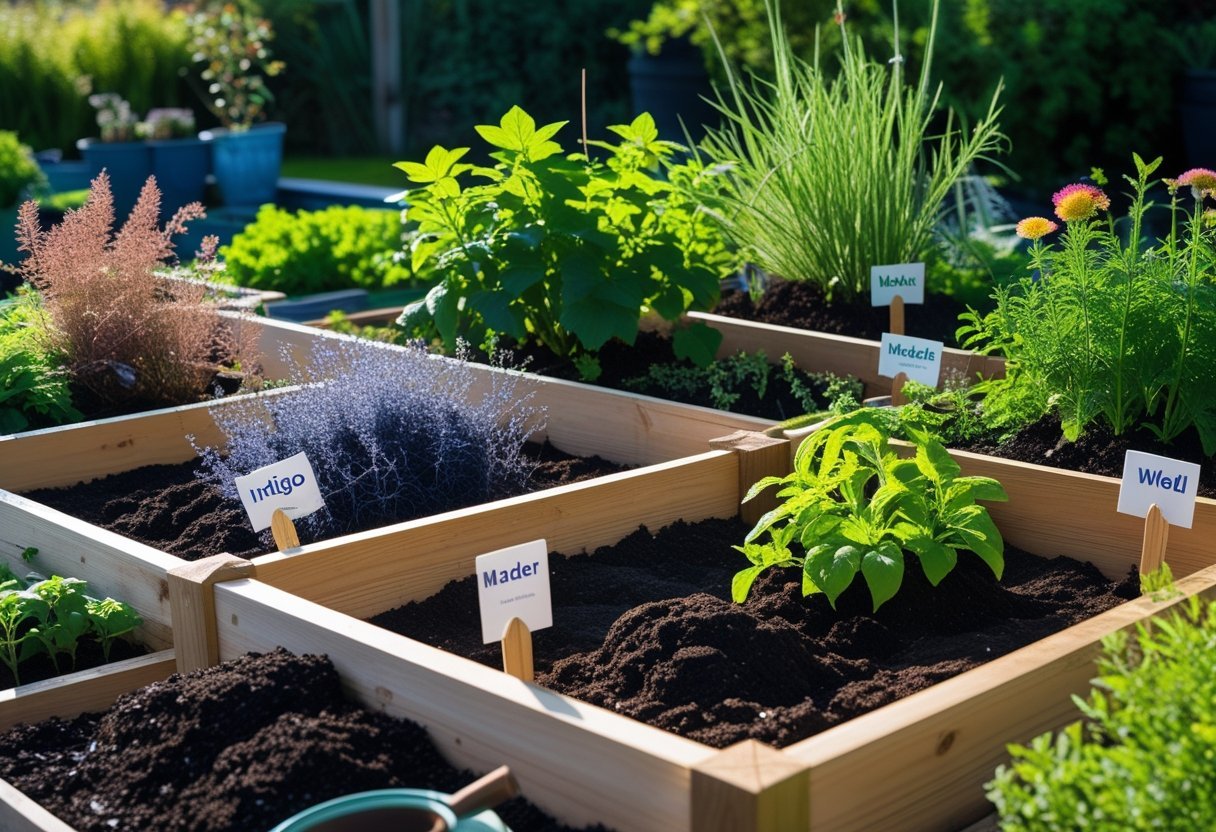
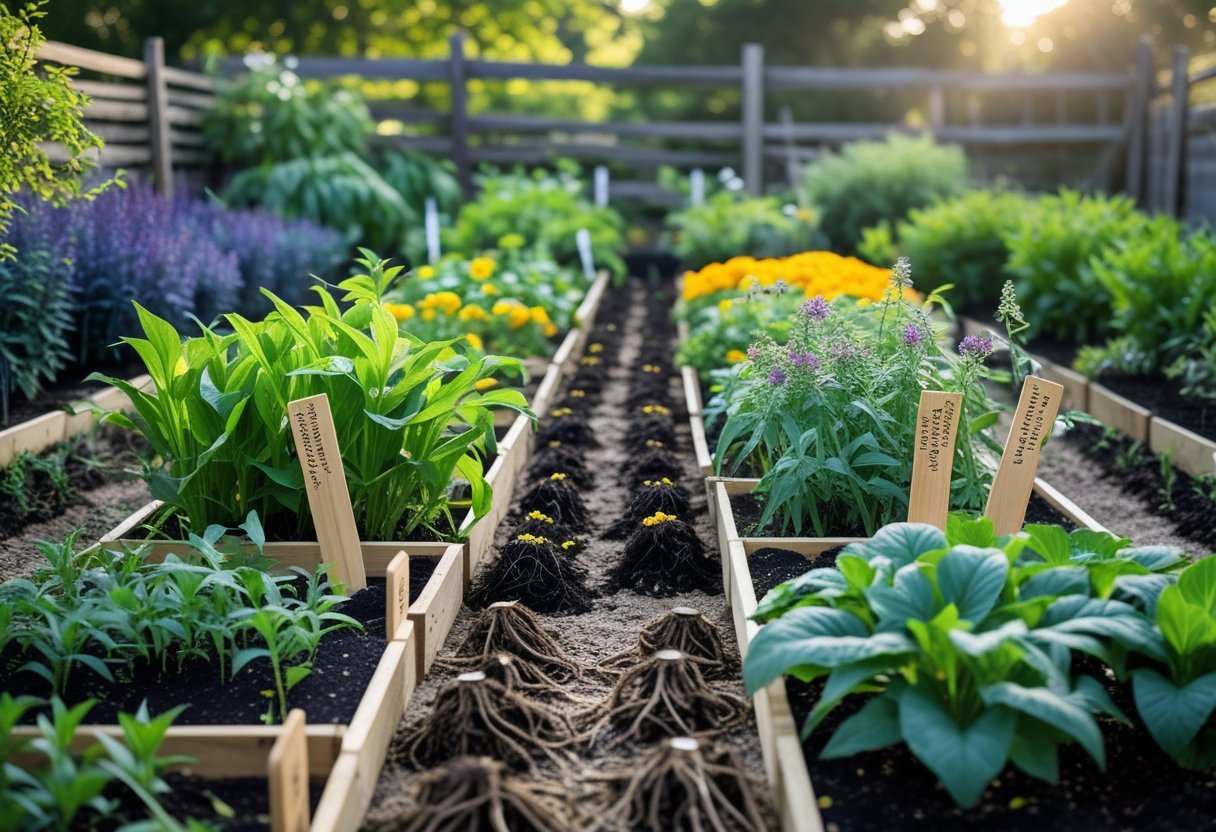
Using raised beds helps you control soil quality, drainage, and spacing precisely. You can separate sections for different dye plants like madder, weld, and woad, making organization easier. This setup supports healthy root development and enhances the color yield from your plants. Raised beds provide a practical way to cultivate your natural dye garden effectively.
Recommended Products
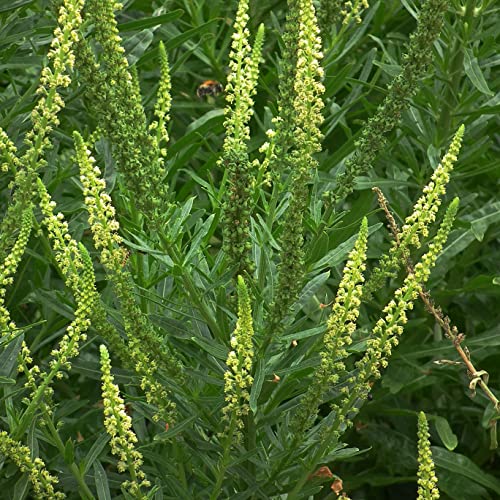
Premium quality dye plant wildflower seeds package containing 50 Weld (Reseda luteola) seeds, with feathery green foliage and tiny yellow blooms, grown as a charming biennial for cottage and dye gardens.

ALWAYS FRESH HARVEST FOR CURRENT GROWING SEASON
2. Border Garden with Vibrant Dye Flowers
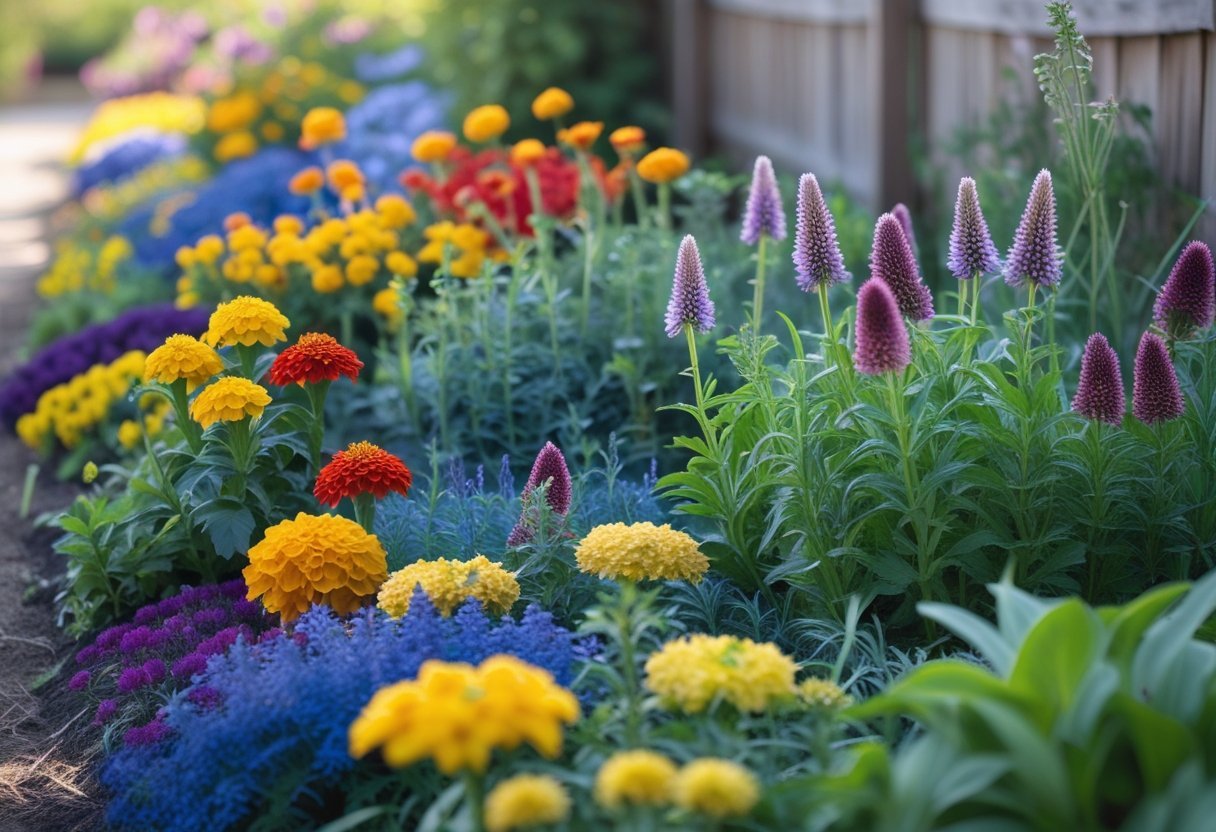
You can use the edges of your garden to grow colorful dye plants that add both beauty and purpose. Plants such as marigold, hollyhock, and coreopsis offer bright hues while providing natural pigments for dyeing. Utilizing border spaces in this way maximizes your garden’s visual impact and functionality. Consider these flowers for a lively and useful planting area.
Recommended Products

100% Natural Indigo Dye Derived from Indigofera tinctoria, our indigo naturalis powder is a plant-based blue dye traditionally used in Eastern medicine, soapmaking, and sustainable textile coloring.

Natural indigo dye kit packed with everything you need to create a bundle of permanent, dyed patterns on any plant-based fabric.

all natural herbal Indigo Powder
3. Portable Dye Plant Setup Using Containers
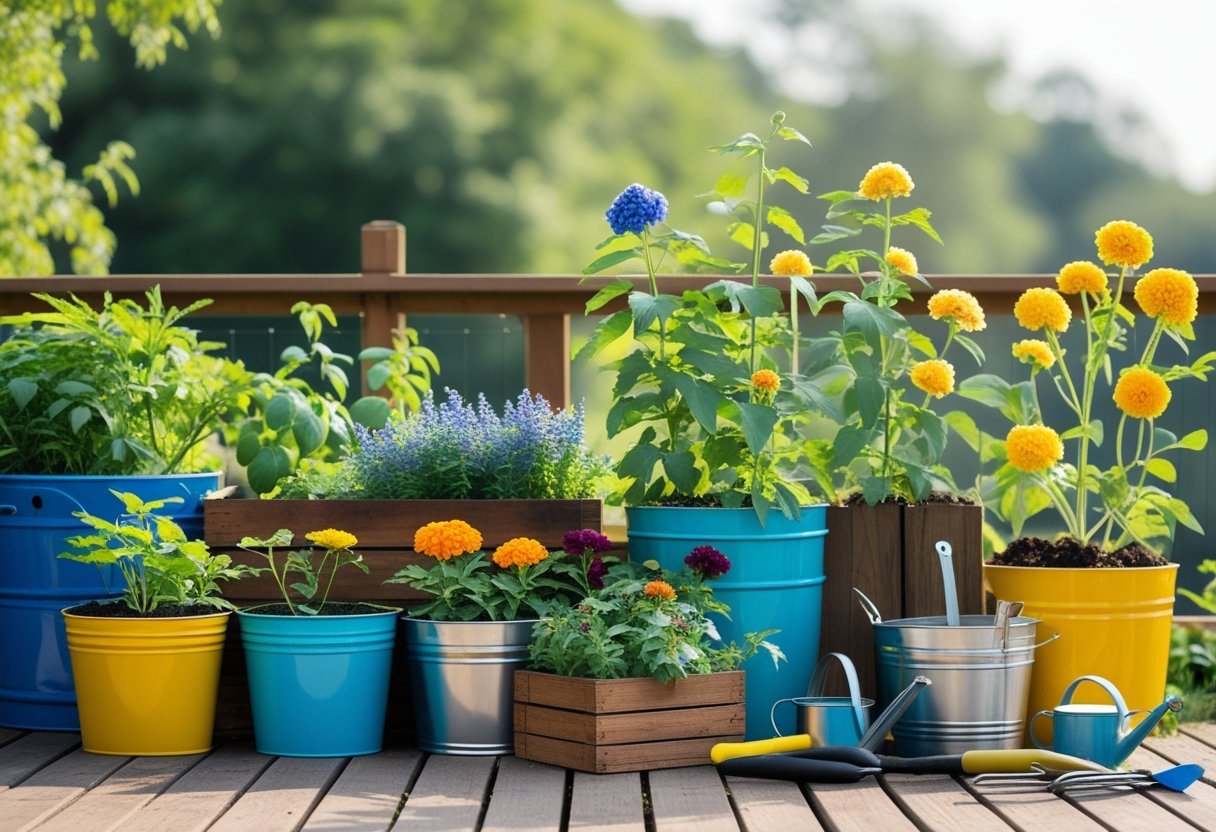
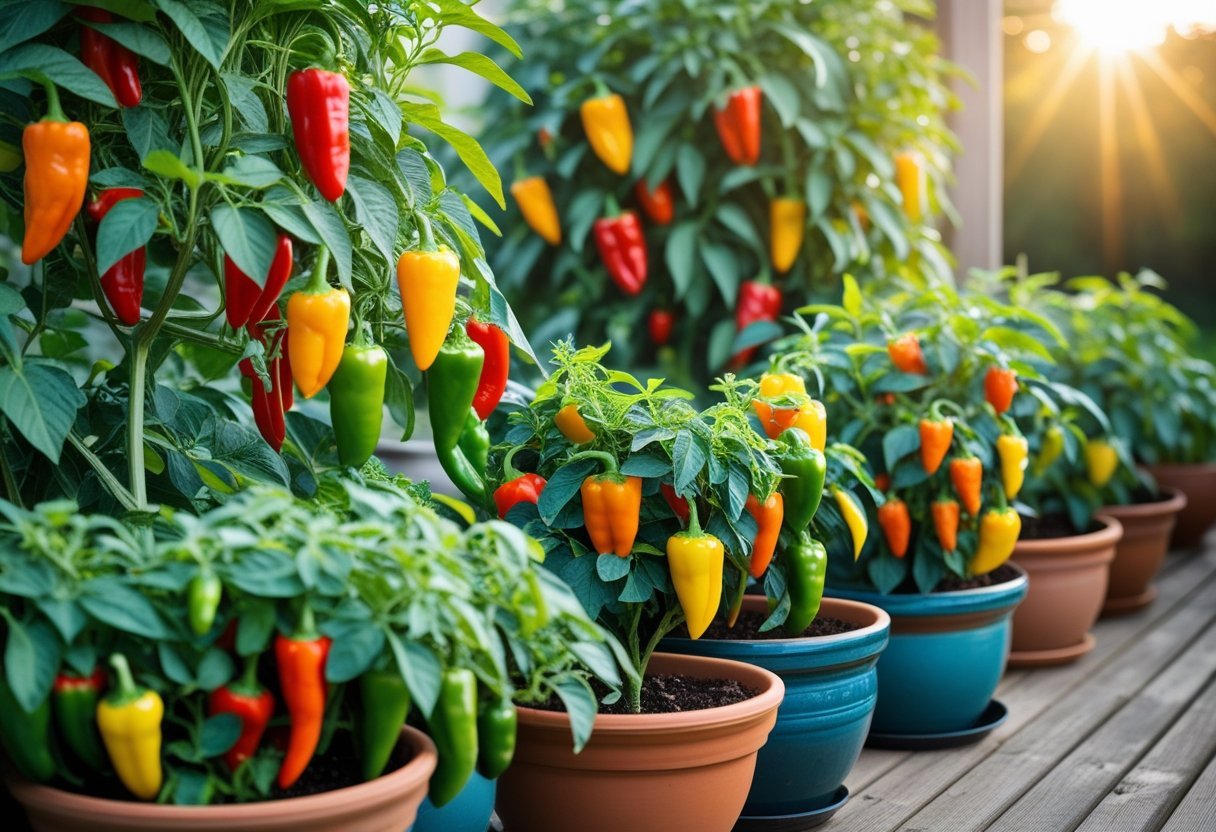
You can cultivate dye plants in containers, making them ideal for patios or balconies. Plants such as indigo, cosmos, and basil thrive well in pots and can be easily relocated to optimize sunlight exposure. Using containers offers a flexible and efficient way to grow your dye garden in limited spaces.
Recommended Products
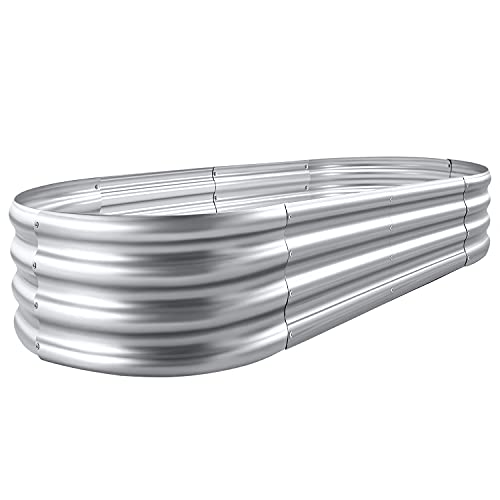
Each raised metal garden bed size: 4×2×1ft ,7.14Cu

Raised Garden Bed - Add a new level of convenience to your gardening experience with the Galvanized Raised Garden Bed. Enjoy expanded yield and a more assembled garden layout with this garden accessory, each sized at 120 cm X 60 cm x 30 cm.
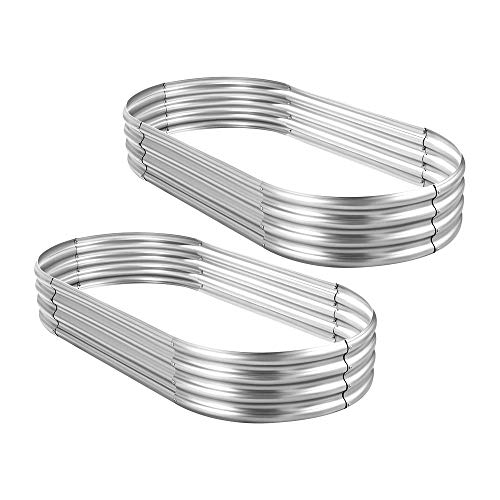
Each raised metal garden bed size: 4×2×1ft , 7Cu
4. Wildflower Area for Dye Plants
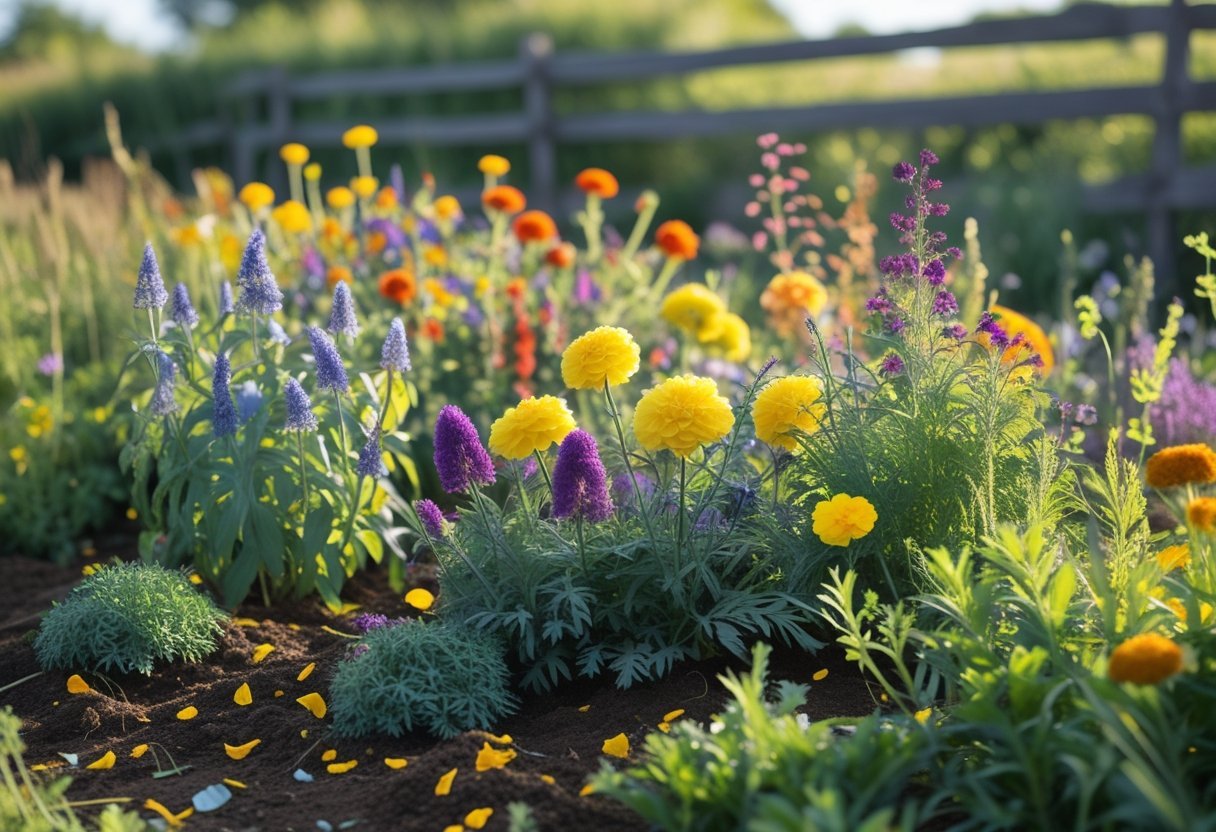
You can plant hardy wildflowers like yarrow, tickseed, and black-eyed Susan to create a natural dye patch. These flowers require little care and attract beneficial pollinators. Their variety of colors gives you multiple dye options, combining both practicality and garden beauty effortlessly.
Recommended Products

Made with Recycled Materials: A blend of recycled plastic, stone powder, and wood dust, PSW Pots are eye-catching and long-lasting for mindful gardening.

VALUE PACK & IDEAL SIZE: Set of 5 plastic terracotta plant pots, each measuring 10 inches, perfect for medium to large plants such as snake plants, ficus, herbs and flowers. Great ideal for home and garden use.

Package Included:Our set includes 60 1-gallon flexible plant nursery pots.The bottom diameter of each plant seedling pot is 5.1 in/13 cm,the opening diameter is 6.5 in/16.5 cm,and the height is 6.7 in/17 cm.
5. Dye Herb Spiral Garden Design

You can optimize space by arranging dye plants in a spiral, placing those with different sun and water needs at varying heights. Growing herbs like basil, rosemary, and chamomile on distinct levels helps you access them easily. This method works well in small yards or urban gardens, offering a neat and productive setup.
Recommended Products

Material: Hanging fence planter made of metal iron. Durable and lightweight. Balcony flower pots are not easy to rust or damage, and have a long service life

Balcony Rail Planter: Rectangular outdoor planters was designed to maximize inside growing space allowing dirt and roots to grow strong and deep.This special design can be hung on the balcony, window, garden,railing, anywhere in the room,also can be used as desktop.

Self Watering Pot: Cotton rope in the tall self watering planter for indoor plants absorb water from bottom and keep the soil moist. Plant wick pots store water can feed plants for two weeks or more. It makes your travel or business trip an big ease! Plants Not Included!
6. Living Hedge of Dye Plants
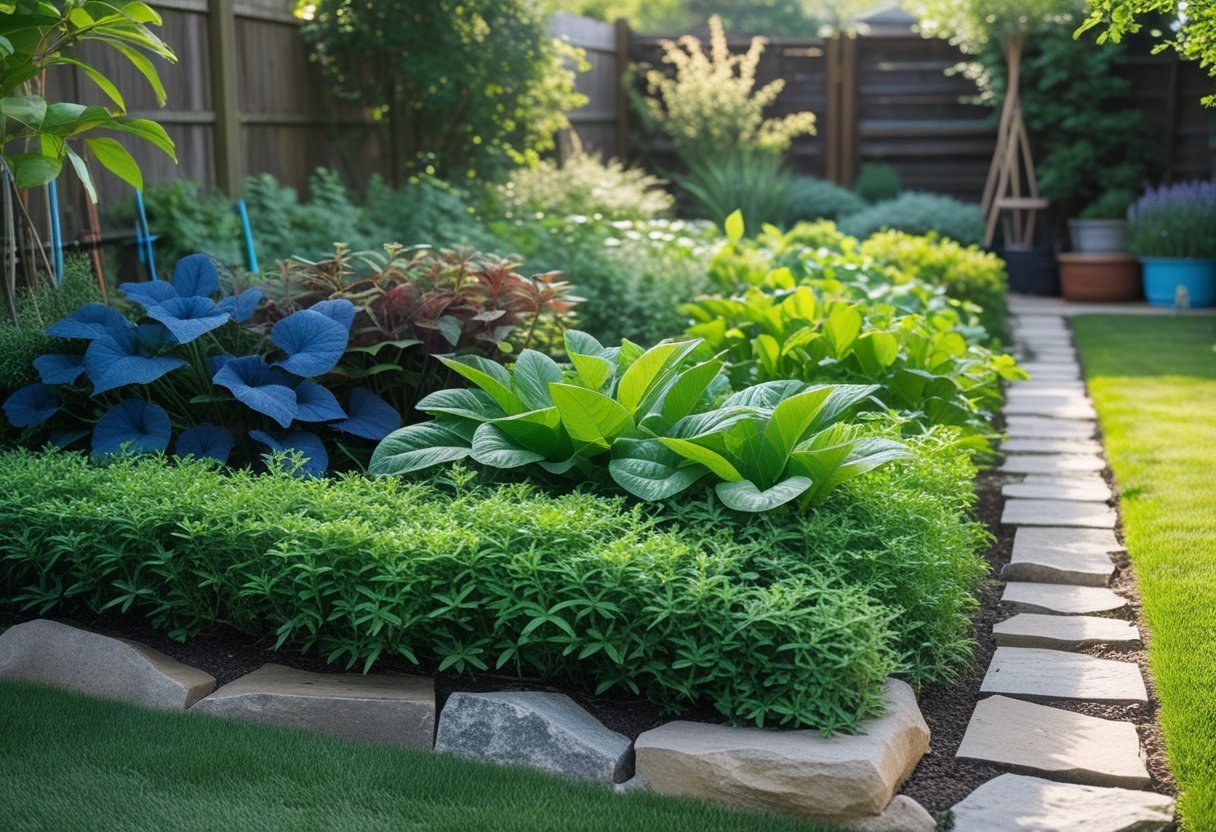
You can create a natural hedge using dye plants like elderberry, sumac, or rosemary. These shrubs offer both privacy and a steady source of colorful leaves and berries for dyeing. This approach allows you to maximize garden space by blending functional use with visual appeal. Incorporating such plants adds texture and seasonal interest to your yard.
7. Creating a Balcony Dye Garden with Hanging Containers
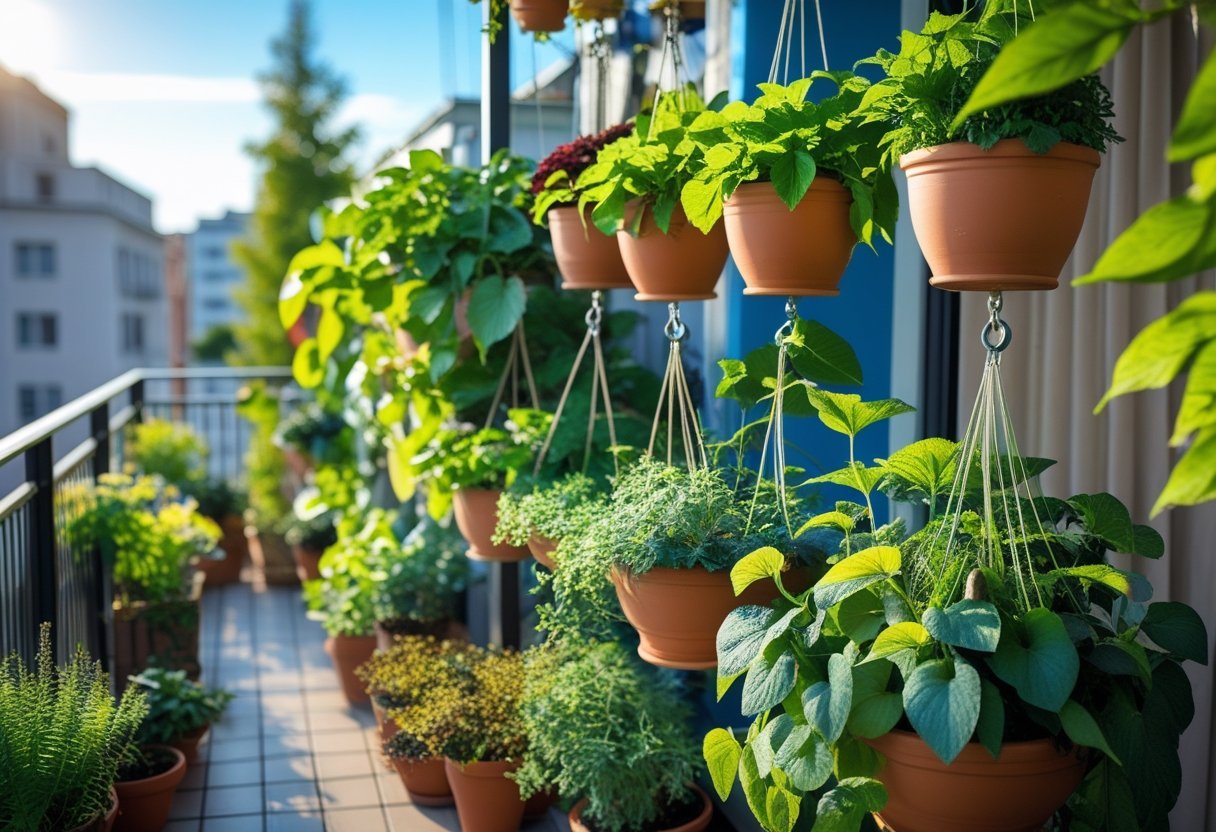
You can maximize your balcony space by using hanging pots or railing planters for your dye plants. Choose small, colorful plants like marigold, mint, or pansy to add vibrant hues without overcrowding. This approach works well if you want natural dye sources but have limited outdoor area. It’s practical and visually appealing for apartment living.
Recommended Products


USDA CERTIFIED ORGANIC INDIGO POWDER – Vitamatic Organic Indigo Powder offers a plant-based approach to hair coloring. Made for individuals seeking a traditional botanical alternative to conventional synthetic hair dyes.

Dye 15 natural-fiber t-shirts or 15 yards of fabric
8. Wall-Mounted Gardens for Small Dye Plant Spaces
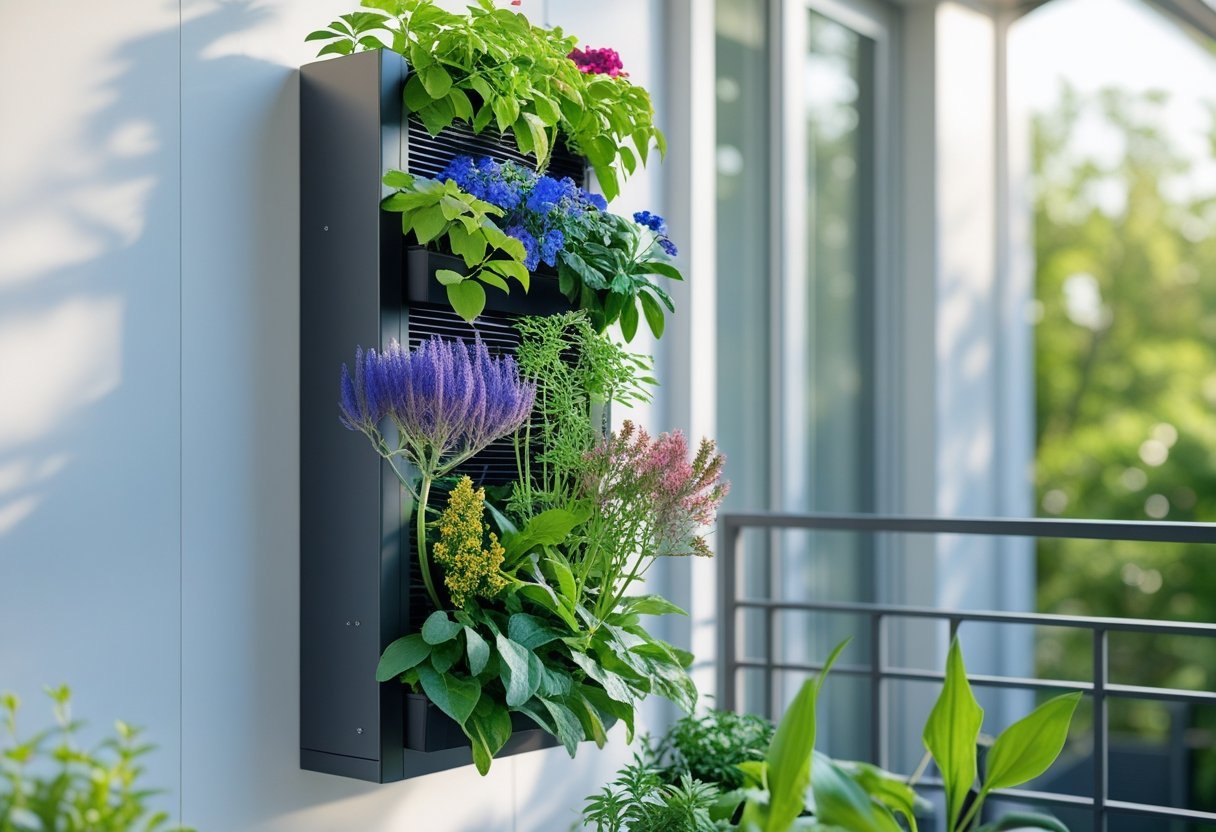
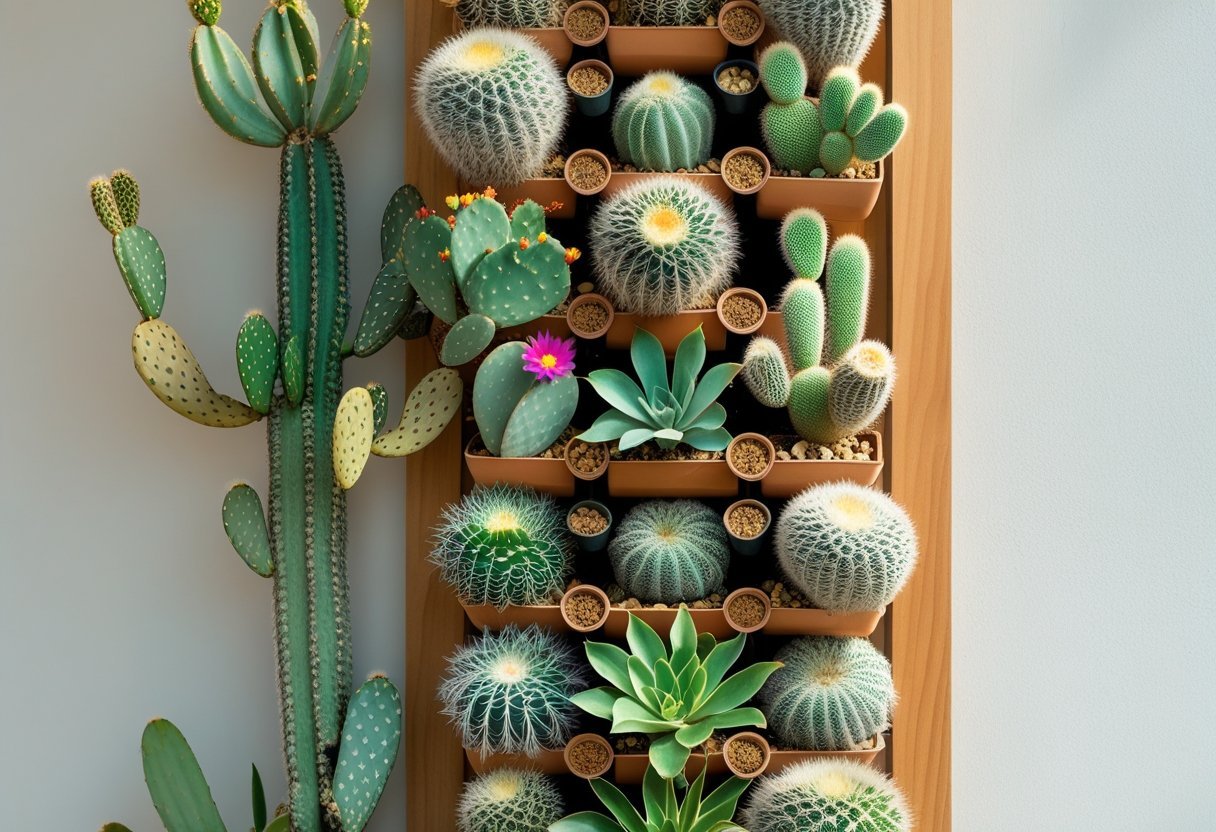
You can save space by growing dye plants vertically using wall planters or trellises. Plants like nasturtiums and creeping rosemary climb or trail well, making them ideal for vertical setups. This approach helps you cultivate dye plants efficiently in compact areas.
Recommended Products


More suitable raised garden bed size and Volume:67"L x 20"W x10"H, 7 Cu. Ft. You can cultivate plants, like vegetables, flowers, herbs in your patio, yard, garden, and greenhouse.

60 PCS Garden hoops for Raised Beds Netting: Greenhouse Hoops frame widely used indoors and outdoors, great for the yard, vegetable garden, and garden raised beds. DIY Garden Hoops Grow Tunnel Kit works well to protect your plants, seedlings, herbs flowers,strawberry in any season gardening plant.Plant support for climbing plants,plant stakes for outdoor plants,Tomato support garden stakes
9. Native Dye Plant Display Area
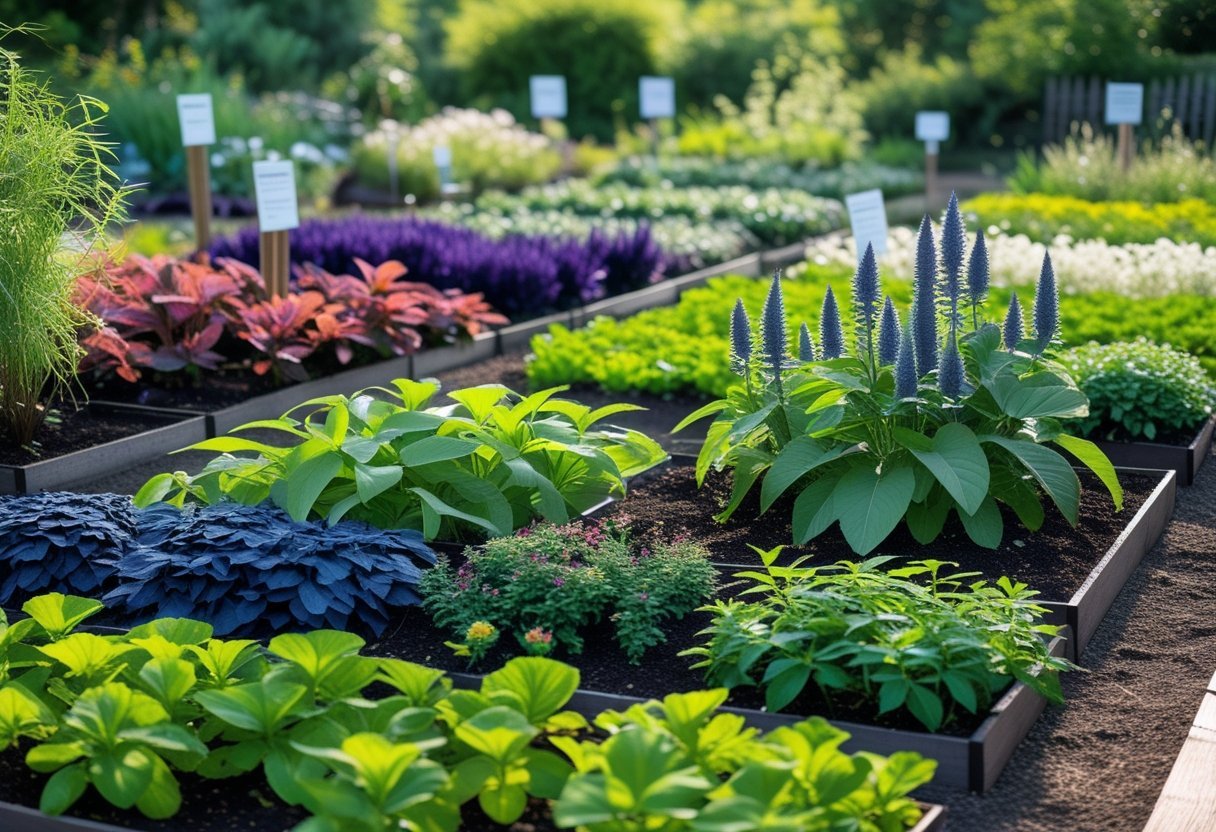
Create a dedicated space in your garden for native plants that provide natural dyes. These species adapt well to your local climate and typically need less care. Incorporating native dye plants supports local ecosystems and promotes sustainable gardening practices. This area can also serve as an educational feature to showcase regional dye sources.
Recommended Products

Timeless Design: Perfect for adorning garden pathways, porch steps, and indoor patios, showcase plants beautifully in this fluted garden urn that features graceful lines and an ornamental rim.
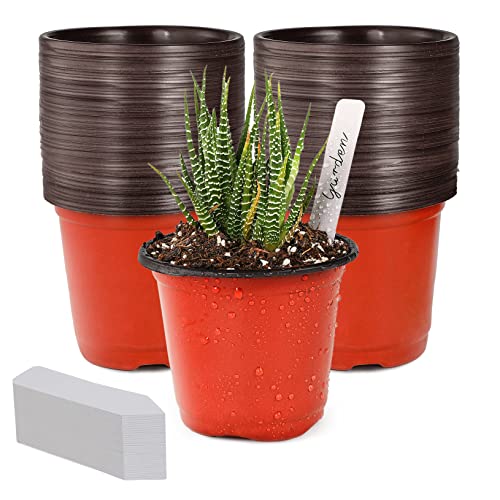
Seed Starter Pots: 100pcs small planter nursery pots with 100 labels. Plastic plant pots are very suitable for succulent seedling breeding and urban landscape plant cultivation, and you can identify your seedlings by marking their name on the labels.

【Multi-Size Colored Planters- Set of 6】- Include green - 7.5'', pink - 6.7'', light blue - 6'',orange - 5'', light yellow - 4'', lake blue - 3.5'' plant pots. Each matched a custom drip tray.Exquisite and delicate craftsmanship.
10. Growing Dye and Vegetable Plants Together
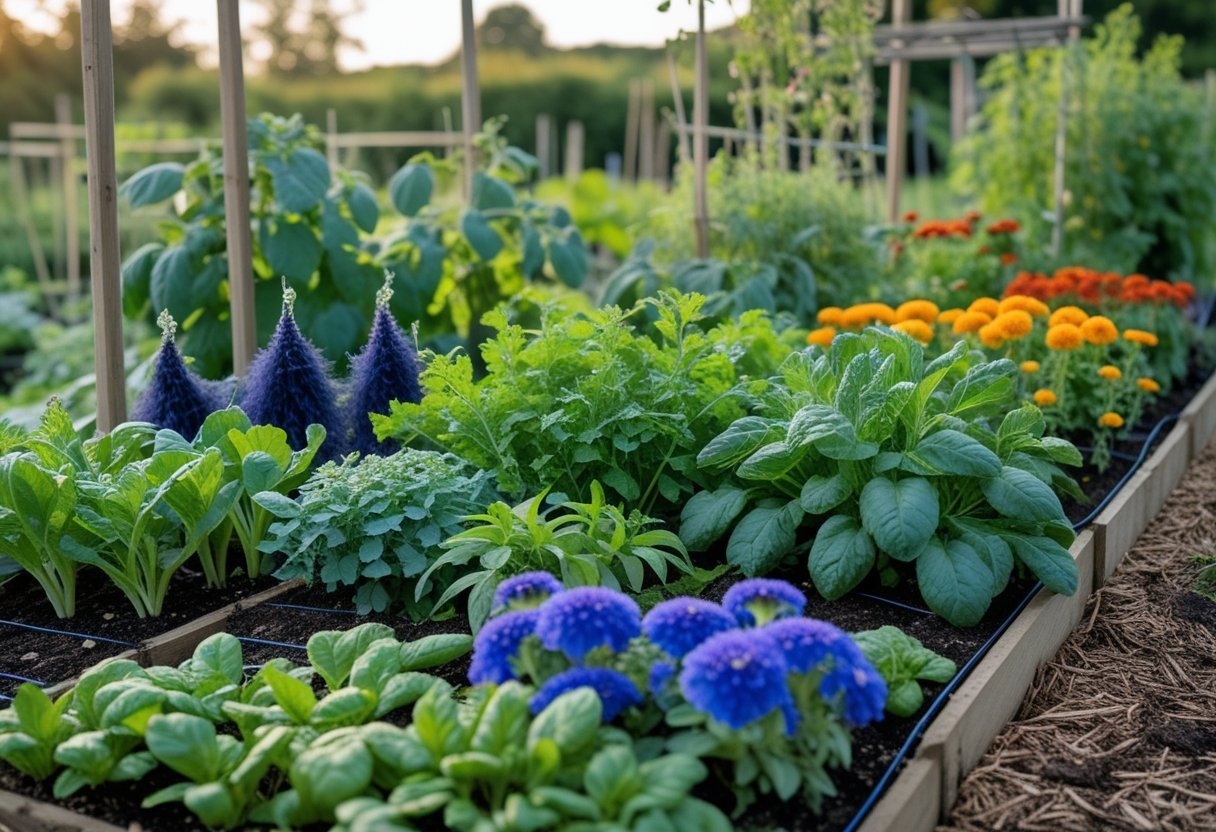
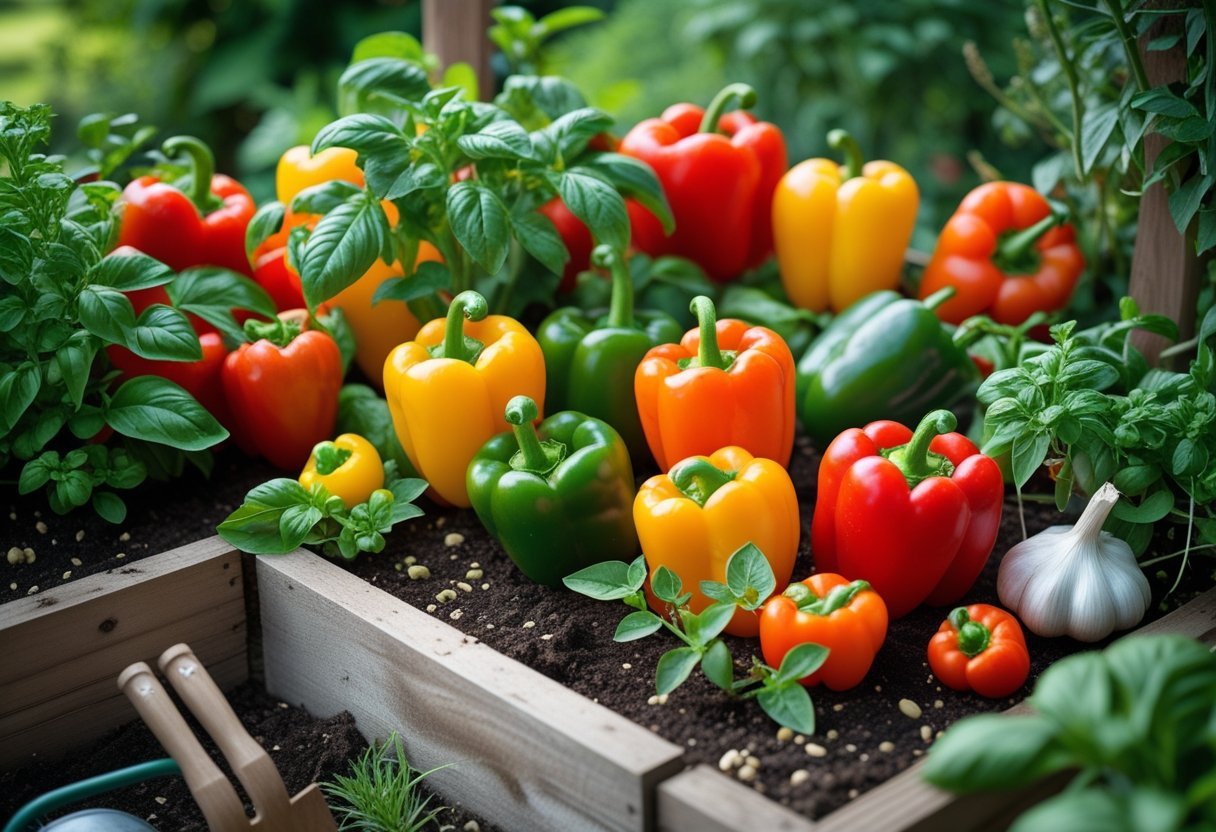
You can improve pollination and reduce pests by combining certain dye plants with your vegetables. Plants like basil and yarrow offer benefits beyond color extraction, supporting overall garden health. Using these versatile plants makes your space more efficient by serving multiple purposes in your garden. Consider integrating them for added value in your planting strategy.
Recommended Products

Size:Each Flower Pots is approximately 13cm/5 inch diameter top opening,Bottom diameter 9cm/3.5 inch, 10cm/4 inches barrel high, 1.2cm/0.5 inch hole diameter, handle 10cm/4 inch. Assembled with a total height of 21cm/8.25 inch.Single net weight approximately: 110g; When not using hooks, stand alone on the desktop; Designed to hold a standard potted plant, 4 to 6 inch or more green plants or flowers, or short succulents, seeds. ( TIP:plants not included).

【7-14 Days Watering-Free】13 inch extra large self watering hanging planters (2 Pack) allow your plants to thrive for 7–14 days without frequent watering, making plant care effortless even during short trips or busy schedules. Perfect for hanging pots for plants indoor and outdoor, these planters support all house hanging plants and flowers, including pothos, spider Plants, Baby's tears, herbs, Boston fern, string of pearls, ivy, and Baby Breath, offering convenience and healthy growth.

Self Watering Pot: Each of our hanging planter is specially disigned with a plate for recycling water while the soil is separated above. Besides, there’s a drain hole in the bottom with a plug, which is removable to keep a water balance.
11. Setting Up Indoor Dye Plants with Artificial Light
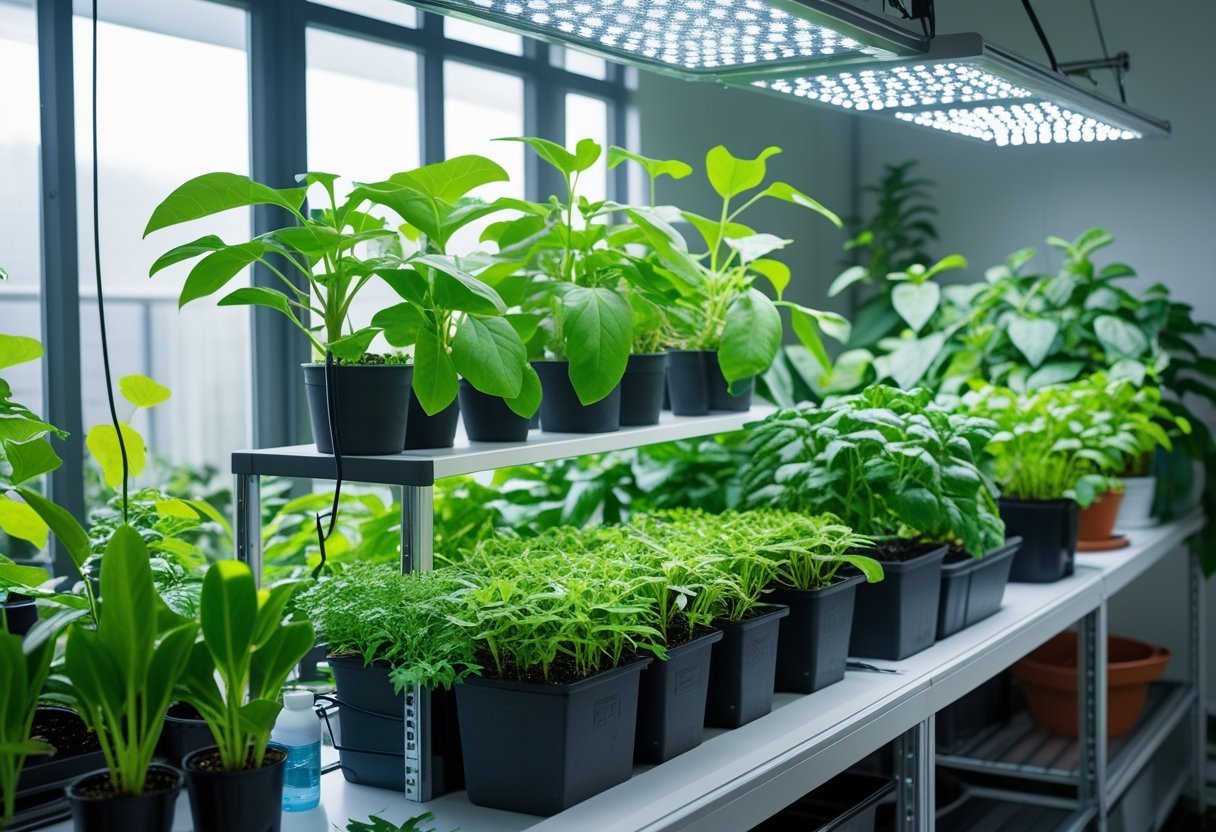
You can successfully cultivate dye plants indoors by using grow lights and suitable containers. Position small plants like basil, pansies, or chamomile on shelves or near windows. This method works well when you lack outdoor space for a traditional garden.
12. Dye Plants That Encourage Pollinators
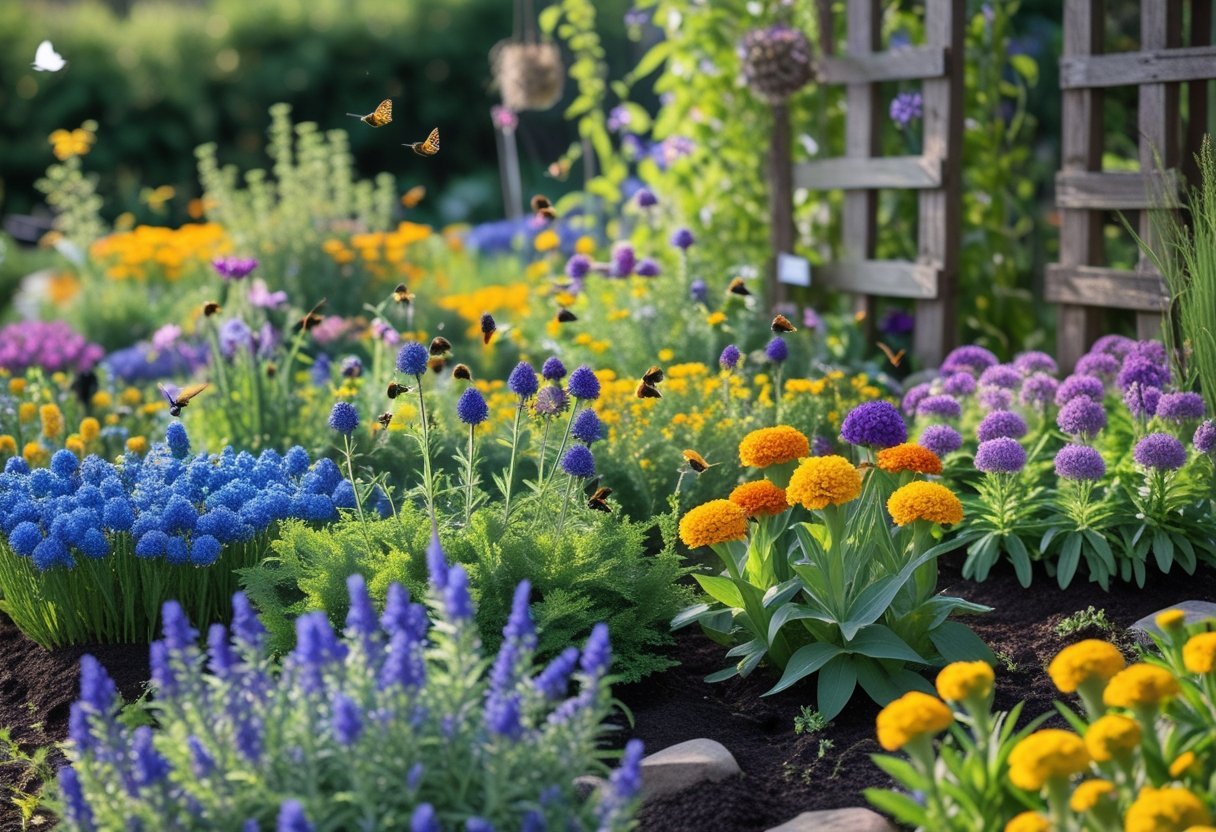
Choose flowers like bee balm, lavender, and cosmos to add color and attract bees, butterflies, and birds. These plants not only provide natural dyes but also support local wildlife. Incorporating pollinator-friendly dye plants enhances your garden’s health and visual appeal, making it a thriving and vibrant space.
13. Kids’ Sensory Dye Garden with Touch-Friendly Plants
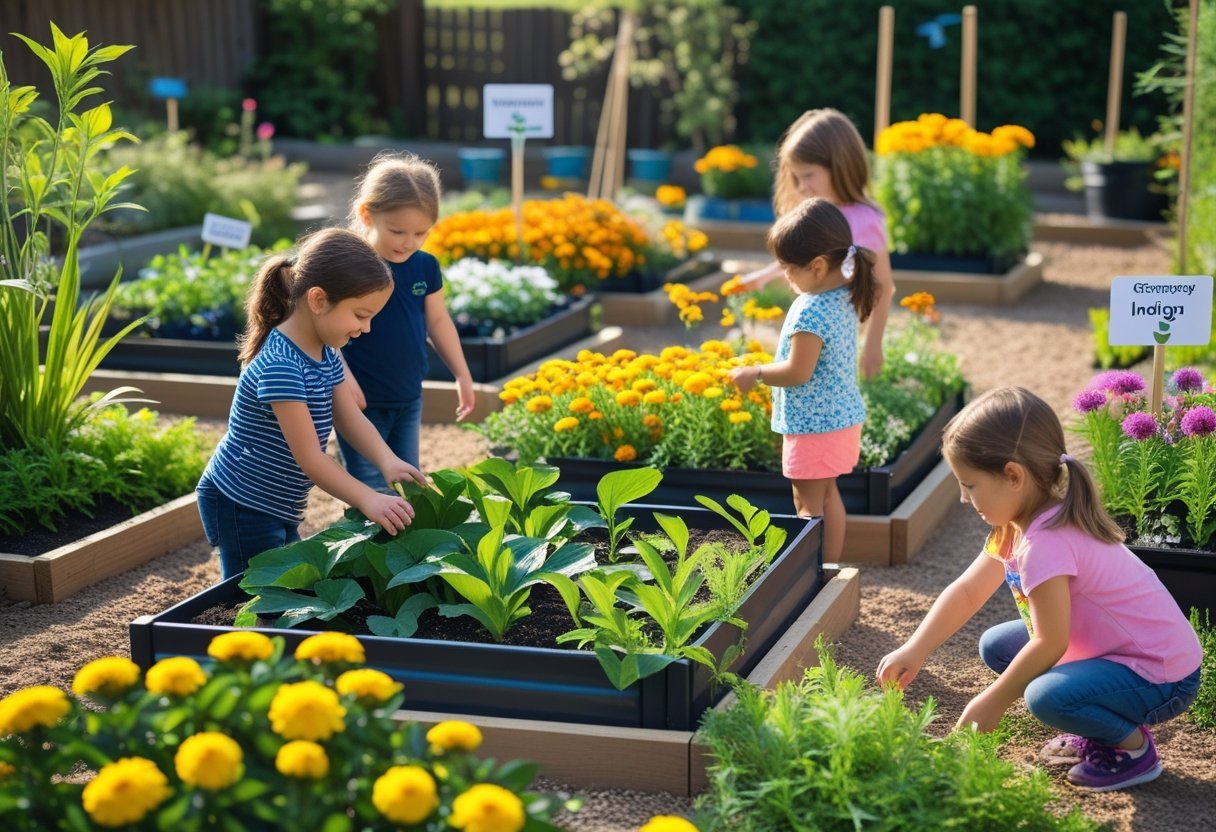
Create a garden with soft, colorful plants like chamomile, mint, and calendula that children can safely touch and explore. You’ll help them discover natural dyes while engaging their senses of touch, smell, and sight. This hands-on approach connects kids with nature through vibrant textures and scents.
14. Meadow-Inspired Dye Plant Area
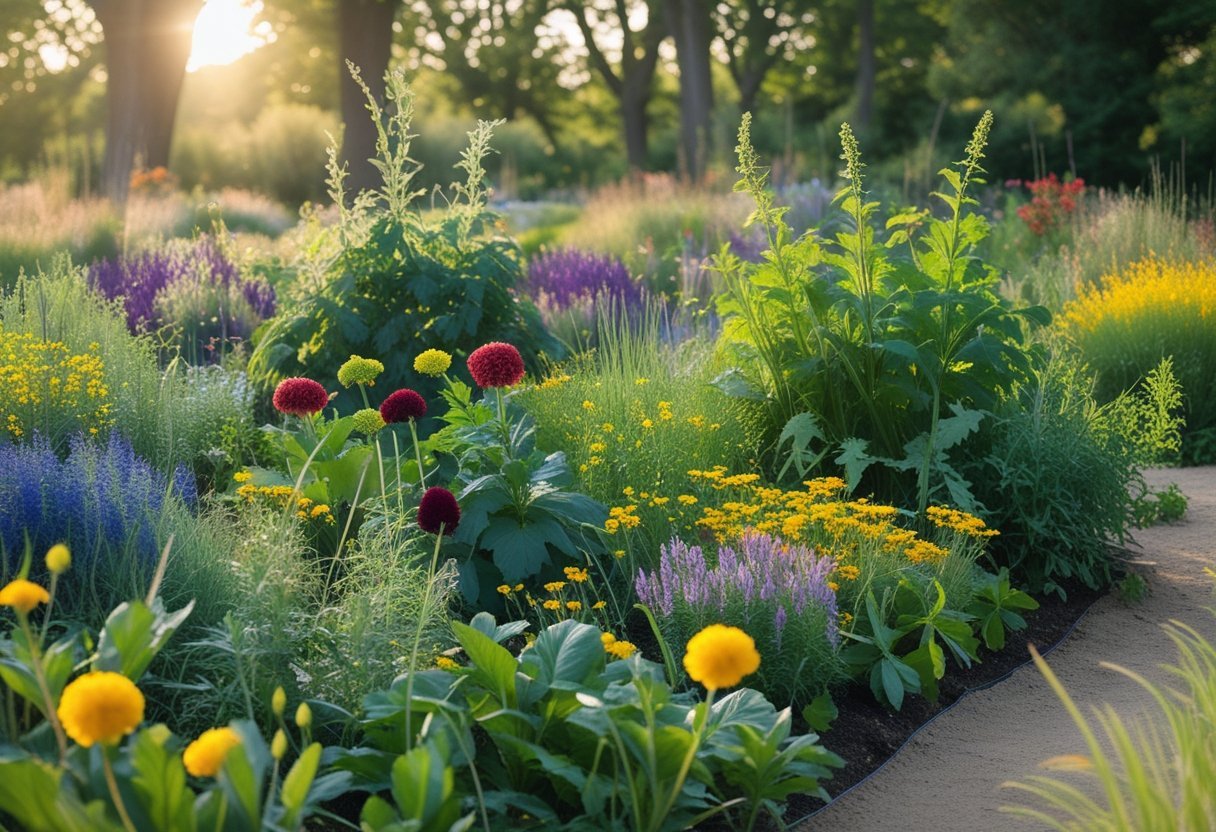
You can create a dye plant area in a meadow style by mixing native grasses with colorful dye flowers. This setup requires minimal upkeep while providing a variety of natural dye sources. It also encourages pollinators and enhances soil quality, fitting well with rustic garden themes.
15. Year-Round Dye Plants for Every Season
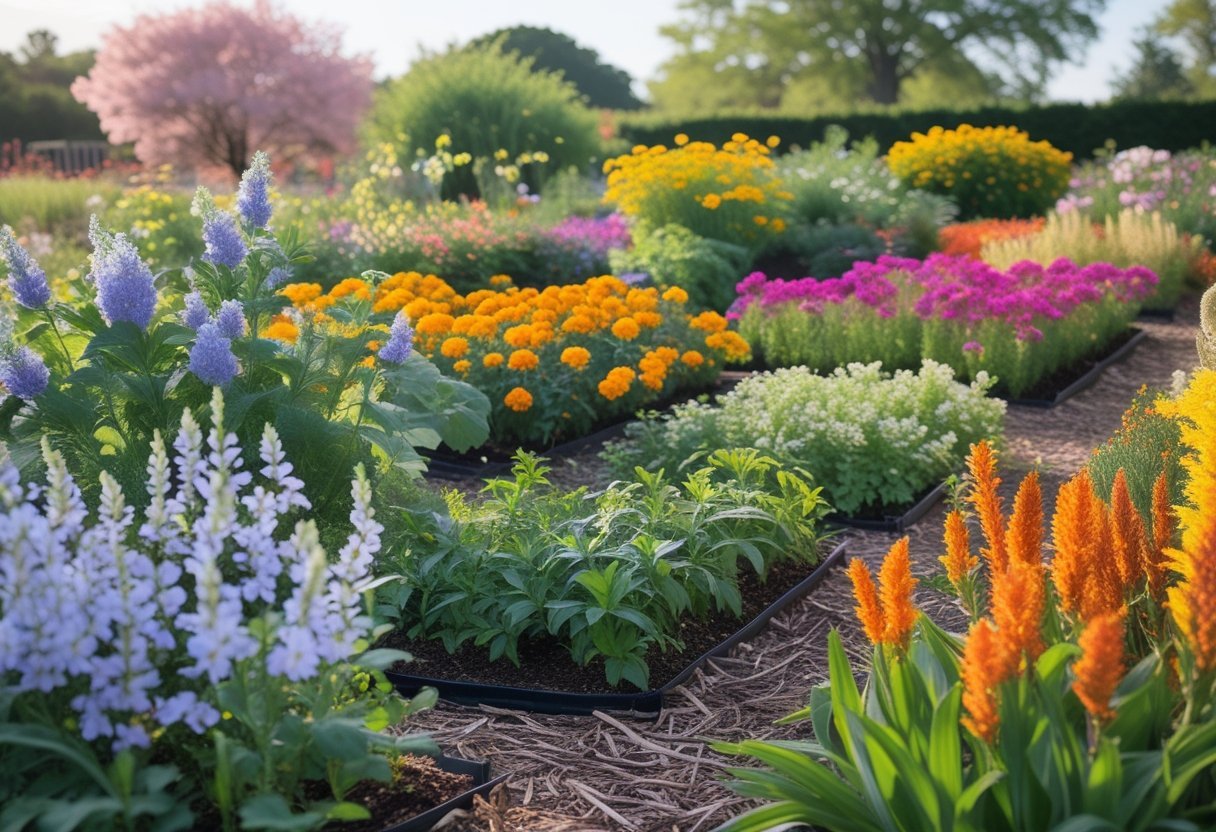
To keep your dye garden productive throughout the year, select plants that bloom in different seasons. Start with spring bloomers like daffodils, add summer flowers such as marigolds, and finish with fall choices like goldenrod. This approach ensures a steady supply of natural colors for your dyeing projects.
16. Tropical Dye Plants in Your Greenhouse
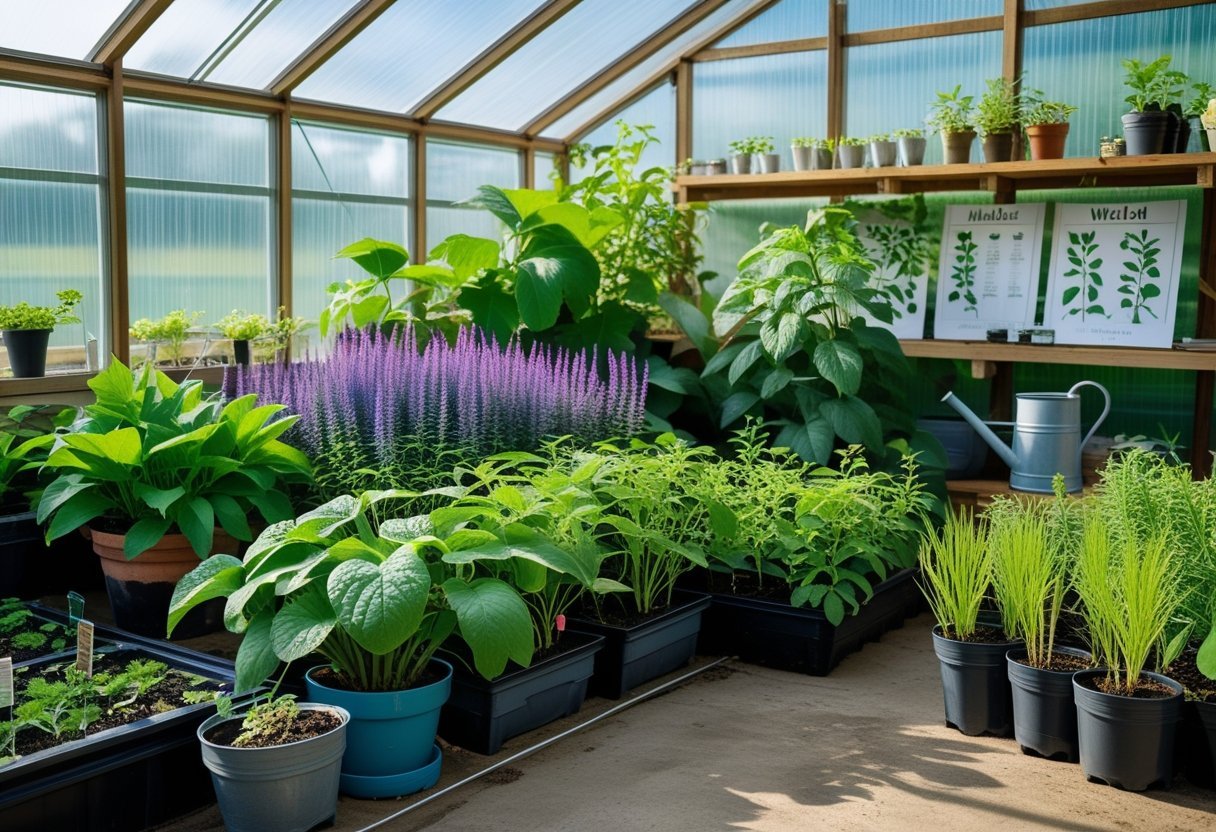
You can reserve part of your greenhouse for tropical dye plants that need warmth and protection. Plants like hibiscus and indigofera do well in these stable conditions, producing vibrant colors. Growing these species indoors gives you more control over their environment and extends your dyeing possibilities throughout the year.
17. Edging Pathways with Low-Growing Natural Dye Plants
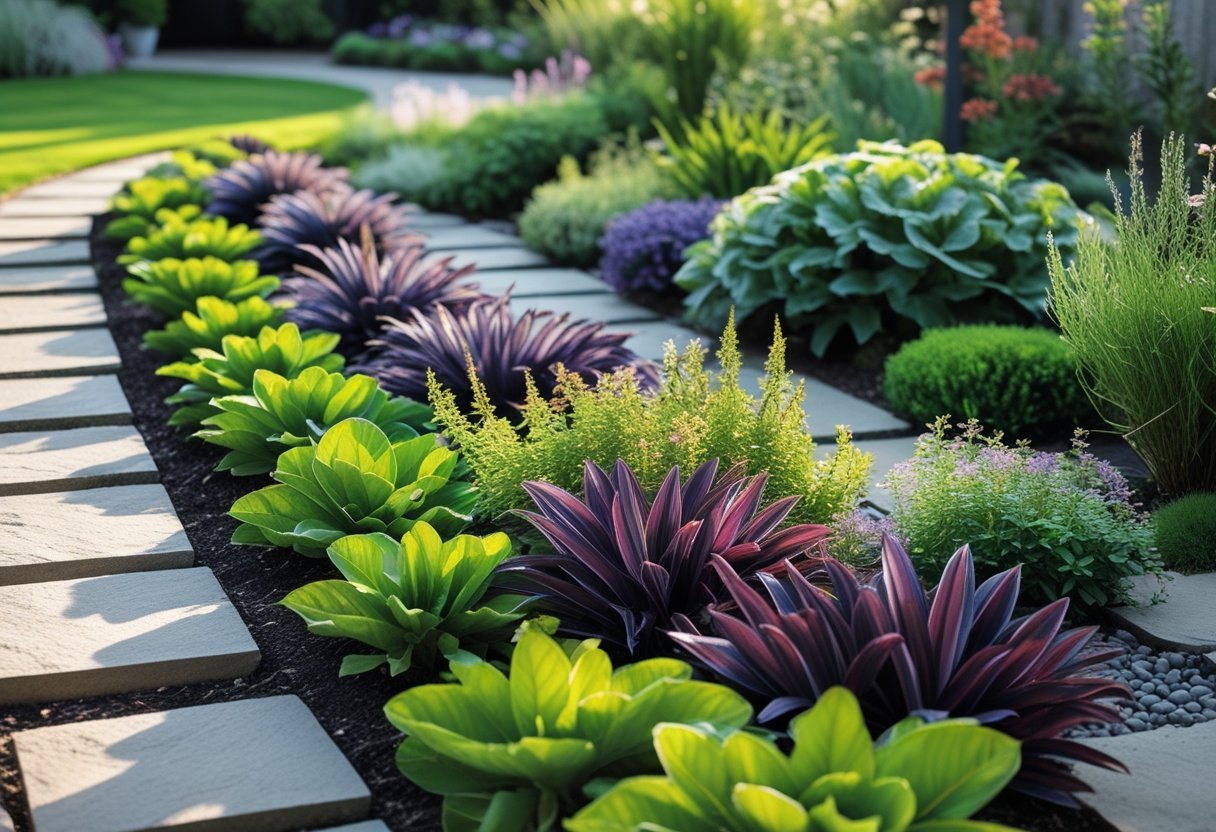
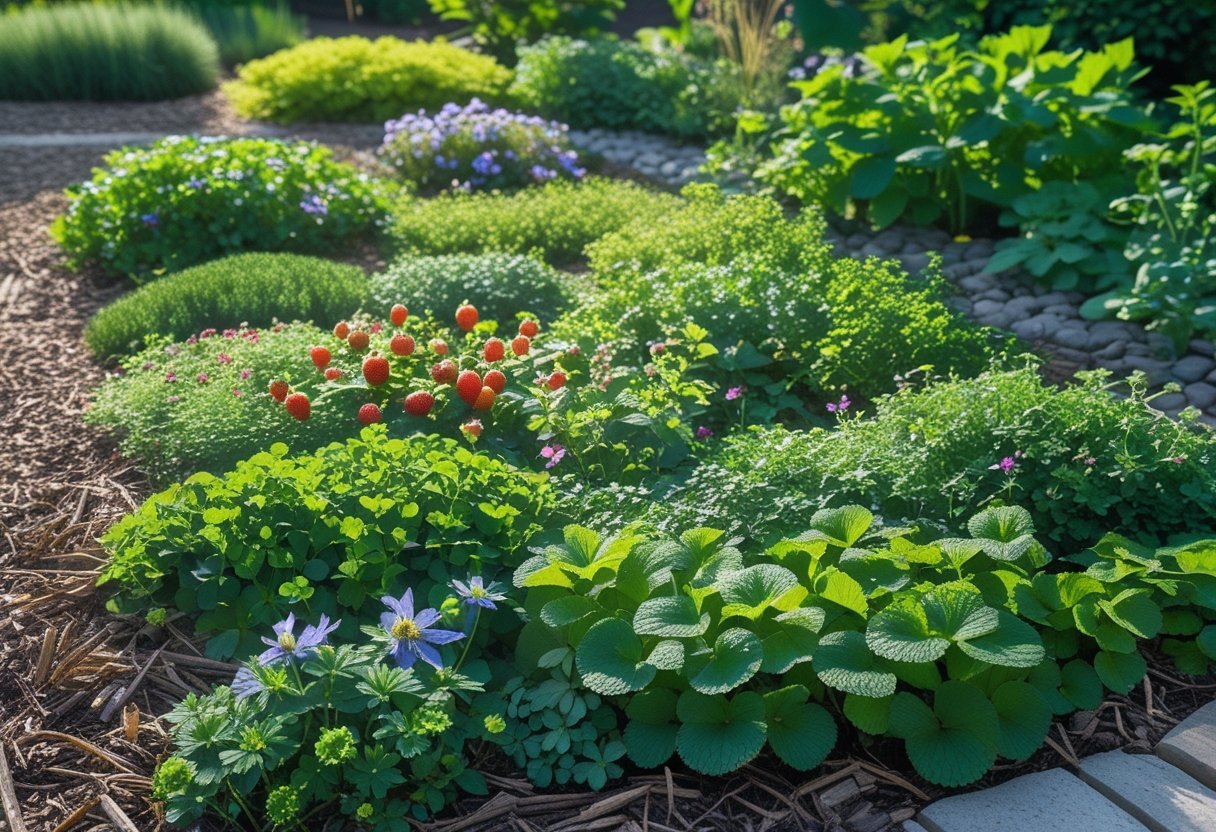
You can enhance your garden paths by planting low-growing dye plants, such as creeping thyme or dyer’s chamomile. These plants add neatness and utilize otherwise overlooked spaces effectively. They also allow easy harvesting while contributing a subtle decorative touch to your garden edges.
18. Dye Plant Section in a Shared Garden
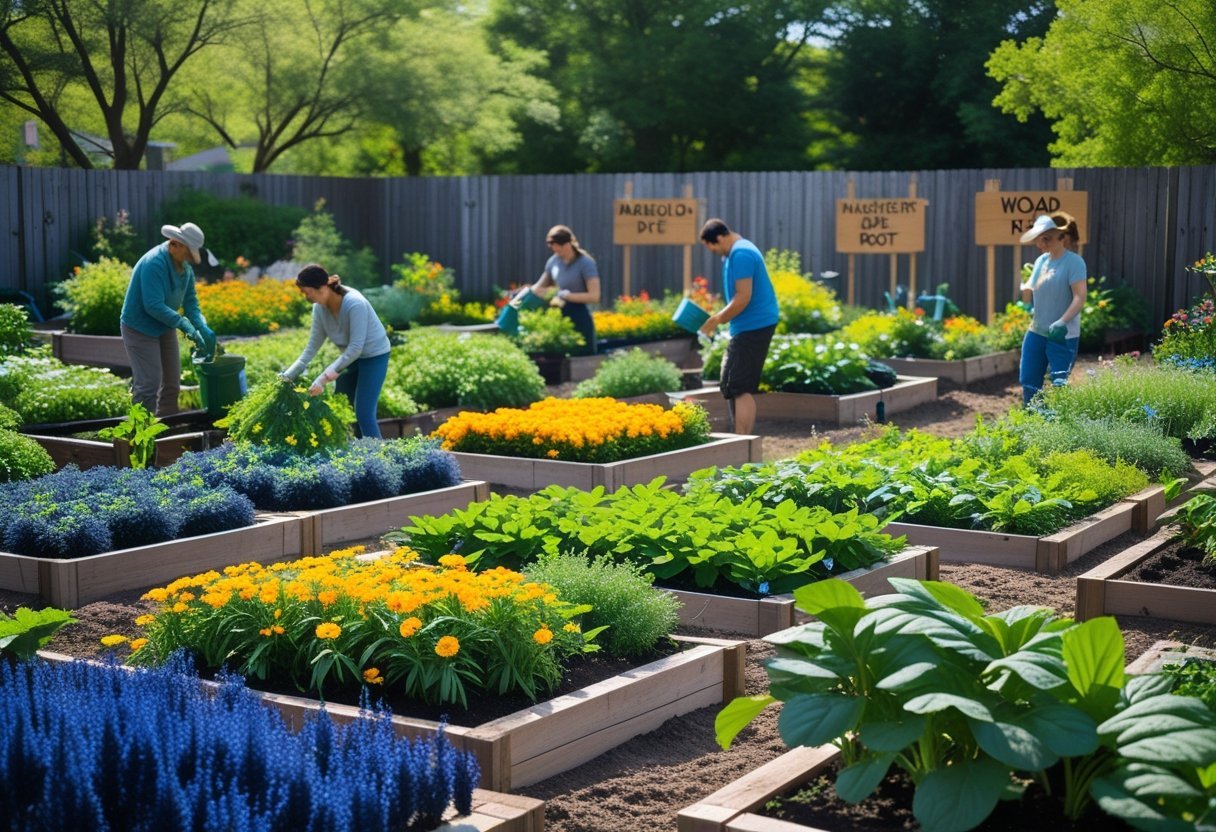
You can dedicate a part of a community garden to growing plants that produce natural dyes. This offers a hands-on chance to learn about dyeing while sharing materials and ideas with others.
Whether your garden space is large or small, including dye plants can enhance both the look and function of your plot. You might use raised beds, containers, or even vertical gardening techniques to fit your area.
Try growing marigolds, sunflowers, or hollyhocks as colorful and practical options. These plants add visual appeal and provide materials for making eco-friendly dyes.
By cultivating your own dye plants together, you foster creativity and environmental awareness within the community. It’s a simple way to connect gardening with craft and sustainability efforts.