

10 Sustainable Planting Techniques for an Eco-Friendly Garden
Creating a sustainable garden isn’t just about what you grow—it’s about how you grow it. These techniques will help you establish an eco-friendly garden that works with nature rather than against it.
Recommended Products

Retro Metal Tin Sign: This metal sign blends retro design with fun and art, featuring bright colors and eye-catching slogans, easily adapting to various decorating styles


1. Native Plant Selection for Biodiversity
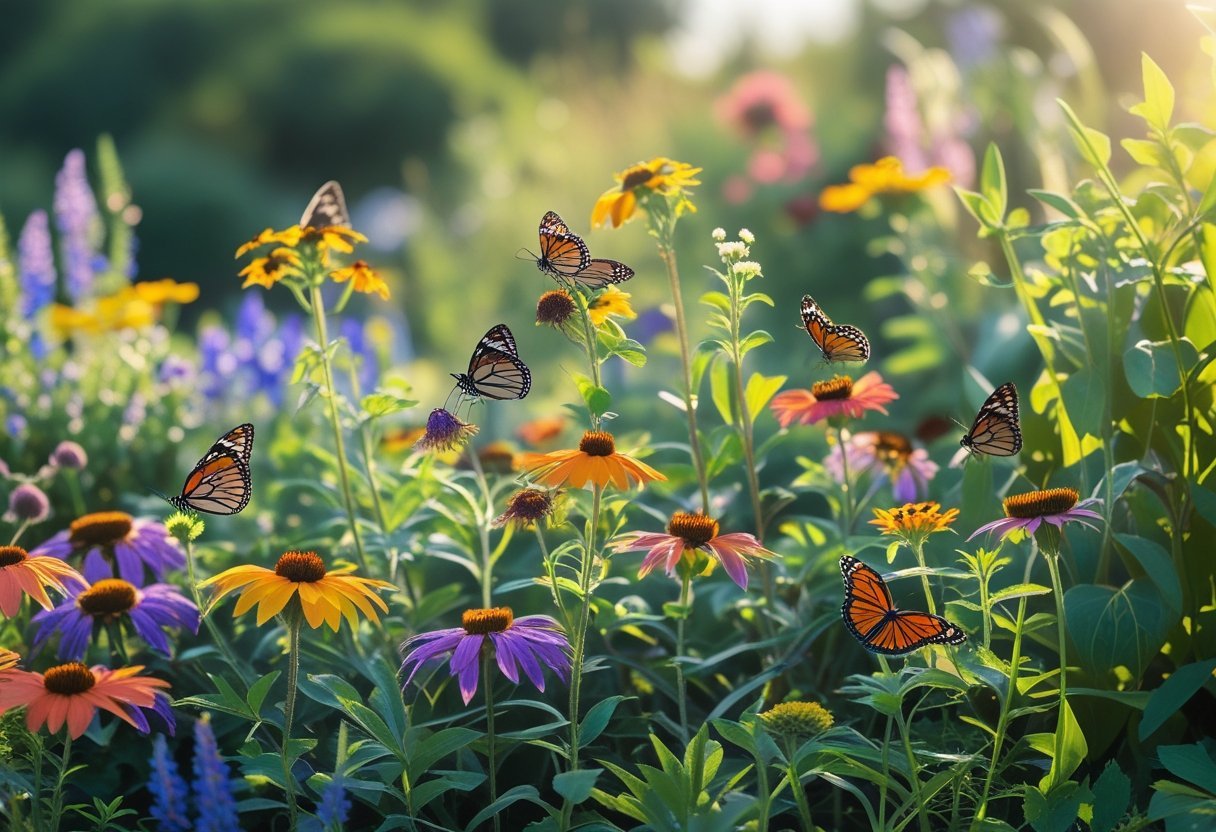
Choose native plants to create a thriving network in your garden. Native species have evolved to flourish in your local climate and soil conditions without requiring excess water, fertilizers, or pesticides. They’ll attract local pollinators like bees, butterflies, and birds, creating a mini wildlife sanctuary. Research shows gardens with native plants support 3-4 times more beneficial insects and birds than those with non-native species. Consider plants like echinacea, black-eyed Susans, or serviceberry if you’re in North America, and watch your garden transform into a biodiversity hotspot.
2. Water-Wise Gardening with Drought-Resistant Species
Incorporate drought-resistant plants to dramatically reduce water consumption in your garden. Species like lavender, rosemary, yarrow, and sedum have adapted to thrive with minimal irrigation once established. Group plants with similar water needs together using hydrozoning principles to maximize efficiency. Installing a drip irrigation system can reduce water usage by up to 60% compared to conventional sprinklers by delivering moisture directly to plant roots. Morning watering (between 5-9 AM) minimizes evaporation and helps prevent fungal diseases that thrive in prolonged leaf moisture.
3. Companion Planting for Natural Pest Control
Strategically pair plants to create natural pest management systems without chemicals. Marigolds deter nematodes and aphids when planted near vegetables, while basil improves tomato flavor and repels flies and mosquitoes. Plant nasturtiums as trap crops to lure aphids away from your prized vegetables. The three sisters method—planting corn, beans, and squash together—showcases indigenous wisdom where corn provides structure, beans fix nitrogen, and squash leaves shade the soil and deter pests with prickly stems.
4. Vertical Gardening to Maximize Space
Grow upward to produce more food in limited space while improving air circulation. Vertical gardening reduces soil-borne diseases and makes harvesting easier on your back. Train climbing vegetables like cucumbers, pole beans, and peas on trellises or arches. Repurpose old ladders, pallets, or shoe organizers to create vertical planting structures. This technique can increase your growing space by 30-40% while creating visual interest and natural shade for heat-sensitive plants during summer months.
5. Sheet Mulching and No-Dig Methods
Adopt no-dig gardening to protect soil structure and beneficial organisms. Sheet mulching involves layering organic materials (cardboard, compost, straw, leaves) directly over grass or weeds to create new garden beds without tilling. This method preserves soil structure, prevents weed growth, and gradually enriches your soil as materials decompose. Research from the Rodale Institute shows no-dig methods can increase soil carbon sequestration by up to 40% compared to conventional tilling, helping fight climate change right in your backyard.
6. Polyculture and Food Forests
Create diverse plant communities that mimic natural ecosystems rather than single-crop rows. Polyculture systems integrate different plants that support each other’s growth while confusing pests that target monocultures. Start small with guilds—functional groups of plants that work together. A simple apple tree guild might include comfrey (nutrient accumulator), daffodils (pest deterrent), and clover (nitrogen fixer). This diversity increases resilience against pests, diseases, and extreme weather while boosting overall yields by 15-20% compared to monoculture plantings.
7. Composting and Soil Building
Make your own black gold through composting kitchen scraps and yard waste. Quality compost improves soil structure, feeds beneficial microbes, and reduces landfill waste. Aim for a balanced mix of “greens” (nitrogen-rich materials like vegetable scraps and grass clippings) and “browns” (carbon-rich items like dried leaves and cardboard). Turn your pile every few weeks to accelerate decomposition. A single cubic yard of compost can save 1,000 gallons of water annually by improving soil water retention and eliminate the need for synthetic fertilizers on up to 250 square feet of garden space.
8. Seed Saving and Heritage Varieties
Preserve genetic diversity by saving seeds from your best-performing plants. Focus on open-pollinated varieties rather than hybrids, which won’t grow true from saved seeds. Start with self-pollinating plants like tomatoes, beans, lettuce, and peas—they’re easiest for beginners. Properly stored seeds remain viable for 3-5 years and allow you to develop plant strains specifically adapted to your microclimate. Joining seed exchange networks connects you with other gardeners while helping preserve the estimated 94% of vegetable varieties that have disappeared from commercial catalogs over the last century.
9. Rainwater Harvesting Systems
Capture free water from the sky with rain barrels or more elaborate collection systems. A simple 55-gallon rain barrel can collect over 1,300 gallons of water annually in areas receiving 24 inches of rainfall. Install barrels beneath downspouts and use food-grade containers to ensure water quality. Incorporate overflow systems to direct excess water away from your home’s foundation during heavy storms. For larger properties, consider rain gardens or swales that slow, spread, and sink water into the industry, reducing runoff and replenishing groundwater.
10. Cover Cropping for Soil Health
Plant cover crops during off-seasons to protect and improve your soil. These working plants prevent erosion, suppress weeds, fix nitrogen, and add organic matter when turned into the soil. Clover, buckwheat, and winter rye make excellent choices for home gardens. Sow cover crops 4-6 weeks before your first expected frost for winter protection, or use quick-growing varieties like buckwheat during summer gaps between plantings. Research shows cover cropping can increase soil organic matter by 8-14% after just a few seasons, dramatically improving your soil’s water-holding capacity and nutrient availability.
Creating a Chemical-Free Garden Environment
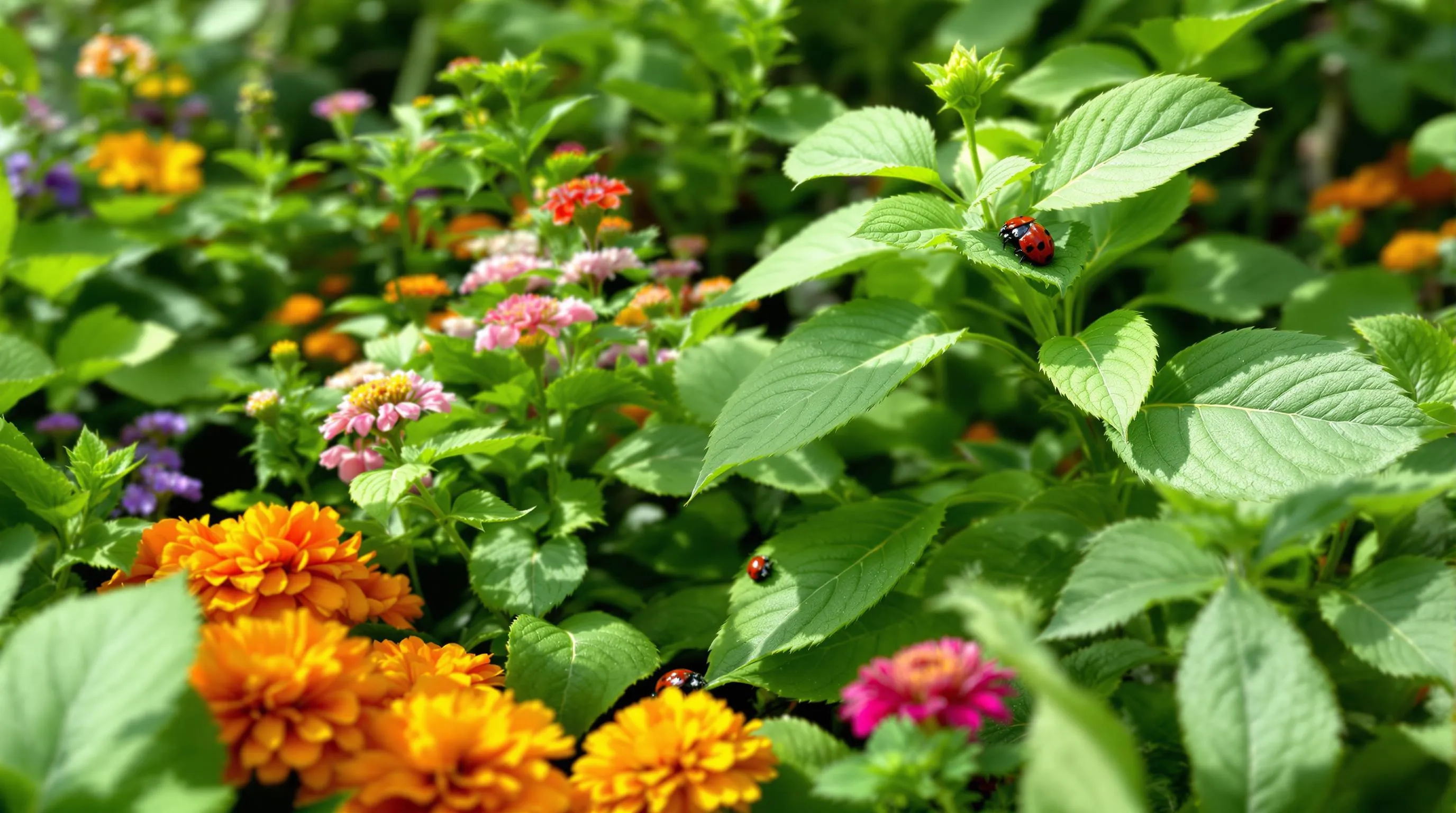
Eliminating harmful chemicals from your garden isn’t just good for the environment—it’s essential for creating a truly sustainable outdoor space. By embracing natural alternatives, you’ll promote healthier soil, protect beneficial insects, and grow safer produce for your family.
Recommended Products

Fragrant Blooms: English Lavender seeds to plant of Lavandula angustifolia produce purple flower spikes on slender green stems; late spring–summer color with vigorous growth—ideal for fragrant flowers and classic herbs borders. Common name: English Lavender; Scientific name: Lavandula angustifolia

TWO Premium Live Plants: Two (2) large live plants big, healthy, ready to grow, premium herb plants, 4" to 8" tall plants, in 4" pots. NON GMO No Neonicotinoids

Beautiful - Full color packet of culinary herb Rosemary (Salvia rosmarinus). Mediterranean herb with fragrant needles that are a favorite in the kitchen. Delicious addition to meats, vegetables, and baked goods. Needles retain much of their flavor when dried. An attractive woody perennial in zones 8-10. This carefully selected variety can be grown indoors or outdoors. Minimun of 100 mg per seed (about 60 seeds).
Natural Pest Control Methods
Ditch toxic pesticides by implementing natural pest control strategies in your garden. Introduce beneficial insects like ladybugs and lacewings that prey on common garden pests such as aphids and caterpillars. Plant pest-repelling herbs including mint, basil, and marigolds strategically throughout your garden beds to create natural barriers. Create simple DIY sprays using ingredients like neem oil, garlic, or diluted soap answers that target pests without harming beneficial organisms. For larger pests, install physical barriers such as floating row covers or copper tape around vulnerable plants. Companion planting—pairing mutually beneficial species together—can also significantly reduce pest problems while improving overall garden health.
Organic Fertilizers and Soil Amendments
Power your plants naturally with organic fertilizers that nourish without chemical residues. Compost serves as the foundation of organic soil management, adding essential nutrients and beneficial microorganisms to your garden beds. Supplement with targeted amendments like bone meal (for phosphorus), blood meal (for nitrogen), or kelp (for potassium and trace minerals) based on your soil’s exact needs. Consider brewing compost tea by steeping finished compost in water for 24-48 hours to create a nutrient-rich liquid fertilizer. Worm castings provide another excellent organic option, releasing nutrients slowly while improving soil structure. For acid-loving plants, coffee grounds make an effective pH adjuster while adding valuable organic matter. Remember that healthy soil ecosystems require minimal intervention—focus on building soil health rather than treating symptoms.
Water Conservation Strategies for Eco-Conscious Gardeners
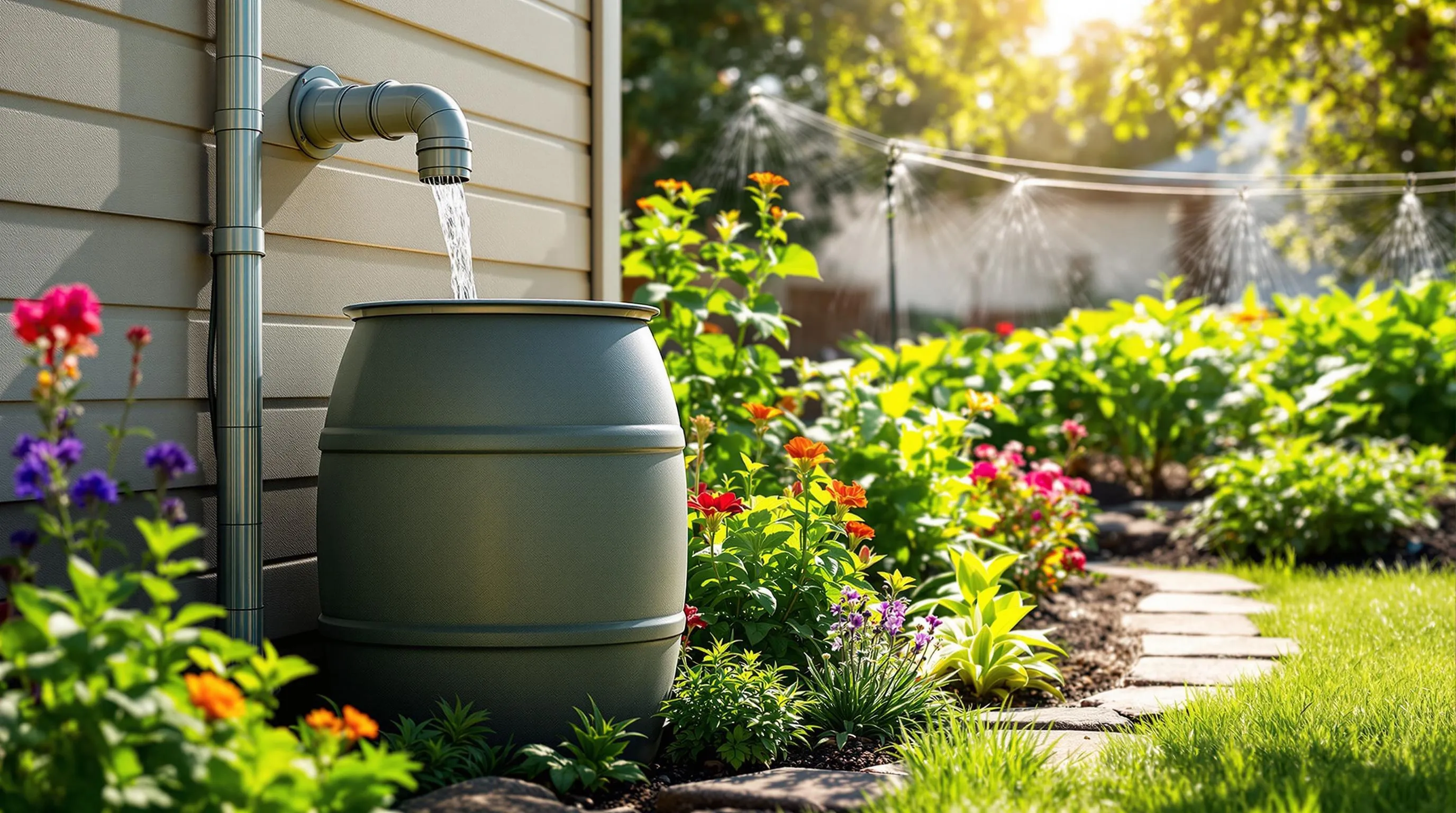
Water conservation forms the backbone of any truly eco-friendly garden. By implementing smart water management techniques, you’ll not only reduce your environmental footprint but also create a more resilient garden that thrives even during dry periods.
Recommended Products

✔Comprehensive Drip Irrigation Kit:MIXC drip irrigation system, equipped with a versatile range of components, caters to all your garden watering needs.Includes essential parts such as 197ft 1/4'' irrigation tube, 33ft 1/2'' irrigation tube, 1/2‘’ Lock Barbed Tee connectors, drip emitter streams, vortex emitters, Blue Mist Nozzles, Quick connection tees, Faucet Connector, and more.

NO MORE HARD INSTALLATION - SET UP IN MINUTES. Tired of struggling with stiff barbed fittings? This drip irrigation system features quick-connect fittings that let you push, lock, and secure tubing effortlessly. No tools, no leaks, just a smooth setup experience. Enjoy a frustration-free installation and get your garden watering system running in minutes.

【Universal 1/4 Inch Size Set】- Designed for US market compatibility,MIXC new drip irrigation system set uses 1/4 inch (6mm) components to address potential mismatches with standard hoses, unlike some 5/16 inch systems. It includes 2-way connectors, tubing, and 3-way connectors to help users set up DIY garden irrigation more conveniently.
Rainwater Harvesting Systems
Rainwater harvesting transforms free precipitation into a valuable garden resource. Install rain barrels under downspouts to collect water that would otherwise flow into storm drains. A standard 55-gallon barrel can capture 1,300 gallons of water annually from just one downspout. For larger properties, consider linking multiple barrels together or investing in underground cisterns that can store hundreds of gallons. Add a simple spigot and hose attachment for easy access, or carry out gravity-fed drip irrigation systems that distribute harvested rainwater directly to your plants. Beyond barrels, rain gardens with water-loving native plants can capture runoff from hard surfaces, filtering pollutants while recharging groundwater supplies.
Efficient Irrigation Techniques
Strategic irrigation dramatically reduces water waste while improving plant health. Drip irrigation systems deliver water directly to plant roots, using 30-50% less water than conventional sprinklers. Install soaker hoses beneath mulch for slow, deep watering that encourages robust root development. Time your watering for early morning or evening to minimize evaporation losses, which can exceed 40% during midday heat. Group plants with similar water needs together in hydrozones to avoid overwatering drought-tolerant species. Consider installing smart irrigation controllers that adjust watering schedules based on weather conditions and soil moisture sensors. For container gardens, incorporate water-retaining crystals or self-watering pots with reservoirs that allow plants to draw moisture as needed, reducing frequency of watering by up to 75%.
Upcycled Garden Décor and Furniture Ideas
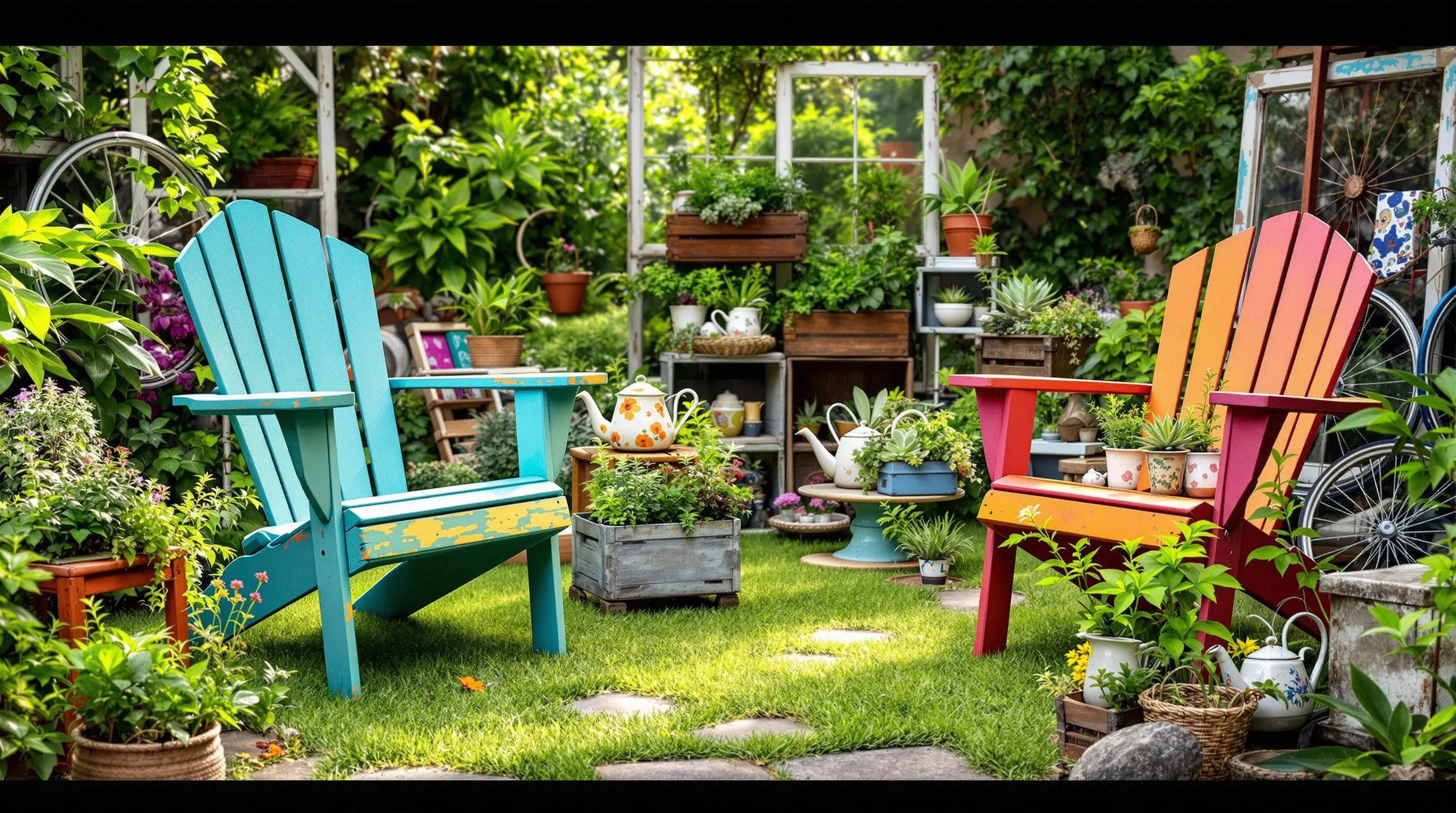
Transform your garden into an eco-friendly oasis by incorporating upcycled elements that reduce waste while adding unique character. These creative approaches not only minimize your environmental footprint but also save money and showcase your personal style.
Recommended Products

5 COMPANION PLANTS - This five-pack includes heirloom seeds for growing Large Leaf Basil (Ocimum basilicum), Borage (Borago officinalis), Compact Dill (Anethum graveolens), Crackerjack Marigold (Tagetes erecta), and Tip Top Mix Nasturtium (Tropaeolum majus)

Vibrant Flowers: Marigolds burst forth with large, vivid blooms, creating an enchanting garden display that adds eye-catching beauty to flowerbed borders

Charming Display: Petite French Marigolds produce compact, vibrant blooms in rich orange and yellow hues; perfect for borders, containers, and garden beds
Repurposed Container Gardens
Breathe new life into everyday items by transforming them into distinctive plant containers. Old wooden crates make charming raised beds for herbs and vegetables, while chipped teapots and vintage watering cans create whimsical homes for succulents. Convert worn-out boots, broken wheelbarrows, or rusty toolboxes into unexpected planters that tell a story. Even damaged furniture pieces like dressers with missing drawers can become tiered plant displays. When preparing these containers, simply drill drainage holes in the bottom, add a layer of gravel for improved drainage, and fill with quality potting soil. This approach not only diverts items from landfills but creates conversation pieces that personalize your garden space.
DIY Garden Elements from Reclaimed Materials
Create stunning garden features using materials that would otherwise be discarded. Transform old windows into charming cold frames or greenhouse panels, while leftover lumber can become raised garden beds or trellises. Repurpose broken concrete pieces into decorative pathways or retaining walls in a technique called “urbanite.” Fashion wind chimes from old silverware, keys, or metal pipes for delightful garden sounds. Salvaged doors make excellent garden gates or can be laid horizontally as unique garden tables when mounted on stumps. Old bicycle wheels can become eye-catching trellises for climbing plants, while mismatched chairs painted in bright colors create inviting seating areas. Even simple tin cans, when cleaned and painted, transform into lanterns with punched patterns that cast magical light across your garden at night.
Composting and Natural Waste Management
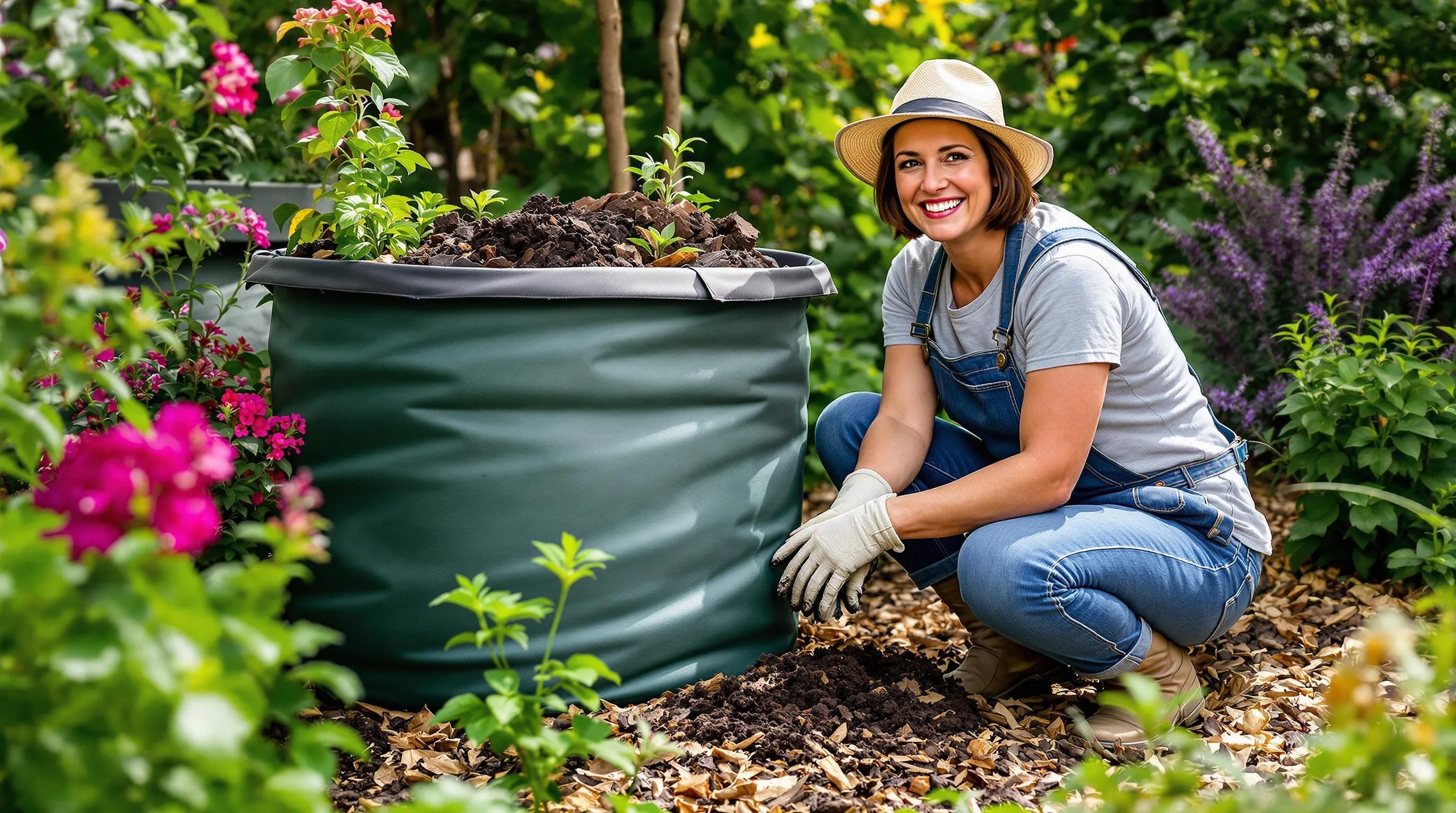
Transform your garden waste into valuable resources while reducing your environmental footprint. Effective waste management is the cornerstone of a truly eco-friendly garden, creating a closed-loop system that mimics natural processes.
Recommended Products
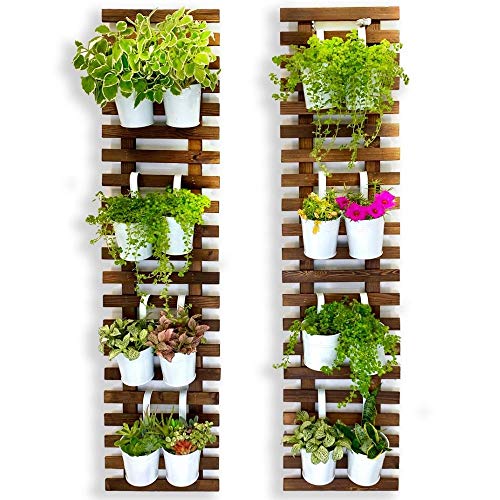
29x120cm (11.4" x 47.2") x 2 pcs. Plants, flowers, pots, decorations are NOT included


【 Vertical Raised Garden Bed with Trellis】Perfect for home gardening lovers, this herb planter outdoor with 4 garden boxes let you plant vegetables, herbs, and flowers in separate plant bed while the 11-inch trellis supports climbing plants like tomatoes, strawberries, vines, and peppers. The balcony raised garden beds outdoor with legs creates an optimal environment for your plants to thrive.
Setting Up an Effective Compost System
Creating your own compost system is surprisingly simple and incredibly rewarding. Start by selecting the right location—a partially shaded spot with good drainage works best. Choose between a traditional compost bin, a tumbler for faster decomposition, or a simple wire mesh enclosure for a budget-friendly option. Layer your compost materials using the 3:1 ratio of brown to green materials: browns include dry leaves, cardboard, and wood chips, while greens cover kitchen scraps, fresh grass clippings, and plant trimmings. Avoid adding meat, dairy, or diseased plants that might attract pests or spread pathogens. Turn your compost pile regularly (every 1-2 weeks) to accelerate decomposition and prevent odors. With proper maintenance, you’ll have nutrient-rich compost ready in 3-6 months, perfect for enriching garden beds, potting mixes, and lawn applications.
Mulching for Soil Health and Water Retention
Mulching is a game-changing practice that delivers multiple benefits to your eco-friendly garden. Apply a 2-3 inch layer of organic mulch—such as shredded leaves, straw, wood chips, or grass clippings—around plants while keeping it a few inches away from stems to prevent rot. This protective blanket significantly reduces water evaporation, keeping soil moisture levels consistent and cutting irrigation needs by up to 30%. As organic mulches break down, they continuously feed the soil with essential nutrients, improving its structure and fertility. They also naturally suppress weeds by blocking sunlight from reaching weed seeds, reducing the need for chemical herbicides and time-consuming weeding. For maximum effectiveness, replenish your mulch annually or whenever it thins out, ideally in spring or fall when soil conditions are optimal for moisture retention.
Wildlife-Friendly Garden Features
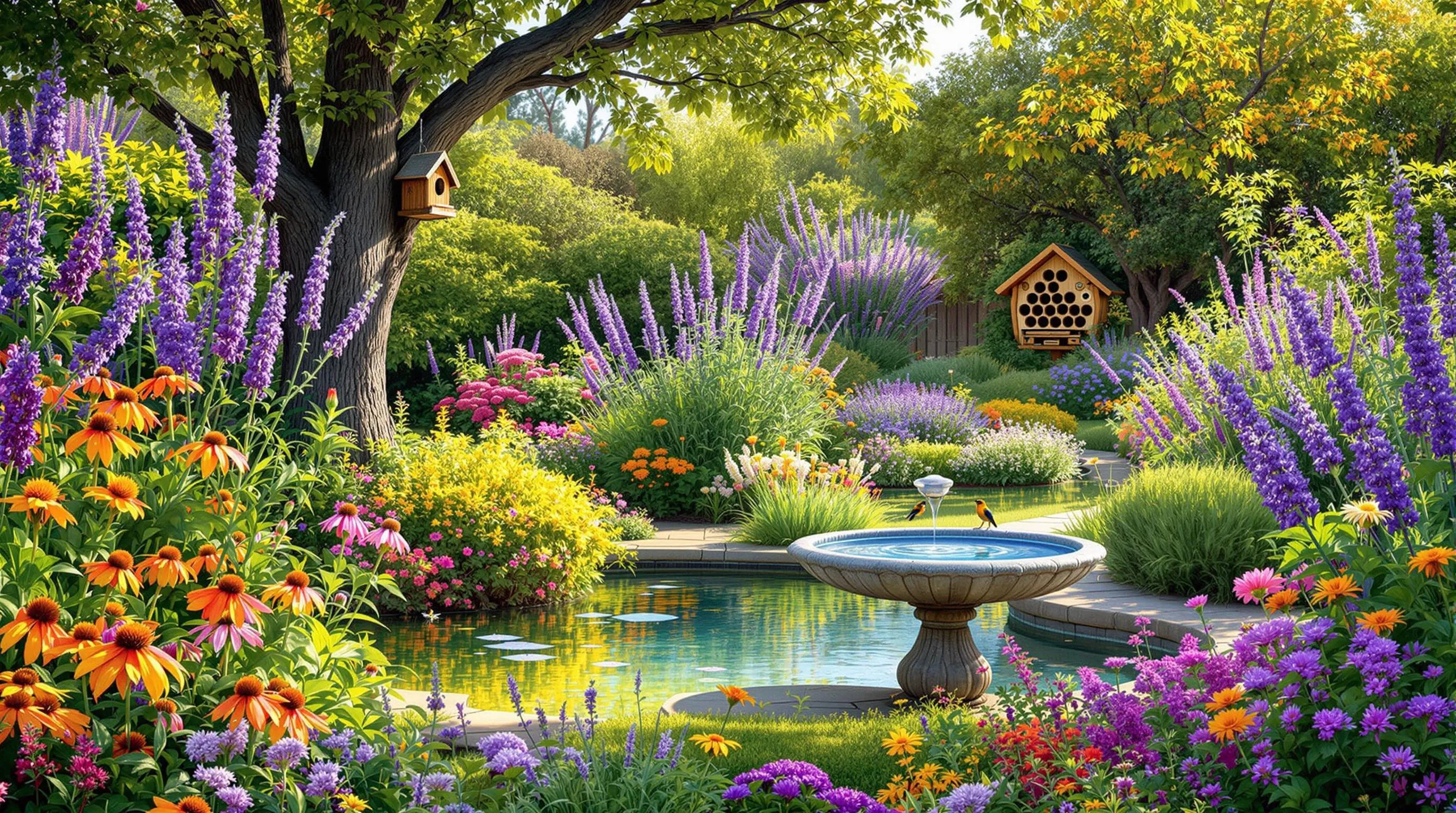
Transform your eco-friendly garden into a thriving wildlife sanctuary that supports local biodiversity and creates a balanced network. By implementing thoughtful design elements, you’ll attract beneficial creatures that help control pests naturally while adding life and movement to your outdoor space.
Recommended Products

Durable Flag -- Material: 100% burlap. Weatherproof and non-fray durability, Dyrenson home garden's durable indoor, outdoor art flags and banners are made of machine washable polyester burlap material, fade resistant to keep them flying for many seasons

Creating Pollinator Habitats
Establish vibrant pollinator habitats by planting native flowering species that bloom throughout different seasons. Choose plants like echinacea, lavender, and bee balm that produce abundant nectar and pollen for bees, butterflies, and hummingbirds. Create “pollinator corridors” by grouping these plants together, allowing easier movement between food sources. Add shallow water dishes with stones for insects to land on safely while drinking. Leave some areas of bare soil undisturbed for ground-nesting bees, and incorporate flowering herbs like thyme and oregano that serve dual purposes as culinary ingredients and pollinator attractants. Consider installing a bee hotel made from hollow stems or drilled wood blocks to provide nesting sites for solitary bees that are crucial pollinators for many garden plants.
Bird and Beneficial Insect Sanctuaries
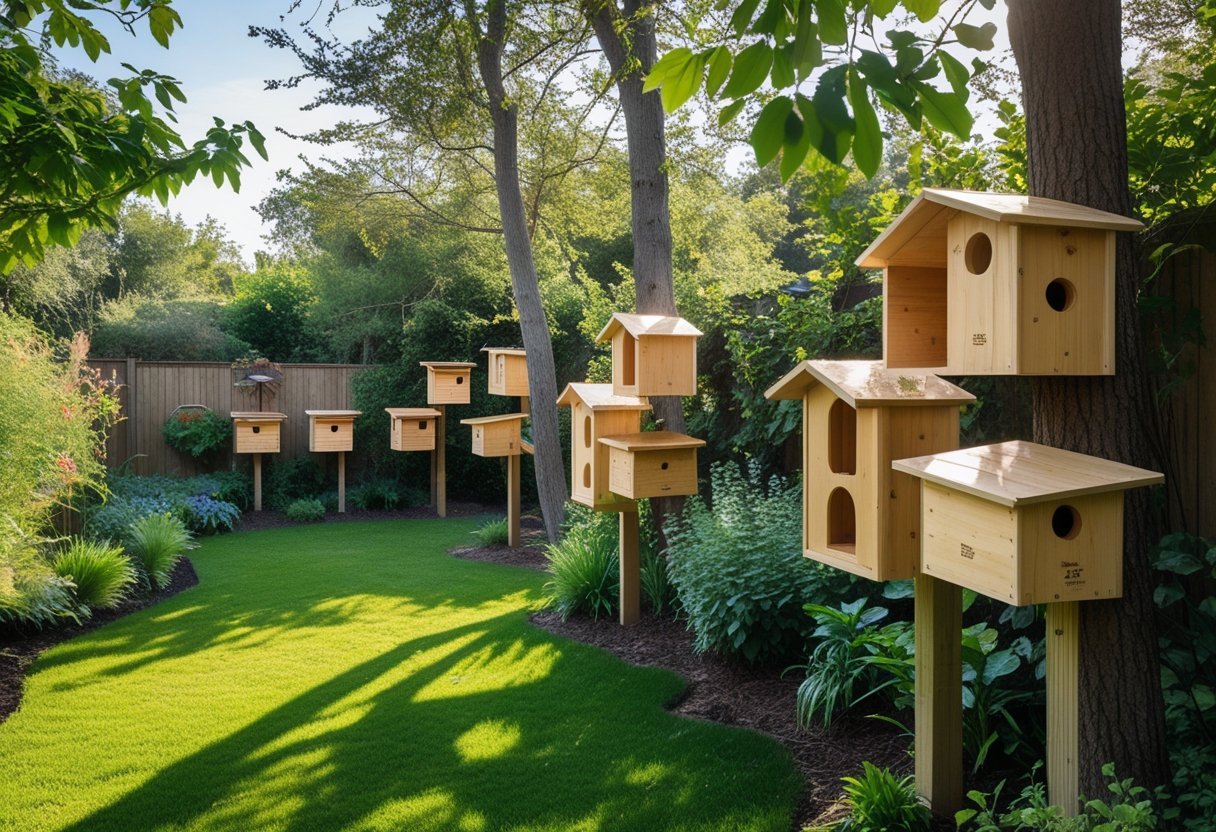
Design your garden to welcome birds and beneficial insects by incorporating multi-layered vegetation. Plant native trees and shrubs like serviceberry, elderberry, and dogwood that provide berries, seeds, and protective cover. Install bird baths at different heights and keep them clean and filled with fresh water year-round. Add birdhouses suited to local species—place them 5-15 feet high depending on the bird type, facing away from prevailing winds. Create insect hotels using stacked materials like pine cones, bamboo tubes, and perforated wood that provide shelter for predatory insects like ladybugs and lacewings. Leave leaf litter in garden beds during fall and winter as protective habitats for overwintering beneficial insects. Incorporate plants with seed heads like coneflowers and black-eyed Susans that serve as natural bird feeders during colder months, reducing the need for artificial feeding stations while supporting native wildlife.
Energy-Efficient Garden Lighting Options

Lighting your garden sustainably doesn’t mean sacrificing ambiance or functionality. Energy-efficient options reduce electricity consumption while creating beautiful nighttime landscapes that extend your outdoor enjoyment.
Recommended Products

WHITE SAGE (SALVIA APIANA) – Also known as bee sage or sacred sage, this perennial evergreen subshrub evolves in form as it grows. Mature flowering spikes reach up to 6 feet tall, producing hundreds of tiny tubular white-lavender blossoms. Its lance-shaped, velvety, silver-white leaves are densely covered in fine white hairs, creating a moonlit, glowing effect under night or low light. Adds texture, contrast, and structure to landscapes while standing out as a striking ornamental focal point.

LIVE SENSATIONAL LAVENDER — 1 LIVE PLANT — Receive 1 live plant of Lavandula x intermedia 'Sensational' shipped in nursery-quality 2.5QTs, rooted, healthy, and ready to plant. Large flower heads, broad silver foliage, outstanding garden presence — every plant is pesticide-free and naturally grown.

SUMMER CARNIVAL HOLLYHOCK SEEDS — INTERIOR DESIGNER OF GARDEN FASHION. A CONCENTRATE OF DECORATIVENESS IN A VERTICAL FORMAT. Premium Heirloom Biennial Seeds: Non-GMO, Open-Pollinated, Untreated - 1000 Seeds / 9g (count verified by weight). Biennial lifecycle: plants establish leafy rosettes in Year 1, bloom spectacularly in Year 2, then self-sow freely for returning seasons of color. Seeds require light to germinate - do not cover deeply.
Solar-Powered Illumination
Solar garden lights offer the ultimate eco-friendly lighting solution by harnessing free energy from the sun. These versatile fixtures require no wiring, saving you installation costs and eliminating electricity bills. Modern solar lights store energy during daylight hours in rechargeable batteries, automatically illuminating your garden after sunset. You’ll find many styles available—from pathway markers and string lights to spotlights and decorative lanterns—that integrate seamlessly into any garden aesthetic. Position solar lights strategically in areas that receive 6-8 hours of direct sunlight for optimal performance. For shade-challenged gardens, look for models with detachable solar panels that can be placed in sunnier locations while the lights remain in desired spots. Many newer models also incorporate motion sensors, extending battery life and providing security benefits by activating only when movement is detected.
LED and Low-Voltage Lighting Answers
LED lighting transforms garden illumination with its remarkable energy efficiency—using up to 80% less electricity than traditional incandescent bulbs while lasting 25 times longer. These durable lights produce minimal heat, making them safer around plants and more resistant to outdoor conditions. Low-voltage systems (typically 12-24 volts) further enhance safety and efficiency, especially in areas with moisture or where children play. You can easily create layered lighting effects by combining various LED fixtures: use downlights in trees to simulate moonlight, path lights to ensure safe navigation, and accent lights to highlight garden features or architectural elements. Many systems now include smart controls allowing you to adjust brightness, color, and timing through smartphone apps, helping you customize scenes while further reducing energy consumption. Look for warm white LEDs (2700-3000K) that provide natural-looking illumination without the harsh blue tint of older models, creating an inviting atmosphere that complements your eco-friendly garden design.
Sustainable Hardscaping Materials
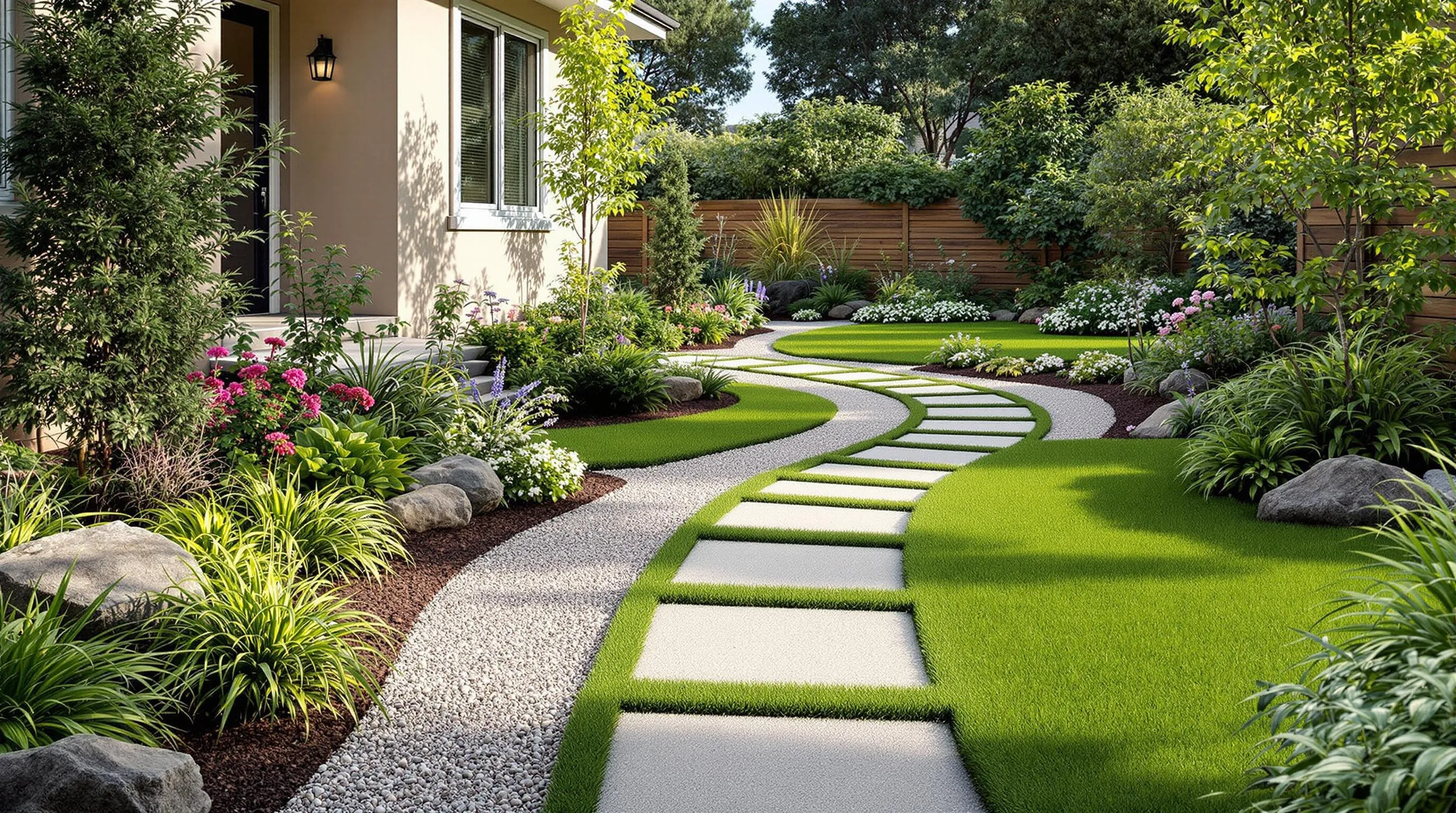
Your eco-friendly garden isn’t complete without thoughtful hardscaping choices. Sustainable hardscaping materials reduce environmental impact while creating beautiful, functional outdoor spaces that complement your green gardening practices.
Recommended Products


Widely Applicable -- Automatic drip irrigation system keeps your garden plants lush and thriving while you are on vacation! Widely used in Garden Planter Box, Lawn, Plantation, Greenhouse, Balcony, Patio, Flower Bed, Farm, etc.

Package Dimensions: 1.8 L x 14.4 H x 9 W (inches)
Permeable Paving Options
Permeable paving allows water to filter through your hardscaping rather than contributing to runoff problems. Consider installing permeable pavers made from recycled materials that leave gaps for water drainage. Gravel driveways and walkways offer excellent permeability while providing a natural aesthetic that blends with garden surroundings. Grass pavers—concrete or plastic grids filled with soil and grass—create green driveways that handle occasional traffic while maintaining permeability. For patios, try decomposed granite, which forms a firm surface while allowing water to seep through. These permeable options help recharge groundwater, reduce erosion, and prevent flooding during heavy rainfall.
Eco-Friendly Alternatives to Concrete
Traditional concrete has a massive carbon footprint, but several eco-friendly alternatives deliver similar performance with less environmental impact. Reclaimed brick and stone repurpose existing materials, adding character while eliminating the need for new resource extraction. Bamboo decking offers a renewable hardwood alternative that grows quickly without requiring replanting. For retaining walls, consider gabion baskets—wire cages filled with local stone—which provide drainage and habitat for beneficial insects. Wood certified by the Forest Stewardship Council (FSC) ensures your lumber comes from responsibly managed forests. When you must use concrete, look for mixes containing recycled aggregates or supplementary cementitious materials like fly ash that reduce the product’s carbon footprint by up to 30%.
Year-Round Eco Gardening Planning
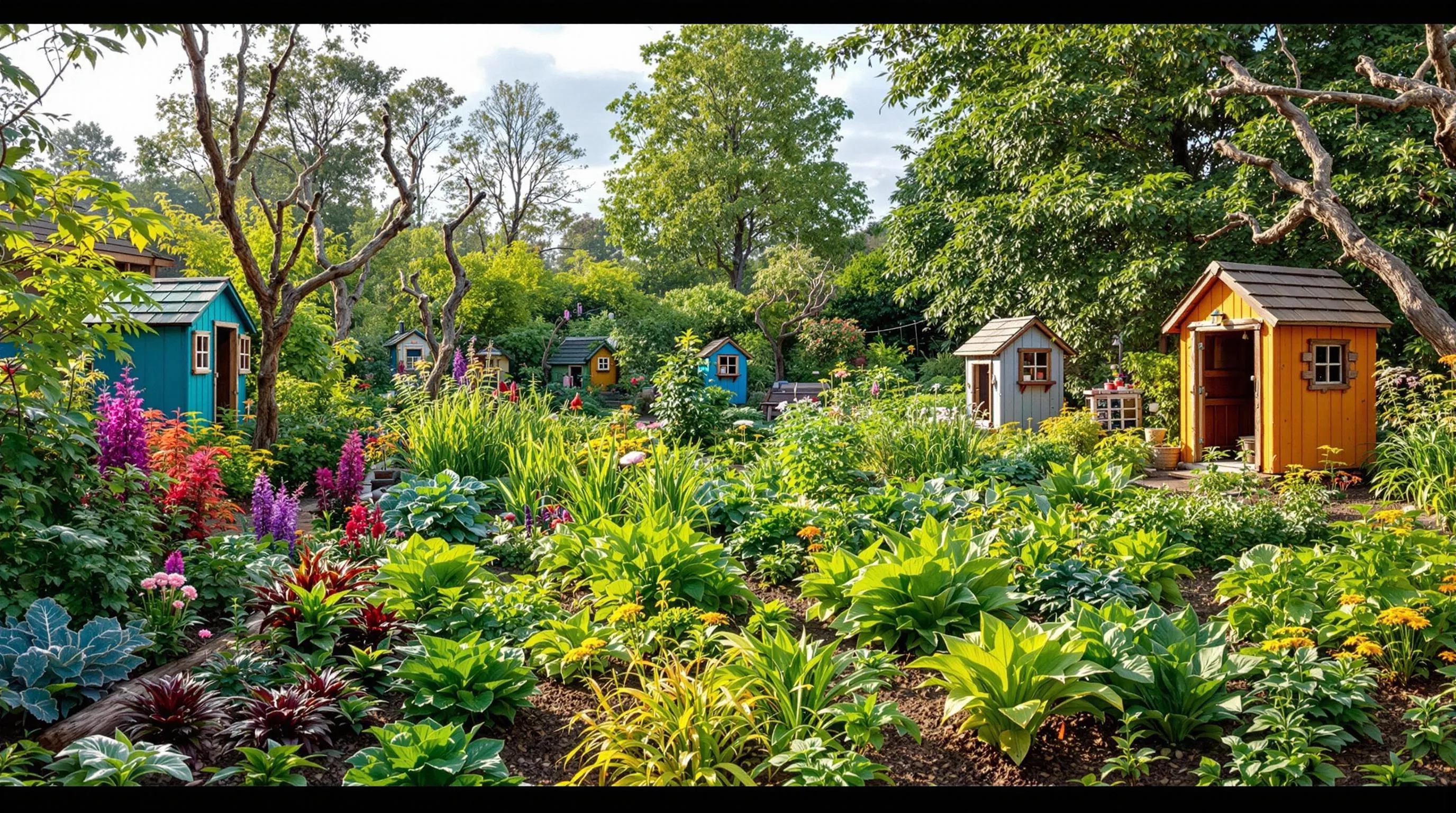
Maintaining an eco-friendly garden requires thoughtful planning across all seasons to maximize sustainability and productivity. By developing a year-round approach, you’ll create a garden that thrives continuously while minimizing resource use and environmental impact.
Recommended Products

The Best Value - Organo Republic Marigold Seeds Pack includes 1 oz or approximately 9,250 Non-GMO heirloom marigold seeds. Marigold (Tagetes erecta) offers vibrant ornamental beauty and is valued in traditional medicine for its anti-inflammatory and antimicrobial benefits.

Classic Genovese Basil - Ocimum basilicum sweet basil with large glossy green leaves and classic Italian aroma for pesto, caprese, sauces, containers, and raised-bed herb gardens from seed.

Beautiful - Large color packet of the popular culinary herb Genovese Basil (Ocimum Basilicum), a wonderful gift for the gourmet cook and gardener. Can easily be grown indoors in your kitchen or outdoors in the garden. There is actually enough seed to do both. Minimum of 400mg (about 400 seeds).
Seasonal Rotation Strategies
Carry out crop rotation to naturally maintain soil health and prevent pest buildup in your eco-friendly garden. Divide your garden into 3-4 sections and rotate plant families (like nightshades, legumes, and brassicas) through these areas each season. This practice disrupts pest cycles, balances soil nutrients, and reduces the need for chemical interventions. Create a simple garden journal to track what grows where, noting successful combinations and timing. Incorporate cover crops like clover or buckwheat during transition periods to protect and enrich your soil. Plan your rotations at least one year ahead, considering companion planting relationships that enhance growth and naturally deter pests. This systematic approach not only improves yields but also supports long-term soil vitality without synthetic fertilizers.
Winter Garden Sustainability
Don’t abandon your eco-garden during winter months—instead, transform it into a sustainable off-season haven. Protect your soil with mulch or cover crops like winter rye that prevent erosion while adding organic matter. Install row covers or cold frames using recycled materials to extend your growing season for cold-hardy vegetables such as kale, spinach, and carrots. Create wildlife shelters using fallen branches and leaves to support beneficial insects and birds that will help control pests come spring. Winter is also ideal for maintaining and repairing garden infrastructure using sustainable materials. Use this quieter season to collect rainwater, plan next year’s garden layout, and start seeds indoors using compostable containers. By maintaining garden activity year-round, you’ll reduce the resource-intensive spring restart while supporting continuous ecological processes.
Measuring Your Garden’s Environmental Impact
Transforming your outdoor space into an eco-friendly haven isn’t just good for the planet—it’s rewarding for you too. By embracing sustainable practices from rainwater harvesting to upcycled décor you’re creating a garden that works with nature rather than against it.
Remember that every small change matters. Whether you’re adding pollinator-friendly plants establishing compost systems or switching to solar lighting your choices contribute to a healthier network right in your backyard.
The true beauty of eco-friendly gardening lies in its accessibility. You don’t need special expertise or a large budget to make meaningful changes. Start with what inspires you most and gradually incorporate more sustainable practices as you grow. Your garden will become more resilient vibrant and environmentally positive with each mindful decision you make.
Recommended Products

The GreenStalk Vertical Planter is proud to be designed and manufactured completely in the USA. Made with high quality, BPA-free, UV-resistant plastic with a 5 year warranty.

Natural Loofah Production: These luffa sponge seeds grow 12-18 inch gourds on 10-30 ft vines, ideal for making durable natural bath sponges or harvesting young as edible squash in home garden.

[Versatile Hanging Roof]: Find a proper display spot for the creeping plants and basket plants. The raised garden bed has a wide hanging roof to provide additional growing space. As needed, it can also accommodate your ribbons, string lights, or colorful flags to decorate your backyard, patio, and deck.