
Want to grow fresh, juicy berries in your own garden but don’t know where to begin? You can easily transform your outdoor space into a productive berry haven, whether you have a large yard or just a small patio.
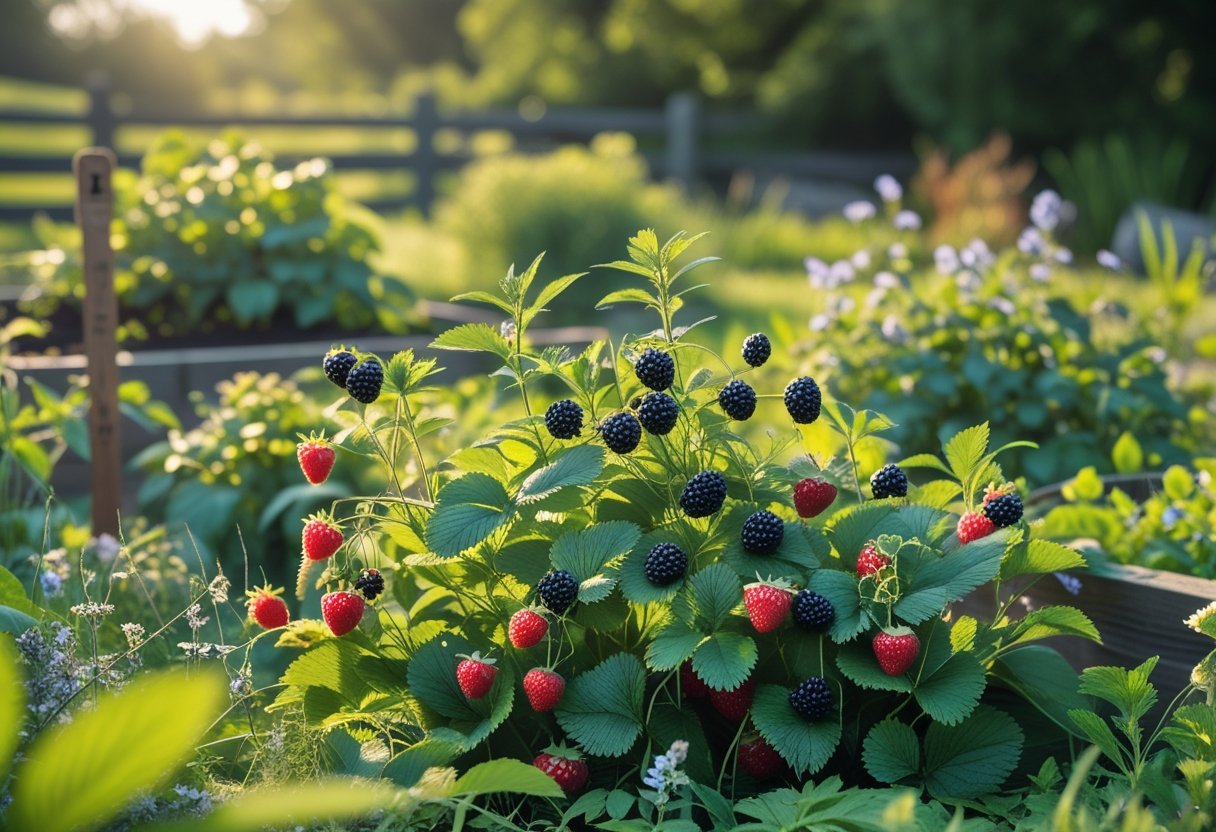
With practical ideas for planting wild berries, you’ll discover how to add beauty and flavor to your garden using creative methods suited to any space. These tips will guide you to start your own thriving berry garden with confidence.
1. Elevated Berry Growing Beds
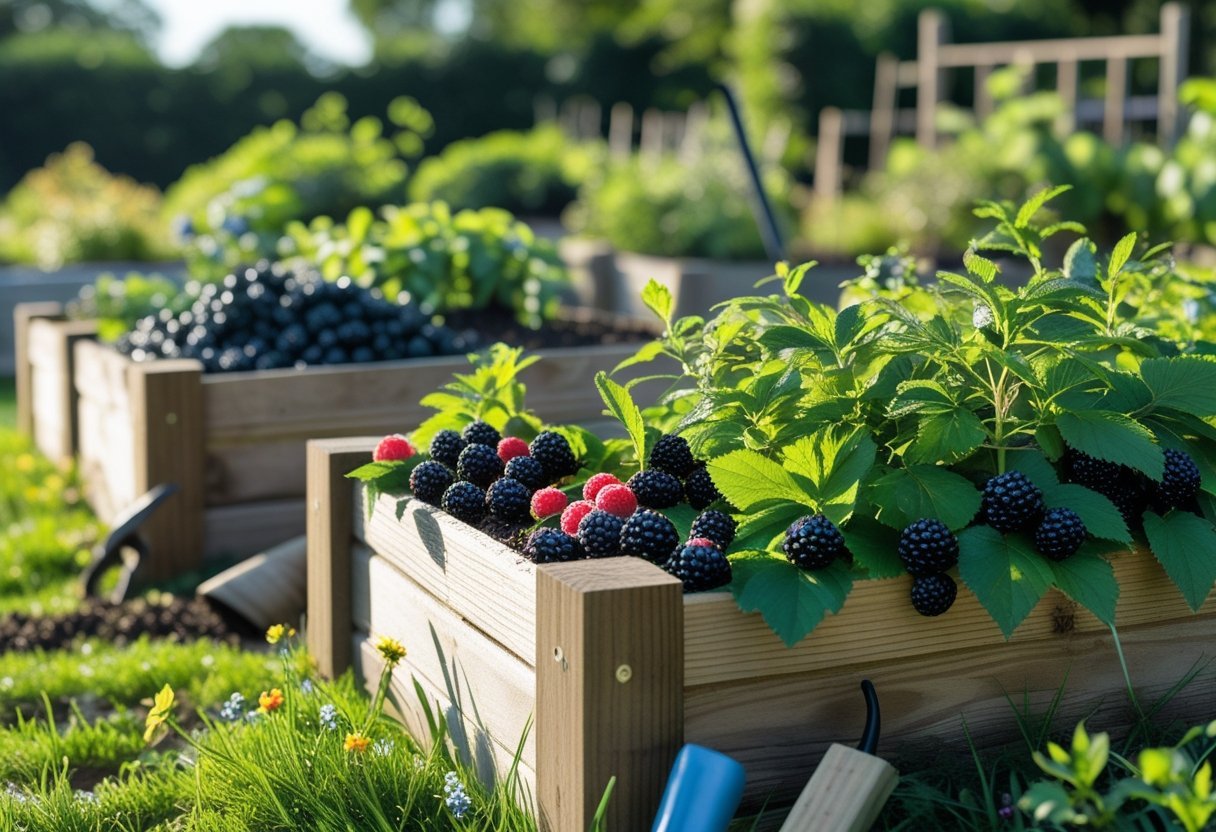
You benefit from improved drainage and balanced soil nutrients by using elevated beds for wild berries. They allow you to customize the soil mix to suit your plants’ needs. Harvesting becomes more convenient, and you face fewer problems with weeds and pests in this setup.
Recommended Products

BUILT TO LAST: Made of natural Chinese Fir wood to provide a gardening solution constructed to last through every season without discoloring or breaking down over the years

【Anti-Bird Protection Netting Structure】Raised garden bed with netting allows for ventilation while effectively protecting your plants from being damaged by birds and other small animals. It comes with a zippered door, making it very convenient for you to tend to your plants at any time.
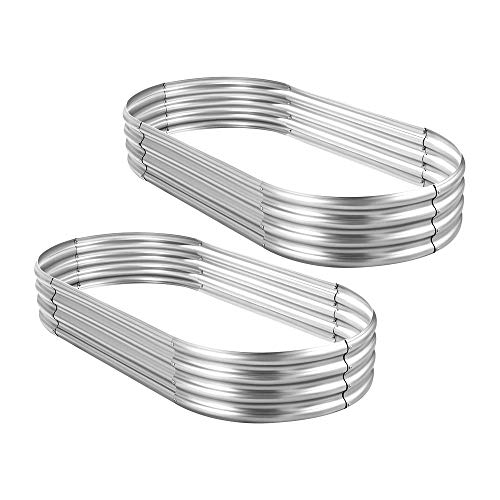
Each raised metal garden bed size: 4×2×1ft , 7Cu
2. Support System for Your Berry Plants
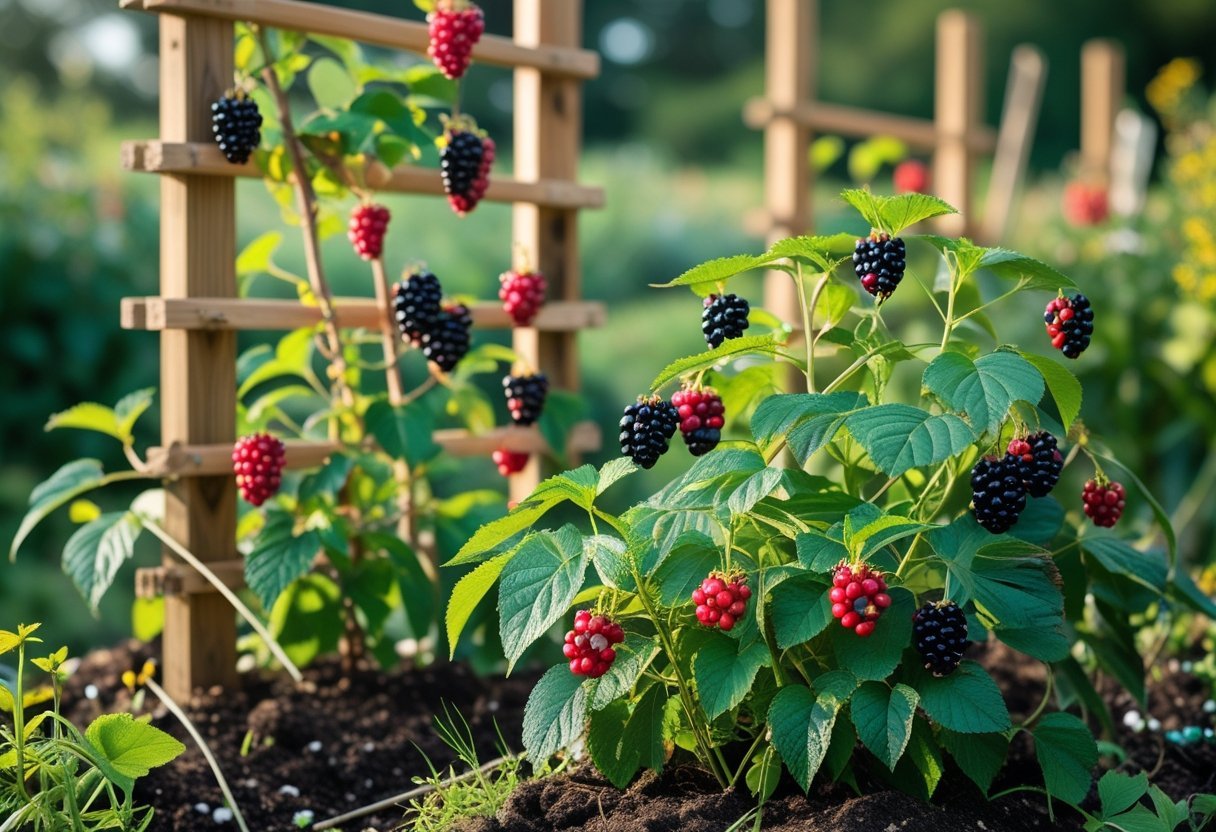
You can save space by training berries to grow vertically using a trellis. This prevents fruits from touching the soil, lowering the chances of rot and pests. Climbing berries like raspberries and blackberries respond well to this method, which also improves airflow around the plants. Additionally, a trellis adds a neat, organized look to your garden while supporting healthy growth.
Recommended Products

4pack Fiberglass Material Raspberry Cross Stake System with Adjustable Cross-bars, Height Adjustable
Fiberglass Material Raspberry Cross Stake System with 2 Cross-bars, Height Adjustable
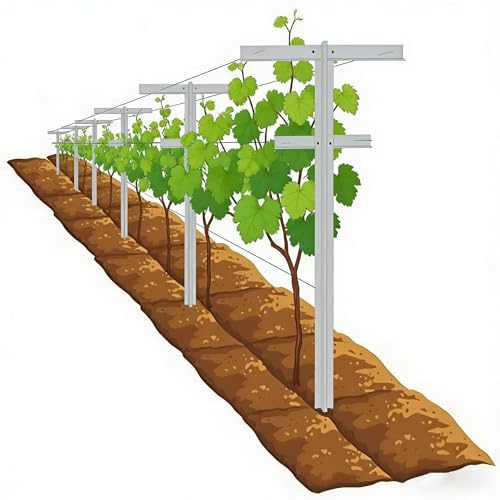
Fiberglass Material Raspberry Cross Stake System with Adjustable Arms
3. Edible Berry Hedge
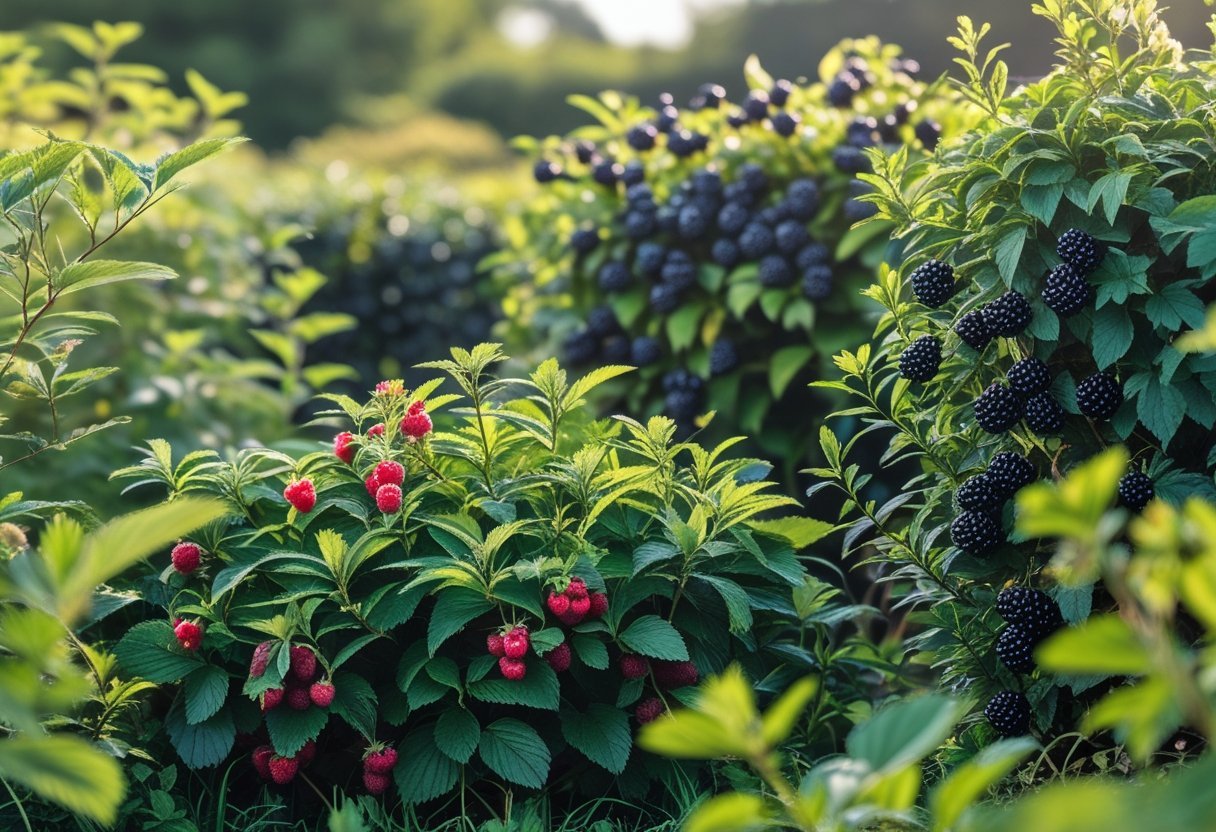
You can create a functional garden border by planting a hedge made of edible berry bushes. These hedges offer privacy while attracting birds and pollinators. Consider planting resilient options such as currants, gooseberries, or elderberries to ensure a low-maintenance and fruitful screen.
Recommended Products

Gooseberry Currant Cross Gooseberry Plant Live For Planting, Edible Berries Starter Plant 5-9 Inc Tall

Gooseberry Currant Bush Live Plant, Sweet Gooseberry Plant Live For Planting, Edible Berries 5-9 Inch Tall

Gooseberry Plant Live For Planting, Gooseberry Tree Edible Berries Starter Plant, Gooseberry Fruits Shrub 5-9 Inc Tall
4. Diverse Berry Planting Along Borders
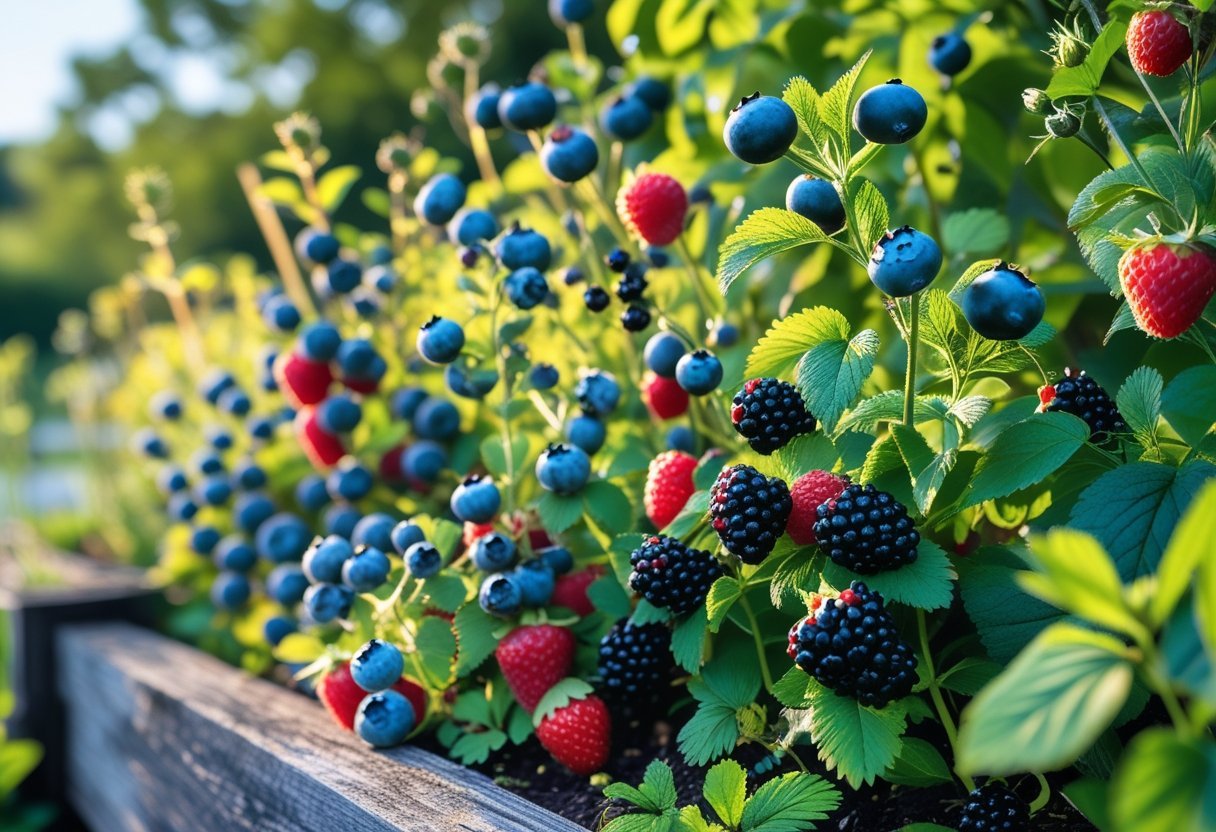
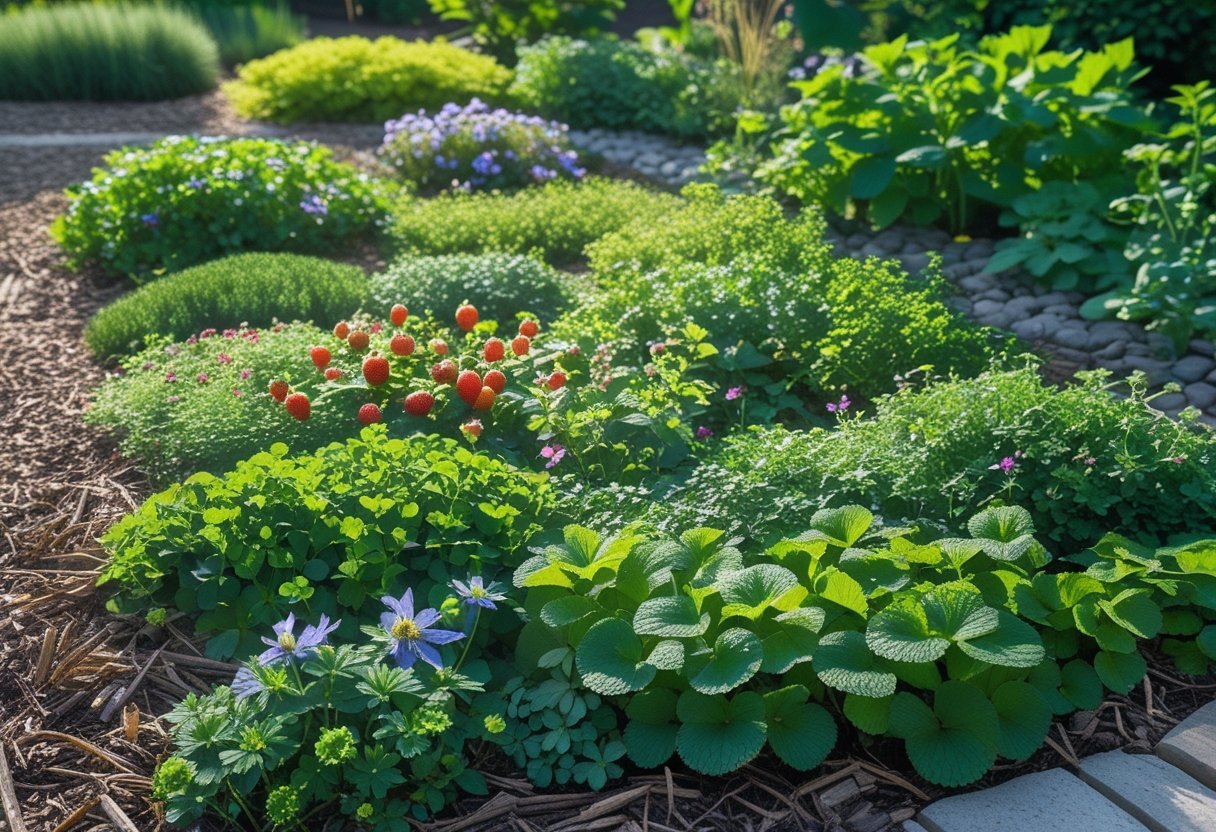
You can create vibrant edges by planting several types of berry bushes near paths or fences. Incorporating different wild berries helps bring useful pollinators to your garden. This setup also allows you to pick berries at various times, extending your fresh harvest period.
Recommended Products

High-quality Product: Thick, high-quality PP materials can be used repeatedly without fading, not easy to crack even in summer; Suitable for garden or indoor use

Space-Saving : This strawberry planter maximizes your gardening space by stacking 5 layers to grow more plants in a compact area. The strawberry tower planter is ideal for patios, balconies, or indoor use
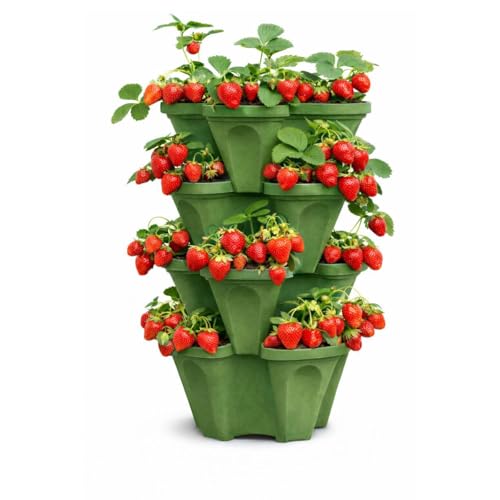
Grow 16 Plants in Just 1 Square Foot Maximize your harvest with this vertical planter tower featuring 4 stackable tiers and 16 planting sites. Perfect for strawberries, herbs, lettuce, and small vegetables in tight spaces.
5. Upright Berry Garden Wall
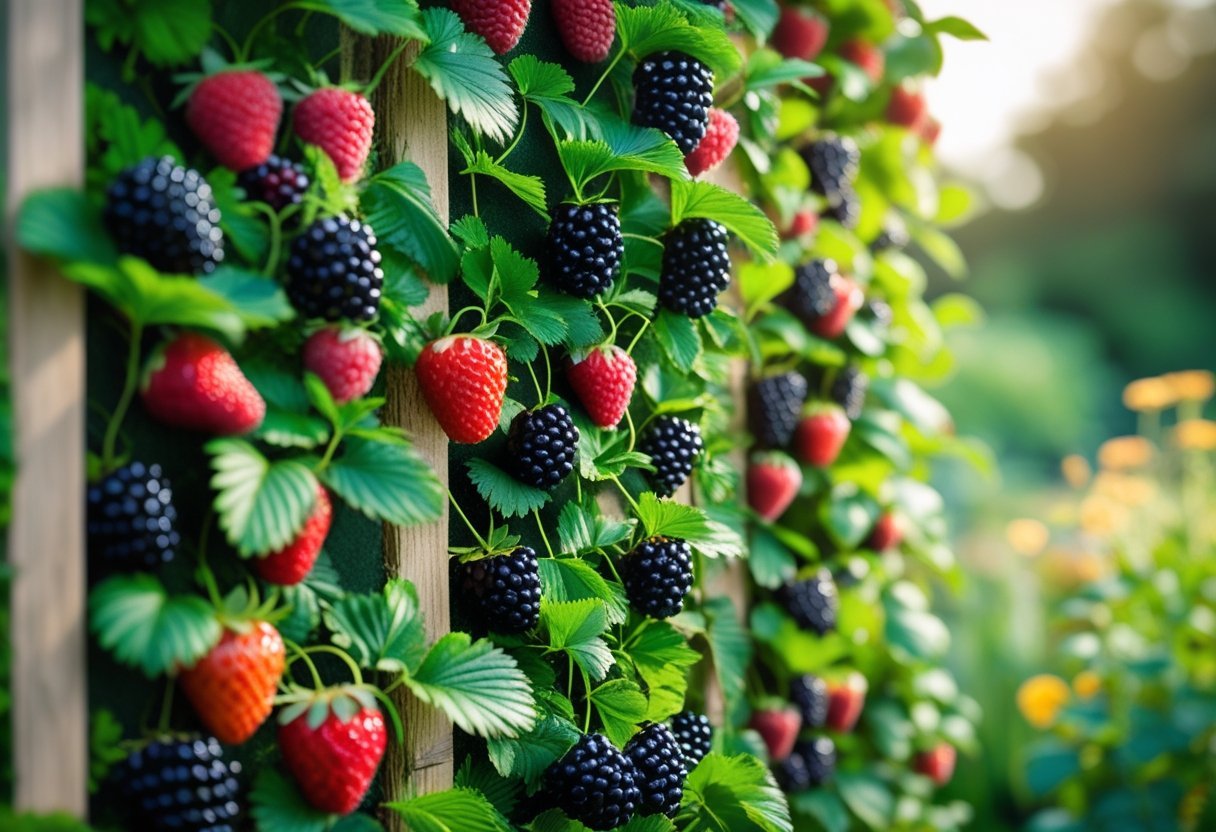
You can maximize limited space by growing berries vertically using stacked or wall-mounted containers. This method works well for strawberries, raspberries, and other climbing varieties. Not only does it keep your garden organized, but it also creates an attractive, green feature that enhances your outdoor area.
Recommended Products
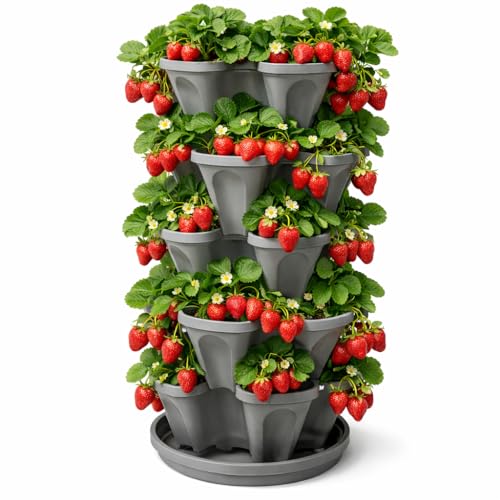
SPACE-SAVING VERTICAL GARDEN PLANTER – Grow more in less space with this 5-tier stackable planter designed for patios, balconies, decks, apartments, and small gardens....
6. Growing Berries in Containers

You can create a flexible berry garden by using pots or planters, ideal for small spaces like patios or balconies. Controlling soil quality is easier in containers, helping your berries thrive. Blueberries, strawberries, and dwarf raspberries adapt well to this setup, offering fresh fruit without needing a large garden area. Keep soil conditions consistent for best results.
Recommended Products

Raised Garden Bed: Cultivate plants like vegetables, flowers, herbs in your patio, yard, garden, and greenhouse

LARGE PLANTING SPACE: 8.4 cubic feet of space can support your choice of flowers, succulents, vegetables, and more
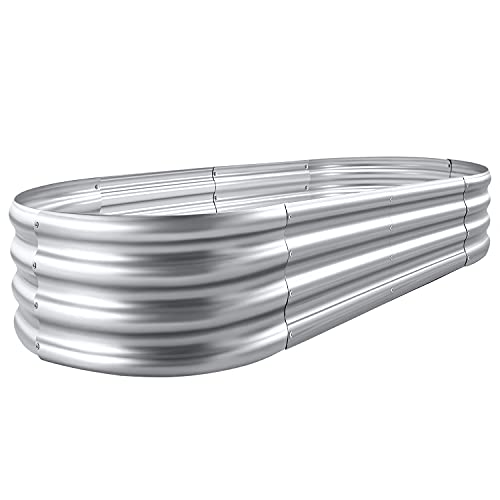
Each raised metal garden bed size: 4×2×1ft ,7.14Cu
7. Natural Berry Patch Among Trees
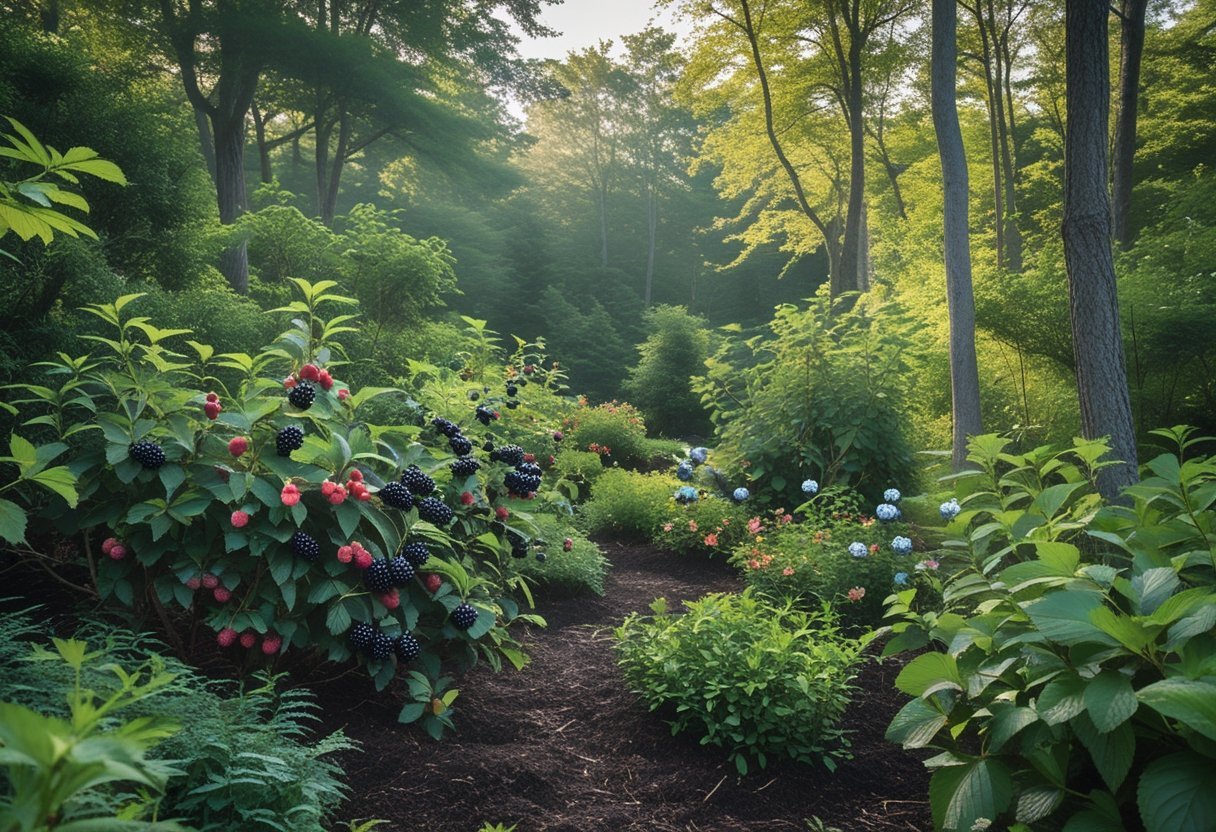
You can create a berry area that fits with native trees and shrubs, much like a forest environment. Shade from trees helps keep soil moist, which suits berries such as elderberries and wild blackberries. This type of garden also supports wildlife by drawing birds, pollinators, and helpful insects into your space.
Recommended Products
Fiberglass Material Raspberry Cross Stake System with 2 Adjustable Cross-bars

This grape vine support is made of quality PP material, Can be reused,not easy to break,can be easily distorted and on the vine.Easily clips to trellising twine and doesn't slip.
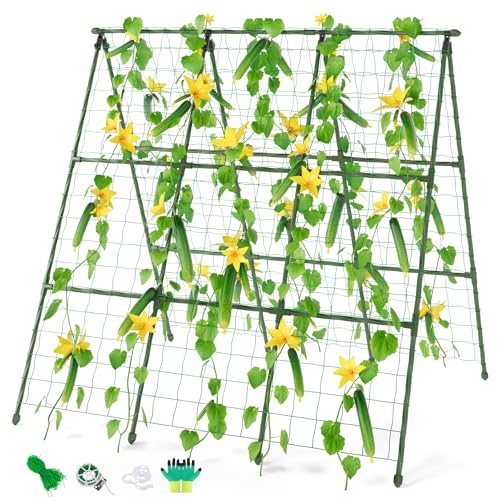
🌱 ADJUSTABLE WIDTH CUCUMBER TRELLIS FOR RAISED BEDS: Designed to fit most standard raised garden beds, this 48-inch long A-frame cucumber trellis features an adjustable width design that maximizes vertical growing space while keeping plants organized. Perfect for cucumbers, tomatoes, beans, peas, and other climbing vegetables, making pruning, watering, and harvesting easier.
8. Berry and Wildflower Meadow Mix
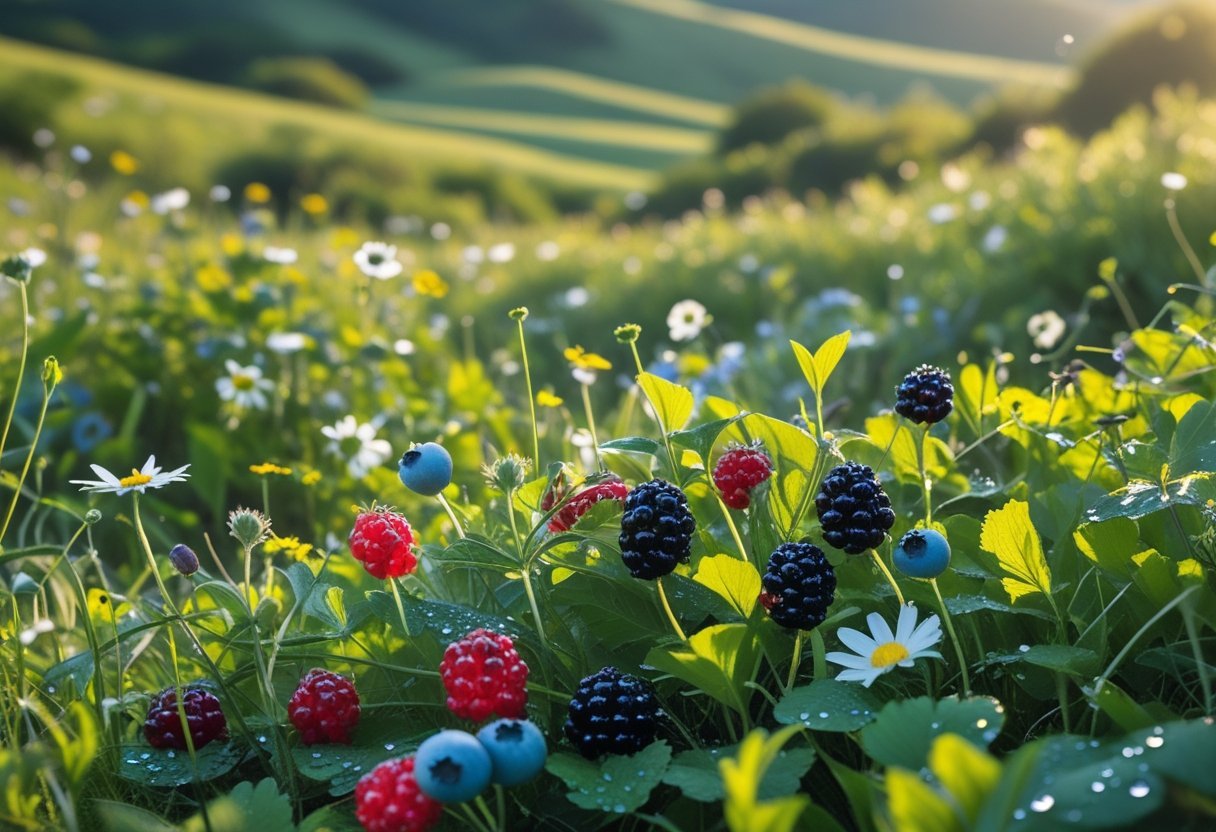
Planting wild berries alongside native wildflowers invites pollinators like bees and butterflies to your garden. This natural pairing encourages effective pollination, which can improve your berry harvest. You’ll spend less time on upkeep since both thrive well in a low-maintenance, natural setting.
9. Berry Vine Archway for Your Garden
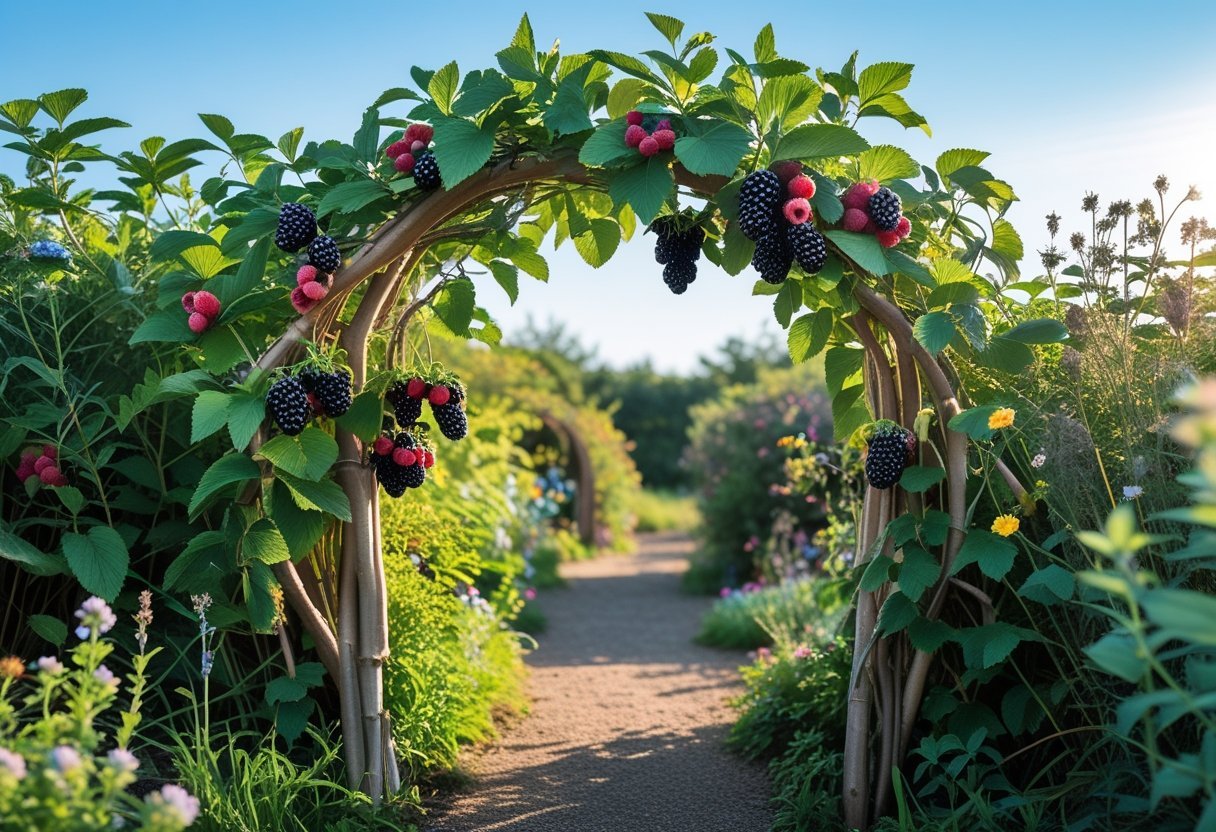
You can create a welcoming entry by training climbing berry plants like blackberries or grapes over an archway. This setup not only looks attractive but also makes harvesting easier. Supporting the vines encourages good airflow, which helps keep the plants healthier and your berries fresh.
Recommended Products

Package Includes: You will receive 2 pcs garden bird netting plant cover for vertical strawberry planter, the size is 39 x 20 inch (Please measure the overall size of your planter plus the canopy width of your plants before purchasing), appropriate size is suitable for 3-5 tier stackable planter pot, ideal for protecting strawberry from insects, birds and many other animals. (NOT include stackable planter)

Larger Capacity for Bigger Growth: This large vertical planter tower offers increased planting volume and root space, making it ideal for serious gardeners, backyard food production, and high-yield growing.

Grow 16 Plants in Just 1 Square Foot Maximize your harvest with this vertical planter tower featuring 4 stackable tiers and 16 planting sites. Perfect for strawberries, herbs, lettuce, and small vegetables in tight spaces.
10. Creating a Garden That Supports Pollinators
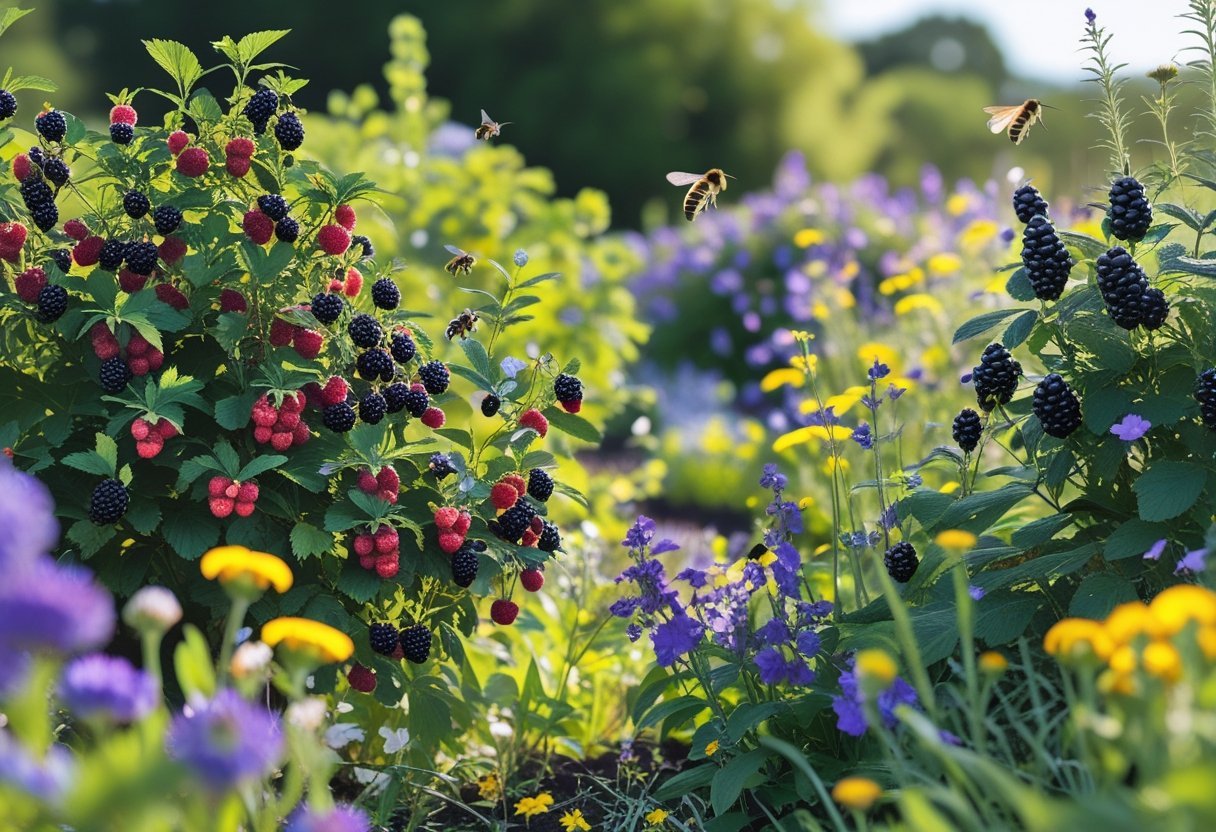
To boost your berry harvest, include plants that attract bees, butterflies, and helpful insects. You can add herbs like lavender or flowers such as echinacea near your berry plants. These companions increase pollination, which leads to better growth and production.
11. Creating a Walkway with Berry Plants

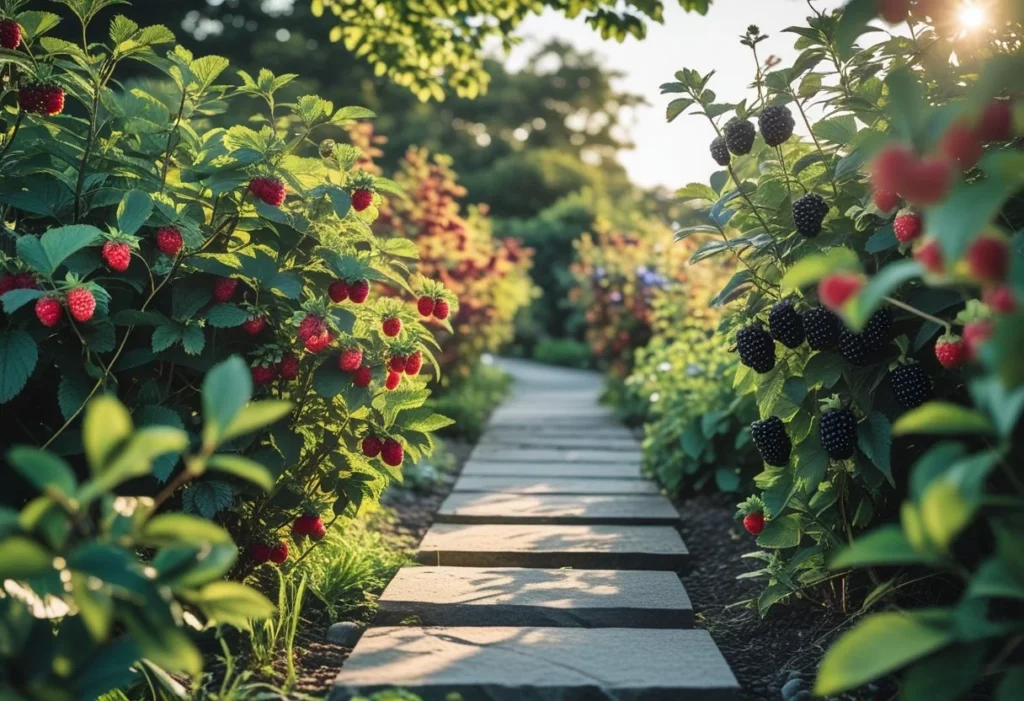
You can design a garden pathway woven through berry bushes to provide an engaging picking activity. This setup makes the most of available space and suits larger yards well. As you walk the maze, you’ll enjoy easy access to fresh berries while adding a unique feature to your garden.
12. Companion Planting for Berry Beds
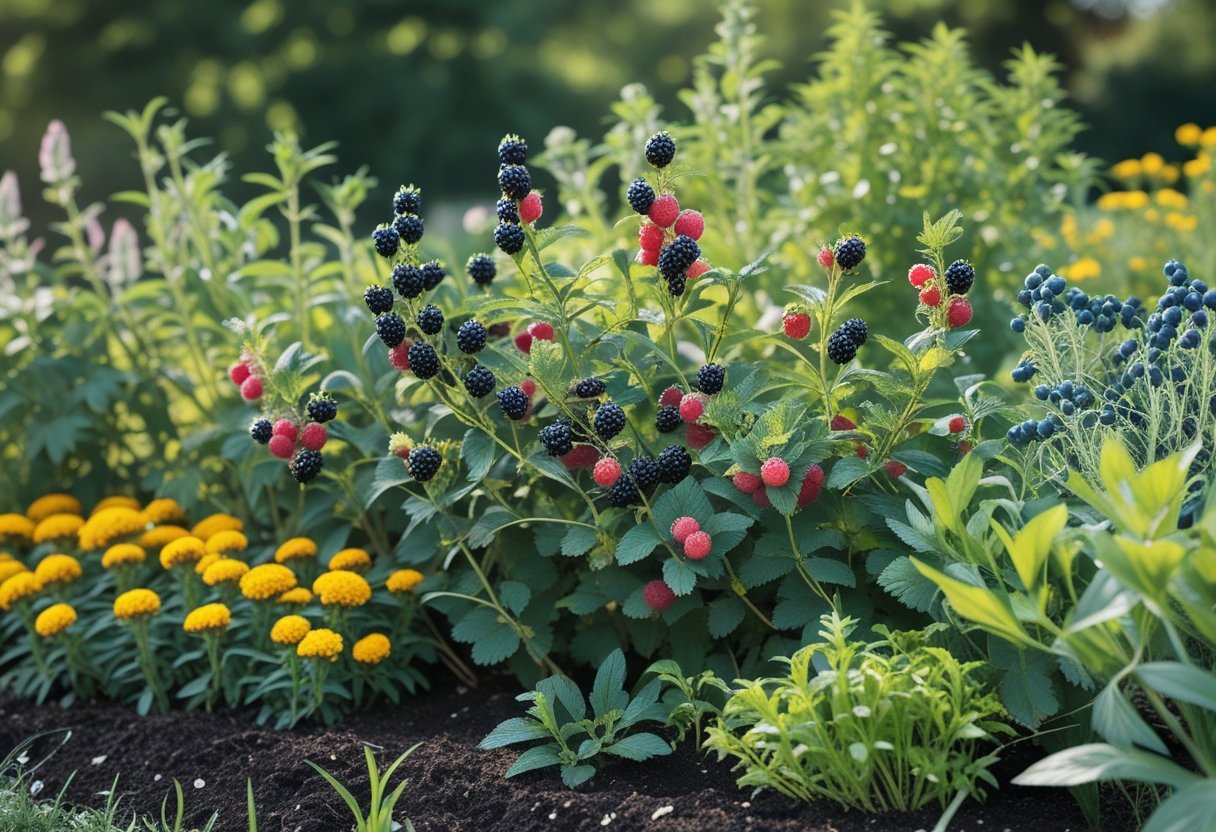
You can improve berry growth by planting species that protect against pests or boost soil nutrients. Try marigolds, chives, or basil alongside strawberries. For raspberries, include nitrogen-adding plants like clover. This method supports natural balance, lowering the need for chemicals in your garden.
13. Hanging Basket Berry Garden
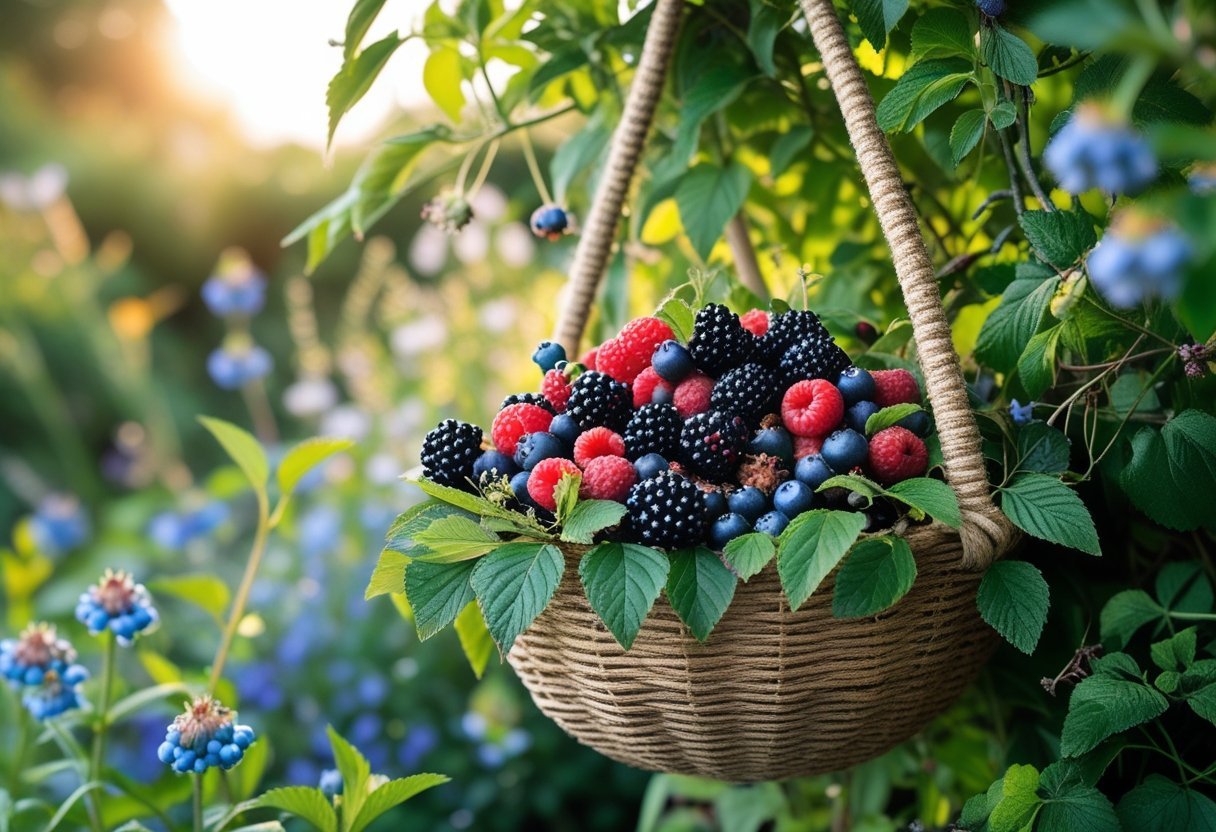
You can save garden space by growing strawberries or small berry plants in hanging baskets. Keeping berries elevated helps reduce pests and diseases compared to ground planting. Hanging containers also improve sunlight exposure, making it easier for you to harvest and encouraging healthier plant growth.
14. Pathway Flanked by Berry Plants
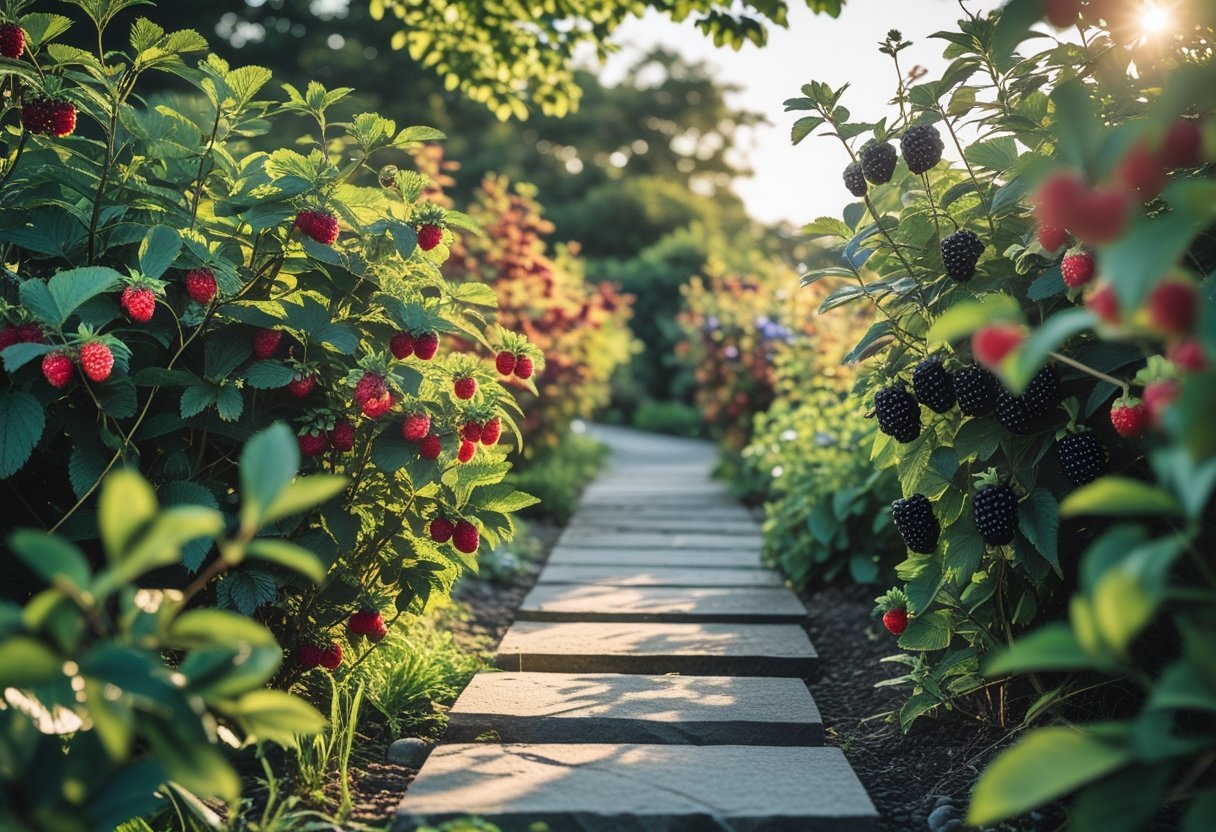
You can enhance your garden by planting berry bushes along a walkway. Choose low-growing strawberries or blueberries to create attractive, edible edges. This setup lets you conveniently pick fresh fruit while moving through your outdoor space, combining practicality with natural charm.
15. Layered Berry Planter
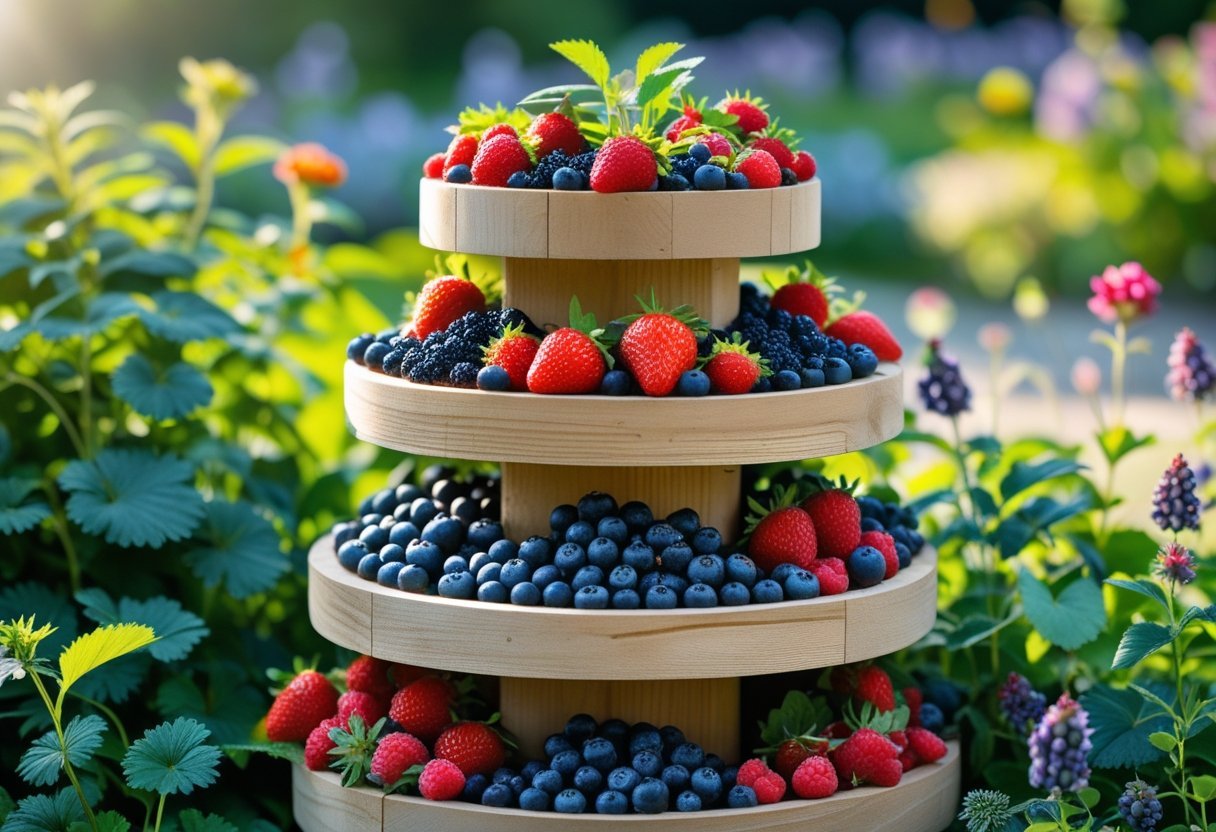
You can save space by stacking multiple berry plants vertically in a layered planter. This setup works well on patios or small yards, allowing you to grow several berry types together. Its design promotes good drainage and sunlight for each plant, supporting healthy growth.
16. Creating a Habitat with Wild Berry Plants
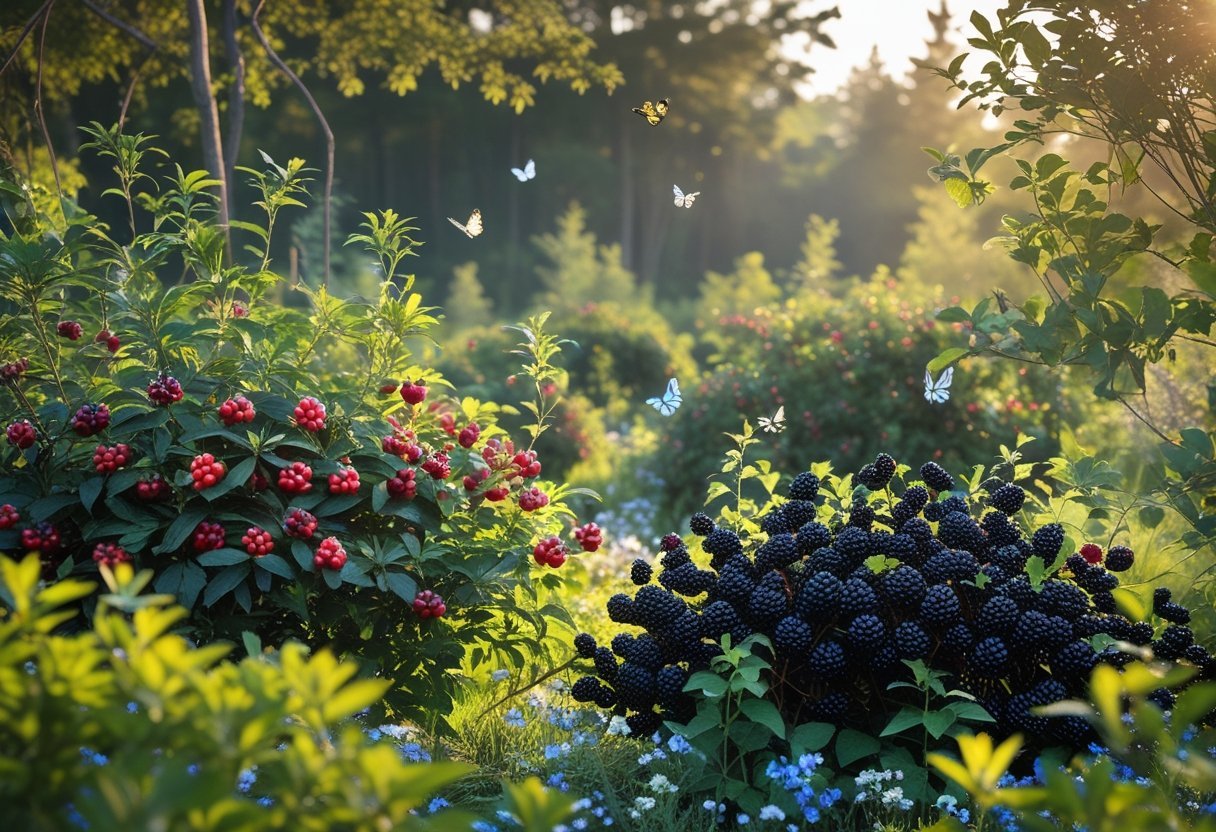
You can support local birds, bees, and small mammals by planting various wild berry species like elderberries and serviceberries. This approach provides a reliable natural food source and encourages a balanced ecosystem. Incorporating diverse berry plants helps your garden become a thriving space for wildlife and people alike.
17. Pergola with Climbing Berry Plants
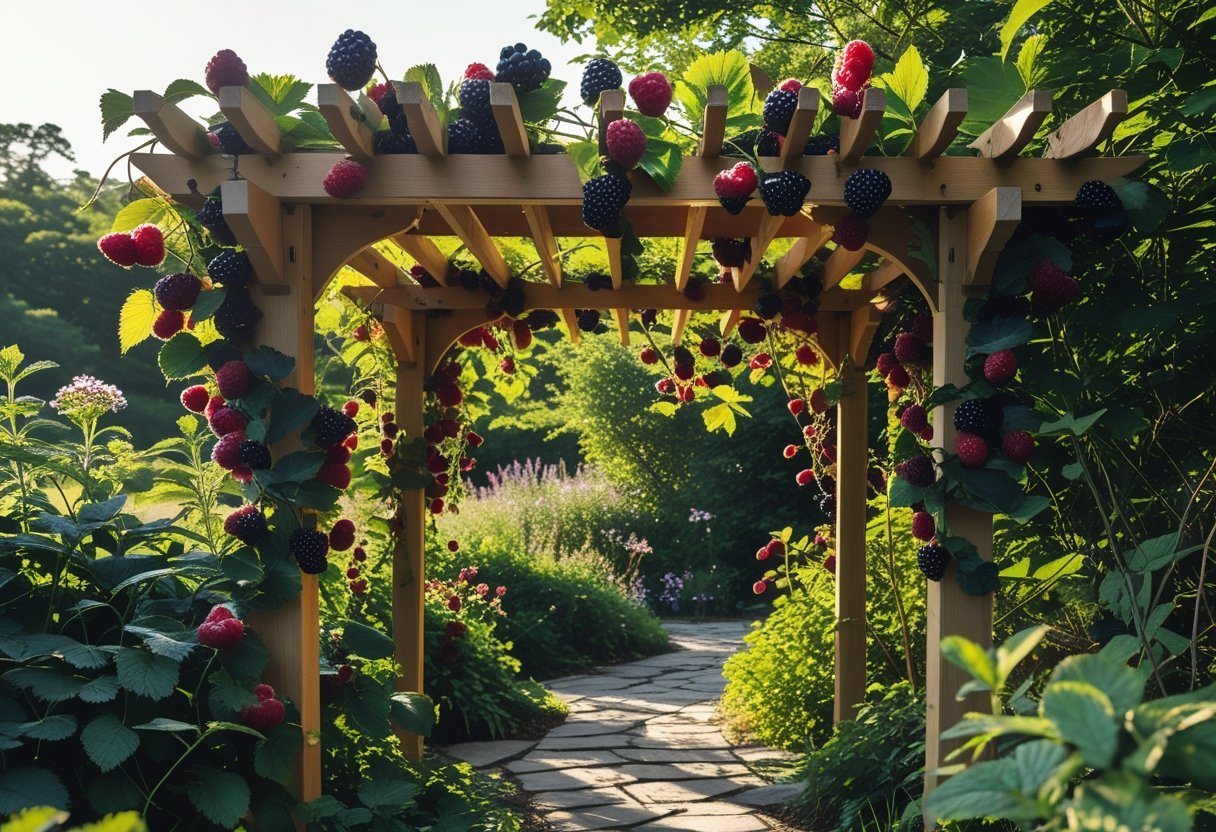
You can create a shaded, inviting space by training climbing berries such as raspberries or grapes over a pergola. This setup supports the vines, encouraging upward growth, which improves air flow and fruit yield. A pergola filled with berry vines adds both visual interest and practical value to your garden.
18. Setting Up Hydroponic Wild Berry Growth
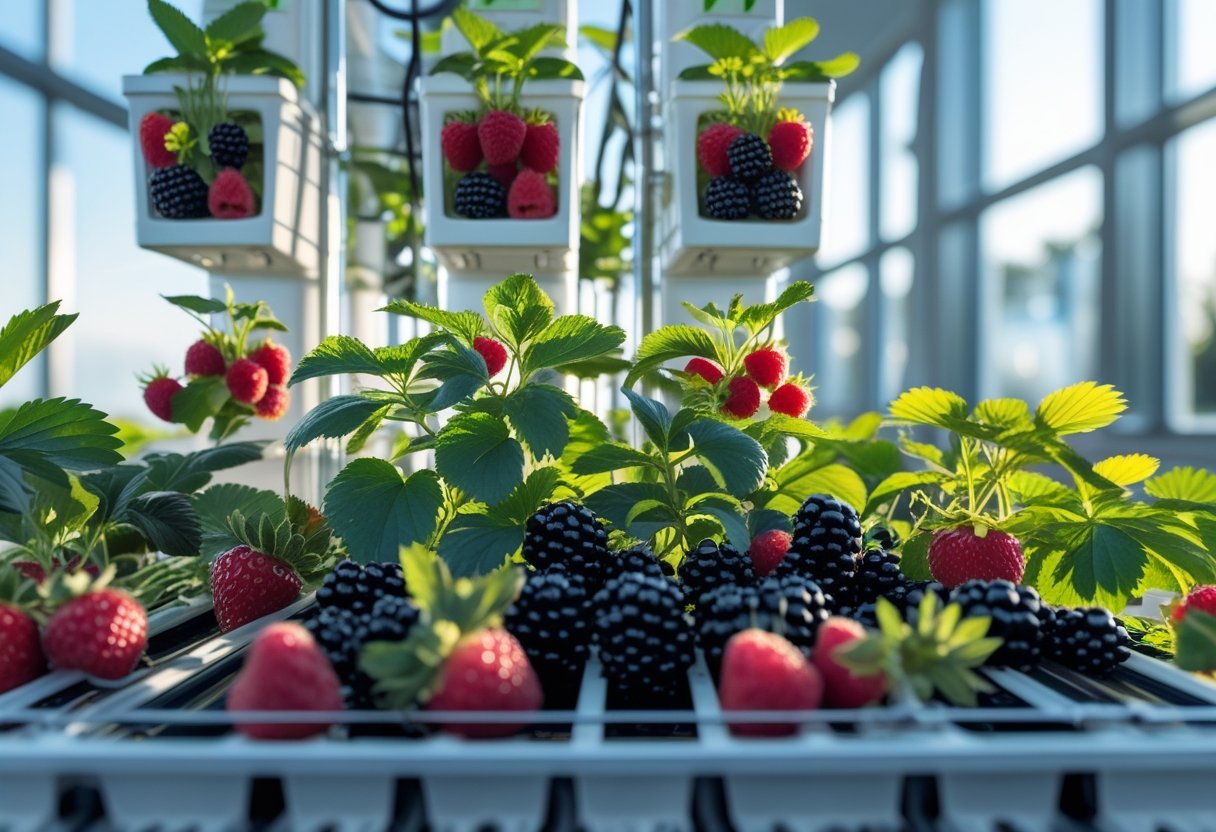
You can grow wild berries without soil by using hydroponic systems, which work well in small or indoor spaces. These setups supply plants with nutrient-enriched water, supporting varieties like strawberries and raspberries. This method often boosts fruit production while reducing water use and avoiding soil problems.
19. Incorporating Wild Berries into a Rock Garden

You can create a visually appealing and functional garden by combining wild berries with rocks. Berries such as lingonberries and alpine strawberries adapt well to rocky areas with excellent drainage. This makes them a natural choice for rock gardens where soil conditions might be challenging.
Using wild berries in your rock garden adds texture and color through their foliage and fruit. You also support local pollinators and wildlife by including these plants. Options range from planting in raised beds or containers nestled among stones to establishing a low-maintenance berry hedge that complements natural rock formations.
Consider arranging your berry plants to ensure airflow and easy access for harvesting. Maintaining regular care like watering and organic feeding will help keep your berry plants productive with minimal effort. This approach brings fresh fruit to your outdoor space while making efficient use of rocky terrain.