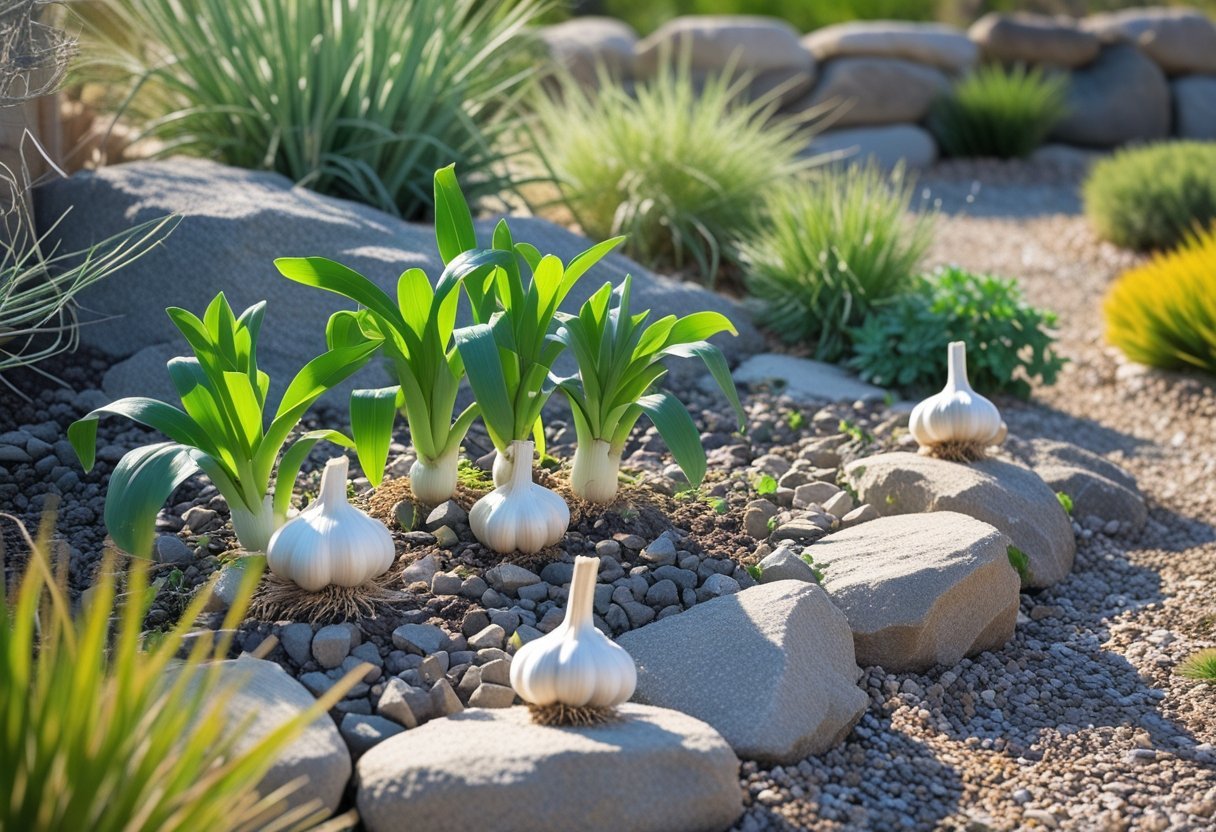

Classic Single Tulips: Timeless Beauty in Simple Forms
Classic single tulips represent the quintessential tulip form that most gardeners envision when thinking of these beloved spring flowers. With their simple cup-shaped blooms and clean lines, these varieties offer timeless elegance that has captivated flower enthusiasts for centuries.
Recommended Products

PREMIUM BULBS: Package contains 10 Premium Tulip Bulbs. Large bulbs size 12/+ cm

PREMIUM BULBS: Package contains 12 Premium Tulip Bulbs. Large bulbs size 11/12 cm.

PREMIUM BULBS: Package contains 10 Premium Tulip Bulbs. Large bulbs size 12/+ cm.
Darwin Hybrid Tulips: The Garden Workhorses
Darwin Hybrid tulips earn their reputation as garden workhorses through their exceptional performance year after year. These sturdy performers boast large, vibrant blooms on strong stems reaching 22-30 inches tall, making them perfect for dramatic garden displays and cutting gardens. Unlike more finicky tulip varieties, Darwins often return reliably for multiple seasons, especially when planted in well-draining soil at the proper depth of 6-8 inches. Their mid-spring flowering period bridges the gap between early and late-season tulips, extending your garden’s color show. Popular varieties include the scarlet-red ‘Apeldoorn,’ sunny ‘Golden Apeldoorn,’ and the striking pink-and-white ‘Pink Impression.’
Single Early Tulips: Heralding Spring’s Arrival
Single Early tulips bring the first bold colors to your spring garden, typically blooming 2-3 weeks before other tulip varieties. These compact plants stand 10-18 inches tall with perfectly formed cup-shaped flowers that withstand spring’s unpredictable weather conditions. Their earliness makes them ideal companions for daffodils, hyacinths, and other early spring bulbs. Plant these tulips in clusters of 7-12 bulbs for maximum impact, allowing their bright colors like the pure white ‘Purissima,’ the cheerful yellow ‘Yokohama,’ or the rich purple ‘Negrita’ to announce that spring has officially arrived. Their shorter stems also make them excellent choices for container gardens and windy locations.
Double Tulips: Lush Blooms That Resemble Peonies
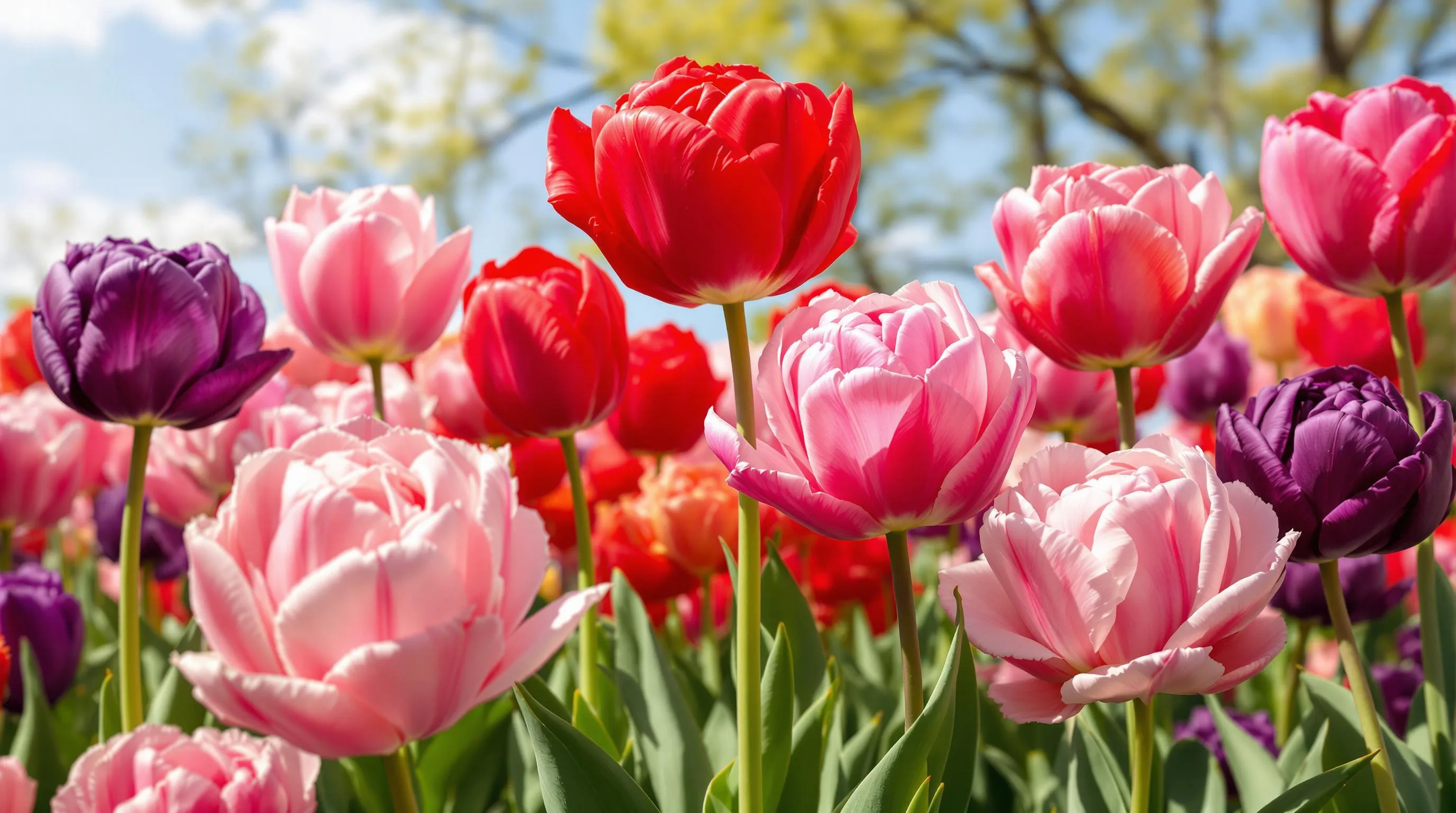
Double tulips stand out in any garden with their abundant petals creating full, peony-like blooms that add remarkable texture and volume. These show-stopping varieties feature twice the normal number of petals, creating lush, ruffled flowers that often last longer than single tulips and make exceptional cut flowers.
Recommended Products

Pollinator Favorite: The large, open blooms attract pollinators like bees and butterflies, adding ecological value to your garden while enhancing the visual appeal.
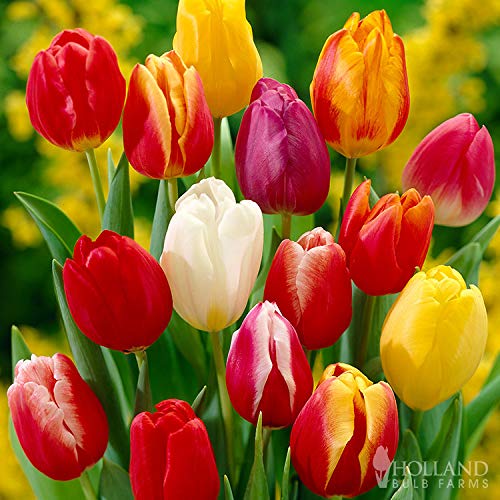
PREMIUM BULBS: Package contains 25 Premium Tulip Bulbs. Large bulbs size 11/12 cm
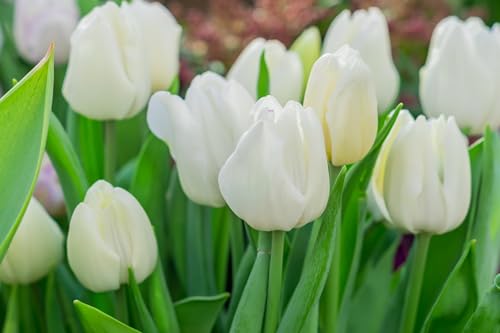
White Wedding Dress Tulip Bulbs produce elegant pure white Darwin Hybrid tulips with large classic blooms and strong upright stems. These top size fall planting bulbs grow into impressive spring flowers approximately 20–24 inches tall, making them excellent for landscape beds, borders, walkways, containers and coordinated white garden designs.
Double Early Tulips: Spring’s First Full Blooms
Double Early tulips burst onto the scene in early to mid-spring, bringing plush, multi-petaled blooms when most gardens are just waking up. These compact varieties typically reach 10-12 inches tall, making them perfect for windswept gardens and front-of-border plantings. Standout varieties include ‘Foxtrot’ with its soft pink petals that deepen at the edges, ‘Abba’ showcasing vibrant red blooms with remarkable weather resistance, and ‘Peach Blossom’ offering delicate apricot-pink flowers that brighten any spring industry. Plant these tulips in fall, 6 inches deep and 4-5 inches apart in well-draining soil for optimal growth and flowering.
Double Late (Peony) Tulips: Summer’s Luxurious Finale
Double Late tulips, also called Peony tulips, provide a magnificent grand finale to the tulip season with their massive, fully double blooms appearing in mid to late spring. These impressive varieties grow 16-20 inches tall and produce flowers up to 4 inches across that truly mimic the lushness of peonies. Popular cultivars include ‘Angelique’ with its soft blush-pink petals that fade to white, ‘Mount Tacoma’ featuring snow-white blooms with green flames, and ‘Black Hero’ displaying dramatic deep purple-black flowers that create striking focal points. These tulips benefit from sheltered locations as their heavy blooms can suffer in strong winds and rain. Their extended blooming period and exceptional vase life make them invaluable for late spring garden displays and cut flower arrangements.
Parrot Tulips: Nature’s Artistic Masterpieces
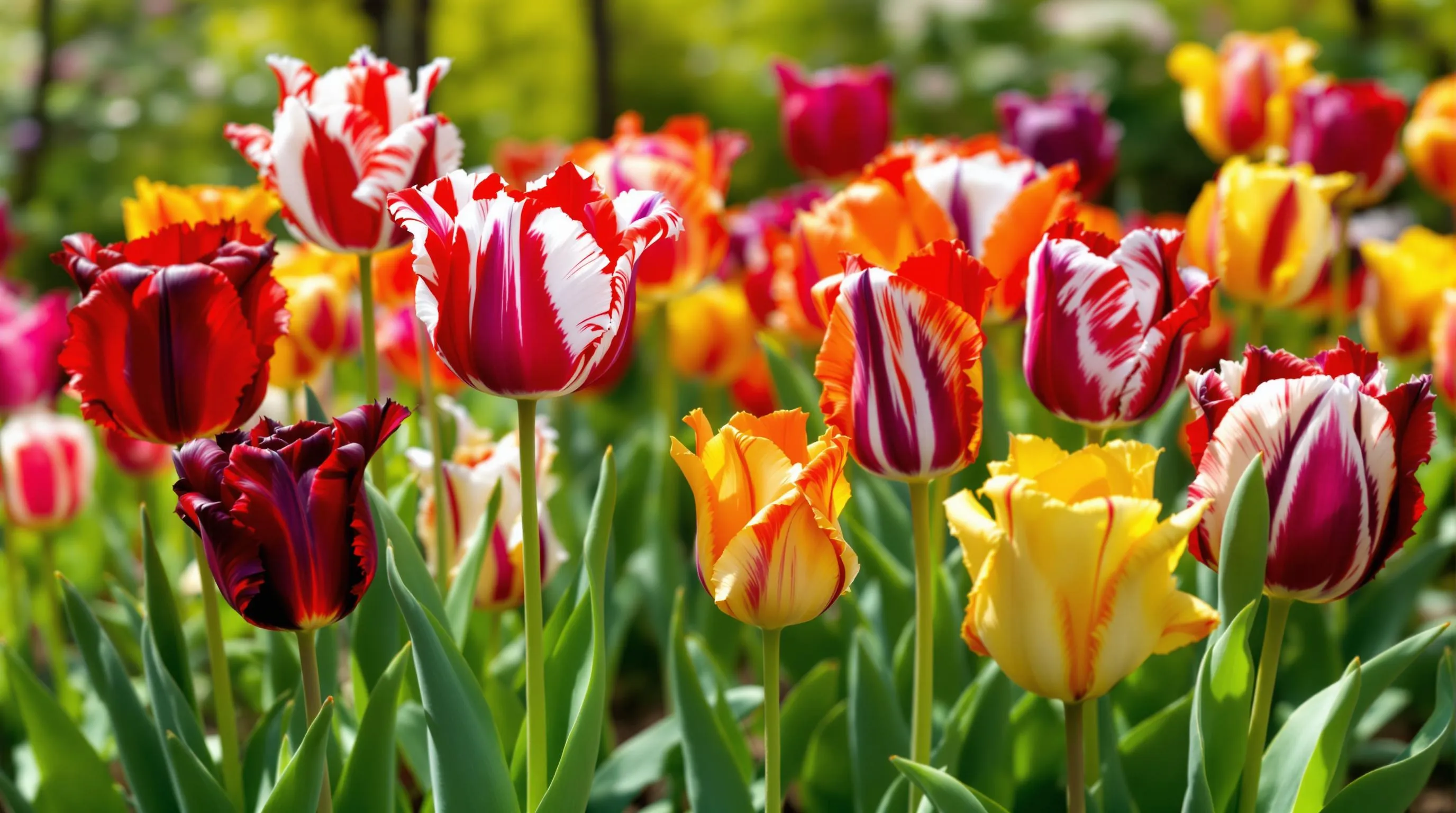
Parrot tulips stand as living sculptures in the garden, characterized by their ruffled, twisted petals that resemble the feathers of exotic birds. These extraordinary blooms result from mutations of late-flowering tulips, creating some of the most visually striking varieties in the tulip family.
Recommended Products

Stunning Double Blooms: The Finola Double Tulip produces lush, peony-like flowers. These multi-petaled blooms add an air of elegance to any garden and can reach up to 4 inches in diameter, creating a bold, luxurious display.

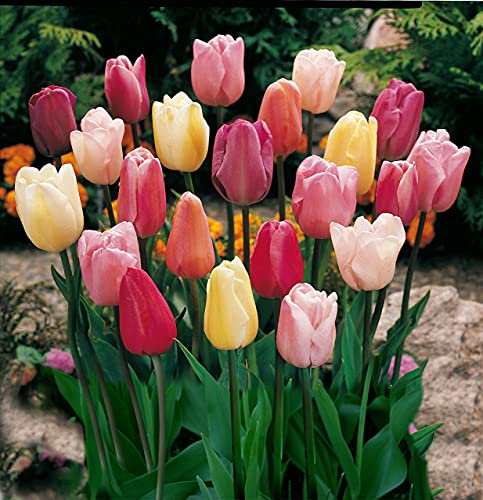
Multi Colors in spring
Distinctive Features and Growing Tips
Parrot tulips showcase deeply fringed, curled, and wavy petals with vibrant color combinations that often include streaks, flames, or feathering patterns. These dramatic blooms can reach 4-6 inches in diameter, making them exceptional focal points in spring gardens. Popular varieties include ‘Black Parrot’ with its deep purple-black petals, ‘Estella Rijnveld’ featuring red and white striped blooms, and ‘Texas Flame’ with its sunset orange and yellow coloration. For optimal growth, plant parrot tulips in fall in well-draining soil with 6-8 hours of sunlight. These tulips typically flower in mid to late spring and benefit from staking due to their large, heavy blooms that can make stems bend during rainy weather.
Showcase-Worthy Varieties
‘Rococo’ stands among the most dramatic parrot tulips, displaying crimson-red petals with green flames and extreme ruffling that creates a truly theatrical presence. ‘Green Wave’ offers a unique color palette with green-streaked cream petals that curl and twist dramatically. ‘Flaming Parrot’ lives up to its name with yellow petals extensively flamed with red, creating a fiery effect in borders and containers. These show-stopping varieties make exceptional cut flowers, lasting 7-10 days in arrangements when stems are cut at an angle and placed in clean water with flower preservative.
Industry and Design Applications
Parrot tulips create maximum impact when planted in clusters of 7-15 bulbs rather than in straight rows. Their artistic forms make them perfect companions for more structured plants like boxwood or ornamental grasses that provide support and contrast. In cottage gardens, pair them with forget-me-nots or violas for a charming spring display. For contemporary landscapes, plant parrot tulips in monochromatic groupings for a sophisticated statement. Their dramatic presence makes them particularly effective in raised beds and containers where their intricate details can be appreciated up close.
Lily-Flowering Tulips: Elegant and Graceful Options
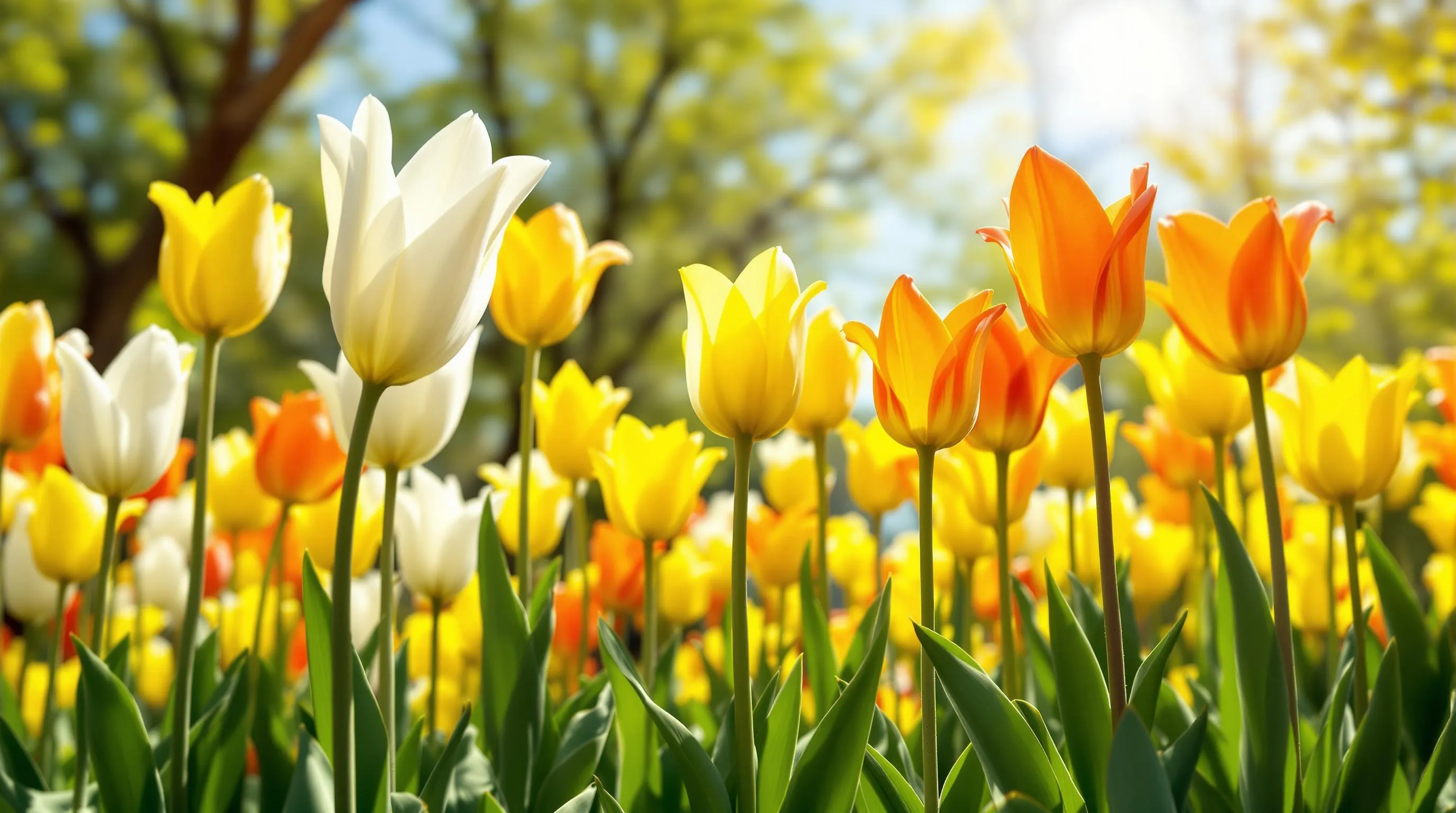
Lily-flowering tulips stand out in any garden with their distinctive pointed petals and elegant silhouette. These refined beauties feature elongated, reflexed petals that curve outward and taper to a point, creating a graceful lily-like appearance that adds sophistication to spring displays.
Recommended Products
Stunning Double Blooms: The Finola Double Tulip produces lush, peony-like flowers. These multi-petaled blooms add an air of elegance to any garden and can reach up to 4 inches in diameter, creating a bold, luxurious display.
Stunning Double Blooms: The Finola Double Tulip produces lush, peony-like flowers. These multi-petaled blooms add an air of elegance to any garden and can reach up to 4 inches in diameter, creating a bold, luxurious display.

PREMIUM VARIETY: Foxtrot tulips feature stunning double-petaled blooms in pink and rose colors with white edges, creating a lush, peony-like appearance
Pointed Petals and Tall Stems: The Ballerinas of the Garden
Often called the “ballerinas of the garden,” lily-flowering tulips dance above other spring blooms on their tall, sturdy stems that typically reach 18-24 inches in height. Their distinctive star-shaped blooms open wide in full sun, showcasing their elegant form from mid to late spring. Popular varieties include ‘White Triumphator’ with its pure white blooms, ‘West Point’ featuring vibrant yellow flowers, and ‘Ballerina’ with its striking orange petals and sweet fragrance. These tulips perform best in well-draining soil and full sun locations, making them perfect for border plantings, cutting gardens, or naturalized areas. For maximum visual impact, plant them in groups of 7-12 bulbs, where their graceful silhouettes can create a choreographed display of color and movement when spring breezes pass through your garden.
Triumph Tulips: The Perfect Midseason Marvels
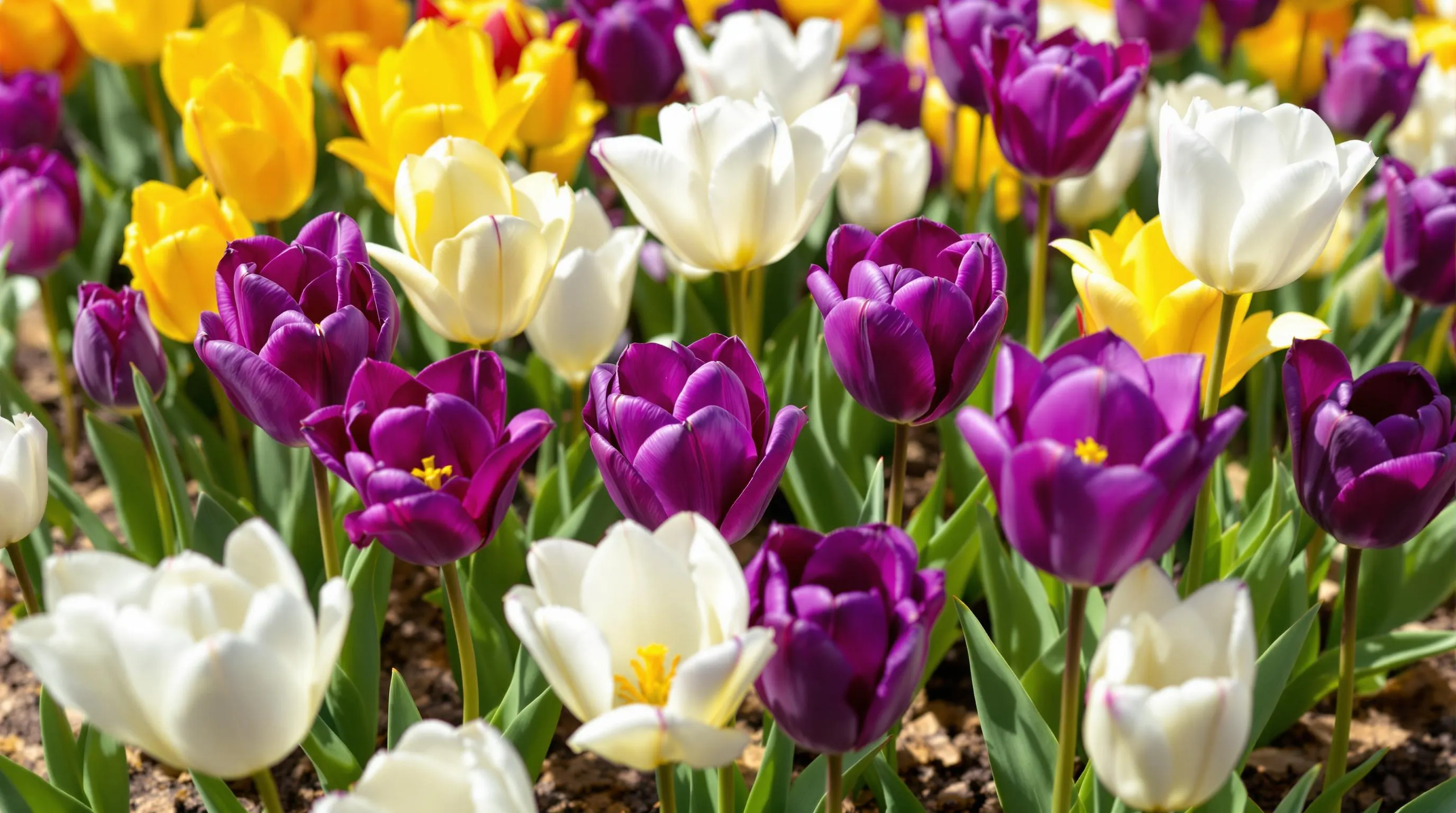
Triumph tulips bridge the gap between early and late bloomers, making them essential components of a well-planned spring garden. These sturdy performers produce their striking cup-shaped blooms in mid-April to early May, offering gardeners a spectacular midseason display when many other spring bulbs have faded.
Triumph tulips excel in challenging weather conditions where other varieties might falter. Their robust stems withstand spring storms and unexpected temperature fluctuations, making them ideal choices for regions with unpredictable spring weather. Notable weather-resistant varieties include ‘Purple Flag’ with its deep violet blooms that stand strong against wind and rain, ‘Calgary’ featuring pristine white flowers that maintain their elegance even though weather challenges, and ‘Strong Gold’ delivering bright yellow blooms that remain upright through adverse conditions. Plant these resilient performers 6 inches deep and 4-6 inches apart in well-draining soil for optimal results. They’ll reward you with reliable blooms year after year, even in climate zones where other tulips struggle to perform.
Recommended Products

Elegant White Spring Tulips: Grow beautiful white tulips for a fresh, sophisticated spring flower display. Premium tulip bulbs produce classic white blooms that complement colorful spring flowers and look beautiful in garden beds, borders, containers, entryways and mass plantings
Elegant White Spring Tulips: Grow beautiful white tulips for a fresh, sophisticated spring flower display. Premium tulip bulbs produce classic white blooms that complement colorful spring flowers and look beautiful in garden beds, borders, containers, entryways and mass plantings

Rembrandt Tulips: Historical Beauties With Striped Patterns
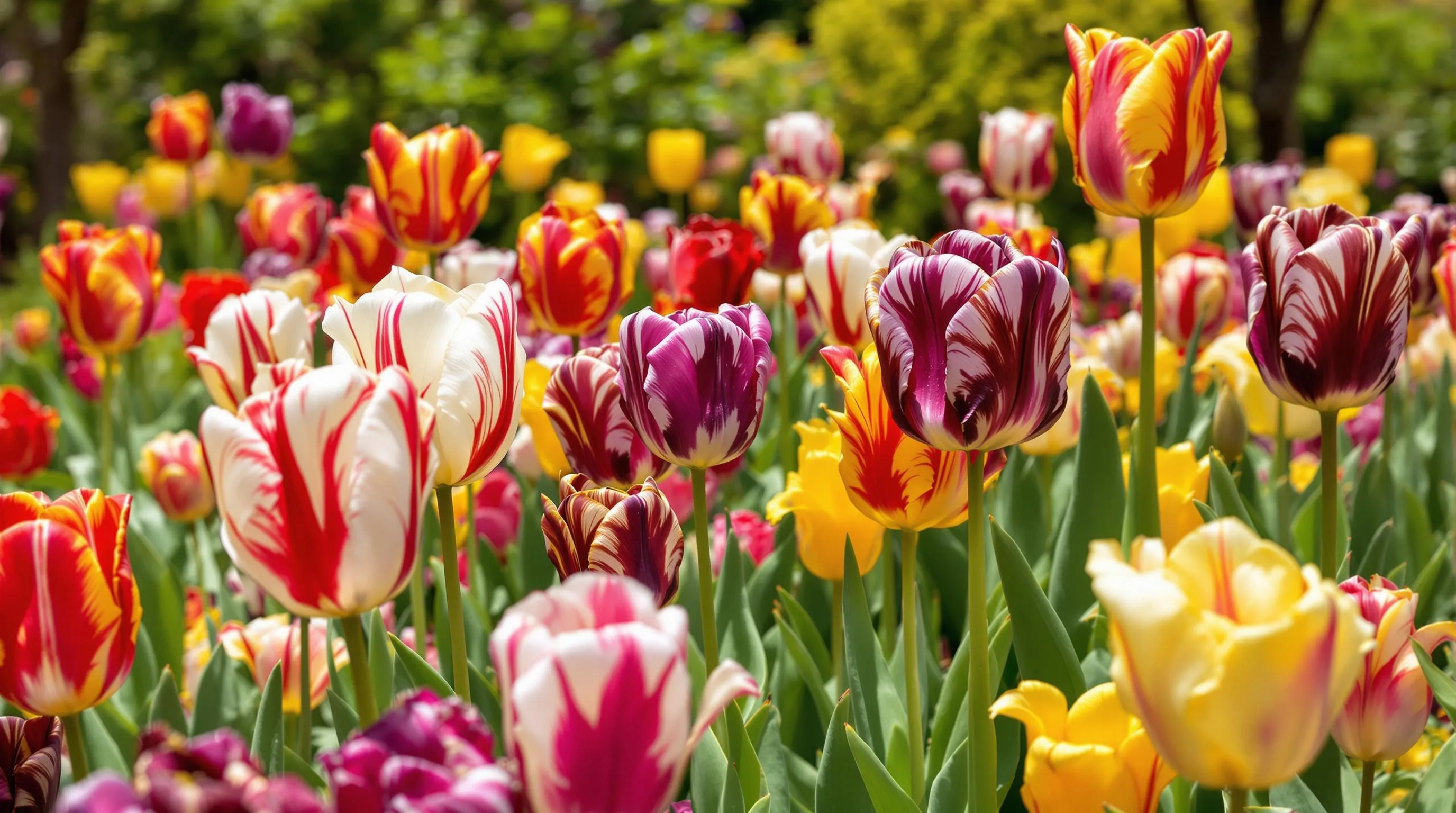
Rembrandt tulips represent one of the most fascinating chapters in horticultural history, named after the Dutch painter whose era coincided with “Tulipmania” in the 17th century. These striking beauties are characterized by their distinctive flame-like streaks and feathering patterns that dramatically break through their base colors, creating a breathtaking visual effect in any garden setting. The dramatic color breaks—typically red, purple, or brown streaks on white, yellow, or pink backgrounds—made these tulips highly coveted during the Dutch Golden Age, with single bulbs sometimes selling for the price of a house.
What many gardeners don’t realize is that original Rembrandt tulips were actually infected with a mosaic virus that created their distinctive streaking patterns. This virus, while creating beautiful visual effects, weakened the plants and eventually led to their decline. Historical varieties like ‘Semper Augustus’ and ‘Viceroy’ commanded astronomical prices during the height of Tulipmania, representing not just flowers but status symbols and investment vehicles in 17th-century Dutch society.
Recommended Products
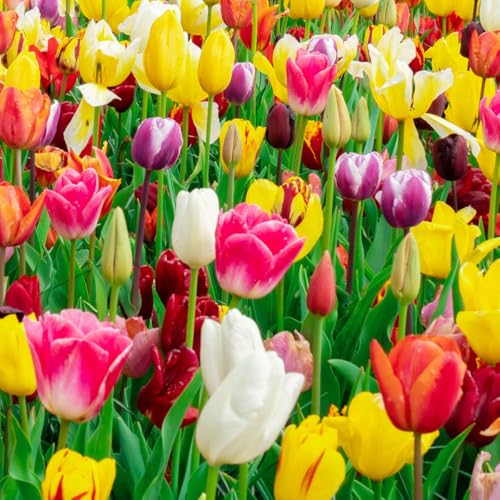
35 ASSORTED TULIP BULBS: Features a colorful blend of tulips to brighten up gardens and containers.
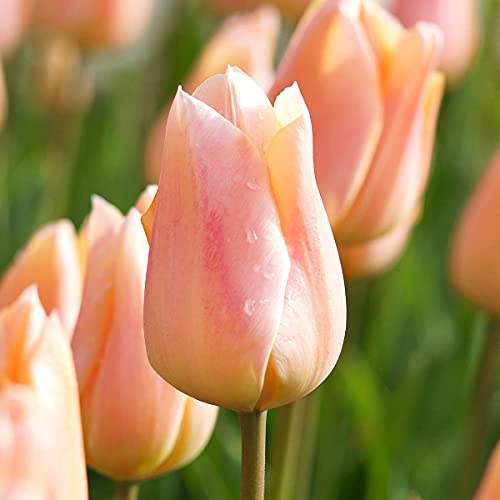
Each offer includes 25 bulbs measuring up to 12 cm each in diameter

PREMIUM BULBS: Package contains 10 Premium Tulip Bulbs. Large bulbs size 12+/ cm
Modern Virus-Free Alternatives to Historical Varieties
Today’s Rembrandt-style tulips offer all the dramatic beauty of their historical counterparts without the destructive virus. Modern breeders have developed virus-free cultivars that genetically produce the same striking flame patterns. Popular contemporary options include ‘Rembrandt Mixture,’ which provides a colorful assortment of broken-color patterns, and ‘Sorbet,’ featuring creamy white petals with deep purple flames. ‘Burning Heart’ displays vivid red streaks on a yellow background, while ‘Absalon’ showcases rich brown-mahogany streaks on a golden yellow base. For best results, plant these tulips in full sun to partial shade in well-draining soil, spacing them 4-6 inches apart and 6-8 inches deep. Their mid to late spring bloom time makes them perfect companions for late daffodils and early flowering perennials, creating a garden that pays homage to one of history’s most fascinating floral phenomena.
Species (Wild) Tulips: The Original Ancestors
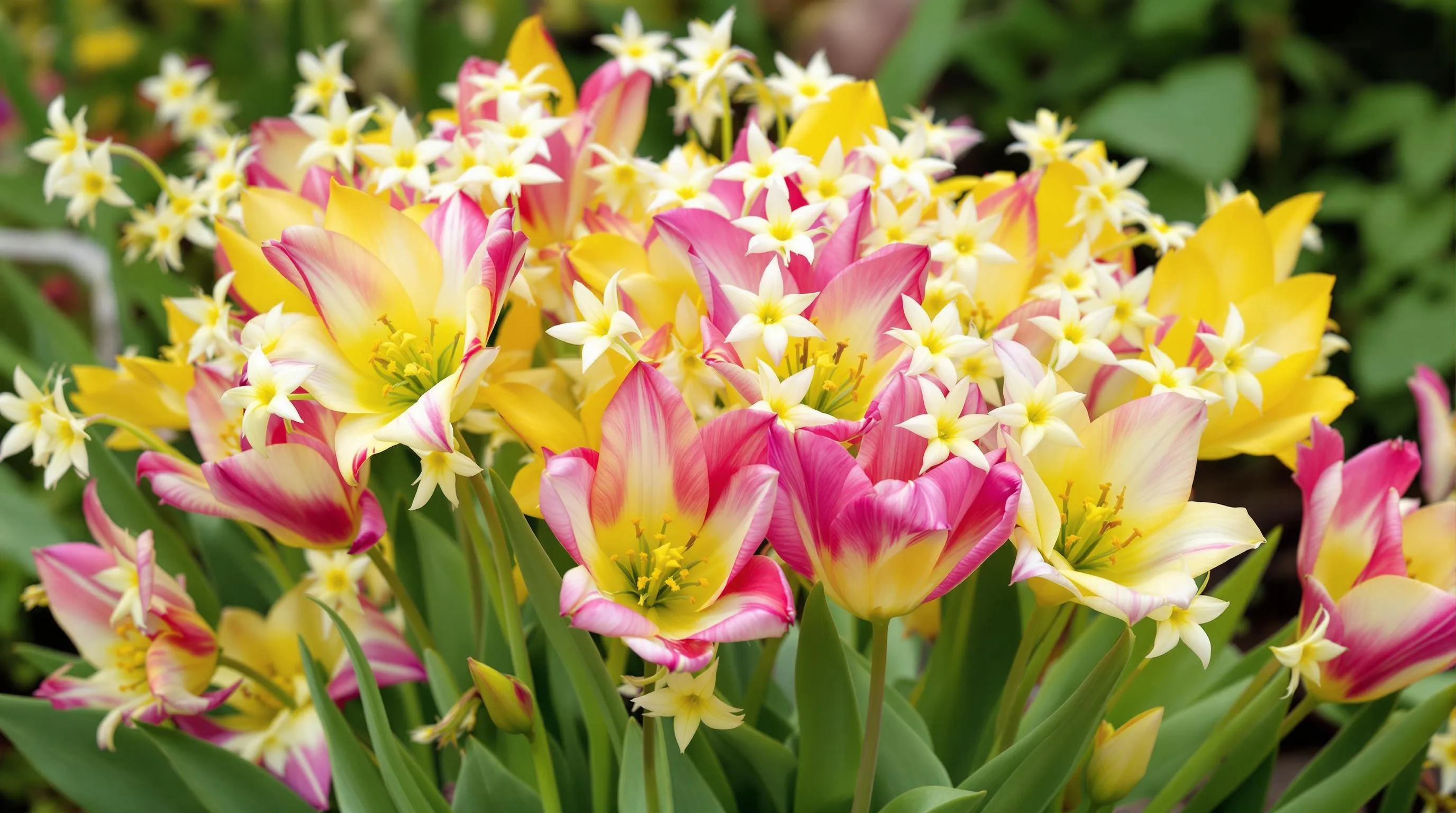
Species tulips represent the original wild ancestors from which all modern tulip varieties derive. These botanical treasures originate primarily from Central Asia, particularly the mountainous regions of Turkey, Iran, and Afghanistan, where they’ve evolved over thousands of years to withstand harsh conditions. Unlike their showy hybrid descendants, species tulips feature more delicate, star-shaped blooms with pointed petals that open fully in sunlight, revealing contrasting centers and stamens. Their compact size (typically 4-12 inches tall) and naturalistic appearance make them perfect for rock gardens, border edges, and woodland settings.
These resilient bloomers offer exceptional perennialization compared to hybrid varieties, with many species reliably returning and multiplying for years without intervention. Most species tulips flower in early spring, providing the first bursts of color when gardens are awakening. Popular varieties include Tulipa tarda with its yellow star-shaped flowers edged in white, Tulipa clusiana ‘Lady Jane’ featuring candy-stripe pink and white blooms, and Tulipa turkestanica with its multiple white flowers per stem accented by orange centers. For best results, plant species tulips in well-draining soil with full to partial sun exposure, and leave them undisturbed to form naturalized colonies over time.
Recommended Products

PREMIUM BULBS: Package contains 10 Premium Tulip Bulbs. Large bulbs size 11/12 cm

Perennial Beauty: Red Impression Tulips are perennials, which means they'll come back year after year with proper care, providing you with enduring beauty.

Get Excellent Results: Our sod plugger reinforced steel construction prevents bending and makes digging in heavy soil easier
Rare and Unusual Tulip Varieties: Collector’s Treasures
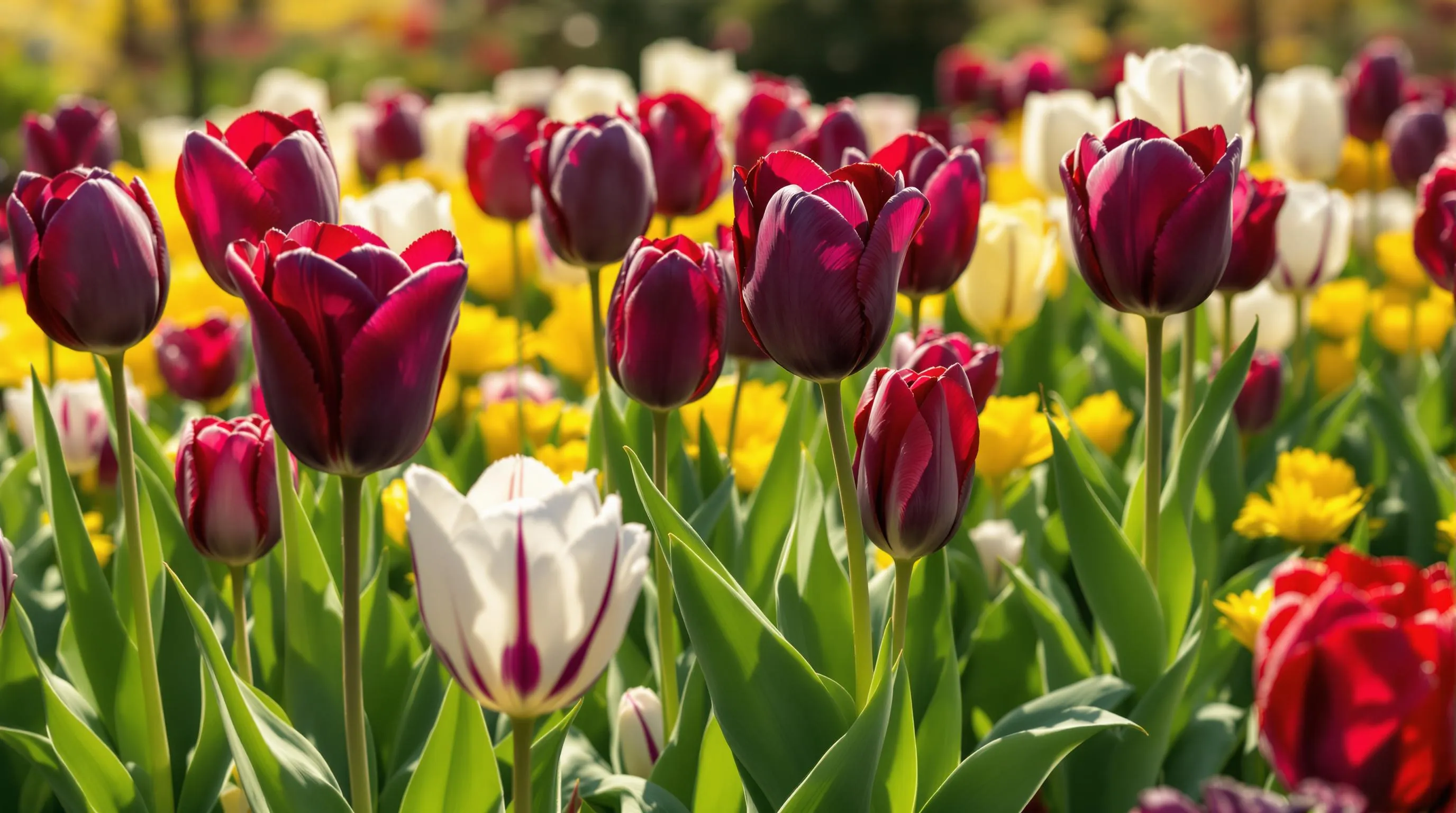
While standard tulips grace countless gardens each spring, true enthusiasts seek out the uncommon specimens that add distinction to their collections. These rare varieties often command premium prices but deliver unparalleled garden drama and conversation-starting appeal.
Recommended Products

Each offer includes 10 dormant spring flowering bulbs measuring 12 cm in diameter

Hardy and Resilient: Double Daffodil Replete are not just about looks – they're also hardy and resilient. Once planted, they require minimal maintenance, allowing you to enjoy their beauty without the fuss.

Black Tulips: The Darkest Blooms in the Garden
Black tulips represent the holy grail for many collectors, offering dramatic contrast in any garden setting. These blooms aren’t truly black but instead showcase deep purple or maroon tones that appear nearly black in certain lights. ‘Queen of Night’ remains the most famous near-black tulip, displaying velvety deep purple petals that create a sophisticated focal point when planted among lighter varieties. For those seeking even darker options, ‘Black Hero’ offers double blooms with impressive depth, while ‘Black Parrot’ combines darkness with distinctive frilled petals. Plant these mysterious beauties in full sun to maintain their rich coloration, and pair them with bright white or yellow companions to create striking visual tension in your spring displays.
Green Tulips: Subtle and Sophisticated Choices
Green tulips provide an unexpected twist in the tulip industry, offering subtle elegance that complements virtually any color scheme. ‘Spring Green’ leads this distinctive category with its ivory petals elegantly feathered with soft green streaks that intensify as the bloom matures. ‘Evergreen’ delivers a more pronounced green hue throughout its petals, while ‘Greenland’ combines rose-pink petals with striking green flames. These understated performers shine brightest when planted in groups of 12-15 bulbs and positioned where afternoon light can illuminate their translucent petals. Green tulips make exceptional cut flowers, lasting up to 10 days in arrangements and developing deeper green tones as they age in the vase.
Growing Different Tulip Varieties: Tips for Success
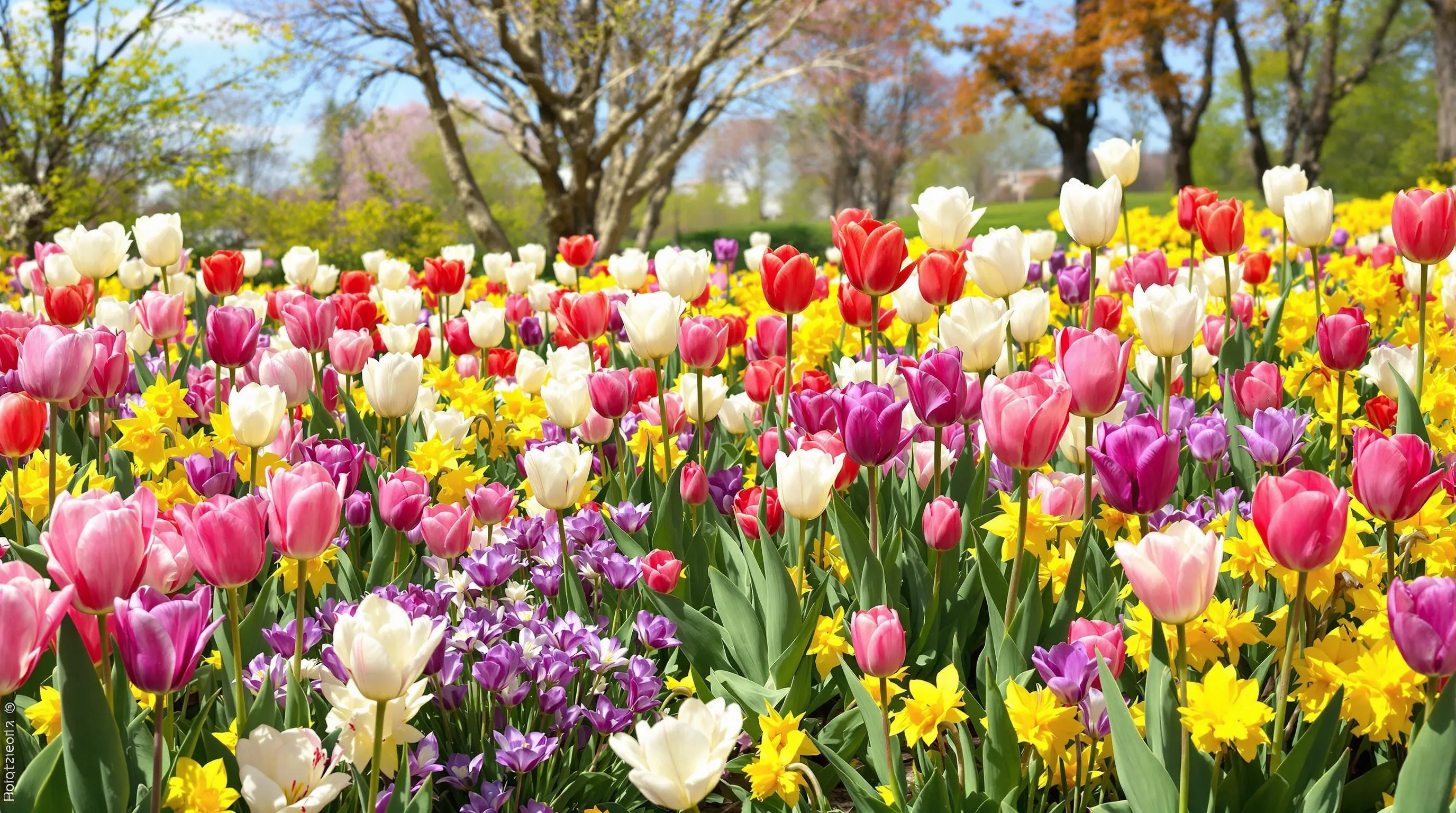
Cultivating tulips successfully requires understanding the exact needs of different varieties. Whether you’re growing classic singles or exotic parrots, these practical tips will help you achieve spectacular blooms season after season.
Recommended Products

PRODUCT: Includes 5 field root divisions in pack, mixed colors (Paeonia Peony hybrids). Images are for reference only.

Abundant 100+ Peony Flower Seeds: Each package contains more than 100 carefully selected Peony Flower Seeds, including premium Double Peony Seeds, with high purity, plump texture and uniform size. These top-grade seeds ensure a high germination rate (≥80%) and vigorous seedling growth, providing ample quantity for all your gardening needs, whether for small flower beds or large landscape projects.
Planting Combinations for Season-Long Blooms
Create a continuous tulip display by strategically combining early, mid, and late-season varieties in your garden. Start with Single Early and Species tulips that emerge in March-April, followed by mid-season Triumphs and Darwin Hybrids in April-May, and finish with late-bloomers like Parrot and Double Late tulips in May. Plant ‘Purissima’ with ‘Purple Flag’ and ‘Angelique’ for a white-to-purple progression that spans 8-10 weeks. For maximum impact, group at least 7-12 bulbs of each variety together rather than scattering them individually. Consider adding early daffodils and late alliums to extend your spring flowering season even further, creating a seamless transition of color from early spring through early summer.
Soil Requirements for Different Tulip Types
All tulip varieties require well-draining soil, but exact types have additional preferences. Darwin Hybrids and Triumph Tulips thrive in loamy soil with a pH between 6.0-7.0, while Species Tulips tolerate poor, rocky soil that would challenge other varieties. For Double Tulips and Parrots with their heavier blooms, incorporate extra organic matter to improve soil structure while maintaining excellent drainage. Before planting any tulip variety, add a handful of bone meal to each planting hole to promote strong root development. If your soil tends to retain moisture, create raised beds or mix in 30-40% coarse sand to prevent bulb rot—particularly important for Rembrandt and Lily-Flowering varieties that are especially sensitive to wet conditions.
Climate Considerations for Tulip Selection
Choose tulip varieties based on your local climate for optimal performance. In warmer regions (USDA zones 8-10), select Species Tulips like Tulipa clusiana or Single Early varieties that require fewer chilling hours. For cold northern climates (zones 3-4), Darwin Hybrids and Triumph Tulips offer superior hardiness, withstanding temperatures down to -30°F. If you experience wet springs, plant Rembrandt and Parrot varieties under eaves or in raised beds to protect their delicate blooms from rainfall damage. In windy locations, select shorter varieties like Single Early Tulips (10-14 inches) rather than taller Lily-Flowering types that may require staking. For areas with unpredictable spring weather, ‘Strong Gold’ and ‘Purple Flag’ Triumph Tulips provide exceptional resilience against sudden temperature fluctuations.
Container Growing for Special Varieties
Grow unique tulip varieties in containers for stunning displays and easier care. Black tulips like ‘Queen of Night’ and green varieties such as ‘Spring Green’ create dramatic focal points when concentrated in pots. Use containers at least 12 inches deep with multiple drainage holes, filling with high-quality potting mix amended with 20% perlite for superior drainage. Double Tulips perform exceptionally well in containers, with ‘Angelique’ and ‘Mount Tacoma’ creating lush, peony-like displays on patios. For successful container growing, plant bulbs more densely than in garden beds—approximately 15-20 bulbs in a 14-inch pot—and position containers where they’ll receive 6+ hours of sunlight daily. In colder regions, move containers to an unheated garage during winter to protect bulbs from freeze-thaw cycles that can damage them.
Perennialization Techniques for Longer-Lasting Displays
Maximize the lifespan of your tulip investment by selecting varieties known for reliable perennialization. Species Tulips like Tulipa tarda and Tulipa turkestanica naturally return and multiply for 5-7 years when planted in well-draining soil with adequate sunlight. Darwin Hybrids, particularly ‘Apeldoorn’ and ‘Golden Apeldoorn,’ also demonstrate excellent perennial qualities when properly cared for. After flowering, remove only the spent blooms while leaving foliage intact until it yellows completely—typically 6 weeks after blooming—allowing bulbs to store energy for next year’s display. Apply a balanced 5-10-5 fertilizer when shoots first appear and again after flowering to support bulb development. For varieties less inclined to perennialize like Parrot and Double Late Tulips, plant them 8-10 inches deep rather than the standard 6 inches to encourage returns.
Conclusion: Choosing the Perfect Tulip Varieties for Your Garden
From classic cup-shaped blooms to exotic parrots and elegant lily-flowering varieties the industry of tulips offers endless possibilities for your garden design. With thousands of options spanning early spring through late May you’ll find tulips to match any industry vision.
Consider combining different varieties for a succession of blooms that will keep your garden vibrant throughout the season. Choose sturdy Triumph tulips for challenging weather conditions wild species for naturalization or dramatic black varieties for striking contrast.
Remember that understanding each variety’s exact needs is key to success. Whether you’re planting in borders containers or naturalizing in woodland areas there’s a perfect tulip waiting to transform your spring garden into a masterpiece of color and form.
Recommended Products

Purple Flag Triumph Tulips: Purple Flag tulip bulbs for fall planting produce rich royal purple to blue-violet spring flowers with classic cup-shaped blooms and sturdy upright stems; these Triumph tulips bring bold color to flower beds, borders, containers and cutting gardens

100 TULIP BULBS IN ASSORTED COLORS: A stunning blend of early, mid, and late-season tulips in a variety of bloom shapes and colors.

Five Premium Varieties: Enjoy a curated mix of 50 premium flower bulbs including Darwin Hybrid tulips, Botanical crocus, Miniature daffodils, Purple Sensation allium, and Muscari armeniacum for months of spring color.