
Looking for a low-cost way to start your own garden without needing a large space? Using recycled fabric grow bags made from old clothes or leftover textiles can help you create a garden that fits any size area.

These grow bags not only save money but also support sustainable gardening by reusing materials. You can easily grow plants with them while helping the environment at the same time.
1. Spiral Garden for Herbs

You can arrange recycled fabric grow bags in a spiral shape to create a tiered herb garden. This design helps you use space efficiently while meeting different herbs’ sunlight and water needs. It also offers a neat and practical way to grow many herbs in a small area.
Recommended Products

*Light material-Our planting bags are made of durable 1 mm (200g) non-woven fabric, but also strong and durable, corrosion-resistant, wear-resistant, breathable, and have a service life of several years.

[METAL-REINFORCED TOP RIM]: BudPots fabric pots are designed with sturdy metal-reinforced rims, ensuring durability and stability. The reinforced structure makes filling the pots with soil easy and mess-free. Thanks to the metal rim, the pot retains its shape, even when training plant branches. BudTrainer's plant grow bags are the perfect addition to any gardener's toolkit!

Sturdy Fabric Material: Our Non-Woven fabric grow bags are crafted using high-strength weaving technology, which allows the planting bags to remain lightweight while possessing an impressive ability to bear weight.
2. Vertical Wall Garden

You can use recycled fabric grow bags to hang plants on your wall or fence. This method saves space and works well on balconies or small patios. It lets you grow flowers, herbs, or veggies in a neat, vertical layout. Fabric bags also allow air to reach roots, helping plants stay healthy.
Recommended Products

PREMIUM MATERIAL - The main component of these wall hanging plant bags is felt, which can maintain sufficient moisture, drainage and ventilation at the same time. Its back lining adopts a waterproof design, effectively protecting the wall from being wet or dirty.

【36 Pocket Vertical Garden】Features 36 individual planting pockets, allowing you to grow herbs, flowers, succulents, strawberries, vegetables, and other plants while maximizing vertical space.
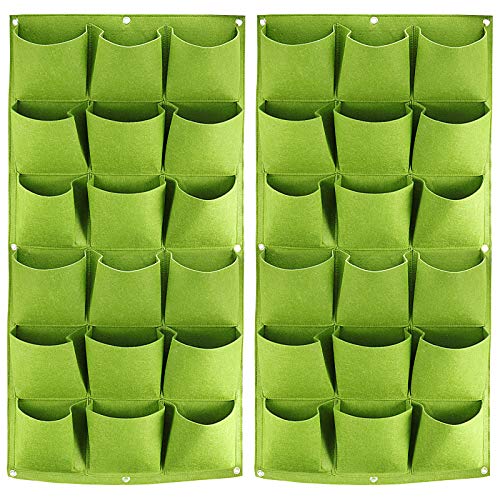
PREMIUM MATERIAL & WATER-PRESERVING REAR DESIGN - The hanging garden growth bag is made of high-quality and environmentally friendly felt. Practically, this growing bag retain a moderate water level for perfect growing conditions for your plants, such as herbs, strawberries, flowers, vegetables and so on. The rear water-preserving layer of the growing bag effectively protects the wall without stains, and the leakproof design of the bottom does not make your floor dirty.
3. Gardens on Balcony Railings

You can hang fabric grow bags on your balcony railing to grow herbs, vegetables, or flowers. This method uses space that is often empty and brings more green to your outdoor area. It works well, especially if you live in a city and want a simple way to garden with recycled materials.
Recommended Products

This set of 2 rectangular planters bring the charm of a lush garden into your home's surroundings and enjoy the delightful sight of vibrant flowers all season long

🍅【PREMIUM MATERIAL】Fabric raised garden bed is made of premium quality thickened non-woven fabric, designed with reinforced stitching, which is reusable and durable for long time use. With the plant grow bags, your plants will grow well in your balconies, backyards, terrance or patios.

Packing & Size: Package includes with 3 pack plant grow bags which sizes in 60cm x 30cm x 20cm/23.62in x 11.81 in x 7.87in (L x W x H),these bags is washable and easily to fold,won’t occupy too much space,can be used repeatedly.
4. Layered Fabric Grow Bag Setup

You can arrange fabric grow bags in tiers to create multiple planting levels. This design allows water to drain well and makes it easier to reach each plant. It works well for small garden spaces and adds a neat look to your garden area.
Recommended Products

Space-Saving : This strawberry planter maximizes your gardening space by stacking 5 layers to grow more plants in a compact area. The strawberry tower planter is ideal for patios, balconies, or indoor use.

3 Grid Garden Growing Bags: The package includes 4 packs of 3-grid designed fabric garden beds. The multi-grid design allows you to plant various flowers, fruits, and vegetables in different partitions. Bring you the fun of diversified planting and let your garden show a rich and diverse landscape

High-quality Product: Thick, high-quality PP materials can be used repeatedly without fading, not easy to crack even in summer, suitable for garden or indoor use
5. Setting Up Plants That Grow Well Together

You can improve growth by planting crops that get along well in the same fabric grow bag. Pairing plants like tomatoes and basil helps both thrive and can even enhance their taste. Choosing the right companions also helps keep pests away naturally, making your garden healthier.
Recommended Products

Fast Drainage & Healthy Roots:Breathable 300G non-woven fabric improves airflow and drainage, preventing over-watering and root rot while encouraging strong root growth for healthier plants.

Breathable Thickened Reusable Non-Woven Fabric: Our 6-pack 15 gallon grow bags are made of thickened reusable non-woven fabric. The porous material brings great air circulation and drainage, creating ideal growing conditions for healthy plant roots.
6. Salad Greens Spot

You can set aside several grow bags just for quick-growing greens like spinach, lettuce, and arugula. This setup lets you harvest and plant new crops often during the season. It works well for keeping fresh salad ingredients ready to pick regularly.
Recommended Products

Sturdy & Garden-Ready Material: Made of 300g of thickened nonwoven fabric, these pots are moderately permeable, environmentally friendly, and BPA-free; Ideal for raised beds, patios, and outdoor gardens

[METAL-REINFORCED TOP RIM]: BudPots fabric pots are designed with sturdy metal-reinforced rims, ensuring durability and stability. The reinforced structure makes filling the pots with soil easy and mess-free. Thanks to the metal rim, the pot retains its shape, even when training plant branches. BudTrainer's plant grow bags are the perfect addition to any gardener's toolkit.

Super slim profile with expansion base that grows as you fill it
7. Growing Tomatoes and Basil Together in One Bag

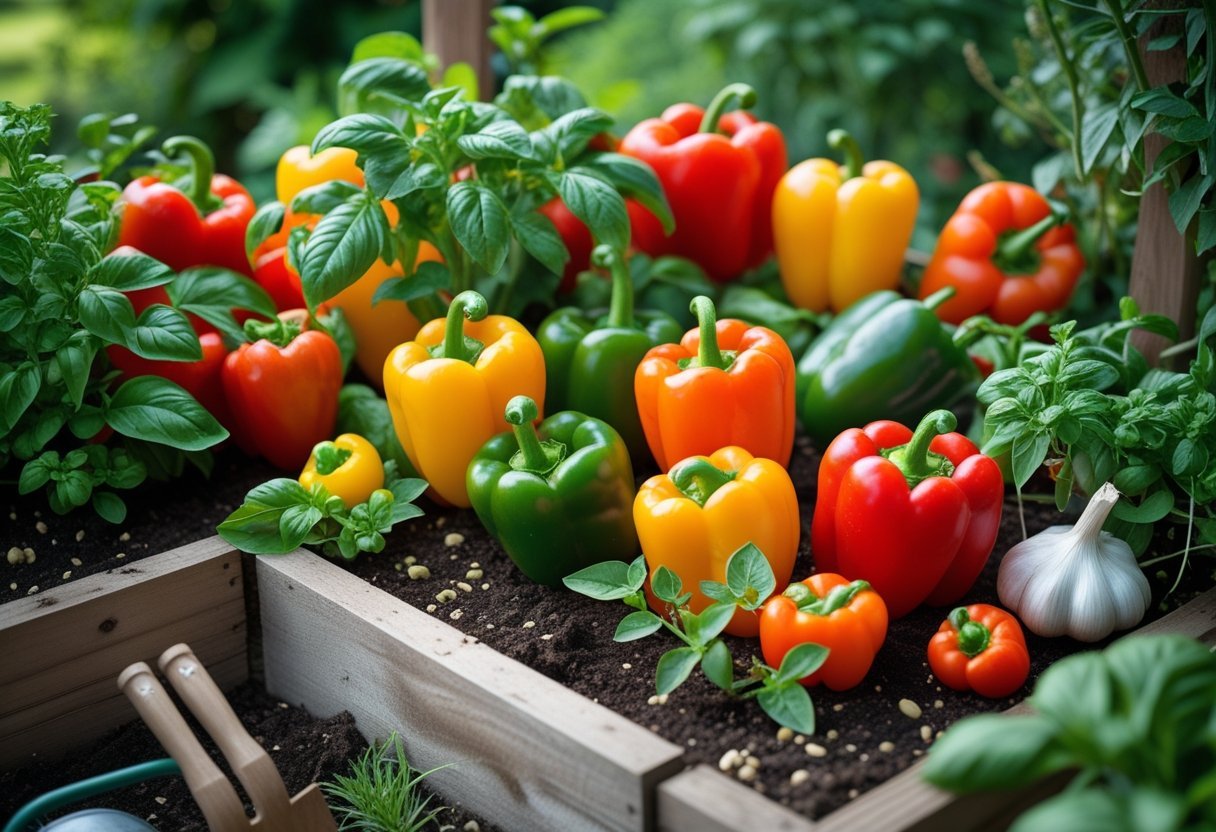
You can use a single recycled fabric grow bag to plant both tomatoes and basil. These plants thrive well side by side, saving you space and reducing water use. This pairing makes your garden more efficient and adds fresh flavors to your cooking.
Recommended Products


【Eco-friendly Material】This hanging plant bag is made of high quality felt cloth, which is non-toxic, eco-friendly, but sturdy and durable. Felt cloth is breathable and with good drainage ability, which can retain water and release them slowly, creating the perfect soil conditions. This can reduce the risk of corrupt plant roots, which is good for the growth of plants.
8. Simple Kitchen Scrap Planting at Home

You can regrow vegetables like green onions, lettuce, and carrot tops using fabric grow bags. This method helps cut down kitchen waste and brings new growth to scraps. Using recycled grow bags supports a more eco-friendly garden space.
Recommended Products

Sturdy & Garden-Ready Material: Made of 300g of thickened nonwoven fabric, these pots are moderately permeable, environmentally friendly, and BPA-free; Ideal for raised beds, patios, and outdoor gardens

You will receive: The package contains a hanging plant grow bags, planting bag can hold 5 gallons of soil, the size is 13.8 X 9.8 inches, hang easily without taking up your space

This set of 4 rectangular planters bring the charm of a lush garden into your home's surroundings and enjoy the delightful sight of vibrant flowers all season long
9. Flower Bags That Attract Pollinators

You can grow flowers that attract bees and butterflies using recycled fabric grow bags. These bags help support pollinators, which improves your garden’s overall health. This is an eco-friendly way to encourage natural pollination while reusing materials responsibly.
Recommended Products

Extra Large Capacity: these potato growing bags have a 30 gallon capacity, with a diameter of about 15.75 inches/ 40 cm and a height of about 23.62 inches/ 60 cm, which helps plants form healthier root systems, without worrying about transplanting after growing up; The large volume provides a stable growth environment for vegetables, flowers, and plants

Versatile Multi-Tier Design: Available in both 3-tier and 5-tier configurations to suit any space. Choose from four contemporary colors—Black, Grey, Terracotta, or Peach—to complement your patio, balcony, or indoor decor.

10. Kids’ Sensory Garden

You can make a garden with plants that have different smells, colors, and textures. Use grow bags to plant herbs, flowers, and other easy-to-touch plants. Let children explore by touching, watering, and smelling to learn while having fun.
Recommended Products
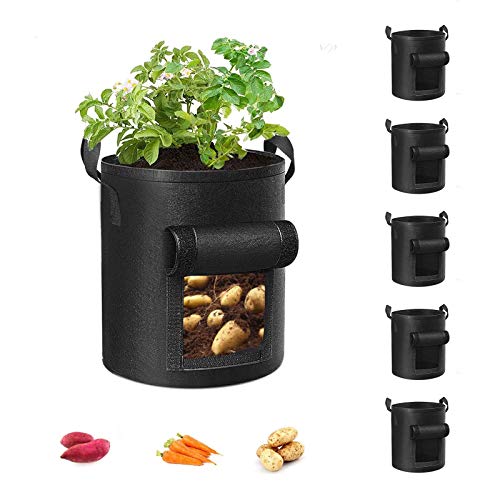
Durable Material: Made of 300g thick non-woven fabric that can be reused for more than 3 years.

Sturdy & Garden-Ready Material: Made of 300g of thickened nonwoven fabric, these pots are moderately permeable, environmentally friendly, and BPA-free; Ideal for raised beds, patios, and outdoor gardens

Premium Fabric: Made of thickened and tough non-woven fabric, these grow bags are not easy to decompose when exposed to the sun, safe for plants.
11. Growing a Tea Herb Garden

You can plant mint, chamomile, lemongrass, and other tea herbs in separate fabric grow bags. These bags help keep each herb organized and healthy. When ready, pick the leaves to dry and make your own fresh tea at home. This method is simple and enjoyable year-round.
12. Planting Succulents in Fabric Grow Bags

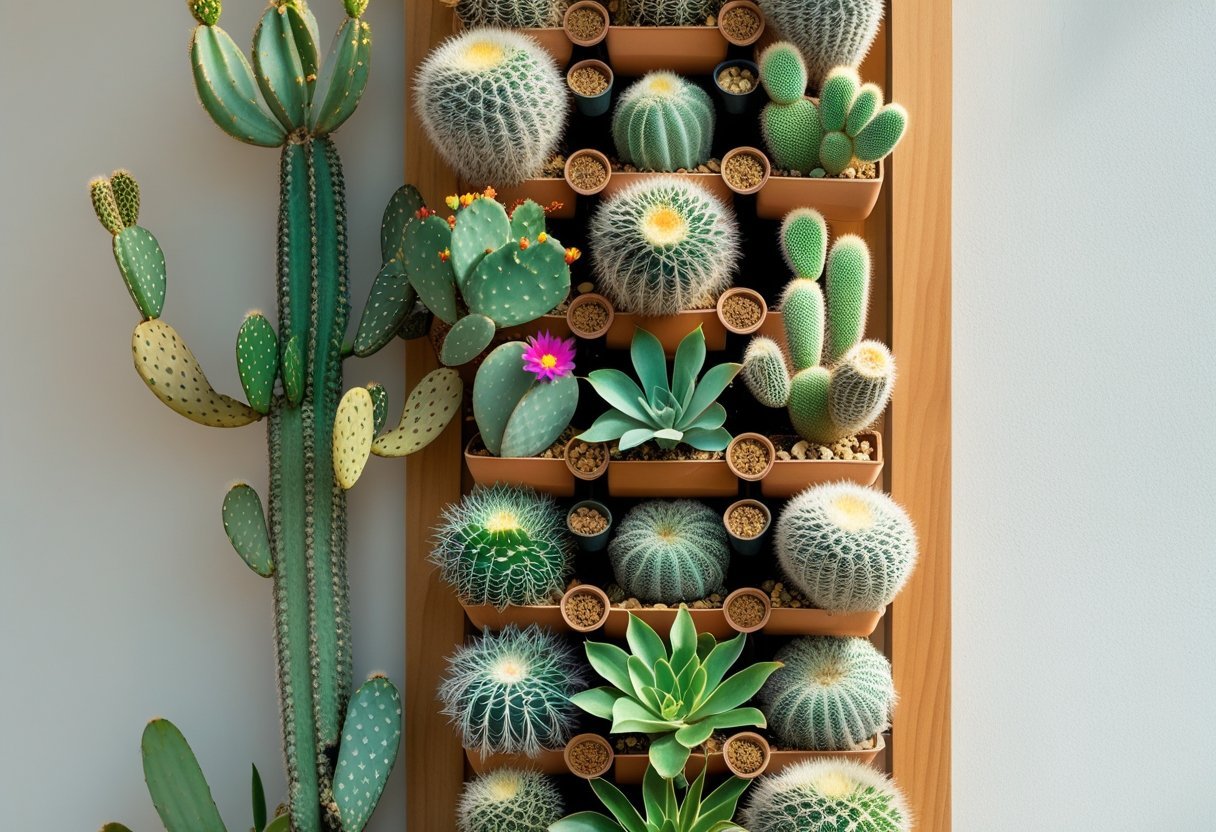
You can grow succulents easily in small fabric bags made from recycled materials. These bags provide great drainage and let you move your plants around with no trouble. This method is practical and adds a stylish touch to your garden space.
13. Creating Privacy with Tall Plants on Your Balcony

You can set up tall plants like bamboo or sunflowers in fabric grow bags to make a natural privacy screen. This adds fresh greenery while giving you shade and blocking outside views. It’s both practical and visually appealing for your balcony space.
14. Use Colors to Organize Your Plants

You can assign different colors to fabric grow bags for each plant type or family. This method helps you keep track of what you planted where. It also makes crop rotation and garden planning easier to manage.
15. Portable Garden on Wheels

You can put your fabric grow bags on a cart with wheels to move plants easily. Adjust their position to catch more sun or stay sheltered from bad weather. This method offers flexibility and adapts well to changing conditions.
16. Compact Potato Stacking Method

You can save space by stacking fabric grow bags vertically with holes for potato stems to emerge. This setup creates a deep area for roots, helping tubers grow well. Using recycled fabric bags like this is an efficient way to grow potatoes in small gardens.
17. Small Greenhouse Covers for Grow Bags

You can protect your seedlings by placing plastic domes or empty bottles over grow bags. This simple cover helps keep plants warm and safe from weather changes. Using covers extends the time you can grow plants outside in cooler conditions. Try this easy method to help your garden thrive longer.
18. Colorful Edible Flowers to Grow

You can grow nasturtiums, calendula, and violets in fabric grow bags. These flowers add color to your garden and taste to your meals. Using them as garnishes makes your dishes look appealing and fresh. This is a simple way to combine beauty and flavor in your garden.
19. Vertical Grow Bag Garden Display

You can create a living artwork by arranging grow bags on a wall in patterns. Fill them with bright and colorful plants to bring your space to life. This setup adds a fresh and stylish look, mixing greenery with decoration.
20. Rotating Crops in Fabric Grow Bags
You can grow different plants each season in the same fabric bags. Try spinach in spring, tomatoes in summer, and kale in fall. This method helps you harvest all year and use your grow bags efficiently. It is both practical and eco-friendly for your garden.
21. Denim Grow Bags Made from Old Jeans
You can turn old jeans into unique grow bags by sewing pockets for small plants. This approach is budget-friendly and brings a personal touch to your garden. It gives you a fresh way to use fabric for planting containers.
22. Building a Strawberry Pyramid with Grow Bags
You can stack fabric grow bags in a pyramid shape to create a space-saving garden. Plant strawberries on the sides and top for easy access. This design keeps your harvest compact and organized.
23. Healing Herb Spot
You can grow aloe vera, turmeric, and holy basil in individual grow bags. These herbs are useful for making natural remedies and soothing teas. Adding them to your garden brings extra wellness benefits.
24. Miniature Garden in a Fabric Pot
You can craft a small fairy garden using a fabric grow bag filled with tiny plants. Add miniature decorations to create a charming space. This idea is great for inspiring creativity in both kids and gardeners.
25. Create a Compost Station Using Fabric Grow Bags
You can use one or two recycled fabric grow bags to turn kitchen scraps into compost right at home. Place your food waste in these bags and let it break down naturally. Once the compost is ready, plant your favorite vegetables or herbs directly in the rich soil.
This method saves space and helps reduce food waste. It also offers a simple, eco-friendly way to grow plants without needing a big garden. Fabric grow bags are light and easy to move, making them perfect even for balconies or small patios.
Benefits of a fabric grow bag compost station:
- Reduces kitchen waste
- Provides nutrient-rich soil
- Saves garden space
- Reuses materials
- Makes gardening easier and affordable
This setup can add fresh life to your plants and supports sustainable gardening.