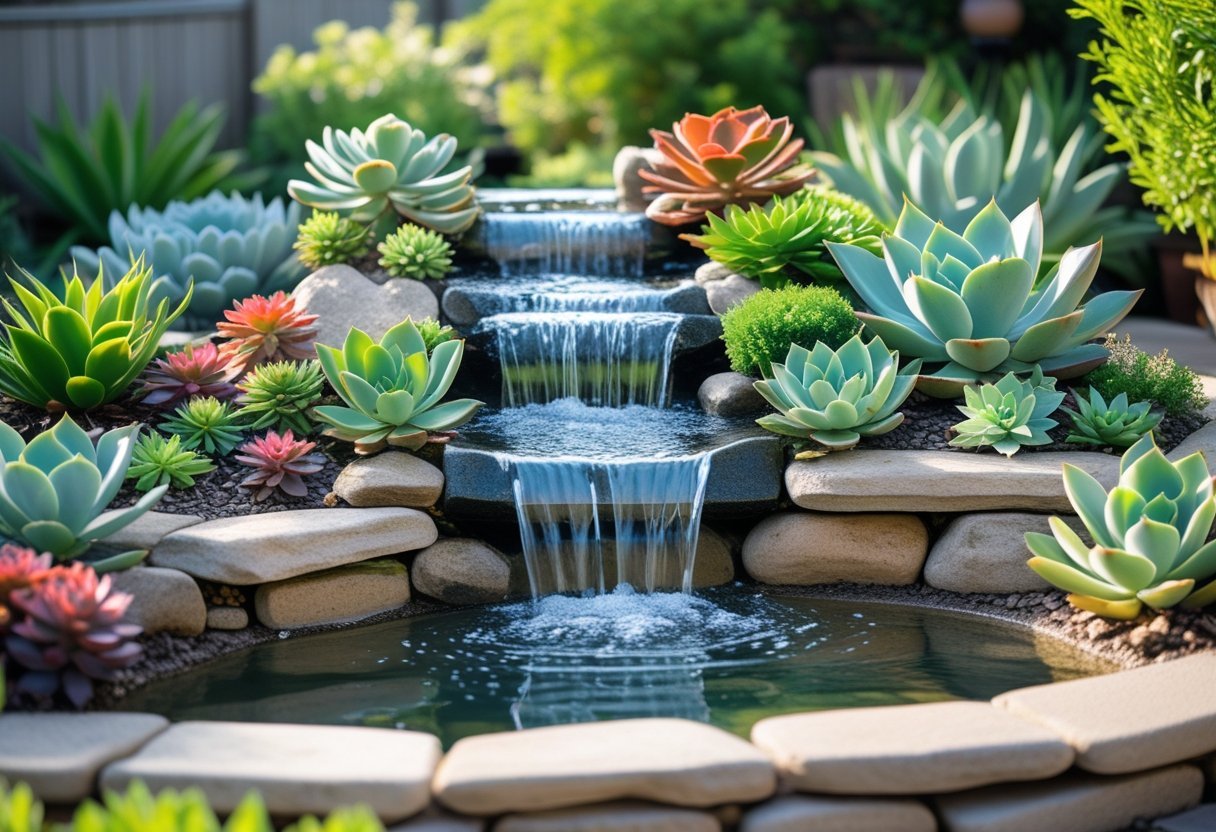


Looking for ways to keep your garden thriving without constantly using water? You can create a beautiful, low-maintenance yard by choosing irrigation-free gardening techniques.

By focusing on drought-resistant plants and smart landscaping methods, you’ll save water and reduce upkeep while enjoying a healthy garden. This approach makes your outdoor space both sustainable and attractive.
1. Stone and Succulent Garden

You can create a low-water landscape using rocks, gravel, and plants that need little moisture. Choose hardy varieties like sedums or alpine species that do well in soil that drains quickly. This setup minimizes upkeep and fits well in dry areas or places with water use limits.
Recommended Products


🌵 RARE SPIRAL GROWTH – The Cereus Validus Spiralis is a mesmerizing succulent with a natural twisting pattern, making each plant a unique botanical masterpiece.
2. Xeriscape Garden

You can create a garden that requires little to no extra watering by choosing plants that thrive in dry conditions. Using mulch and arranging your landscape thoughtfully helps keep soil moisture longer. This method promotes water savings and encourages eco-friendly gardening habits.
Recommended Products
100% Natural Material: ZOOFOX small rocks stones are all natural. Their natural attribute will make them last longer because they will not deteriorate like mulch does.They have been only washed with water several times.

This gravel has a variety of uses including landscape and garden decoration, drainage, and building walkways.

3. Cactus and Succulent Garden

You can create a garden using cacti and succulents because they naturally tolerate dry conditions. These plants store water within their leaves and stems, so they require little watering. Their unique shapes and textures add variety and interest while keeping maintenance low.
Recommended Products

Premium Seed Content: Three ounces of pure wildflower seeds with no filler; Covers 250 square feet with vibrant blooms; Contains fifty percent more seeds than competing brands; Grow a beautiful flower garden with this diverse seed mix

POLLINATOR PARADISE: Over 20000 wildflower seeds create thriving habitats for monarchs, bees and hummingbirds; Perfect blend of milkweed seeds for monarch butterflies and nectar-rich flowers; Creates vibrant meadows and beds while supporting essential biodiversity

4. Mediterranean Herb Garden

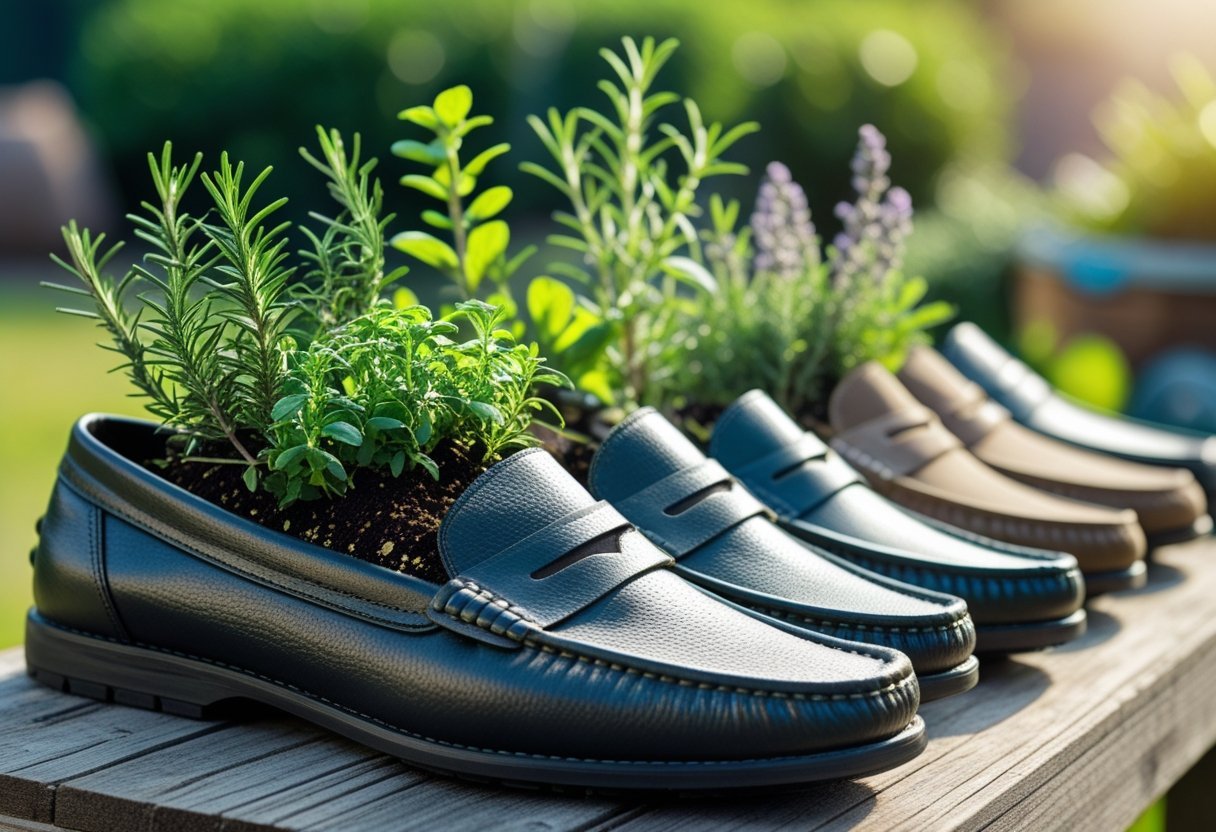
You can grow a variety of aromatic herbs like rosemary, thyme, and lavender that need very little watering. These herbs flourish in warm, dry conditions and become more drought resistant as they mature. Your garden gains both practical herbs and visual charm without demanding much irrigation.
Key herbs:
- Rosemary
- Thyme
- Lavender
Recommended Products

USDA CERTIFIED ORGANIC & NON-GMO: Grow your own fresh culinary herbs with peace of mind. Our open pollinated, heirloom variety pack is 100% clean, natural, rigorously tested for germination, and proudly certified organic by Oregon Tilth.


🧑🌾 Greek Oregano Seeds – A classic culinary herb grown from seed, producing compact, bushy plants with small, highly aromatic leaves and bold Mediterranean flavor. Ideal for herb gardens, containers, and consistent harvesting throughout the season.
5. Gravel Garden

You can create a garden that conserves water by using gravel and plants suited to dry conditions. Gravel keeps soil well-drained, which lowers the need for watering. Plants like yucca, sedum, and ornamental grasses thrive in this setup. Gravel also helps suppress weed growth while reflecting heat.
Recommended Products


6. Wildflower Habitat

You can create a colorful, low-care garden by planting native wildflowers. These plants depend only on natural rainfall, so you won’t need to water them. A wildflower area also supports pollinators and helps maintain ecological balance during dry periods. This type of planting encourages biodiversity with minimal effort.
Recommended Products


7. Low-Water Perennial Garden

You can design a colorful garden with perennials that thrive without much water. These plants withstand dry spells and continue to flourish. This approach lets you enjoy a beautiful garden while using minimal irrigation.
Recommended Products

Virekm Natural Decorative Stones: Virekm Decorative Stones are natural lightly polished for smooth effect, comes in a variety of natural colors,Resists fading for long-lasting beauty. The color of this Decorative Stones is natural so it may include a variety of different shades of browns, whites and green rocks.if you need to put it in a fish tank, first wash the wax off the surface with hot soapy water or detergent, then rinse with clean water.

Natural Aquarium Gravel: No fading natural stones are non-toxic no additional fillers, dyes, or oils, these beautiful outdoor decorative rocks are perfect for fish tank, turtle tank, aquarium, garden, and any landscaping project

【Note】Jade pebbles are natural rocks polished and waxed and processed, we do not recommend placing it in a fish tank, if you need to put it in a fish tank, first wash the wax off the surface with hot soapy water or detergent, then rinse with clean water
8. Using Local Plants for a Water-Wise Garden

You can rely on native plants because they naturally suit your area’s climate and soil. These species usually need little to no extra watering once established. Choosing them helps you spend less time on upkeep and benefits wildlife by supporting the local environment.
Recommended Products

7,500+ PURE LIVE SEEDS – Get a generous 1 oz. mix of Northeast regional wildflower seeds, designed to cover up to 100 sq. ft. when planted according to the recommended seeding rate.

PREMIUM CALIFORNIA WILDFLOWER MIXTURE. Elevate your garden with Sweet Yards California Wildflower Mixture, a bulk 1-ounce packet bursting with over 7,000 native seeds. This open-pollinated and non-GMO mix is thoughtfully curated for maximum beauty and biodiversity.

TURN YOUR YARD INTO A POLLINATOR PARADISE. One pouch of wildflower seeds, 47 varieties of annual and perennial flowers, and your yard becomes a habitat for bees, butterflies, and hummingbirds from spring through fall. Not 15 varieties like most wildflower seed mixes. 47. More color, more pollinators, more surprises every time you walk outside.
9. Mountain-Style Garden

You can create a garden that reflects the harsh conditions of high elevations by using low-growing, drought-resistant plants. The soil should be sandy and drain quickly to prevent water retention. Expect a variety of interesting textures and resilient blooms that thrive with minimal watering.
Recommended Products

Used Book in Good Condition

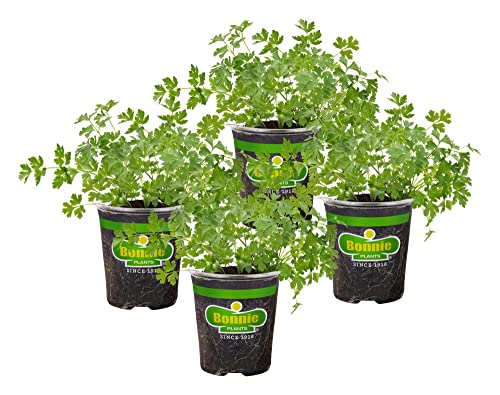
Grow fresh and vitamin rich Oregano at home with zero effort. No green thumb required!
10. Sand Garden

You can create a sand garden using soil that drains quickly and plants that thrive without much water. Choose hardy succulents, ornamental grasses, and simple stone elements for a clean look. This setup minimizes the need for irrigation, helping you save water while maintaining an attractive, low-maintenance space.
Recommended Products


11. Drought-Resistant Plants for Shaded Spaces

You can create a low-water garden beneath trees or in shaded spots by choosing plants that handle dry shade well. Select species like ferns and hellebores, which need little water and thrive in cooler, less sunny areas. This saves moisture and uses difficult garden zones effectively.
12. Grassland Garden

You can create a landscape using native grasses and wildflowers adapted to dry conditions. These plants thrive without extra watering and help prevent soil erosion. They also attract pollinators and work well in expansive or open garden spaces, providing a natural look with minimal upkeep.
13. Growing Low-Water Plants in Containers

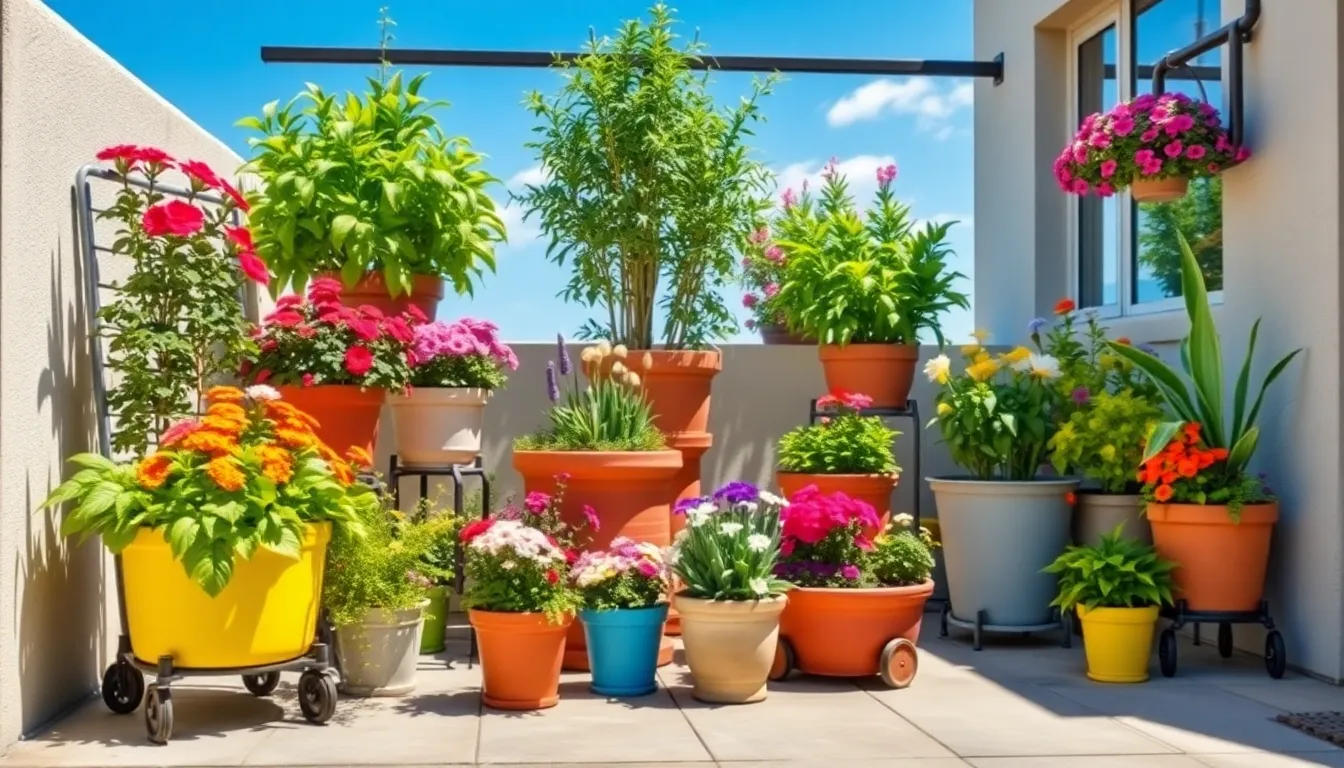
You can create a water-wise garden even in limited spaces by using containers with plants that need little moisture. Choose varieties like succulents, sedums, and herbs, which do well with minimal watering and excellent drainage. This method gives you control and requires less upkeep without installing irrigation.
14. Sedum-Based Green Roof

You can create a low-maintenance green roof using sedum, which stores water well and thrives with minimal irrigation. This option helps insulate your building and limits stormwater runoff. It’s an efficient, eco-friendly way to add greenery to urban spaces.
15. Growing Edible Plants That Need Little Water

You can cultivate food with plants like artichokes, figs, and Mediterranean herbs that require very little watering. These choices help maintain your garden sustainably while managing dry conditions effectively. Incorporating such plants supports both your harvest and environmentally responsible gardening practices.
16. Coastal Dry Garden

You can create a coastal dry garden using plants such as agave, sea holly, and beach grasses that handle salty air and dry soil well. These gardens rely on natural rainfall without added irrigation. They resist wind and drought, offering a low-maintenance, rugged appearance for your outdoor space.
17. Fragrant Plants for Dry, Sunny Areas

You can create a fragrant garden using plants like lavender, sage, and oregano that thrive with little water. Such plants add pleasant scents and colors while needing minimal irrigation. They work well in bright, hot sections of your yard.
18. Minimalist Zen Garden

You can create a peaceful space using rocks, sand, and a few drought-resistant plants like bonsai or moss. This style requires little to no irrigation, making it water-efficient. Emphasizing simplicity, it supports sustainable gardening while fostering calm and clarity in your outdoor area.
19. Dry Woodland Garden

You can create a shaded, low-water garden by using hardy plants that do well without extra irrigation. Ferns, hostas, and native groundcovers naturally adapt to dry woodland spots. These plants thrive under trees or at forest edges, using only rainfall to stay healthy.
20. Wildlife-Friendly Garden for Dry Climates
You can create a garden that attracts bees, butterflies, and other pollinators by choosing plants that need little water, such as milkweed, echinacea, and yarrow. These species thrive in dry conditions while providing essential resources for pollinating insects.
Selecting irrigation-free options reduces the need for frequent watering, making your garden easier to maintain and more environmentally responsible. Whether you have a small balcony or a spacious yard, incorporating drought-tolerant plants supports biodiversity and conserves water.
Consider mixing native wildflowers, herbs, and hardy perennials to build a resilient landscape. Using this approach helps your garden flourish naturally, creating a habitat where pollinators can thrive with minimal intervention.