
Can your garden really help reduce food waste while boosting plant health? With simple methods like composting and regrowing kitchen scraps, your garden can turn what would be trash into valuable resources.
By using easy gardening techniques and smart practices, you can minimize waste and make your garden more productive at the same time. These ideas are designed for anyone looking to cut down on food waste and support sustainable growing.
1. Recycle Your Kitchen Waste
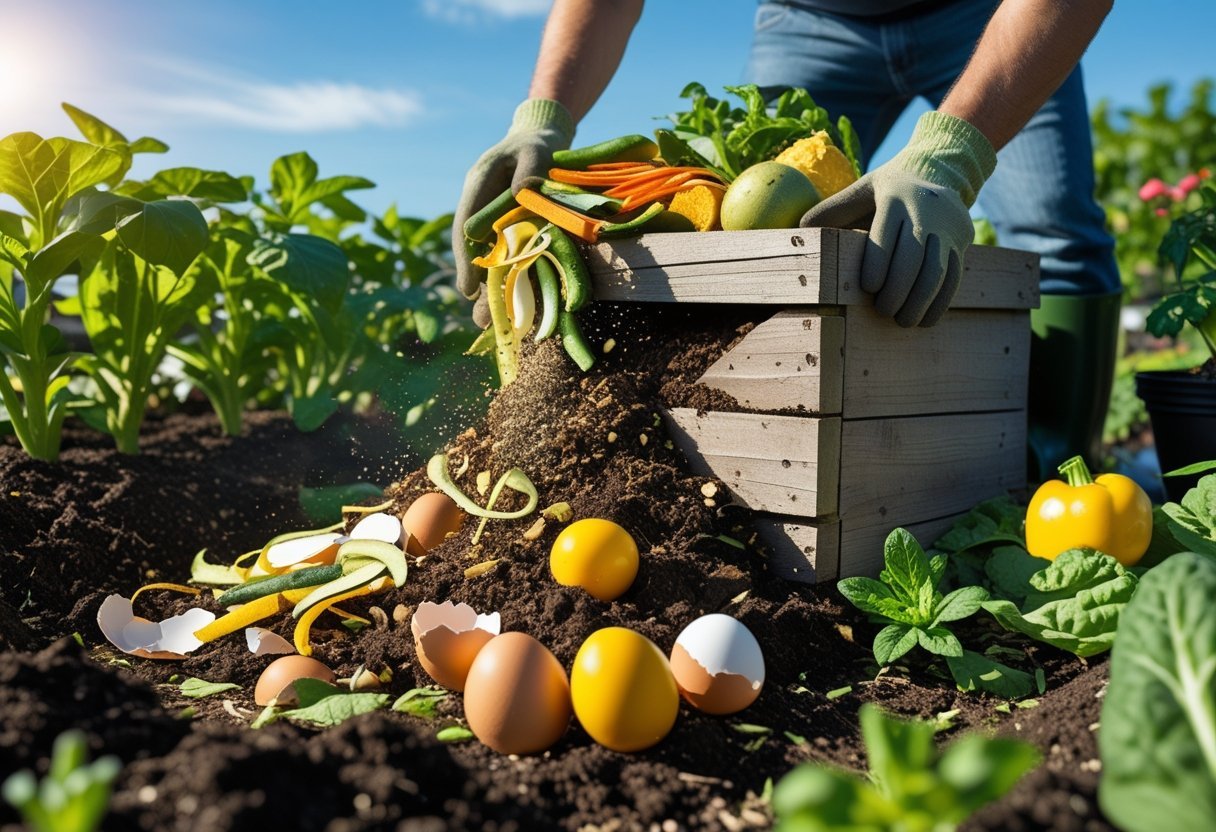
You can turn food scraps like vegetable peels, fruit cores, and coffee grounds into nutrient-rich material for your garden. Composting returns valuable nutrients to your soil instead of adding to landfill waste. This process improves soil health and helps your plants grow better by naturally enriching the garden environment.
Recommended Products

Countertop Fit - The countertop compost bin measures 7.2 inches wide and 11.2 inches high, offering a slightly larger capacity while maintaining a compact cylindrical design that fits neatly on your countertop without taking up excessive prep space.

FEATURED IN BON APPETIT & FORBES: Recognized by renowned magazines, EPICA’s compost bin is a perfectly sized marvel for your kitchen, compact yet spacious enough to hold days' worth of compostable organic waste. Measures 7.16" in diameter x 11" high.
2. Cultivate Fresh Herbs from Kitchen Leftovers
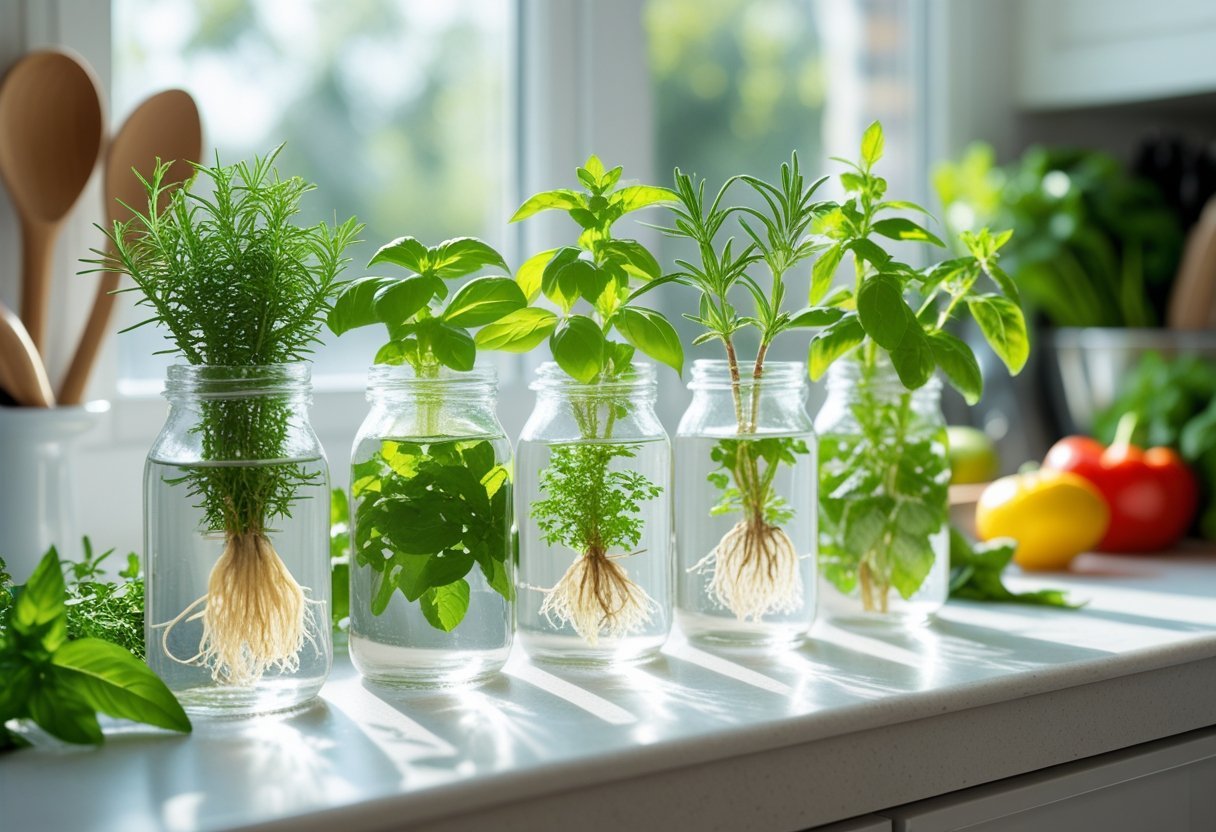
You can easily regrow herbs like basil, mint, and green onions using their leftover stems. This method reduces waste while providing a cost-effective way to maintain a steady herb supply. Keeping these cuttings in water or soil on a sunny windowsill helps ensure they grow healthy and ready for use.
Recommended Products

PREMIUM QUALITY: 275 live red wiggler worms grown in the USA, perfect for composting, fishing and vermicomposting needs

Premium Worm Nutrition Blend – Balanced meal of natural grains and proteins formulated to keep worms lively, strong, and growing fast.

Designed for optimal nutrition with a balanced blend of oats, alfalfa, corn, and added vitamins and minerals
3. Growing New Vegetables from Kitchen Leftovers
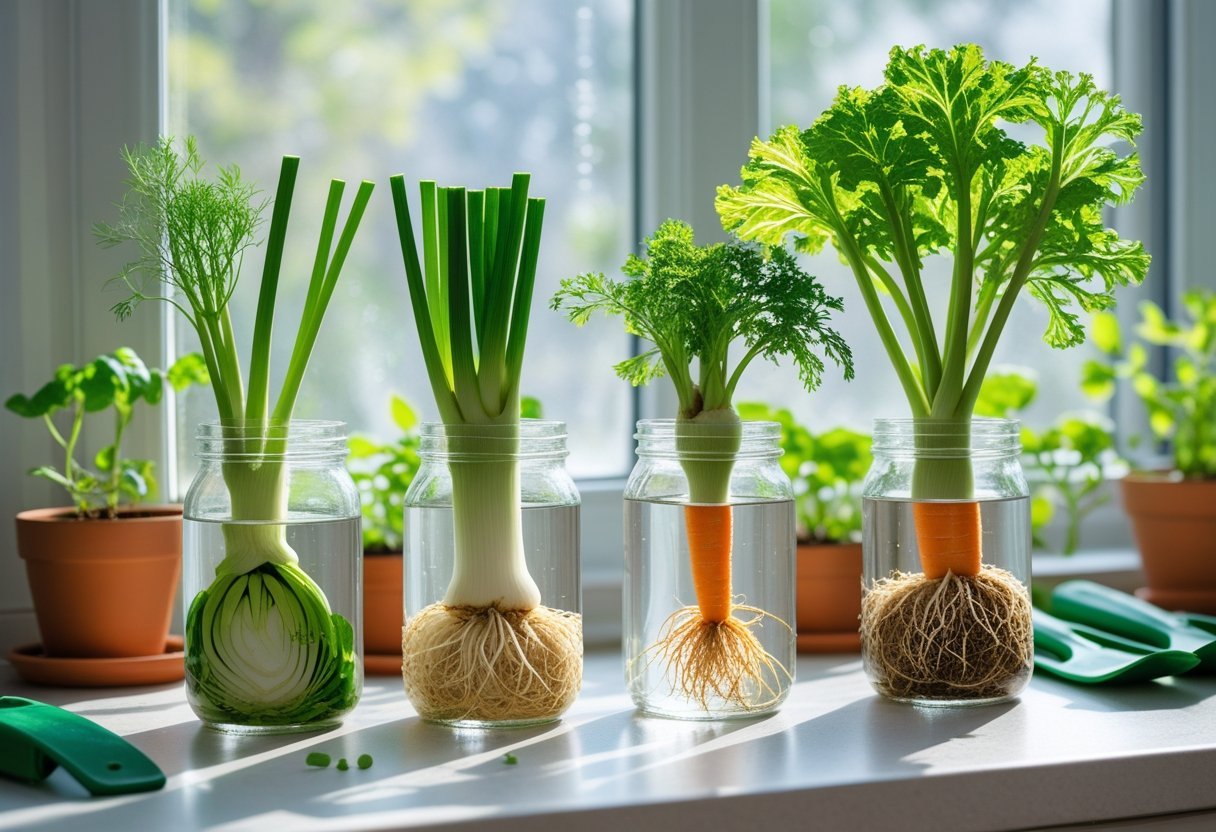
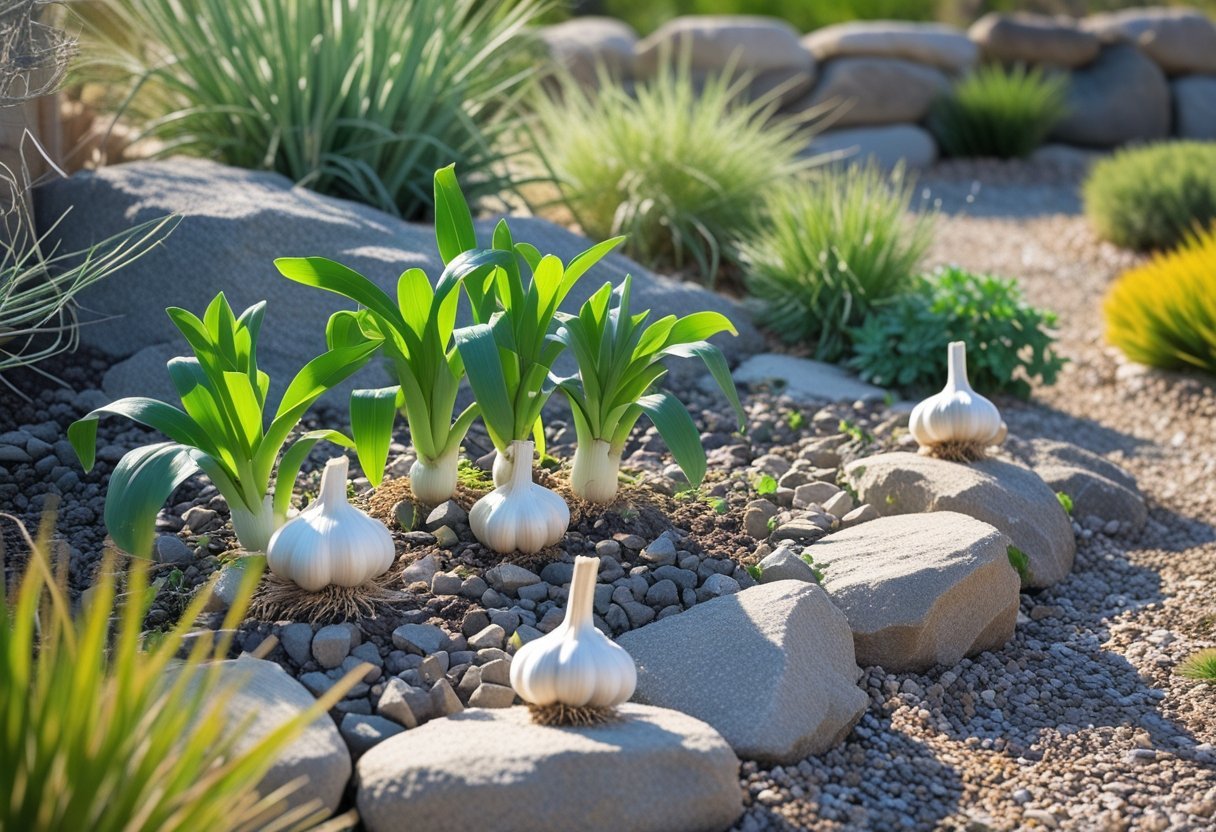
You can regrow vegetables like lettuce, celery, and spring onions using their leftover bases. This approach helps you reduce food waste while creating fresh produce from scraps. Watching new shoots develop from your kitchen waste is both practical and rewarding. This method supports a more sustainable way to manage your food resources.
Recommended Products

CLEAN, NUTRITIOUS, HOMEGROWN: Regrow delicious, nutritious, green onions indoors at home in just 7 days! You only have to add water ONCE to this green onion growing kit to regrow fresh onions-no repeat waterings necessary. Can be used for propagating other plants too, such as flowers.
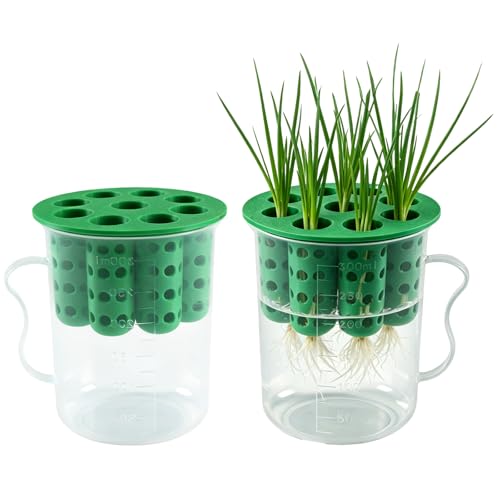
Complete Set: the green onion planter seed sprouting kit includes 2pcs 9-hole green onion growers lids and 2pcs plastic cups with handles, providing all the tools you need for successful sprouting ( Note: this scallion regrower is ideal for young scallion seedlings or cut scallions — not suitable for full-size green onions)

Package includes: You will receive a 2-in-1 seed sprouting set/onion regrower kit, Includes a wide mouthed Merlin jar, a stainless steel mesh screen sprouting lid, an onion culture vessel, and a natural bamboo base. The perfect planting set can make your hydroponics more diverse.
4. Set Up Your Worm Composting Container
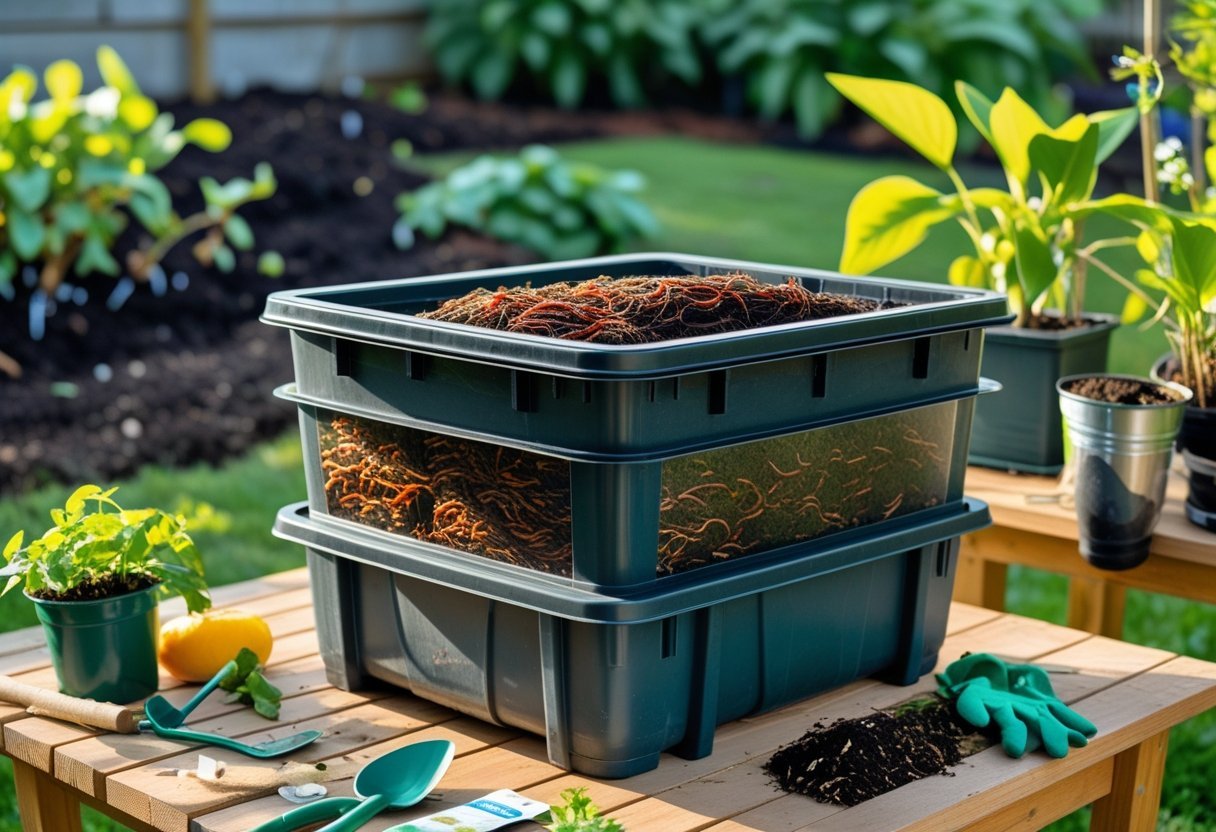
You can turn your food scraps into valuable fertilizer using a worm compost bin. Choose red wigglers, as they efficiently break down fruit and vegetable waste. Create a compact system that fits well in small areas or apartments. Keep your bin well balanced with dry bedding like shredded paper to avoid odors. Regularly add scraps, and the worms will produce nutrient-rich castings for your plants.
Recommended Products
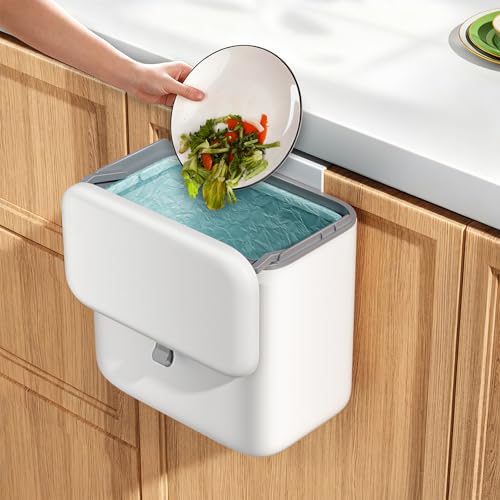
【Easy Installation】 This kitchen compost bin can be easily installed without any tools, coming with 1 hook and 1 adhesive hook. Use the hook to hang the garbage can on your kitchen cabinet door (door thickness < 1 inch), or use the adhesive hook to stick it onto any flat, clean vertical surface. The compost bucket fits not only on kitchen countertops but also under the sink.
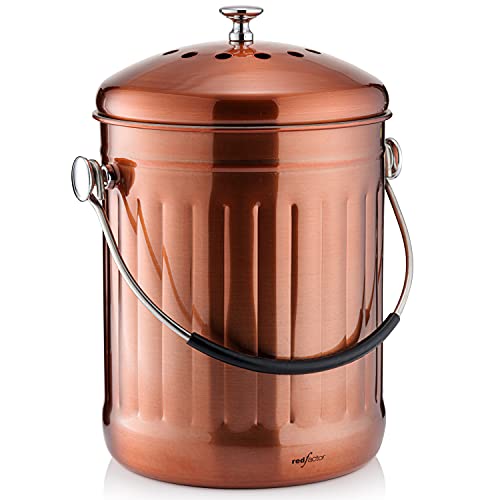
Stylish & Attractive Design – Attractively crafted with a dome-shaped lid, this stylish indoor compost bin can be placed right on your kitchen countertop to provide easy access at all times while adding an elegant look to your kitchen decor.

HIGH QUALITY COMPOST BIN CONSTRUCTION: This compost bin are made of high quality galvanized iron that is guaranteed to last a long time and is rust resistant. The epoxy resin coating provides additional protection, making it a reliable choice for your kitchen composting needs. This compost bin kitchen is designed with premium handles for a comfortable grip, making it easy to safely dispose of food scraps without worrying about messes or accidents
5. Grow New Plants from Ripe Fruits
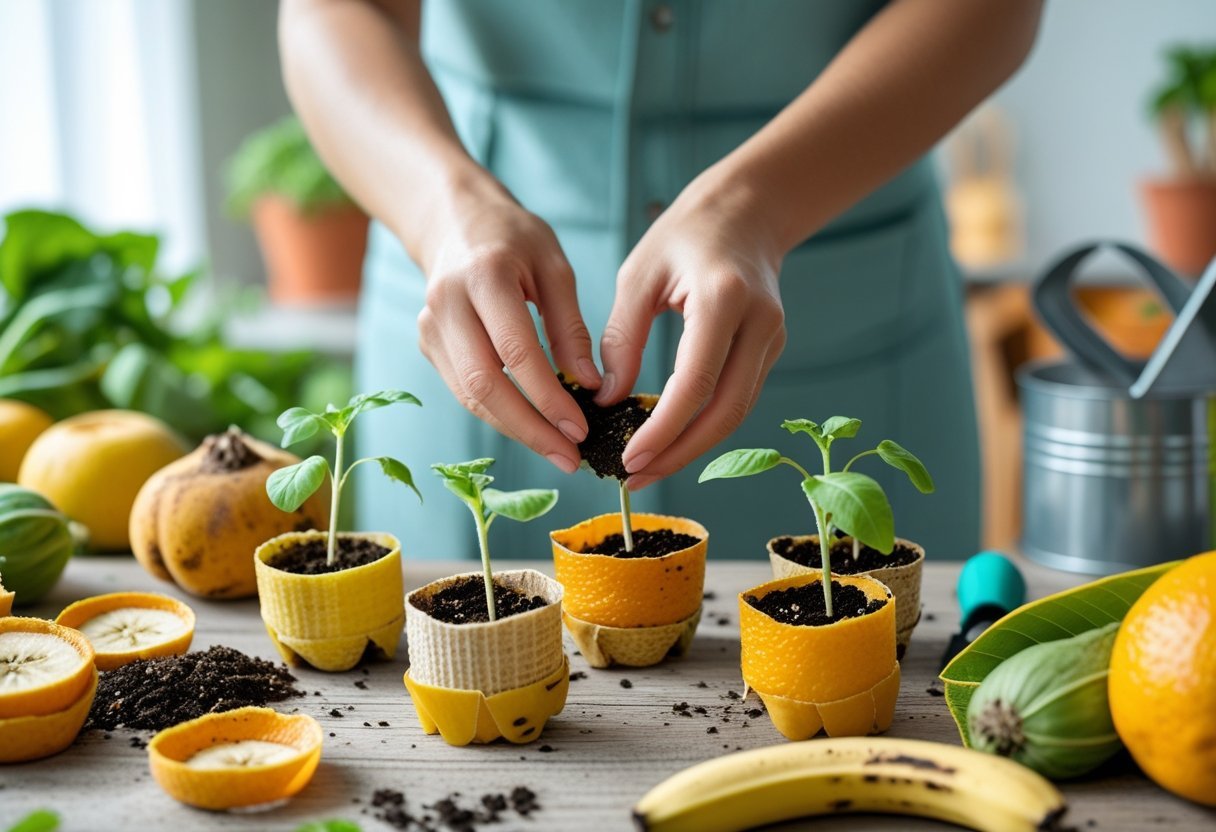
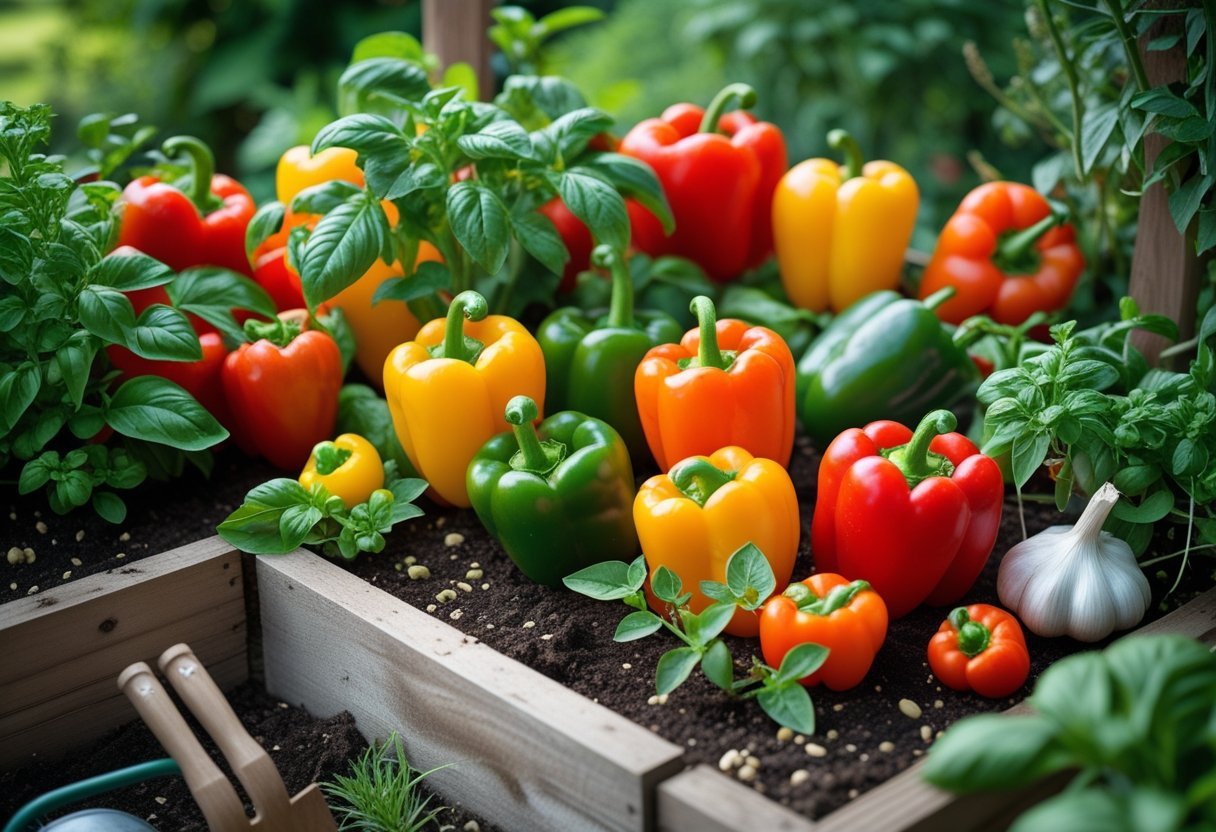
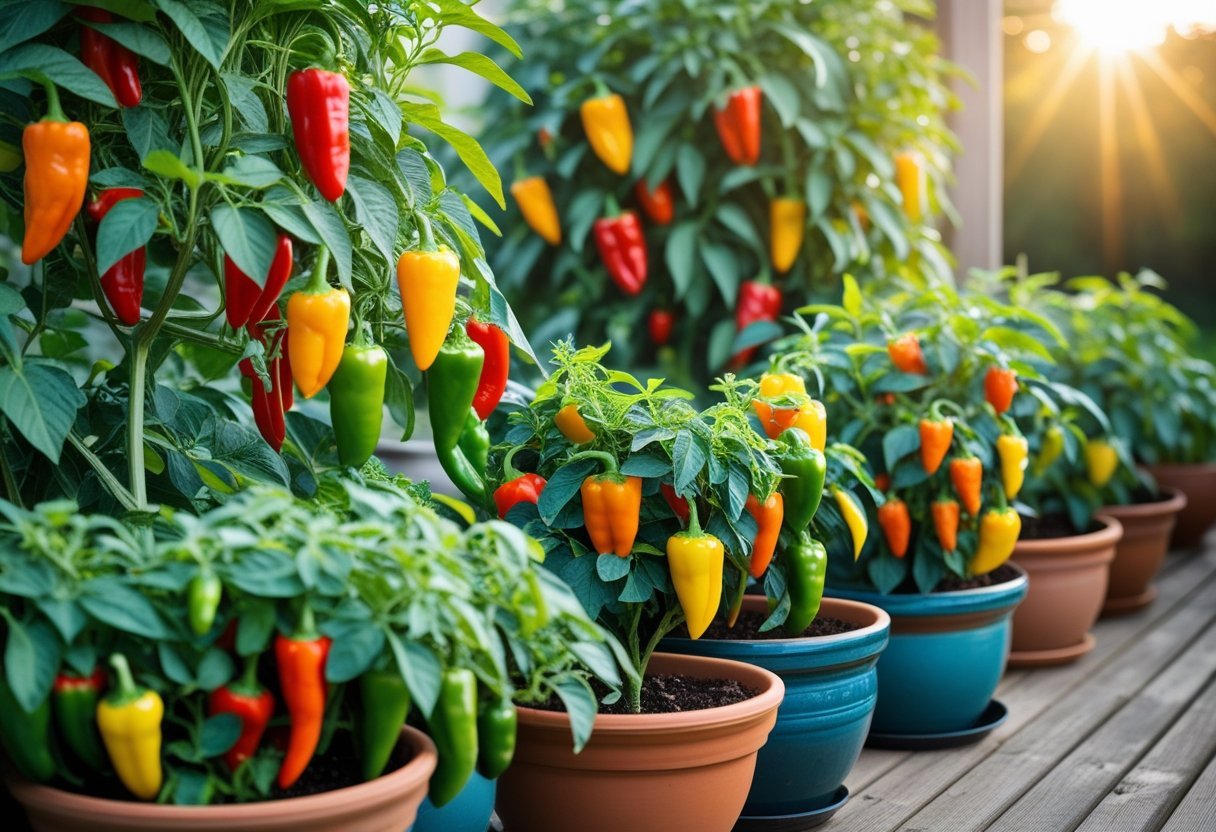
When fruits like tomatoes, peppers, or melons become overly ripe, save their seeds instead of discarding them. Dry these seeds to prepare for planting later. This method helps you reduce waste and provides a cost-free way to create new plants in your garden.
Recommended Products

Designed for optimal nutrition with a balanced blend of oats, alfalfa, corn, vitamins, and minerals
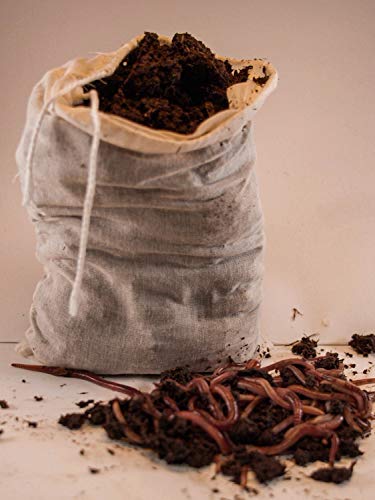
Red Wiggler Live Premium Pure Red Wigglers (50 Count)

The Best Worms for Composting: Our Red Wiggler worms are harvested from worm beds that are decades old and may contain different earthworm species. Diversity is superior because they work all layers of the compost, not just the top few inches, giving you a better compost in a shorter amount of time
6. Preserve Citrus Peels to Keep Pests Away Naturally
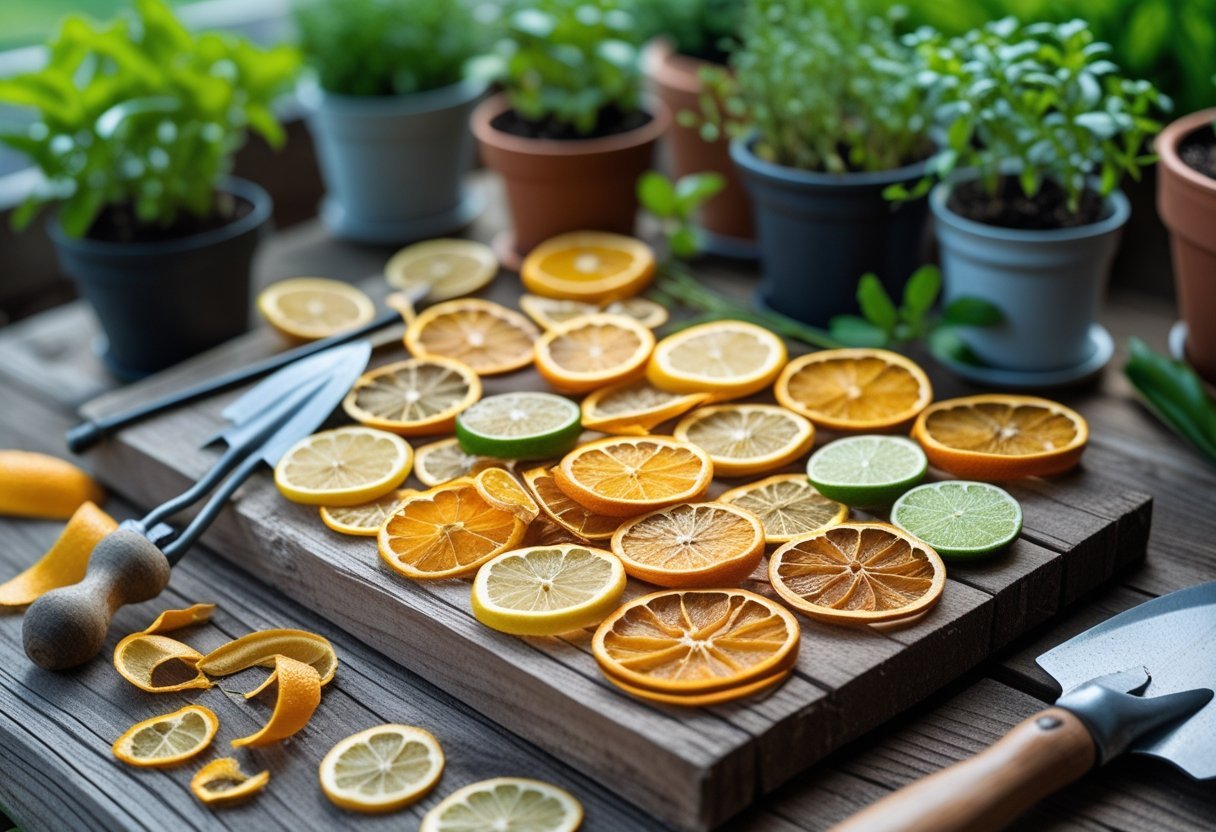
You can dry citrus peels to reuse them as a simple pest deterrent in your garden. This method turns kitchen scraps into a sustainable tool against ants, aphids, and even cats. Drying the peels prevents mold and helps maintain their pest-repelling oils for longer use. Incorporate this eco-friendly step to reduce waste and chemical reliance.
Recommended Products

Cold Hardy Bunching Onion: Evergreen white onions seeds produce non-bulbing scallions fresh green onions to 12 inches tall. Perennial onions white tolerate light frost and overwinter well in USDA zones 3–12 outdoor garden.

Hydroponic Growing System: 9-hole design allows you to grow multiple plants simultaneously, perfect for green onions, scallions, herbs, flowers, and seed starting in water or soil-based systems. The holder lifts scallion roots over a suitable water line, so roots can absorb moisture while the stem stays higher above standing water.

Green Onions
7. Use Wilted Greens to Make Liquid Plant Food
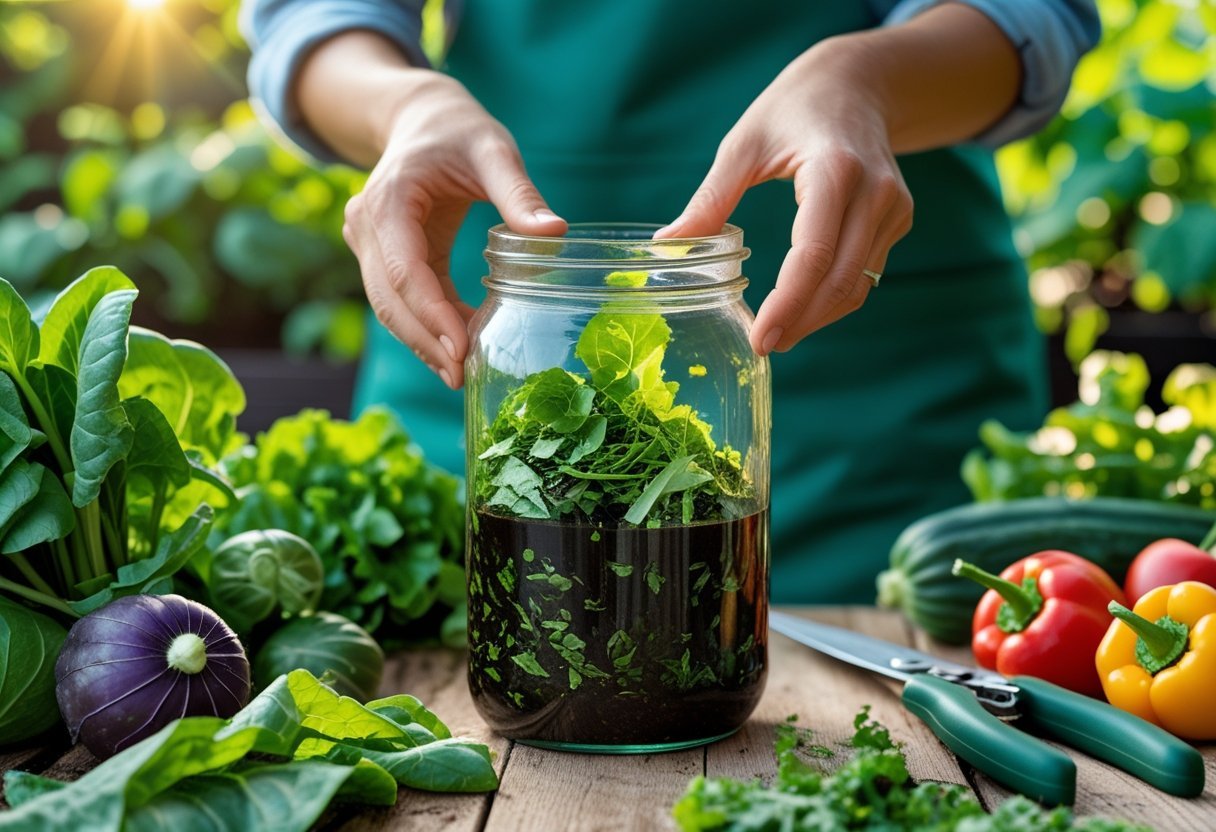
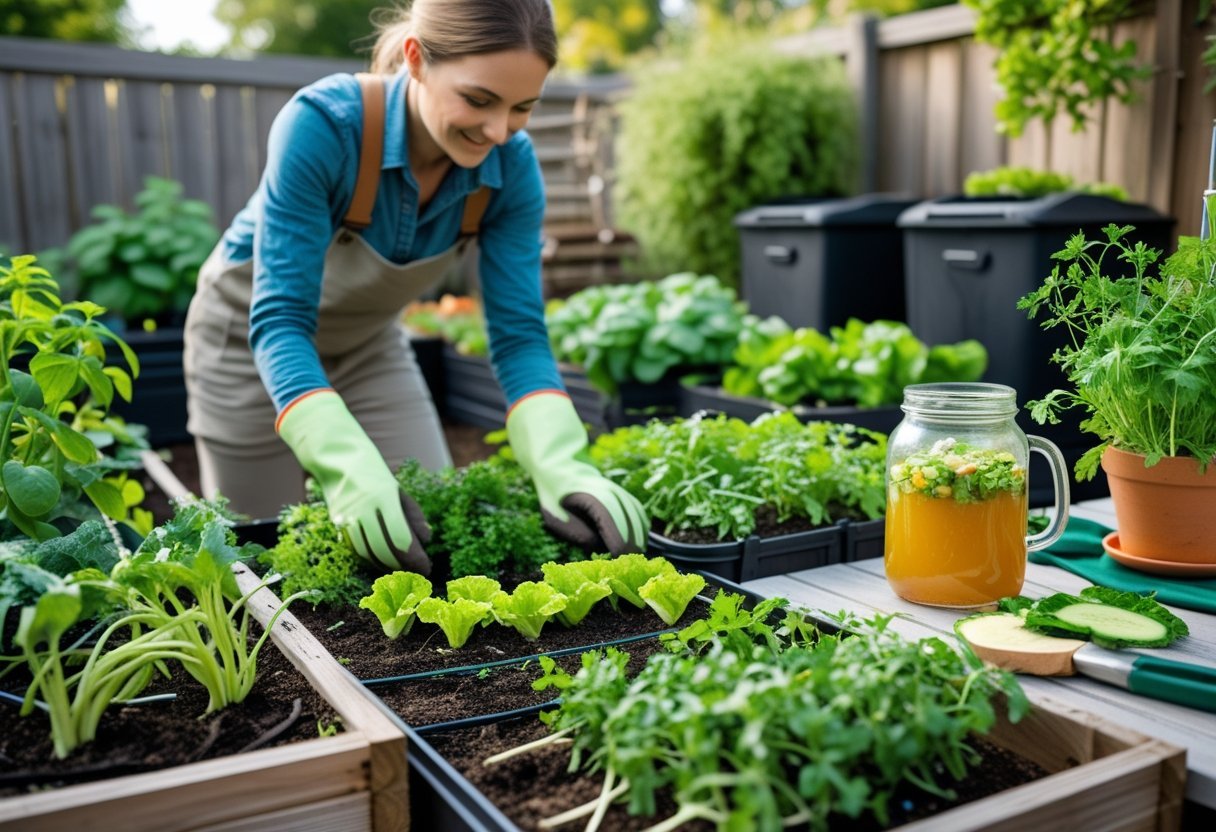
You can turn wilted spinach, lettuce, or herbs into a nutrient-rich liquid by blending them with water. This homemade fertilizer nourishes your plants when poured around their base. It’s an effective way to reduce food waste while directly enhancing soil vitality and supporting healthy growth. Try it as part of your regular garden care.
Recommended Products

Reuse your kitchen scraps and coffee grinds into our kitchen compost bin with the plastic inner pail and handle: Just put this small trash can on your kitchen countertop, throw away the food scraps (such as fruits, vegetables, coffee grounds, tea bags, egg shells, etc.) in it during cooking; 1.3 gallons offers enough space for temporarily collecting your organic kitchen and food waste for several days, without taking up too much space.

HIGH QUALITY COMPOST BIN CONSTRUCTION: This compost bin are made of high quality galvanized iron that is guaranteed to last a long time and is rust resistant. The epoxy resin coating provides additional protection, making it a reliable choice for your kitchen composting needs. This compost bin kitchen is designed with premium handles for a comfortable grip, making it easy to safely dispose of food scraps without worrying about messes or accidents

8. Using Fruit and Vegetable Peels as Mulch
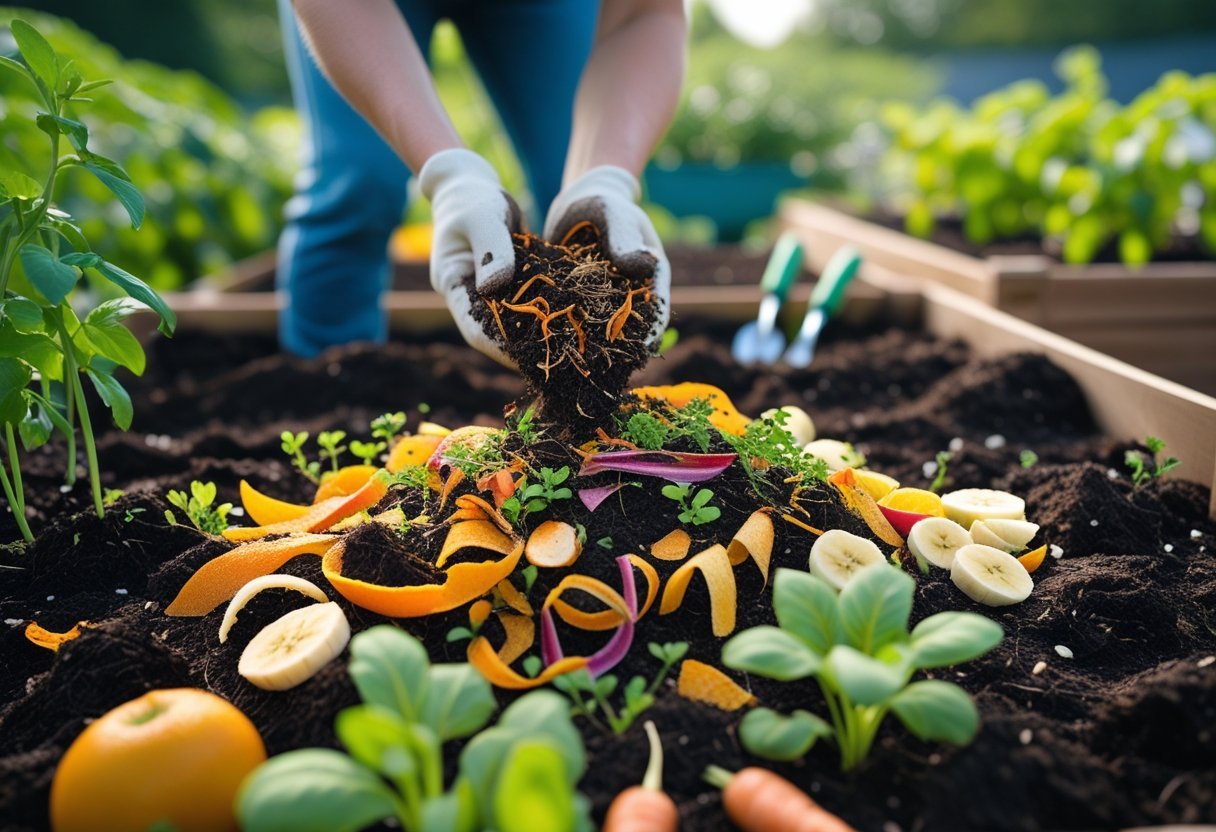
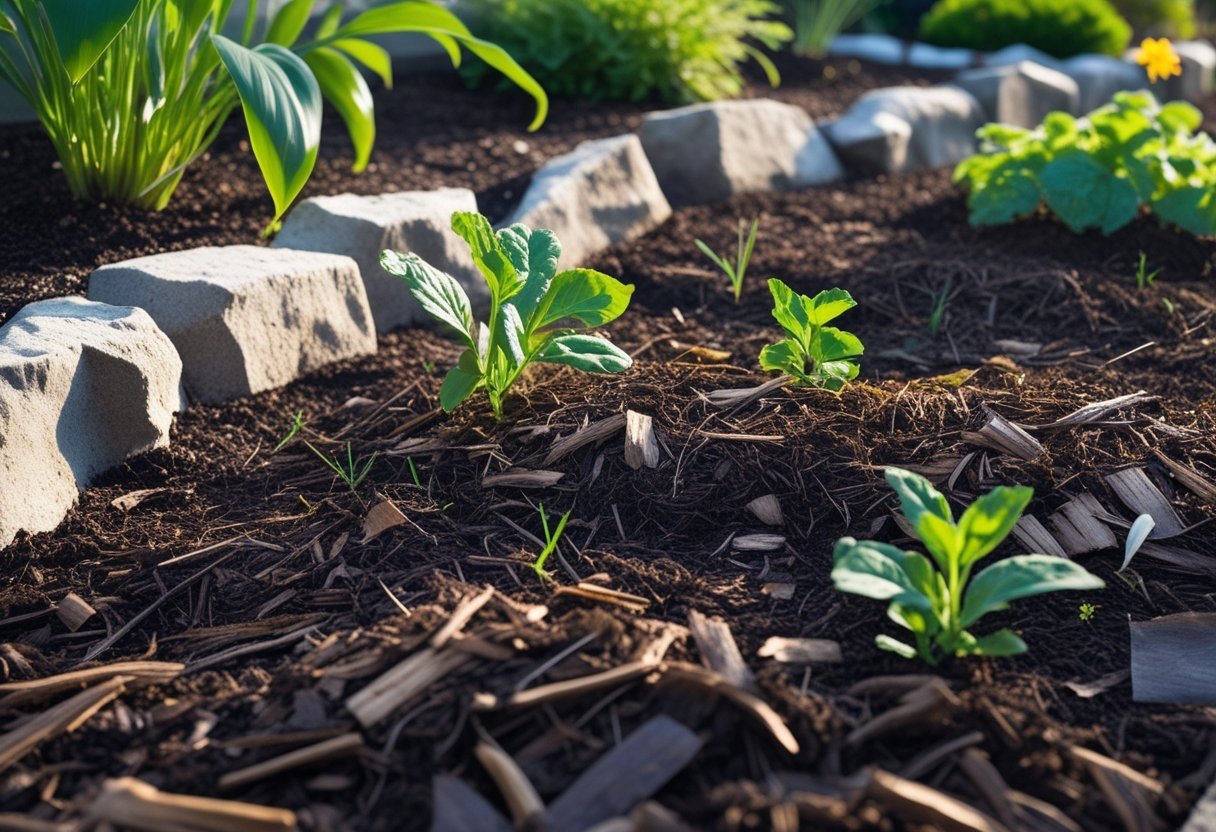
You can chop fruit and vegetable peels and spread them in your garden beds. This practice helps keep soil moist by reducing evaporation. As the peels break down, they enrich the soil with organic material, supporting healthier plant growth naturally.
Recommended Products

The Best Worms for Composting: Our Red Wiggler worms are harvested from worm beds that are decades old and may contain different earthworm species. Diversity is superior because they work all layers of the compost, not just the top few inches, giving you a better compost in a shorter amount of time


9. Store Food Scraps in the Freezer for Later Composting
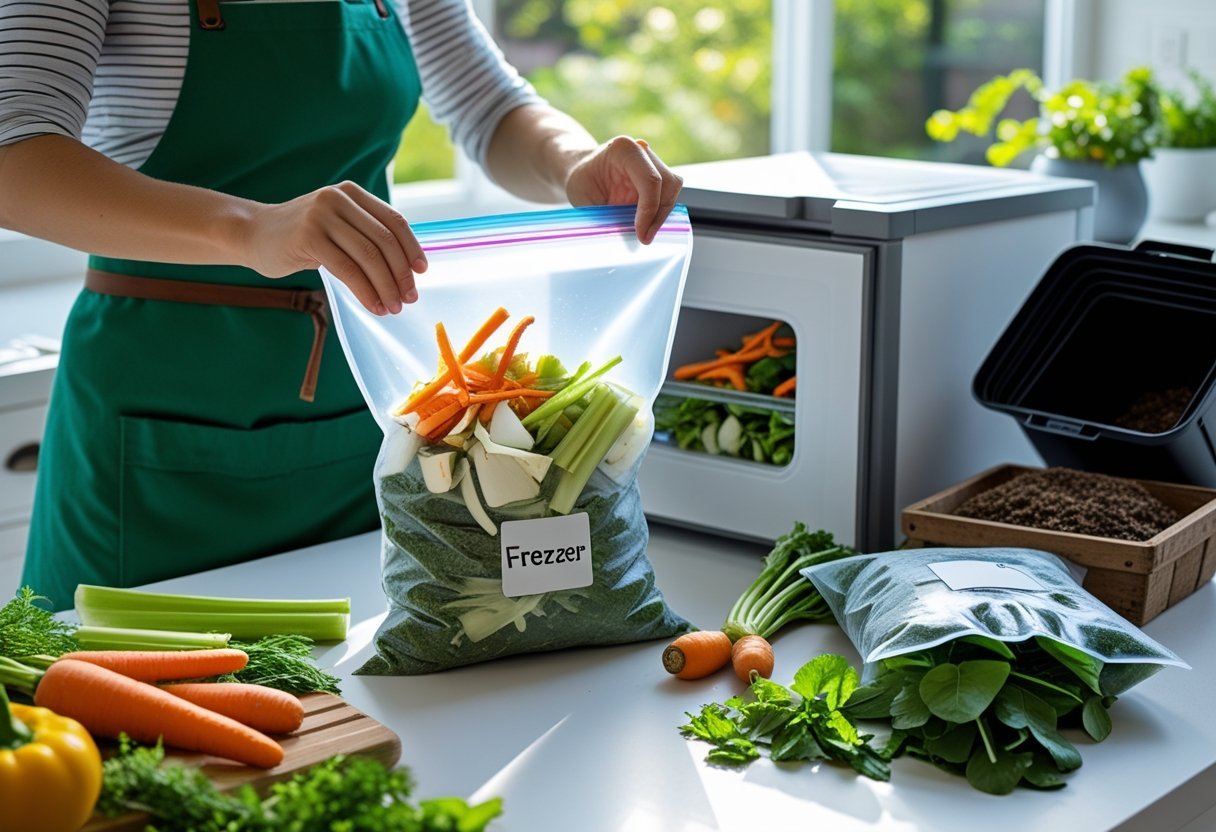
You can keep food scraps in the freezer if you’re not ready to compost immediately. This stops odors and decay while preserving the material. Freezing your scraps lets you collect enough to compost effectively when the time is right, making waste management easier and more efficient.
Recommended Products

Effortless All-in-One Seed Sprouting Kit Alternative: Unlike traditional seed sprouting kits, our system uses existing root ends for fast regrowth. The dedicated sprout growing kit includes two 3D-printed trays(3.35 x 2.17 inch/8.5 x 5.5 cm) that suspend roots at the perfect water level – no over-soaking, no rot. Just place the trimmed roots, fill with water, and your sprouts growing kit experience begins in seconds
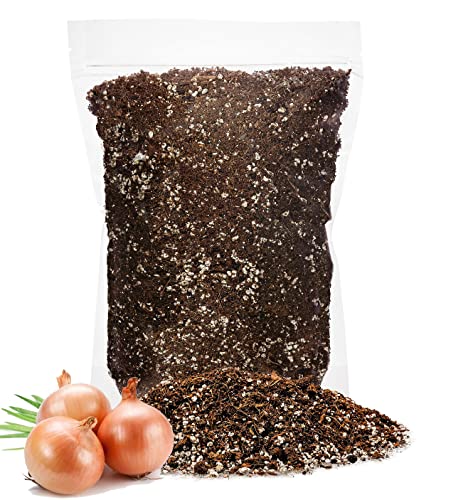
🌳 PROFESSIONALLY MIXED IN THE USA - Each bag is hand blended on our small family farm with premium horticultural grade ingredients: Coco Coir, Canadian Peat Moss, Perlite, Worm Castings- 2 QUART BAG

10. Offer Leftover Food to Backyard Chickens
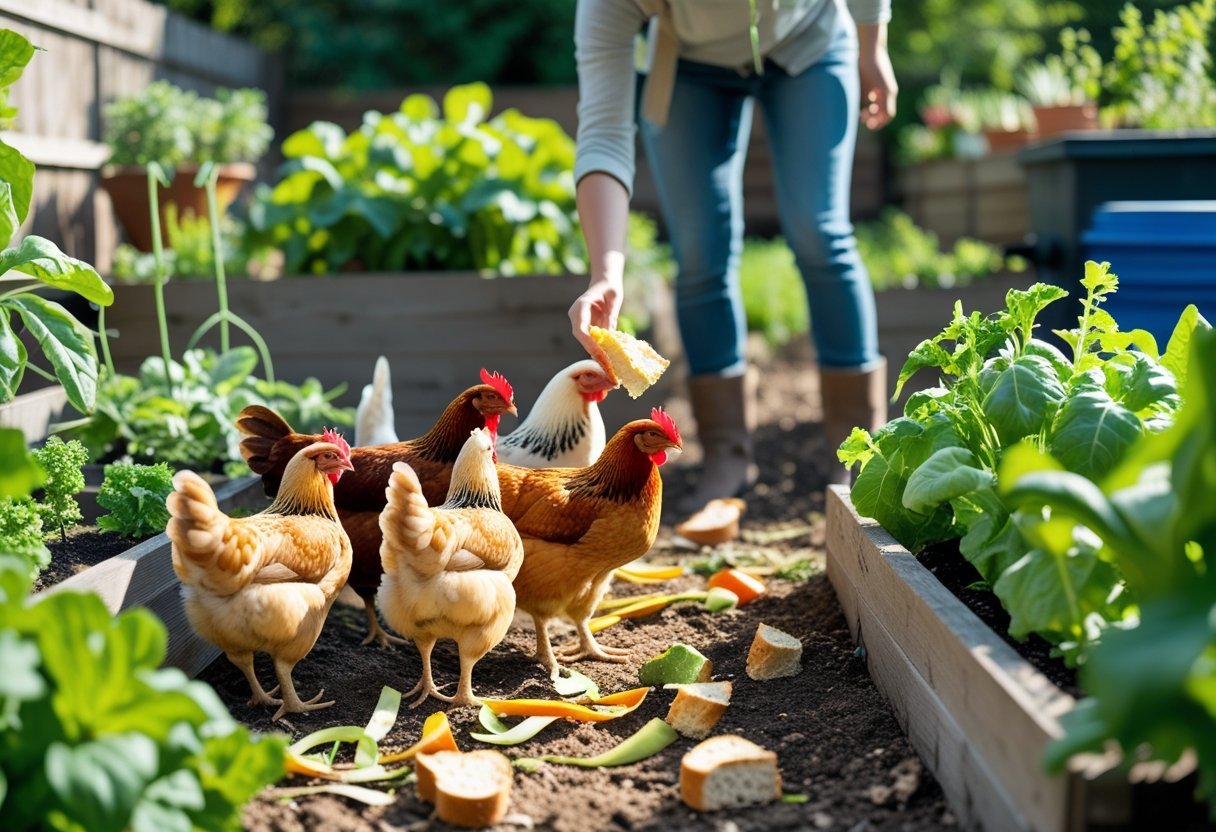
You can feed your chickens vegetable scraps, stale bread, and cooked rice safely. Avoid giving them processed or moldy items to keep them healthy. By doing this, you reduce food waste and support egg production while creating valuable manure for your garden.
Recommended Products
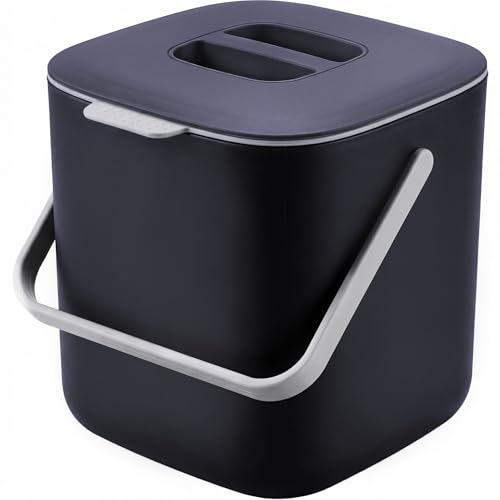
Compact and Convenient: Measuring L6.5“ x W6.5” x H7" with a 0.7-gallon capacity, this kitchen compost bin is perfectly sized to fit seamlessly on kitchen countertops or...
11. Create Your Own Fertilizer Using Banana Peels
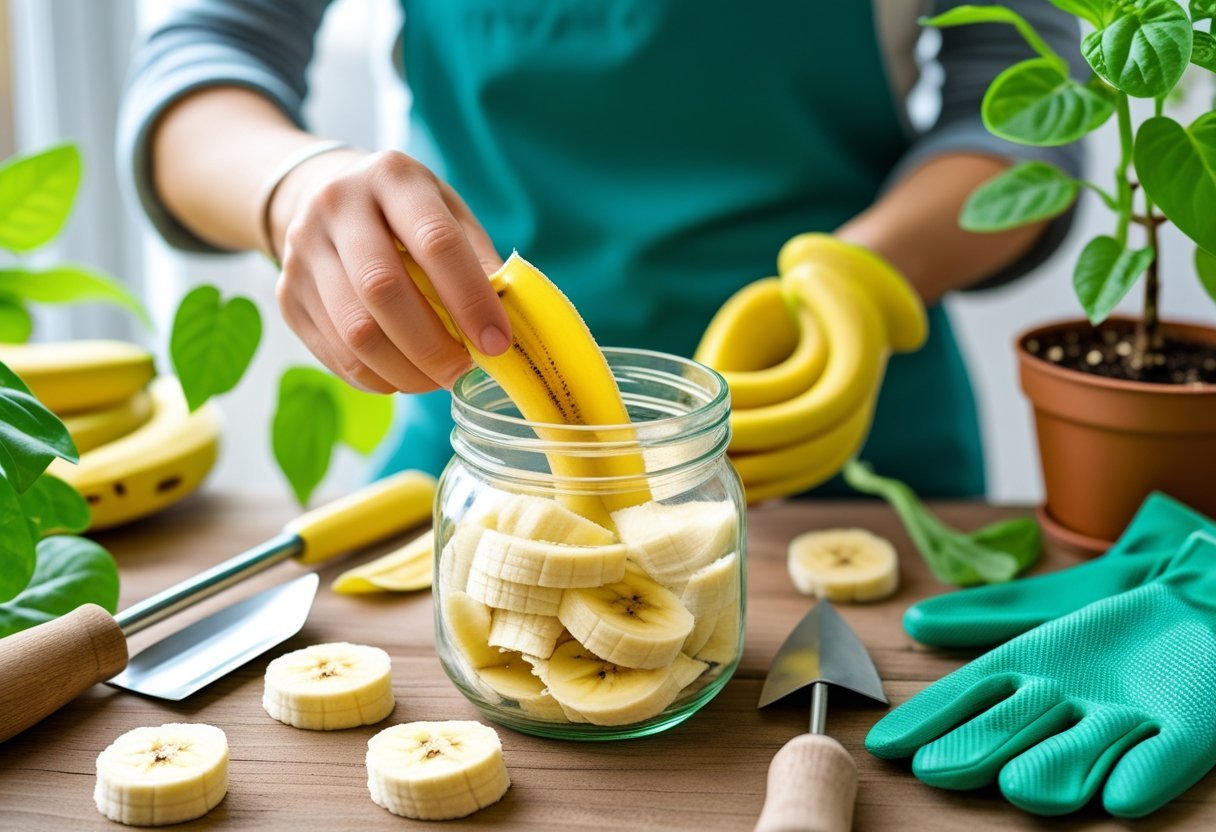
You can make an easy fertilizer by soaking banana peels in water to extract potassium and other nutrients. Pour this liquid directly at the base of your plants to support flowering and fruit development. This method is simple, cost-free, and helps cut down on food waste effectively.
12. Add Crushed Eggshells to Improve Soil
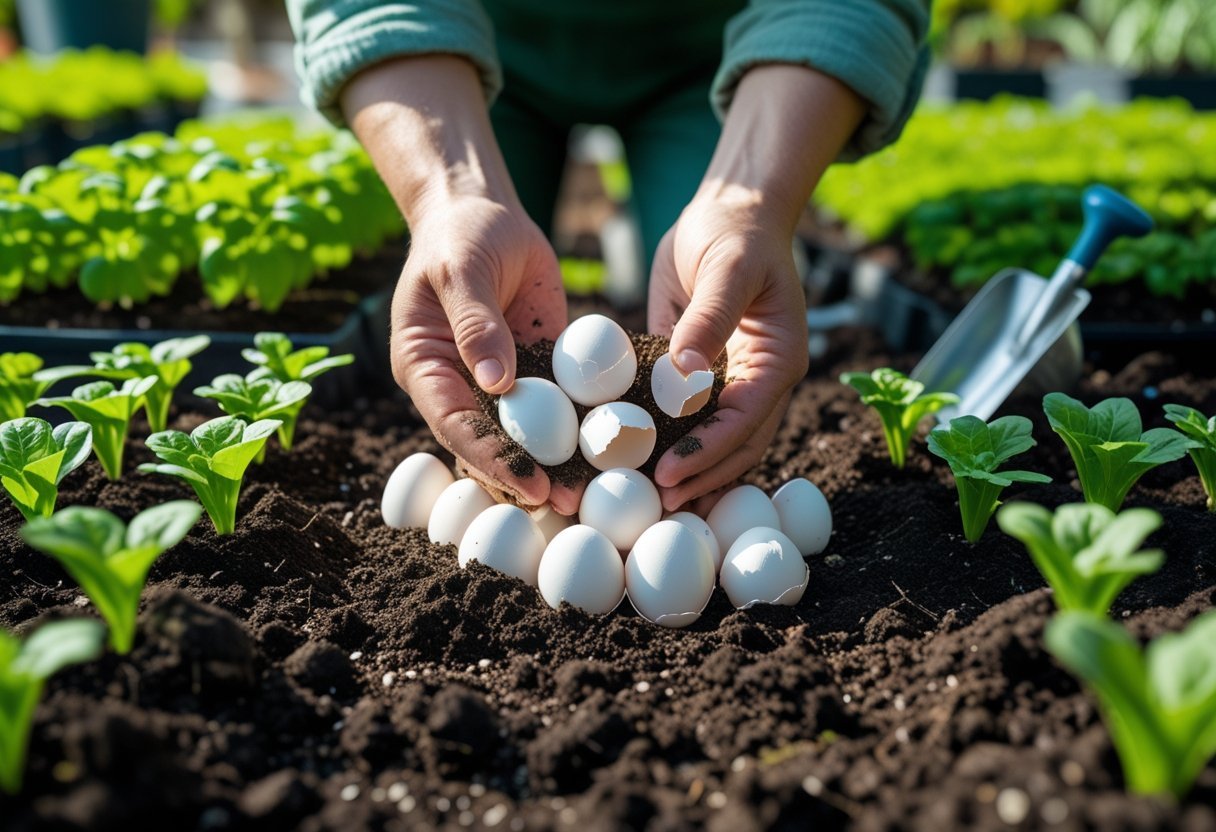
You can boost your soil’s calcium by crushing eggshells and mixing them into the soil. This helps reduce issues like blossom end rot in tomatoes and peppers. Sprinkling the shells around plants may also keep slugs away while supporting your garden’s health naturally.
13. Grow Edibles in Containers Using Compost-Enriched Soil
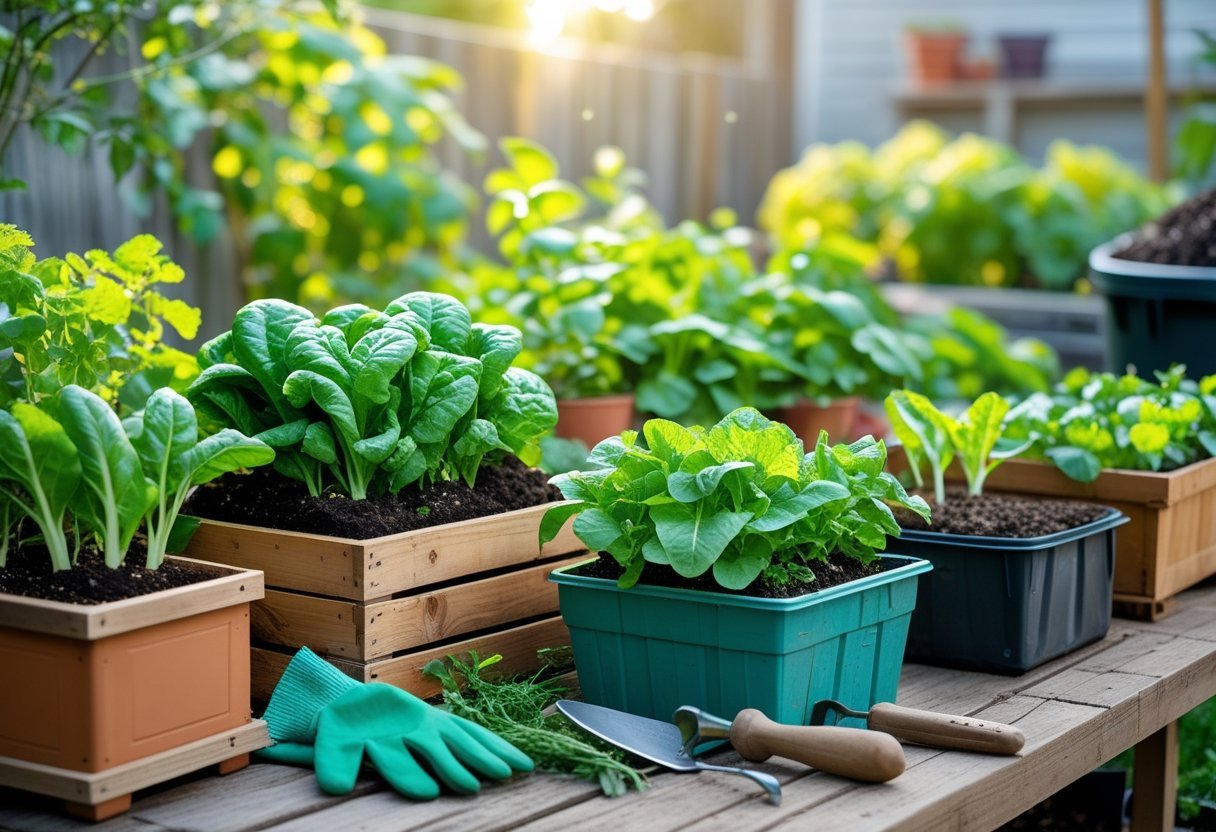
You can use compost made from your kitchen scraps to nourish plants in pots or containers. This method lessens reliance on store-bought soil while recycling food waste. It works well for gardeners with limited space like patios or balconies. Adding compost improves soil quality, supporting healthier growth for herbs and vegetables.
14. Collect Seeds from Grocery Store Vegetables
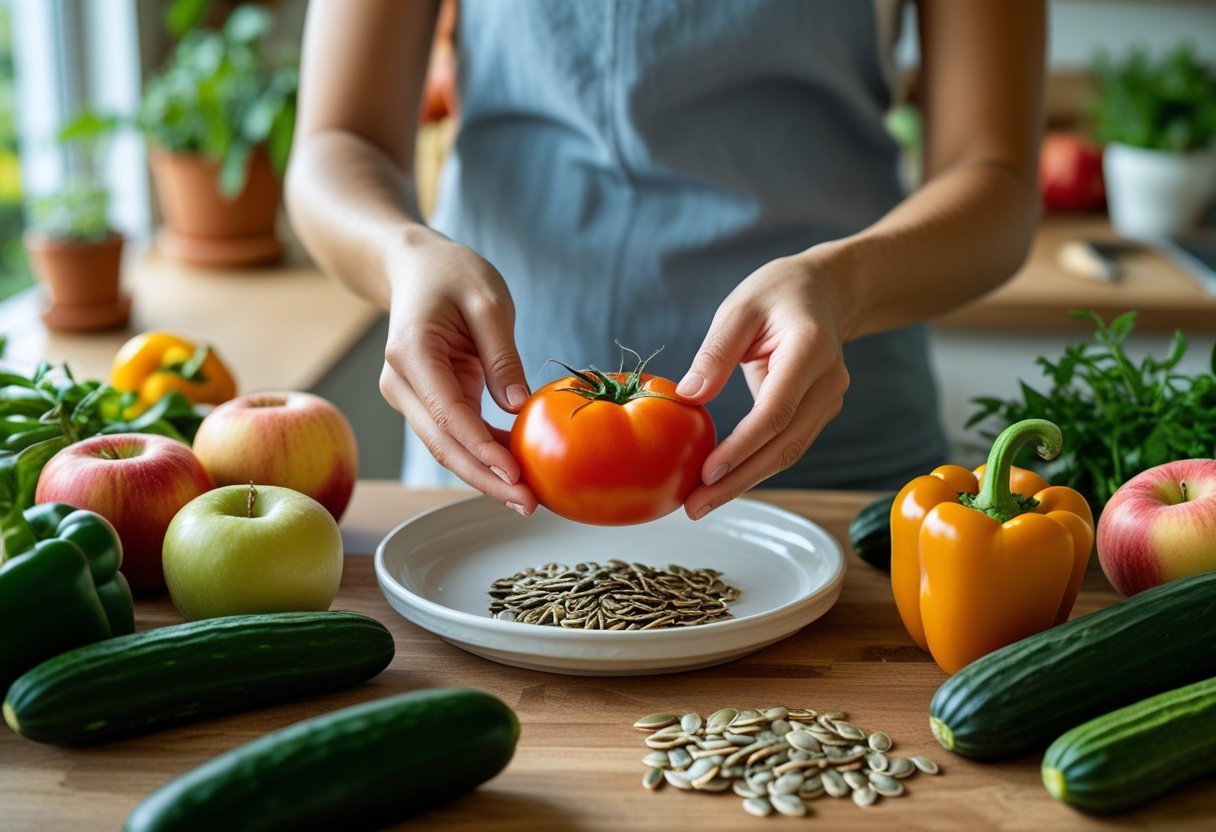
You can harvest seeds from common store-bought vegetables like tomatoes, bell peppers, and cucumbers. This practice helps lower food waste by reusing produce you already have. Collecting and planting these seeds also encourages greater independence in your garden’s growth cycle.
15. Enhance Your Soil Using Used Coffee Grounds
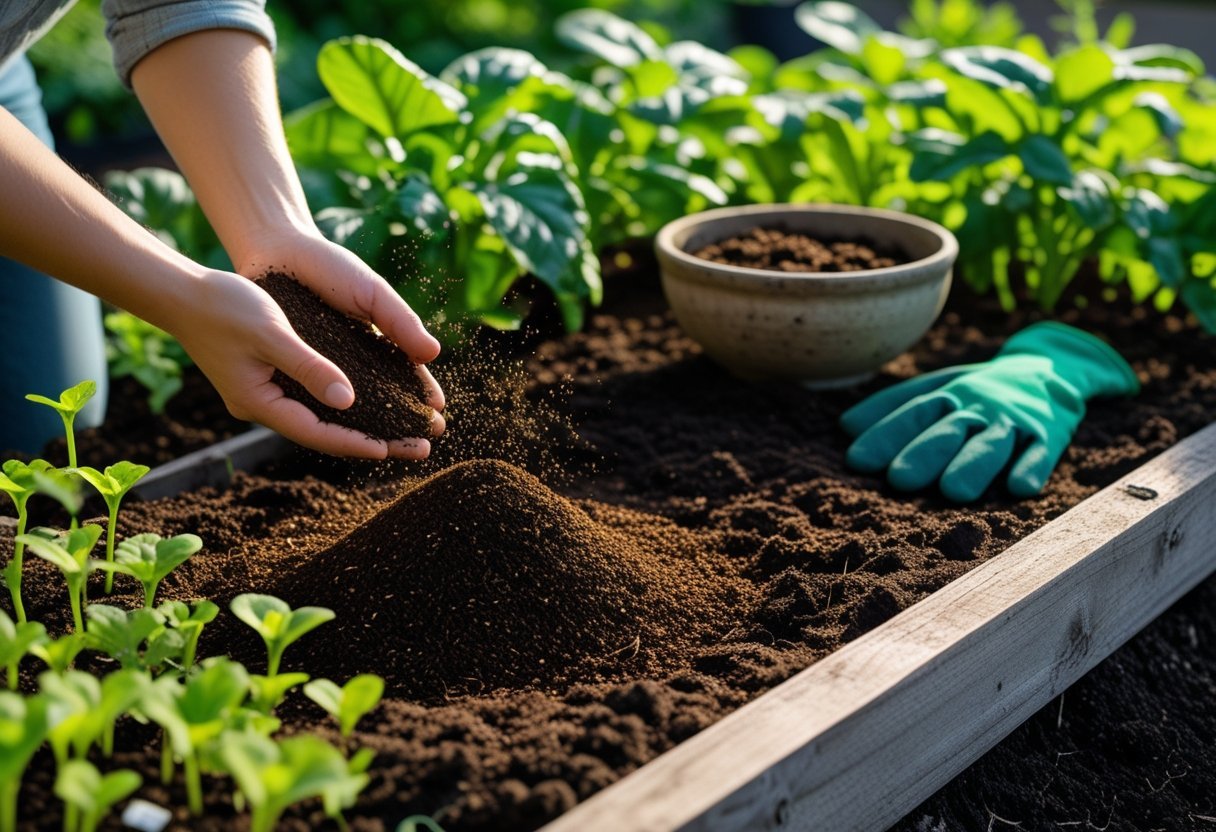
You can improve your garden soil by adding dry coffee grounds. They contribute nitrogen and help adjust soil texture. Simply spread them on the surface or blend them into your compost to support plant growth.
16. Build Your Own Compact Bokashi Compost System
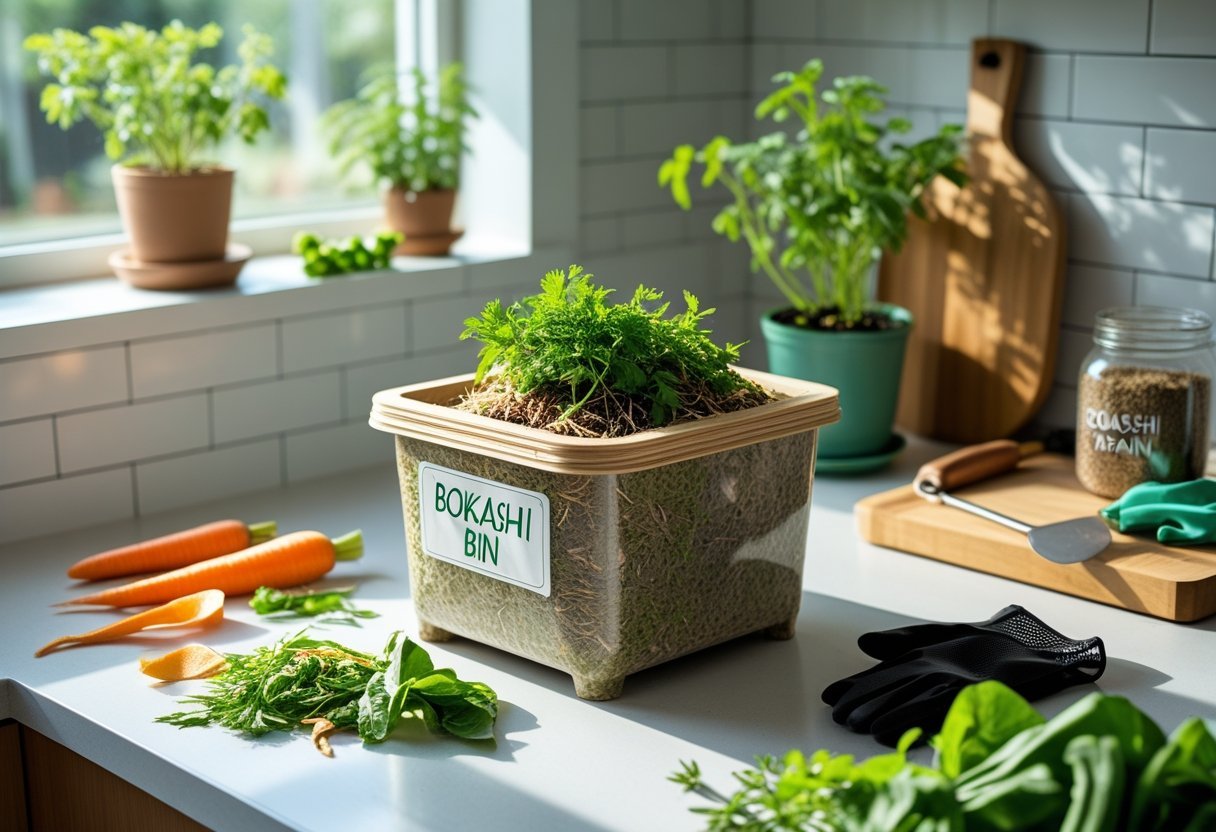
You can ferment various food scraps, including meat and dairy, inside a tightly sealed container using treated bran. This method keeps odors away and speeds up breakdown. After fermentation, bury the contents to enrich your garden soil. This system lets you manage food waste efficiently in a small space.
17. Bury Spoiled Fruits and Vegetables in Garden Trenches
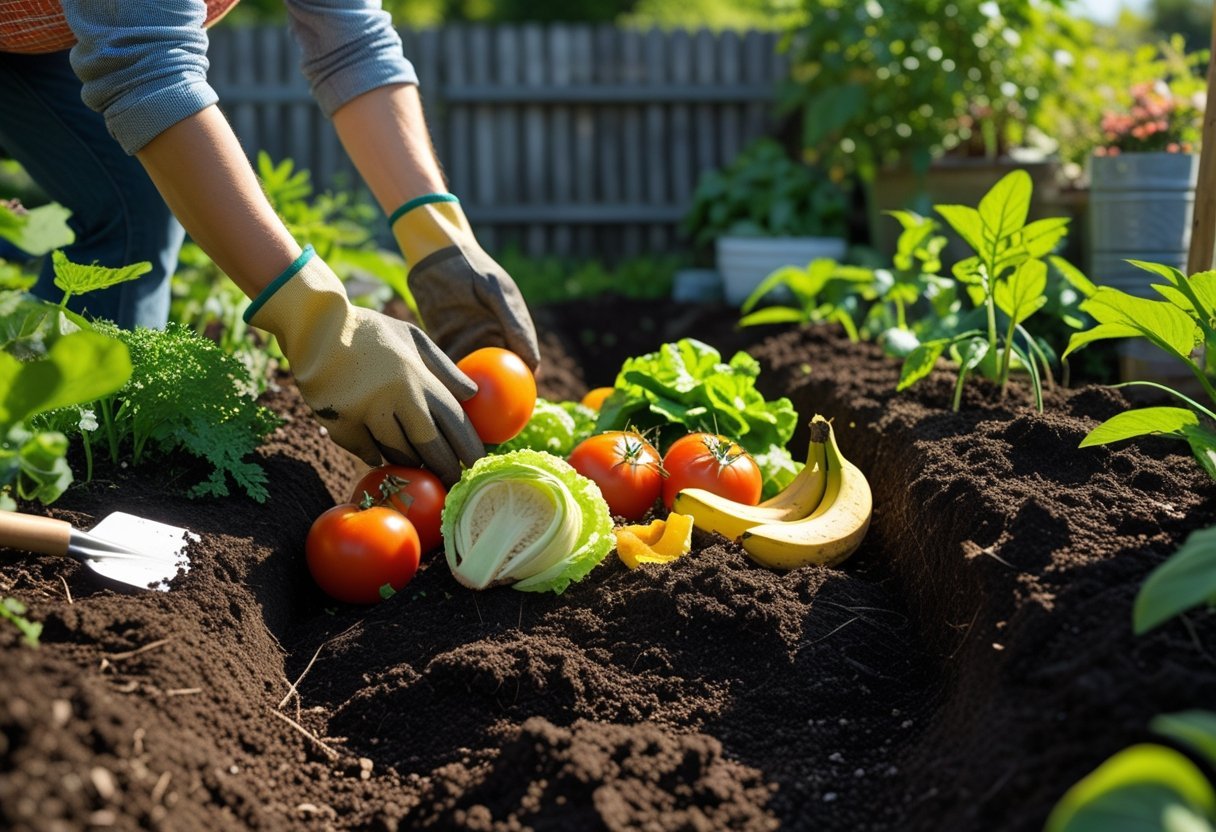
You can dig a trench in your garden to bury old or spoiled produce directly in the soil. This method allows the scraps to decompose naturally and release nutrients into the surrounding earth. It’s a simple way to reduce food waste while improving your garden’s health.
18. Repurpose Soft and Bruised Fruits for Garden Uses
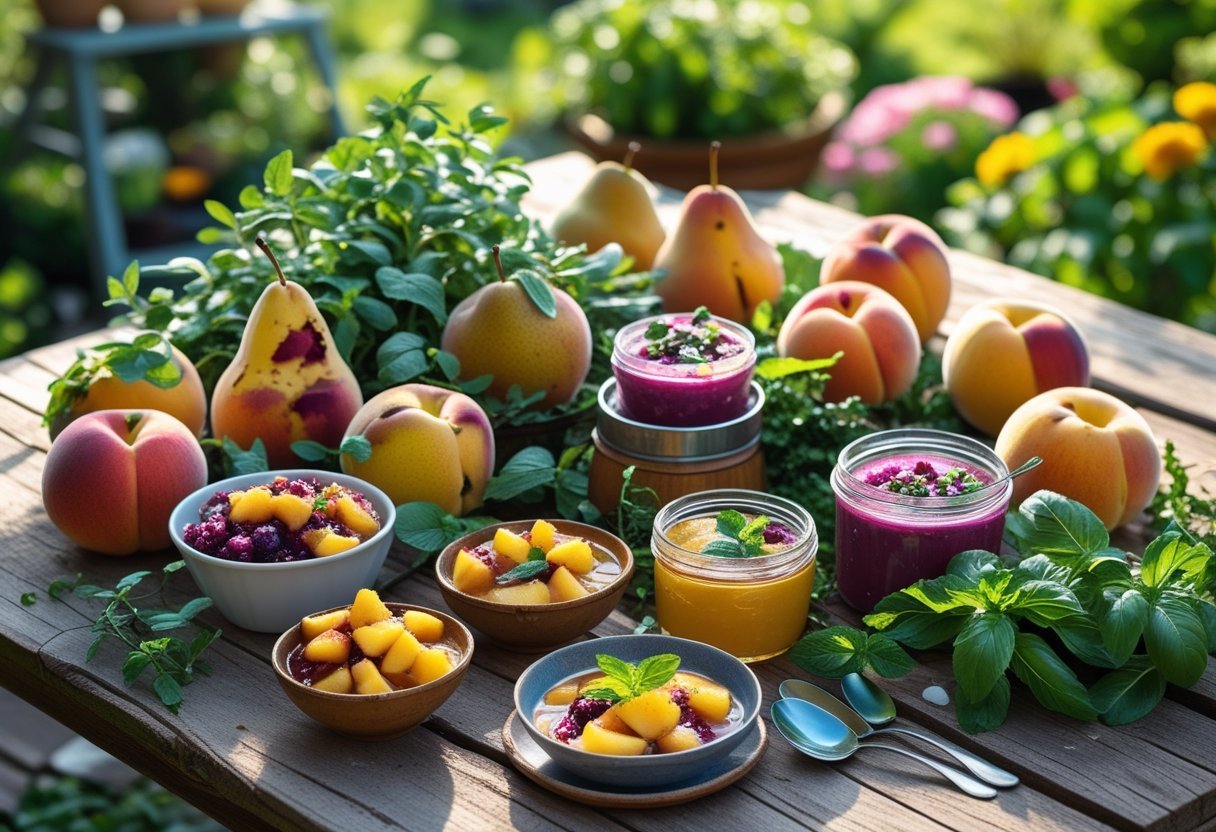
You can transform bruised fruits into homemade jams or tangy fruit vinegars. These options help reduce waste and create useful kitchen staples. Alternatively, blending damaged fruits into compostable slurries enriches your garden soil naturally. This approach benefits both your plants and your resources.
19. Dry Veggie Scraps to Make Mulch for Your Plants
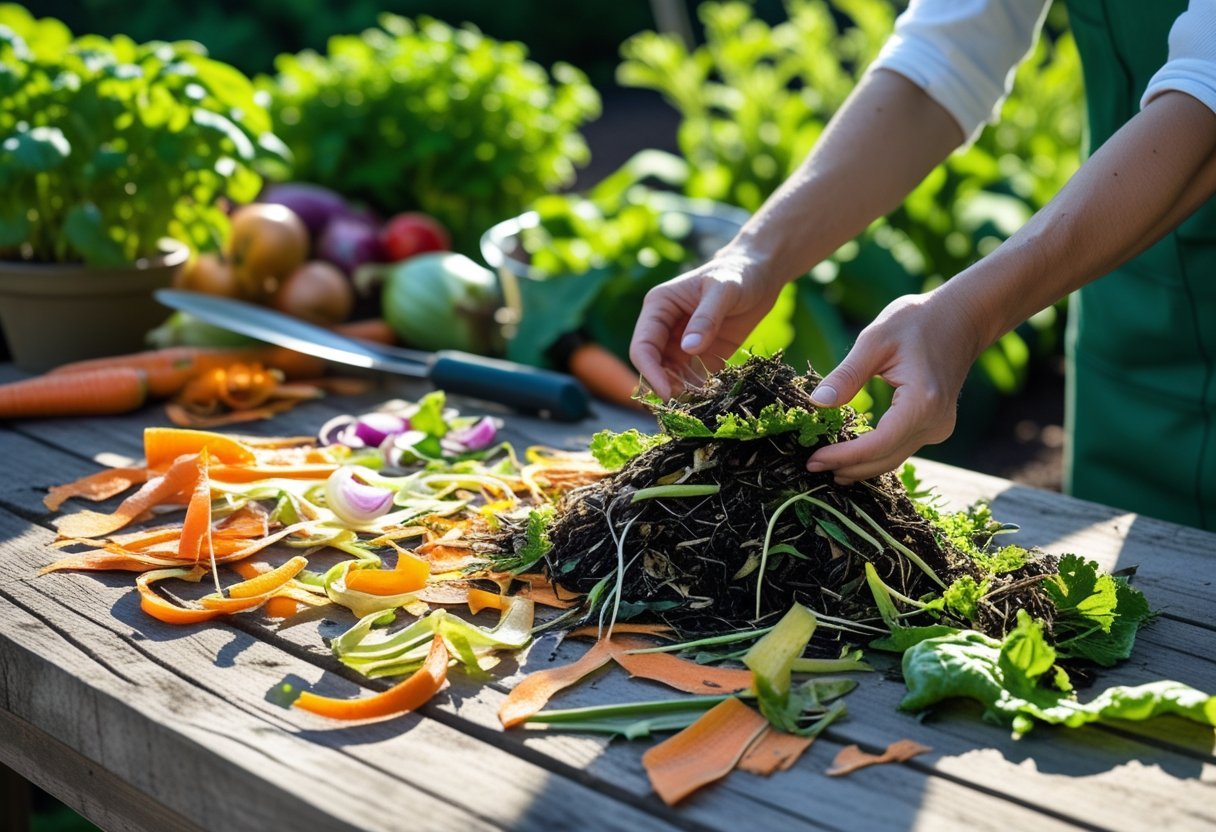
You can dry leftover carrot tops, onion skins, and other vegetable scraps to create mulch. This mulch helps keep soil moist, reduces weed growth, and gradually adds nutrients. Using scraps this way supports both your garden’s health and waste reduction efforts.
20. Create Nutrient-Rich Plant Juice Using Kitchen Scraps
You can ferment vegetable scraps, fruit peels, and leaves with sugar and water to make a natural fertilizer. This liquid supplies essential nutrients in a form plants can easily absorb. Using this method helps you cut food waste while boosting soil health.
21. Create a Garden Bed That Digests Food Waste
You can build a simple food waste digester by burying a perforated container directly in your garden soil. This setup allows your kitchen scraps to decompose underground, turning waste into valuable nutrients for nearby plants. As the waste breaks down, it naturally enriches the soil, reducing the need for additional fertilizers.
This method continuously feeds your garden and helps minimize food waste with minimal effort. It works well in small spaces, making it an efficient way to combine composting and gardening. By using this approach, you save money on soil amendments while supporting healthier plant growth and contributing to sustainability.