
Want to grow your own vegetables for pickles, kimchi, or sauerkraut in your backyard? You can easily cultivate fermentation crops like cabbage, onions, and other key ingredients to create fresh, homemade fermented foods.

Understanding how to set up a garden specifically for these vegetables helps you control flavor and quality. With a few simple tips, you’ll be ready to enjoy the benefits of homegrown fermentation crops.
1. Dedicated Cabbage Growing Area
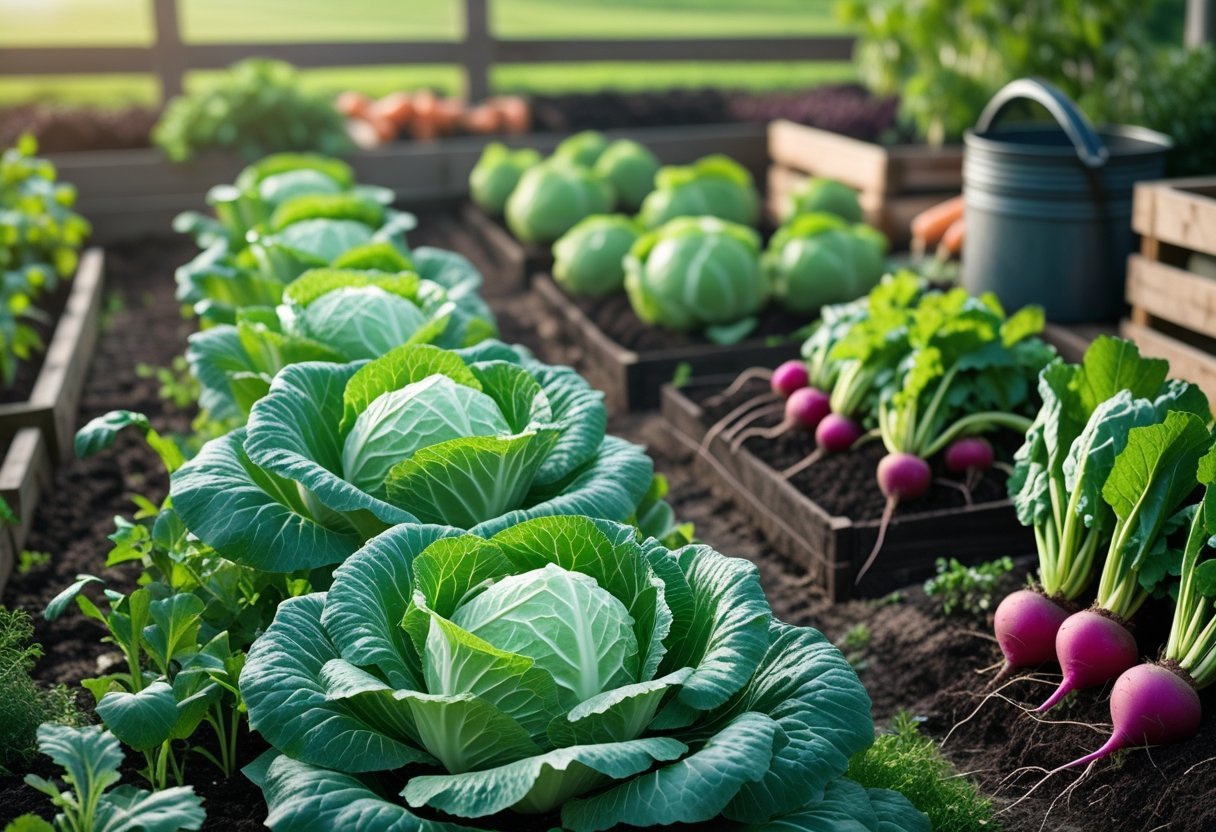
If you plan to ferment sauerkraut or kimchi, creating a specific cabbage growing space is important. Cabbage thrives with consistent moisture and contains natural sugars that make it ideal for fermentation. This vegetable plays a central role in many fermented recipes worldwide, making it a reliable choice for your garden.
Recommended Products

Early Maturing Heads: Early Round Dutch cabbage seeds form firm round heads weighing about 2-5 lbs, reaching harvest in 60-70 days, ideal for gardeners seeking fast results in cool season vegetable garden.

Good Combination: 1pc green soil moisture meter and 1pc black soil moisture meter in one set, lightweight and enough to meet your needs, help you testing soil humidity easily and quickly, so that you can know when to water your plants accordingly

Versatile & Long-Lasting: Clean, odorless, non-toxic, and pH neutral, vermiculite won’t rot or mold, making it ideal for gardening, packaging, and industrial use.
2. Kimchi Ingredient Patch
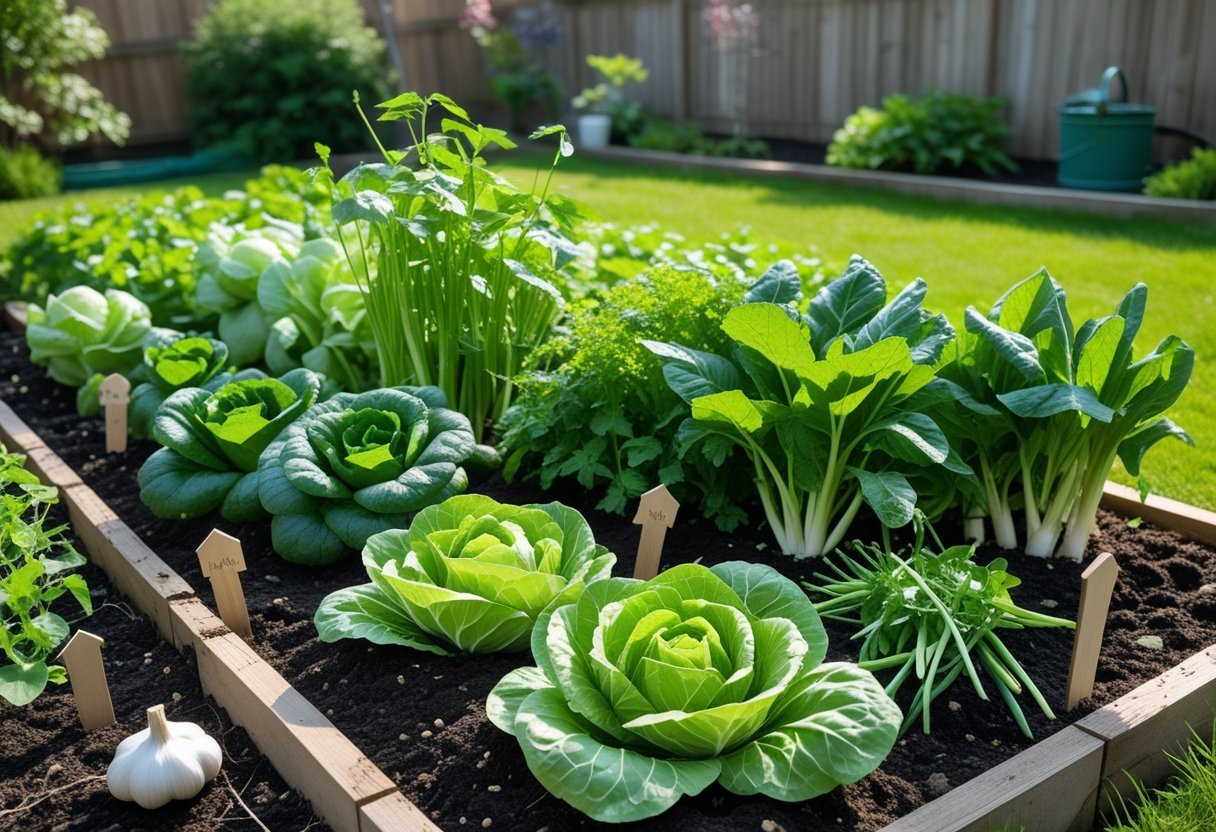
Create a dedicated garden bed for essential kimchi vegetables like napa cabbage, Korean radishes, scallions, and chili peppers. These plants thrive well when grown together, ensuring you have fresh ingredients ready for your kimchi recipes. This setup simplifies cultivating everything needed for traditional or personalized kimchi batches.
Recommended Products

Traditional Korean Kimchi Variety A premium Korean fall napa cabbage developed for producing dense, crisp heads that are ideal for homemade kimchi and other traditional dishes.

SIX ASIAN GARDEN SEED VARIETIES - Includes Bok choy (Brassica rapa subsp. chinensis), napa cabbage (Brassica rapa subsp. pekinensis), Thai basil (Ocimum basilicum), Chinese celery (Apium graveolens), Tokyo bunching onions (Allium fistulosum), and watermelon radish (Raphanus sativus)

Choose a location with appropriate soil and prepare by fertilizing and breaking up the soil until it is loose. Plant seeds an inch apart and thin to three inches apart 10 days after seedlings emerge. Radishes mature quickly, so not much care is needed besides careful watering. Plant in successive waves for more harvests.
3. Pickling Cucumber Trellis
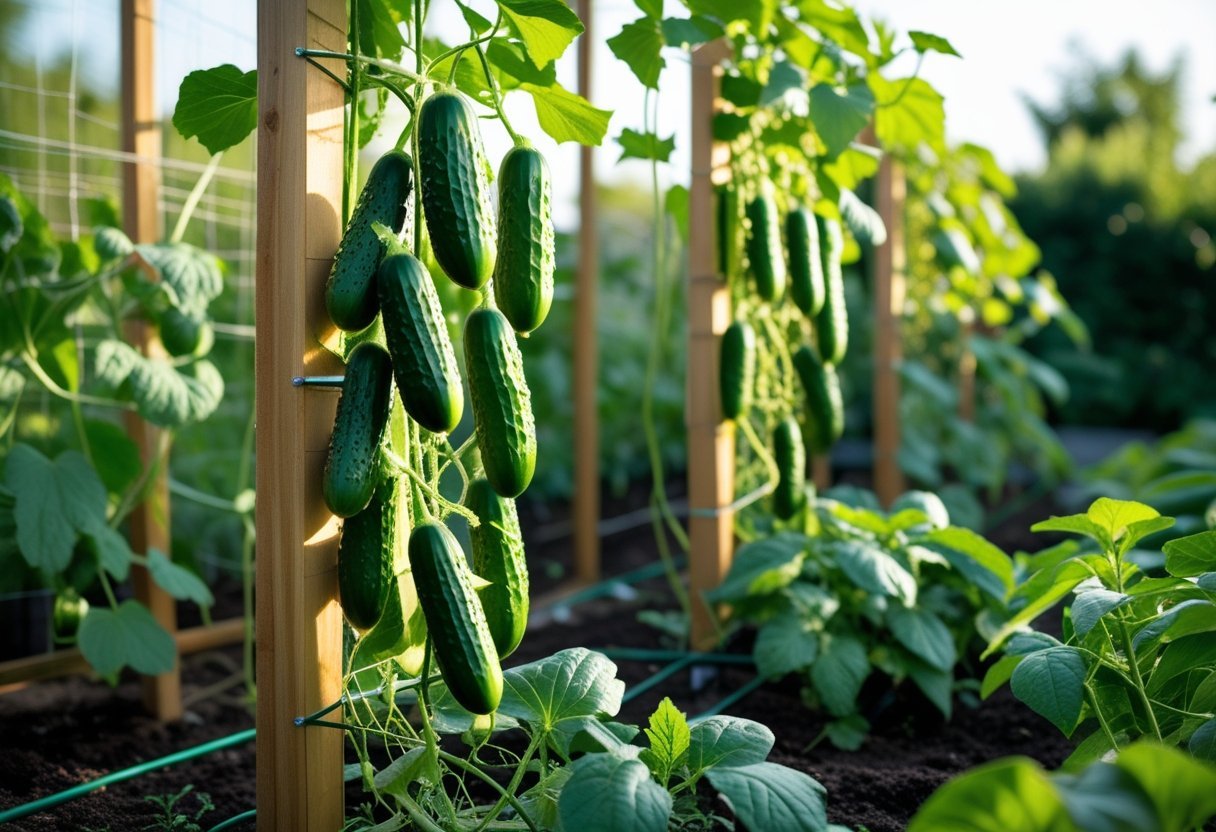
You can grow climbing cucumber types on a trellis to save garden space efficiently. Vertical growth improves air flow around the plants, which helps reduce disease. These cucumbers stay crisp, making them ideal for fermenting into crunchy pickles.
Recommended Products

Boston Pickling Cucumber seeds garden seeds vegetable seeds bulk

【Multi-Function】 Tall Tomato Cage-Each tomato cage can be adjusted from 16inches to 47 inches in height,suit for different growth stages of plants, offering versatile supports for a wide variety of tomato plants, ensuring they grow tall and strong.

Heirloom, early-maturing favorite: Heirloom favorite boston cucumber seeds mature in 55-60 days, producing sweet, crunchy 2-6 inch picklers on vigorous vines with high yields for your vegetable garden and home garden seed collection.
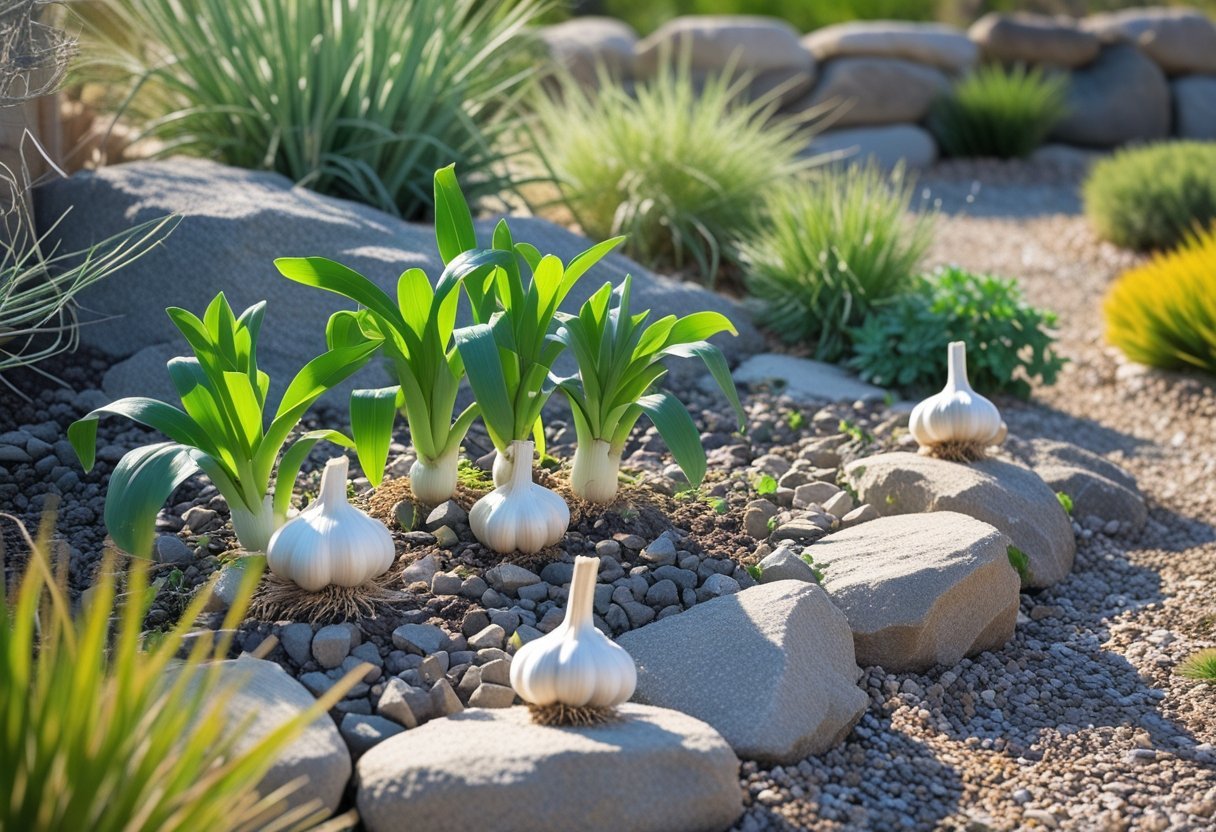
4. Garlic and Onion Raised Bed
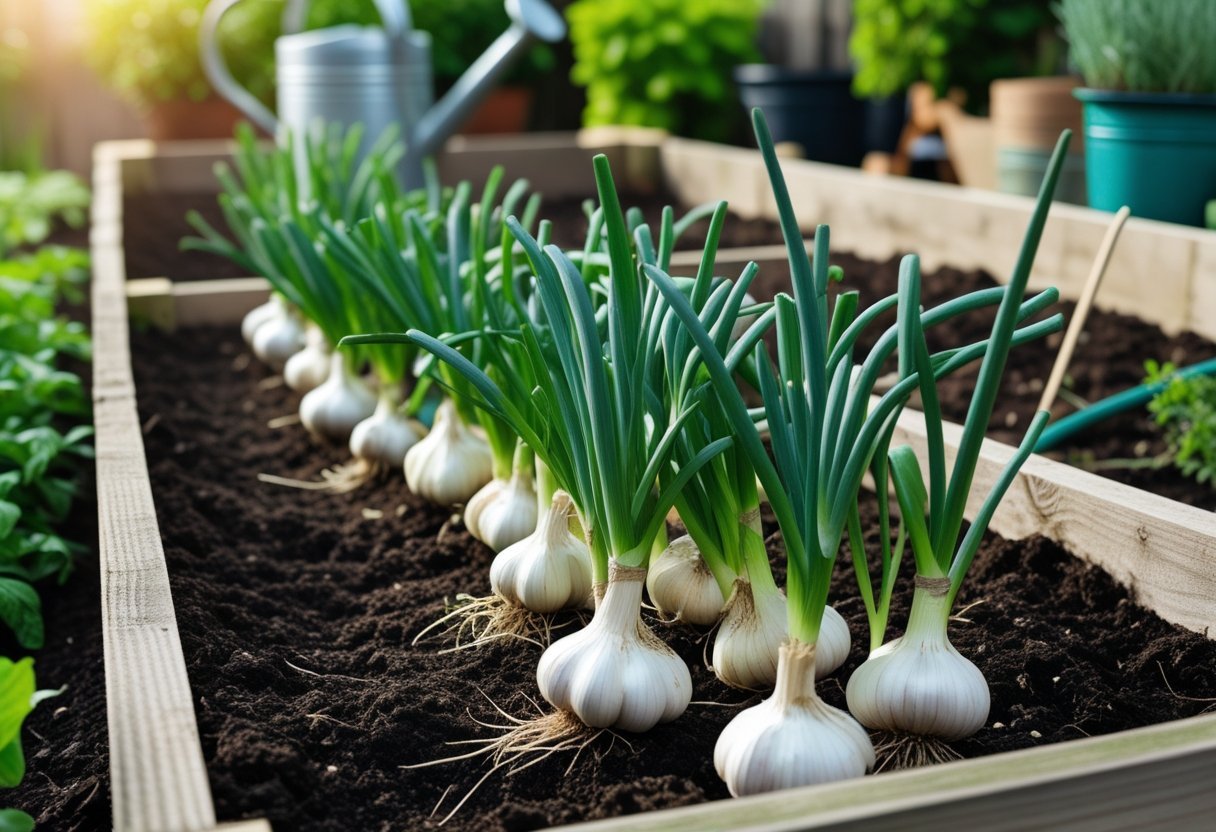
You’ll want to choose a raised bed with loose, well-draining soil for planting garlic and onions. These vegetables thrive when they receive ample sunlight throughout the day. Adding them to your garden not only boosts flavor in your cooking but also supports a wider variety of fermentation-friendly crops. Their growth needs are straightforward and align well with many backyard garden setups.
Recommended Products

Ready-to-Use Formula: No mixing or extra steps required. Simply pour and plant - perfect for gardeners of all experience levels.

FOR USE: Ideal for raised garden beds and outdoor containers.

5. Radish Row Garden
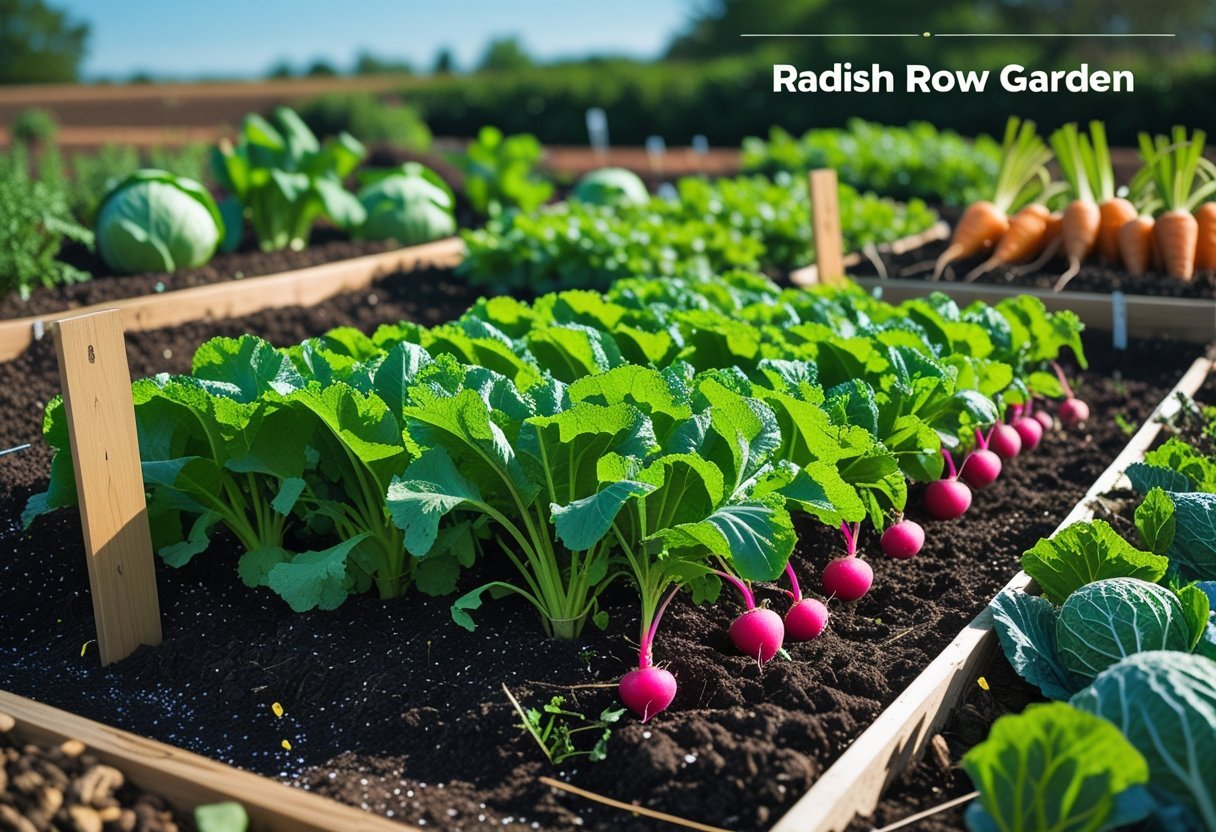
You can plant radishes in neat rows to make harvesting simple and efficient. Stagger your sowing times to maintain a steady supply. Their fast growth suits continuous harvests and supports fermentation well in your garden.
Recommended Products

10 HEIRLOOM VARIETIES - A super pack covering sweet bells to spicy chiles with Jalapeño, Serrano, Cayenne, Big Red Pepper, California Wonder Pepper, Cubanelle, Orange Habanero, Marconi Red, Anaheim Pepper, Rainbow Mix Bell Peppers

COOL PEPPERS - ICONIC CULINARY MASTERPIECES: Discover magnificent, cult-status pepper varieties packed with numerous exceptional qualities. These are not just ordinary peppers—they are the ones you will want to plant year after year. Ranging from fiery classics of extreme heat to rich, bold authentic flavors, this collection will elevate your culinary creations to a whole new level while offering a rich array of valuable health benefits.

Spicy Variety Pack: Includes 5 hot pepper varieties—Cayenne, Hungarian Yellow, Jalapeno, Serrano, and Habanero Orange; perfect for adding heat to your garden and kitchen
6. Garden Setup for Root Crops and Fermentation
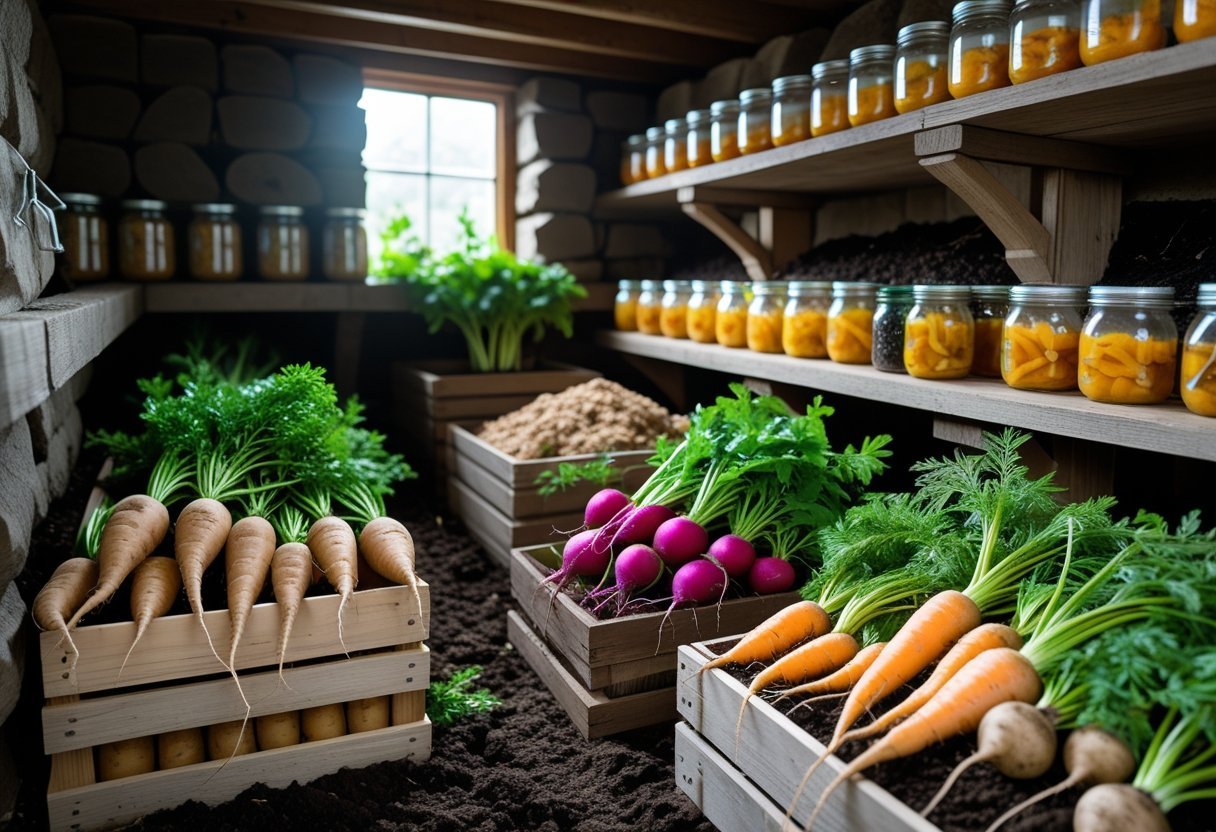
Focus on growing root vegetables such as carrots, turnips, beets, and rutabagas. These crops store well and are ideal for fermentation. Keeping them in a cool, dark space like a root cellar helps extend freshness and reduces waste. Designing your garden this way supports efficient use and preservation.
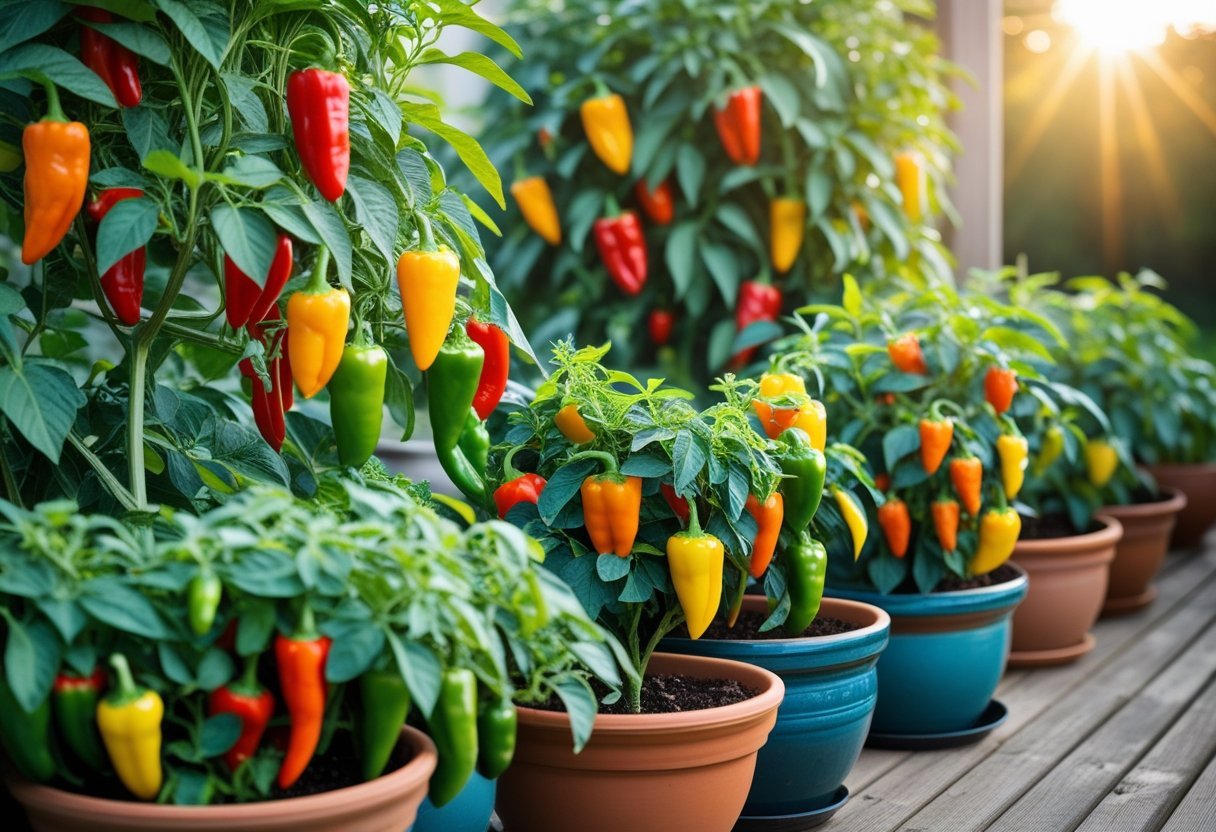
7. Hot Pepper Spot
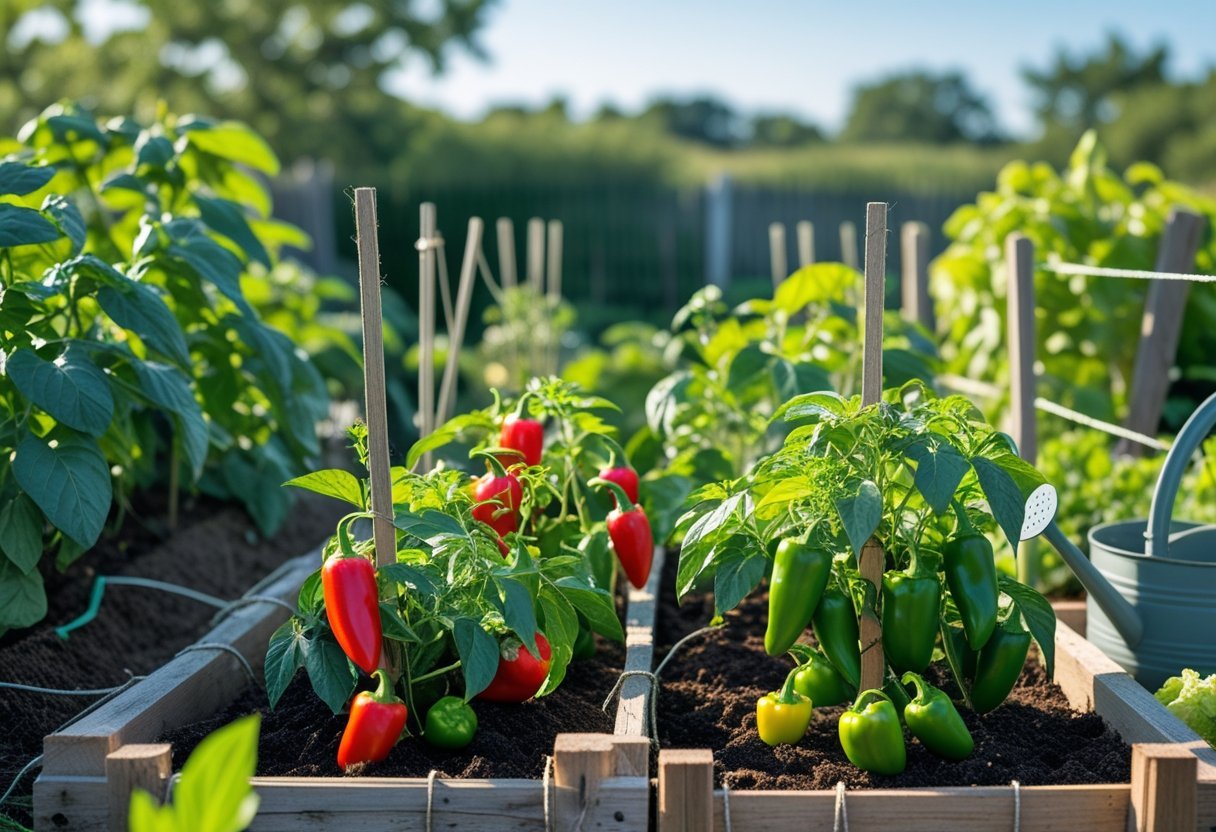
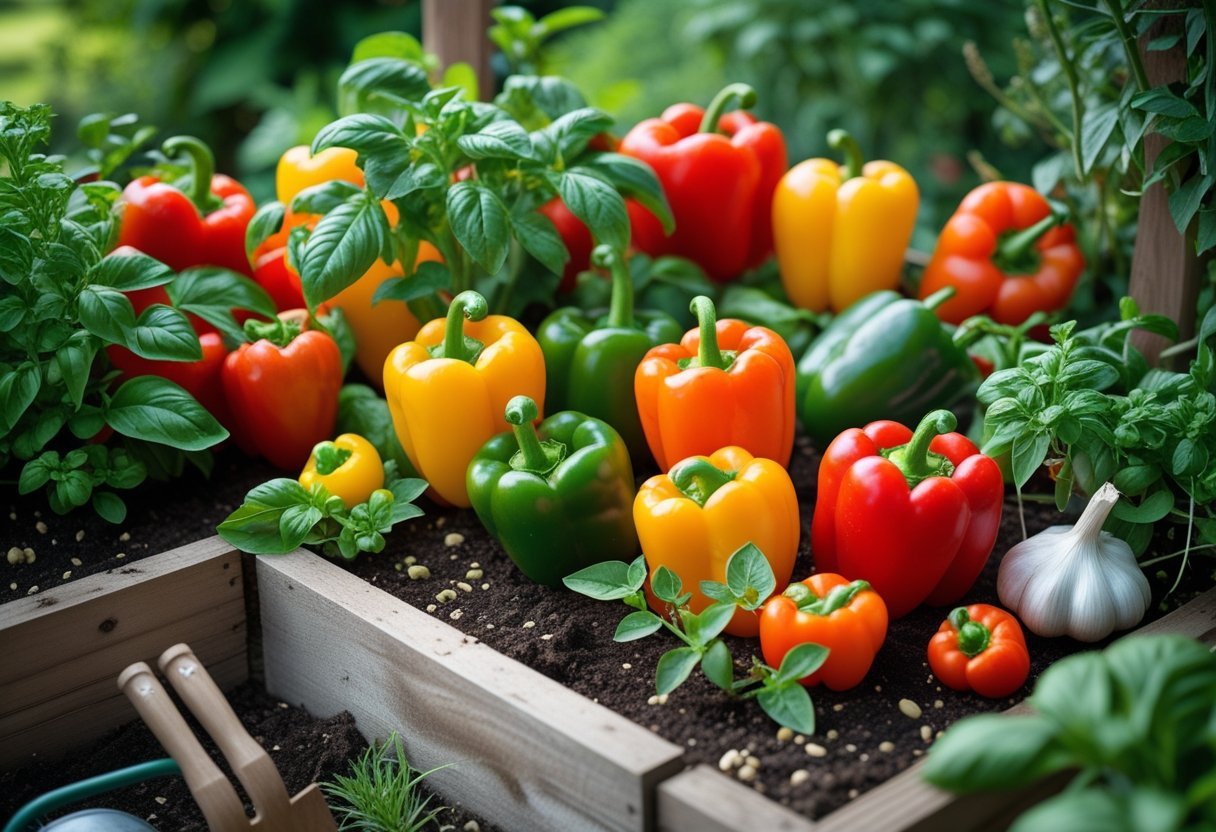
Set aside space in your garden for spicy peppers like jalapeños, serranos, and cayenne. These varieties are ideal for making hot sauces, relishes, and other fermented condiments. Growing these peppers adds a sharp kick and complexity to your garden’s fermentation crops.
Recommended Products
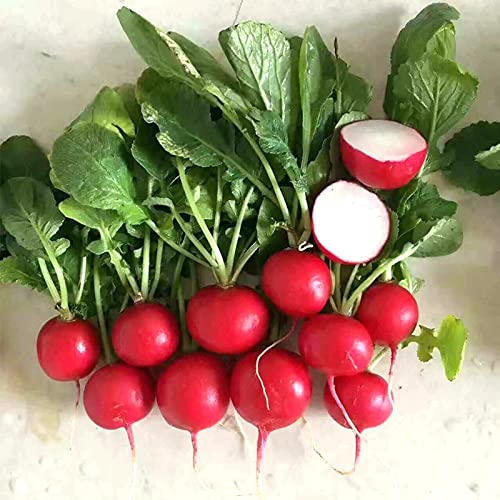
500+ non-GMO heirloom Cherry Belle radish seeds: These seeds are grown from heirloom Cherry Belle radishes, which are known for their crisp, sweet flavor and fast growing qualities. They are also non-GMO, so you can be sure that you are planting seeds that are safe for your family and the environment.

Fast Maturity: Cherry Belle radish seeds reach harvest in just 23 days. These radish seeds for planting thrive in zones zones 3-9, ideal for vegetable garden beds and dense spring sowing.

Beautiful - Large full-color packet of Hilton Cabbage (Brassica rapa) seeds. Upright, elongated, heat resistant Chinese cabbage that forms a densely packed head. Light green leaves have a sweet mild flavor. This variety is prized for its tender, crisp leaves, making it perfect for a variety of culinary uses, from fresh salads to savory stir-fries. Packet contains 750mg (about 200 seeds).
8. Fermentation Herb Spiral
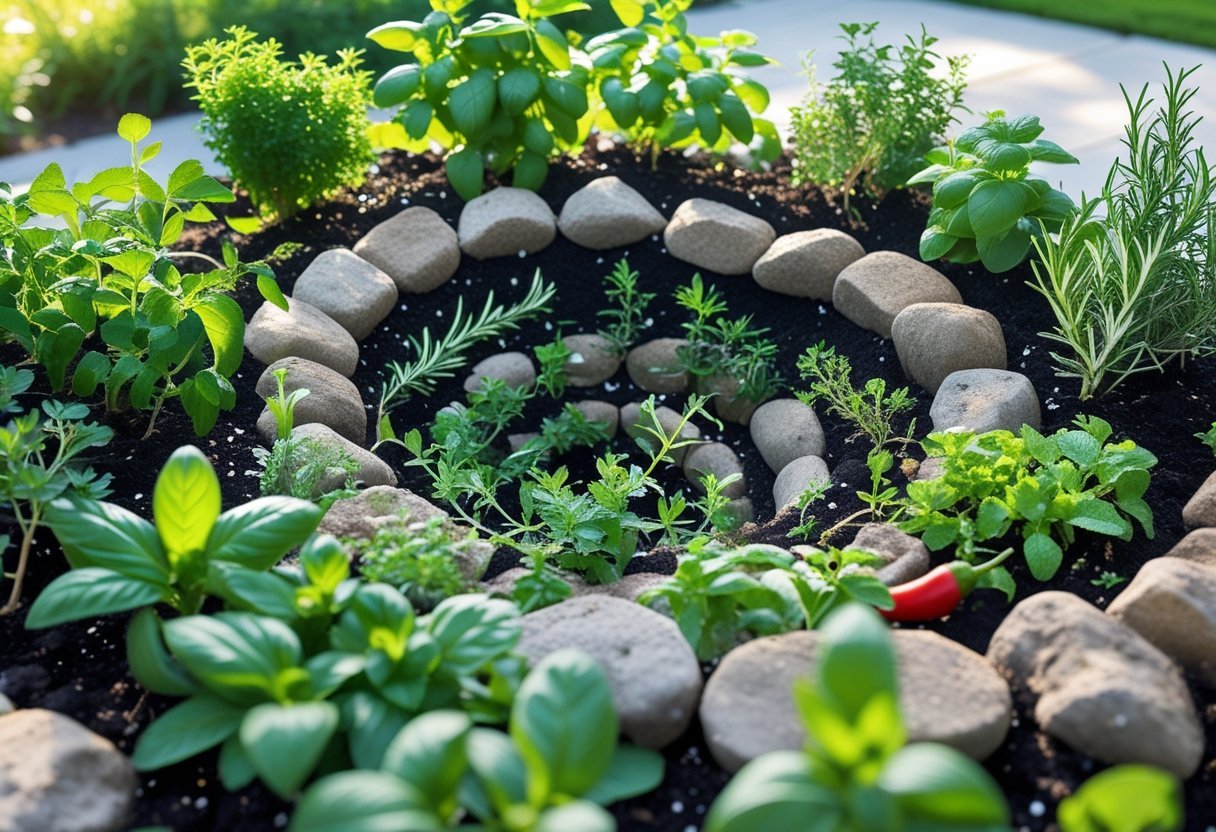
You can grow dill, coriander, mustard, and fennel in a spiral herb garden to enhance your fermented dishes with fresh flavors. This design saves space and creates varied microclimates suited to each herb’s needs. Adding this spiral arrangement brings both practicality and style to your fermentation crop garden.
Recommended Products

Premium Quality: Our National Pickling Cucumber Seeds are sealed in premium waterproof packaging with instructions included, and specially selected for their high germination rate and consistent yield, offering you a plentiful supply of perfect pickling cucumbers season after season.

Up to 100 crisp 3–5" cukes per 10‑ft row.

Adjustable Size: 2 pack garden trellis for climbing plants, adjustable in height and width. Freely adjust the height and width of the supports to suit the needs of different plants in your beautiful garden.
9. Mustard Green Growing Strip
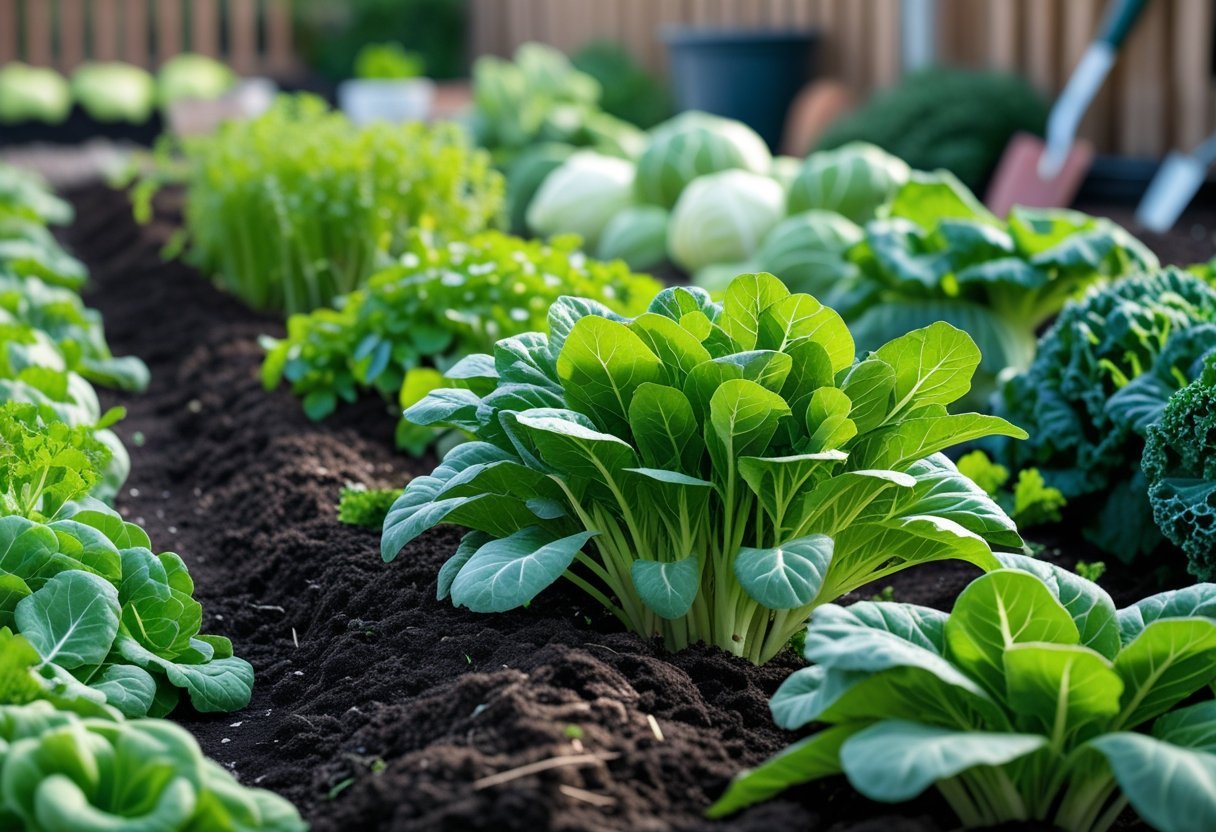
You can grow mustard greens in a dedicated garden strip for easy access during harvest. Their sharp flavor makes them ideal for fermenting alone or mixed with other greens. Planting in strips also supports companion planting, enhancing garden organization and productivity.
Recommended Products


Break Down Kitchen Scraps:Transform fruit peels, vegetable scraps, coffee grounds, and other kitchen waste into natural compost directly inside your garden bed

Ready to Use, Right from the Bag: No prep required. This raised bed garden soil is packed with organic compost and nutrients, ready to use for quick and easy planting
10. Carrot and Beetroot Bed
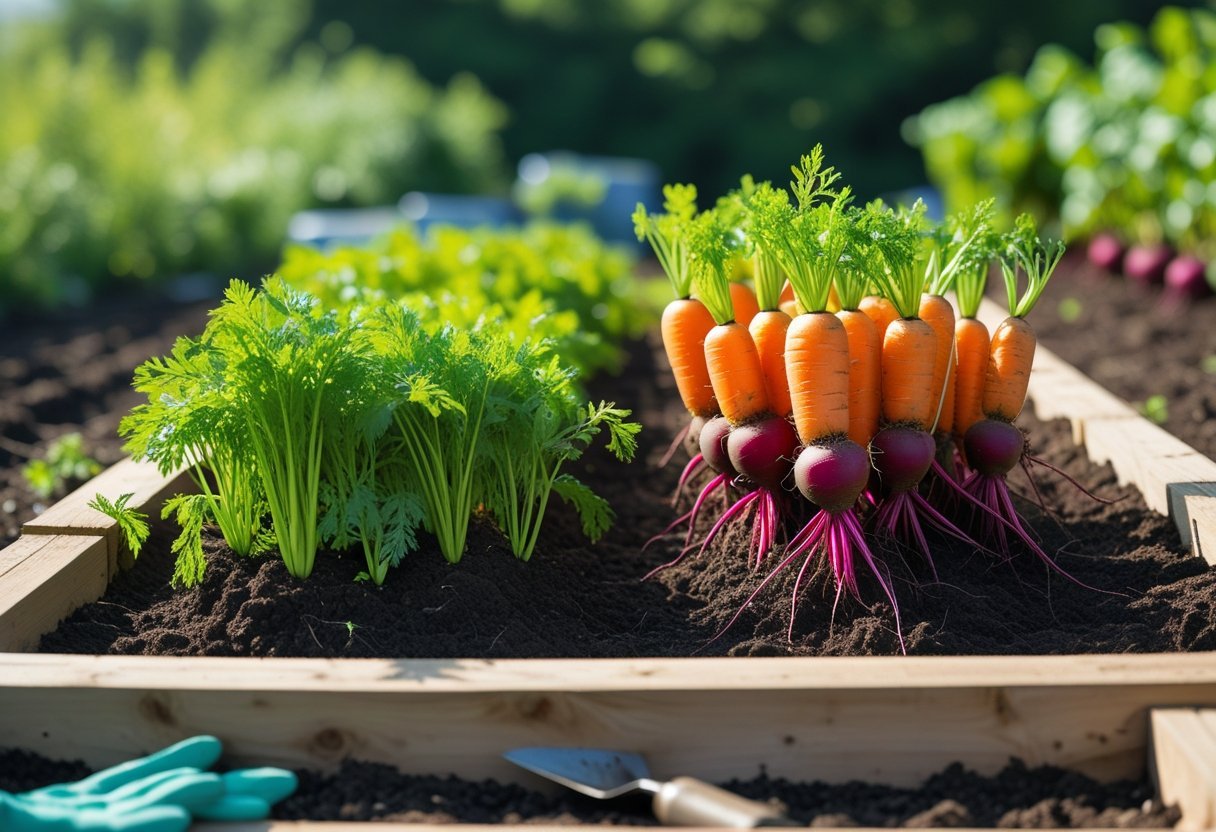
You can plant carrots and beets together since they share similar soil and watering needs. Growing them in the same bed allows for efficient use of space and care. Their vibrant colors also enhance your garden’s visual appeal and provide great options for fermentation recipes.
Recommended Products
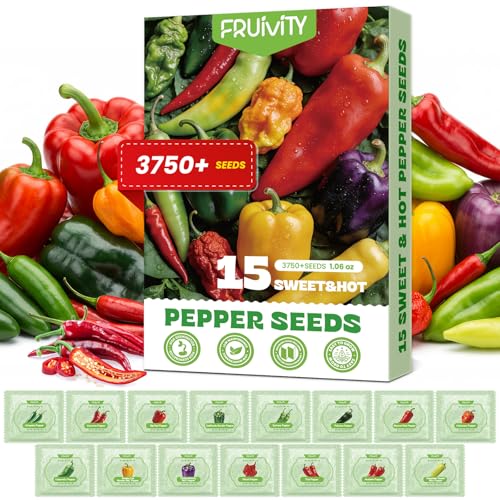
Peppers Seeds Gardening Kit: 15 Sweet & Hot Peppers Seeds Variety Pack including Jalapeño, Serrano, Cayenne, Big Red, California Wonder, Cubanelle, Marconi Red, Habanero, Poblano, Golden Cal Wonder Bell Pepper, Purple Beauty Bell Pepper, Thai, Ghost, Anaheim, Hungarian Sweet Wax.


Gardening Kit: Organo Republic 14 Sweet & Hot Peppers Seeds Variety Pack Non-GMO Heirloom Seeds for LESS THAN $1.50 PER SEED VARIETY PACK with 1,030 seeds including: Pepper Anaheim, Pepper Big Jim, Pepper California Wonder, Pepper Cayenne, Pepper Cubanelle, Pepper Golden Cal Wonder, Pepper Habanero, Pepper Hot Red Cherry, Pepper Hungarian Hot Wax, Pepper Hungarian Sweet Banana, Pepper Jalapeno, Pepper Pepperoncini, Pepper Poblano, Pepper Serrano.
11. Daikon Radish Growing Area
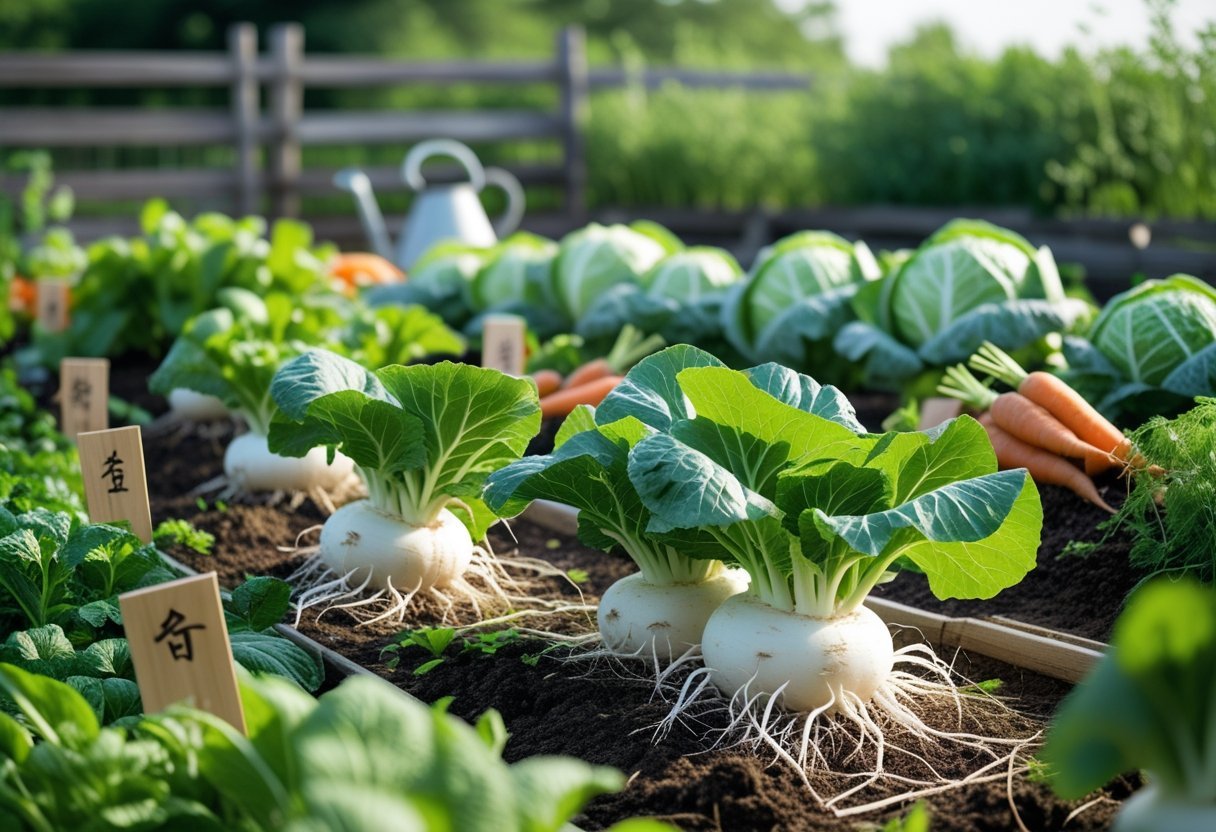
You should choose loose, deep soil to help daikon radishes develop their long, crisp roots. Their mild sweetness makes them ideal for traditional ferments like kimchi. Including this crop will enhance the variety and authenticity of your fermentation garden projects.
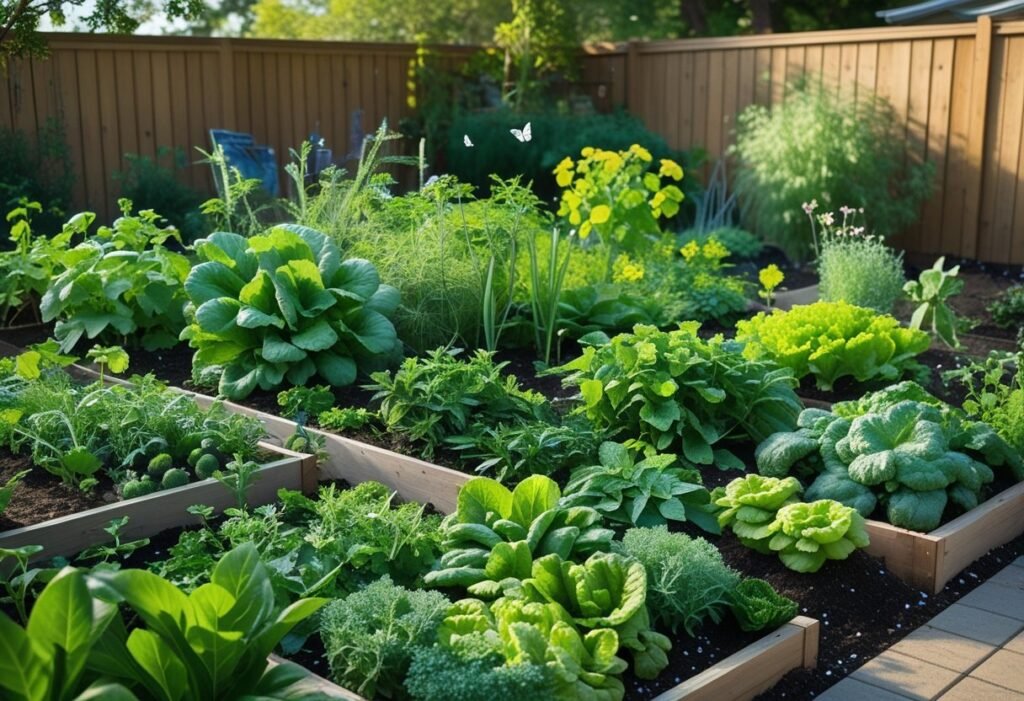
12. Garden Layout for Fermentation Crops
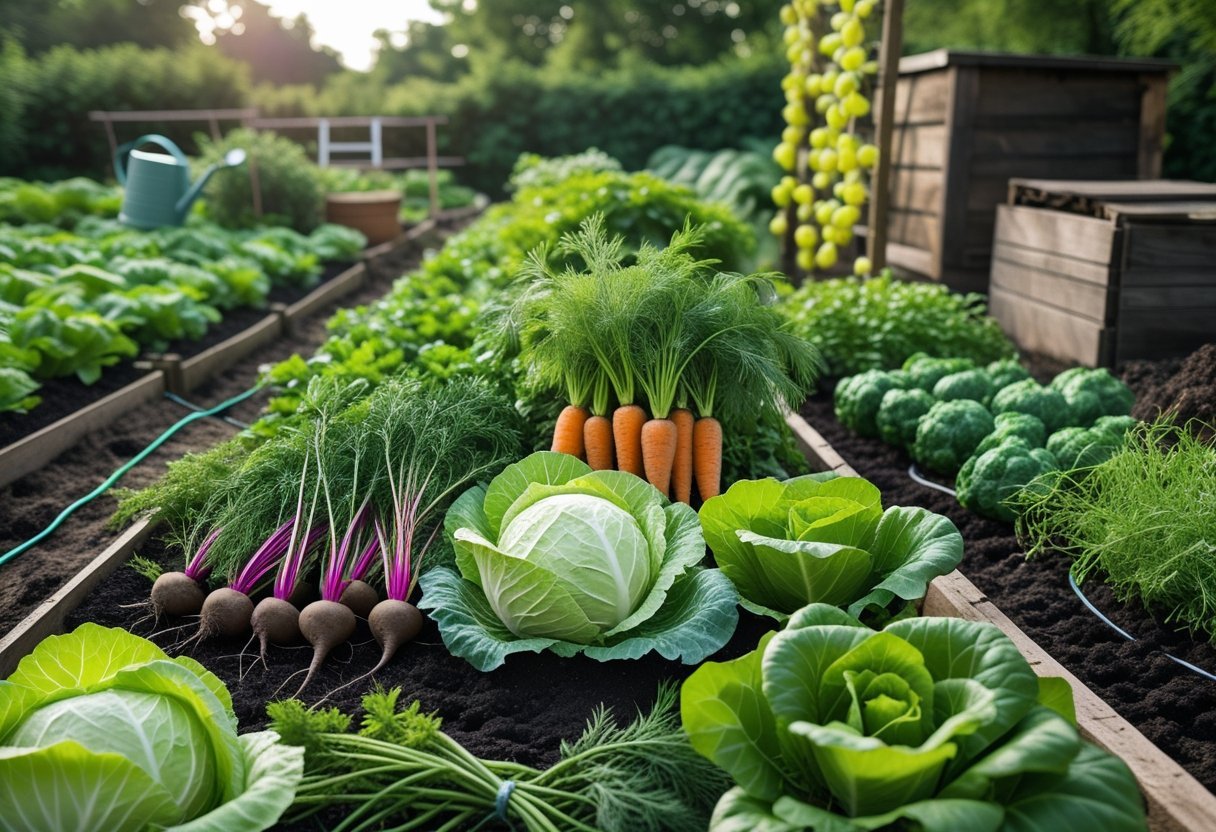
You can group vegetables like cabbage, dill, and cucumbers together using companion planting techniques. This method promotes natural pest control and helps improve the overall harvest. By planting these crops side by side, you create a balanced and productive garden environment ideal for fermentables. Use your space efficiently to support stronger, healthier plants.
13. Kraut Garden Circle
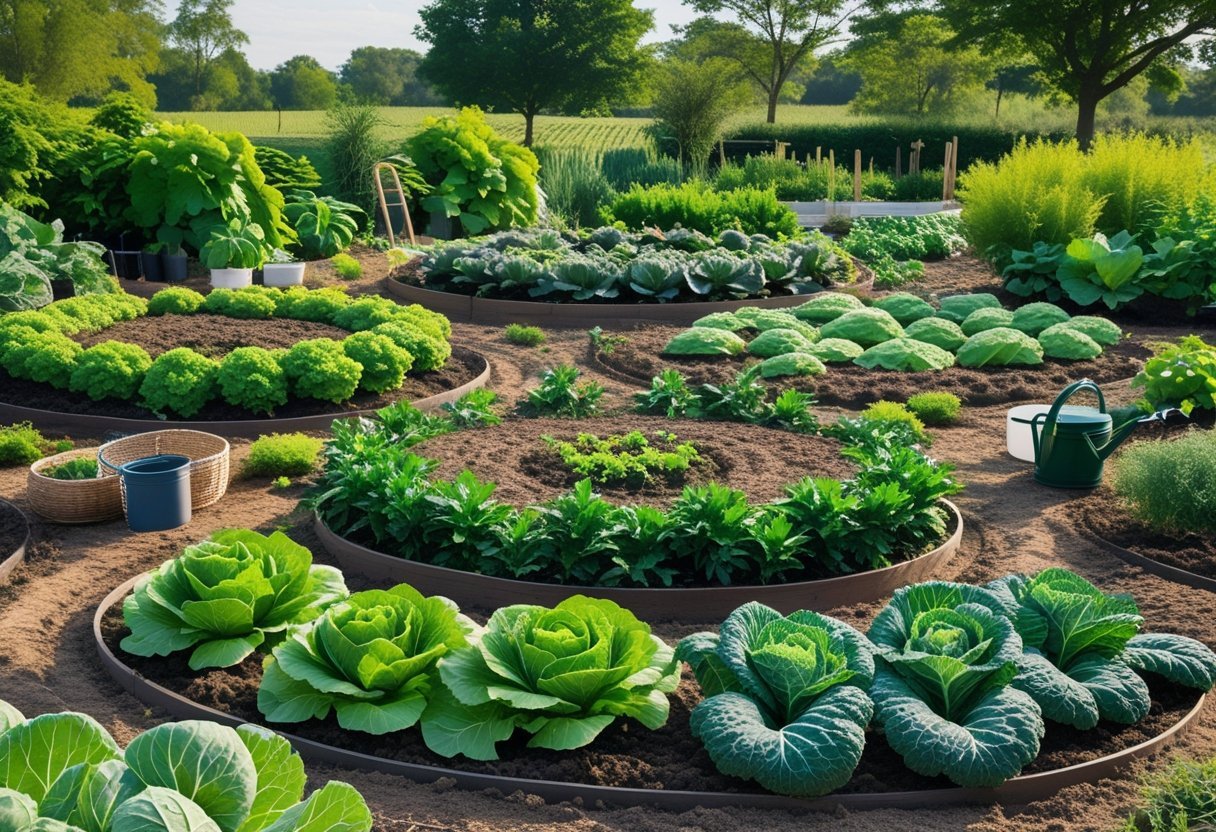
You can arrange a circular bed with cabbage, carrots, and caraway in alternating sections. This design promotes easy watering and simple crop rotation. It also adds a neat, attractive pattern to your garden focused on fermentation-friendly plants.
14. Mixed Crop Patch for Fermentation Jars
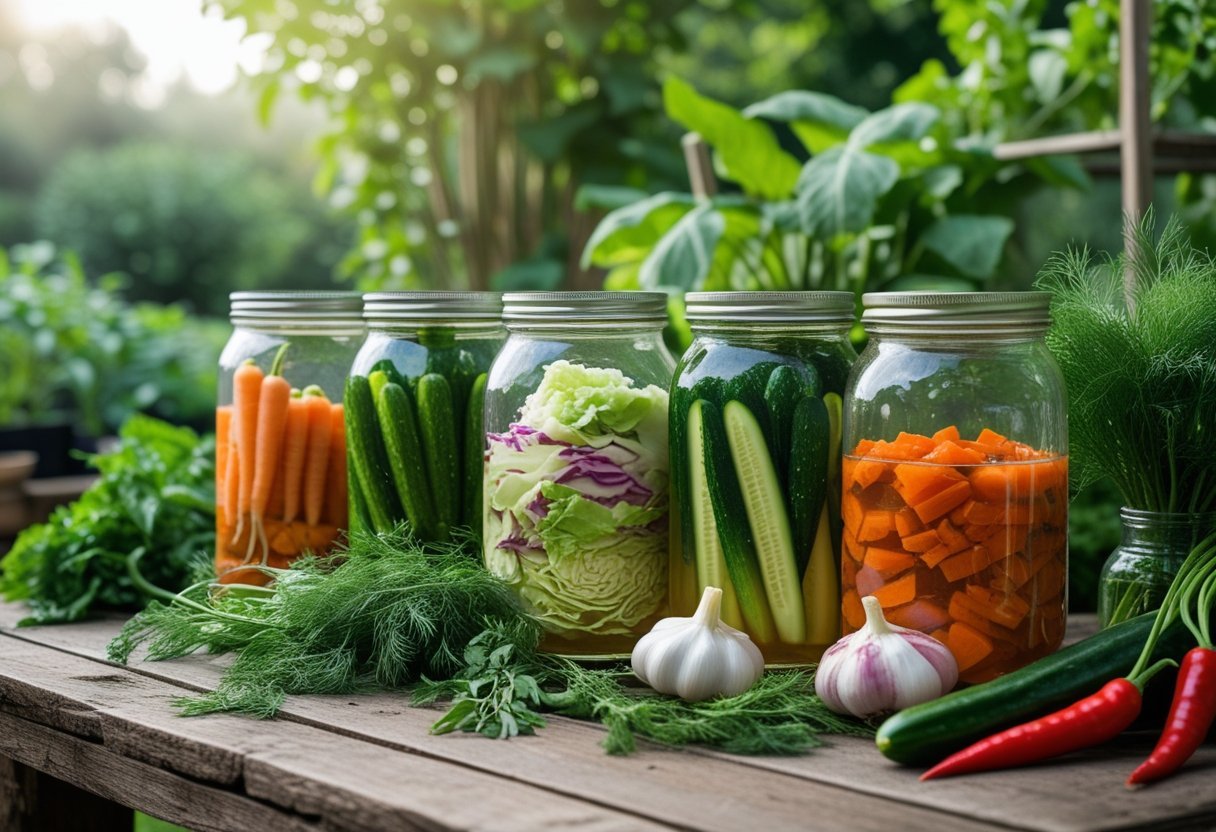
You can grow a variety of fermentation-friendly vegetables like peppers, carrots, garlic, and herbs together in one patch. This setup works well for gardeners with limited space who want multiple crops. It offers flexibility and a continuous supply for different fermented recipes.
15. Tomato and Basil Fermentation Garden Pairing
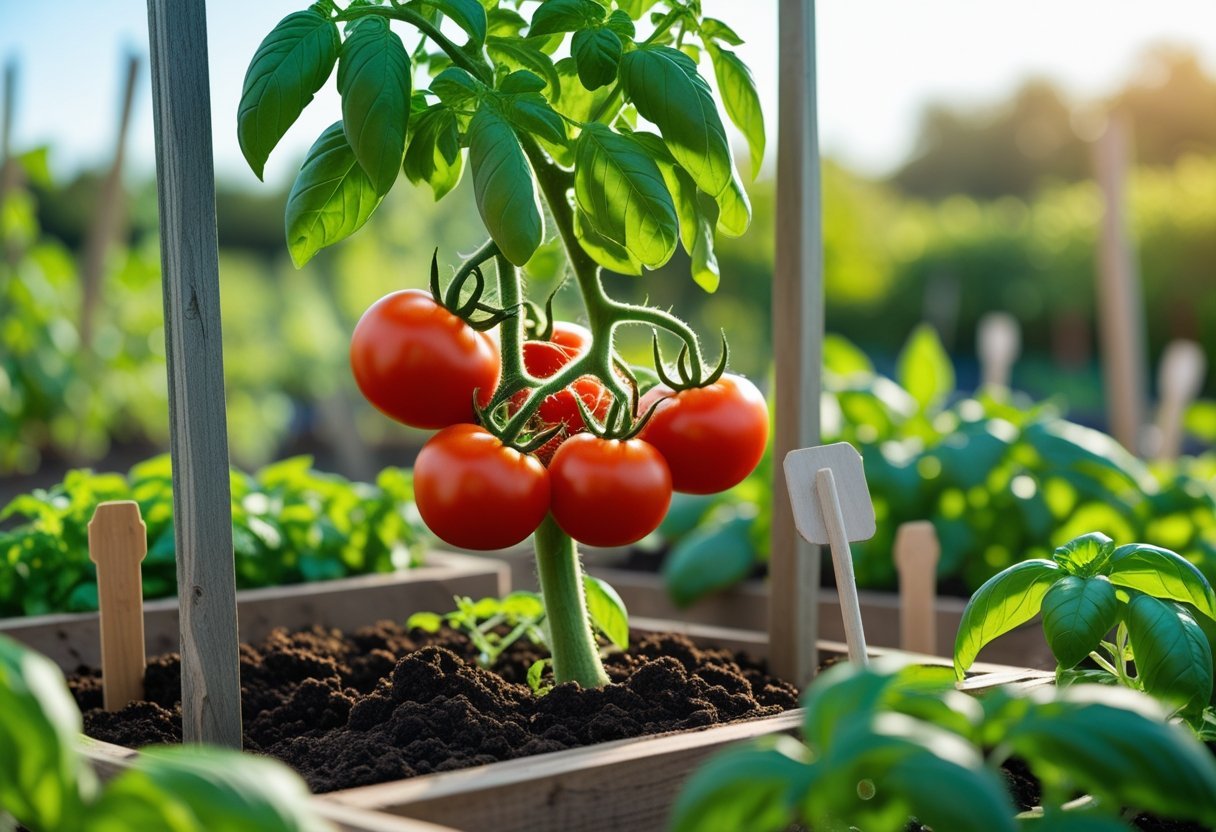
You can cultivate tomatoes and basil together to harvest fresh ingredients ideal for fermentation projects. This pairing enhances your ability to create flavorful fermented sauces and preserves. Including both plants broadens the variety of homemade fermented recipes you can try in your garden.
16. Concealed Horseradish Patch
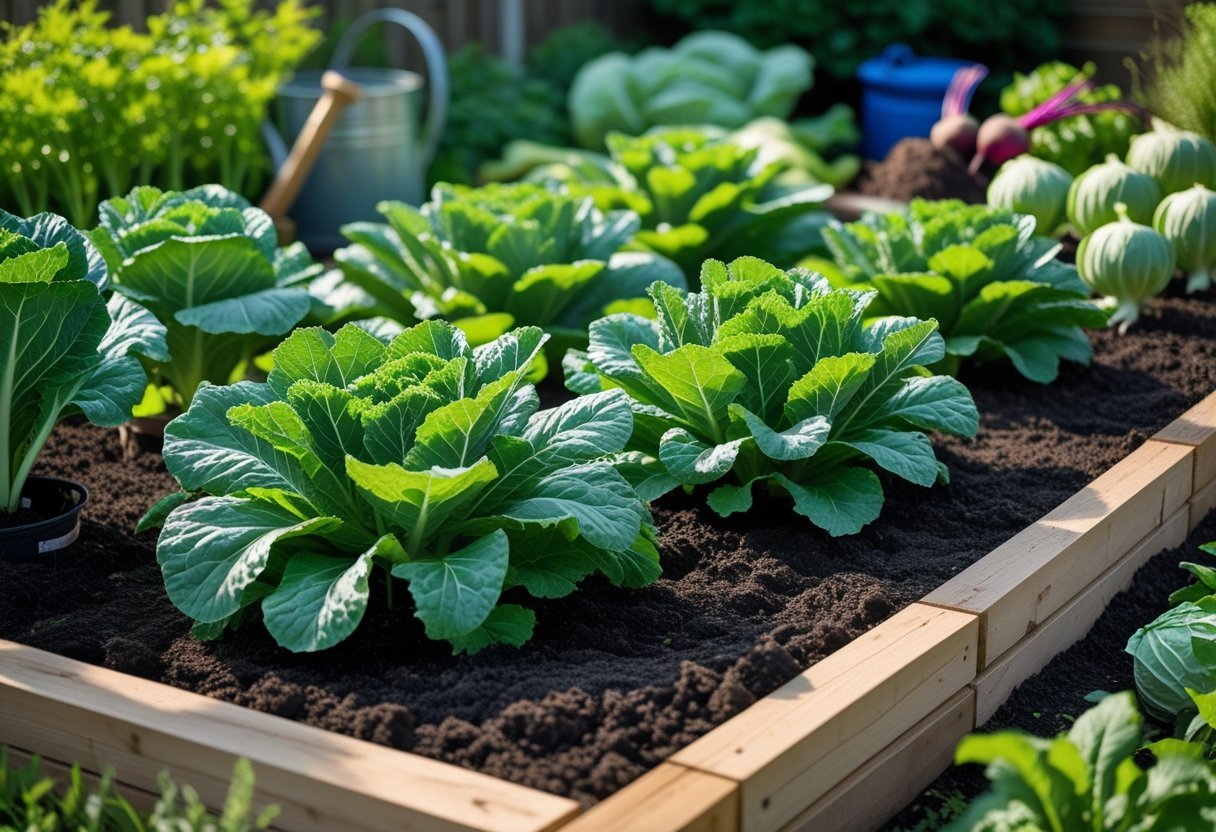
You can grow horseradish in a hidden spot because it spreads quickly and can take over nearby areas. Its strong flavor makes it ideal for fermented condiments like mustards and relishes. Consider it an adventurous addition to your fermentation garden ideas for a unique harvest.
17. Vertical Garden Wall for Fermentation Plants
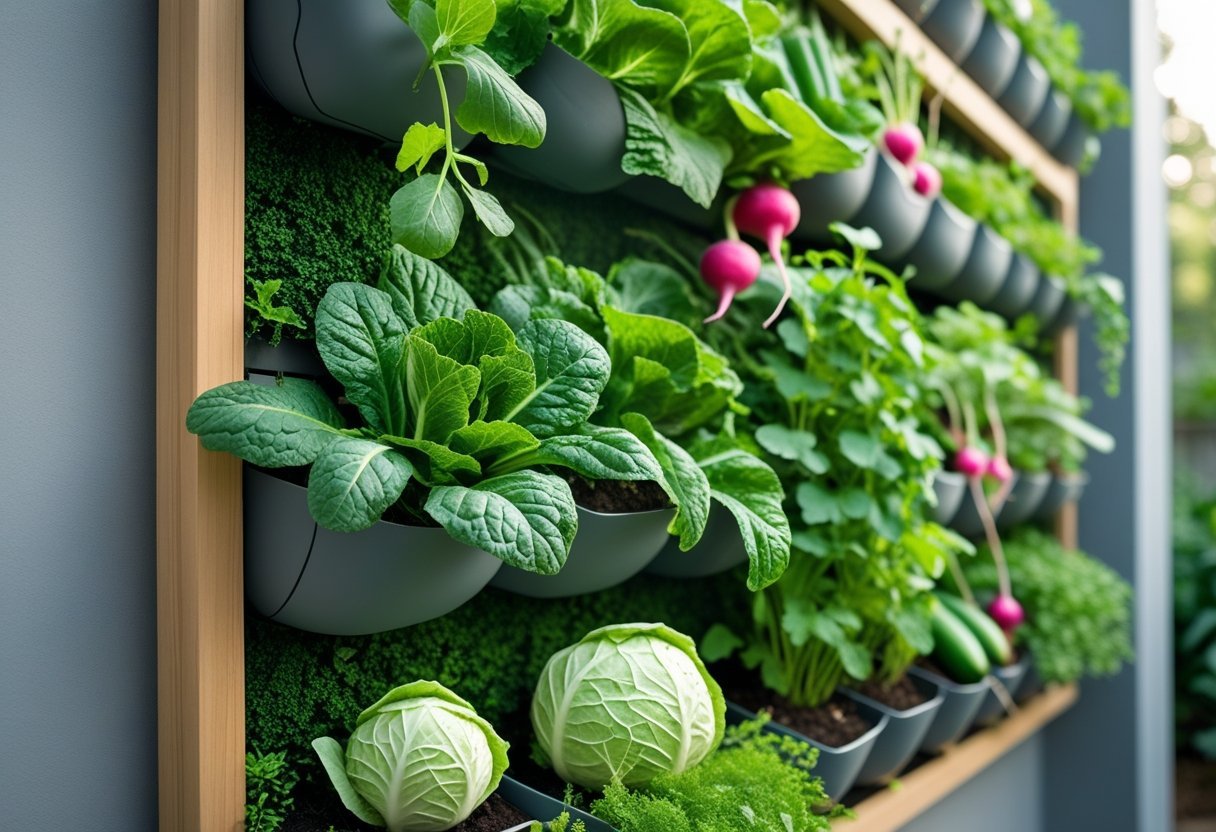
You can use vertical planters to grow herbs, lettuce, and small peppers ideal for fermenting. This setup fits well in compact spaces like balconies or small yards. A vertical garden wall helps maximize limited areas while keeping your fermentation crops accessible and organized.
18. Bush Bean Barrel Planting
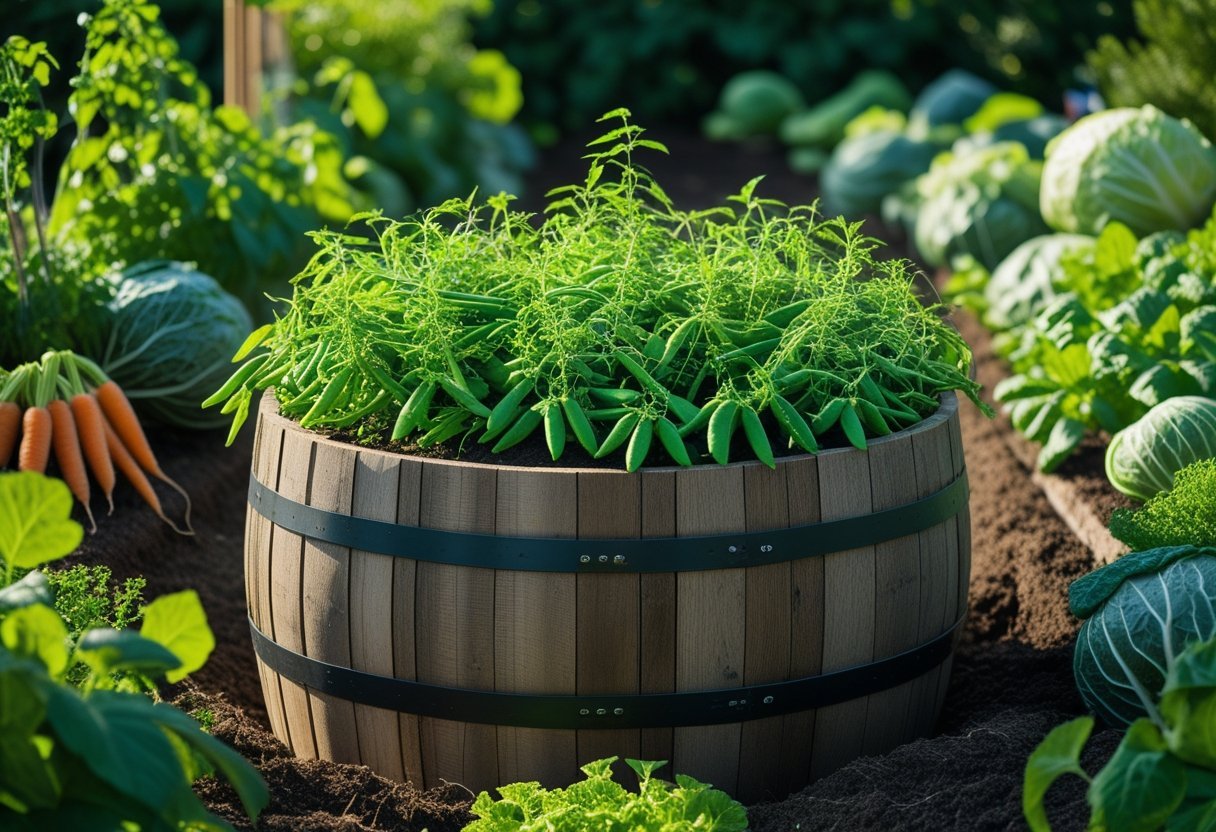
You can grow bush beans in barrels to keep your garden flexible and protect plants from pests. This method works well if you want to ferment your harvest later. Compact container growing fits neatly into modular fermentation crop setups.
19. Grape Vine Arbor
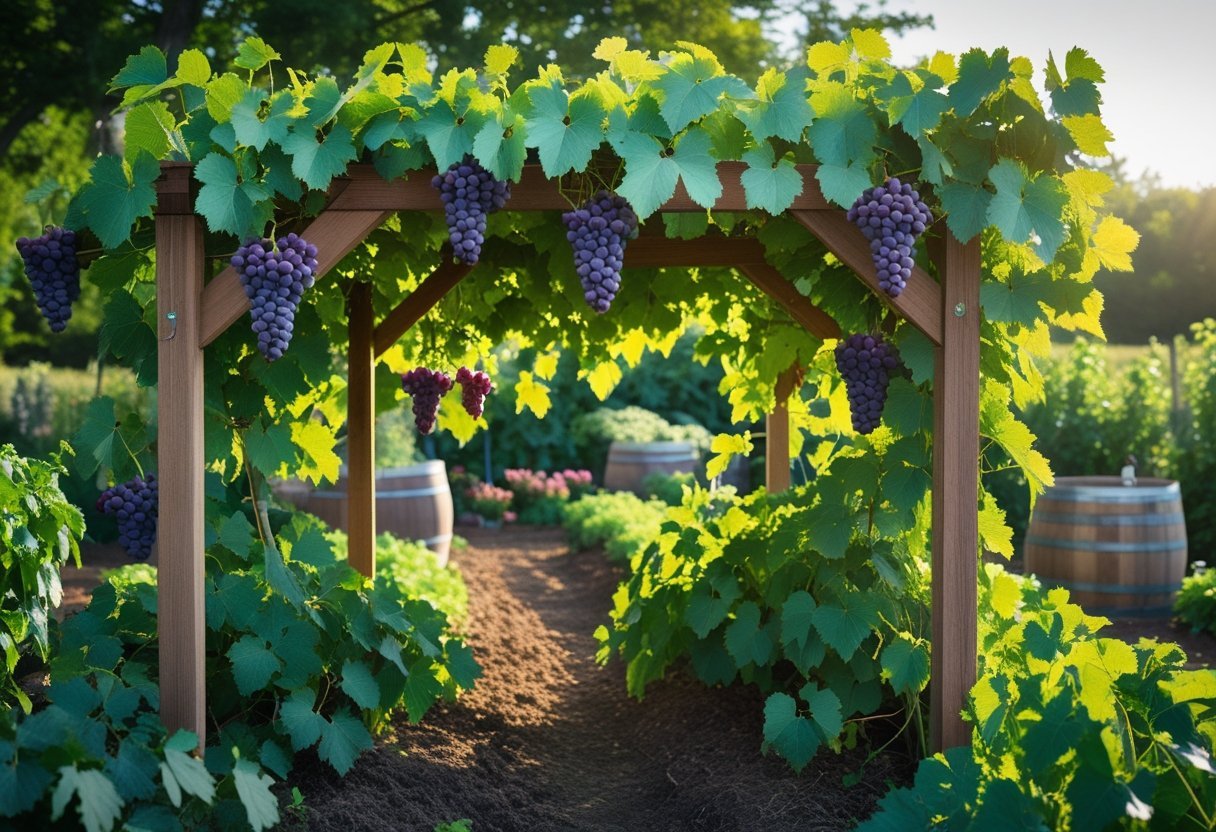
You can ferment grape leaves along with the fruit to create probiotic wraps or for making dolmas. A grape arbor offers both shade and a striking feature in your garden. This setup combines beauty with practicality for growing fermentation-friendly crops.
20. Long-Term Fermentation Crop Planting
Include plants like rhubarb, asparagus shoots, and sorrel to create a reliable fermentation garden. These perennials come back each year, saving you time on replanting. Your fermentation plot benefits when you focus on crops that require less yearly labor and steady yields.
21. Seasonal Crop Rotation for Fermentation Gardens
You can plan your garden by dividing it into seasonal phases to ensure a steady supply of fermentable vegetables throughout the year. Focus on spring greens, summer cucumbers, and fall cabbage to keep your fermentation projects active in every season.
Rotating crops between these seasonal beds not only supports healthier soil but also minimizes pest buildup. This method encourages your garden to remain productive and resilient.
Use various growing spaces like raised beds, small plots, or containers for different plant groups. Organizing crops by family and season helps maintain soil nutrients and improves harvest quality.
By matching plant choices to seasons and rotating them regularly, you will cultivate a sustainable garden that continuously provides fresh ingredients for homemade ferments like pickles and kimchi.