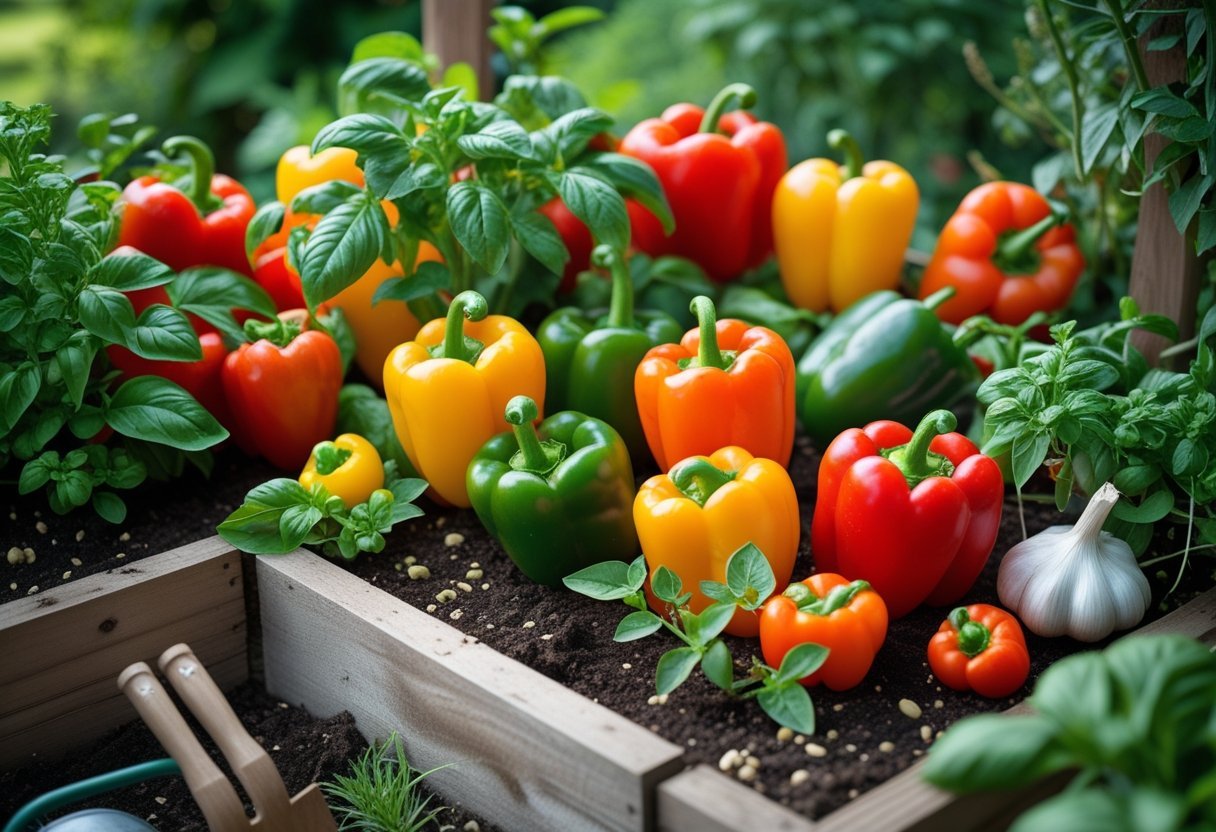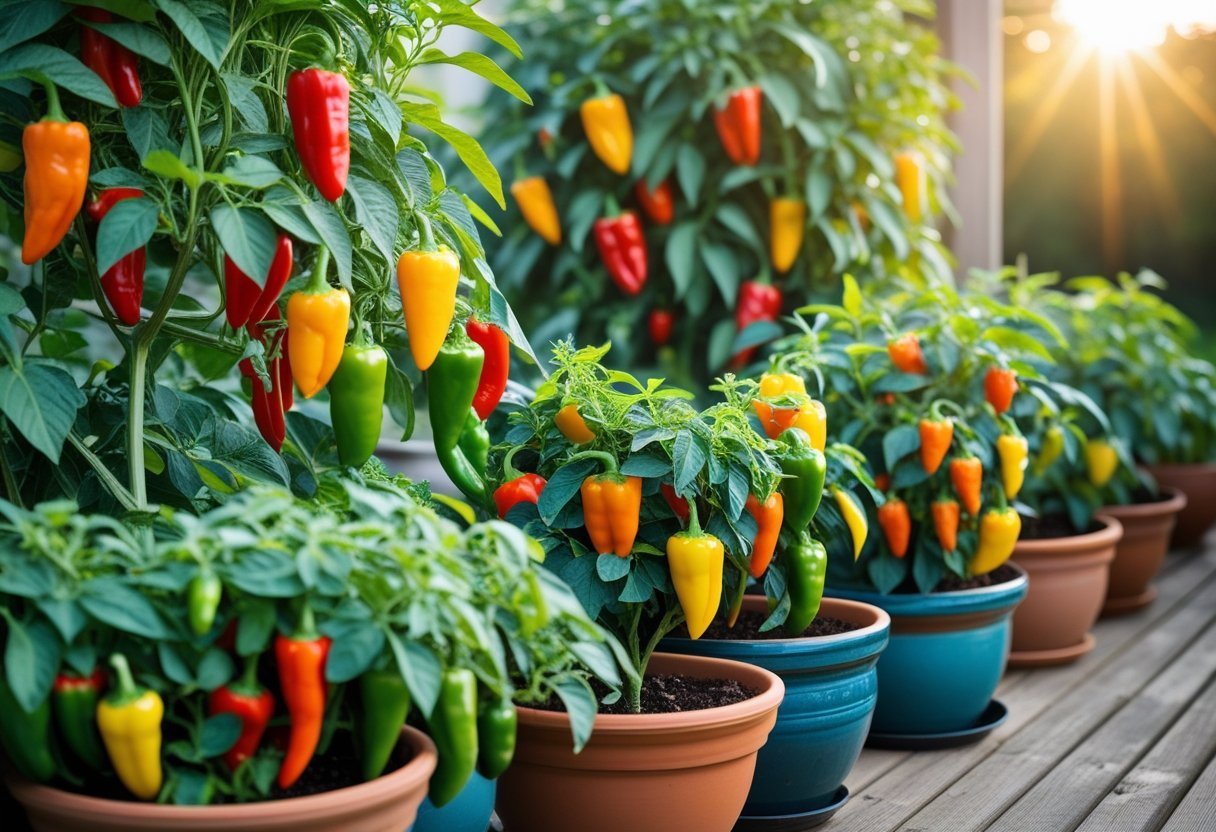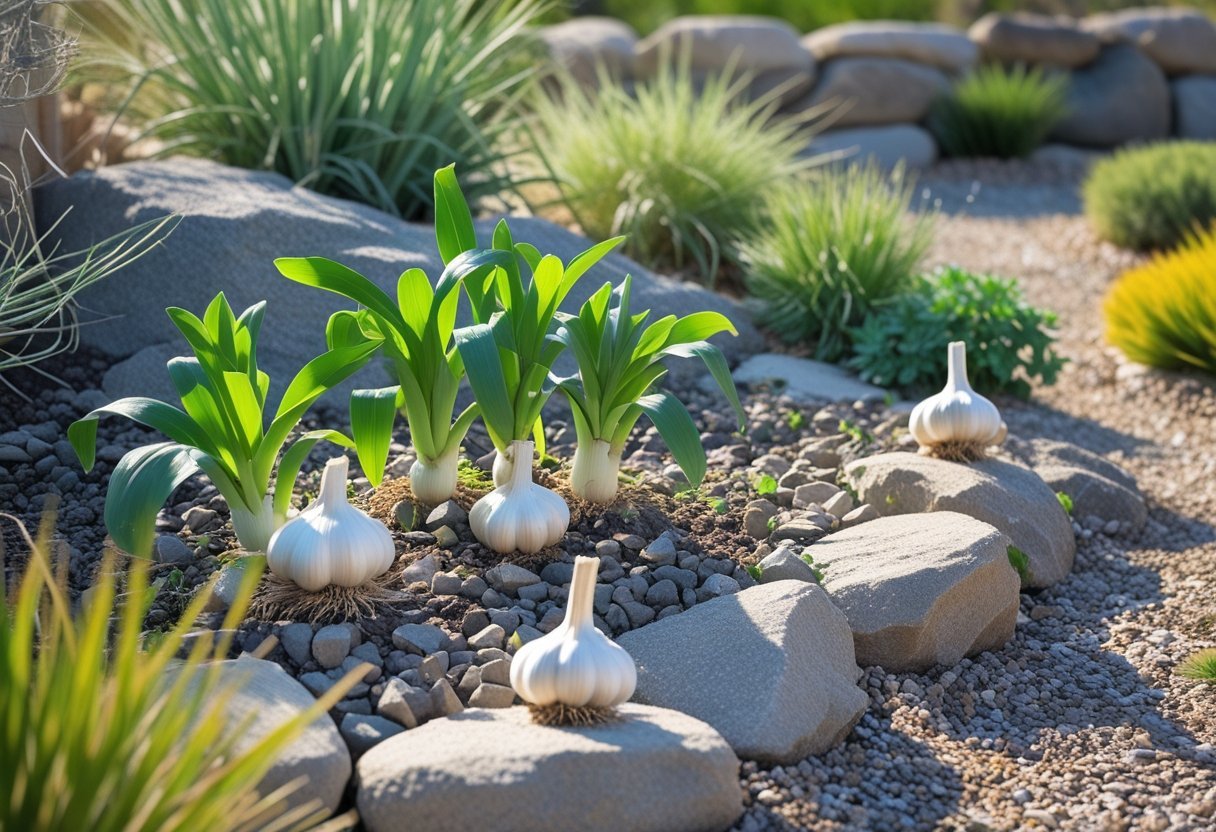

Want to grow a garden without emptying your wallet? You can cultivate plants, fruits, and vegetables on a tight budget by using clever, low-cost methods.
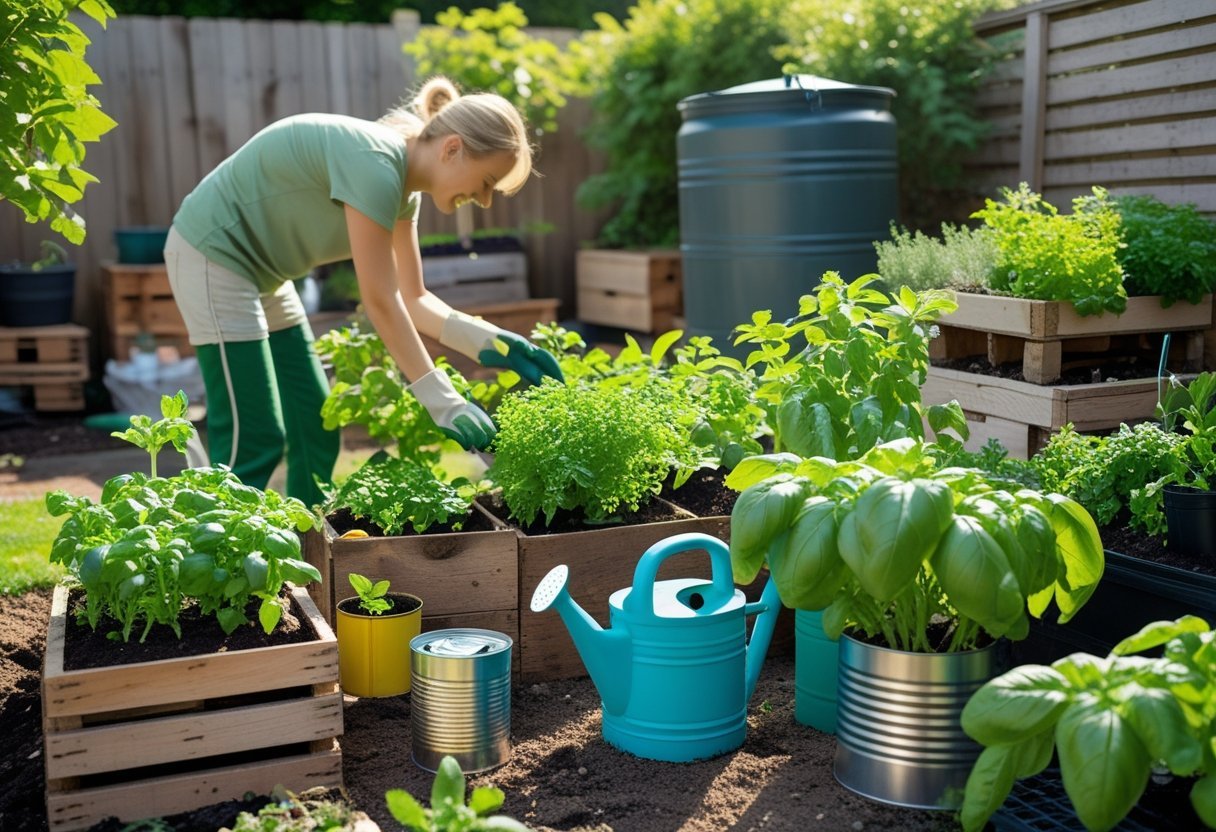
With some resourcefulness, simple tools, and recycled materials, your garden can thrive while keeping expenses minimal and manageable.
1. Grow Your Garden by Starting Seeds Instead of Buying Seedlings
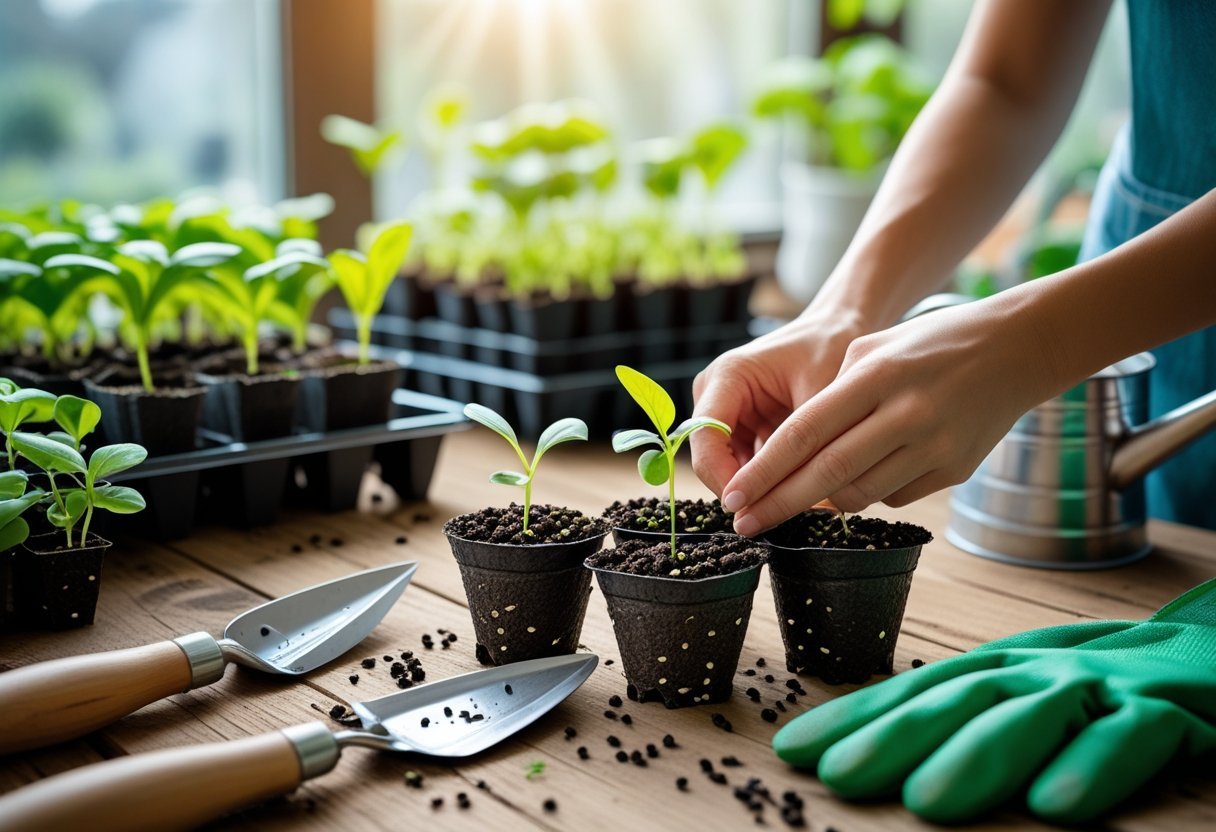
You can save money by starting plants from seeds rather than purchasing young plants. Seed packets provide a large number of potential plants at a low price. This approach lets you cultivate many varieties while keeping costs down. Using seeds also gives you more control over what you grow in your garden.
Recommended Products

Mr. Pen seed starter tray kit includes a 10-pack of 40-cell germination trays with matching bases, humidity vented domes, and a shovel and scoop for easy planting.

Adjustable Vents: The seed trays have adjustable vents that allow you to regulate the temperature and humidity of your seedling environment for total control over the growing process.

Upgraded with Adjustable Ventilation - Gardzen seed starter tray has been newly upgraded with two air vents added to the top, allowing you to easily adjust the ventilation for optimal seed growth. Say goodbye to stagnant air and hello to thriving plants! (Due to the turnover of new and old stock, you may receive the lid without the vent, please contact us!)
2. Grow Vegetables Using Kitchen Scraps
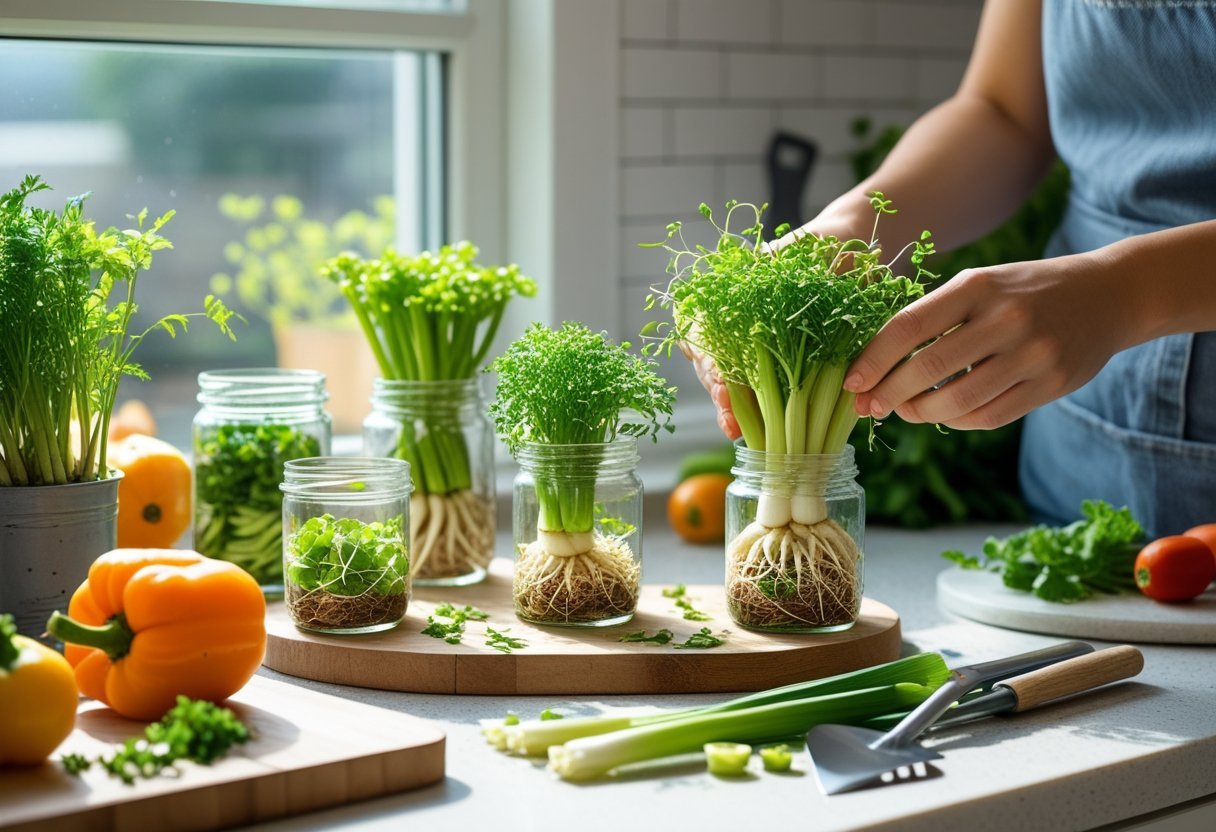
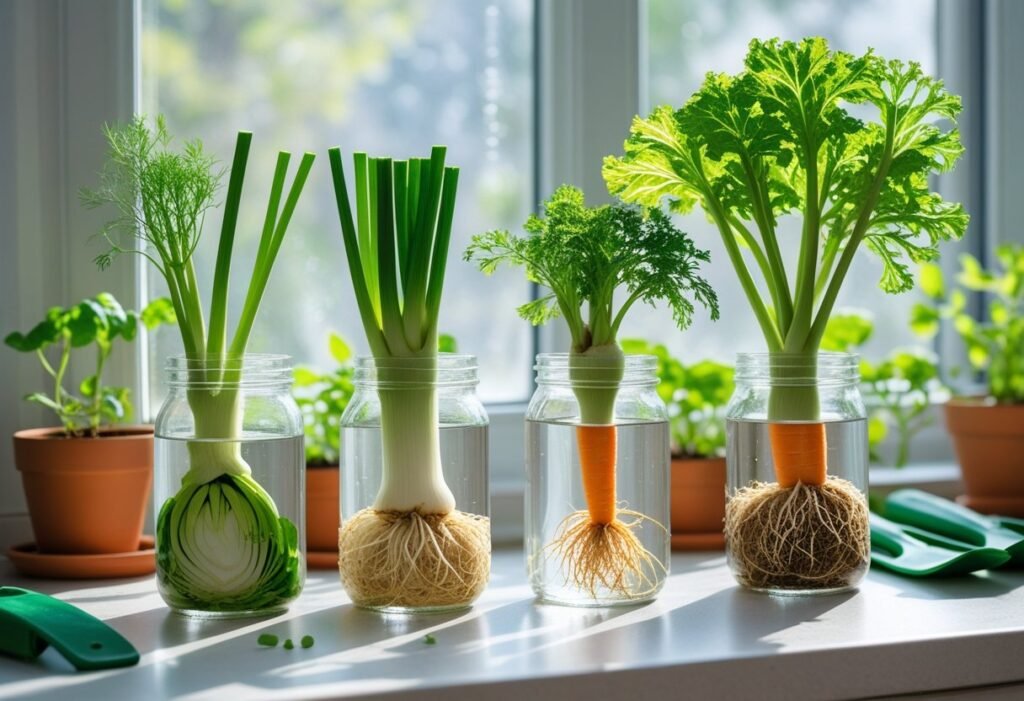
You can regrow vegetables like green onions, celery, and lettuce by placing their scraps in water or soil. This method helps reduce food waste while cutting costs on fresh produce. By reusing kitchen leftovers, you create a simple, sustainable way to maintain your own supply of fresh vegetables at home.
Recommended Products

FEATURED IN BON APPETIT & FORBES: Recognized by renowned magazines, EPICA’s compost bin is a perfectly sized marvel for your kitchen, compact yet spacious enough to hold days' worth of compostable organic waste. Measures 7.16" in diameter x 11" high.

Countertop Fit - The countertop compost bin measures 7.2 inches wide and 11.2 inches high, offering a slightly larger capacity while maintaining a compact cylindrical design that fits neatly on your countertop without taking up excessive prep space.

3. Create Your Own Compost Containers
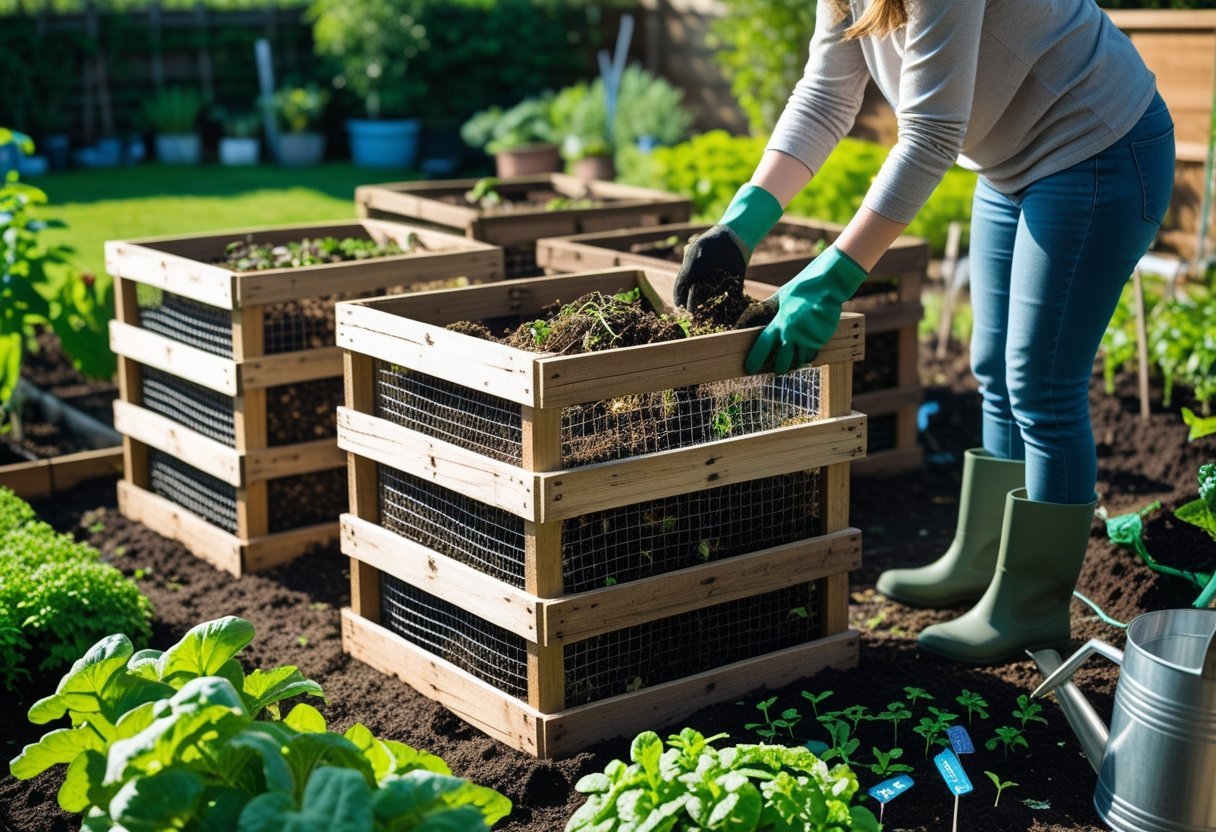
You can convert leftover food scraps and yard waste into nutrient-rich fertilizer by making compost containers yourself. Using old buckets, crates, or repurposed bins works well without any special equipment. This approach helps you save money and improve soil quality without buying commercial compost products.
Recommended Products

FITS COMMON DOWNSPOUTS: Designed as a downspout diverter for standard 2 x 3 in and 3 x 4 in residential downspouts, connecting roof runoff to your rainwater collection system

Rain barrel spigot kit with brass spigot and bulkhead fitting helps turn a rain barrel into a practical water outlet for draining, hose hookup, and daily outdoor watering, making it a useful rain barrel accessory for DIY water collection.

FITS COMMON DOWNSPOUTS: Designed as a downspout diverter for standard 2 x 3 in and 3 x 4 in residential downspouts, connecting roof runoff to your rainwater collection system
4. Gather Rainwater for Garden Use
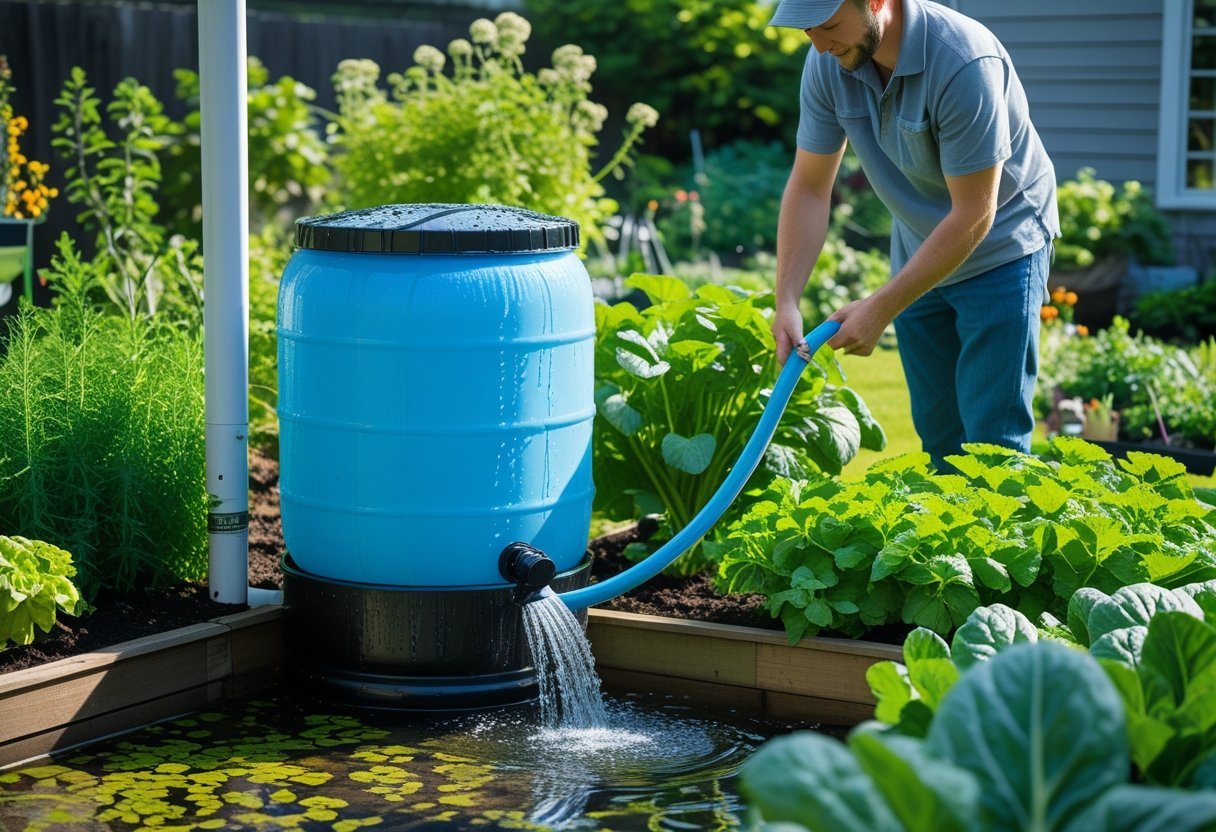
You can capture rainwater by positioning containers like barrels or buckets to catch runoff from your roof. This method reduces your water bills while providing an eco-friendly water source for your plants. It works well if you want to maintain your garden on a budget without sacrificing its health.
5. Turn Everyday Items Into Plant Containers
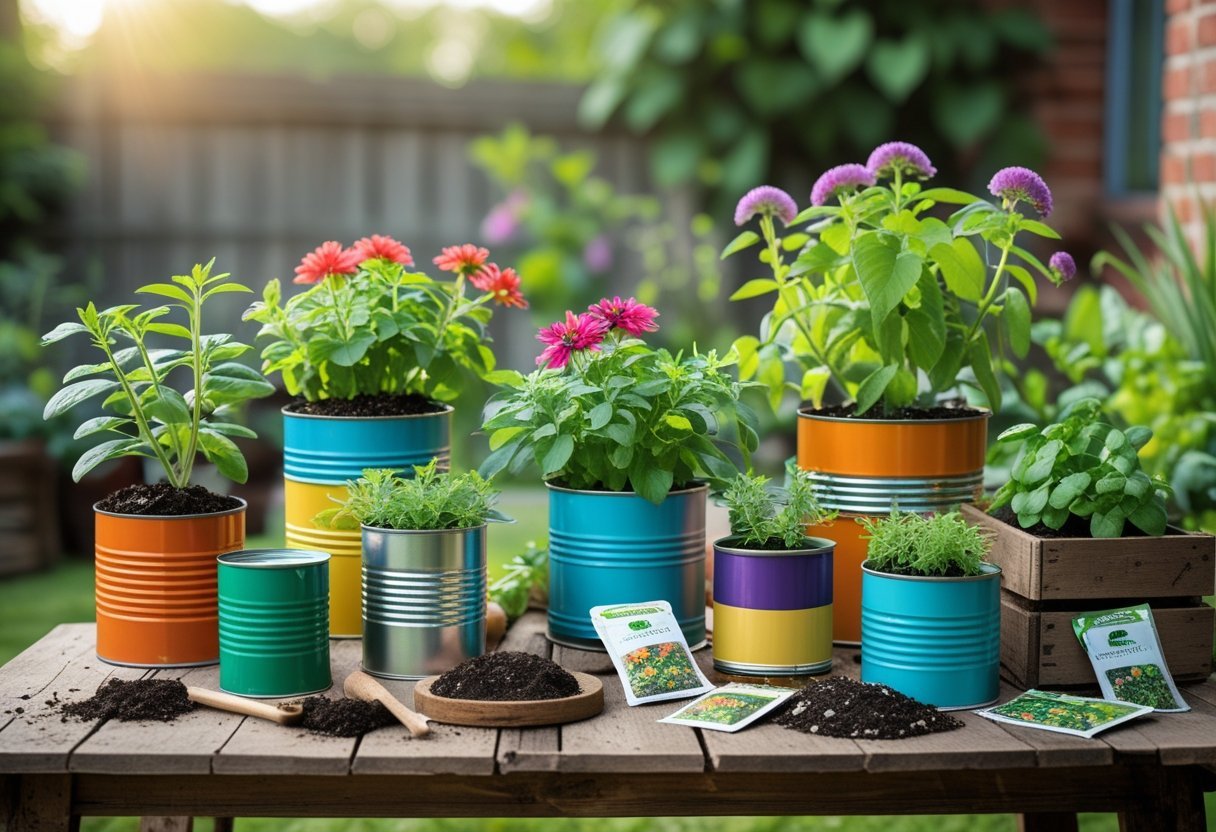
You can reuse old buckets, tin cans, yogurt cups, or broken dishes as planters. Make sure to add holes for drainage to keep plants healthy. This approach helps you save money and reduces waste by giving new life to common household items.
Recommended Products
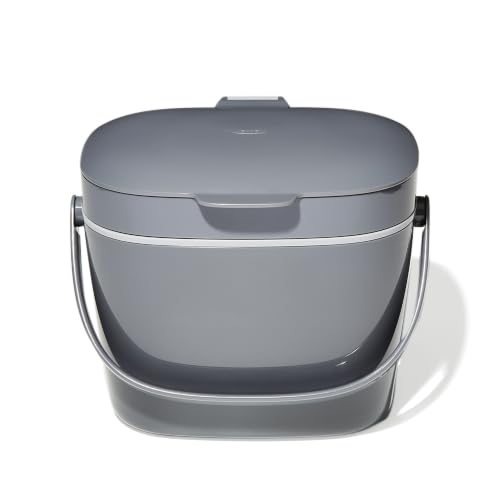
Unique design keeps bags tucked inside for a neat look

Reuse your kitchen scraps and coffee grinds into our kitchen compost bin with the plastic inner pail and handle: Just put this small trash can on your kitchen countertop, throw away the food scraps (such as fruits, vegetables, coffee grounds, tea bags, egg shells, etc.) in it during cooking; 1.3 gallons offers enough space for temporarily collecting your organic kitchen and food waste for several days, without taking up too much space.

Large Capacity: The 1 gallon compost bin for kitchen counter measures 7.5 "D x 8.3"H with lid. Height without lid: 6 "H. Our compost bucket offers sufficient space to collect your kitchen food waste during the week, such as discarded fruit vegetable scraps, shell bones, leftovers, paper towels and so on.
6. Control Weeds Using Cardboard and Newspaper
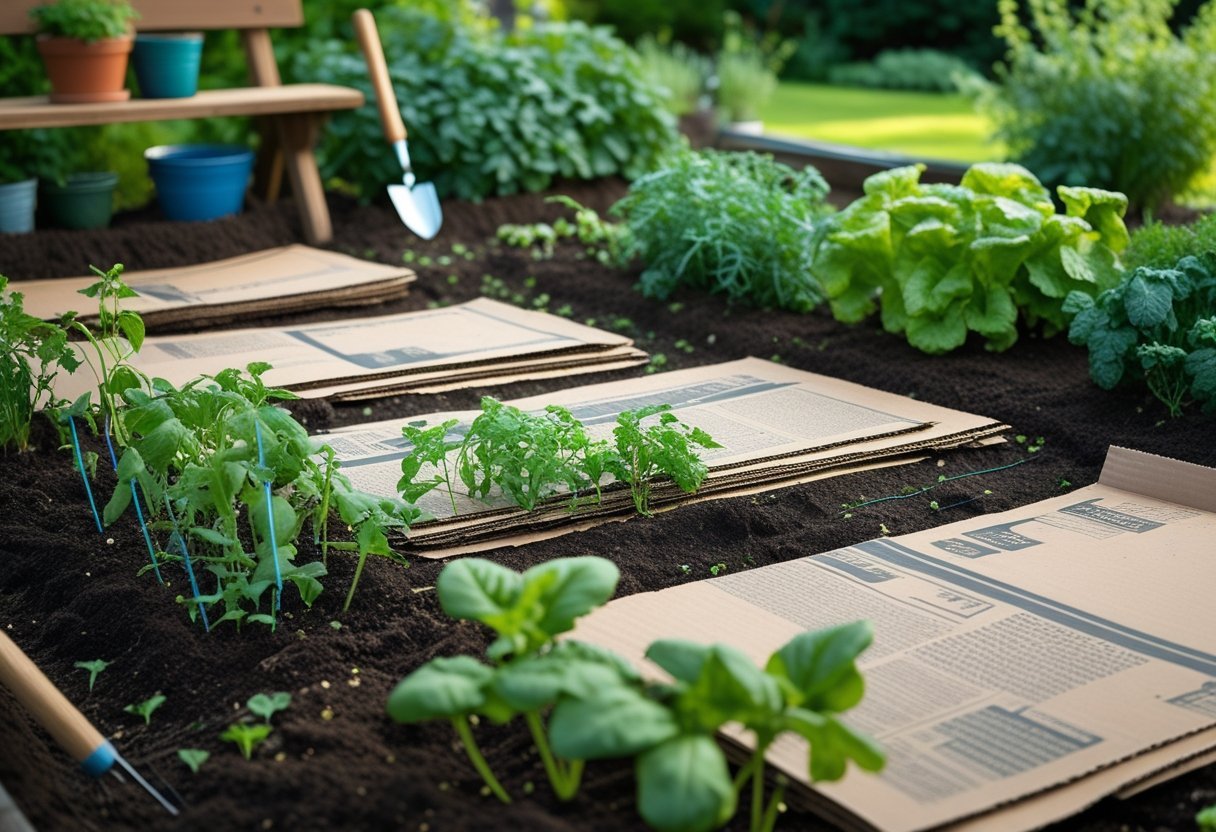
You can block sunlight to stop weeds by layering cardboard or newspaper over the soil. This method avoids the cost of commercial weed barriers while reducing weed growth effectively. Cardboard and newspaper also offer an environmentally friendly option that suits gardeners working with limited budgets.
Recommended Products

High-Capacity Rain Storage Solution: Designed for efficient rain collection, suitable for gardens, lawns, or emergency use. A practical garden water collector that's both decorative and functional

Removable Lid: Enjoy easy access for cleaning and maintenance, ensuring your rain barrel remains in top condition for efficient water collection. A removable lid also allows for flexibility in filling the barrel from various water sources.

7. Make Your Own Natural Fertilizers
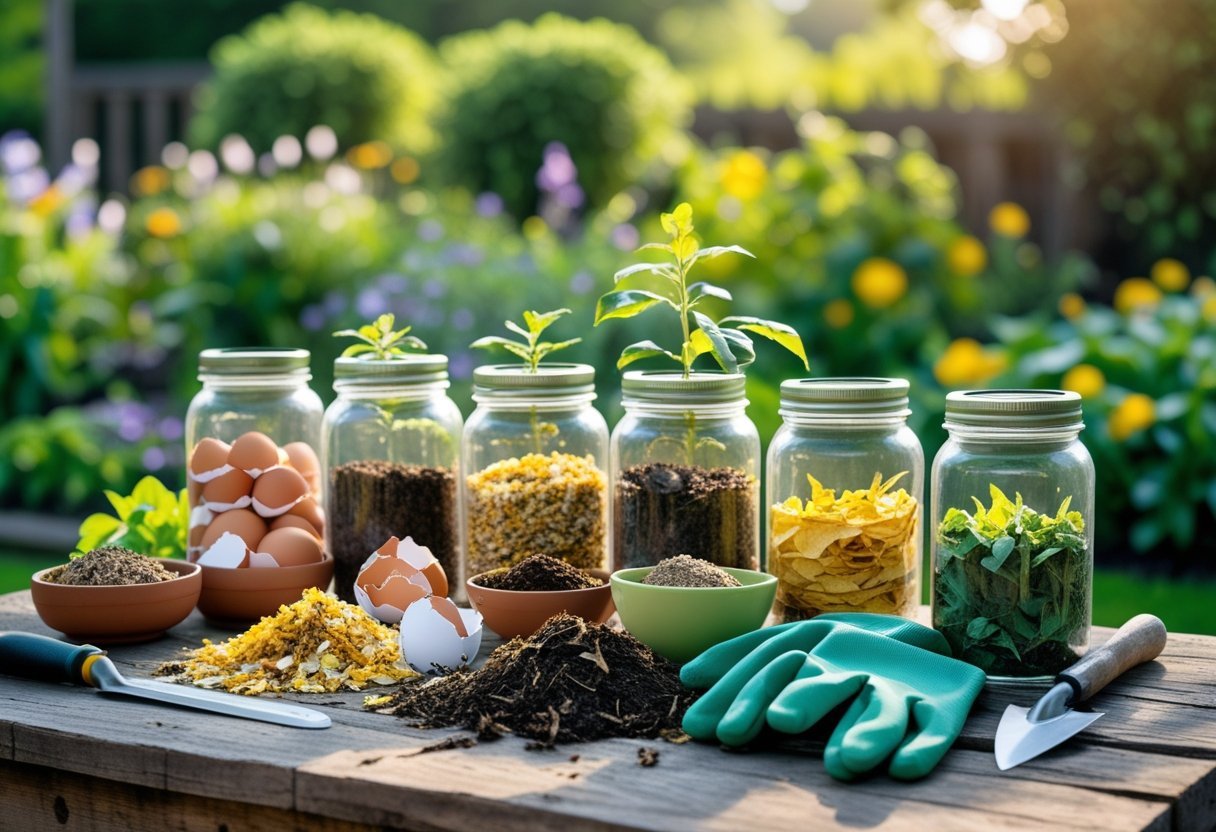
You can use common household scraps like banana peels, eggshells, and coffee grounds to create effective plant nutrients. Diluted water from your fish tank also offers valuable minerals. These ingredients provide essential nutrients to your plants while saving money. Using these simple materials supports healthy growth without relying on commercial products.
8. Exchange Seeds and Plant Cuttings with Others
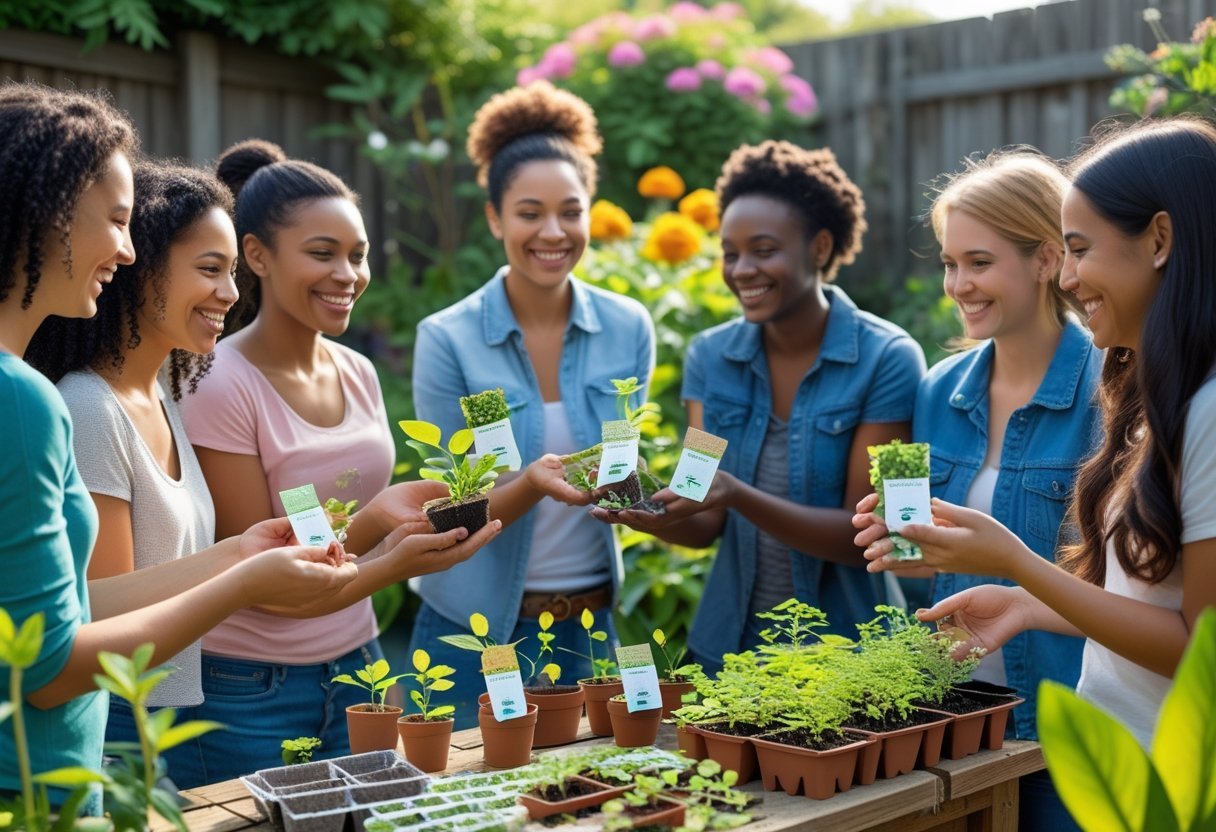
You can increase the variety in your garden by swapping seeds and cuttings with friends or local gardeners. This method helps you save money and access plants without buying new ones. Sharing plant materials also connects you with others who enjoy gardening, creating a helpful community around your hobby.
Recommended Products
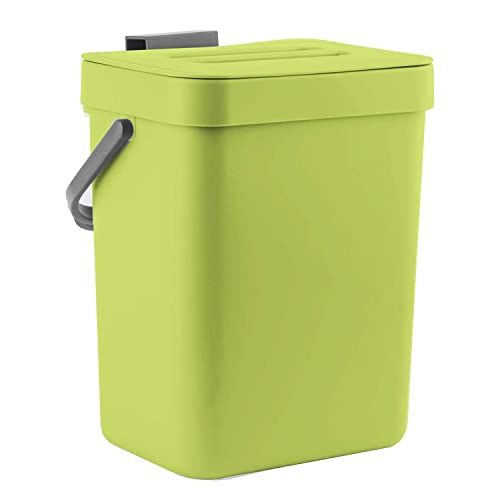
Hangable & Mountable: The small trash can with lid can be easily hung on the doors of kitchen cabinets, office lockers or bedroom drawers. Moreover, this food waste caddy can also be wall-mounted to your cupboard, kitchen wall or bathroom wall with adhesive pad.

Efficient Odor Reduction – Our 1.2-gallon compost bin kitchen counter is a countertop composter with three extra smell-absorbing filters for convenient food waste bin use. Hand wash outer bin and lid; inner bucket is dishwasher safe. Lift by the handle and tilt slightly if snug. Empty daily and use compostable liners for easy cleanup.

9. Add Crushed Eggshells and Coffee Grounds to Your Soil
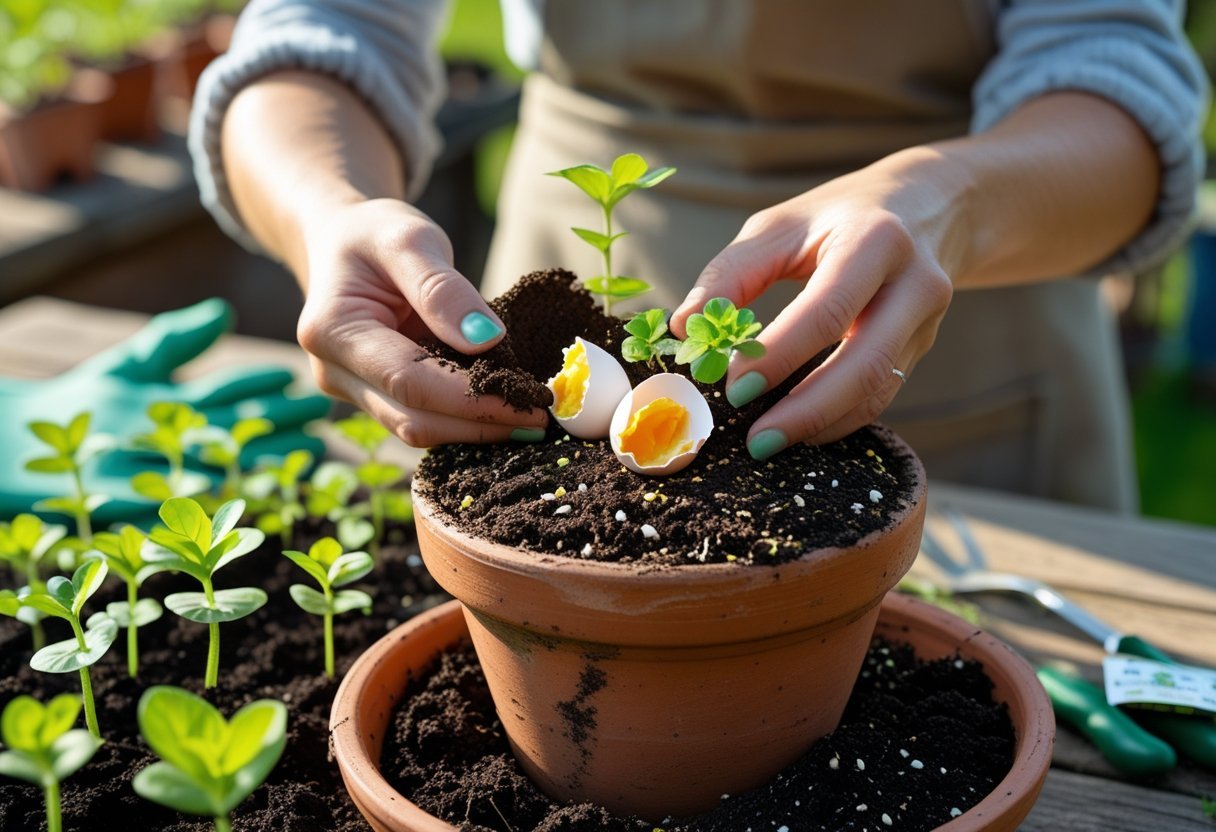
You can boost your garden soil by mixing crushed eggshells and used coffee grounds directly into it. Eggshells supply calcium, which strengthens plants, while coffee grounds provide nitrogen to encourage growth. This approach is cost-efficient and helps recycle kitchen waste for healthier soil.
Recommended Products

Removable Lid: Enjoy easy access for cleaning and maintenance, ensuring your rain barrel remains in top condition for efficient water collection. A removable lid also allows for flexibility in filling the barrel from various water sources.

Large Rain Catcher Barrel: The Raincatcher 4000 holds up to 50 gallons (189L), helping you conserve water and reduce your water bills while supporting resource-efficient gardening practices.
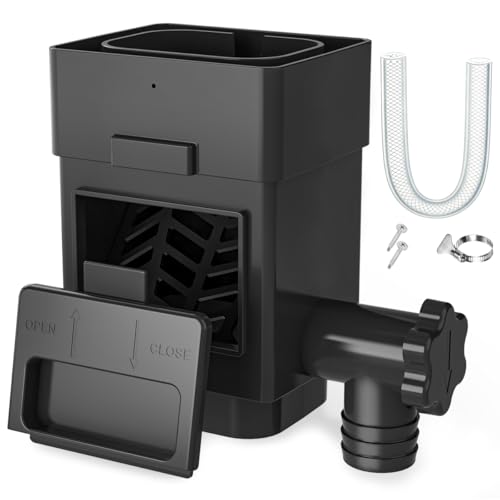
FITS COMMON DOWNSPOUTS: Designed as a downspout diverter for standard 2 x 3 in and 3 x 4 in residential downspouts, connecting roof runoff to your rainwater collection system
10. Build Trellises Using Sticks and Repurposed Items
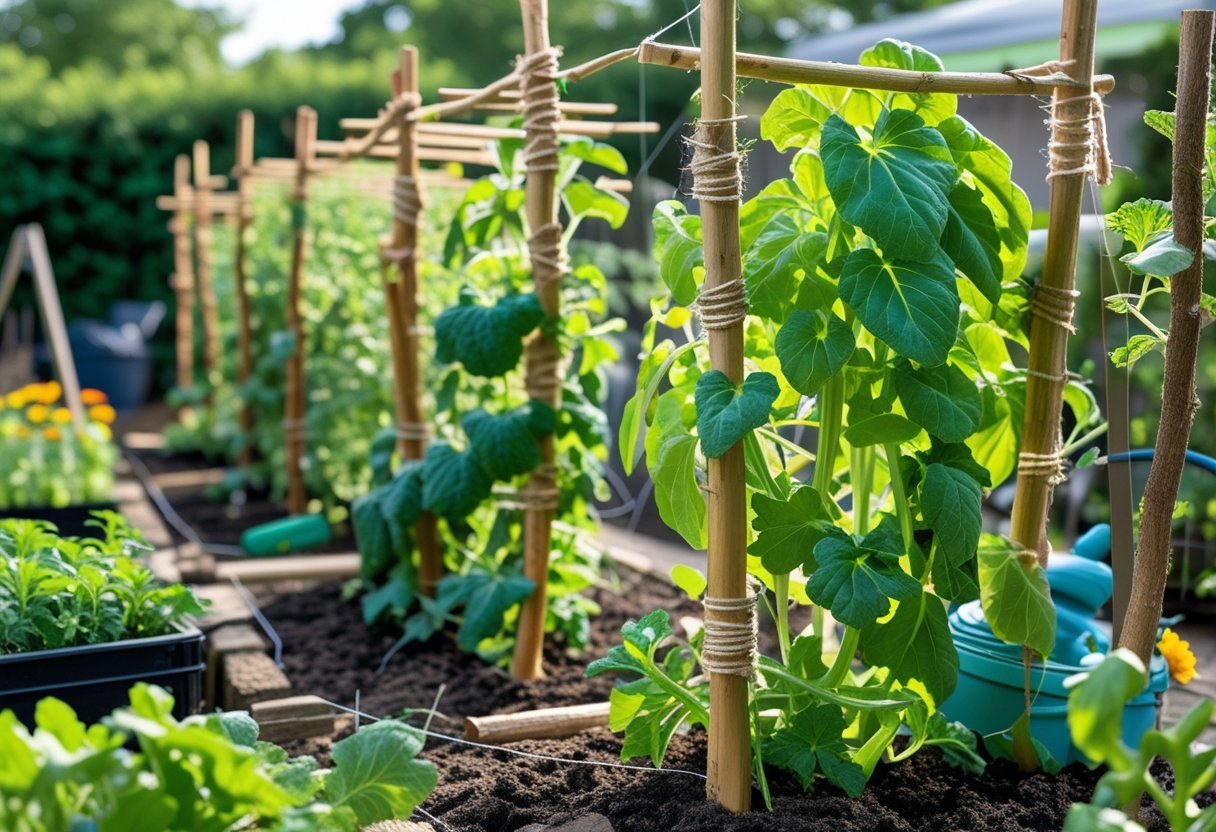
You can create effective plant supports by using sticks, old broom handles, or even discarded bed frames. These materials provide sturdy frameworks for climbing plants such as beans and cucumbers. This approach helps you save money while giving new life to items you might otherwise discard.
11. Grow New Plants by Taking Cuttings
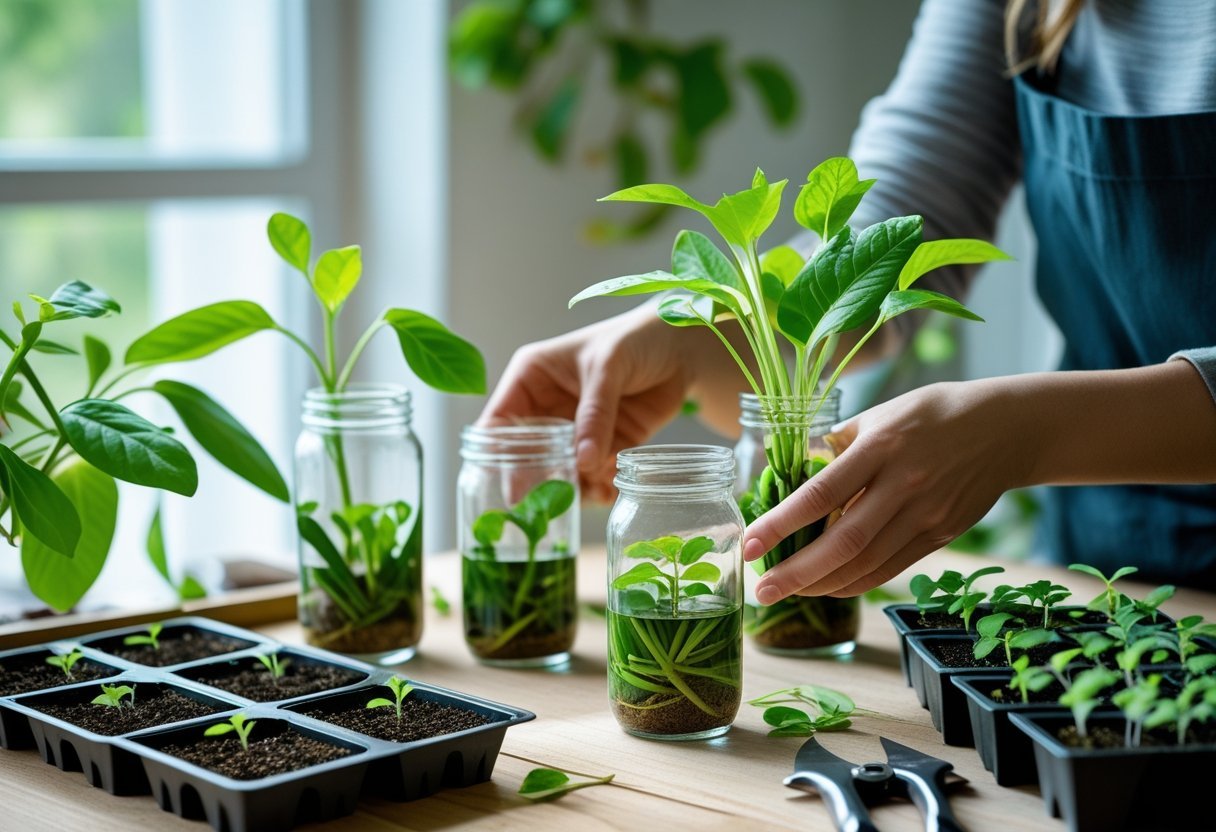
You can multiply your garden by taking cuttings from sturdy, healthy plants. This method lets you develop roots on these cuttings and grow new plants without spending money. It’s a practical way to increase your plant collection while saving resources. Patience is key for success with this approach.
12. Repurpose Pallets to Create Raised Garden Beds
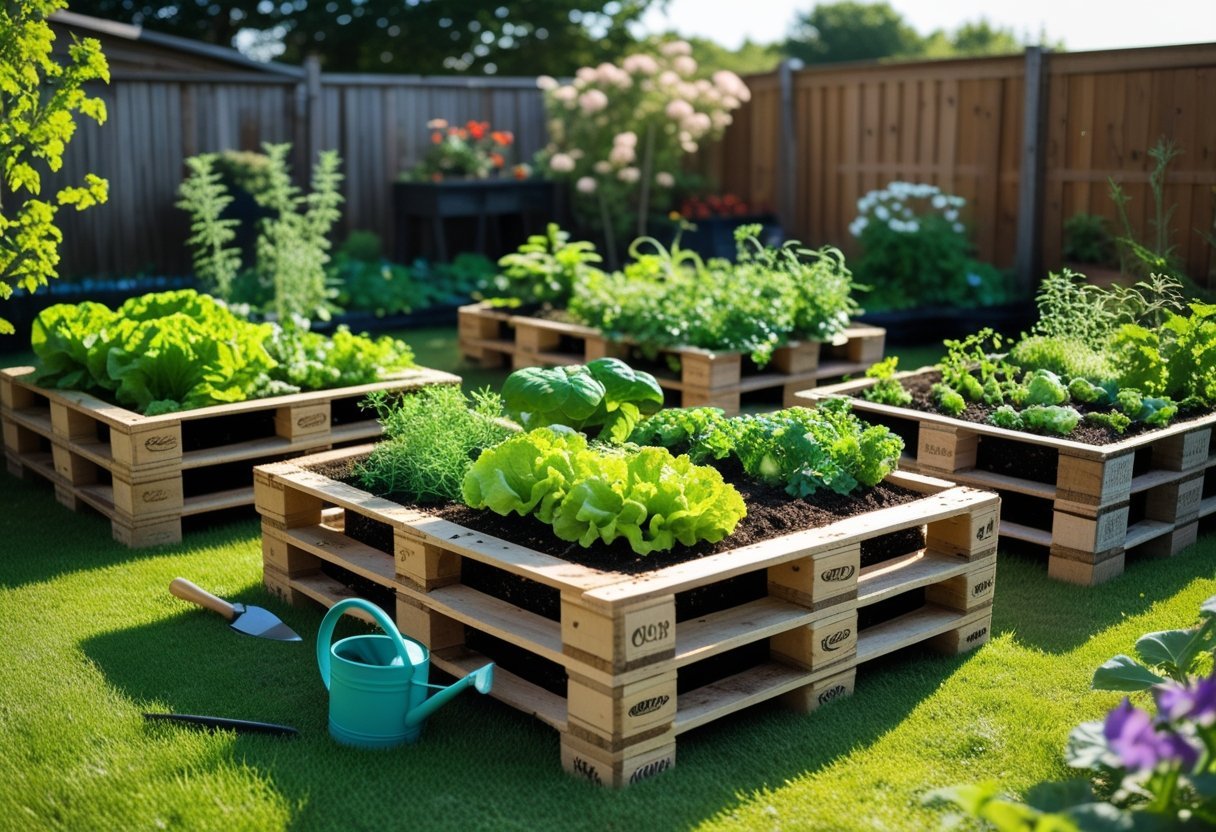
You can convert old wooden pallets into raised garden beds easily and without spending money. This method helps keep your garden organized and improves soil drainage. Using pallets also reduces strain on your back by elevating plants for easier access, making it a practical choice for budget-conscious gardeners.
13. Use Vertical Methods to Maximize Space and Resources
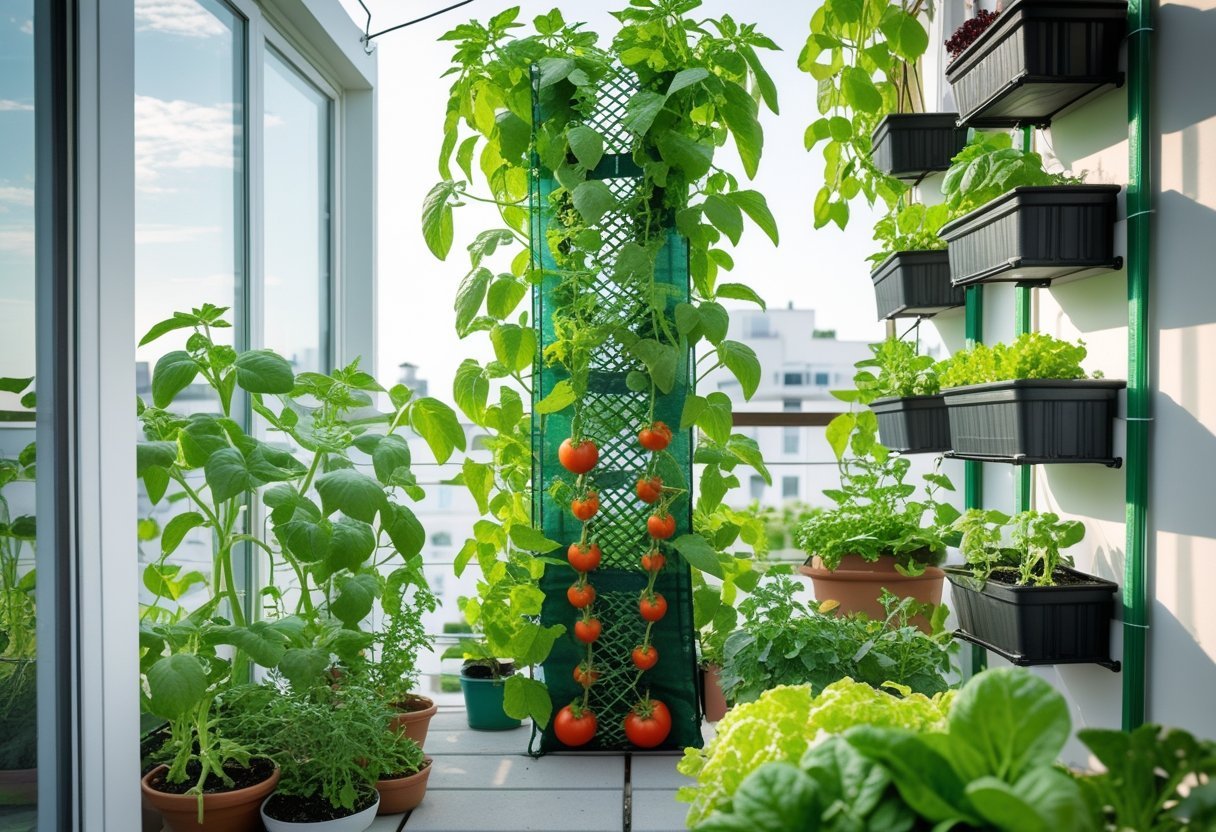
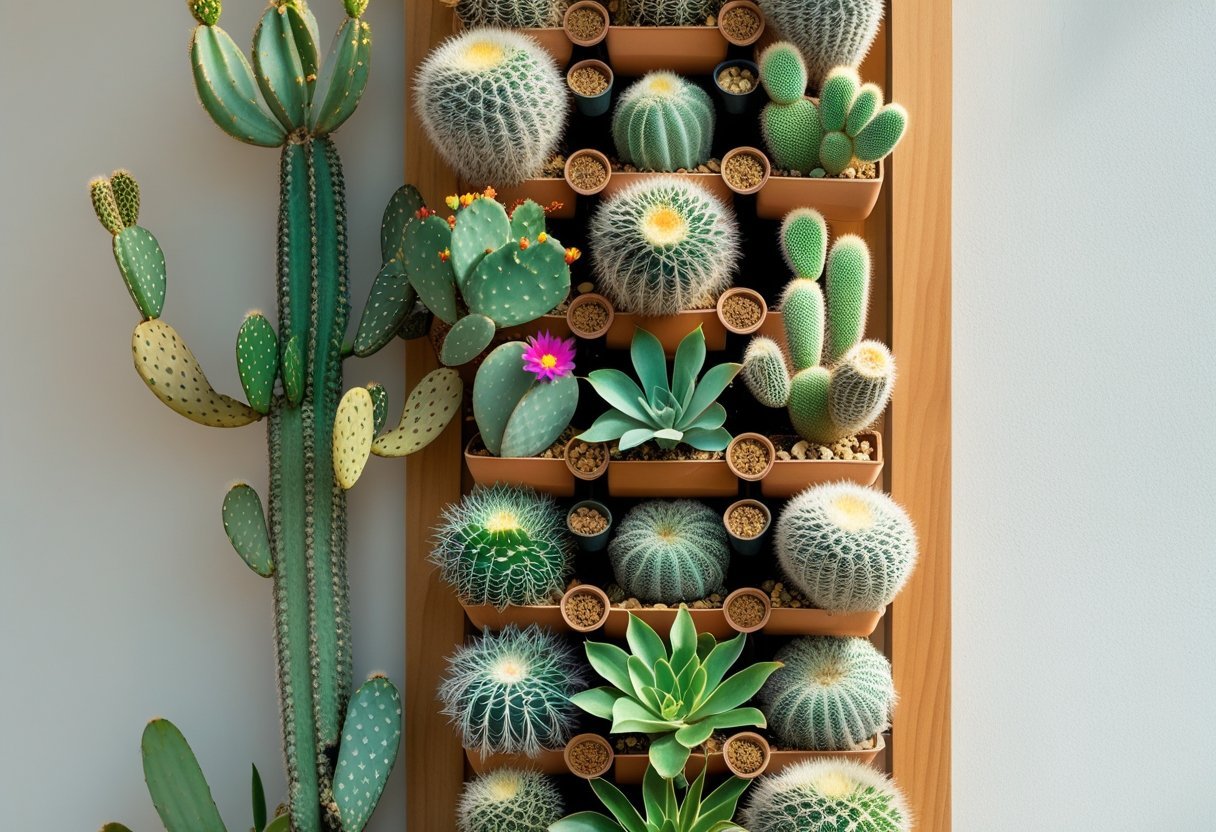
You can increase your growing area by stacking containers or mounting plants on walls. Vertical setups need less soil and fewer gardening tools. This method suits small spaces and tight budgets, letting you cultivate efficiently without demanding extra materials or a large footprint.
14. Apply Mulch Using Leaves or Grass Clippings
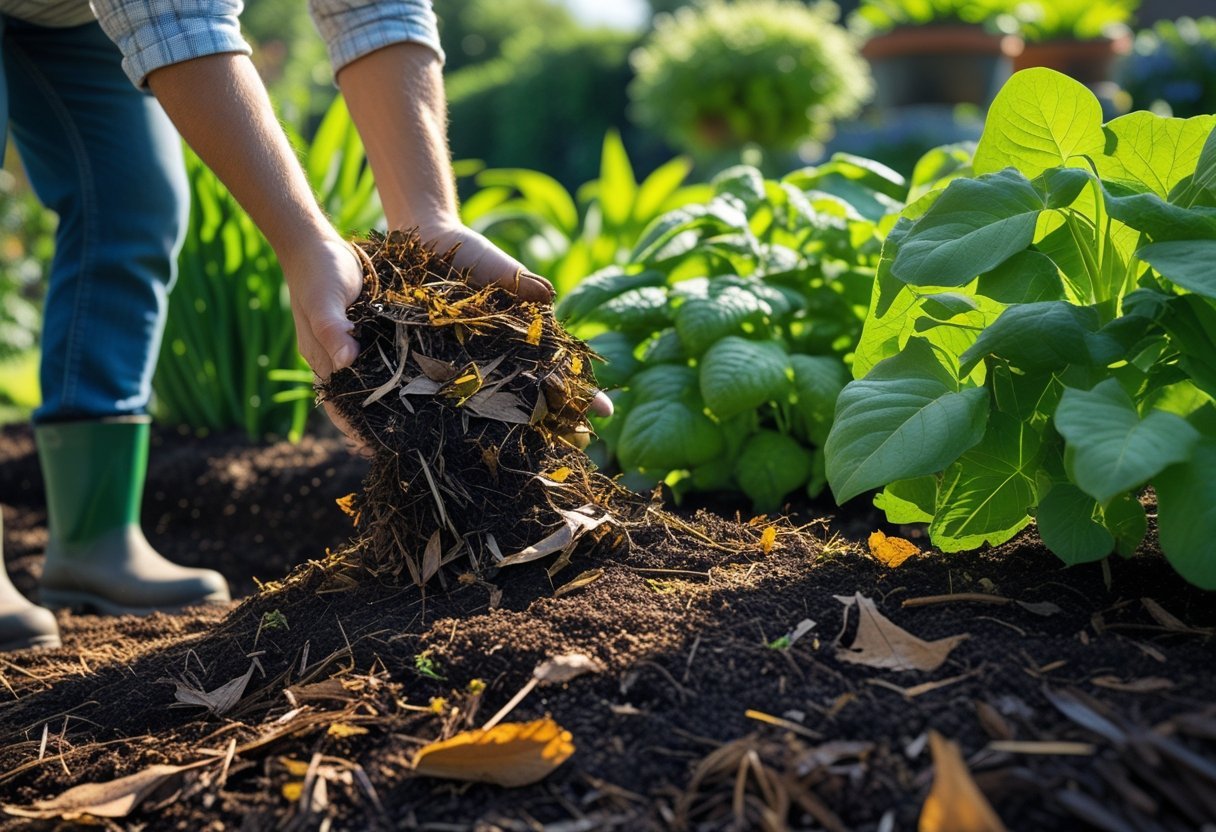
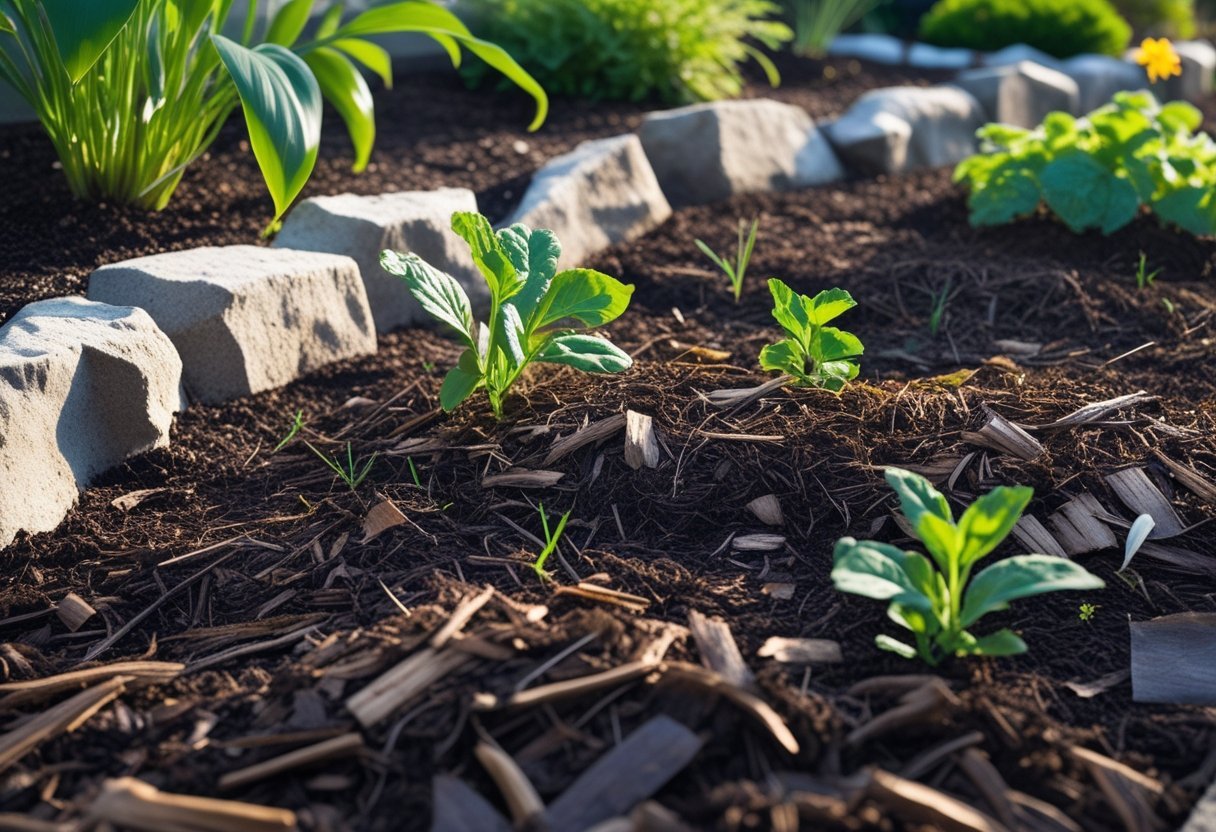
You can save money by using dried leaves or grass clippings from your yard as mulch. This natural layer helps keep soil moist and reduces weed growth. As it decomposes, it also adds nutrients to your garden soil, supporting plant health with minimal cost.
15. Connect with a Local Gardening Group or Co-op
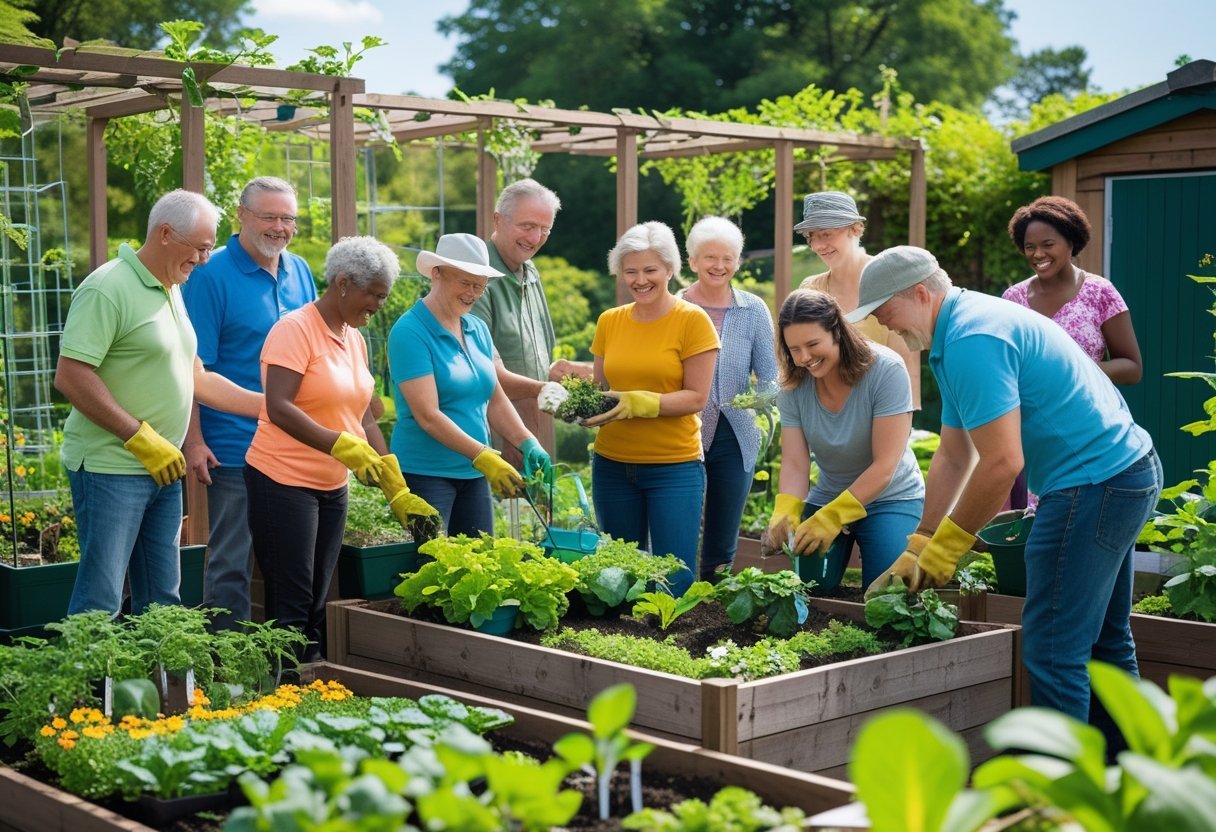
Joining a community gardening group or cooperative can provide valuable access to shared tools, seeds, and gardening space. These resources help lower your costs and offer practical advice from experienced gardeners.
By participating in a co-op, you benefit from collective knowledge while spending less on supplies. You might also find seed exchanges or tool libraries that make maintaining your garden easier.
Applying simple strategies like reusing containers, saving kitchen scraps, or making homemade compost fits well with this approach. These cost-effective habits reduce waste and maximize your garden’s potential without increasing your budget.
Engaging with neighbors through gardening groups strengthens your support network and encourages sustainable practices that keep expenses manageable.