
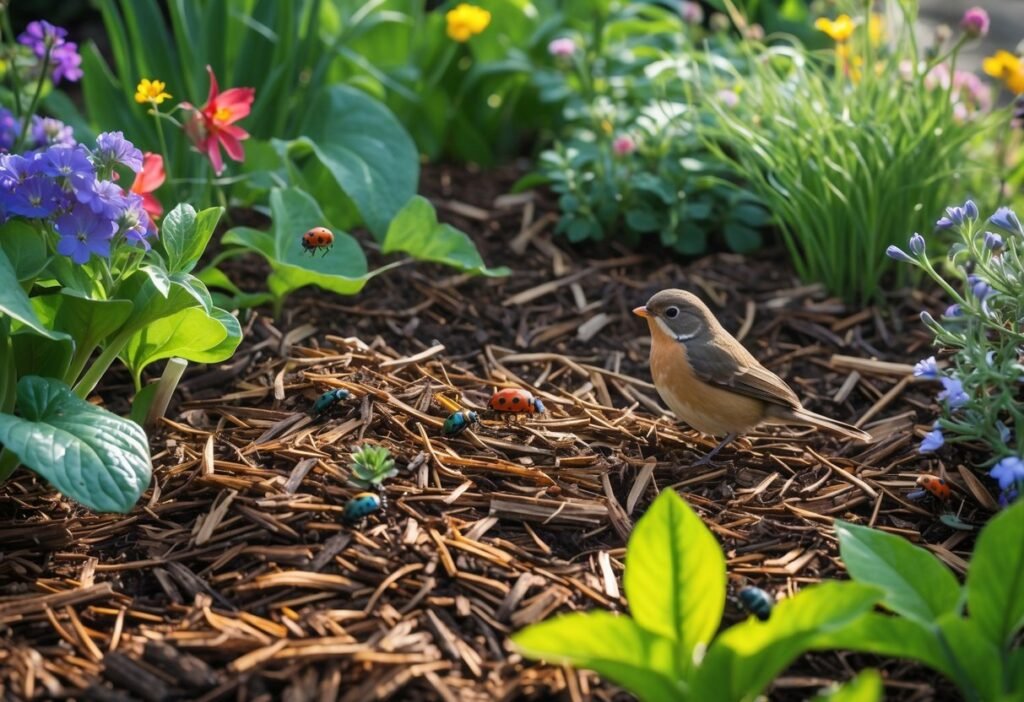
Want to turn your garden into a welcoming space for birds while adding natural beauty and peaceful sounds? You can create a lively haven by providing food, water, and safe spots where birds can rest.
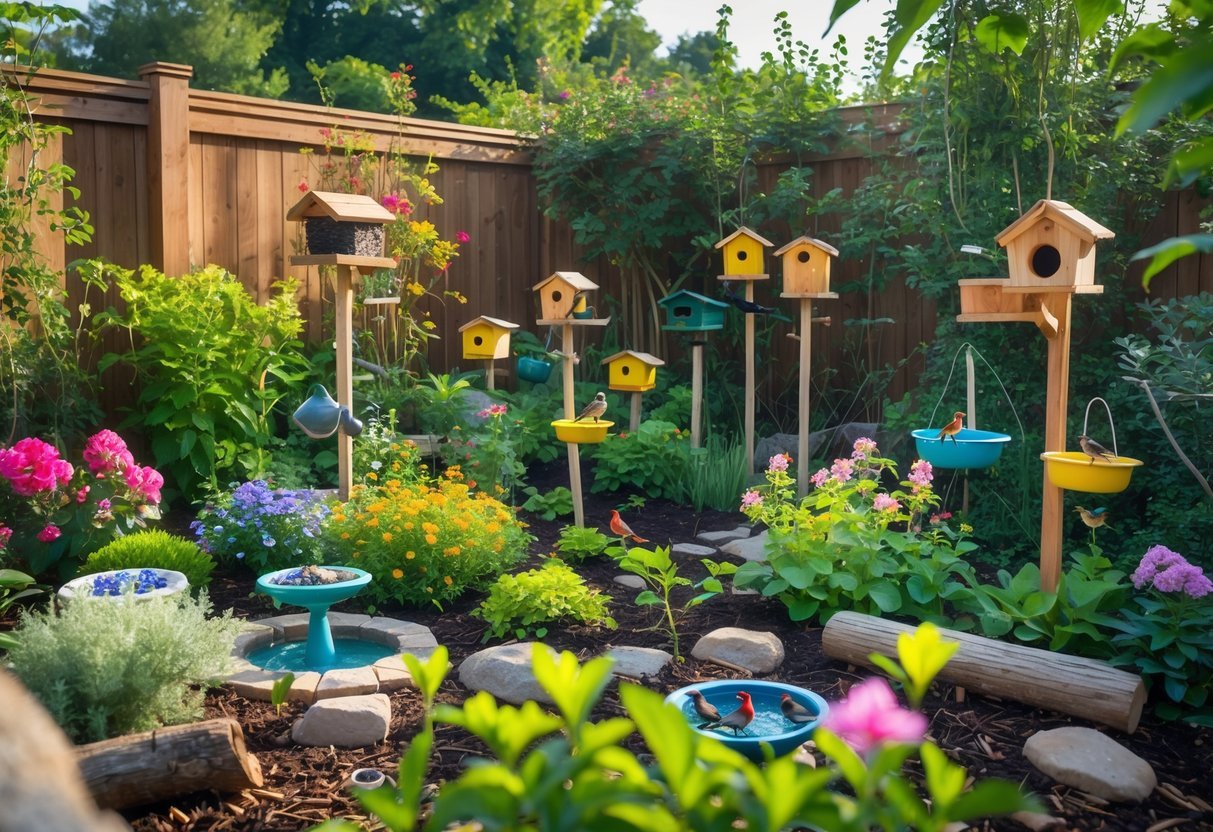
Small changes in your yard can invite more feathered visitors and make your outdoor space more vibrant. These simple steps will help you support local wildlife and enjoy a colorful, bird-friendly garden.
1. Add Local Trees and Shrubs
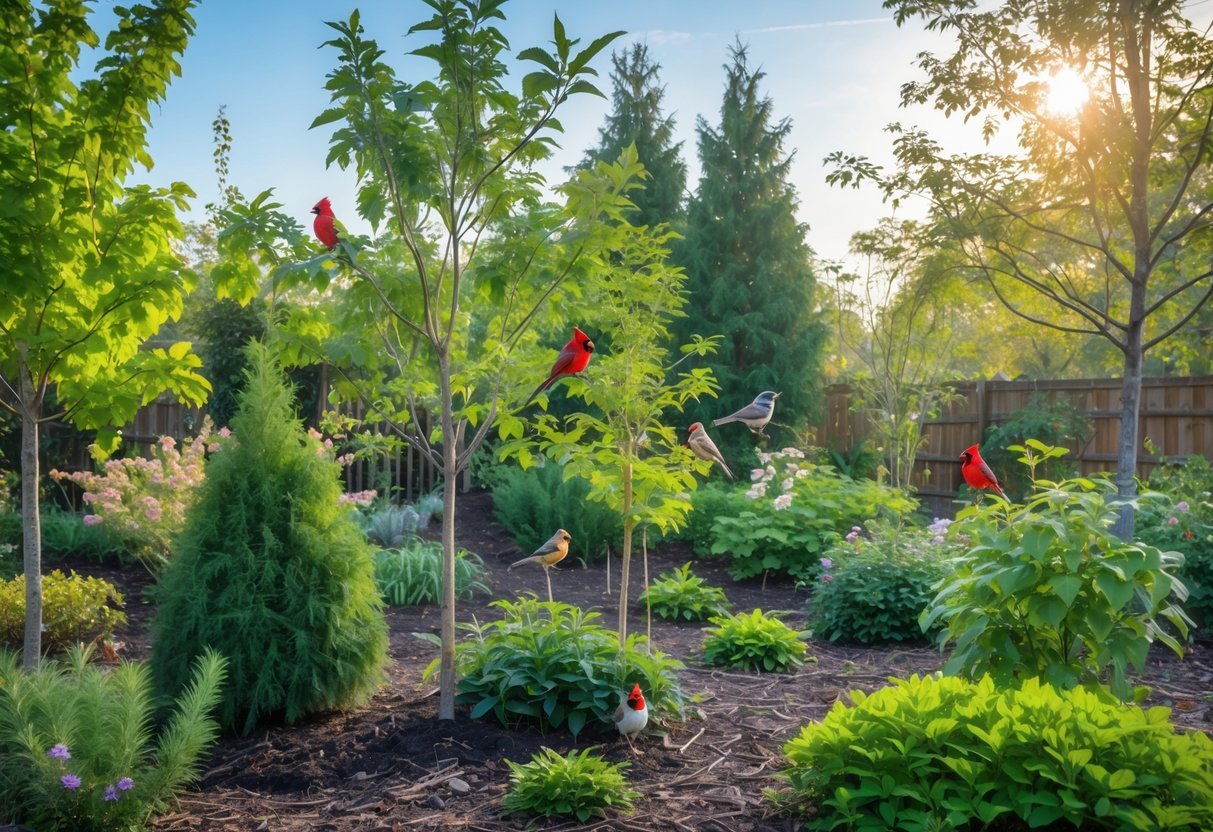
You can create a welcoming space for birds by planting native trees and shrubs. These plants offer safe places for birds to build nests and hide from predators. They also provide important food like berries and seeds. Different native plants attract the insects birds feed on, so including a mix helps support birds all year long. Choose a variety to meet the needs of many bird species in your yard.
Recommended Products


2. Set Up Feeders with Various Seed Types
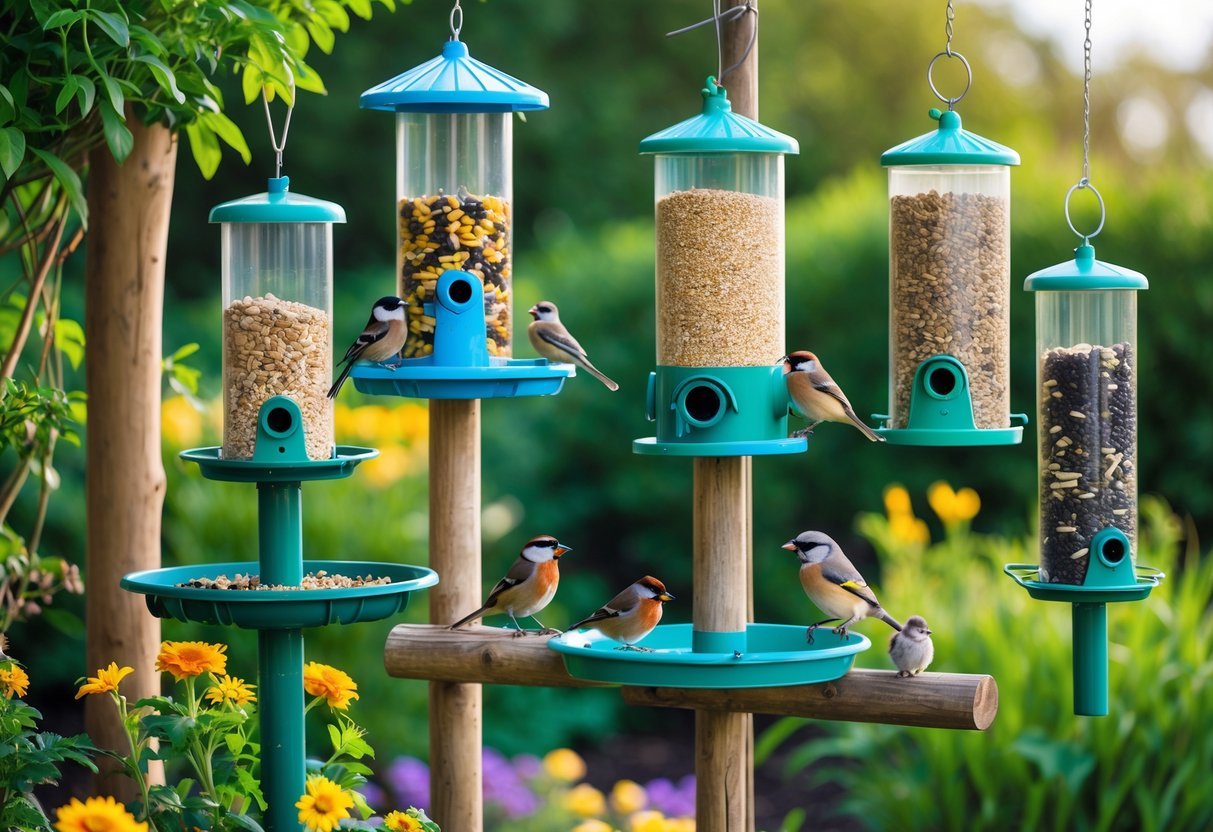
You can attract more bird species by offering different kinds of seeds. Use sunflower seeds, millet, and nyjer to provide choices for many birds. Make sure to keep your feeders clean and full so they stay appealing and safe for visitors. This careful attention helps birds rely on your feeders throughout the year.
Recommended Products

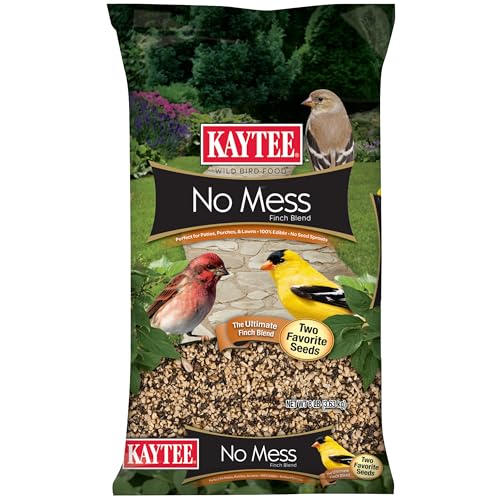
INGREDIENTS BIRDS LOVE: This premium-quality wild bird feed mix is made with favorites including thistle and black oil sunflower seeds for birds

Sunflower chips and other small grains added to provide a nutritional mix that birds love
3. Add a Water Source or Birdbath
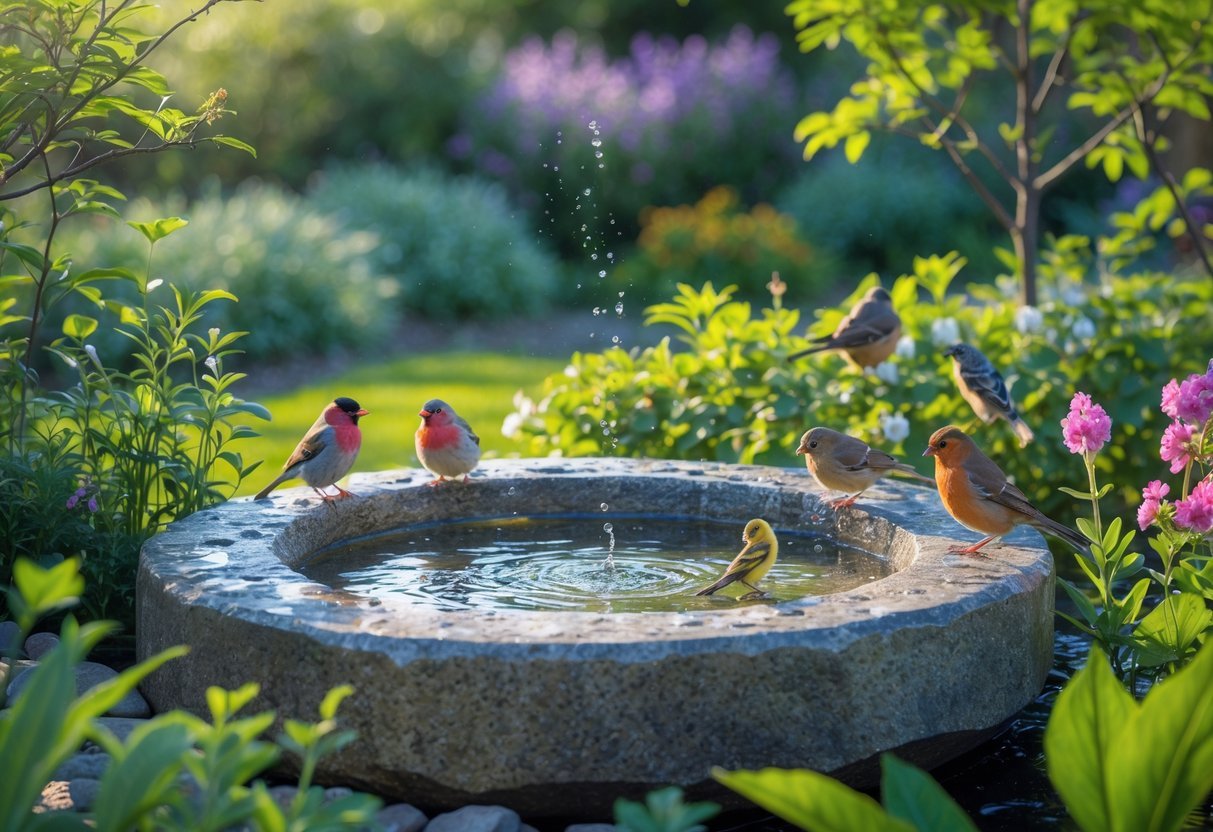
Providing fresh water in a shallow basin or gentle water feature attracts birds for drinking and bathing. Keep the water clean and topped up often. This helps make your outdoor space a safe spot where birds will visit regularly.
Recommended Products

Perfect Fit Replacement: Need a new birdbath bowl for your OUISJYER 13" stake birdbath? This metal bowl is the exact original replacement parts, saving you from buying a whole new set; It snaps onto your existing pole supports seamlessly in seconds

2-in-1 Multi-Function Design: This deck railing bird bath doubles as a bird feeder for flexible outdoor use. Simply fill the bowl with water to offer birds a bathing spot, or add bird grain to create a feeding station. It works well for gardens, patios and lawns, blending practical bird care with subtle yard decor

【12.2-Inch Ground Bird Bath】 The round bowl measures approximately 12.2 inches across with a 10.6-inch inner basin. Its low profile is designed for placement on level ground, patios, or sturdy garden surfaces.
4. Provide Safe Nesting Spots
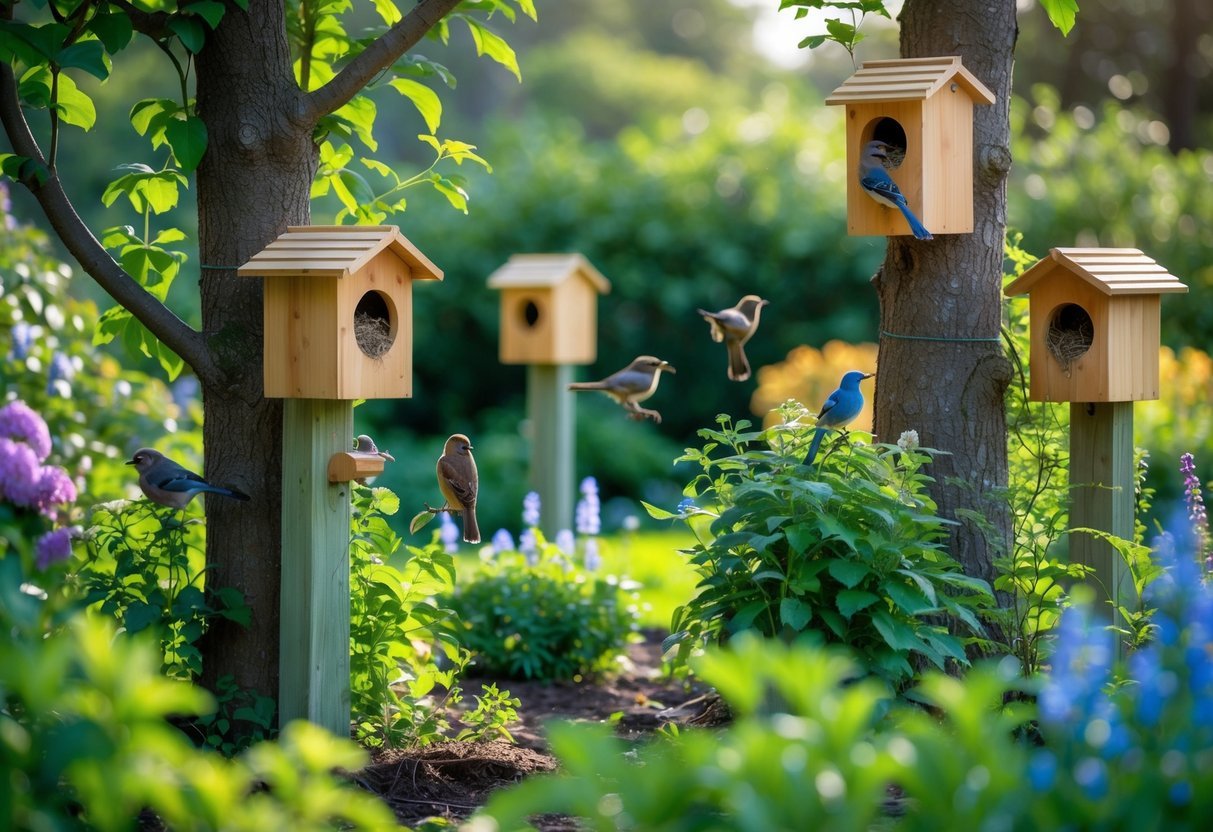
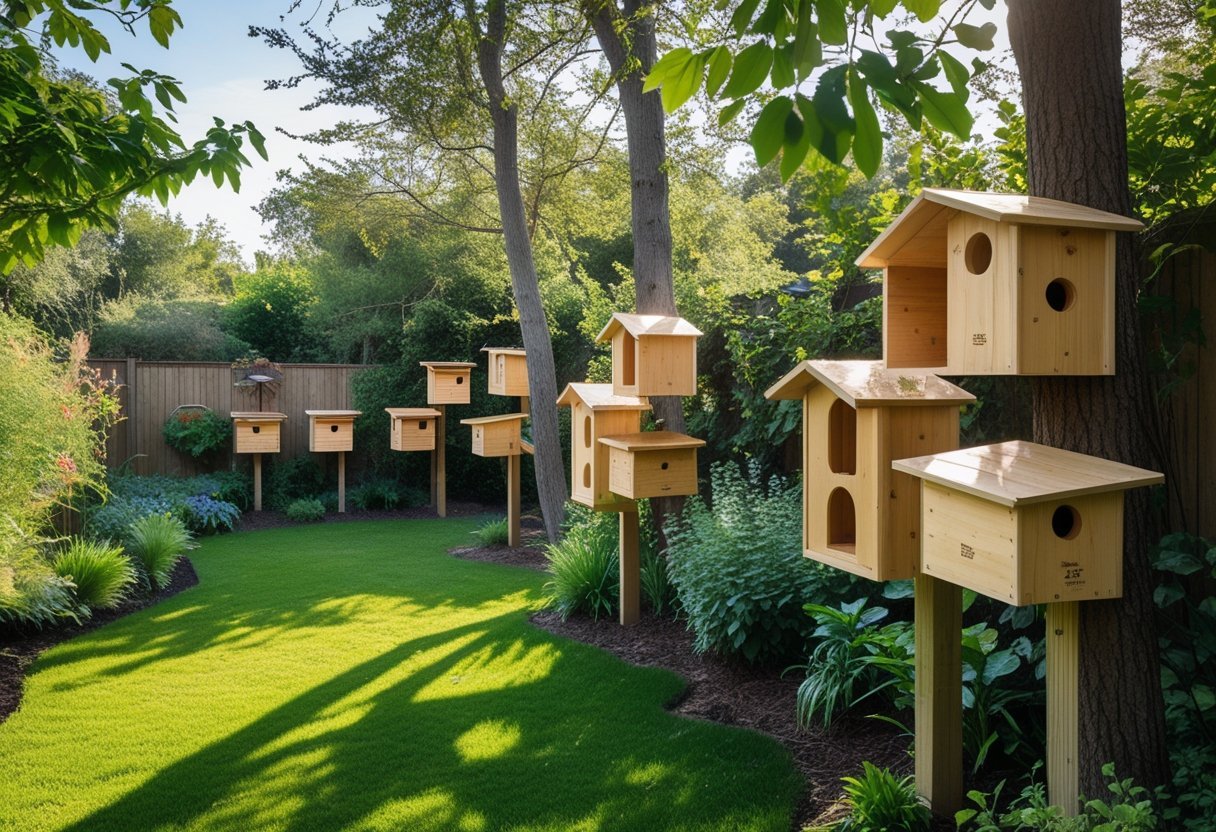
You can attract more birds by adding nesting boxes in your garden. Pick boxes that fit the birds common to your area. Place them where cats and other predators cannot reach. This will help birds find secure places to raise their young.
Recommended Products

Hummingbirds are attracted to the color of your feeder, not the color of the food

100% SUCROSE: This nectar powder concentrate is made of 100% Sucrose

【Fits iBorn Hummingbird Feeders】Designed with standard 3.1cm (1.2") flower size and 0.7cm (0.2") feeding ports, these flowers fit snugly into iBorn hummingbird feeders and most standard feeders. Please confirm your feeder’s hole size before purchase to avoid mismatches.
5. Plant Fruit-Producing Shrubs and Trees
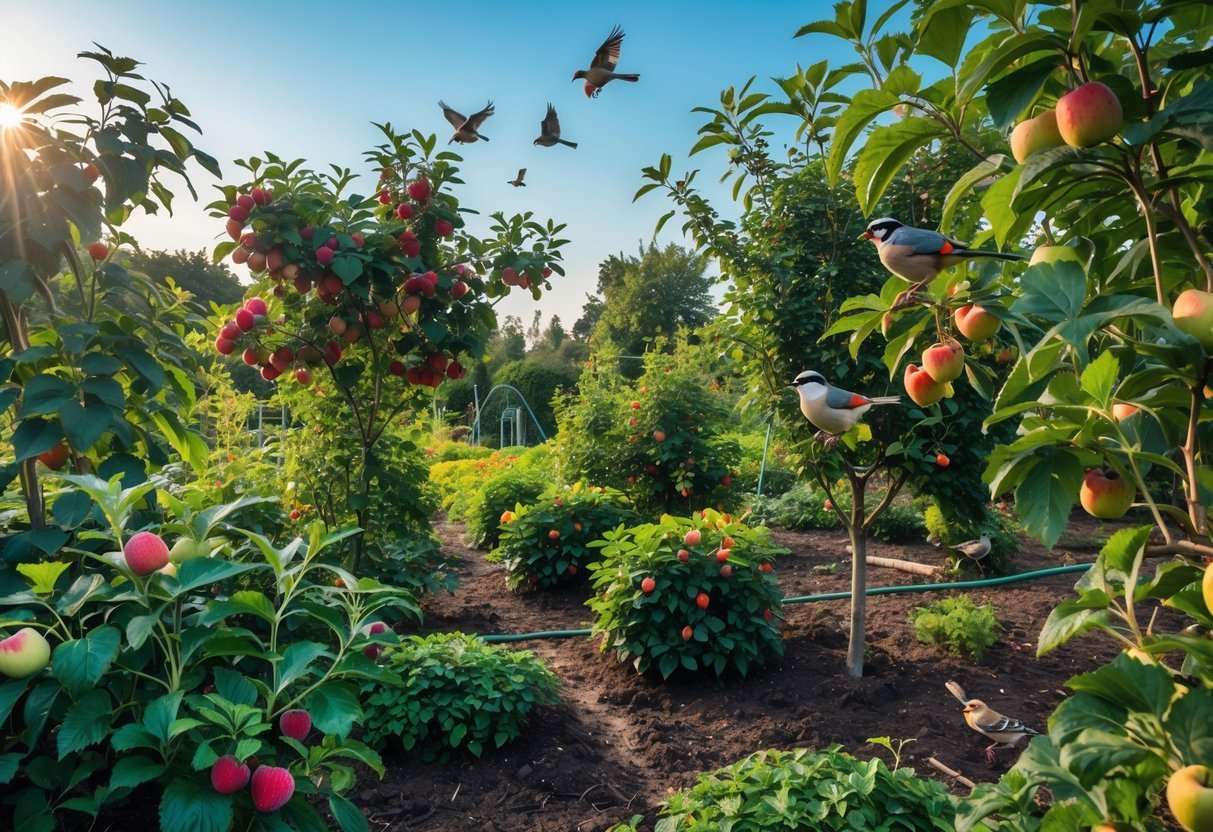
You can attract birds by planting fruit-bearing shrubs like berries, cherries, or crabapples. These plants provide food for birds year-round, especially during colder months. They also bring bright colors and interesting textures to your garden.
Recommended Products

Colorful: Eleanor Taber Indian Hawthorn is renowned for its abundant clusters of pink flowers in spring, complemented by its glossy, dark green foliage that sometimes takes on a purplish hue in colder weather. A mature plant generally reaches a compact size of 3-4 feet in height with a similar spread.

For sale is a Nellie R. Stevens Holly that is approximately 6-12 inches tall and shipped in a 3" pot

Healthy Seedling: Fresh dug seedlings that are well rooted and ready to thrive for you.
6. Choose Thick Hedges to Protect Birds
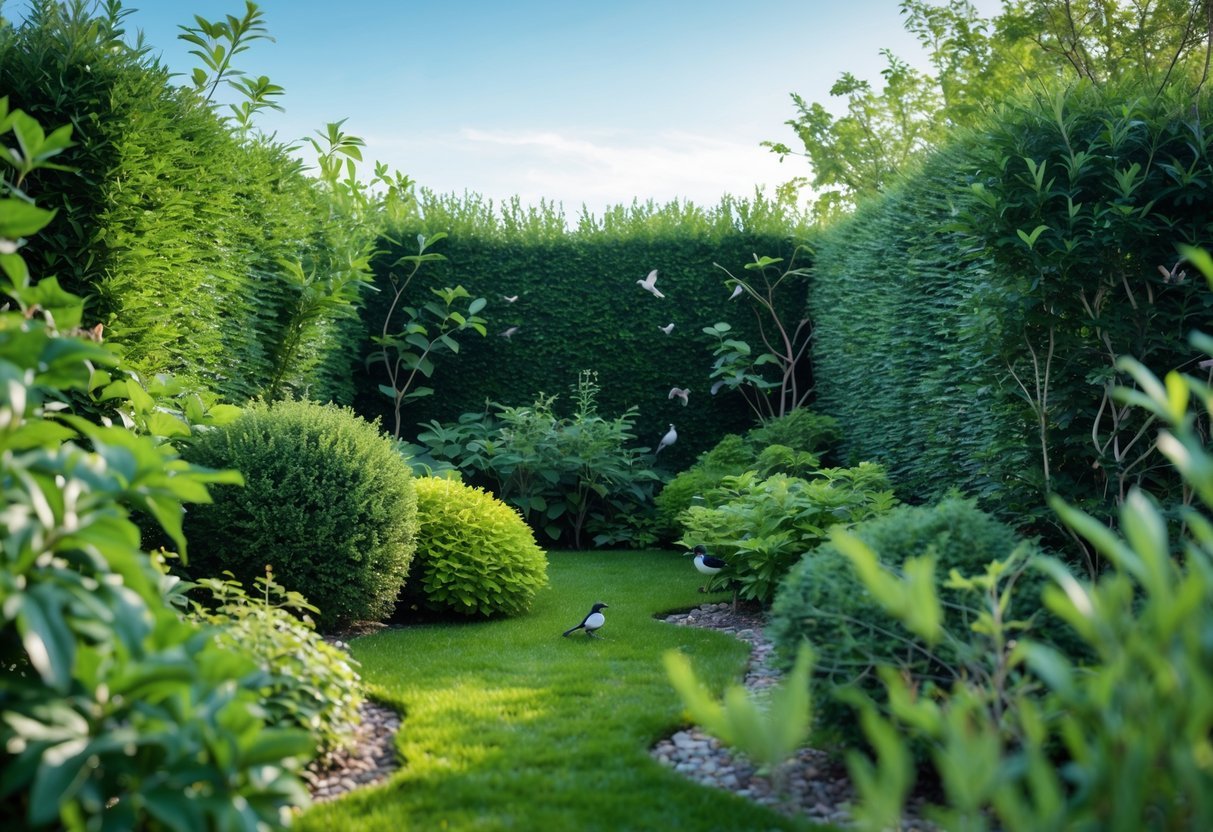
You can create a safe space for birds by planting thick hedges like holly or hawthorn. These bushes help birds avoid predators and bad weather. Birds often rest, hide, or build nests inside these dense plants, making them a good choice for your garden.
Recommended Products


7. Skip Pesticides in Your Garden
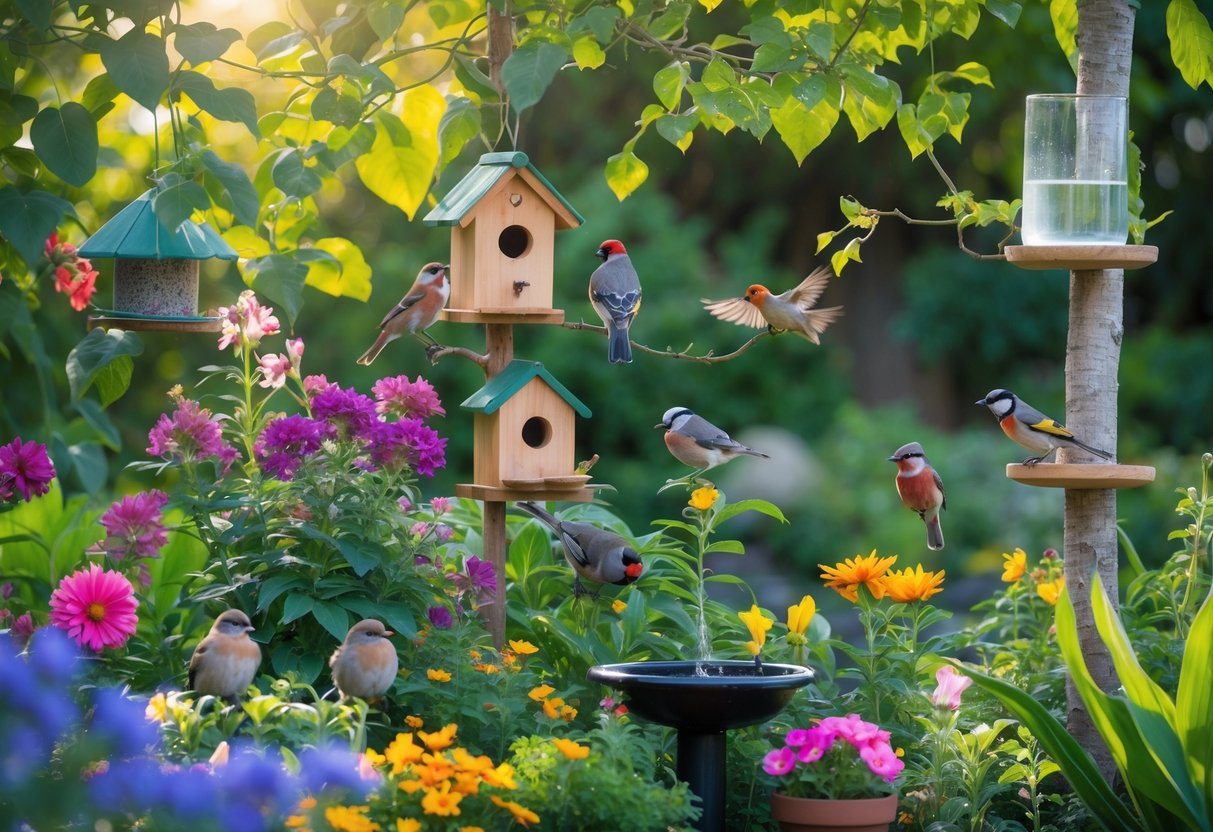
Using pesticides can harm birds and lower the number of insects they eat. Instead, rely on natural methods to control pests. Attract birds that feed on insects by providing food and shelter. This helps keep your garden healthy without chemicals.
Recommended Products


Sunflower chips and other small grains added to provide a nutritional mix that birds love

ULTIMATE FINCH-FAVORITE SEED BLEND - Expertly crafted with premium nyjer (thistle) seed and fine sunflower chips to attract goldfinches, house finches, and other small songbirds quickly
8. Add Nectar-Producing Flowers to Your Garden
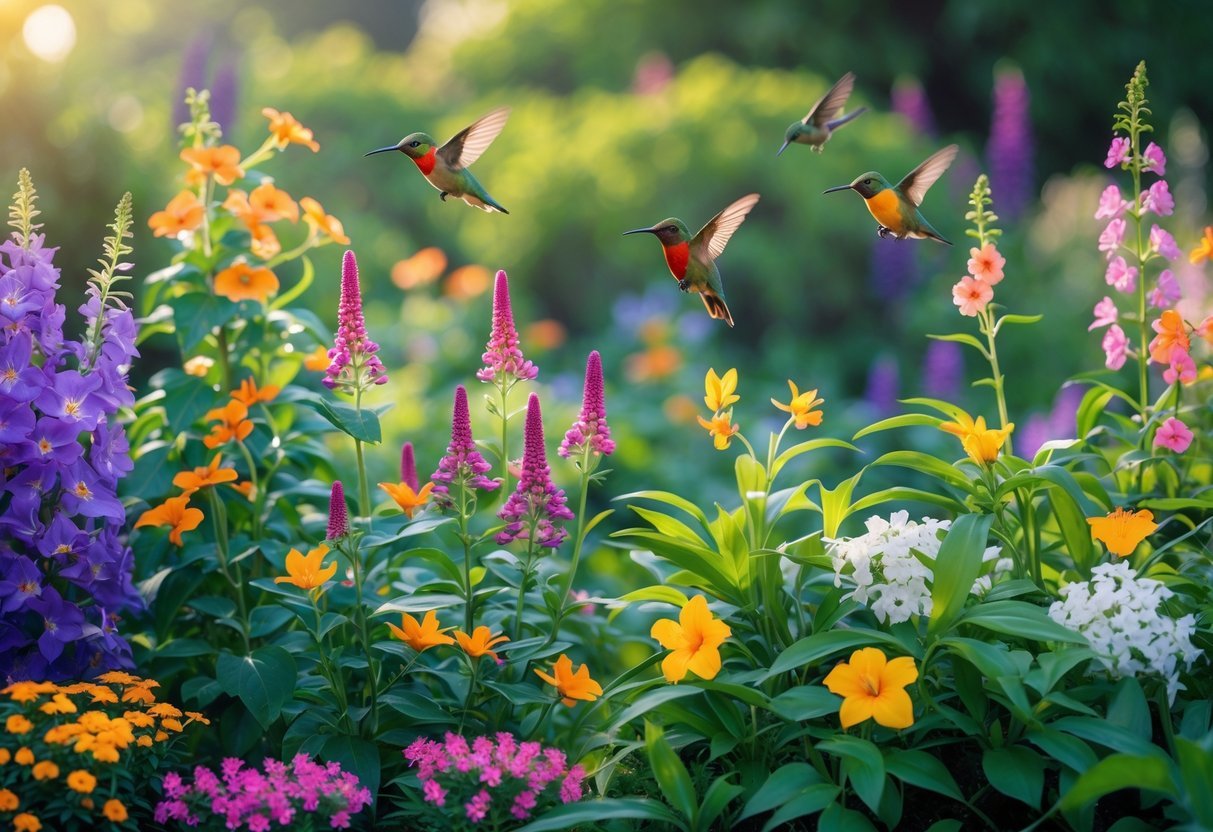
You can attract hummingbirds and other nectar feeders by planting bright, tubular flowers. Choose native species like honeysuckle or bee balm. These plants not only offer food but also support pollinators, helping your garden stay healthy and balanced.
Recommended Products

44-Watt Heating Power: Warms shallow birdbath water to help prevent freezing and maintain access to drinking water during winter.

2-in-1 Multi-Function Design: This deck railing bird bath doubles as a bird feeder for flexible outdoor use. Simply fill the bowl with water to offer birds a bathing spot, or add bird grain to create a feeding station. It works well for gardens, patios and lawns, blending practical bird care with subtle yard decor

Runs Completely on Solar Power: The fountain starts on its own when direct sun reaches the panel, with no cord, battery or outlet. It rests under cloud, in shade and after dark and picks back up with the sun, so it runs longest in full sun
9. Create a Wildflower Area for Pollinators
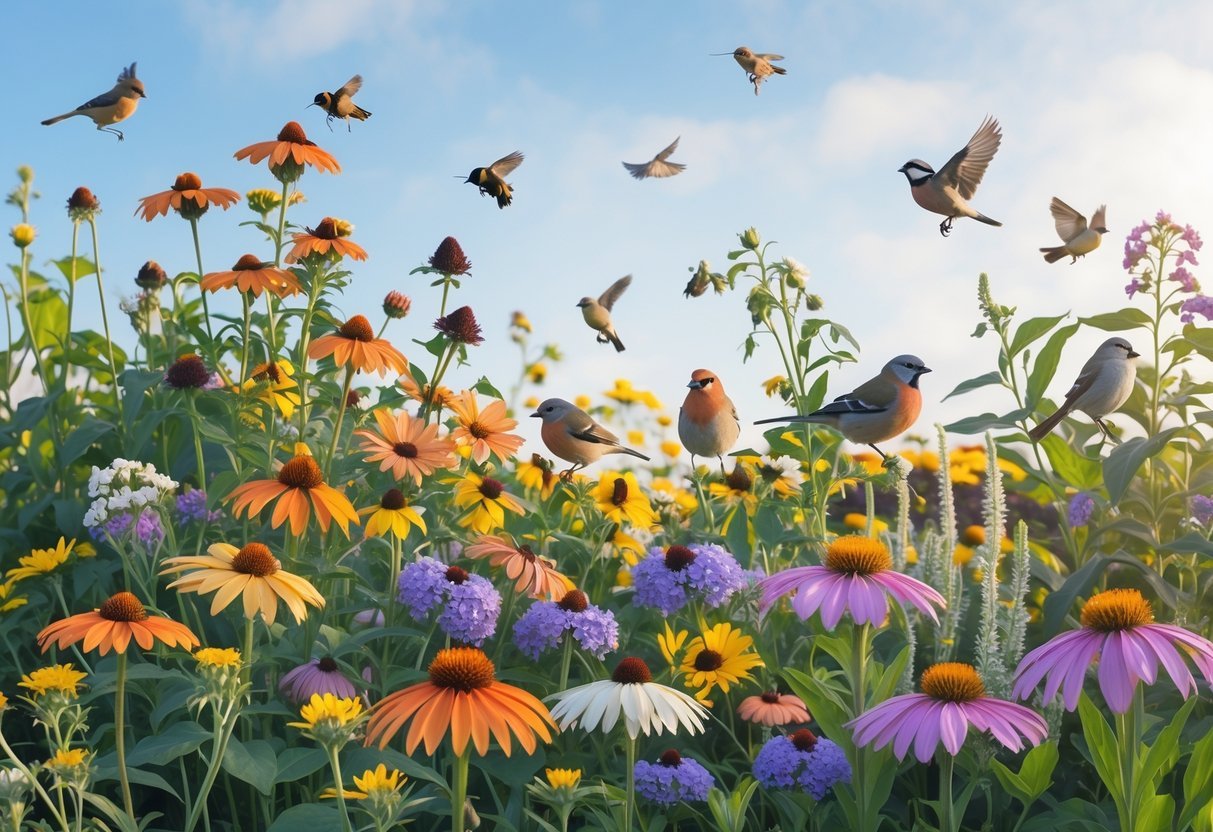
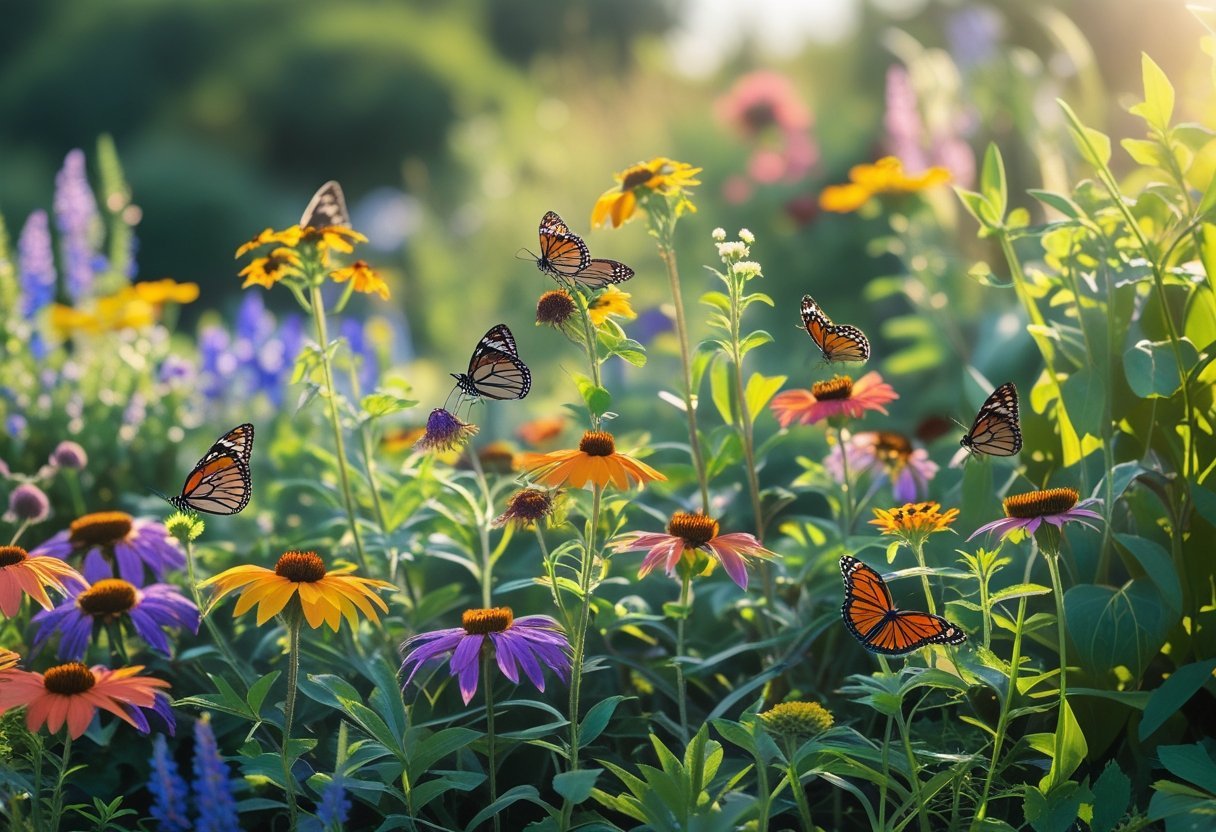
You can invite bees, butterflies, and birds by planting a section filled with wildflowers. Mixing native wild plants helps your garden stay healthy through different seasons. This patch supports various animals and adds useful food sources to your outdoor space.
Recommended Products
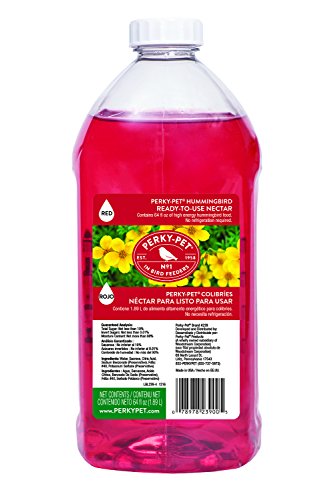
Convenient ready-to-use formula requires no boiling or mixing – just pour and go!
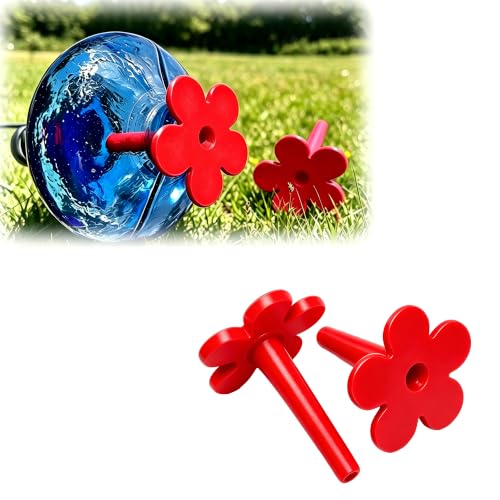
Classic Umbrella Flower Design: This decorative umbrella flower feeder will refresh your hummingbird feeder. The delicate petal design adds a touch of vibrant color to your garden while providing hummingbirds with a familiar foraging spot.

Soft Elastic Press-Fit Installation - These hummingbird feeder replacement flowers feature a soft elastic base (0.7cm / 0.27 inch) that works with most 0.24-0.28 inch feeder ports. The gentle, stretchable material fits snugly without damaging your feeder or irritating hummingbirds, and installs in seconds by hand. These easy install hummingbird feeder flowers are perfect for fast, tool-free setup.
10. Add Low Plants for Birds to Search For Food
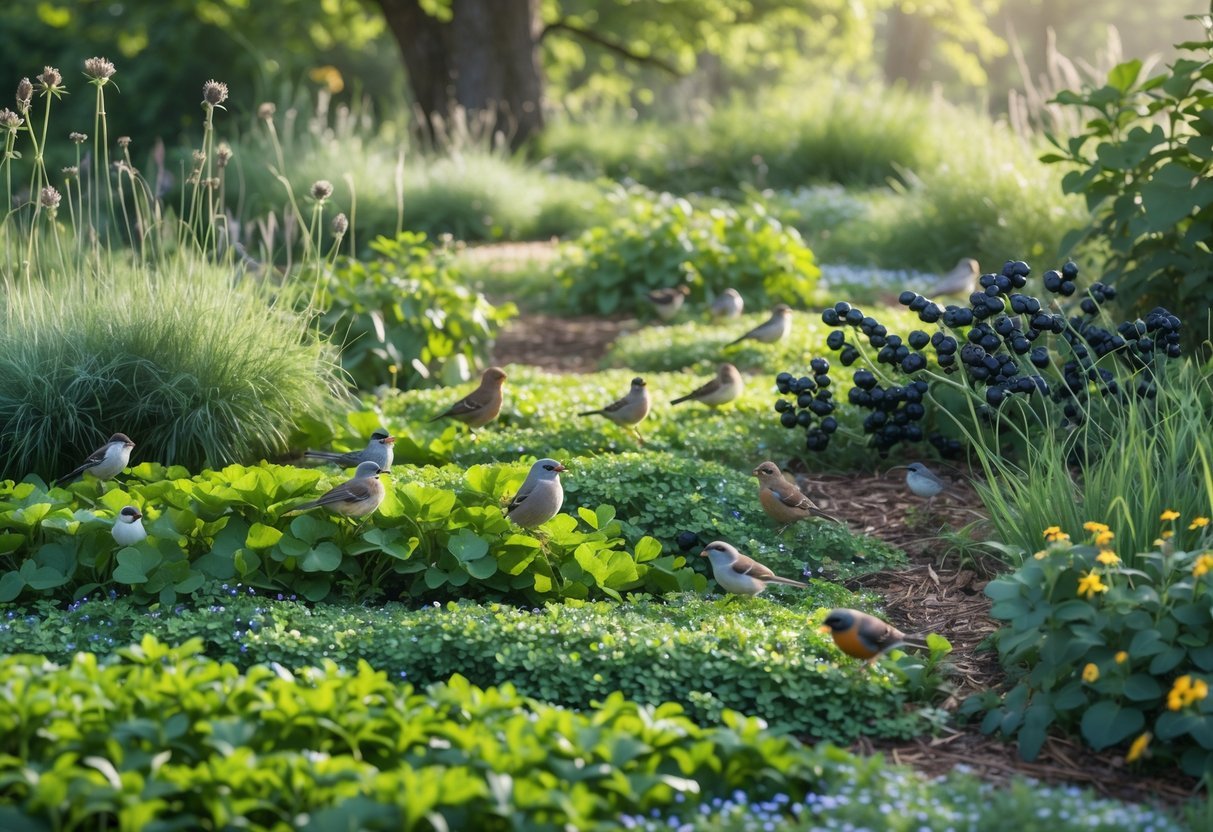
You can help ground-feeding birds like sparrows and thrushes by planting low-growing plants or using mulch. These coverings create good spots for birds to find insects, seeds, and worms. Keeping these areas healthy supports many types of birds and their natural behaviors in your yard.
Recommended Products

EVERGREEN SHRUB: Dwarf Yaupon Holly maintains its dense, dark green foliage year-round, making it perfect for foundation plantings and borders

A compact, mounded shrub with large, dark green, highly disease-resistant foliage that changes to a dramatic, burgundy-red in cold weather. Clusters of pink buds open to pale pink flowers which fade to white, followed by small blue-black fruit. Evergreen.

🍒Ornamental berries; The Oak Leaf Holly boasts vibrant red berries in late spring and into summer. No need for a partner pollinator, these plants have both male and female flower parts.
11. Add a Small Pond with Gentle Slopes
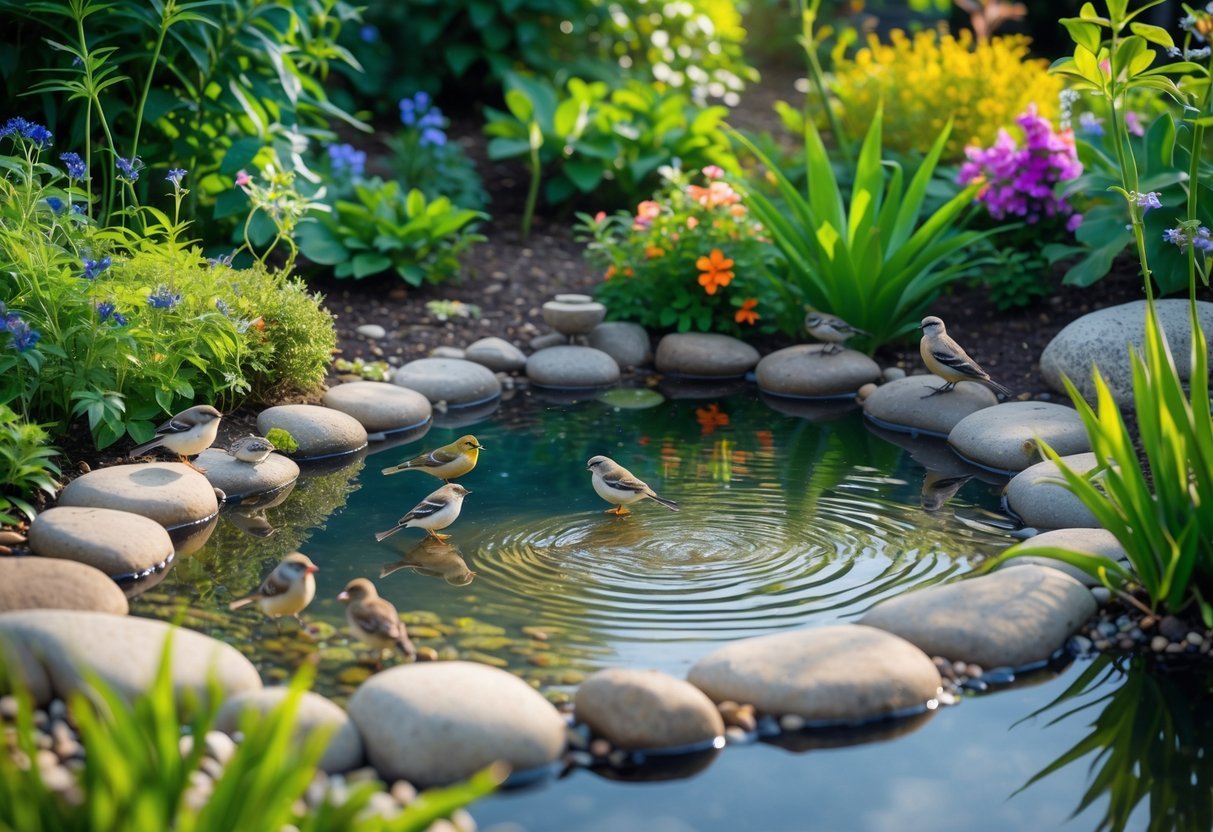
You can attract birds by creating a small pond that offers water for drinking and bathing. Gentle, shallow edges let smaller birds easily reach the water without risk. Surround the pond with aquatic plants to support insects and provide shelter for wildlife.
12. Keep Dead Trees or Snags in Your Yard
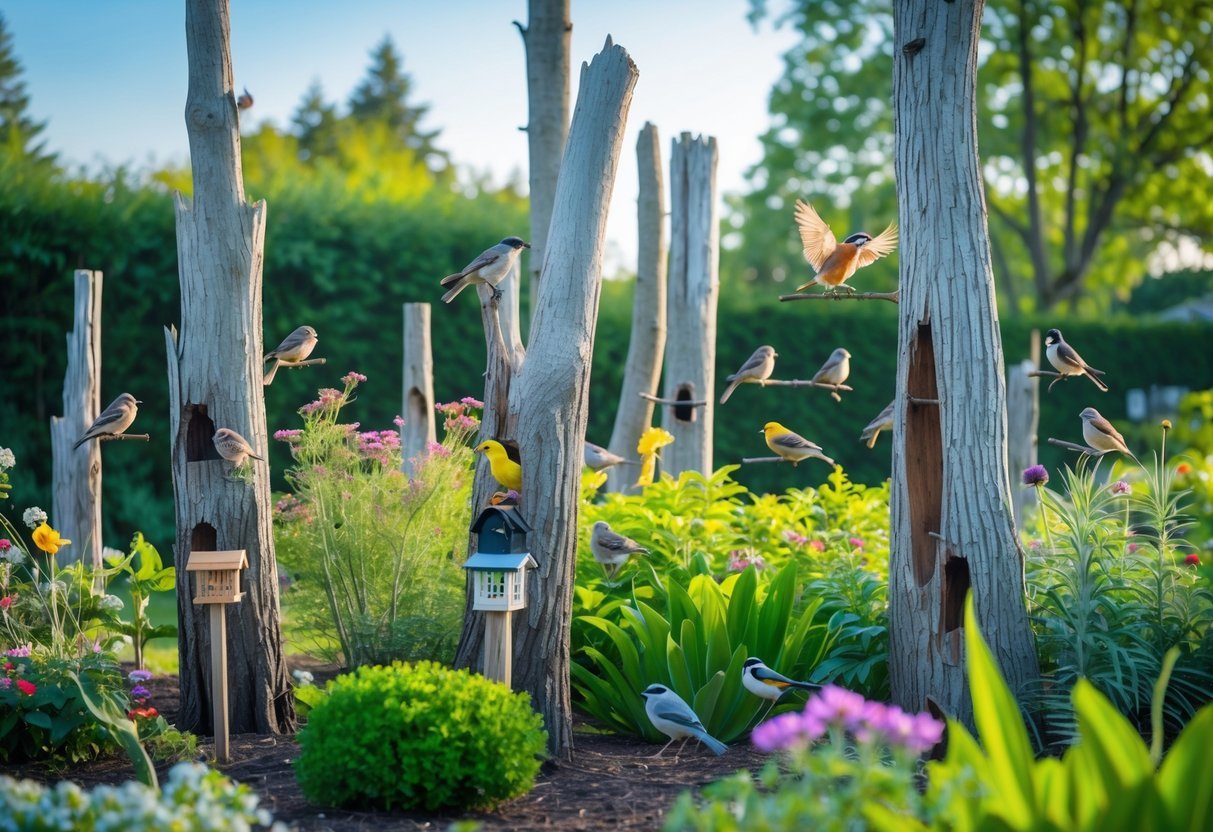
You should leave some dead trees standing because they offer places for birds to rest and build nests. Insects live in these snags, making them a food source for many birds. Woodpeckers and nuthatches especially benefit from having these natural spots around. Keeping snags helps attract and support wildlife.
13. Create a Rock Spot for Bird Resting
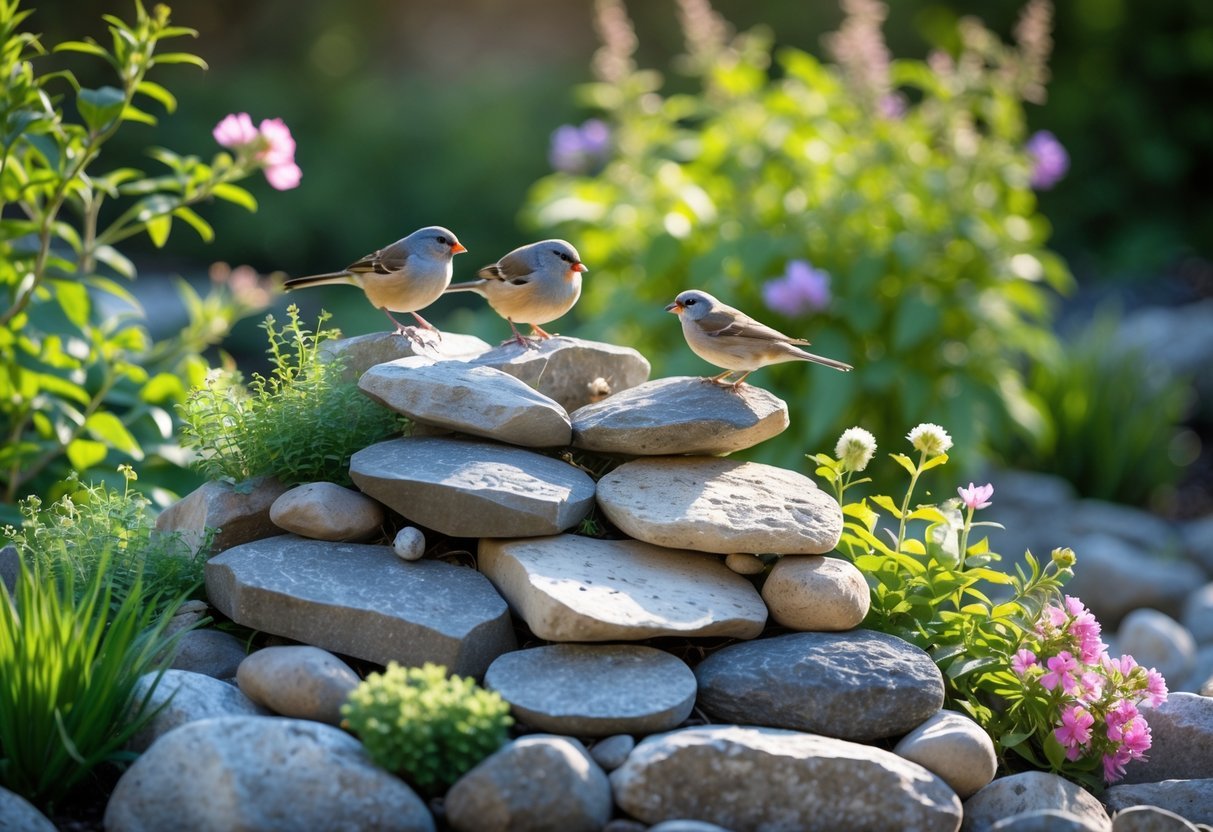
You can set up a small pile of rocks where birds can safely land, clean their feathers, or take a break. Rocks hold warmth from sunlight, offering birds a cozy place during cooler times. Place these rock piles thoughtfully to make your yard more welcoming for birds.
14. Add Climbing Plants for Shelter
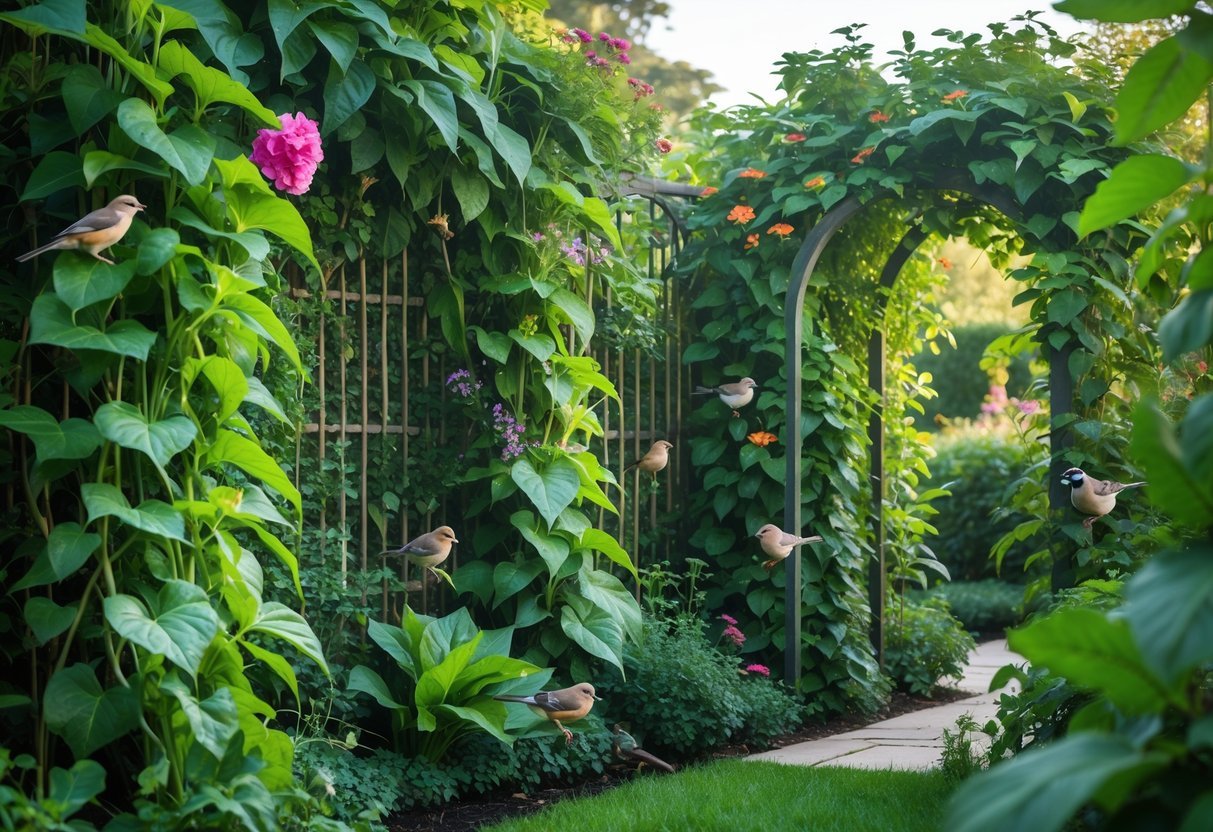
You can use climbing plants like ivy or clematis to create safe spots for birds. These plants grow well on fences, walls, or trellises, helping you save garden space. Their thick leaves offer birds protection and quiet places to build nests away from danger.
15. Provide Mulch to Support Insect Life
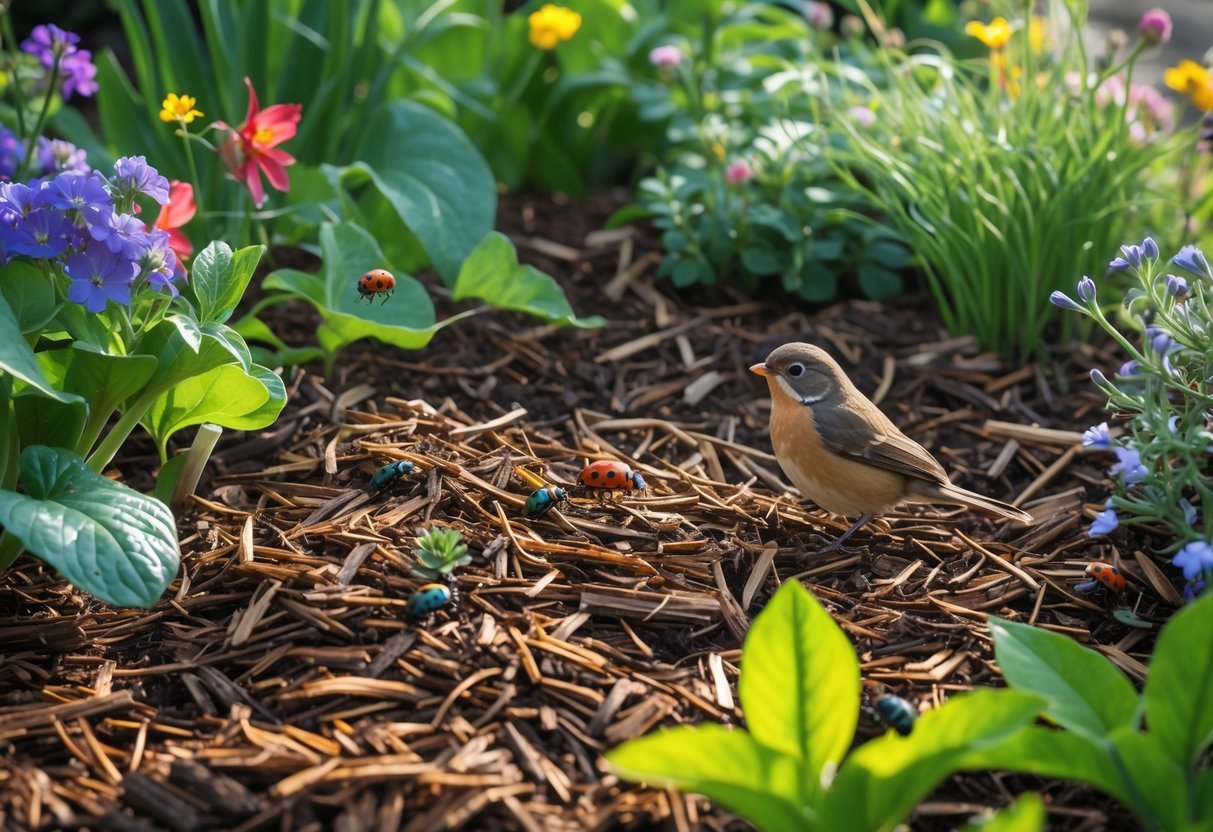
Adding mulch to your garden helps improve soil and creates a safe space for insects to live. Many birds, like robins and blackbirds, search through mulch to find worms and bugs. Using mulch supports insects that feed birds and helps your plants grow.
16. Set Up a Sunny Spot for Birds to Warm Up
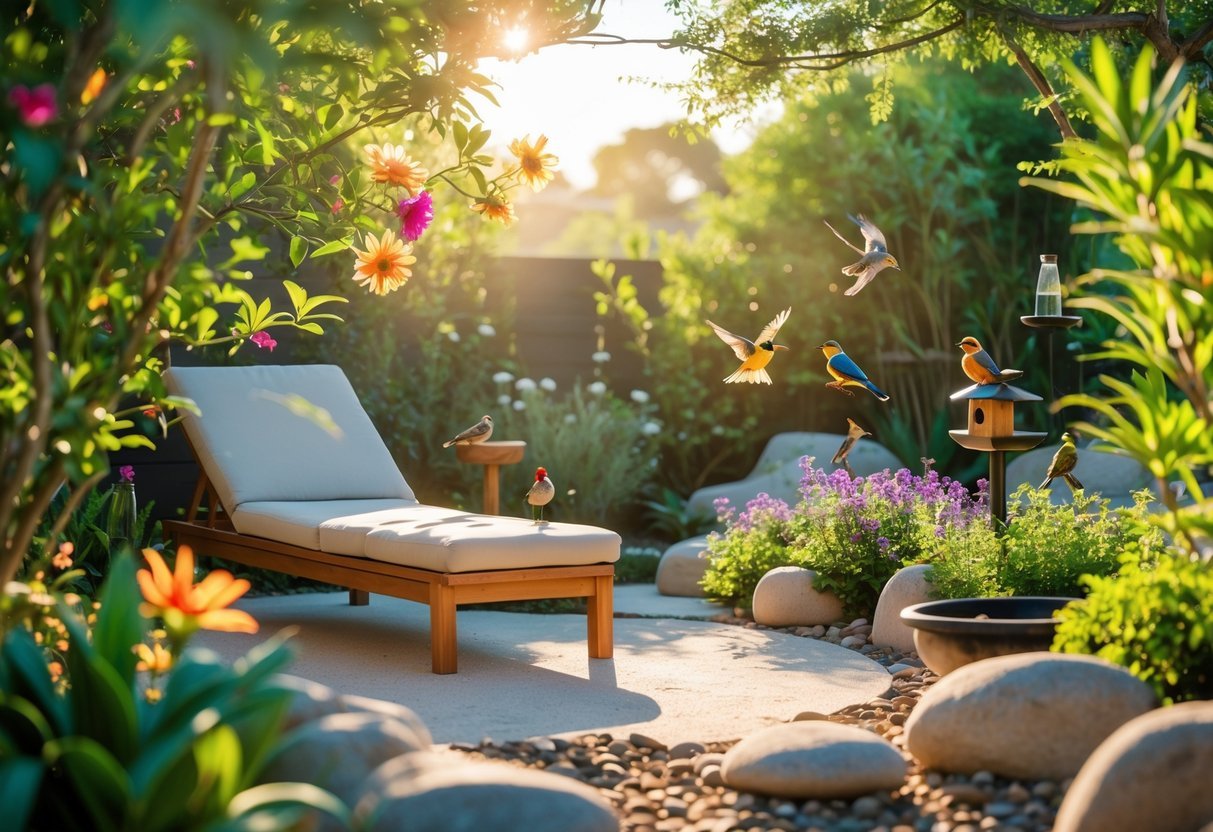
You can make a sunny place with flat rocks or clear ground where birds like to rest. Birds use these spots to warm their bodies and keep their feathers clean. This helps them stay healthy and get rid of bugs that harm their feathers.
17. Create a Living Roof on Your Garden Structures
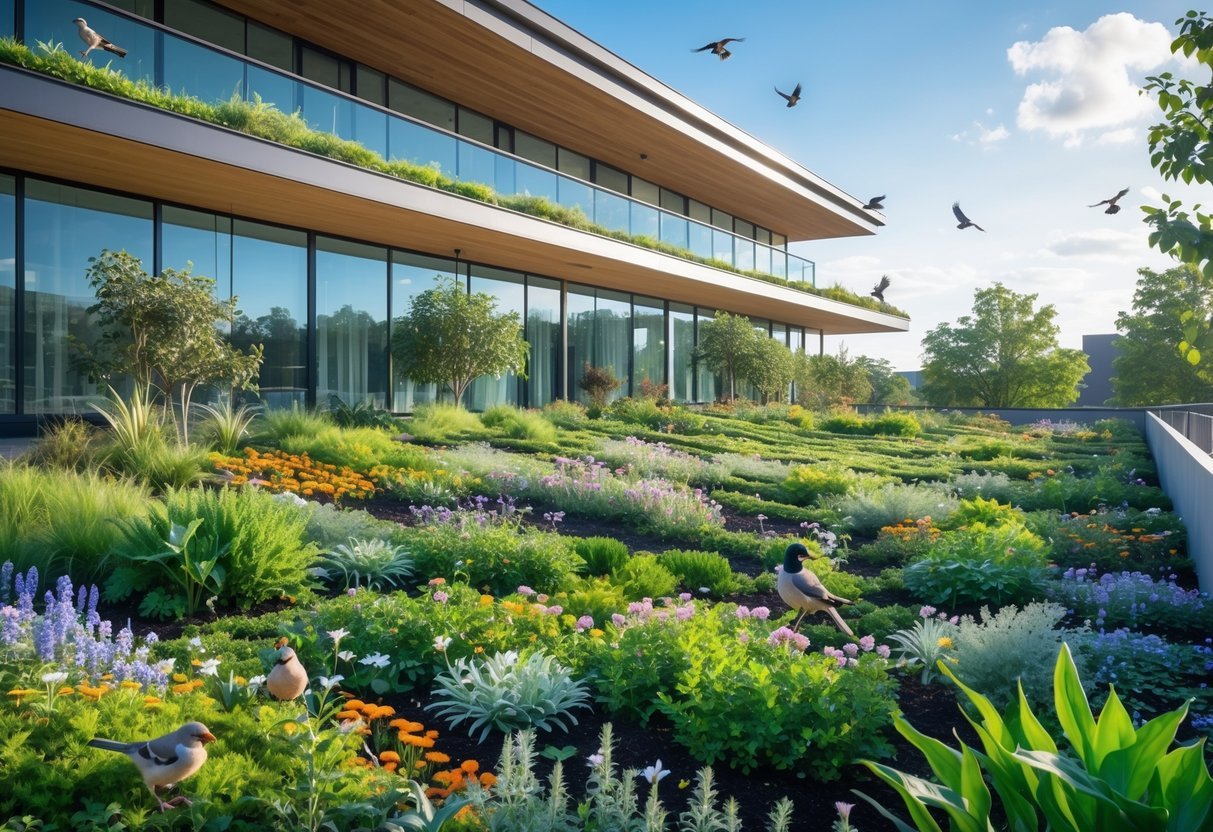
You can add extra shelter and food spots for birds by planting a green roof on sheds or other garden buildings. Using local grasses and flowers makes the space even better for wildlife. This choice supports nature and adds eco-friendly style to your yard.
18. Provide Small Bundles of Twigs for Nest Building
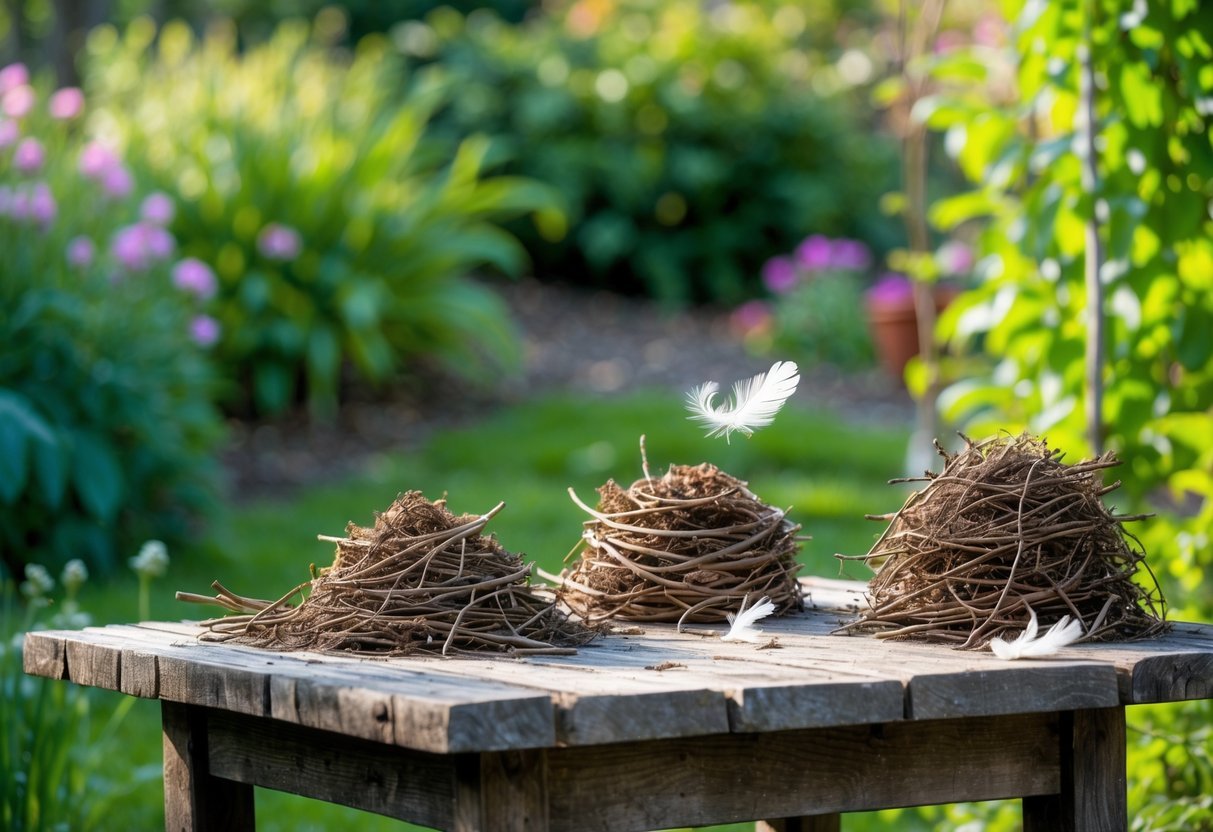
Place small bundles of twigs in your garden to help birds gather materials easily. These piles serve as a natural source for nest construction. Adding natural debris encourages birds to settle and prepare for breeding season in your yard.
19. Add a Fountain That Attracts Birds
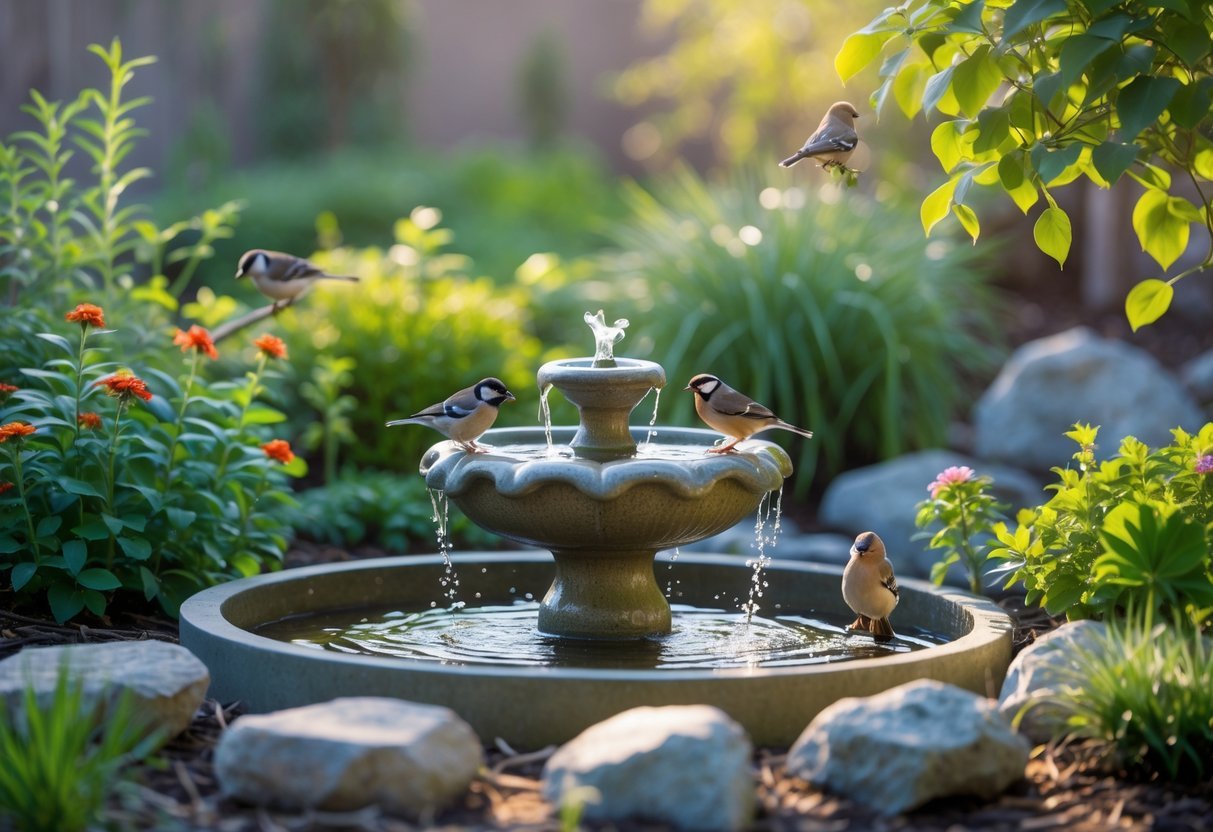
Choose a fountain with soft, flowing water to bring life to your garden. Birds prefer moving water because it looks fresh and safe to drink. Make sure the fountain has shallow spots and can be cleaned easily to keep it inviting.
20. Apply Reflective Stickers to Stop Birds from Hitting Windows
Birds often crash into windows because the glass reflects the sky or nearby trees, making it hard for them to see the barrier. You can reduce this risk by adding reflective stickers or decals to your windows. These marks help birds recognize the surface as solid, preventing collisions.
Use decals spaced closely, about 2 to 4 inches apart, to increase their effectiveness. You can find sets with different shapes and sizes designed to catch birds’ attention.
By using these simple additions, you help make your outdoor space safer for birds. This step supports local wildlife and lets you enjoy watching birds without worrying about accidents.