
Want to know how choosing the right flowers to grow near your vegetables can improve your garden? Adding certain flowers can protect your plants from pests and attract helpful insects like bees.
This easy technique not only keeps bugs away but also helps your vegetables grow stronger and your garden look more colorful and lively.
1. Marigolds with Tomatoes
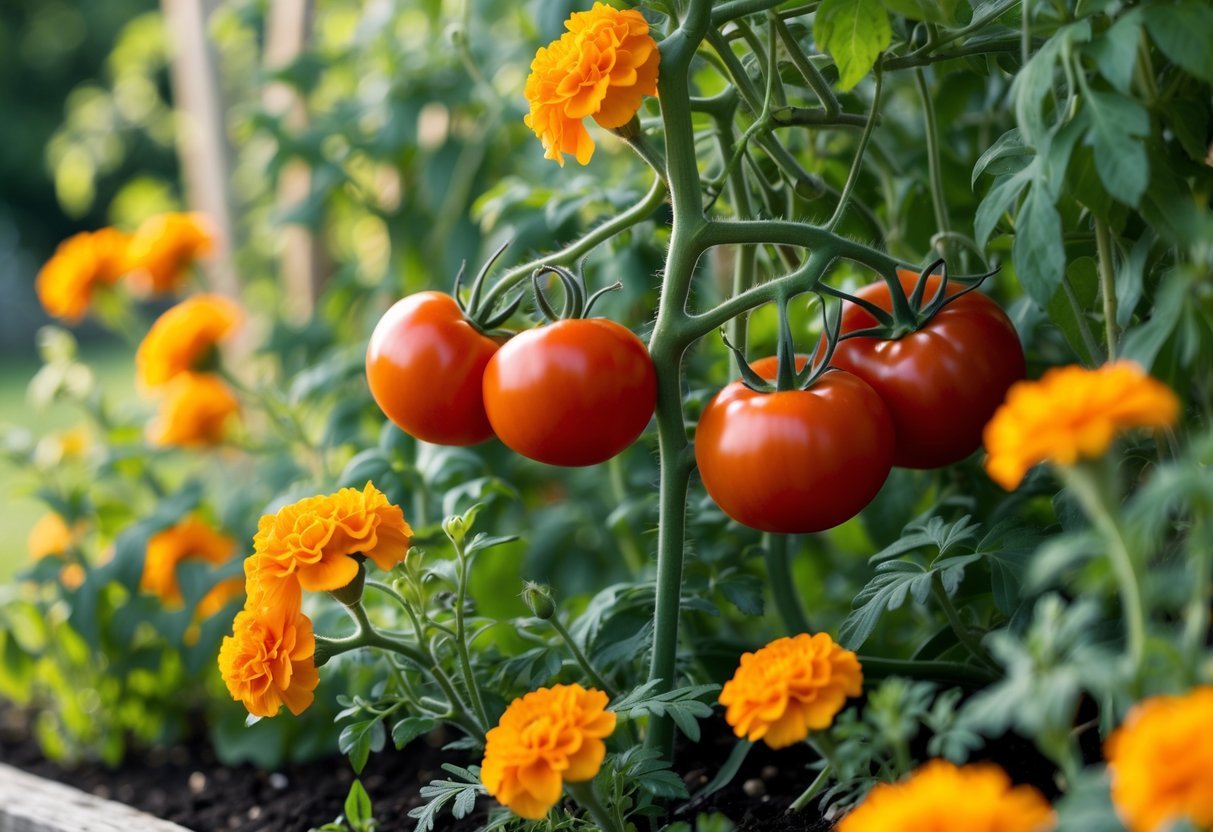
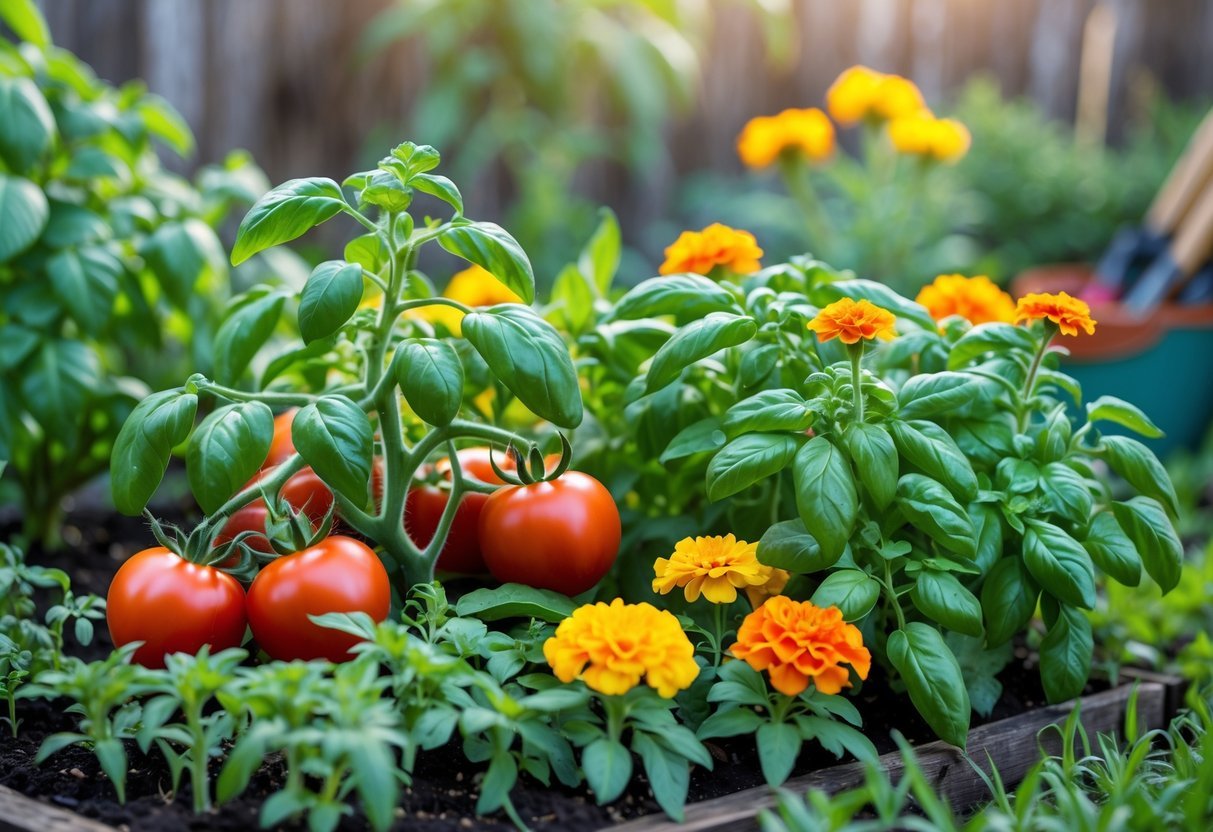
You can grow marigolds near your tomatoes to help keep pests like aphids and nematodes away. Their strong smell makes your garden less attractive to these bugs. Plus, marigolds add bright colors that make your tomato plants look better.
Recommended Products

5 COMPANION PLANTS - This five-pack includes heirloom seeds for growing Large Leaf Basil (Ocimum basilicum), Borage (Borago officinalis), Compact Dill (Anethum graveolens), Crackerjack Marigold (Tagetes erecta), and Tip Top Mix Nasturtium (Tropaeolum majus)
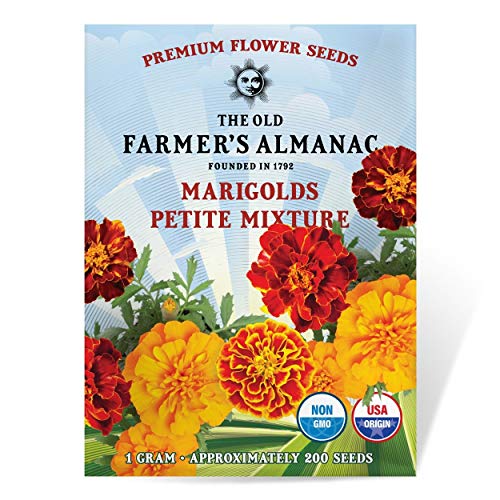
Easy to Grow: With prodigeous brilliant orange, yellow and red flower clusters Petite Mix Marigolds are hardy growers that love sun and heat and are drought tolerant. They also produce great flowers for arrangements or drying, and the seeds are easy to harvest and use for years to come!

High Germination Power: Premium french marigold seeds for planting outdoors with fast 5–10 day germination. These marigold flower seeds thrive in full sun and adapt to zones 1–12 across diverse climates. Ideal flowers seeds for planting outdoors.
2. Nasturtiums and Cucumbers Together
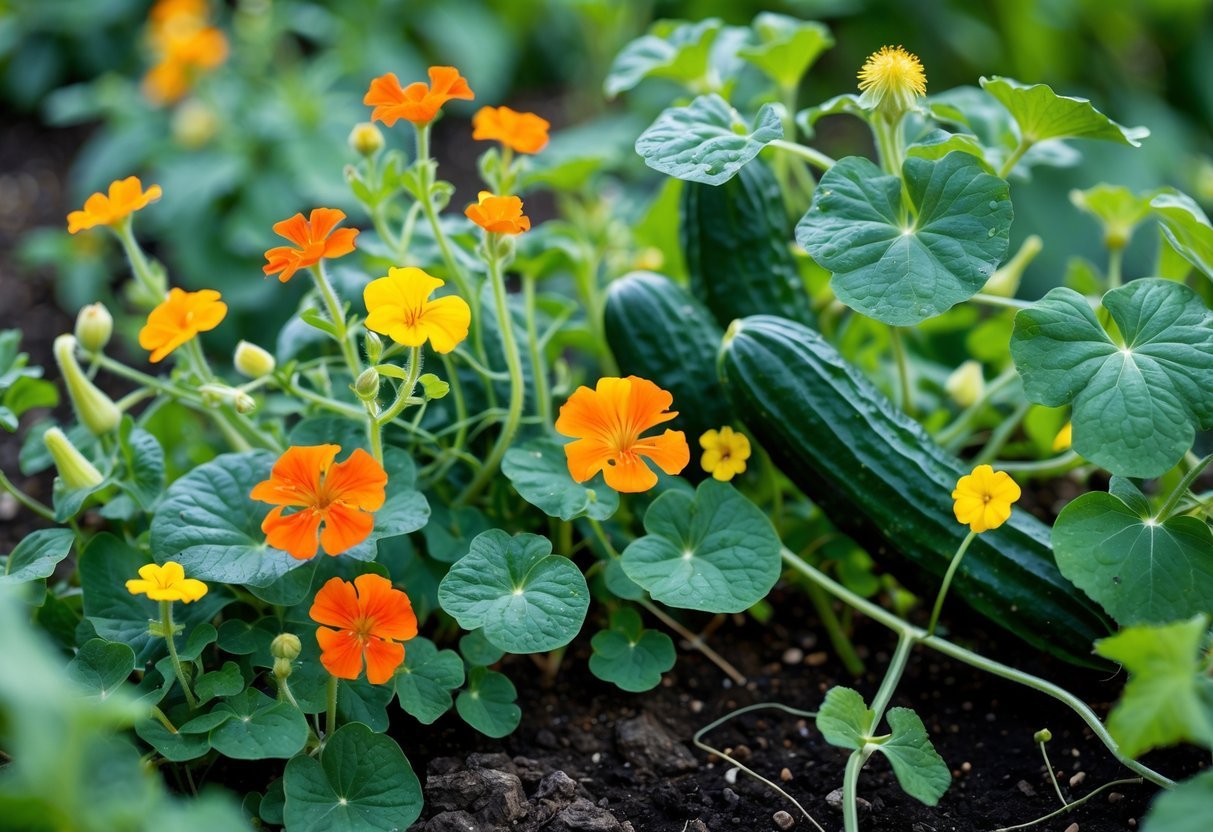
You can use nasturtiums to draw pests away from your cucumbers, protecting them from harm. These flowers also help attract more pollinators, which benefits your cucumber plants. Since nasturtiums trail like cucumbers, they fit well together in your garden and add a touch of color.
Recommended Products
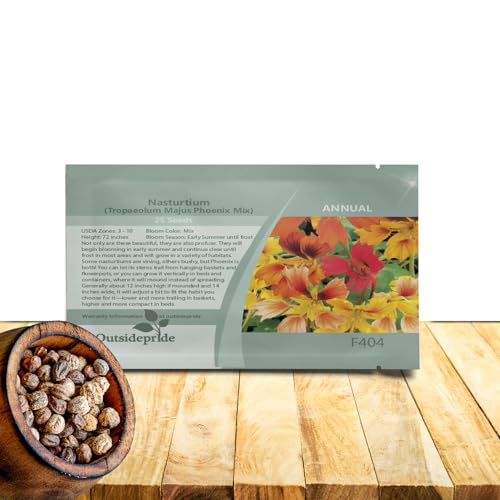
BRIGHT & VERSATILE BLOOMS: Transform your garden with Phoenix Mix Nasturtium Tropaeolum Flower Seeds that bloom from early summer until frost. Our 2-3 inch pastel shaded, bicolored blossoms with ivy-leaf foliage grow as compact mounds (12 inches) or trailing vine plants (up to 60 inches), making them perfect for borders, ground cover, trellises, fences, and containers.

100% Pure, Non-GMO Seeds – No fillers, just the real deal! This variety of Nasturtium should be planted 1/2" deep and 12" apart during spring season with expected maturity in 28-45 days.

100% Pure, Non-GMO Seeds – No fillers, just the real deal! This variety of Nasturtium should be planted 1/2" deep and 12" apart during spring season with expected maturity in 28-45 days.
3. Growing Calendula Near Carrots
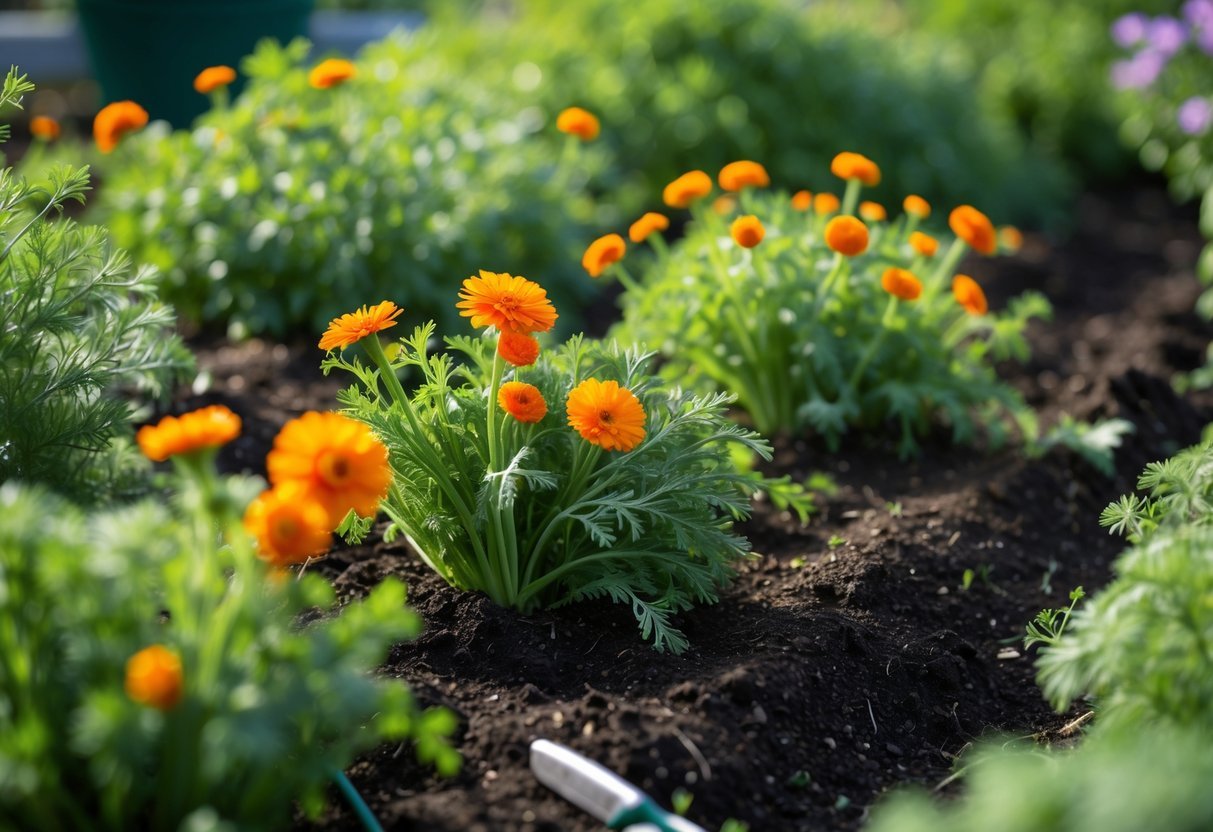
Planting calendula close to your carrots can improve the soil around them. You will find fewer pests because calendula attracts helpful insects like ladybugs. This combination supports stronger carrot roots and a healthier garden environment.
Recommended Products

PROTECTS CLOSETS & FABRICS FROM MOTHS — Plant-based formula helps discourage unwanted moth activity around closets, clothing, linens, and stored fabrics.

Lavender Scented

Made in USA.
4. Growing Borage Near Your Strawberries
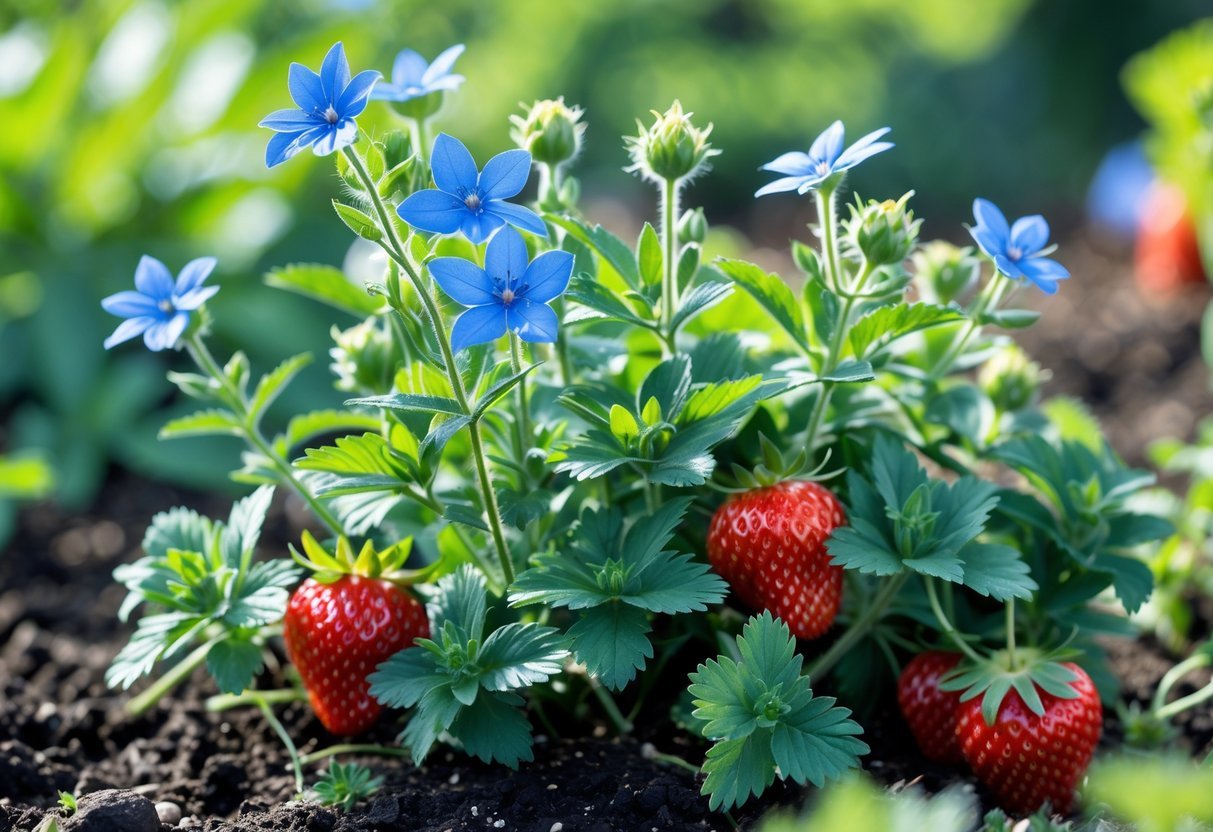
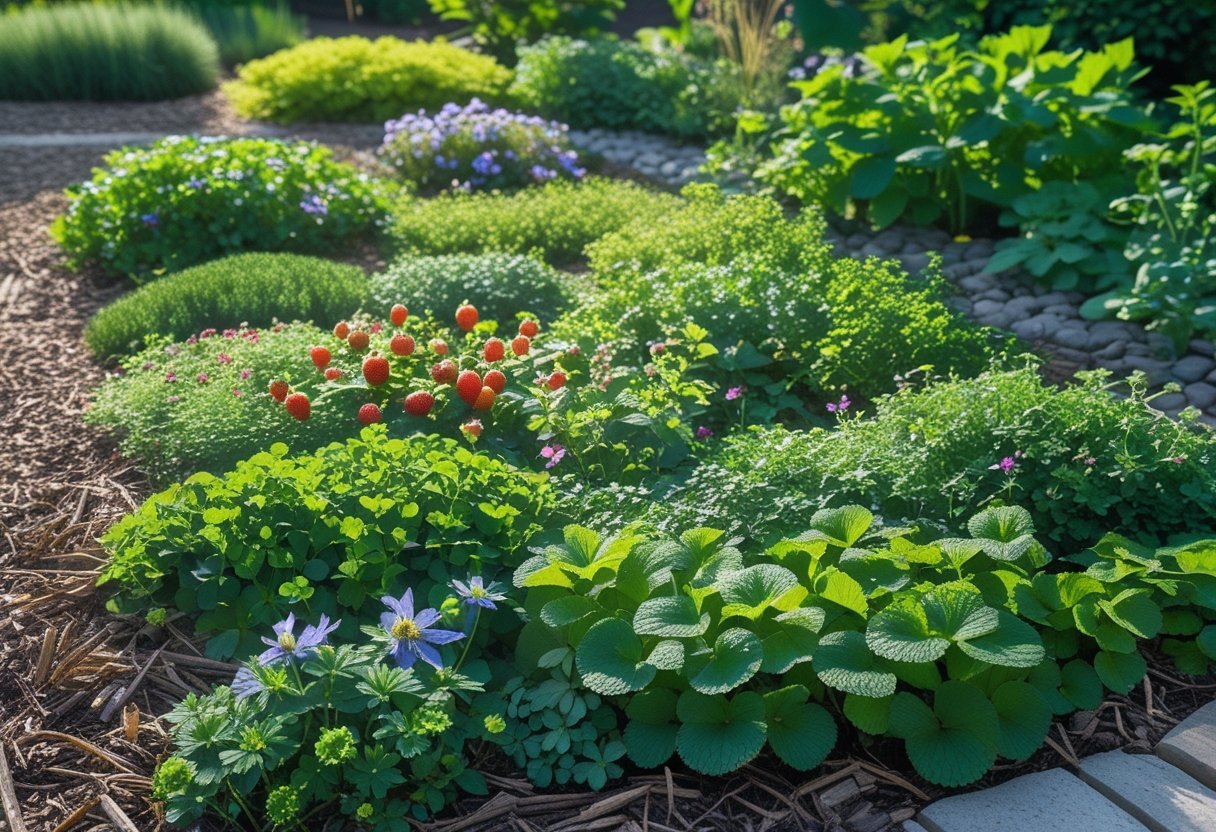
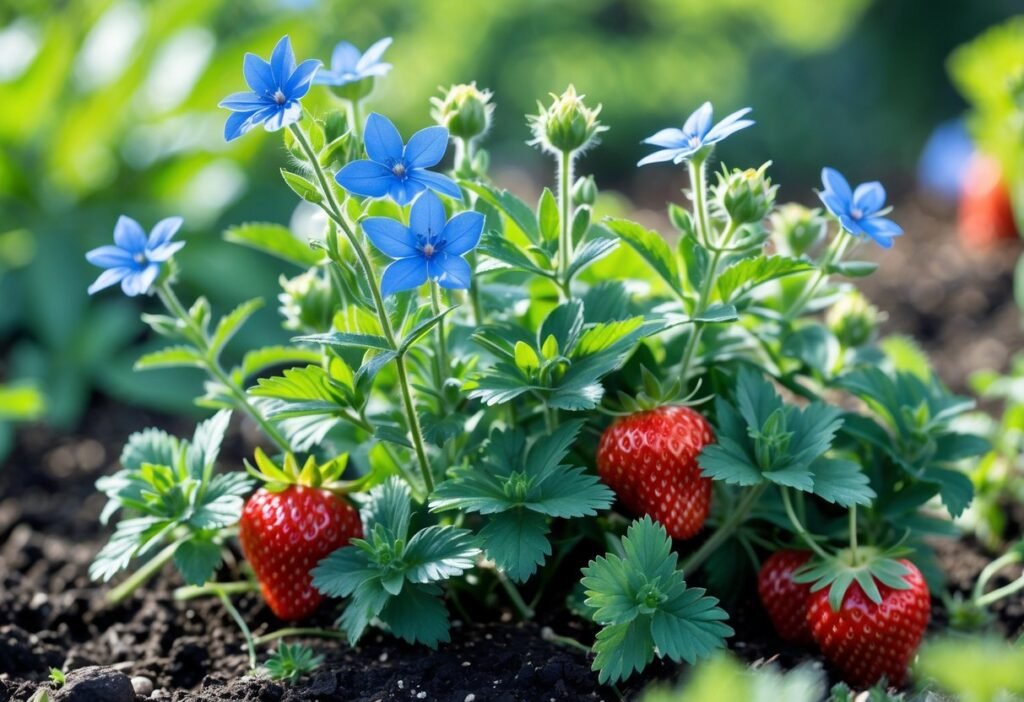
Planting borage close to your strawberries helps bring in bees and helpful insects. This can increase fruit production and improve taste. The unique shape of borage flowers also works to keep pests like hornworms away from your strawberry plants.
Recommended Products

Charming Display: Petite French Marigolds produce compact, vibrant blooms in rich orange and yellow hues; perfect for borders, containers, and garden beds
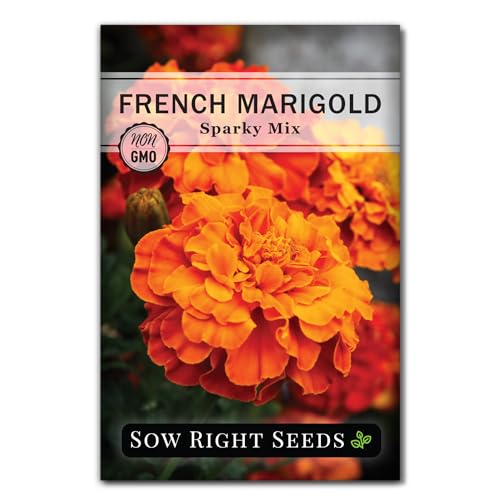
Beautiful - Large premium packet of ‘Sparky Mix’ French Marigold (Tagetes patula) seeds. This annual variety produces medium-sized flowers with wavy petals in a mix of gold, orange, red, yellow or bi-colored blossoms. Perfect for beginners and seasoned gardeners alike, these seeds allow you to effortlessly cultivate brilliant Marigolds that bloom all summer long. These lush, robust blooms also make ideal cut flowers for bouquets and arrangements. Minimum of 1g per packet ( about 350 seeds).

Colorful Flowers: Marigolds burst into large, vibrant blooms, showcasing stunning shades of bright that add a dazzling touch to garden borders and flower beds
5. Growing Chamomile Alongside Cabbage
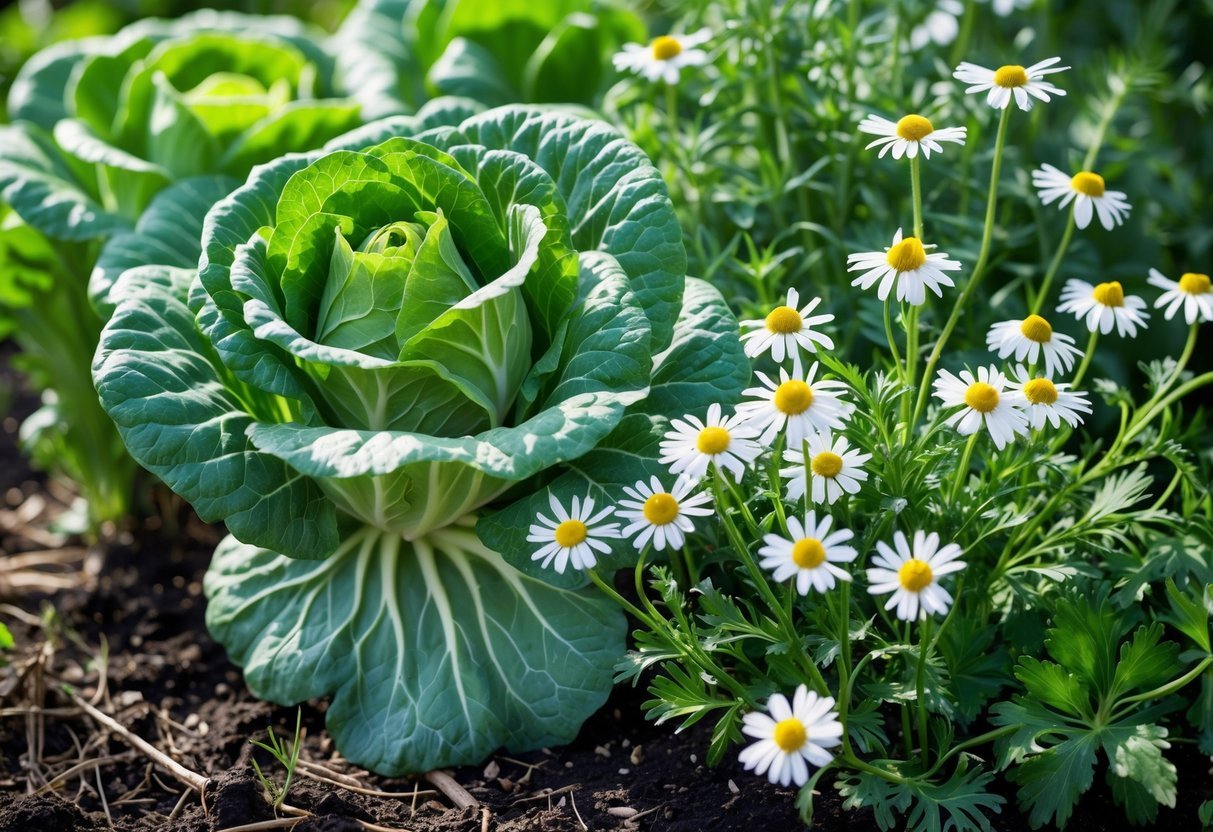
When you plant chamomile near cabbage, it helps keep cabbage moths away. You also support helpful insects that protect your garden. Plus, chamomile’s scent and flowers add a nice touch while boosting plant health.
Recommended Products

Easy to Grow : Nasturtium(Tropaeolum maj) grows in full sun. 1 ounce of nasturtium seeds can be sown in 20 SQ.ft. Groundio's nasturtiums seeds are 99% pure,when you plant it, the seeds should be buried 1/2 inch deep. Germination in 7 - 10 days after planting and flowering occurs in 60 - 90 days, with plants growing to approximately 12 inches in height

BRIGHT & VERSATILE BLOOMS: Transform your garden with Single Night & Day Nasturtium Tropaeolum Nanum Flower Seeds that bloom from mid summer through fall. Our 2-3 inch mix of yellow and mahogany hued blossoms grow as compact mounds (12-16 inches), making them perfect for borders, ground cover, trellises, fences, and containers.
100% Pure, Non-GMO Seeds – No fillers, just the real deal! This variety of Nasturtium should be planted 1/2" deep and 12" apart during spring season with expected maturity in 28-45 days.
6. Yarrow Growing Near Herbs
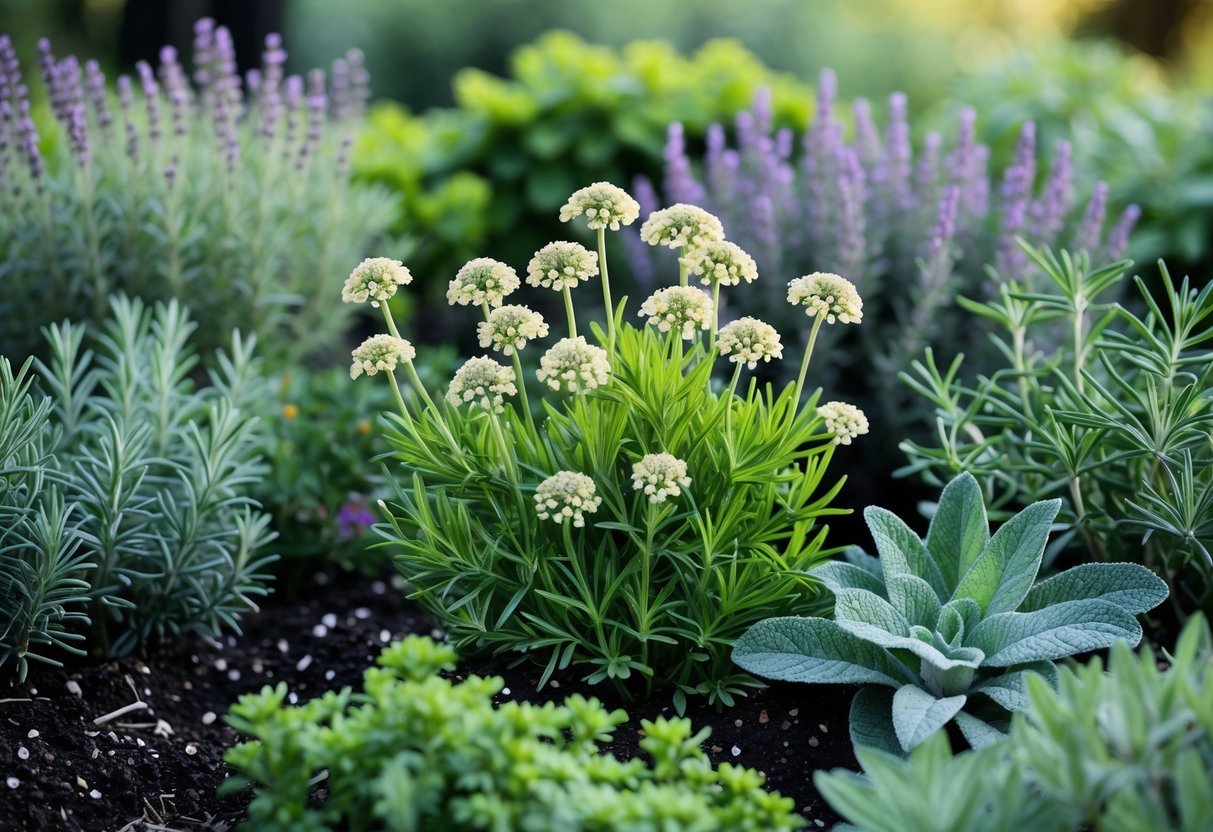
When you plant yarrow close to your herbs, it brings helpful insects like ladybugs and parasitic wasps to your garden. These insects protect your herbs by eating pests such as aphids. Yarrow’s deep roots also help improve the soil, which benefits your herbs’ growth.
Recommended Products

REEFER GALLER MOTH BALL PACKETS: These lavender scented flat moth ball packets are great for flat storage, like drawers, closet shelves, or blanket chests and trunks. Keep your delicate woolens safe from moths without the scent of moth balls or the mess of moth crystals.

Highly Effective Moth Repellent for Closets: Our moth repellent pouches are highly effective at repelling moths, especially clothing moths. They provide excellent protection for your closets, fabrics, and other belongings from moth infestation. Enjoy peace of mind knowing your home is protected with a safe and powerful solution.

Botanical Moth Deterrent: Stay Away Moths pouches offer an effective moth deterrent, thanks to a blend of essential oils (geraniol oil, cedarwood oil, and geranium oil)
7. Growing Lavender Alongside Beans
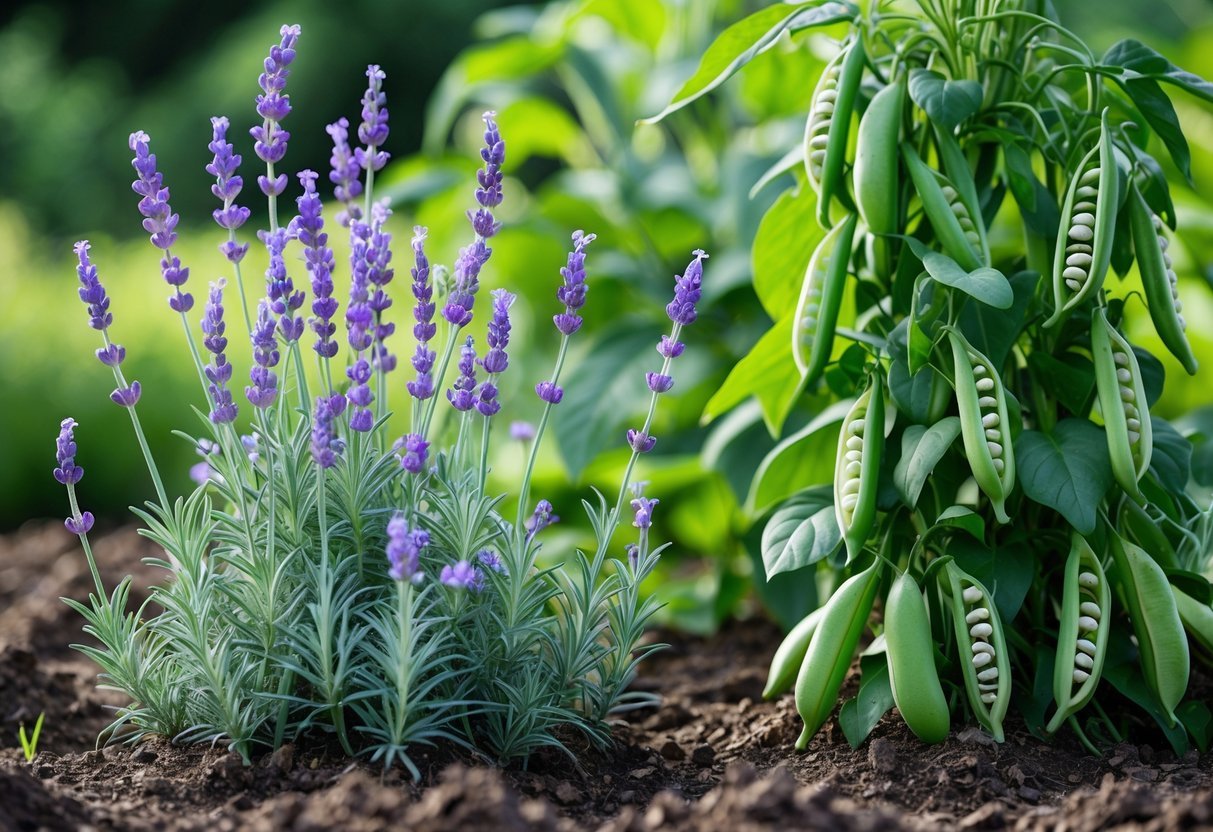
You can plant beans near lavender to create a healthy garden balance. Lavender’s scent helps keep pests away from your beans. Both plants need little water, so they won’t compete for moisture in your soil. This pairing supports better growth for both.
Recommended Products

The Best Value - Organo Republic Marigold Seeds Pack includes 1 oz or approximately 9,250 Non-GMO heirloom marigold seeds. Marigold (Tagetes erecta) offers vibrant ornamental beauty and is valued in traditional medicine for its anti-inflammatory and antimicrobial benefits.

African Crackerjack Marigold Seeds Mix – Exclusive Selection: Premium Heirloom (USA): Non-GMO, Untreated seeds, High germination rate. Architectural scale, grand plasticity and textural luxury of inflorescences, palette expression. Status: designer landscaping for conceptual eco-gardens. Botanical resource of the highest order, colossal starting energy, and varietal superiority.

Fast, reliable sprouting: These Marigolds plant seeds are easy to start indoors 4–6 weeks before frost or direct sow; Marigold seeds for planting outdoors & indoors germinate in 7–21 days at 65–80 °F, plant 1/4" deep. Ideal garden seeds for beginners.
8. Growing Sunflowers with Corn
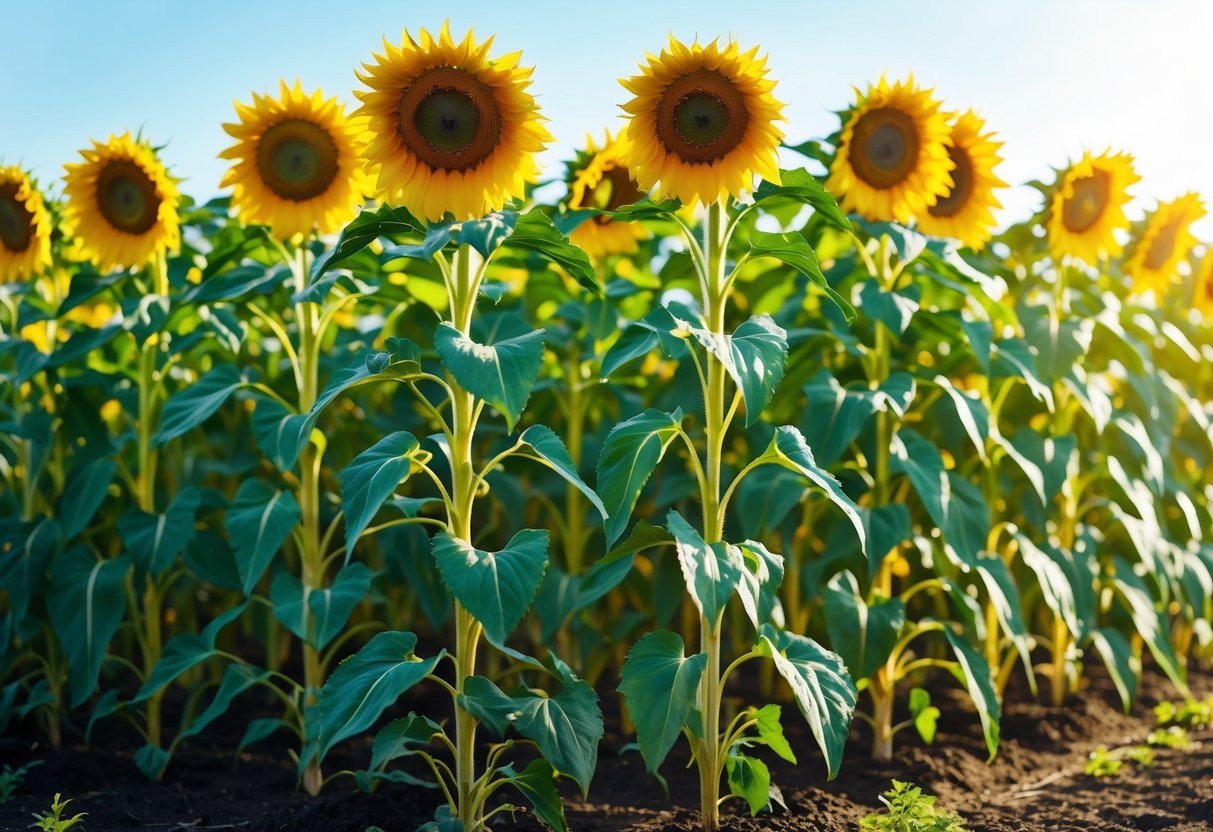
You can use sunflowers as natural supports for climbing plants like beans when growing them near corn. Sunflowers also draw pollinators to your garden and offer shelter for helpful insects. This combination has been trusted in farming for many years.
Recommended Products

BRIGHT & VERSATILE BLOOMS: Transform your garden with Orchid Cream Nasturtium Tropaeolum Flower Seeds that bloom from early summer until frost. Our 2-3 inch chameleon like blossoms that change from cream with red splash to full red grow as compact mounds (12 inches) or trailing vine plants (up to 60 inches), making them perfect for borders, ground cover, trellises, fences, and containers.

flower seeds bee pollunator butterfly

A bright blend of warm-hued blooms to liven up your garden! This bushy dwarf is robust and easy to grow. Edible flowers add a pop of color and peppery taste to any salad. Attracts pollinators. Slower to germinate but worth the wait!
9. Growing Cosmos Near Peppers
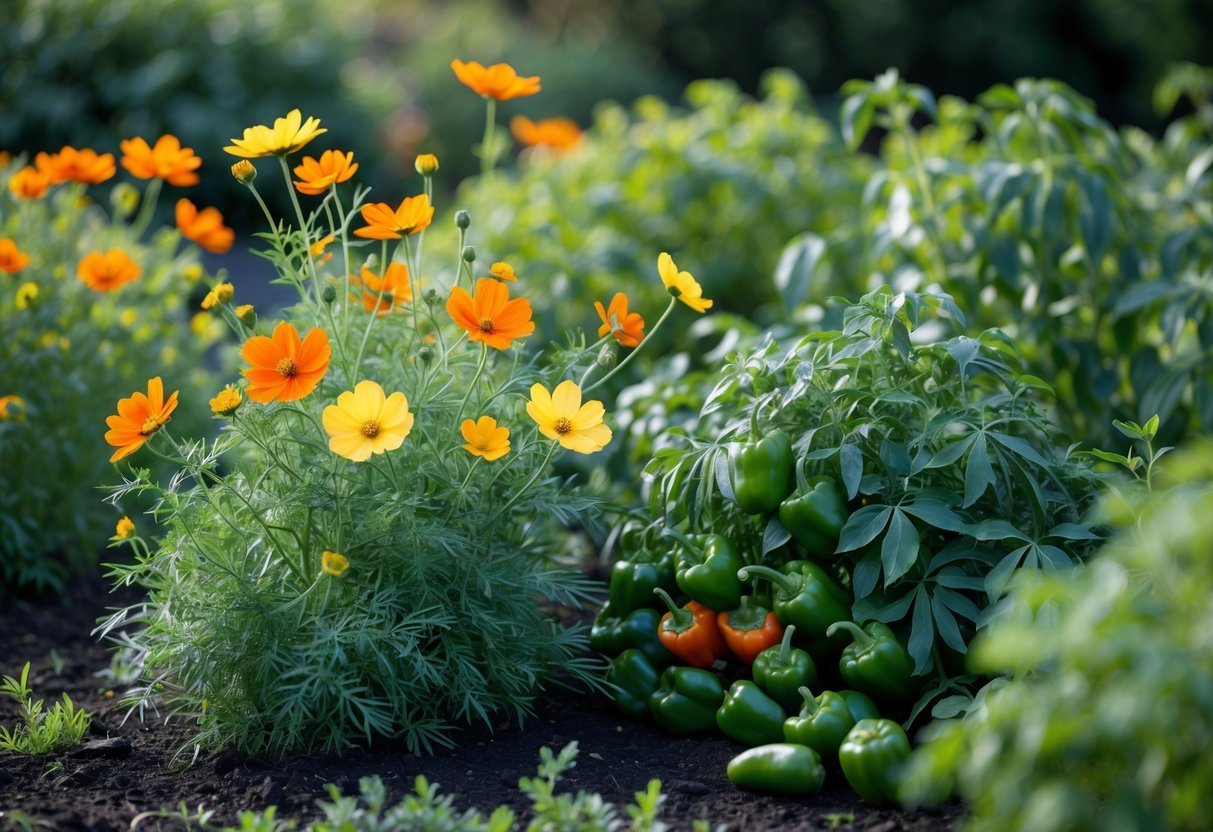
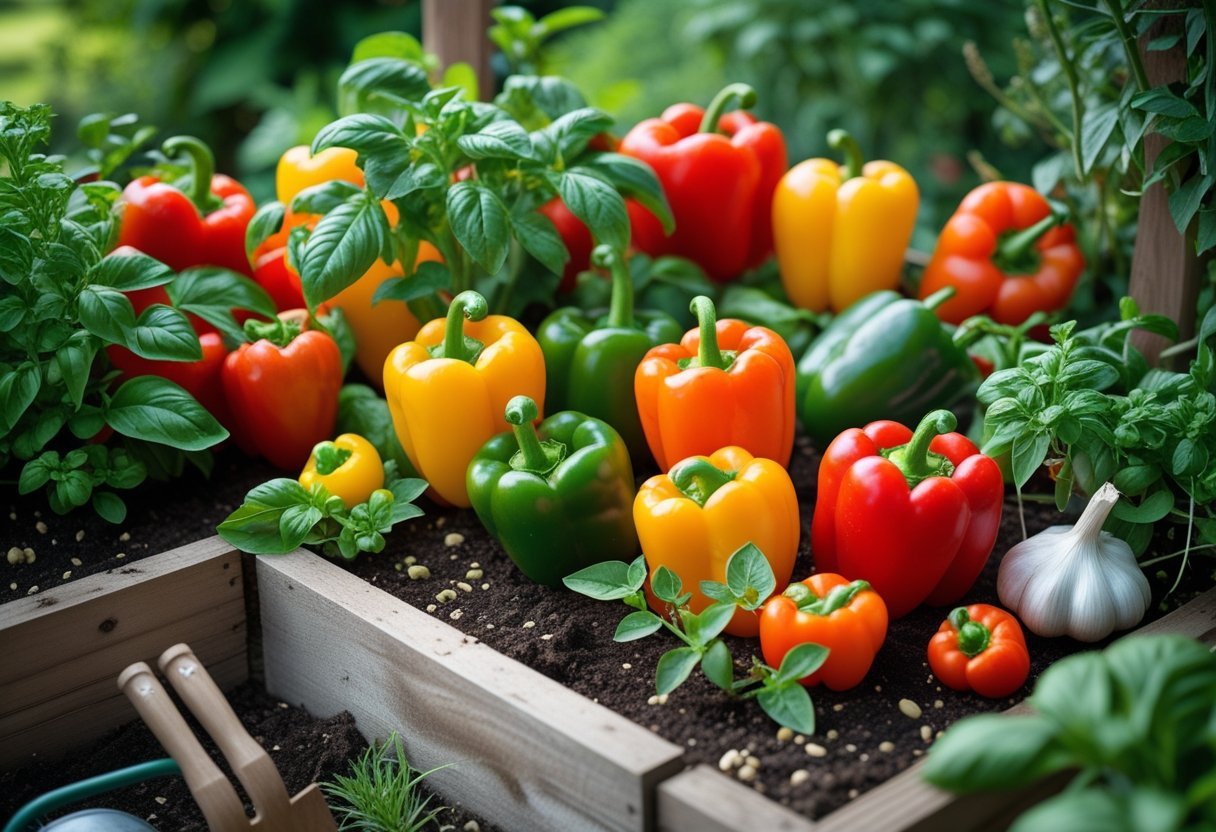
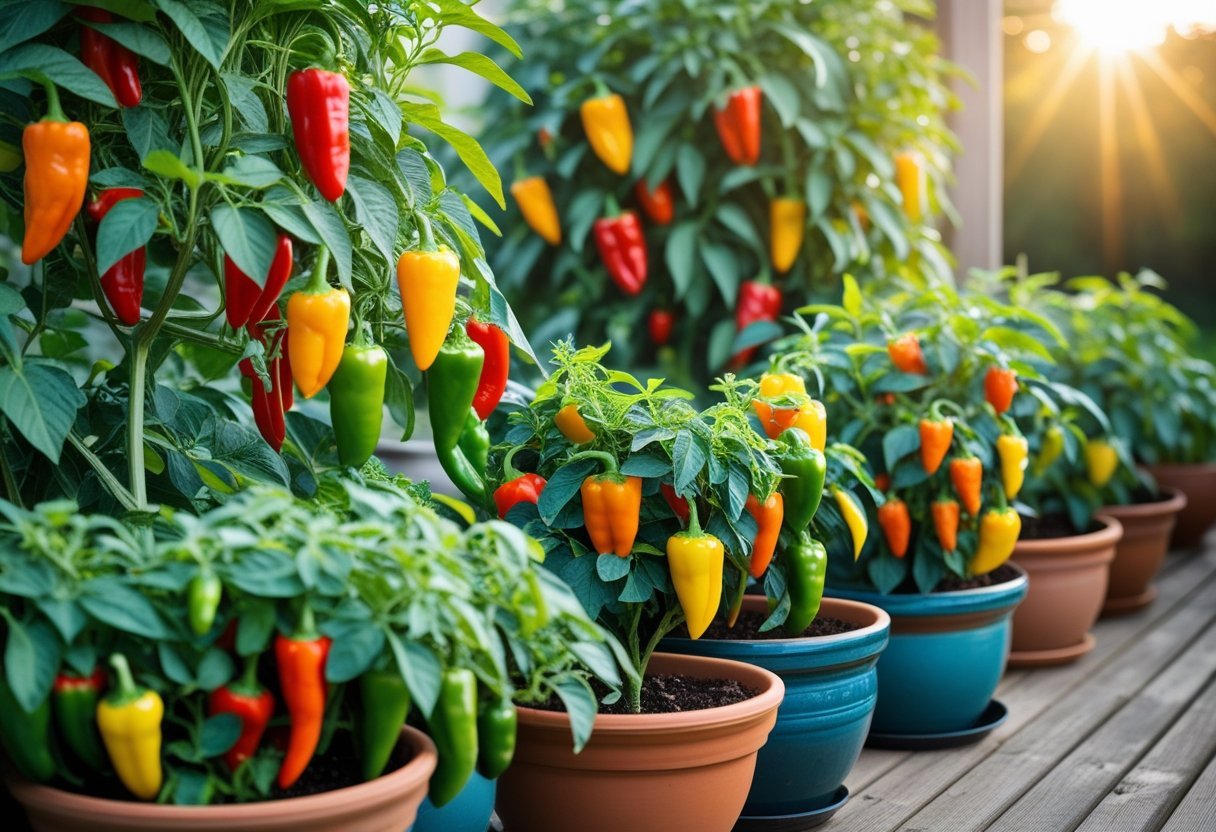
Plant cosmos near your peppers to attract helpful insects like parasitic wasps and tachinid flies. These insects reduce pests such as aphids and hornworms that harm peppers. The bright flowers and delicate leaves of cosmos also add beauty while defending your garden from unwanted bugs.
Recommended Products

100% natural ingredients like peppermint, rosemary and thyme

REEFER GALLER MOTH BALL PACKETS: These lavender scented flat moth ball packets are great for flat storage, like drawers, closet shelves, or blanket chests and trunks. Keep your delicate woolens safe from moths without the scent of moth balls or the mess of moth crystals.

[Moth Repellent with Plant-Based Natural Ingredients]—Moths are deterred by the strong aroma of peppermint. Our moth repellent pouches use the natural power of plant-based peppermint, rosemary, and thyme essential oils, effectively keeping moths and other pests away. This herbal formula creates an environment around the closet that irritates moths, encouraging them to leave.
10. Pairing Zinnias with Squash
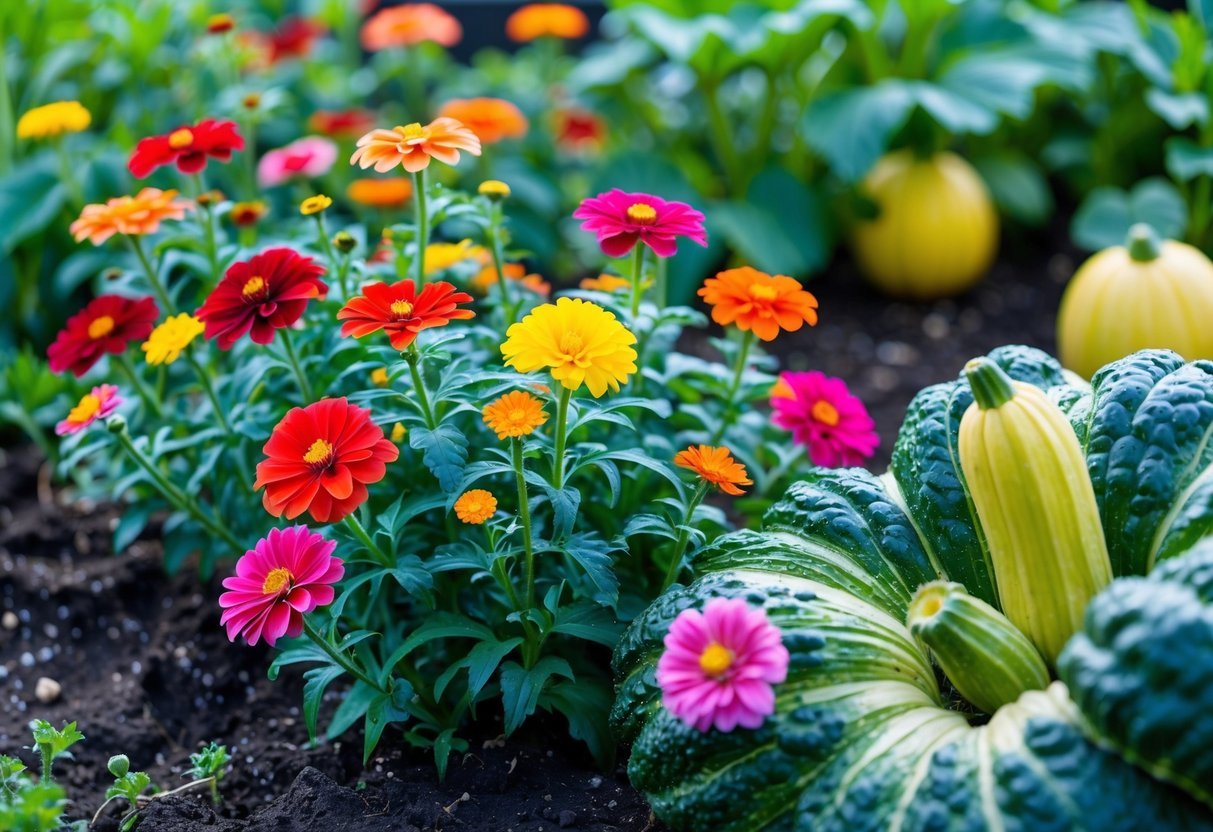
When you plant zinnias near squash, you attract bees that help pollinate the squash flowers. This can increase your squash harvest. Zinnias also support beneficial insects that keep squash pests under control, helping your plants stay healthy.
Recommended Products
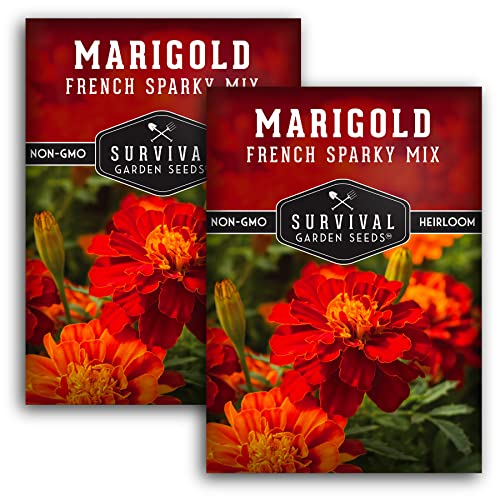
BRIGHT MIXED BLOOMS - French marigold (Tagetes patula) seeds for planting to grow cheerful red, orange, and yellow flowers with bold bicolor patterns for lively color in...
11. Growing Sweet Alyssum Alongside Lettuce
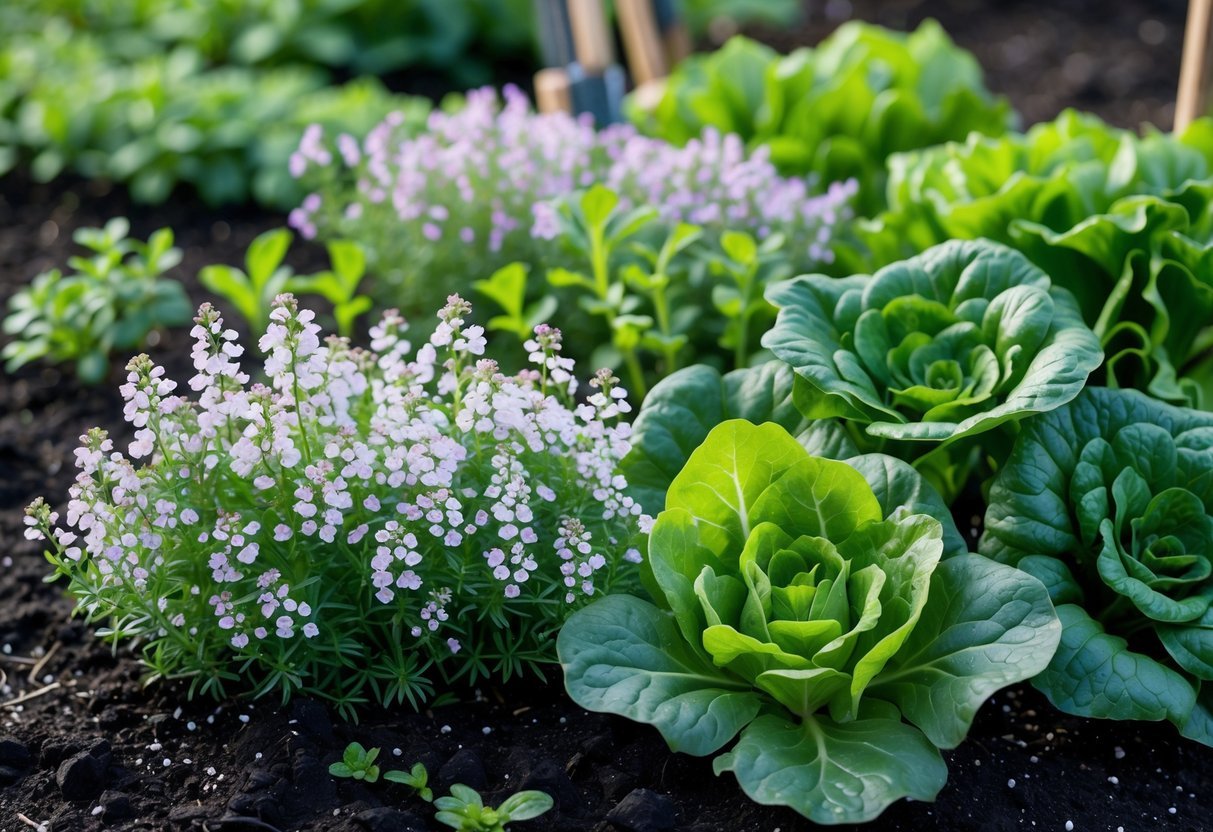
When you plant sweet alyssum near lettuce, it attracts hoverflies that feed on harmful aphids. This helps keep pests under control without chemicals. Its low, spreading growth also covers the soil, helping your lettuce keep moisture longer.
12. Growing Petunias Next to Eggplants
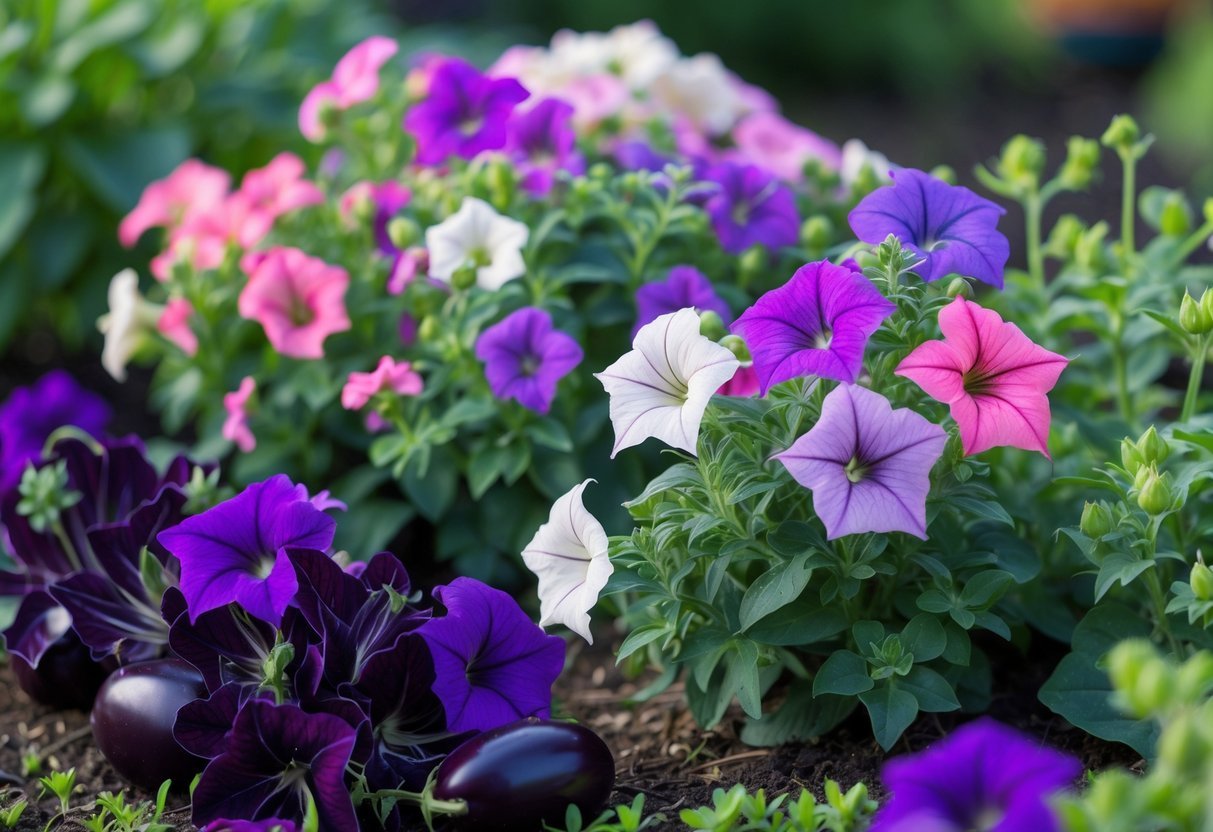
You can plant petunias near your eggplants to help keep away pests like aphids and hornworms. Their bright flowers also make your vegetable patch more attractive. Using petunias reduces the need for pesticides, making your garden healthier.
13. Growing Echinacea Next to Melons
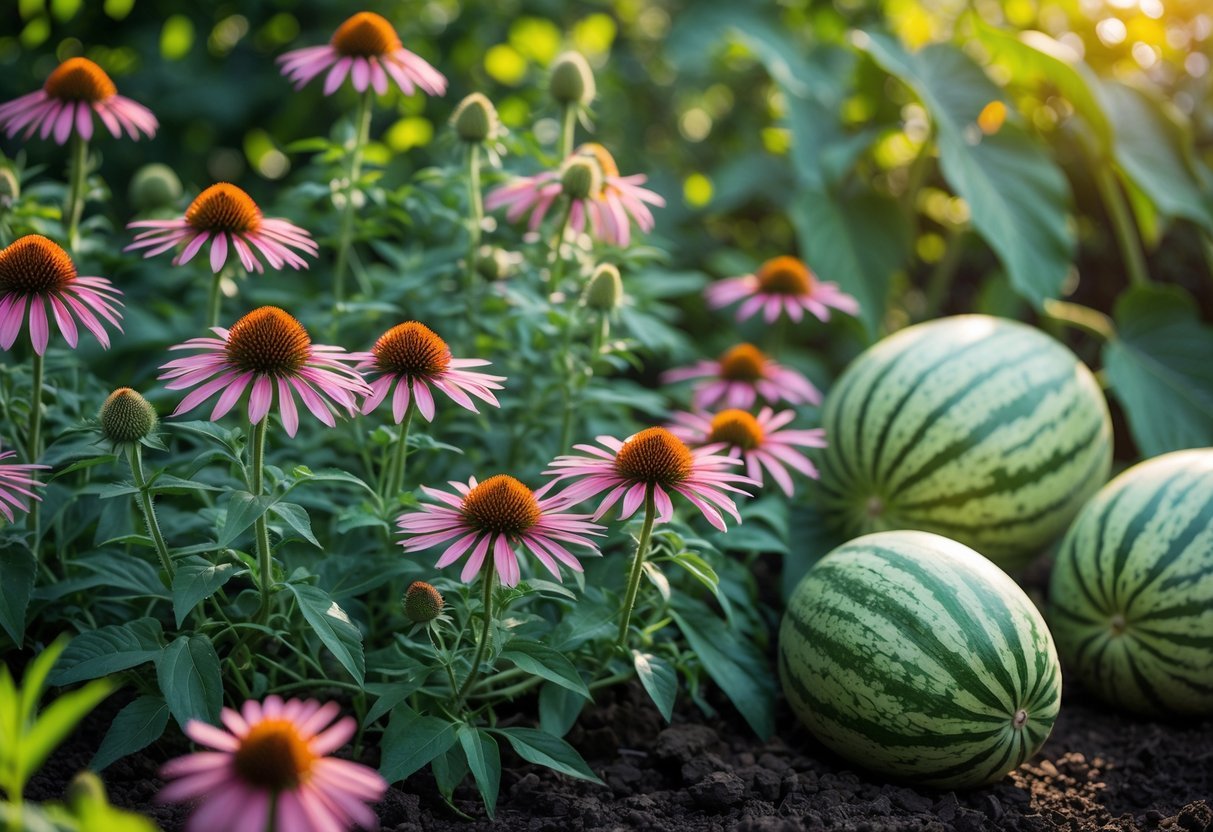
When you plant echinacea near your melons, it attracts helpful insects that boost pollination. This support can help your melons produce more fruit. Echinacea also stands up well to dry conditions and adds a nice look to your garden space.
14. Using Tansy Near Potatoes
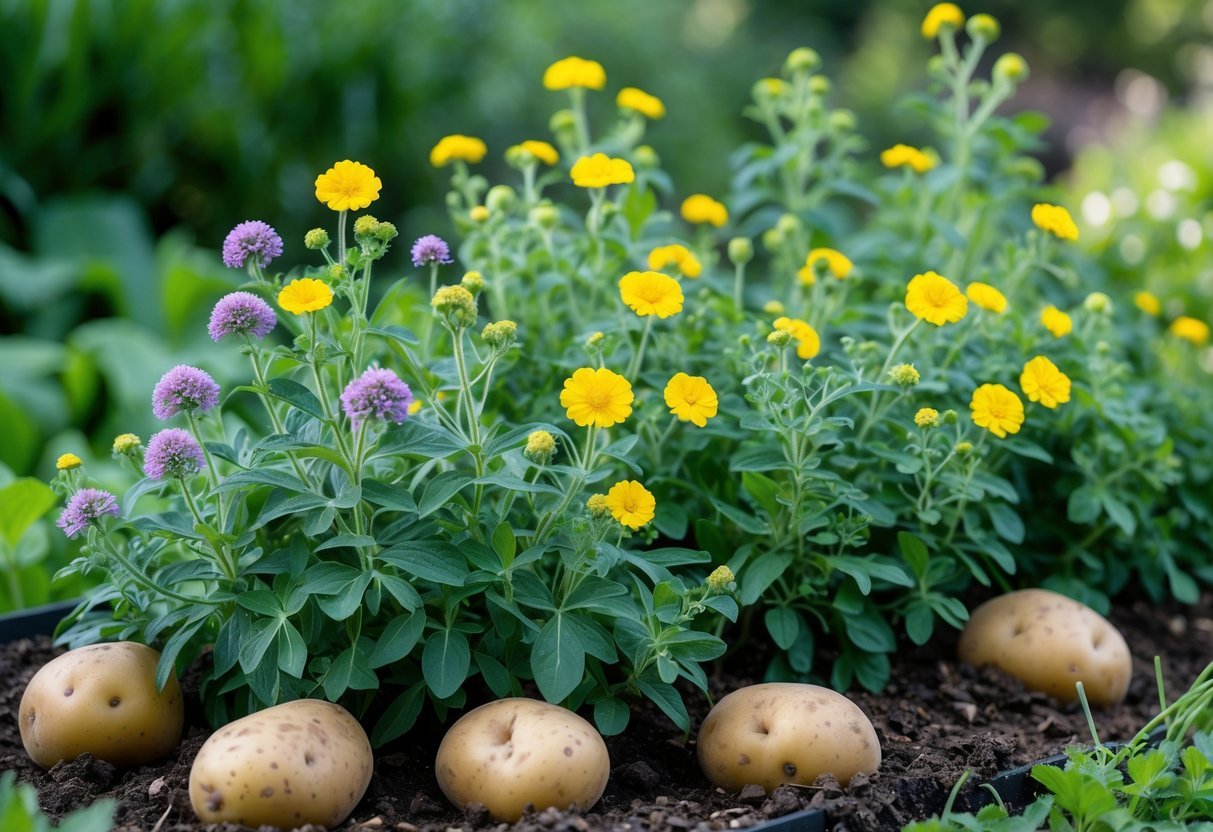
You can plant tansy near your potatoes to keep pests like potato beetles and ants away. Its strong smell and fern-style leaves help stop deer and rabbits from damaging your plants. This makes tansy a natural pest guard for your potatoes.
15. Growing Dill Near Broccoli
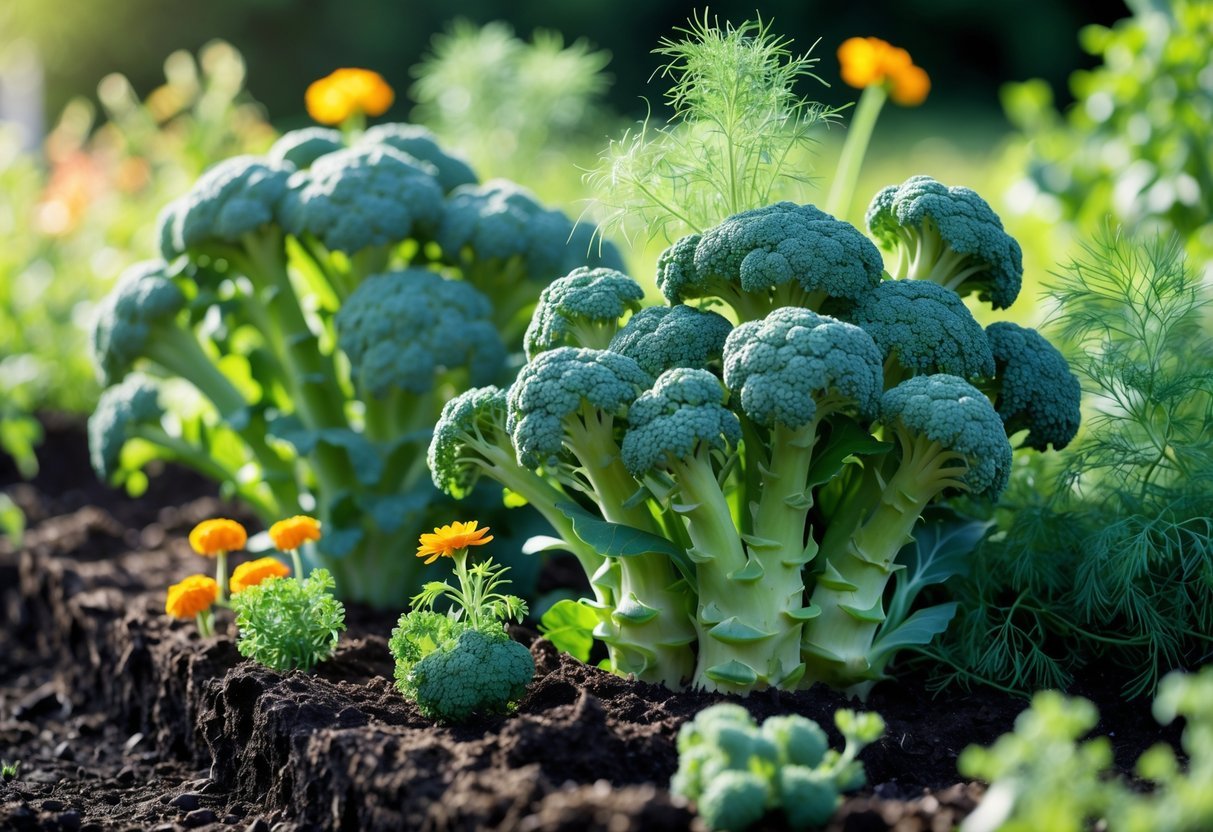
When you plant dill close to broccoli, it invites helpful insects like ladybugs that eat pests harmful to broccoli. This can lower the amount of pest damage your broccoli faces. Dill also adds flavor to broccoli and supports a more diverse garden environment for healthier growth.
16. Growing Bee Balm Near Onions
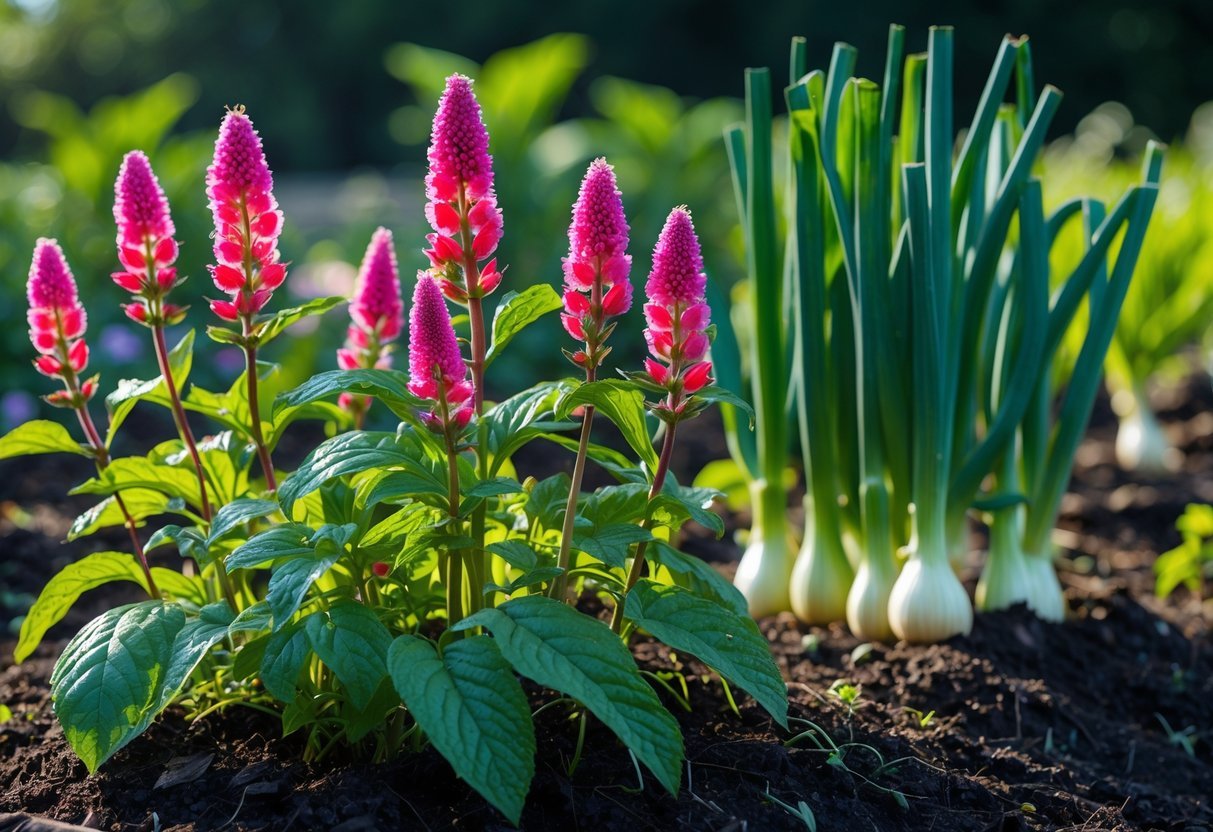
You can plant bee balm next to onions to help keep onion maggots away. Its bright flowers attract pollinators that support onion growth. This pairing adds color to your onion bed while promoting a healthier garden environment.
17. Growing Hyssop Near Grapevines
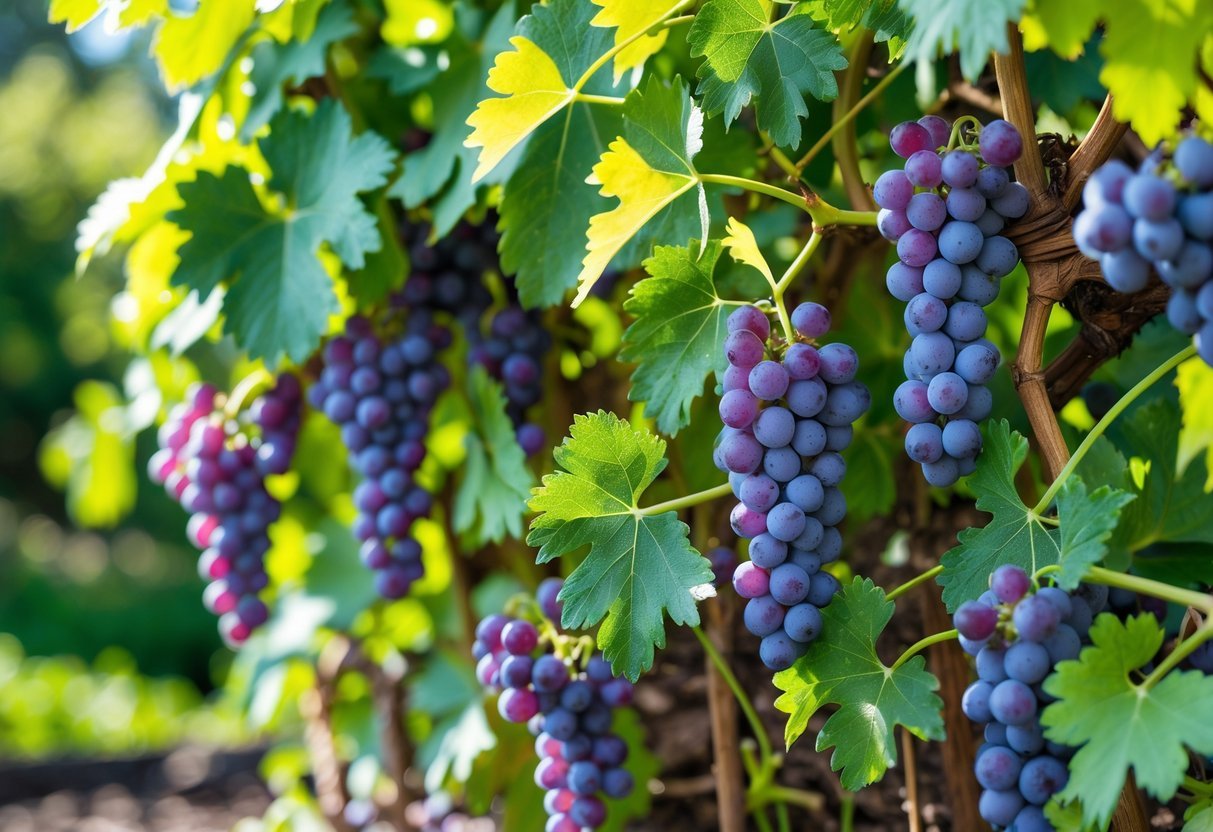
When you plant hyssop near your grapevines, it can attract helpful pollinators that boost fruit production. The strong scent of hyssop helps keep pests away, protecting your grapes naturally. This combination supports both vine health and fruit quality.
18. Growing Poppies Near Garlic
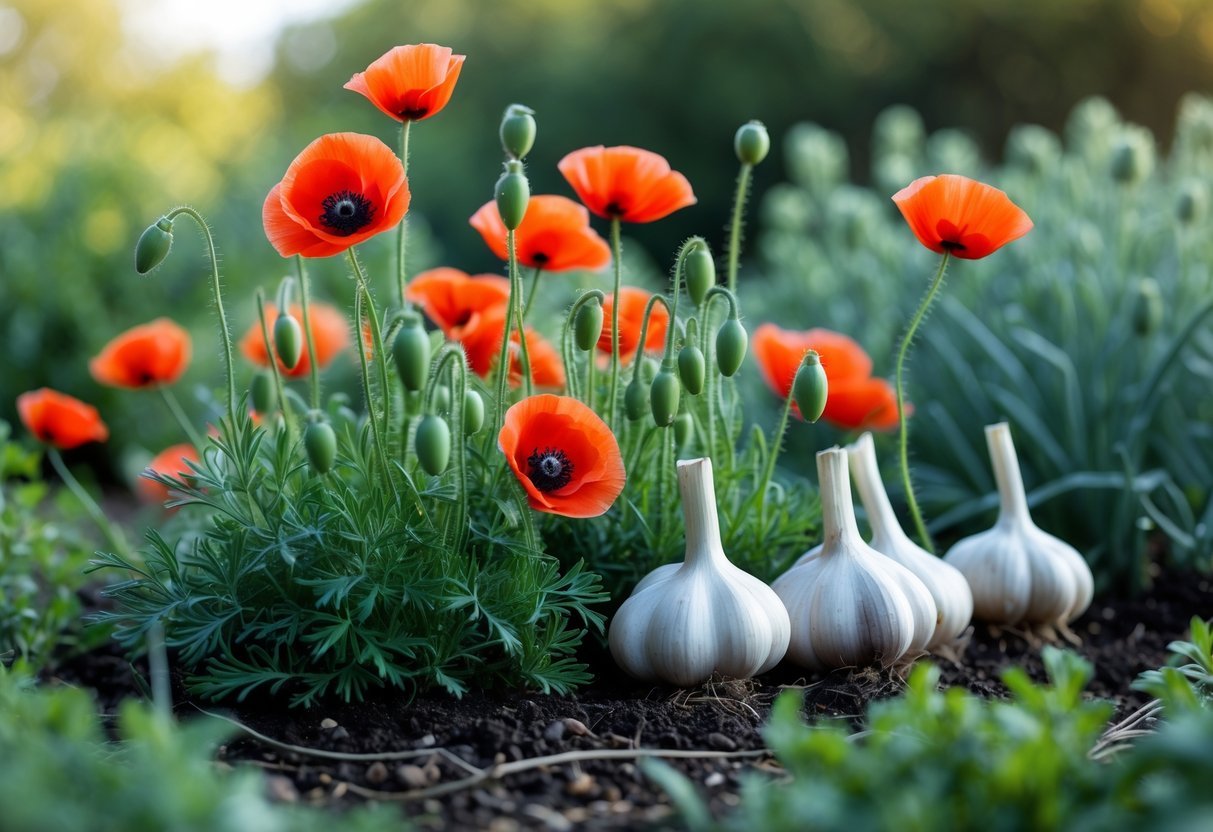
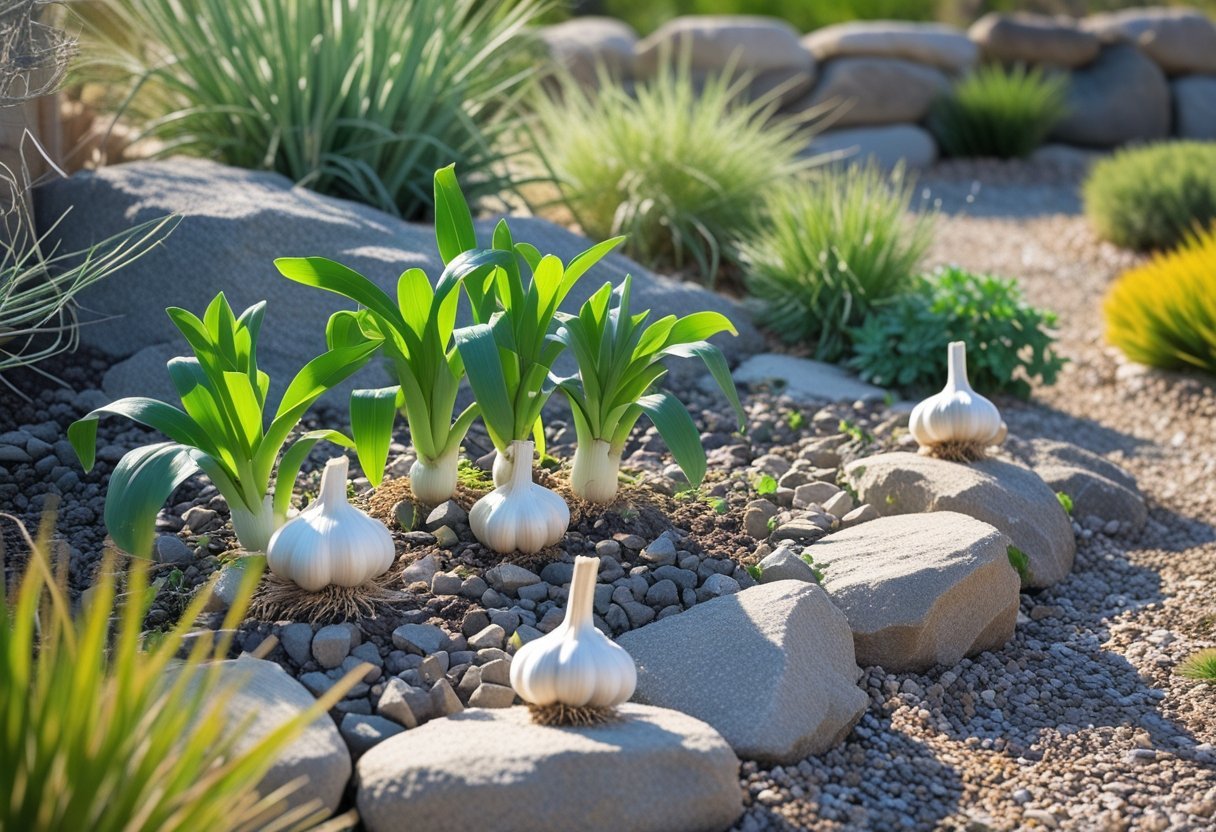
You can brighten your garlic beds by planting poppies nearby. These flowers attract helpful pollinators while adding color where it might be missing. Their roots help improve the soil, making both plants healthier. This combination works well for both beauty and soil health.
19. Planting Salvia Near Zucchini
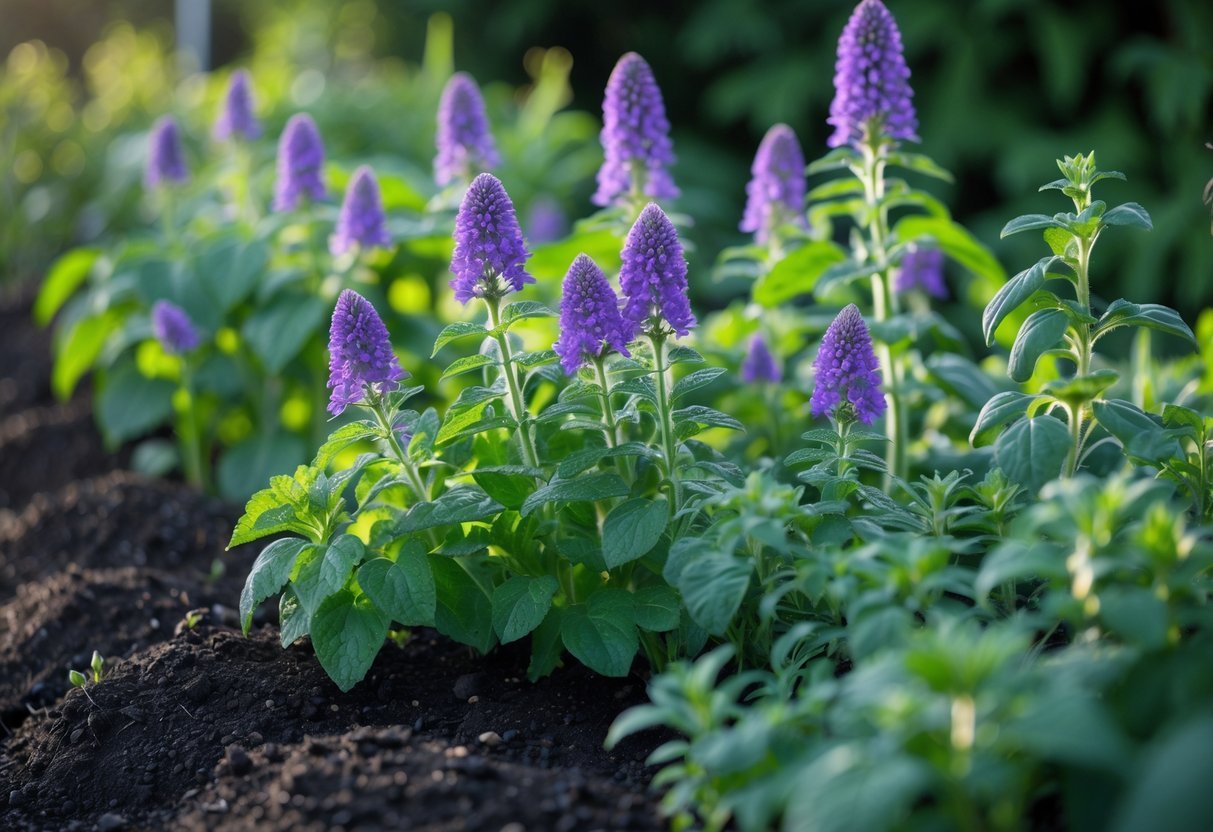
You can place salvia near zucchini to attract bees and hummingbirds, helping to pollinate zucchini flowers. Salvia also helps keep pests away. Its tall flower spikes add height and interest to your vegetable bed.
20. Coreopsis Paired with Beets
When you plant coreopsis near your beets, it helps keep harmful pests away from the beet roots. The flowers attract helpful insects that protect your plants. Plus, the bright blooms add nice color to your garden.
21. Growing Snapdragons Near Spinach
Planting snapdragons close to your spinach helps keep pests like aphids away. Their tall shape lets air flow better around your spinach, lowering the chance of mold or fungus. This natural defense supports healthier leaves without needing extra chemicals.
22. Growing Foxglove Together with Peas
You can place foxgloves near peas because foxgloves attract pollinators that help peas grow. Their height offers shade that keeps peas cooler in warm weather. They also act as a windguard, protecting your peas from strong breezes.
23. Growing Rudbeckia Alongside Kale
Planting Rudbeckia near kale can help protect your leafy greens from pests like cabbage worms. The bright yellow flowers attract insects that eat harmful bugs, which helps reduce damage to your kale.
You will also enjoy how Rudbeckia’s sunny blooms add color next to the deep green kale leaves. This mix not only looks good but supports healthier growth without relying on chemicals.
Using flowers like Rudbeckia around your vegetables creates a stronger, more natural garden. This simple choice brings balance by keeping some bugs away and inviting beneficial insects to your plants.