
10 Best Drought-Tolerant Perennials for a Low Maintenance Garden
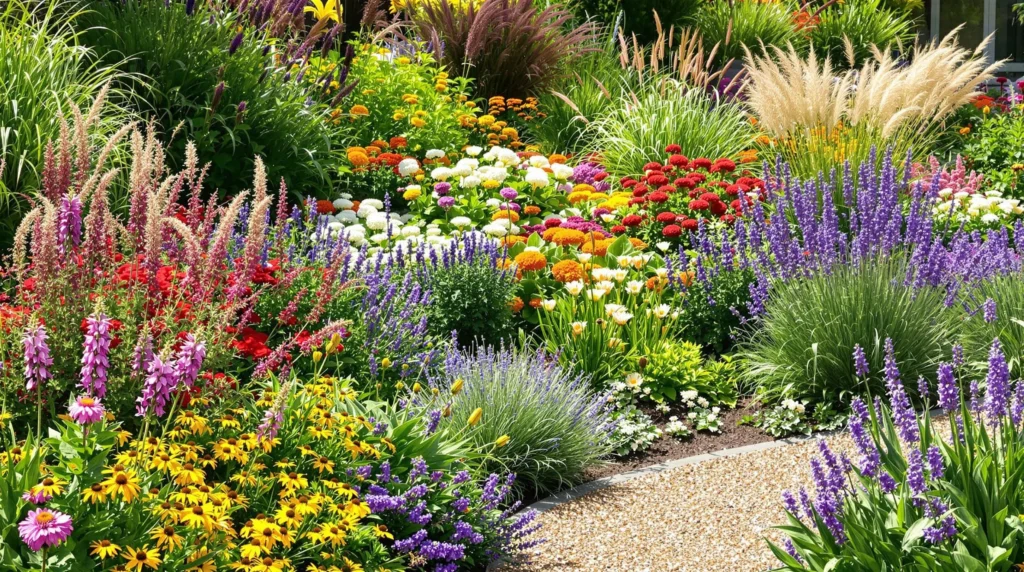
Drought-tolerant perennials are essential additions to any low-maintenance garden, saving you time, water, and effort while still providing stunning visual appeal. These resilient plants have adapted to survive with minimal water once established, making them perfect for busy gardeners or those in areas with water restrictions. Here are the top 10 drought-resistant perennials that will thrive in your garden with little attention:
- Lavender – This fragrant Mediterranean native requires almost no maintenance and thrives in hot, dry conditions. Its purple blooms attract pollinators and its scent repels many garden pests naturally.
- Sedum – Often called stonecrop, these succulent perennials store water in their thick leaves, allowing them to withstand extended dry periods. Available in varieties from ground covers to upright plants with spectacular fall blooms.
- Russian Sage – With its silvery foliage and lavender-blue flower spikes, this perennial adds texture and color to your garden while handling drought with ease. It’s deer-resistant and blooms from mid-summer into fall.
- Yarrow – This tough perennial produces flat-topped flower clusters in shades of yellow, pink, red, or white above ferny foliage. It actually performs better with less water and minimal soil amendments.
- Coreopsis – These daisy-like flowers bloom profusely from early summer through fall with almost no care. Available in yellows, oranges, and reds, they’re also excellent for attracting butterflies.
- Black-eyed Susan – With bright golden petals surrounding a dark center cone, these native wildflowers are extremely drought-tolerant once established and will self-seed readily.
- Echinacea (Purple Coneflower) – These native prairie plants have deep taproots that help them withstand dry conditions. Their distinctive flowers support bees, butterflies, and birds that feed on their seeds.
- Salvia – These flowering perennials offer spikes of blue, purple, red, or white blooms that pollinators love. Many varieties are exceptionally drought-tolerant and deer-resistant.
- Artemisia – Grown primarily for its striking silver-gray foliage, artemisia requires almost no water once established. It adds excellent contrast to flower gardens and thrives in poor soil.
- Agastache (Hyssop) – This aromatic perennial produces spikes of tubular flowers in purple, orange, or blue that attract hummingbirds and butterflies. It performs best in dry conditions with excellent drainage.
By incorporating these drought-tolerant perennials into your garden design, you’ll create a beautiful industry that requires minimal watering, saving time and resources while still enjoying continuous color and texture throughout the growing season.
Recommended Products

LIVE HIDCOTE BLUE LAVENDER — 4 LIVE PLANTS — Receive 4 live plants of Lavandula angustifolia 'Hidcote Blue' shipped in nursery-quality 4" Pots, rooted, healthy, and ready to plant. Compact English lavender prized for its rich color and intense fragrance — every plant is hand-grown on our family farm in Sequim, Washington, the lavender capital of North America.

Fragrant Blooms: English Lavender seeds to plant of Lavandula angustifolia produce purple flower spikes on slender green stems; late spring–summer color with vigorous growth—ideal for fragrant flowers and classic herbs borders. Common name: English Lavender; Scientific name: Lavandula angustifolia

FAST-GROWING & HARDY OUTDOOR PLANTS: Lavender Spanish Eyes thrives in USDA zones 8-11, producing sky-blue flowers from late spring to summer. This hardy perennials are easy to grow and works well in herb gardens or flower beds. Space plants 15-18 inches apart for optimal growth and enjoy a vibrant garden display.
How to Choose Perennials for a Low Maintenance Garden
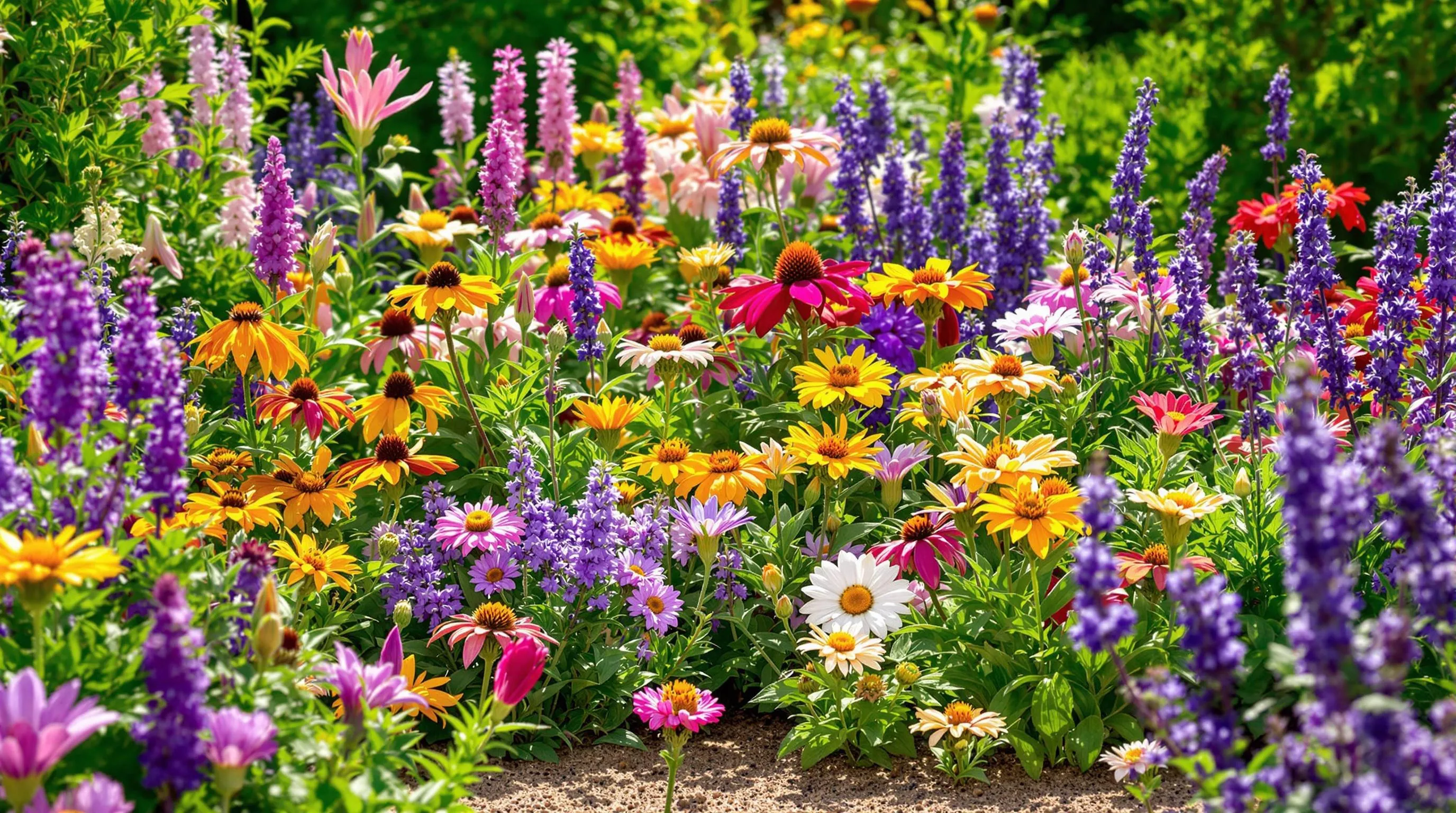
Selecting the right perennials is crucial for creating a garden that thrives with minimal effort. When choosing plants for your low-maintenance industry, you’ll need to consider several key factors to ensure success.
Recommended Products

🌸 BEAUTIFUL FALL BLOOMS Sedum produces stunning clusters of rosy pink flowers that bloom in late summer through fall, adding vibrant seasonal color to garden beds, borders, and pollinator landscapes.

Longevity and Propagation: A long-lived perennial, Sedum sieboldii will return year after year with minimal care. Easy to propagate by stem or leaf cuttings, allowing gardeners to expand their collection effortlessly or share with friends.

Hardy in USDA zones 4-9. Due to varying agricultural regulations, we do not ship to the following states: AK, AZ, CA, CO, ID, MT, NV, OR, UT, WA and HI.
Understanding Your Climate Zone
Your climate zone determines which perennials will flourish in your garden. Check your USDA hardiness zone before purchasing any plants to ensure they’re suited for your local conditions. Cold-hardy perennials like coneflowers (zones 3-9) and daylilies (zones 3-10) adapt to northern regions, while heat-tolerant options such as lantana (zones 8-11) and salvia (zones 5-9) thrive in southern climates. Native perennials are typically your best bet, as they’ve naturally adapted to your region’s temperature fluctuations, rainfall patterns, and seasonal changes. Apps like “Garden Compass” or the National Gardening Association’s plant finder can help you identify plants that match your exact zone.
Assessing Your Soil Type
Your soil’s composition significantly impacts which perennials will succeed in your garden. Conduct a simple soil test to determine if you have sandy, loamy, or clay soil, along with its pH level. Sandy soils drain quickly and benefit from drought-tolerant perennials like lavender and sedum. Clay soils retain moisture longer, making them suitable for hostas and astilbe. For challenging soil conditions, adaptable perennials like black-eyed Susans and yarrow will perform well across various soil types with minimal amendments. Remember that matching plants to your existing soil conditions reduces the need for frequent fertilizing, soil conditioning, and specialized care, eventually creating a more self-sufficient garden.
Groundcover Perennials That Suppress Weeds Naturally
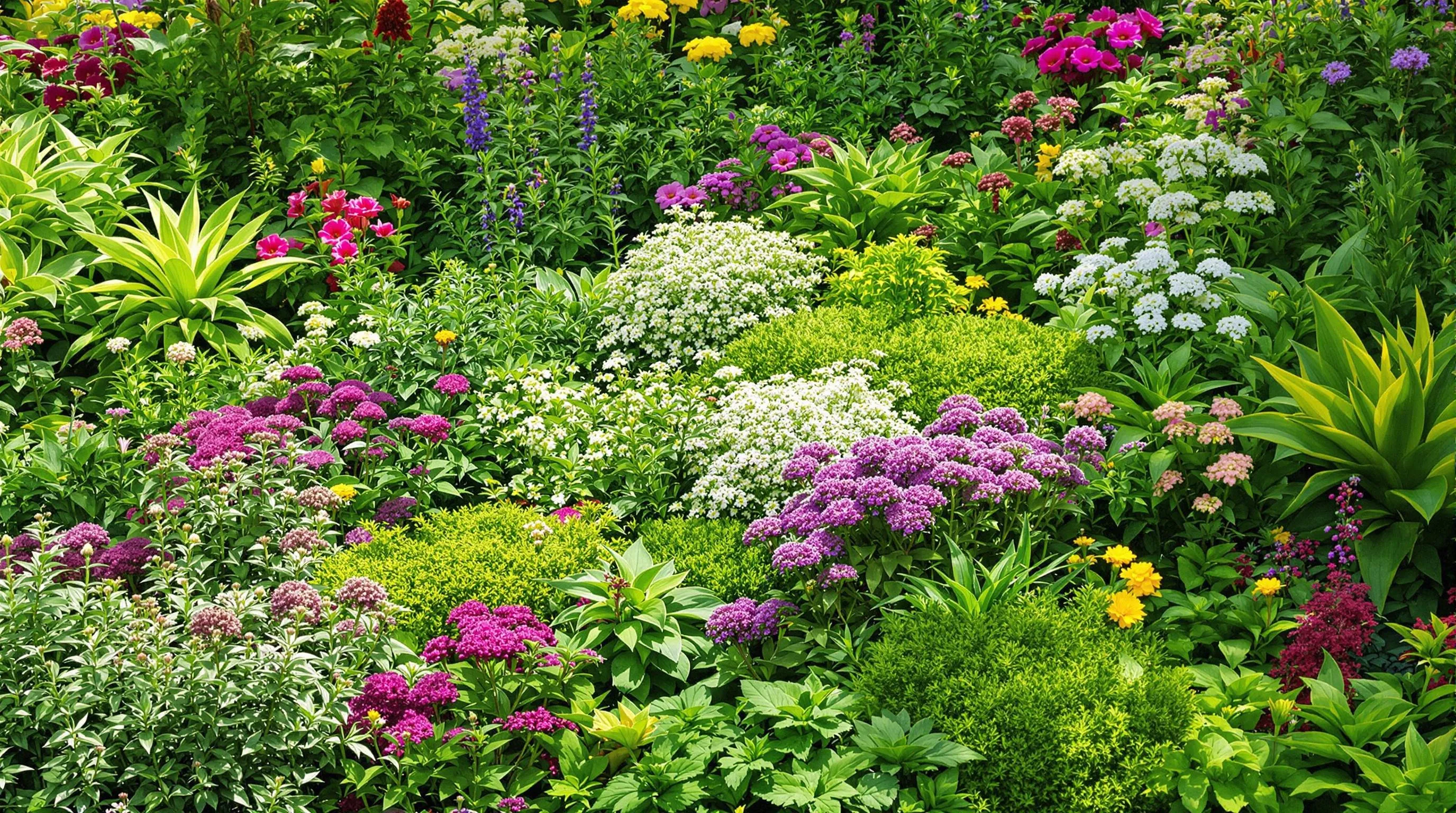
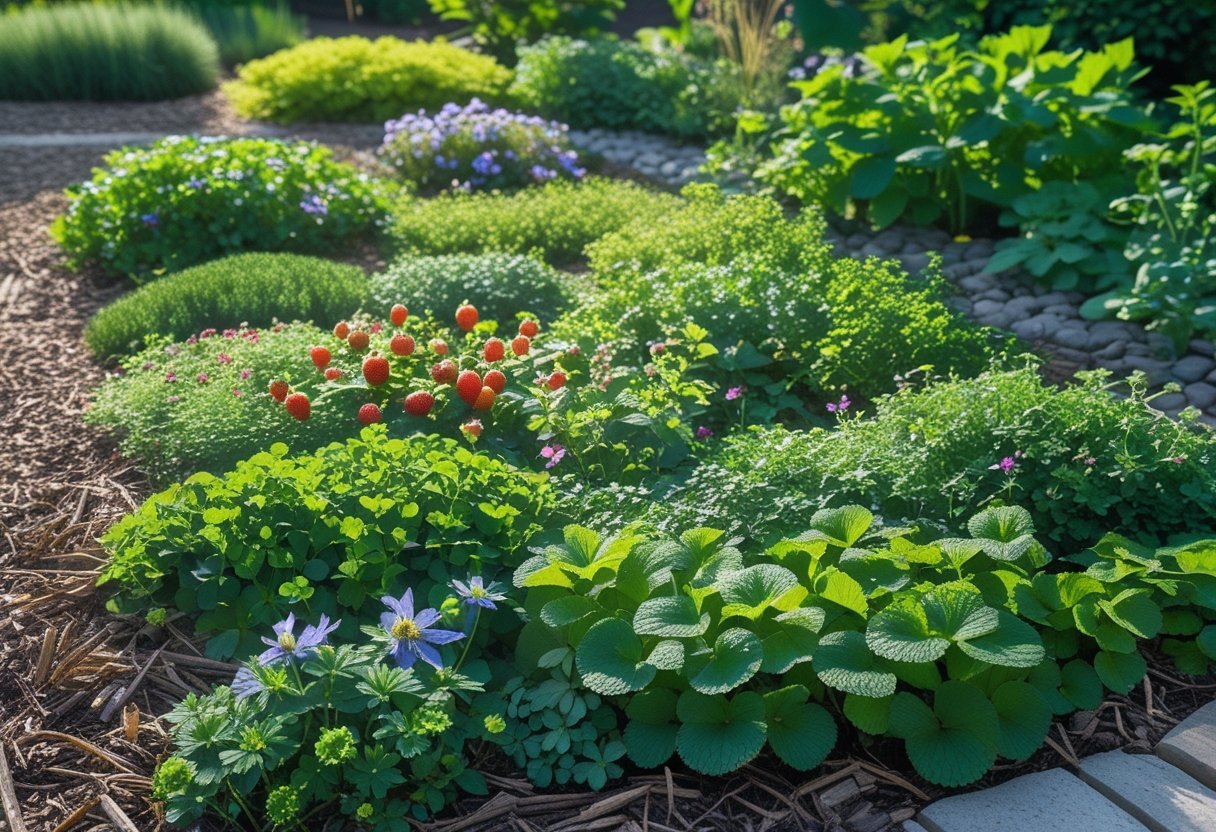
Groundcover perennials offer a practical solution to weed problems while reducing garden maintenance. These spreading plants form dense mats that naturally crowd out unwanted vegetation, creating an attractive, low-maintenance industry layer.
Recommended Products

NATIVE NORTH AMERICAN NARROW-LEAVED CONEFLOWER SEEDS: Heirloom non-GMO open-pollinated wildflower seeds with high germination rates, traditional medicinal herb, adapted to USDA zones 3-8
HARDY PERENNIAL FOR ALL CLIMATES: Reaching 24-36 inches in height, our Coneflowers grow easily in USDA Zones 3-9, making it ideal for planting wildflower seeds in gardens or fields. As one of the versatile perennial flowers, it re-emerges each year with minimal care, stabilizing soil with its deep roots and attracting pollinators like bees and butterflies.

High Germination Performance: Echinacea seeds for planting show strong, reliable sprouting in 3–4 weeks when soil stays moist. Ideal garden seeds for USDA zones 4–9 gardens and outdoor flower beds.
Low-Growing Options for Sunny Areas
Sunny areas benefit tremendously from weed-suppressing groundcovers that thrive in bright conditions. Creeping thyme (Thymus serpyllum) creates a fragrant carpet that withstands light foot traffic and releases an aromatic scent when stepped on. Sedum ‘Dragon’s Blood’ spreads quickly to form a drought-tolerant mat with rich burgundy foliage and pink summer flowers. For faster coverage, try hardy ice plant (Delosperma) with its succulent leaves and daisy-like blooms that create a colorful barrier against weeds. Ajuga reptans offers bronze-purple foliage and blue flower spikes while efficiently choking out weeds in well-drained soil. These sun-loving groundcovers require virtually no maintenance beyond occasional trimming to keep boundaries defined.
Shade-Loving Groundcover Varieties
Shaded garden areas present perfect opportunities for groundcover perennials that thrive with minimal sunlight. Sweet woodruff (Galium odoratum) creates a lush carpet of star-shaped white flowers and whorled foliage, effectively blocking weed growth in difficult shady spots. Lamium maculatum ‘Purple Dragon’ combines silvery foliage with purple blooms while spreading steadily to outcompete weeds. Pachysandra terminalis offers evergreen coverage with thick growth that prevents weed seeds from reaching soil. For moist shade conditions, Canadian wild ginger (Asarum canadense) provides heart-shaped leaves that form dense colonies, eliminating space for opportunistic weeds. These shade-tolerant options require only occasional watering during extreme drought and minimal pruning to maintain their natural weed-suppressing capabilities.
Long-Blooming Perennials That Provide Season-Long Color
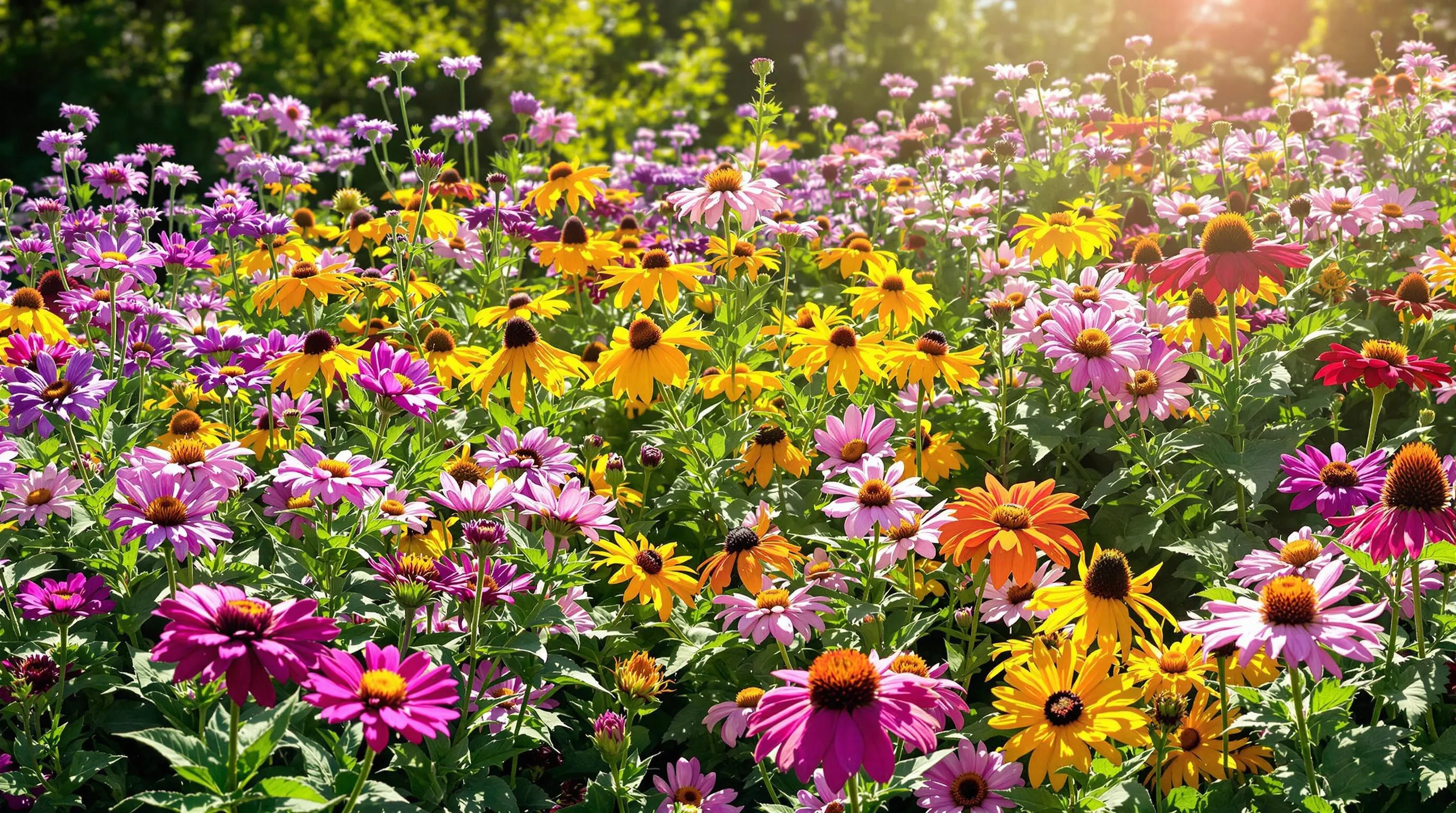
For a truly low-maintenance garden that delivers continuous visual impact, long-blooming perennials are essential additions. These hardworking plants provide extended periods of color while requiring minimal attention, giving you more time to enjoy your outdoor space rather than constantly maintaining it.
Recommended Products

High-Value Wildflower: 10,000 Black eyed susan seeds perennial (tender) deliver masses of yellow daisy blooms for pollinator gardens. Great wildflower seeds for beds, borders, containers, and meadows, USDA 1-12.

Native Wildflower Bloom: Black Eyed Susan (Rudbeckia hirta) is a North American native perennial producing bold golden-yellow petals around a dark chocolate center; grows 24-36 in tall; blooms mid-summer through fall; ideal for meadows and bouquets.

NATIVE PERENNIAL WILDFLOWER SEEDS - Black-eyed Susan (Rudbeckia hirta) produces classic golden blooms with dark centers, a beloved flower that returns year after year and thrives across diverse North American climates
Spring to Summer Bloomers
Geranium ‘Rozanne’ tops the list of spring-to-summer bloomers with its vibrant purple-blue flowers that persist from late spring through early summer. This virtually carefree perennial thrives in zones 5-8 and performs well in both full sun and partial shade. Baptisia (False Indigo) offers spectacular spires of blue, purple, or yellow blooms for 4-6 weeks beginning in spring, followed by attractive seed pods and foliage that remains pristine all season. Coreopsis ‘Moonbeam’ delivers masses of lemon-yellow flowers from late spring through summer, especially when deadheaded occasionally. For reliability in challenging conditions, Nepeta (Catmint) produces lavender-blue blooms from spring through summer, reblooming enthusiastically if cut back after its first flowering flush. Heuchera (Coral Bells) rounds out this group with colorful foliage year-round and delicate flower spikes that appear in late spring and persist into summer.
Summer to Fall Flowering Varieties
Echinacea (Coneflower) stands out among summer-to-fall bloomers, producing distinctive daisy-like flowers in purple, white, orange, or yellow from July through September. These drought-tolerant plants attract pollinators and provide winter interest with their seed heads. Rudbeckia ‘Goldsturm’ (Black-Eyed Susan) delivers brilliant golden flowers with dark centers from mid-summer until frost, requiring almost no maintenance beyond occasional division every 3-4 years. Sedum ‘Autumn Joy’ transitions beautifully through the seasons, developing broccoli-like buds in summer that transform to dusty rose and finally copper-red by fall. For dramatic height, Perovskia atriplicifolia (Russian Sage) creates clouds of lavender-blue flowers on silvery stems from midsummer through fall, thriving in hot, dry conditions. Gaura ‘Whirling Butterflies’ earns its name with airy white blooms that dance above the foliage from summer until frost, performing exceptionally well in poor soil with minimal water. For shady spots, Astilbe varieties offer feathery plumes in white, pink, or red that persist from midsummer into early fall, providing reliable color in locations where many flowering perennials struggle.
Native Perennials That Thrive With Minimal Care
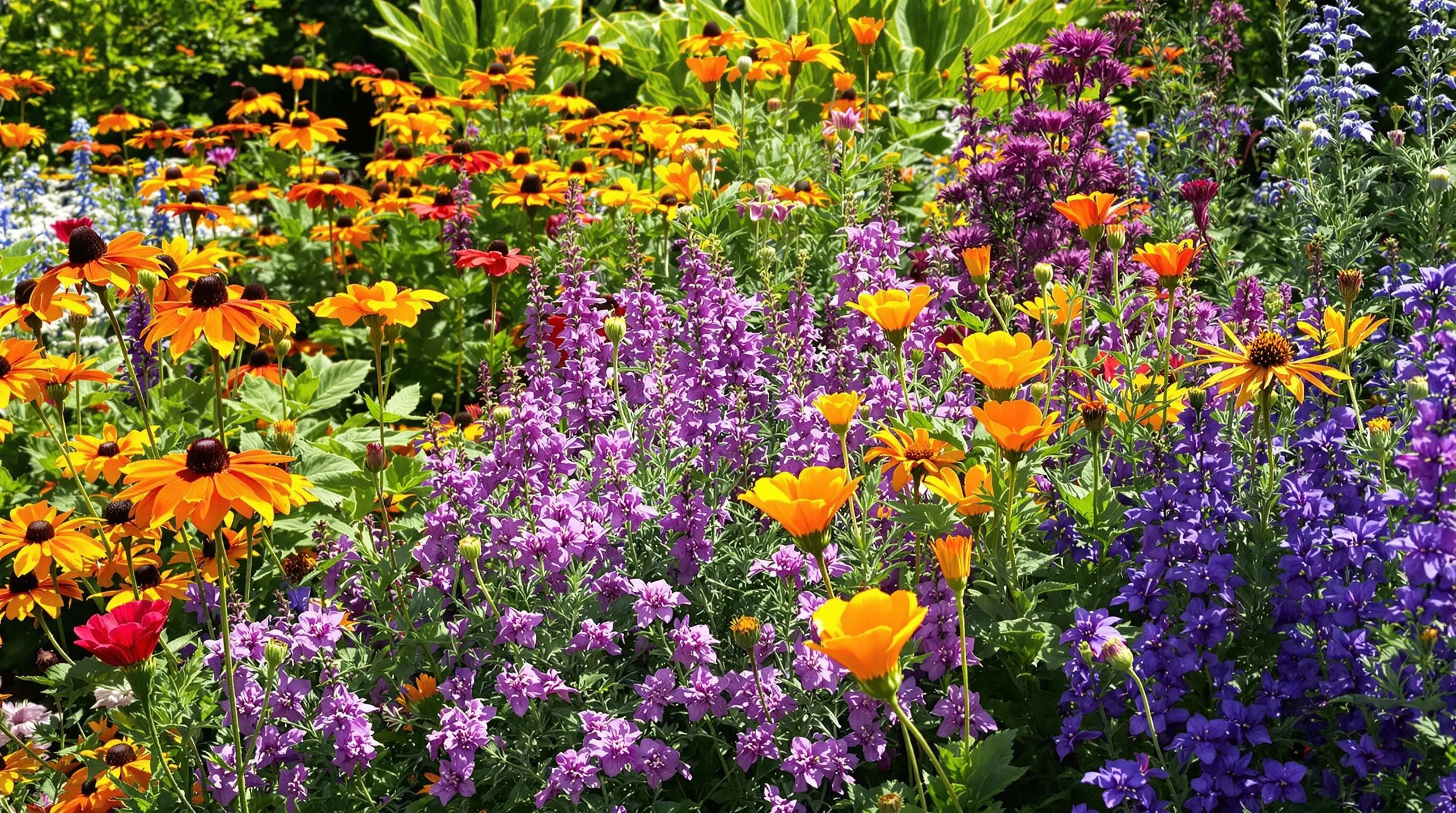
Native perennials are perfectly adapted to local growing conditions, making them excellent low-maintenance choices for your garden. These plants have evolved alongside local wildlife and climate patterns, requiring significantly less water, fertilizer, and overall care than non-native options.
Recommended Products

Premium Non-GMO Heirloom English Lavender Seeds with 10000+ Seeds: Grow a stunning fragrant garden with these high-quality Lavender Seeds for Planting. This Lavandula angustifolia variety produces beautiful purple flower spikes on slender green stems. Each packet contains over 10000 Non-GMO, open-pollinated heirloom seeds, offering exceptional value for creating a spectacular, low-maintenance perennial display that returns year after year.

🌵 23 Heirloom Varieties – Annuals + Perennials: A curated mix of 23 drought‑tolerant species. Annuals provide fast first‑season color, while perennials return year after year – creating a low‑water wildflower meadow that thrives on neglect.
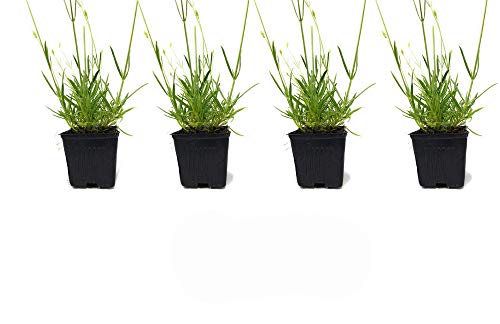
LIVE WHITE SPIKE LAVENDER — 4 LIVE PLANTS — Receive 4 live plants of Lavandula x intermedia 'White Spike' shipped in nursery-quality 4" Pots, rooted, healthy, and ready to plant. Rare white-flowering lavandin — striking in the garden, calming in the vase — every plant is hand-grown on our family farm in Sequim, Washington, the lavender capital of North America.
Eastern and Midwestern Native Selections
Eastern and Midwestern gardens benefit tremendously from native perennials like Black-eyed Susan (Rudbeckia fulgida), which produces cheerful yellow blooms for weeks with almost no maintenance. Purple Coneflower (Echinacea purpurea) thrives in these regions, attracting pollinators while standing strong against drought and poor soil conditions. For shady spots, Wild Ginger (Asarum canadense) creates a dense, weed-suppressing groundcover that requires virtually no maintenance once established. Butterfly Weed (Asclepias tuberosa) offers vibrant orange flowers and serves as a crucial monarch butterfly host plant while tolerating poor soils and drought. Joe-Pye Weed (Eutrochium purpureum) reaches impressive heights of 5-7 feet with mauve flower clusters that need no staking or special care, making it perfect for back borders in eastern and midwestern gardens.
Western and Southern Native Options
Western and Southern gardens thrive with region-exact native perennials that handle heat and drought effortlessly. California Poppy (Eschscholzia californica) reseeds itself yearly with bright orange blooms that require no supplemental watering in western gardens. Desert Marigold (Baileya multiradiata) produces sunny yellow flowers throughout hot summers in southern regions with minimal water requirements. For rocky or poor soil areas, Penstemon species like Firecracker Penstemon (Penstemon eatonii) deliver striking tubular red flowers that hummingbirds love while needing almost no maintenance. Blackfoot Daisy (Melampodium leucanthum) creates a compact mound of white flowers that bloom continuously from spring through fall in hot, sunny locations. In partially shaded western gardens, Coral Bells (Heuchera spp.) native varieties offer colorful foliage year-round with virtually no pest problems and minimal watering needs once established.
Ornamental Grasses for Year-Round Visual Interest
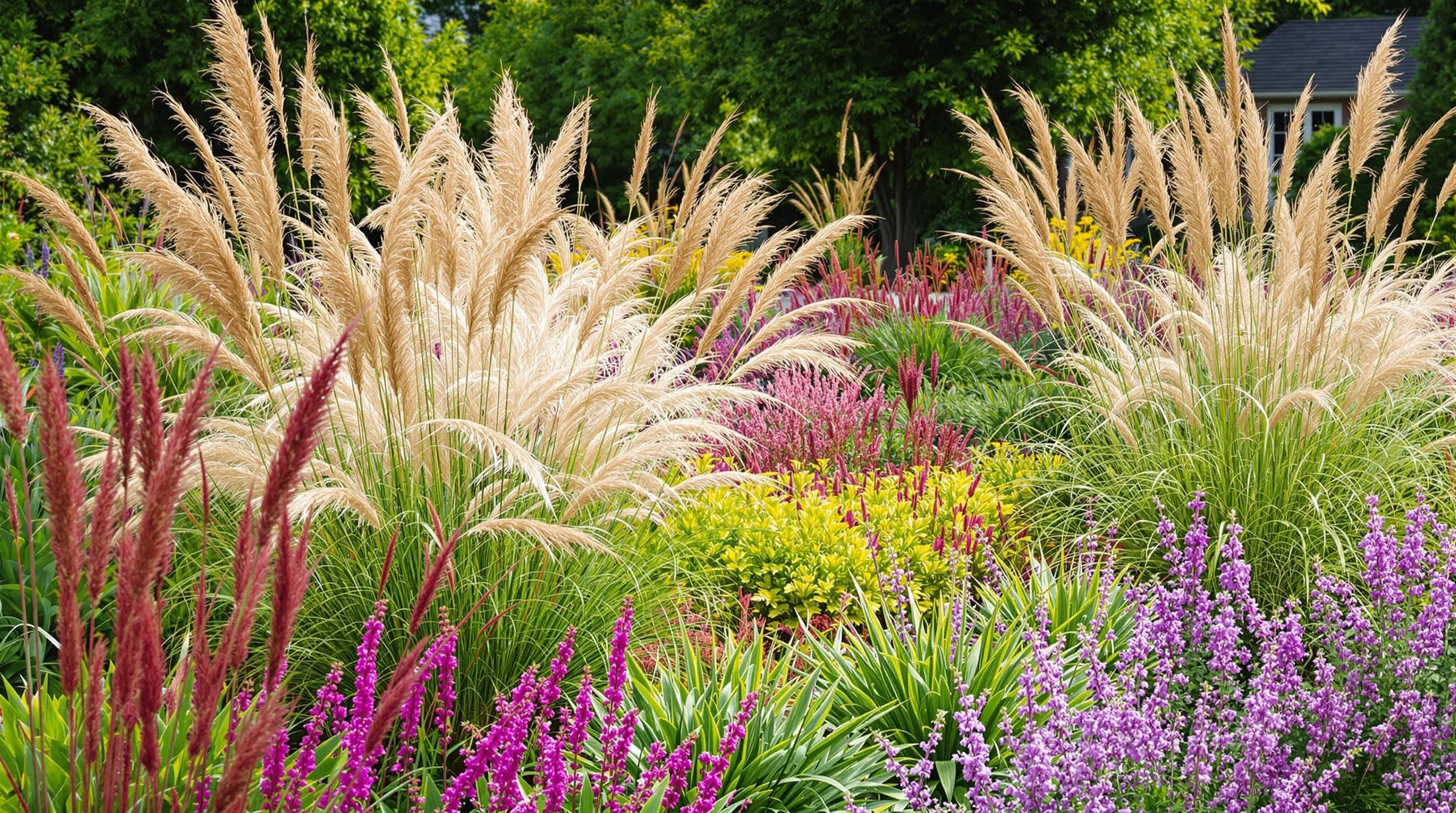
Ornamental grasses are the ultimate low-maintenance champions for any garden, providing texture, movement, and visual interest across all four seasons. These resilient plants require minimal care while delivering maximum impact with their graceful forms and striking silhouettes.
Recommended Products
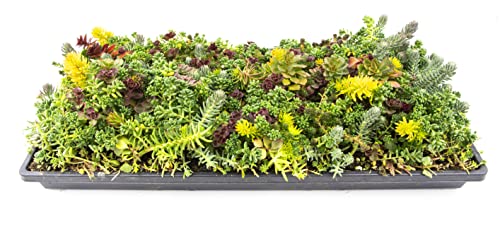
Use these decorative plants as outside plants for landscaping, patio plants, a sedum tile plant border, fairy garden decor, or in a succulent garden. Sedum plants like these and other real succulents live happily together.
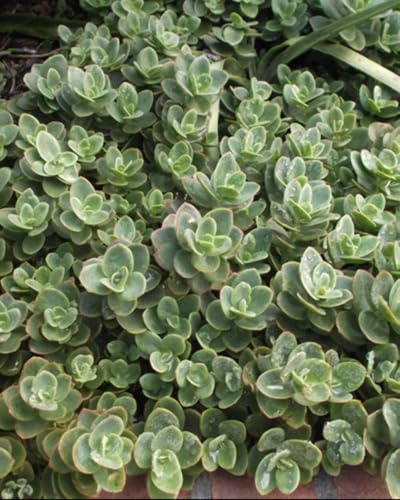
Hardy in USDA Zones 4-9, Registered Trademark. Due to varying agricultural regulations, we do not ship to the following states: AK, AZ, CA, CO, ID, MT, NV, OR, UT, WA and HI.
🌸 BEAUTIFUL FALL BLOOMS Sedum produces stunning clusters of rosy pink flowers that bloom in late summer through fall, adding vibrant seasonal color to garden beds, borders, and pollinator landscapes.
Tall Statement Grasses
Tall ornamental grasses create dramatic vertical elements that transform any industry with minimal effort. Miscanthus sinensis ‘Gracillimus’ reaches impressive heights of 5-7 feet, producing feathery plumes that catch golden light in autumn and remain striking even when covered with frost. Panicum virgatum ‘Northwind’ offers a sturdy, upright habit that withstands winter winds without flopping, maintaining its architectural presence year-round. For dramatic winter interest, plant Calamagrostis x acutiflora ‘Karl Foerster’, which stands soldier-straight through snow and ice with its wheat-colored seed heads. These statuesque grasses require only annual pruning in late winter or early spring—simply cut back to 4-6 inches above ground level to make way for new growth. Their deep root systems make them drought-tolerant once established, eliminating the need for frequent watering and creating truly self-sufficient focal points in your garden.
Compact Varieties for Small Spaces
You don’t need a sprawling industry to enjoy the benefits of ornamental grasses. Festuca glauca ‘Elijah Blue’ forms neat blue-gray mounds just 8-12 inches tall, perfect for edging or container gardens. Hakonechloa macra ‘Aureola’ (Japanese forest grass) brings cascading gold-striped foliage to partly shaded areas, requiring virtually no maintenance beyond occasional watering during extreme drought. Pennisetum alopecuroides ‘Little Bunny’ delivers the classic bottlebrush seed heads of fountain grass in a compact 12-inch package that won’t overwhelm smaller gardens. These pint-sized performers deliver the same four-season appeal as their larger cousins but fit perfectly in urban gardens, patio containers, and border edges. Simply trim back in early spring and enjoy their evolving beauty throughout the year with almost no additional care required.
Perennial Herbs That Combine Beauty and Utility
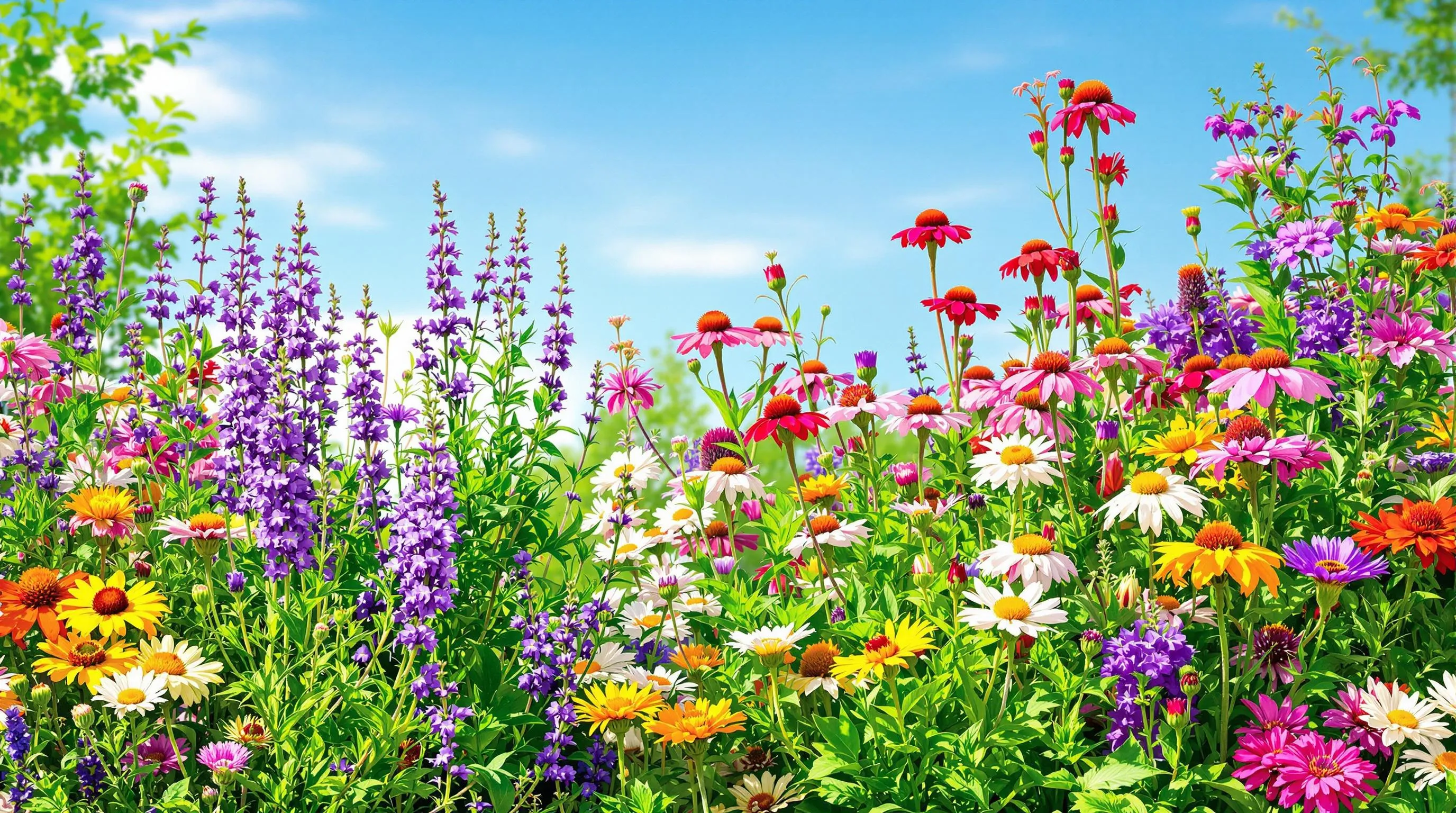
Perennial herbs offer the perfect combination of practicality and visual appeal for low-maintenance gardens. These hardworking plants deliver both culinary and ornamental benefits while requiring minimal care, making them excellent additions to any easy-care industry.
Recommended Products

Abundant Seed Count: Contains 285 premium coneflower seeds, providing ample quantity to create expansive wildflower displays throughout your outdoor garden spaces, meadows, or naturalized landscape areas with vibrant, eye-catching blooms

3 LIVE PLANTS IN 4” POTS – READY TO PLANT : Receive 3 live Purple Coneflower (Echinacea purpurea) plants, each grown in its own 4” pot and standing 4–8” tall at arrival. These are not seeds—no waiting for germination. They’re shipped for fast planting, reduced transplant stress, and healthy growth from day one.

More attractive to pollinators: The stamens of Echinacea are large and three-dimensional, suitable for bees and butterflies to stay. The nectar has high sugar content and a long flowering period, which is popular with pollinators and adds diversity to the garden
Culinary Herbs for Garden Borders
Culinary herbs transform garden borders into functional growing spaces that look stunning while providing fresh flavors for your kitchen. Rosemary forms aromatic, drought-resistant shrubs with needle-like foliage and delicate blue flowers that pollinators adore. Thyme varieties create excellent low-growing accents, with ‘Silver Posie’ and ‘Golden Lemon’ offering variegated foliage that brightens garden edges. Sage plants develop into compact, silvery-leaved bushes with purple-blue flowers that attract beneficial insects throughout summer. Chives deliver reliable spring blooms with their purple pom-pom flowers while providing year-round harvests with minimal care. For visual drama, consider bronze fennel with its feathery foliage reaching 4-6 feet tall and flat yellow flower clusters that butterflies can’t resist. These herbs thrive in well-drained soil and full sun, requiring only occasional watering once established and light pruning to maintain their shape.
Medicinal Herbs With Attractive Blooms
Medicinal herbs combine therapeutic properties with outstanding ornamental qualities, creating visual interest while offering traditional health benefits. Echinacea (purple coneflower) produces stunning daisy-like blooms with raised centers that attract butterflies and birds, while its roots have been used for centuries to support immune health. Lavender stands out with its distinctive fragrance, silver-gray foliage, and purple flower spikes that dry beautifully for arrangements and sachets. Valerian creates vertical interest with its 5-foot stems topped with clusters of tiny white flowers that smell sweetly of vanilla, while its roots have been traditionally used as a sleep aid. Yarrow offers flat-topped flower clusters in shades ranging from white to deep red, with feathery foliage that requires virtually no maintenance once established. Bee balm (Monarda) draws hummingbirds and pollinators with its crown-like flowers in red, pink, or purple, while providing leaves for aromatic teas. These dual-purpose plants thrive in average garden soil and need minimal division every few years to maintain vigor.
Deer-Resistant Perennials for Problem-Free Gardens
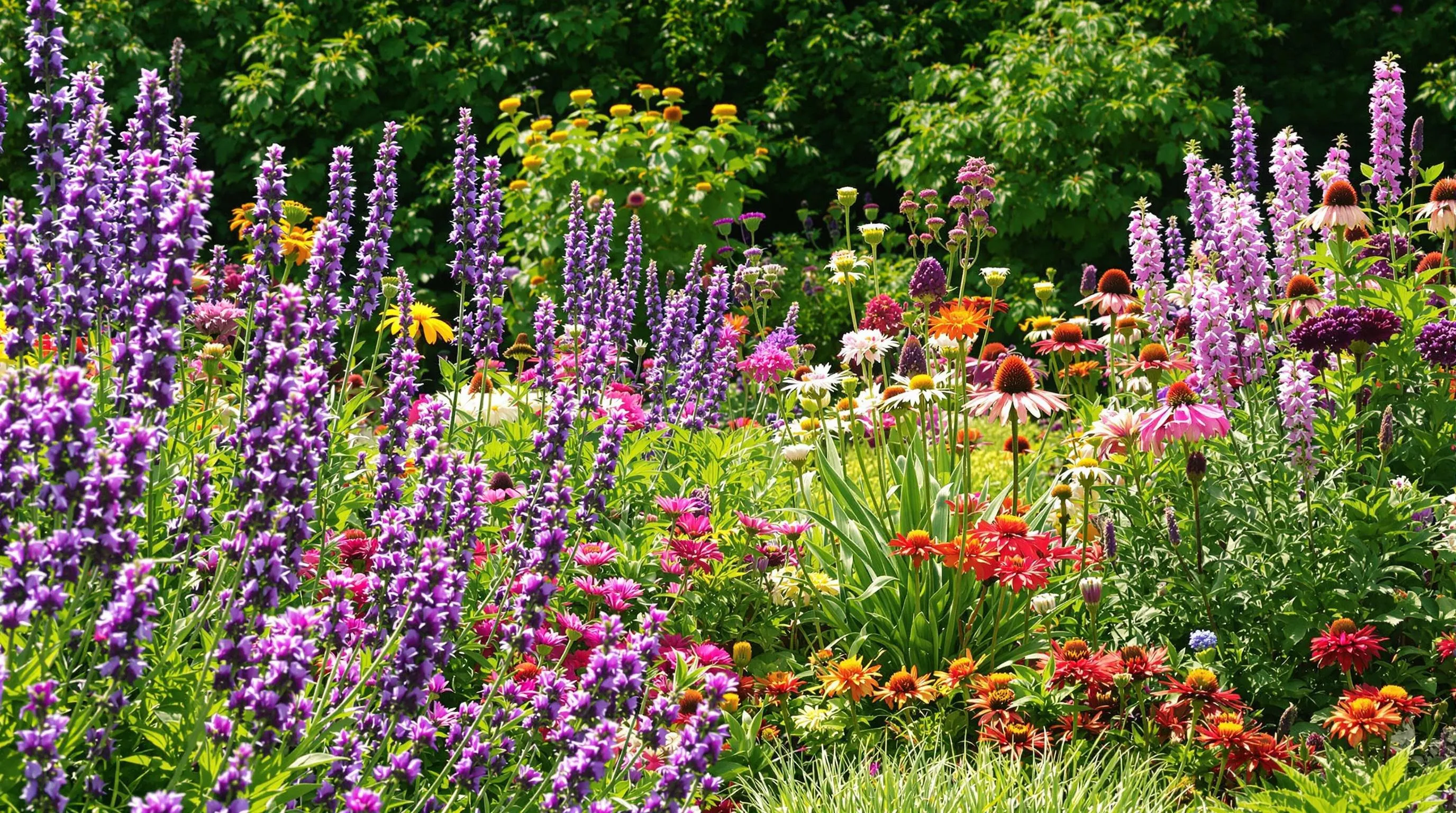
Deer can turn your low-maintenance garden dreams into a nightmare overnight. These persistent browsers can devastate carefully planned landscapes, but you don’t need to surrender your gardening ambitions. Deer-resistant perennials offer a practical solution for gardens in areas with high deer populations. Plants with strong aromas, fuzzy textures, or bitter tastes naturally deter deer from making a meal of your garden. Reliable options include lavender, Russian sage, and bee balm, which release potent scents deer avoid. Fuzzy-leaved plants like lamb’s ear and artemisia discourage browsing with their unpleasant texture. Other excellent choices include bleeding heart, foxglove, and hellebores, which contain compounds deer find distasteful. For sunny borders, try ornamental alliums, yarrow, and coneflowers, while shade areas benefit from ferns, astilbe, and brunnera. By selecting these deer-resistant varieties, you’ll create a beautiful, low-maintenance garden that remains intact without resorting to constant vigilance or expensive repellents.
Recommended Products

High-Value Wildflower: 10,000 Black eyed susan seeds perennial (tender) deliver masses of yellow daisy blooms for pollinator gardens. Great wildflower seeds for beds, borders, containers, and meadows, USDA 1-12.

Bright Blooms: Black Eyed Susan produces vibrant yellow flowers with dark centers, adding a pop of color to gardens, meadows, and wildflower mixes.

EXTRA LARGE PACKET contains over 1 full ounce of pure live seeds (100,000+ seeds!) - Enough to cover 600 square feet.
Shade-Loving Perennials That Require Little Attention
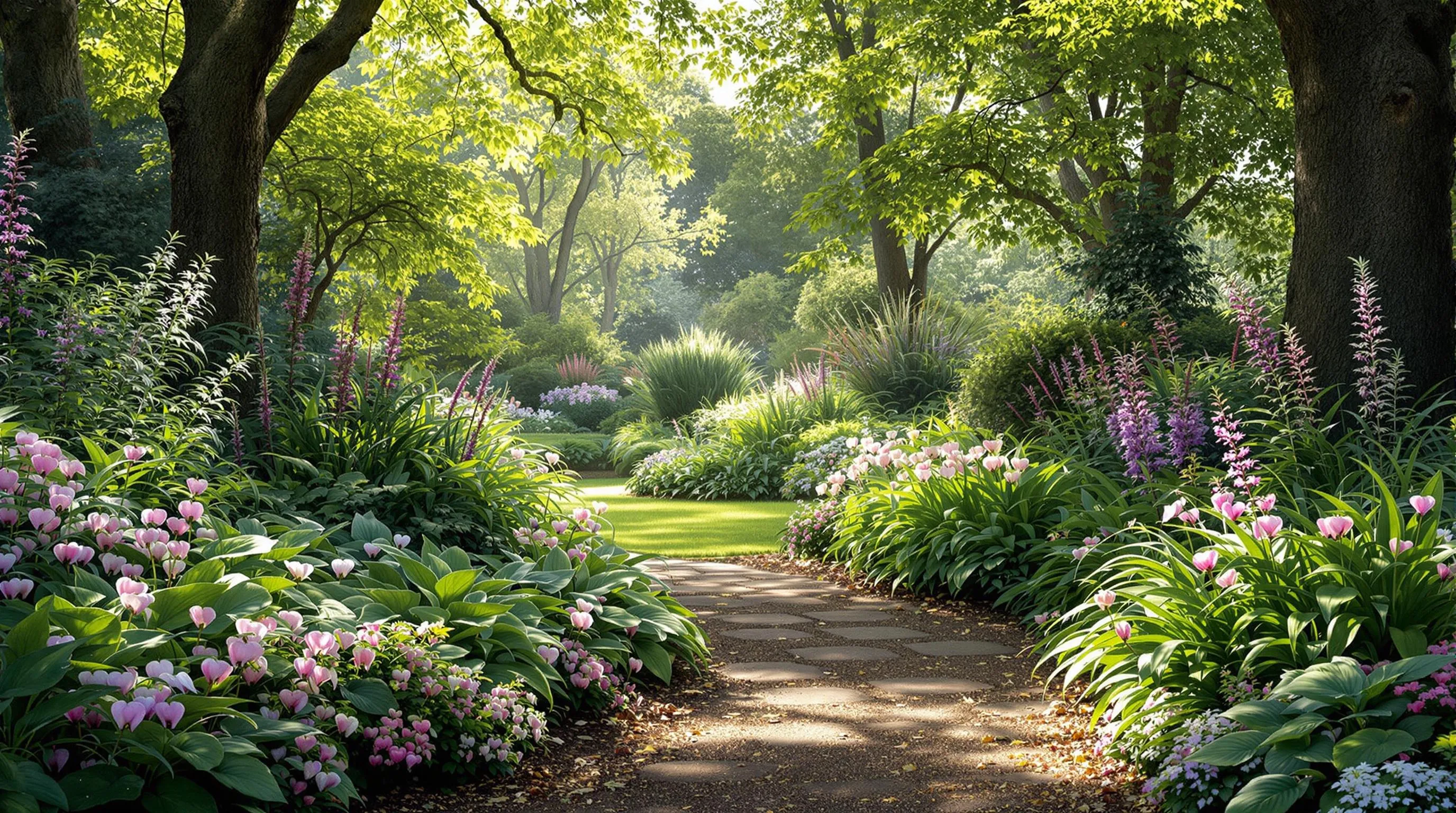
Finding plants that thrive in shady spots while requiring minimal maintenance can transform challenging areas into beautiful, carefree garden spaces. These shade-loving perennials need little more than occasional watering once established, making them perfect for busy gardeners or those with mature trees creating shaded conditions.
Recommended Products
LIVE PHENOMENAL LAVENDER — 4 LIVE PLANTS — Receive 4 live plants of Lavandula x intermedia 'Phenomenal' shipped in nursery-quality 4" Pots, rooted, healthy, and ready to plant. Exceptionally cold and humidity tolerant — one of the toughest lavenders bred — every plant is pesticide-free and naturally grown.

LIVE PHENOMENAL LAVENDER — 2 LIVE PLANTS — Receive 2 live plants of Lavandula x intermedia 'Phenomenal' shipped in nursery-quality 4" Pots, rooted, healthy, and ready to plant. Exceptionally cold and humidity tolerant — one of the toughest lavenders bred — every plant is pesticide-free and naturally grown.

EXTRA LARGE PACKET contains over 1 full ounce of pure live seeds (7,500+ seeds) - Enough to cover 100 square feet.
Hostas (Hosta spp.)
Hostas rank among the most versatile shade perennials with over 3,000 varieties available. Their impressive foliage ranges from tiny 6-inch mounds to massive 4-foot specimens in colors spanning blue-green, chartreuse, and variegated patterns. Simply plant hostas in humus-rich soil, water during dry spells, and divide overcrowded clumps every 5-7 years. Their only maintenance concern is occasional slug damage, easily managed with organic controls like diatomaceous earth.
Bleeding Heart (Dicentra spectabilis)
Bleeding Heart creates romantic charm with its distinctive heart-shaped blooms dangling from arching stems in spring. This woodland native reaches 2-3 feet tall and performs beautifully in dappled shade. The traditional pink and white varieties need almost no care beyond cutting back yellowing foliage in summer when the plant naturally goes dormant. For extended visual interest, try ‘Gold Heart’ with its bright golden foliage or the smaller fringed-leaf varieties that bloom longer.
Japanese Forest Grass (Hakonechloa macra)
Japanese Forest Grass offers elegant cascading foliage that brings movement to shaded areas. ‘Aureola’, the most popular variety, features bright gold leaves with green stripes that seem to glow in dim light. Growing just 12-18 inches tall, this grass forms attractive mounds that suppress weeds naturally. Simply trim back dead foliage in late winter before new growth appears and enjoy this virtually pest-free, drought-tolerant ornamental grass.
Astilbe (Astilbe spp.)
Astilbe delivers feathery plumes of flowers in shades of pink, red, lavender, and white rising above fernlike foliage. These reliable bloomers perform beautifully in partial to full shade, with most varieties reaching 18-24 inches tall. Once established, astilbes need only consistent moisture during flowering and occasional division every 4-5 years to maintain vigor. For best results, plant them in groups of three or more for dramatic impact with minimal upkeep.
Heuchera (Coral Bells)
Heuchera varieties offer year-round color through their foliage rather than flowers. Modern cultivars feature leaves in striking purples, caramels, silvers, and chartreuse that brighten shaded areas. These compact perennials typically grow 8-12 inches tall with tiny bell-shaped flowers on slender stems attracting hummingbirds. Heucheras require almost no maintenance beyond removing tattered leaves in spring and dividing every 3-4 years when centers become woody.
Ferns
Ferns provide unmatched textural interest in shade gardens with virtually no maintenance requirements. Japanese Painted Fern offers silver-blue fronds with burgundy highlights, while Christmas Fern remains evergreen through winter in most zones. Lady Fern and Ostrich Fern quickly fill shaded spaces with their graceful arching forms. Most ferns need only an annual clean-up of old fronds and occasional watering during extreme drought to thrive for decades.
Hellebores (Helleborus spp.)
Hellebores, often called Lenten roses, deliver early-season blooms when gardens need them most. These evergreen perennials produce saucer-shaped flowers from late winter through spring in colors ranging from white to pink, purple, and nearly black. Their leathery foliage remains attractive year-round and resists both deer and pests. Simply remove damaged leaves in late winter before flower buds emerge, and these long-lived plants will perform reliably for 15+ years with almost no intervention.
How to Maintain Your Low Maintenance Perennial Garden
Creating a low-maintenance garden with perennials isn’t just about plant selection—it’s about smart gardening. By choosing drought-tolerant varieties native to your region and incorporating groundcovers and ornamental grasses you’ll significantly reduce your workload while enjoying year-round beauty.
Remember that even “low maintenance” doesn’t mean “no maintenance.” A seasonal pruning mulching in spring and occasional dividing of spreading plants will keep your garden thriving for years. With proper planning your perennial garden will reward you with vibrant colors textures and wildlife without demanding hours of weekly care.
Your time is valuable—invest it wisely by selecting the right perennials and you’ll have more opportunities to simply enjoy your outdoor sanctuary rather than constantly working to maintain it.
Recommended Products

Hardy in USDA Zones 3-9. Due to varying agricultural regulations, we do not ship to the following states: AK, AZ, CA, CO, ID, MT, NV, OR, UT, WA and HI.
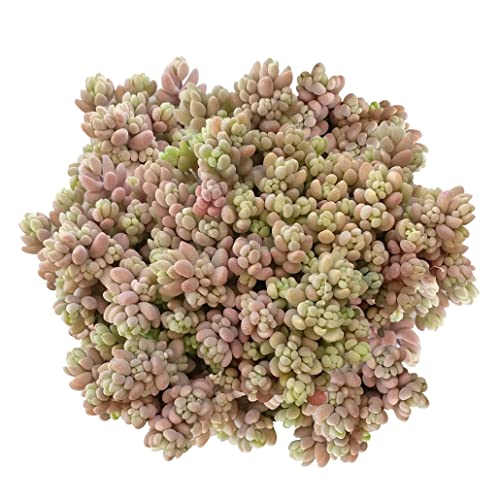
We guarantee plant's safe arrival otherwise we will refund or send you a replacement plant

For Best results, plant in USDA zone: 3-9 - mature size: 10-12 inches H x 18-24 inches W