
10 Shade-Loving Plants That Thrive in Low Light Gardens
- Hostas thrive in shady spots with minimal maintenance. These perennials feature stunning foliage in various colors from blue-green to variegated cream patterns, growing 6-48 inches tall depending on the variety. Plant hostas in well-draining soil and water consistently for best results.
- Astilbe produces feathery plumes of flowers in shades of pink, red, and white that brighten dim garden areas. These reliable perennials grow 1-3 feet tall and prefer moist, rich soil. Their fern-like foliage adds texture even when not in bloom.
- Japanese Forest Grass (Hakonechloa macra) creates graceful movement in shady spots. This ornamental grass forms elegant mounds 12-18 inches tall with arching, cascading blades that rustle in the slightest breeze. The ‘Aureola’ variety features stunning gold-striped foliage.
- Bleeding Heart (Dicentra) produces delicate heart-shaped flowers on arching stems in spring. These charming perennials grow 2-3 feet tall and go dormant in summer heat, making them perfect companions for later-emerging plants. Plant in humus-rich, moist soil for best performance.
- Heuchera (Coral Bells) offers year-round color with its vibrant foliage in purple, caramel, lime green, and silver. These versatile perennials grow 8-18 inches tall and produce delicate flower spikes that attract hummingbirds. They prefer well-draining soil with moderate moisture.
- Ferns thrive in deeply shaded areas where few other plants grow. With varieties ranging from delicate maidenhair to robust ostrich ferns, they add prehistoric elegance to woodland gardens. Most ferns prefer consistently moist, rich soil and grow 1-6 feet tall depending on type.
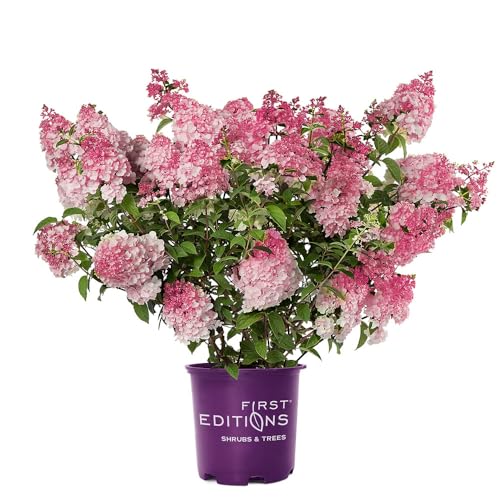
- Hydrangeas, particularly the oakleaf and bigleaf varieties, flourish in partial shade. These showstopping shrubs produce magnificent blooms in summer and grow 3-6 feet tall and wide. Plant in rich, well-draining soil and provide consistent moisture for optimal flowering.
- Brunnera features heart-shaped leaves often variegated with silver patterns that illuminate shady corners. The ‘Jack Frost’ variety is particularly striking with its frosted silver leaves and delicate blue forget-me-not flowers in spring. This low-maintenance perennial grows 12-18 inches tall.
- Tiarella (Foamflower) produces airy white or pink flower spikes above attractive maple-shaped foliage. This native woodland plant grows 8-12 inches tall and spreads slowly to form elegant groundcover. Many varieties feature decorative leaf patterns with burgundy or chocolate markings.
- Hellebores (Lenten Rose) bloom in late winter when gardens need color most. These tough evergreen perennials feature cup-shaped flowers in shades of white, pink, purple, and green that last for months. Growing 12-18 inches tall, hellebores thrive in dry shade once established.
Recommended Products

DESIGNED FOR SHADE – Unlike traditional wildflower mixes intended for full sun, this blend contains 16 annual and perennial species selected for woodland edges, beneath trees, and other partially shaded locations.


Transforming Dark Corners With Strategic Garden Lighting
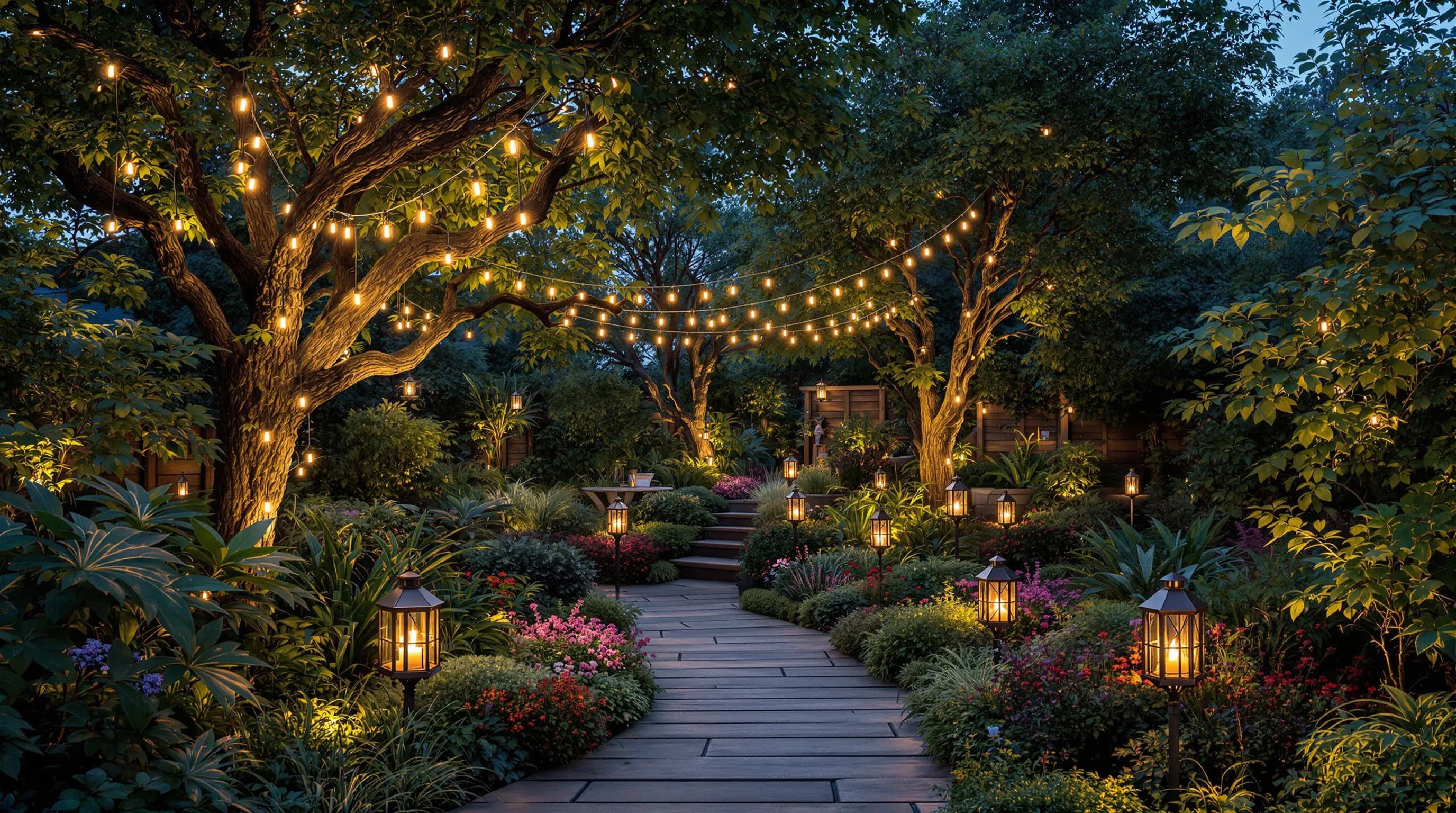
While plant selection is crucial for low light gardens, strategic lighting can elevate these spaces from merely functional to truly magical. Thoughtful illumination not only extends your garden’s usability into evening hours but also highlights architectural features and creates depth in shadowy areas.
Recommended Products

👍A popular choice for landscapers and gardeners for superb ground cover and landscape borders.

Shade-Loving Native Plant – Thrives in partial to full shade; ideal for woodland gardens and low-light areas.
Shade-Loving Native Plant – Thrives in partial to full shade; ideal for woodland gardens and low-light areas.
Solar-Powered Options for Eco-Friendly Illumination
Solar-powered lighting offers an environmentally friendly way to brighten dark garden corners without increasing your energy bills. These fixtures harness sunlight during the day and automatically illuminate your garden at dusk. Place solar stake lights along pathways to guide visitors safely through your shade garden. For maximum efficiency, position the solar collectors in spots that receive at least some direct sunlight. Modern solar options come in various designs, from sleek modern fixtures to whimsical decorative pieces that add personality to your garden. Look for solar spotlights to highlight specimen plants or garden sculptures, creating dramatic focal points even in the darkest areas of your industry.
String Lights and Lanterns for Ambient Charm
String lights and lanterns instantly transform any shady garden into an enchanting retreat. Drape weatherproof LED string lights through tree branches or along fences to create a starry canopy effect that softens harsh shadows. For a more structured look, zigzag lights across your space or outline architectural features. Hanging lanterns at varying heights adds vertical interest and creates pockets of warm light throughout your garden. Battery-operated or solar lanterns require no wiring and can be easily moved to illuminate different areas as needed. Consider selecting warm white lights rather than cool blue tones to create a cozy, inviting atmosphere that complements the natural serenity of your shade garden.
Creating Texture and Dimension With Ferns and Hostas
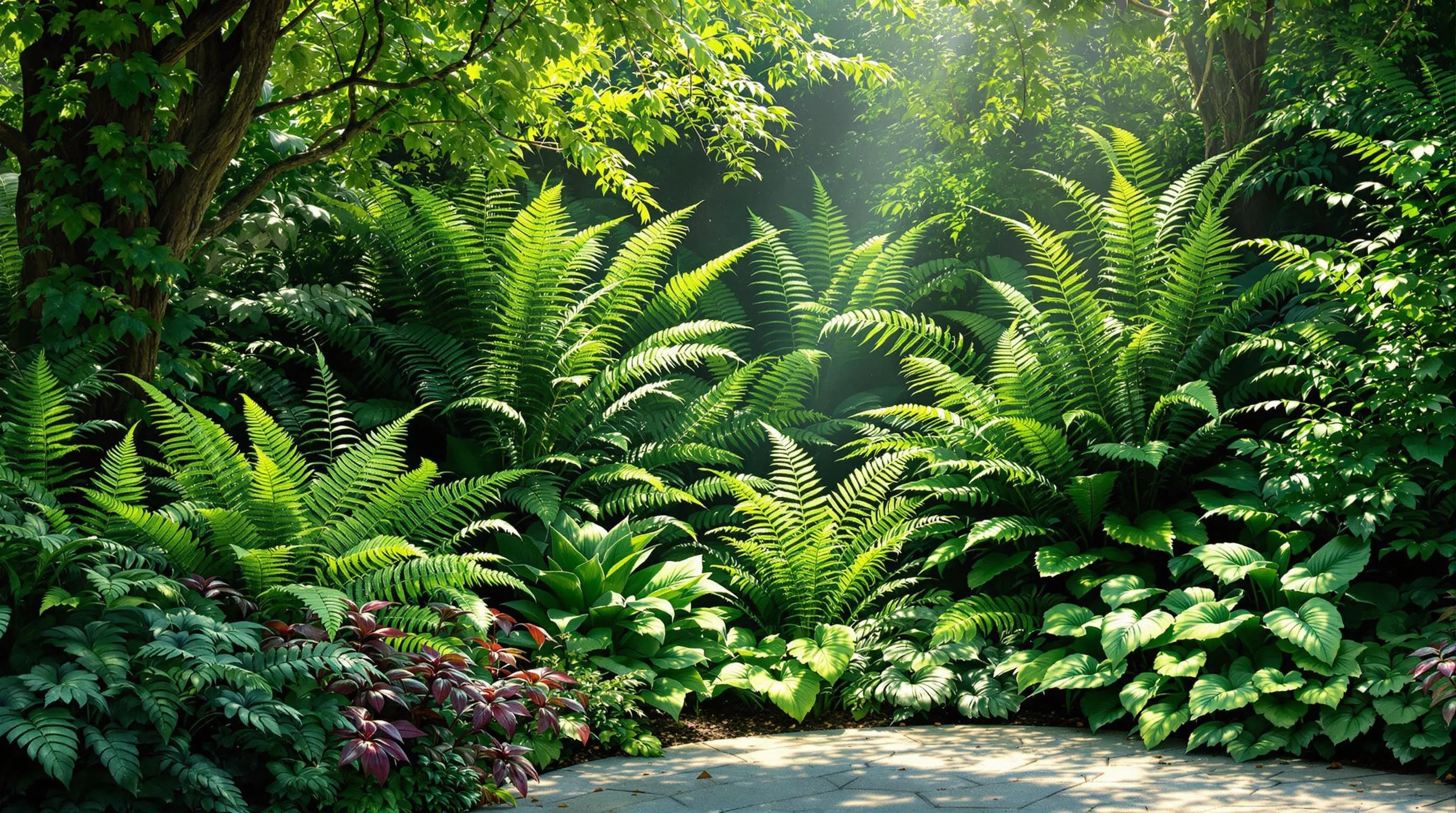
Ferns and hostas are the perfect allies for transforming dim corners into visually rich garden spaces. Their varied leaf shapes, sizes, and textures create depth and interest even without colorful blooms. Both plant families thrive in low light conditions and require minimal maintenance once established, making them ideal choices for shade gardeners.
Recommended Products

One of the earliest flowers to bloom.... Midwinter! And it beautiful glossy leaves stay a rich, dark green year around. Zone 4-9, full shade to partial shade Height 18-24 inches This is a true mix. No way of telling what beautiful colors your lovely flowers will be! Exercise caution and use your best judgment before ordering during unusually hot or cold weather (below 32 degrees F, or in excess of 95F for shipping purposes), as these extremes may leave your plant vulnerable to damage.

If shipped between November 1st and March 1st, the plant may be dormant and trimmed. Plant is fully rooted in the pot ready for immediate planting.

Various Flowers: Available in red, pink, and white, among other options, to enhance the beauty and ambiance of garden landscapes
Best Fern Varieties for Deep Shade Conditions
When selecting ferns for deeply shaded areas, focus on varieties that naturally thrive in woodland settings. Japanese Painted Fern (Athyrium niponicum) brings stunning silver-gray fronds with burgundy highlights that seem to glow in dark corners. For dramatic height, try Ostrich Ferns (Matteuccia struthiopteris) with their 3-5 foot vase-shaped growth habit and feathery fronds. Maidenhair Ferns (Adiantum pedatum) offer delicate, fan-shaped foliage on black stems that creates an airy, floating effect. For year-round interest, Christmas Ferns (Polystichum acrostichoides) maintain their deep green leathery fronds through winter in most climates. The naturally spreading Autumn Fern (Dryopteris erythrosora) displays copper-colored new growth that matures to deep green, adding seasonal color shifts to your shade garden.
Spectacular Hosta Cultivars for Low Light Areas
Hostas offer incredible variety in their leaf colors, sizes, and textures—perfect for brightening dark spots in your garden. ‘Blue Angel’ features massive powder-blue leaves that can reach 18 inches long, creating bold focal points in shaded beds. For striking contrast, ‘Frances Williams’ displays blue-green leaves with creamy yellow margins that lighten dim areas. ‘Fire Island’ brings unexpected color with its bright gold leaves and red stems that practically glow in low light. Miniature varieties like ‘Blue Mouse Ears’ (8 inches tall) work beautifully in containers or as border plants with their round, thick blue-gray leaves. For fragrance and flower power, ‘Guacamole’ produces large lavender blooms in late summer with a sweet scent that attracts hummingbirds. Plant hostas in groups of odd numbers (3, 5, or 7) for the most natural-looking arrangement, and mix different varieties to create captivating textural contrasts in your low light garden spaces.
Indoor-Outdoor Transitions: Container Gardens for Low Light Patios
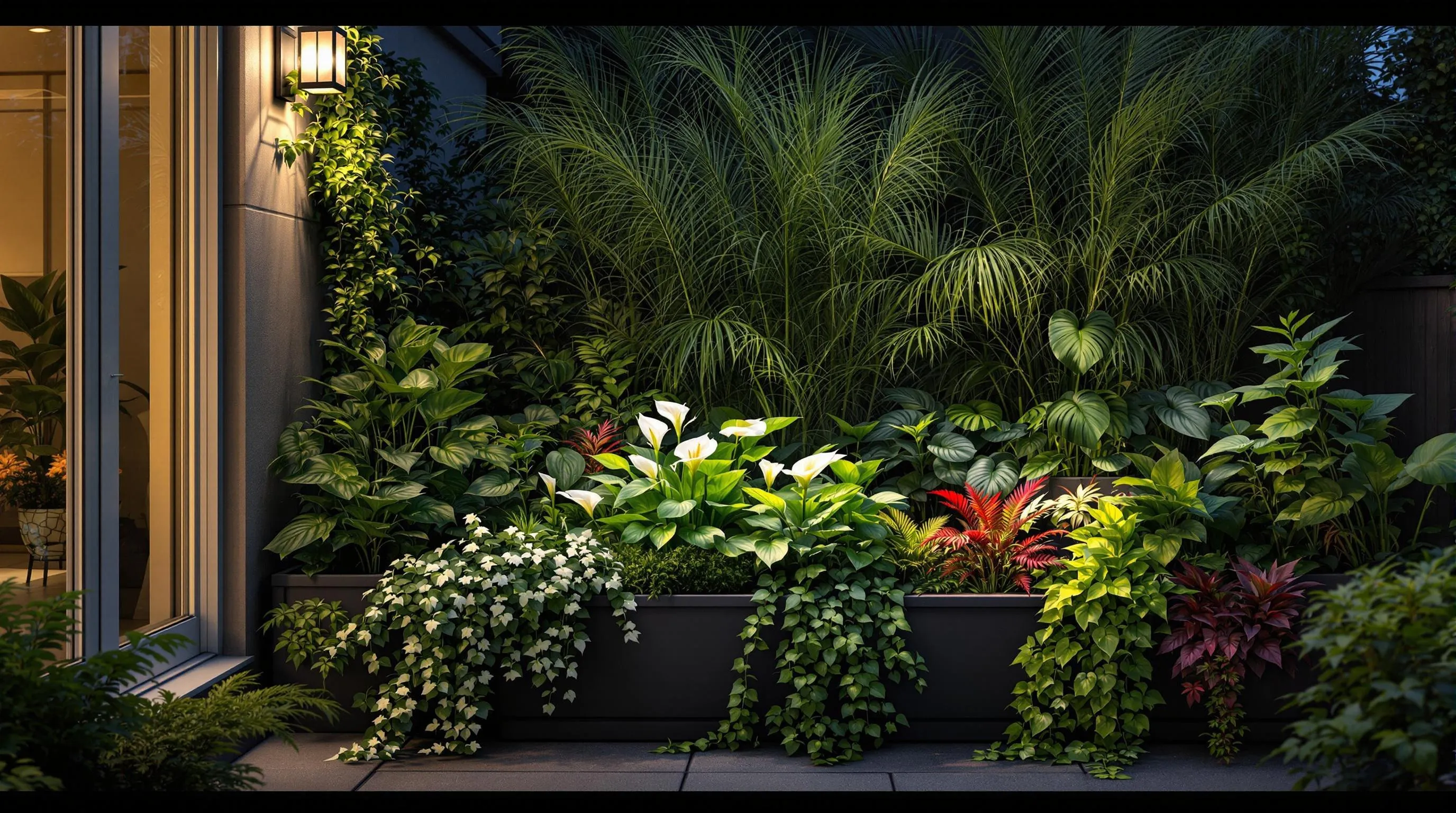
Transform your dim patio into a verdant retreat with strategic container gardening. These portable gardens bridge the gap between indoor and outdoor spaces, bringing life to areas that receive minimal sunlight while maintaining flexibility in design and placement.
Recommended Products


Self-Watering Container Systems for Busy Gardeners
Self-watering containers are game-changers for low light patios where plants may need extra care. These innovative systems feature a water reservoir that supplies moisture to plants as needed, reducing watering frequency from daily to weekly. Look for containers with built-in indicators that show water levels, eliminating guesswork in plant care. EMSCO Group’s Earthbox and Lechuza’s Classico planters offer reliable options that hold enough water for extended periods. These systems work particularly well with shade-loving plants like peace lilies, pothos, and ferns that prefer consistent moisture without soggy roots. You’ll save time and ensure your container garden thrives even when you’re away for a few days.
Grouping Plants for Maximum Visual Impact
Create striking displays by clustering containers of varying heights, textures, and leaf colors. Arrange taller plants like Japanese forest grass or calla lilies as backdrop elements, with mid-height plants like heuchera or astilbe in the middle tier. Position trailing plants such as creeping Jenny or vinca vine at the edges to soften container boundaries and add movement. Maintain a cohesive look by limiting your color palette to 2-3 complementary shades that pop in low light, such as silver, chartreuse, and burgundy. Group odd numbers of containers (3, 5, or 7) for a naturally balanced appearance. This layered approach creates depth and interest even in shadiest patio corners, drawing the eye and making limited space feel lush and intentional.
Reflecting Natural Light With Mirrors and Water Features
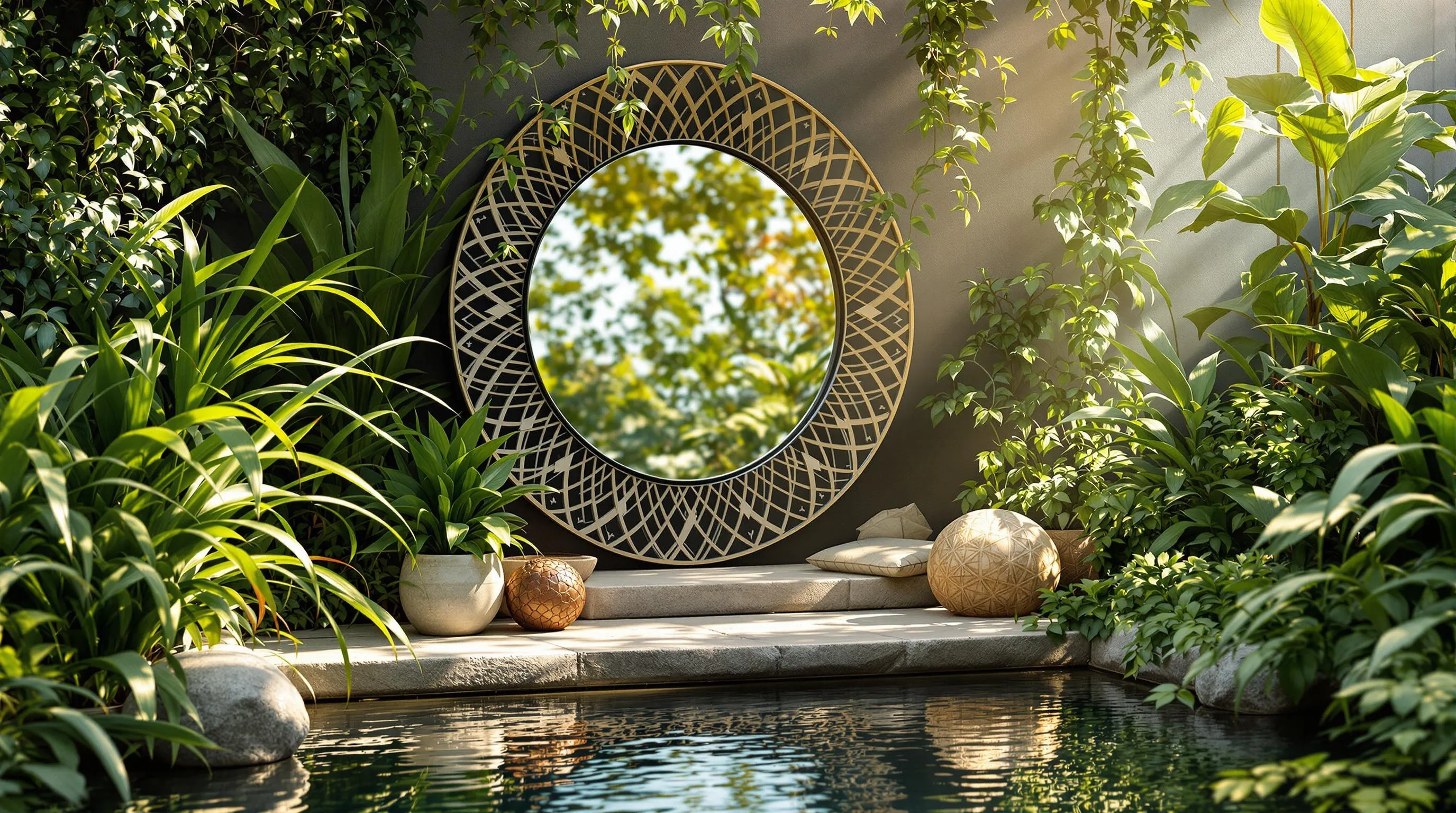
Strategic placement of mirrors and water features can dramatically brighten your low light garden by maximizing what little natural light is available. Position decorative mirrors on walls or fences opposite your brightest spots to bounce light into shadowy corners, instantly creating the illusion of more space and brightness. Weather-resistant garden mirrors in various shapes can be partially concealed behind plants for subtle light reflection without creating harsh glare. For an even more ever-changing effect, incorporate water features like small ponds, birdbaths, or fountain bowls that naturally capture and reflect light while adding soothing sounds to your garden sanctuary. The rippling surface of water catches sunlight and casts dancing reflections onto surrounding foliage, bringing movement and brightness to otherwise static shady areas. When planning these reflective elements, consider the sun’s path throughout the day to optimize light capture and create enchanting visual effects that transform your low light garden from dull to dazzling.
Recommended Products

Each offer includes 1 potted starter plant

For sale are 5 Cinammon Fern roots/rhizomes
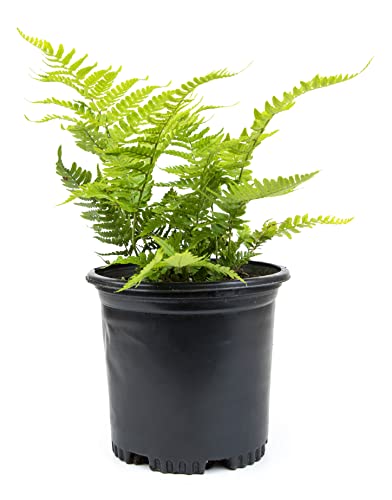
Autumn fern is one of many popular landscaping plants that gardeners grow as lawn edging along a garden pathway, ground cover, a landscape border, or in a hanger planter and in plant pots. This real fern ships in a 1-gallon nursery pot.
Vertical Gardening Solutions for Shaded Walls and Fences
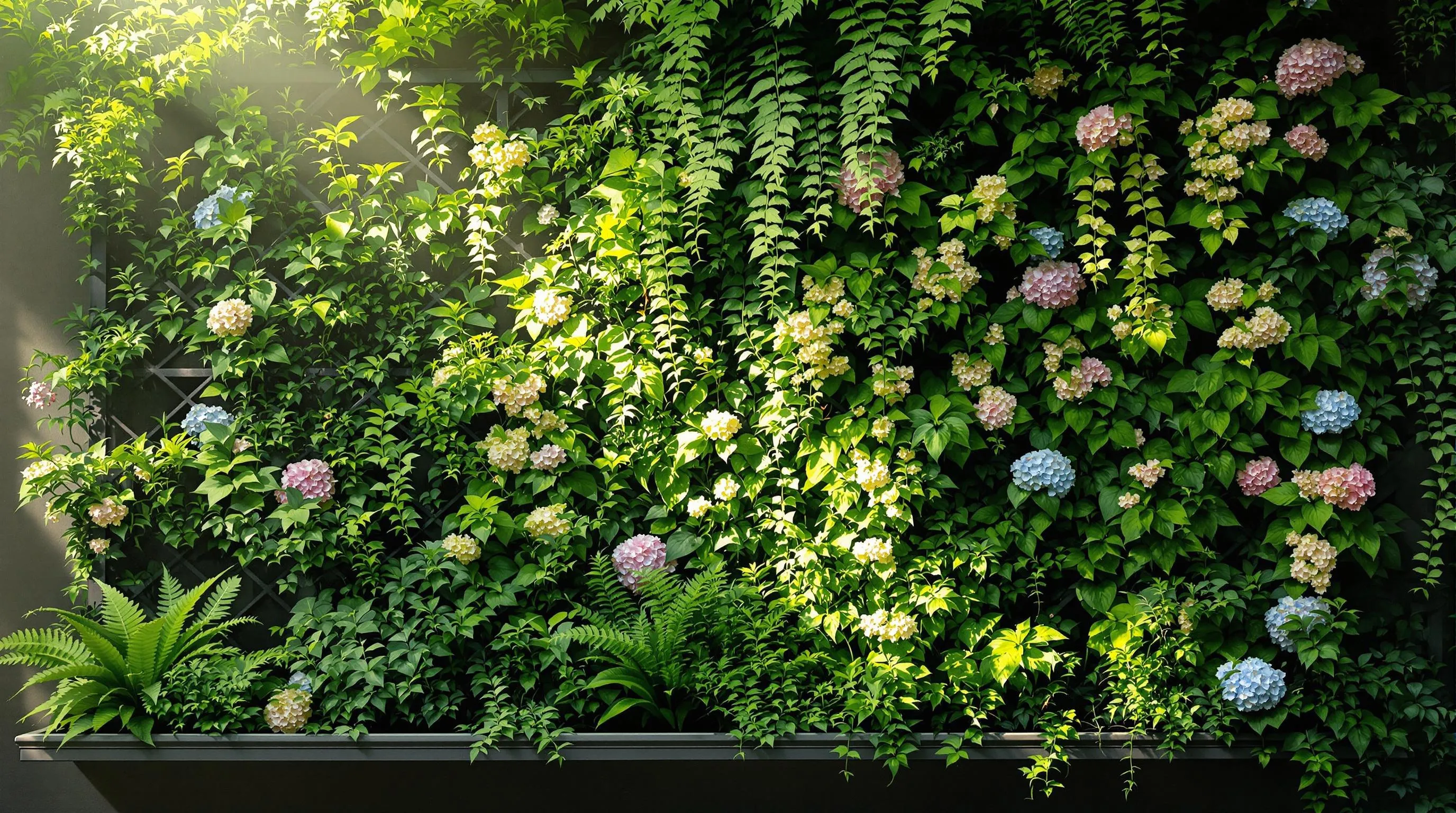
Transform bare, shaded walls and fences into lush vertical gardens that maximize your limited sunny space. Vertical gardening in low light areas allows you to use overlooked surfaces while adding depth and visual interest to otherwise neglected spaces.
Recommended Products


Abundant Garden Coverage: With over 3000 hollyhock seeds (Alcea rosea), this value-packed set is ideal for large-scale planting in outdoor gardens, flower beds, or backyard borders, offering tall and vibrant perennial blooms in a beautiful mix of red, yellow, pink, white, and more.

Living Walls in Low Light Environments
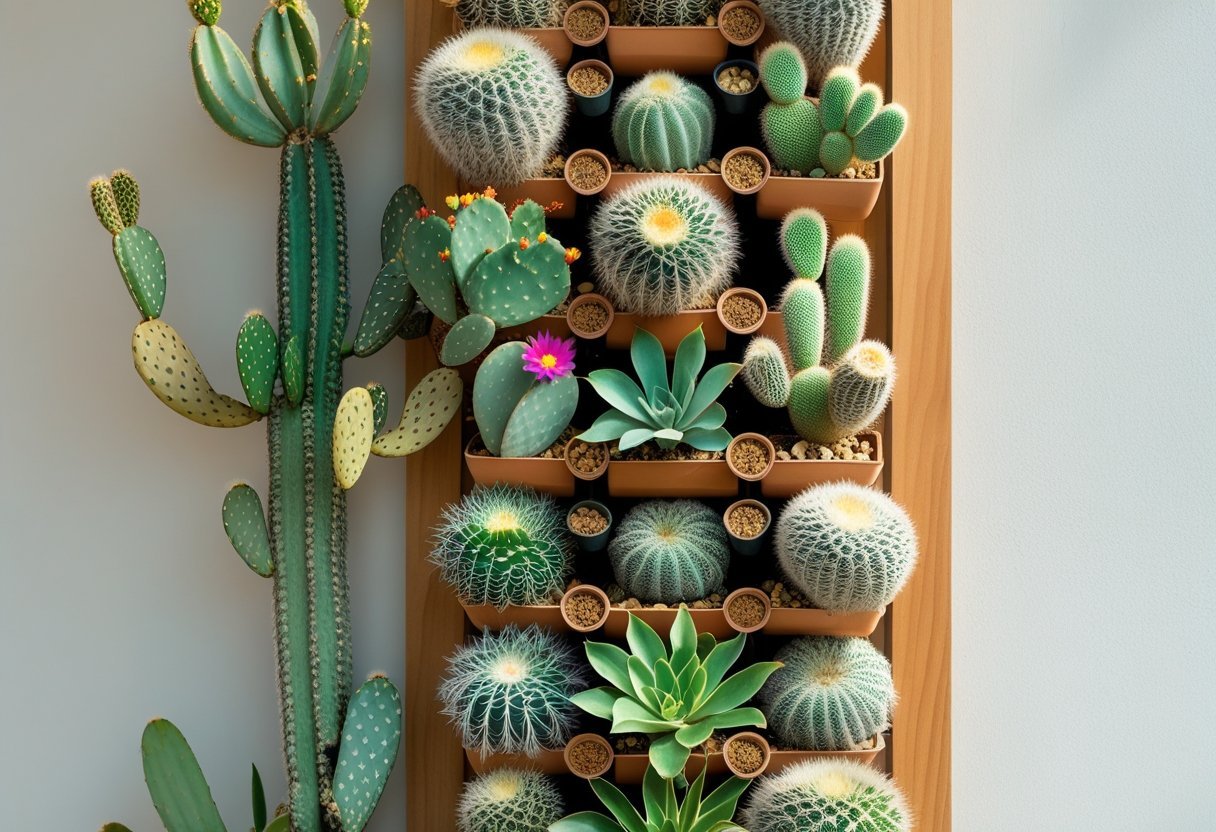
Living walls offer a stunning solution for shaded vertical spaces, creating dramatic green displays even in dim conditions. Install modular pocket systems or specialized panels designed to hold soil and plants securely against walls. Choose shade-tolerant species like ferns, heuchera, and tiarella that naturally grow in woodland understories. Boston ferns, bird’s nest ferns, and Japanese forest grass thrive in these vertical systems with minimal light requirements. Incorporate different leaf textures, sizes, and variegated patterns to create visual depth. For maintenance, install drip irrigation systems with timers to ensure consistent moisture without overwatering your living wall. Position these installations where they’ll receive morning light if possible, as this gentle illumination supports plant health without scorching delicate foliage.
Trellis Systems for Shade-Tolerant Climbers
Mount trellises on dim walls and fences to support climbing plants that flourish in low light conditions. Climbing hydrangea (Hydrangea anomala subsp. petiolaris) produces fragrant white flowers and can scale heights of 30-50 feet even in important shade. Virginia creeper offers spectacular autumn color transformations from green to brilliant crimson while requiring minimal sunlight. Install sturdy lattice panels, decorative metal frameworks, or repurposed materials like bamboo poles to provide climbing support. Position trellises with at least 2-3 inches of clearance from walls to allow air circulation and prevent moisture damage. Train your climbers by gently tying new growth to the support structure using garden twine or plant clips. Many shade-tolerant climbers develop slowly in their first year but accelerate growth dramatically once established, eventually creating living curtains of foliage that soften harsh architectural lines.
Ground Cover Options to Brighten Dark Garden Floors
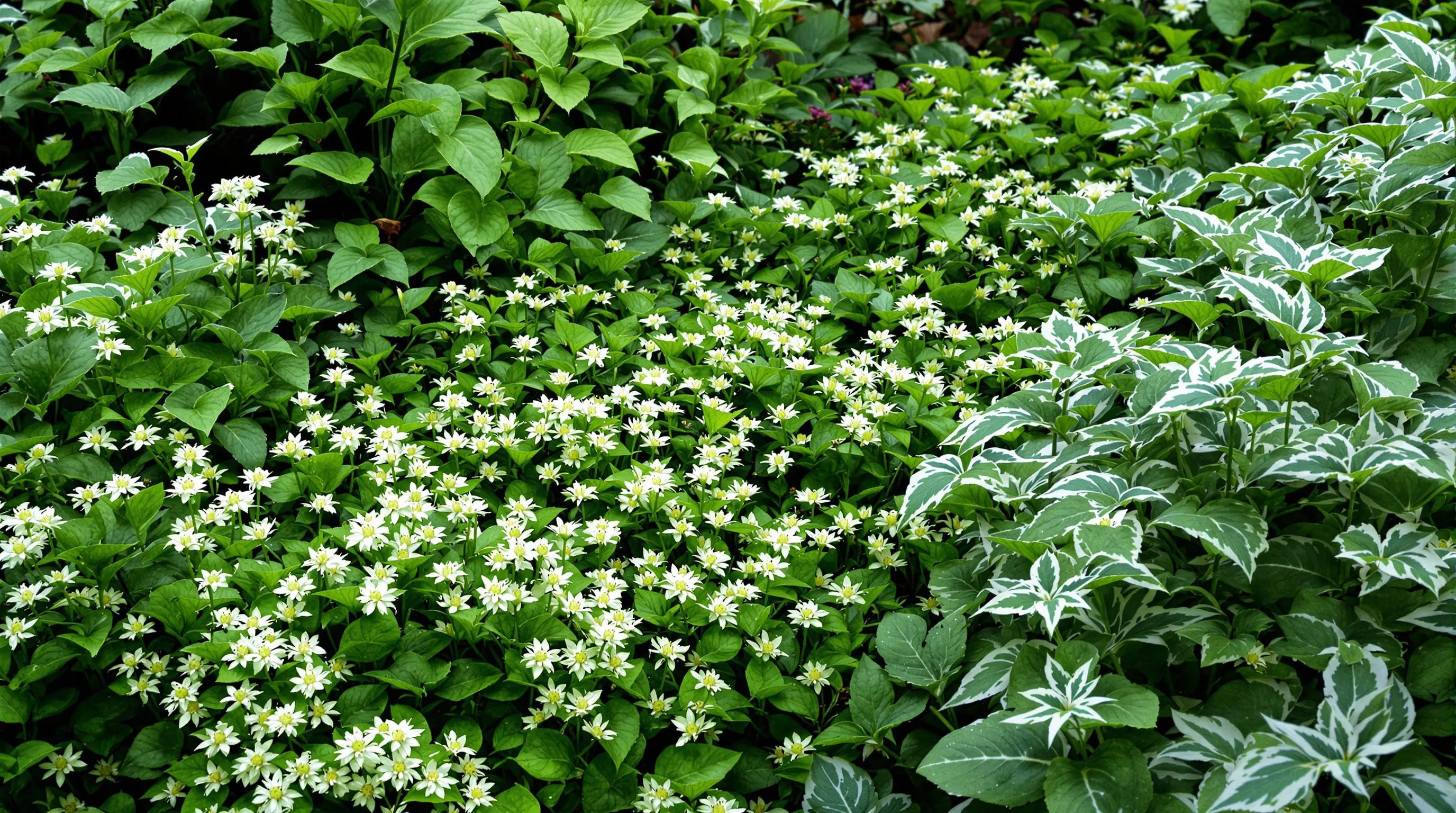
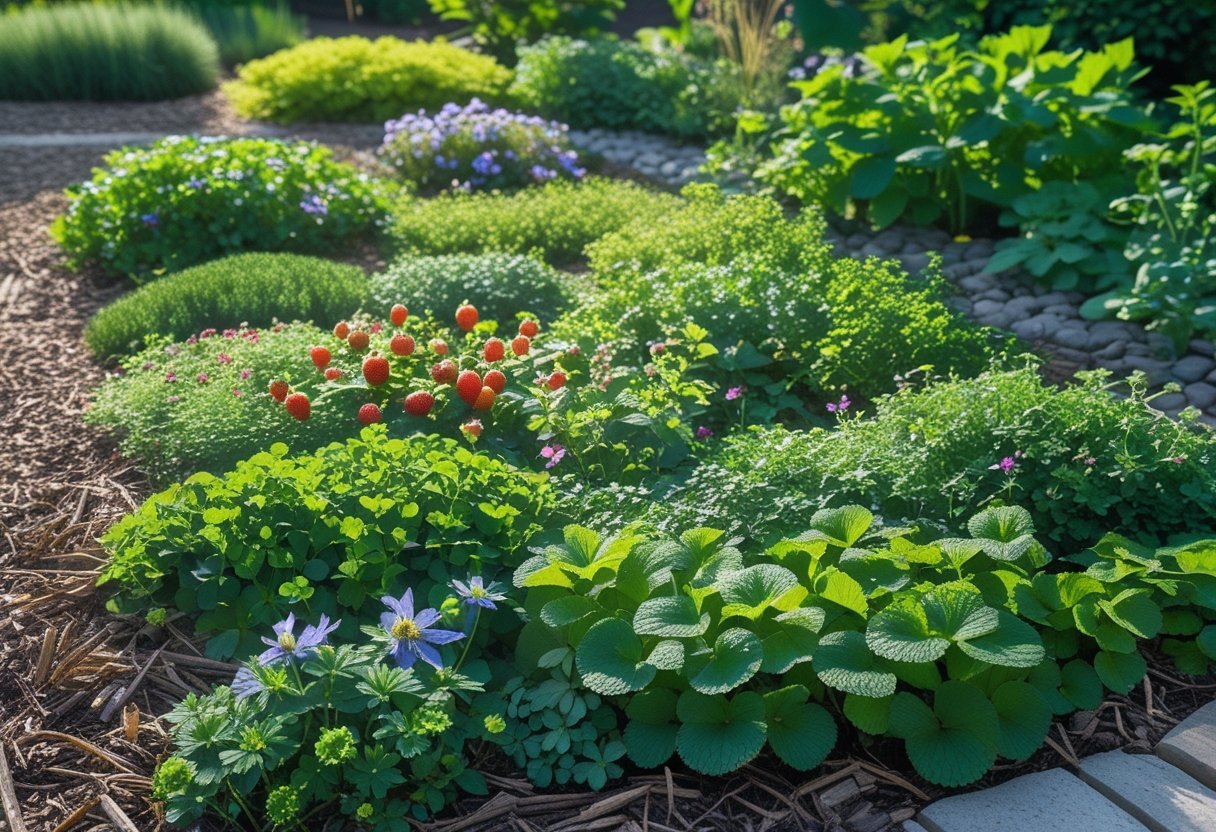
Transform the dark, bare soil in your shady garden with these eye-catching ground cover plants that thrive in low light conditions. Ground covers serve multiple purposes in a shade garden: they suppress weeds, prevent soil erosion, add visual interest, and create a lush carpet of greenery where grass struggles to grow. The best shade-tolerant ground covers offer vibrant foliage, delicate flowers, or interesting textures that can illuminate even the darkest corners of your garden. Consider planting sweet woodruff with its star-shaped white flowers and fragrant foliage, or Japanese pachysandra with its glossy evergreen leaves that form a dense mat. Lamium, also known as dead nettle, features silver-variegated leaves that seem to glow in dim light and produces purple, pink, or white flowers in spring. For a splash of color, try ajuga (bugleweed) with its purple-blue flower spikes and varieties with bronze, chocolate, or variegated foliage. Wild ginger offers heart-shaped leaves and unusual ground-level flowers, while creating a sophisticated woodland feel. These low-maintenance ground covers will fill in bare patches quickly, adding depth and brightness to your shaded garden floor without requiring the intense sunlight that many traditional garden plants demand.
Recommended Products
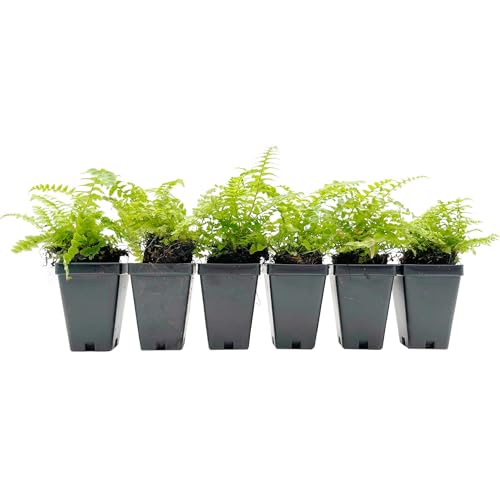
READY TO PLANT: Includes 6 Western Sword Fern (Polystichum munitum ‘Western Sword’) starter plants in 3.5″ cubes. Each plant is well-rooted and ready to thrive. Natural variations in size, color, or seasonal appearance may occur.
Shade-Loving Native Plant – Thrives in partial to full shade; ideal for woodland gardens and low-light areas.

READY TO PLANT: Includes 4 Western Sword Fern (Polystichum munitum ‘Western Sword’) starter plants in 3.5″ cubes. Each plant is well-rooted and ready to thrive. Natural variations in size, color, or seasonal appearance may occur.
Decorative Elements That Pop in Low Light Settings
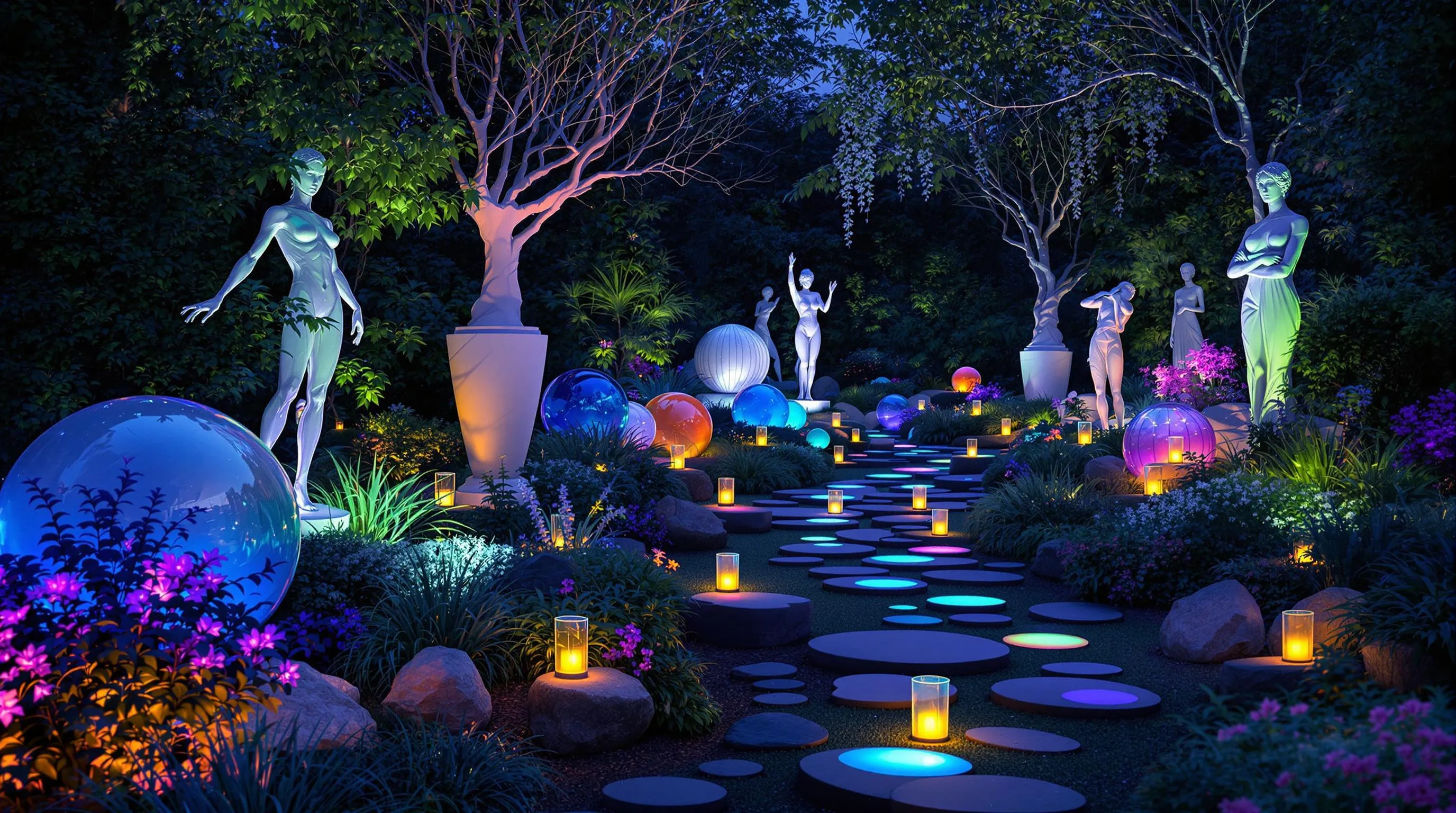
Strategic decorative accents can transform shadowy garden areas into eye-catching spaces with minimal effort. Reflective garden orbs capture and amplify even minimal light, creating shimmering focal points when placed among dark foliage. Consider incorporating white or light-colored garden sculptures that naturally stand out against shadowy backgrounds, or hang colorful glass lanterns from tree branches to add vibrant pops of color. Metallic wind chimes not only add delightful sound but also catch and reflect light when positioned where occasional sun rays filter through. Glow-in-the-dark stepping stones create magical pathways that charge during daylight hours and emit a soft glow at dusk. You’ll find that light-colored ceramic planters contrast beautifully with dark spaces, making plantings appear more prominent. For maximum impact, combine several elements but maintain restraint—in low light settings, a few well-chosen decorative pieces often create more drama than an abundance of competing accents.
Recommended Products

Flower Size: Features exceptionally large blooms up to 4 inches across; Giant flowers create impressive visual impact in the garden; Mixed colors include vibrant purples, yellows, oranges and striking bicolors

BEAUTIFUL MIXED COLOR FLOWERS – Lenten Rose plants produce elegant blooms in an assortment of colors that may include pink, purple, burgundy, white, cream, green and beautifully speckled or blended combinations.
BEAUTIFUL MIXED COLOR FLOWERS – Lenten Rose plants produce elegant blooms in an assortment of colors that may include pink, purple, burgundy, white, cream, green and beautifully speckled or blended combinations.
Seasonal Planning for Year-Round Interest in Shaded Gardens
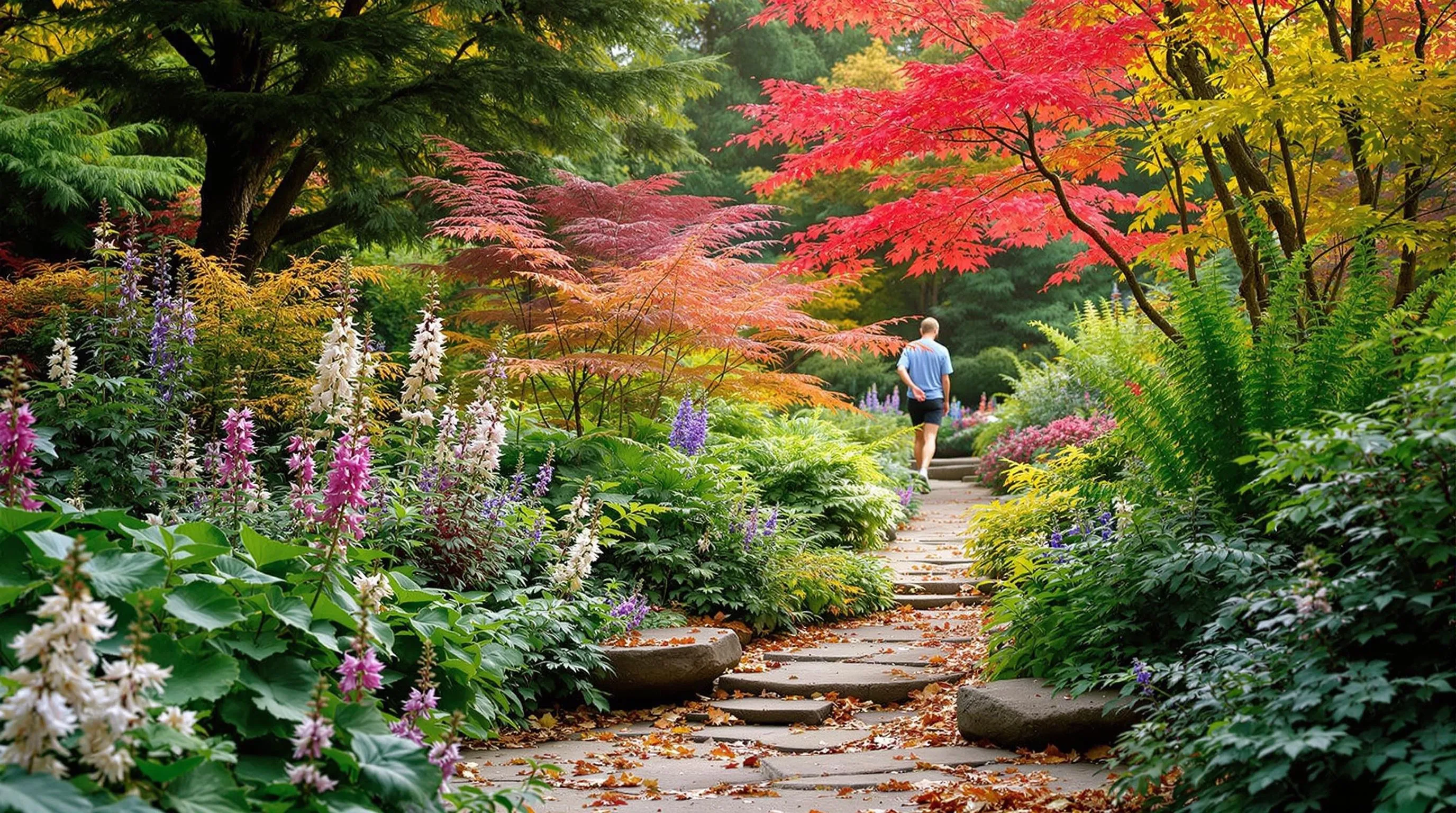
Shaded gardens offer unique opportunities for year-round interest when planned strategically across seasons. Start by mapping your garden’s shade patterns through each season, as winter’s bare trees may allow more light than summer’s full canopy. For spring, incorporate early bloomers like hellebores and pulmonaria that flower before trees leaf out. Summer shade gardens shine with hostas, astilbe, and hydrangeas that provide lush textures and subtle blooms. Plan for autumn by including Japanese maples and tiarella for striking fall color. Winter interest comes from evergreen ferns, hellebores, and structural elements like ornamental bark on coral bark maples. Layer your planting by combining spring ephemerals with summer perennials and fall-peaking plants in the same beds to ensure continuous visual appeal. Add weather-resistant garden art, ornamental grasses that catch winter light, and berried plants like winterberry holly to maintain charm during dormant months. By thinking seasonally, your low-light garden will offer captivating scenes throughout the year rather than just shining during one season.
Recommended Products


Thrives in USDA zones 3-8

It is fully rooted in the soil and can be planted immediately upon arrival, weather permitting. Planting and how-to-care instructions will arrive with shipment.
Troubleshooting Common Issues in Low Light Garden Spaces
Your low light garden can become a lush oasis with the right approach. Don’t be discouraged by challenges that arise—they’re simply opportunities to refine your shade gardening skills.
Remember that even shade-loving plants need some indirect light to thrive. If you notice leggy growth or poor flowering try pruning nearby trees to allow dappled sunlight to filter through.
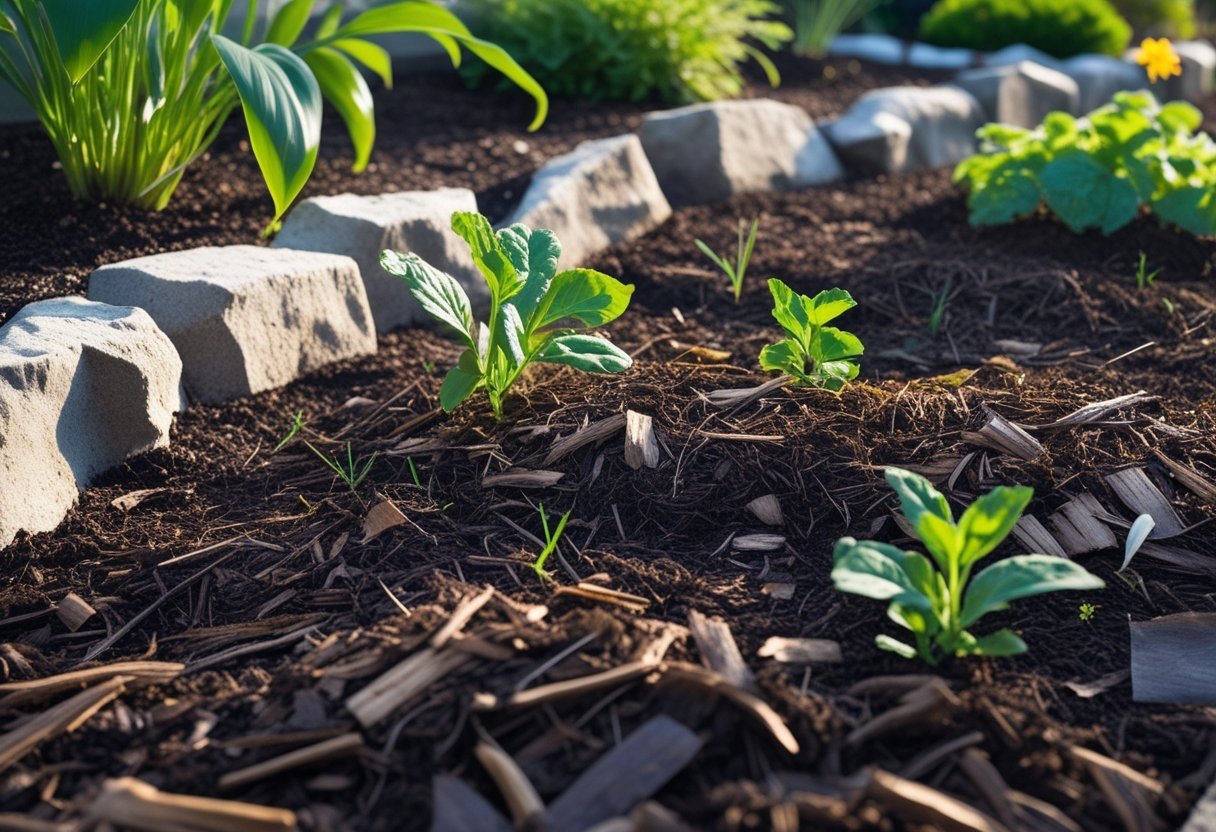
Moisture management is crucial in shaded areas where evaporation happens more slowly. Improve drainage with organic matter and monitor watering carefully to prevent fungal issues.
With thoughtful plant selection creative lighting and strategic design elements your shaded space will evolve into a captivating retreat that rivals any sun-drenched garden. The peaceful ambiance of your low light garden will become your favorite outdoor sanctuary.
Recommended Products

Timber press or

READY TO PLANT: Includes 2 Western Sword Fern (Polystichum munitum ‘Western Sword’) starter plants in 3.5″ cubes. Each plant is well-rooted and ready to thrive. Natural variations in size, color, or seasonal appearance may occur.

Used Book in Good Condition