
Want to know if your soil is giving your plants what they need to grow well? Testing your soil at home is easier than you might think, and you don’t need special equipment or a big budget to do it.
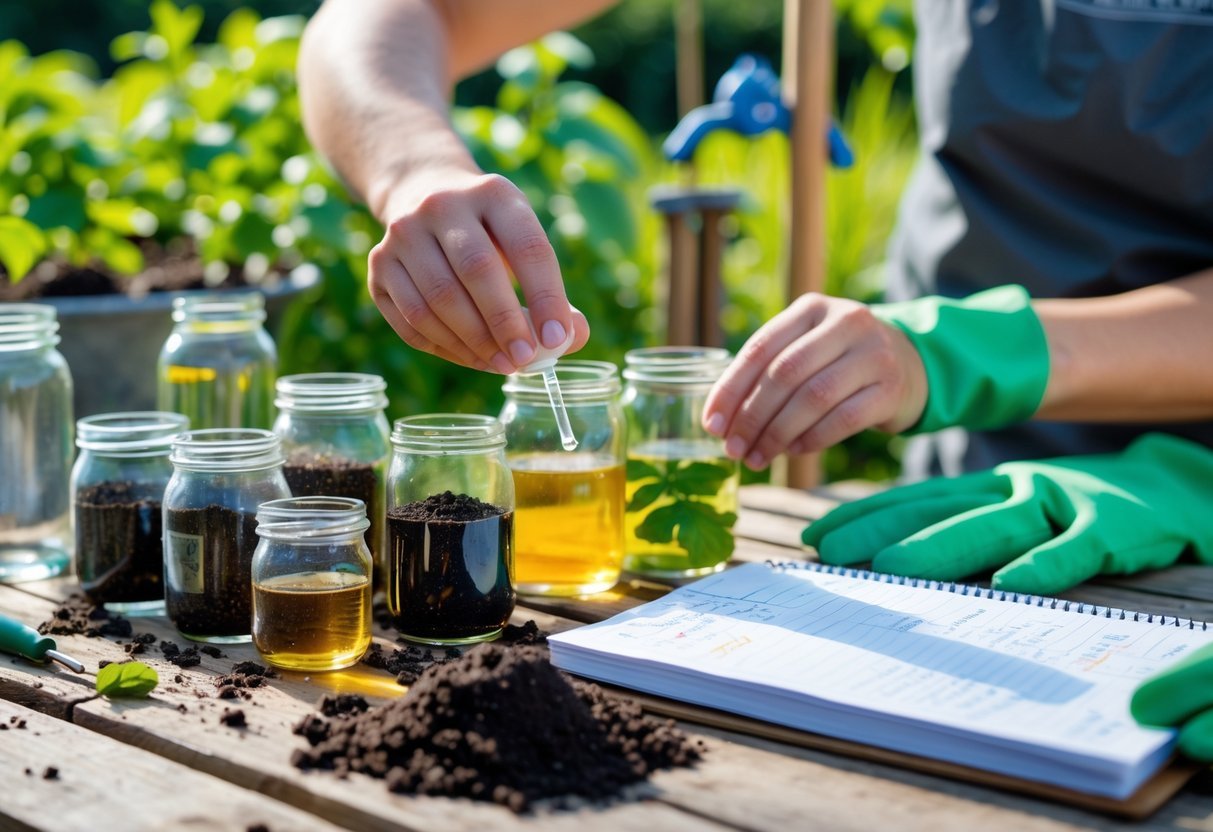
Simple DIY soil testing methods can show you important details about your garden’s soil, helping you make better choices for healthier plants. These easy tests let you understand your soil’s condition with everyday items.
1. Soil Texture Test Using a Jar
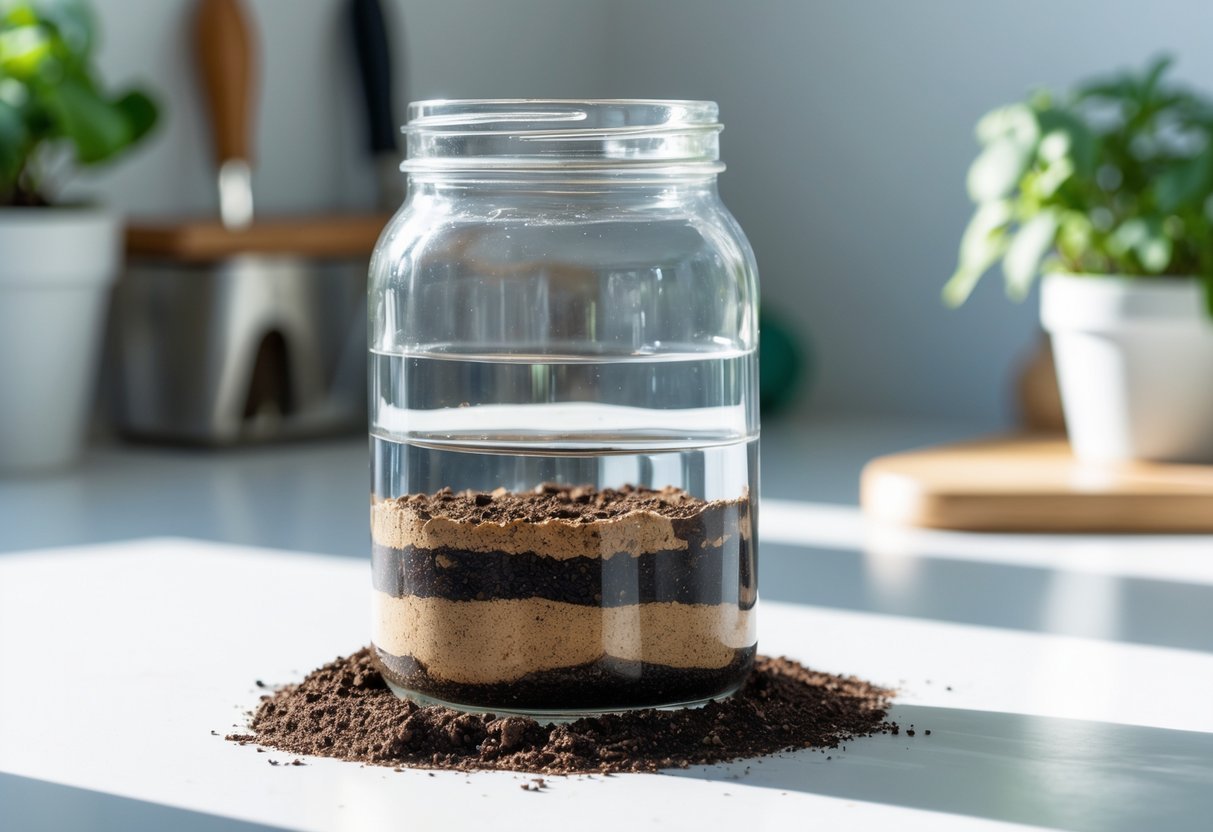
You can check your soil’s texture by mixing soil and water in a clear jar. Shake the jar well, then let it sit for a day. After 24 hours, you will see layers forming that show sand, silt, and clay. This helps you understand how well your soil holds water and nutrients for plants.
Recommended Products
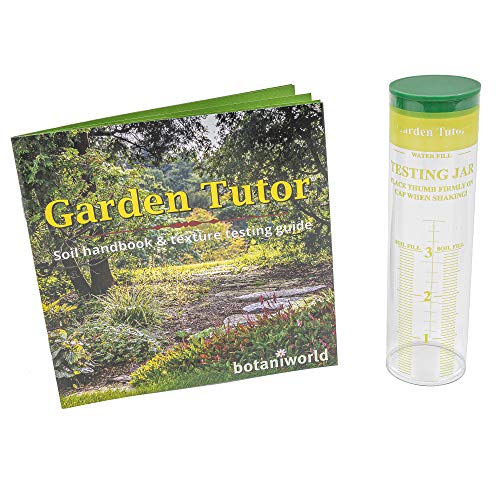
Simple and Accurate: A simple and effective way to accurately understand what type of soil you have

Quick, at home results for Soil pH, Nitrogen, Phosphorous and Potash Innovative and inexpensive soil test kit features an easy-to-use capsule system and patented color comparators

KNOW BEFORE YOU GROW | Grow the healthiest, sustainable lawn and garden with the most accurate and easy to use professional soil test kit on the market
2. Checking Soil Acidity with Vinegar and Baking Soda
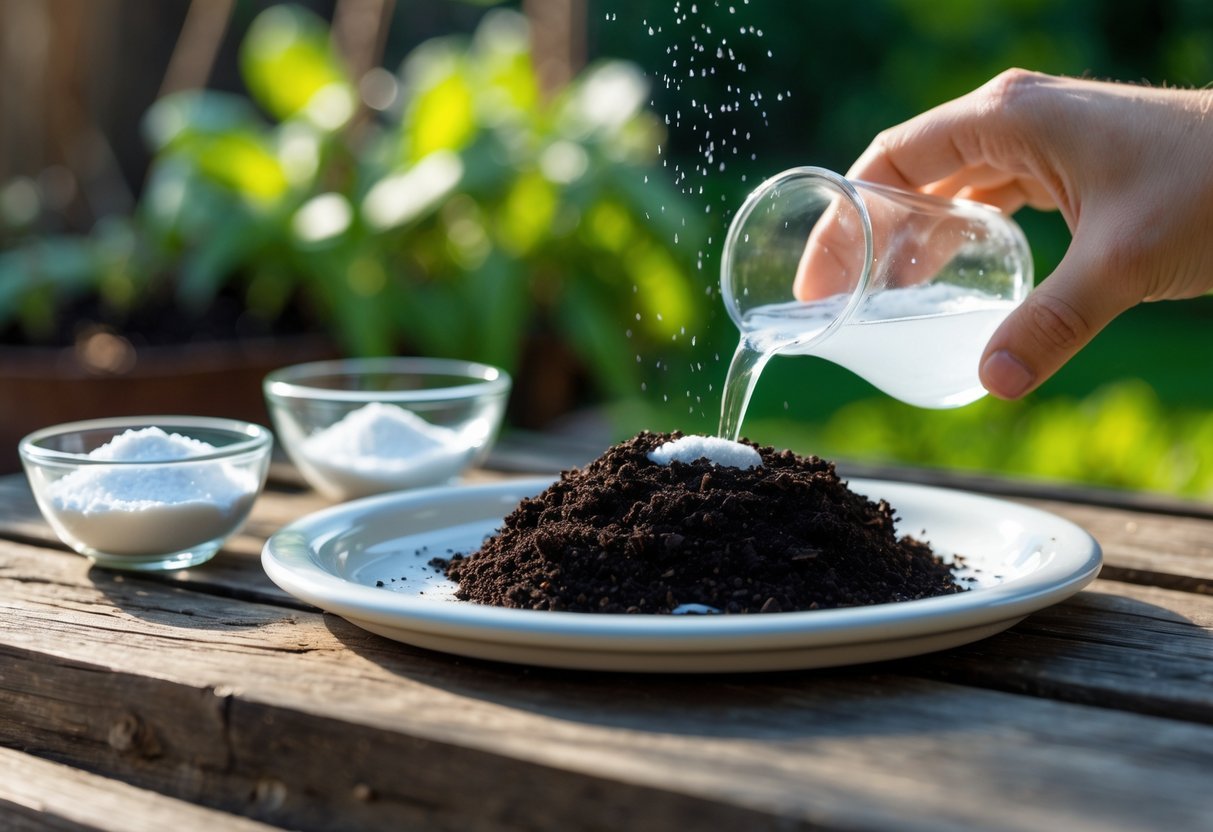
You can quickly check if your soil is acidic or alkaline using simple kitchen ingredients. Put some soil in two cups. Add vinegar to one cup—if you see bubbles, your soil leans alkaline. In the other cup, mix baking soda with the soil—fizz means the soil is acidic. This test helps you understand your soil’s pH, which affects plant nutrients.
Recommended Products

★ Designed for kombucha: Pre and post first ferment (1F)

Accurate Soil pH Testing: Dewildetradingco Soil pH Test Strips offer measurements of soil pH levels (pH 3.5-9). As an essential tool for every gardener and grower, these test strips help determine the optimal pH for various plants, such as outdoor plants, indoor plants, gardens, grass lawns, fruit trees, flowers, vegetables, and forest shrubs.
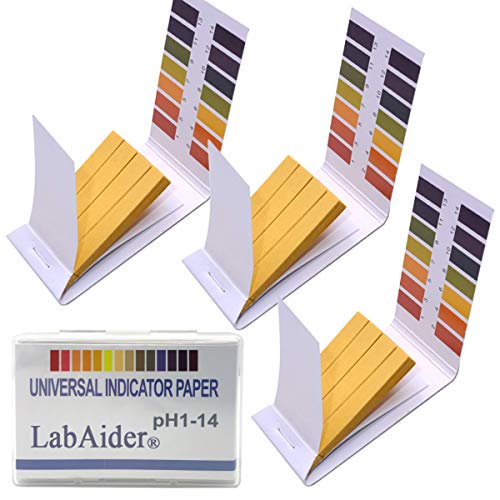
Paper Size: 45mm x 7mm (L x W), Comes with 3 Pack(240 pH Strips) and 1 Storage Case.
3. Checking How Well Water Moves Through Soil
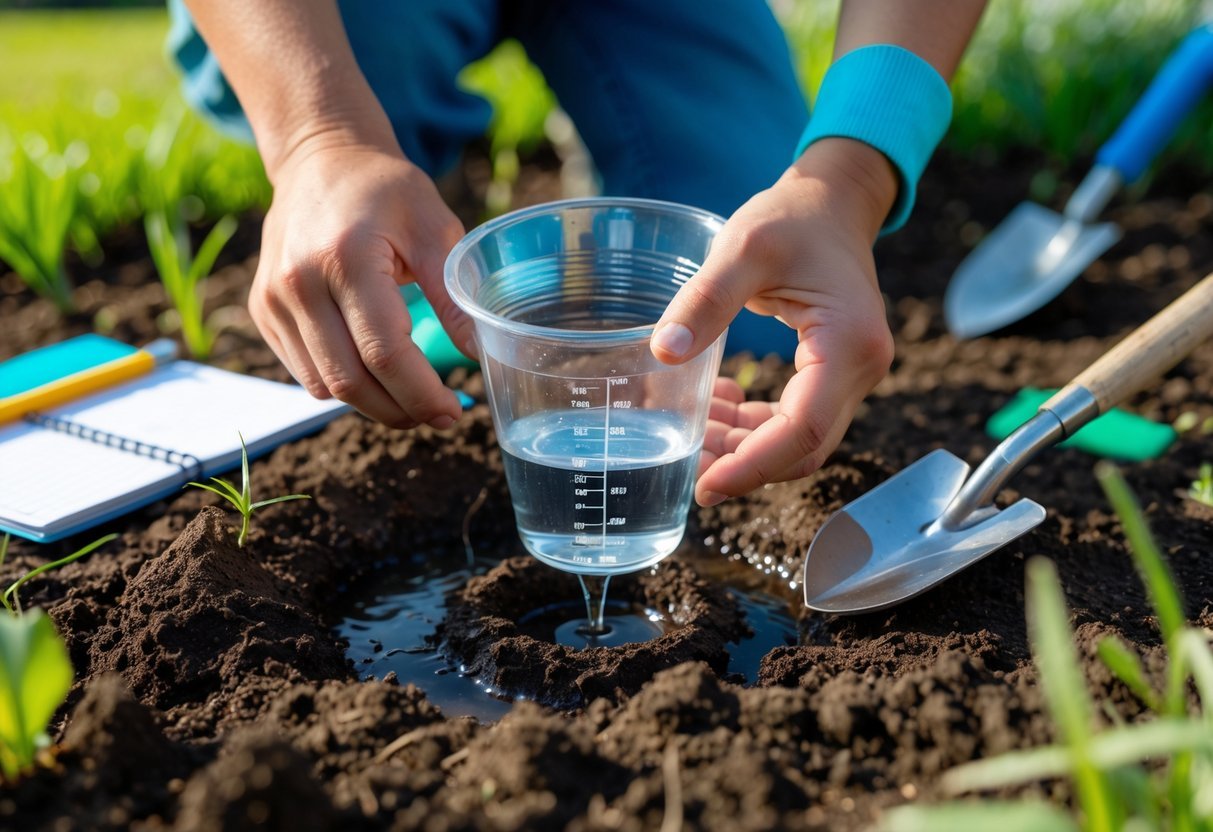
To test soil drainage, dig a hole and fill it with water. Watch how long the water takes to go away. If it drains quickly, your soil lets roots breathe and prevents rot. Slow drainage means you might need to add compost or sand. Knowing this helps you pick the right plants and improve your garden’s soil.
Recommended Products

【4 in 1 function】This is a 4-in-1 multifunctional soil tester.Our soil tester fastly to measure soil moisture, pH, temperature and sunlight to help you take better care of flowers and plants.You can know when you need to water your soil by measuring moisture and pH & Temperature value of the soil and sunlight level of plants with it.

Kindly NOTE: This soil tester can not be applied to test pH value of any other liquid. If the soil is too dry the indicator will not move, and water it before testing.

3-in-1 Soil Tester: This meter can test soil moisture, light and pH value; You can switch modes with one button; It makes gardening and plantng more efficient
4. Checking Soil Health by Counting Earthworms
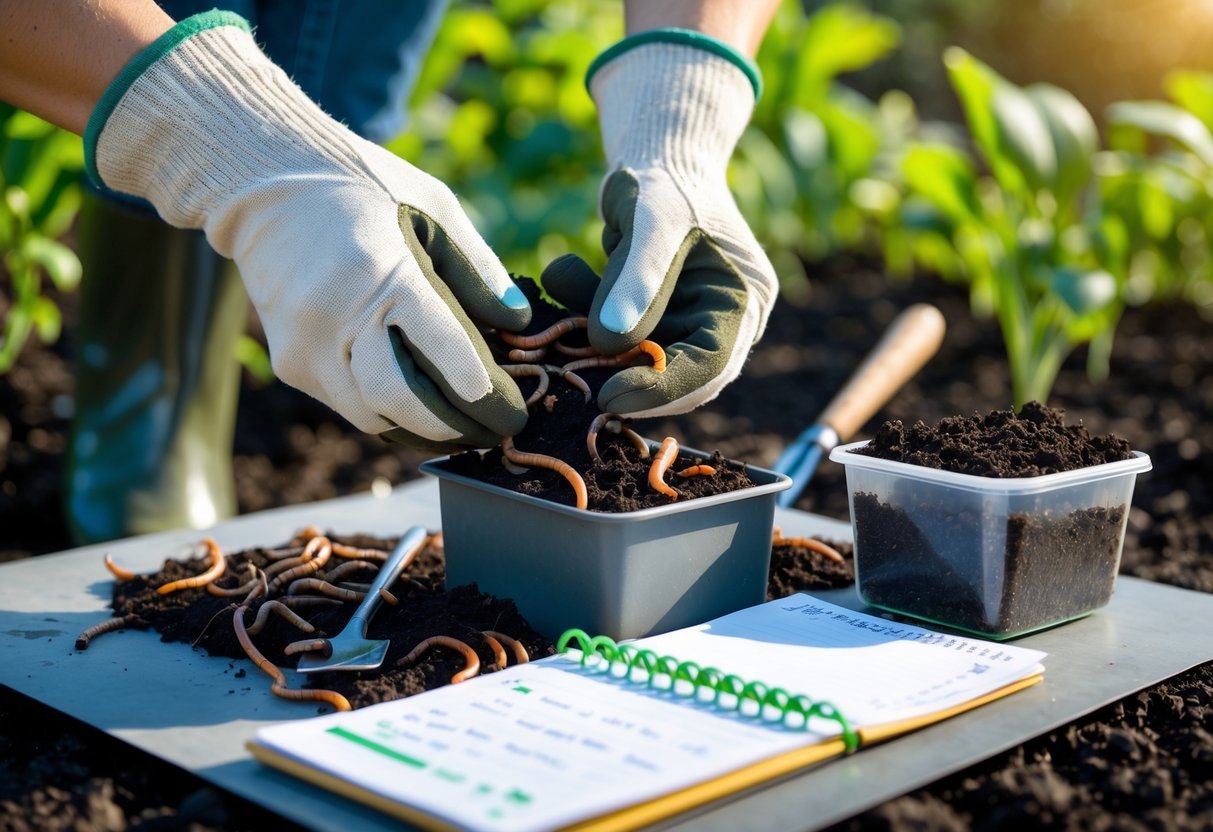
To test your soil, dig up a square foot of moist dirt and count the earthworms you find. These worms show that your soil is rich in nutrients and has good air flow. Finding many earthworms usually means your soil is healthy and supports plants well. If you see fewer worms, your soil might need more care or organic matter.
Recommended Products

High-Microbial Organic Boost: Contains 100% organic, pure earthworm castings which encourage high microbial levels to replenish your soil and encourage beneficial soil biology.

2X MORE VALUE: 16 oz of our organic worm castings makes 32 gallons of fertilizer. The 32 oz bottle makes 64 gallons, while the 1-gallon size creates 256 gallons at the standard application rate. Castings

PREMIUM GARDEN SOIL: Specially formulated for healthy plant growth. Ideal for use as bulk garden soil in raised beds, containers, and outdoor gardens.
5. Check Soil Hardness Using a Wire or Rod
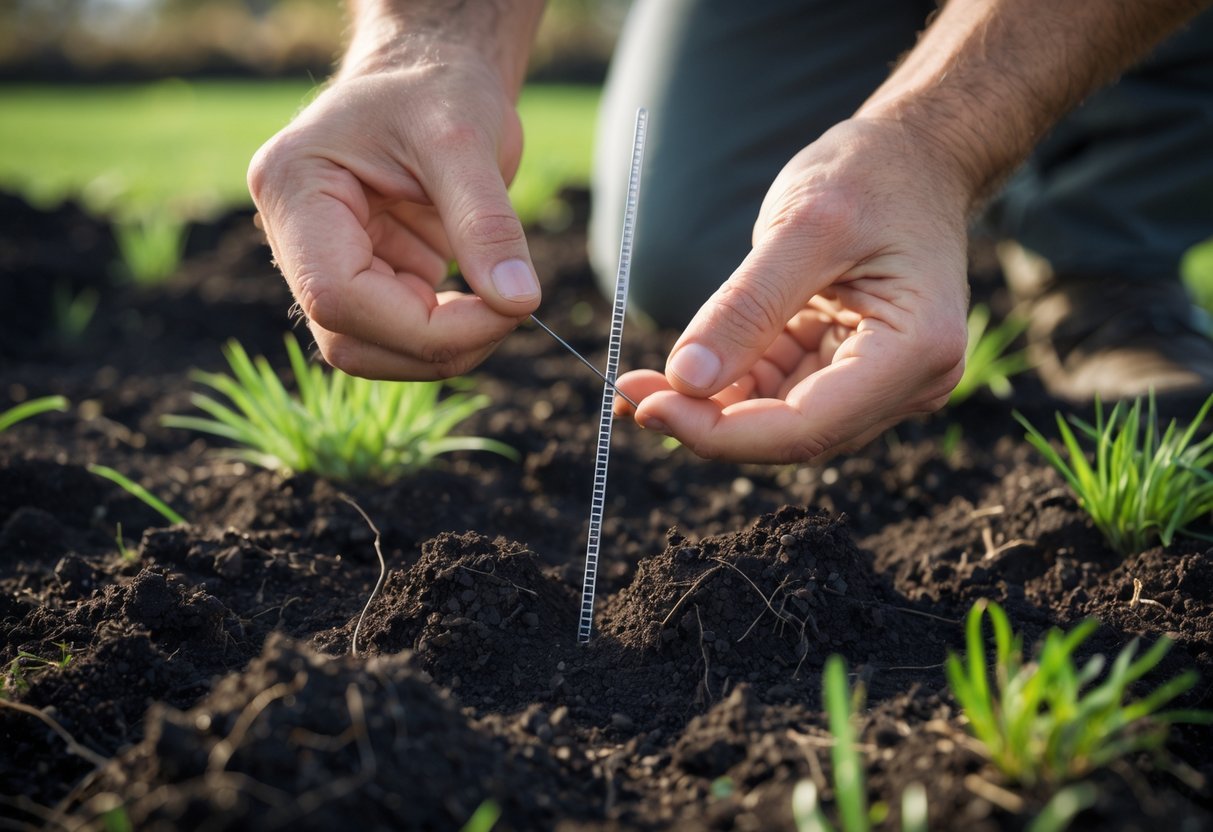
You can test soil firmness by pushing a wire or rod straight down. If you feel strong resistance, the soil is likely compacted. Compact soil stops water and roots from moving easily. Finding these spots lets you improve soil air flow and root space.
Recommended Products

Sharp Tip: The soil probe has a sharp tip that can easily penetrate hard ground with a gentle force.
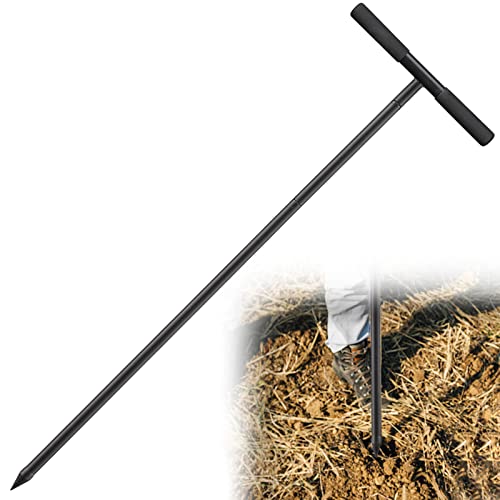
Sharp Tip allow the soil probe penetrate hard soil deeper like butter and even frozen ground with just a push,much easier and more convenient for you

stainless steel-Built from high-strength stainless steel, this heavy-duty soil test probe won't bend or break . It tackles hard, rocky soil with confidence, making it a reliable septic tank locator tool that lasts for years of use.
6. Ribbon Method to Identify Soil Texture
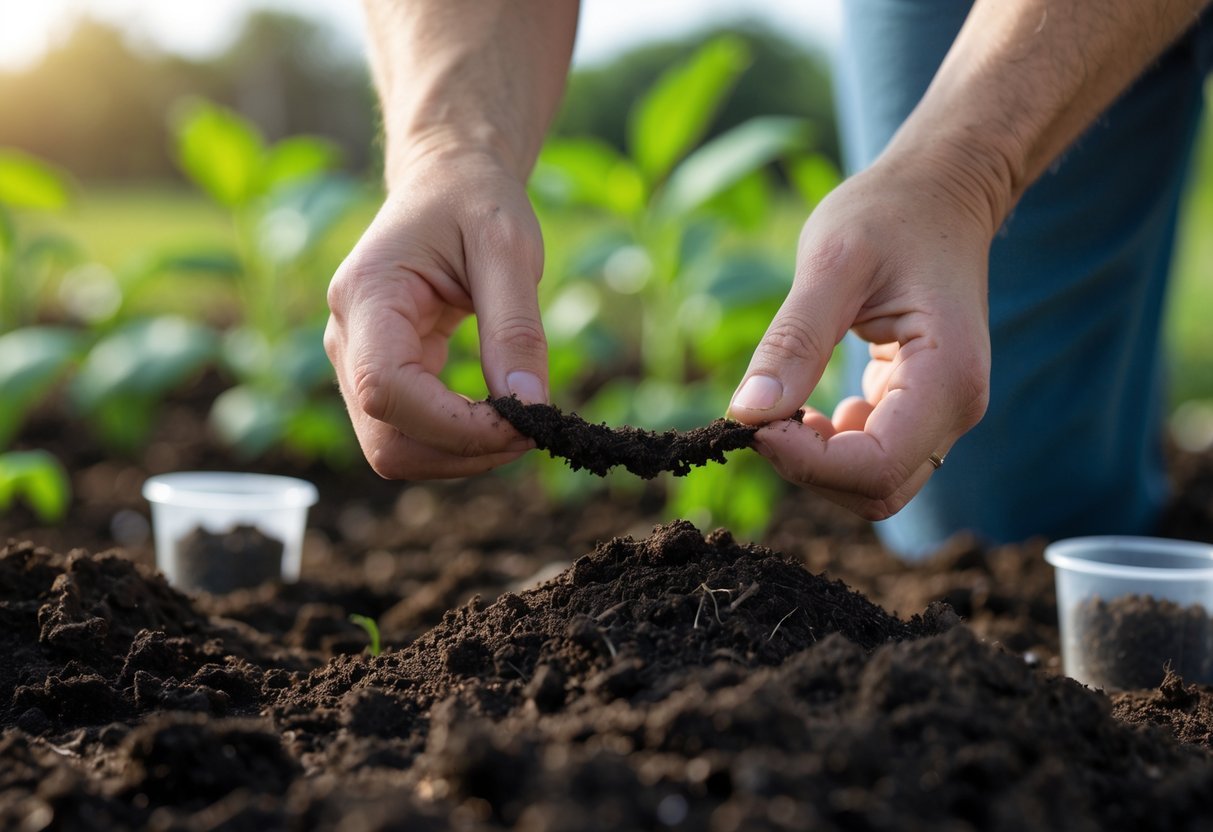
To try this test, moisten some soil and press it between your fingers. Then, roll it into a thin strip or ribbon. The longer and smoother the ribbon, the more clay your soil contains. Short or crumbly ribbons usually mean sandy soil. This helps you know how your soil holds water.
Recommended Products

Quick, at home results for Soil pH, Nitrogen, Phosphrous and Potash
ENSURE the most SUCCESSFUL food plot possible

【FAST & ACCURATE SOIL pH TESTING】:Quickly measure soil pH from 3.5-9.0 to understand your soil condition before planting or fertilizing. Ideal soil pH test kit for lawns, vegetable gardens, flowers, fruits and indoor plants
7. Checking Soil by Its Smell
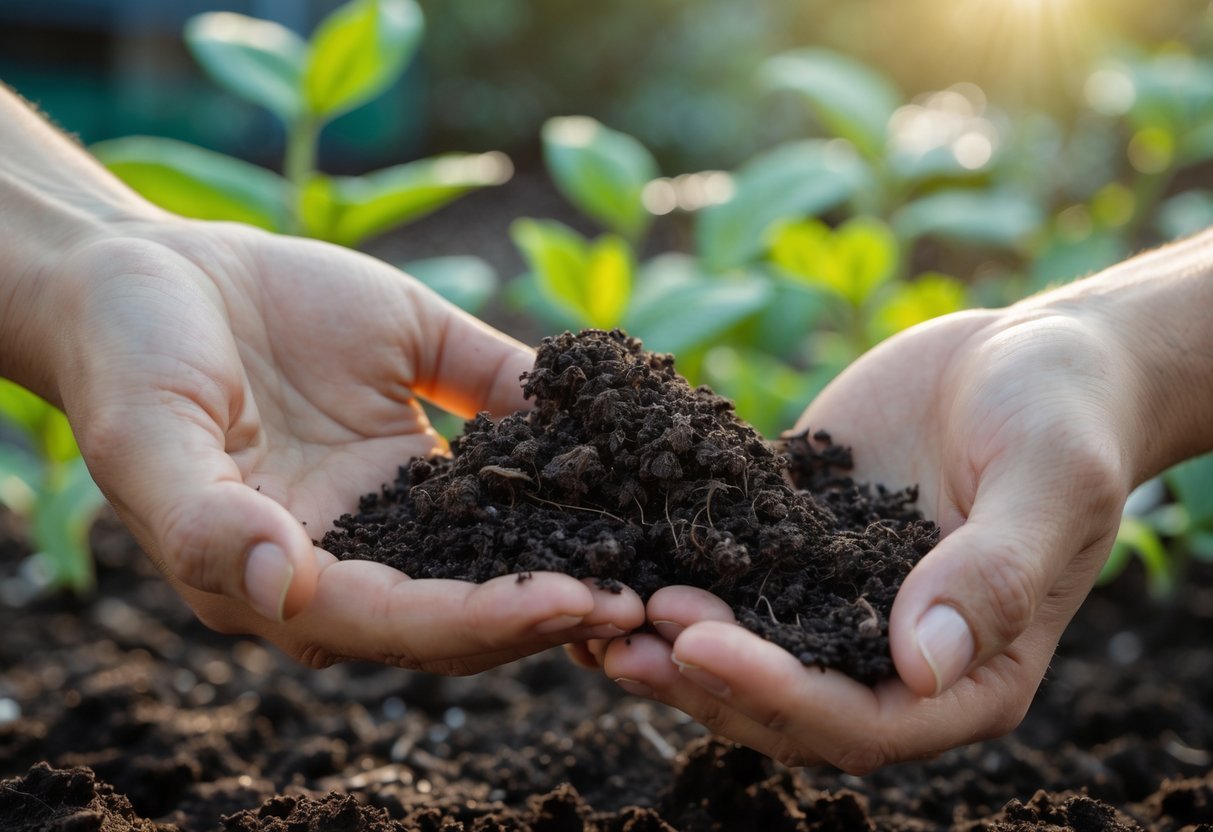
You can use your nose to tell if your soil is healthy. Fresh, earthy smells usually mean good soil life. If the soil smells sour or like chemicals, it may have poor microbes or be polluted. This simple test helps you quickly understand your garden’s soil condition.
Recommended Products

How to Accurately Test Garden's Soil pH? Many growers do not able to use the correct tools and methods to obtain accurate soil ph values; NewTest soil ph test kit includes upgraded soil ph test strips, measuring cylinders, and instructions for professional testing methods; it allows even beginners to easily and accurately obtain soil ph values

Designed by home brewer: Instantly and accurately test the pH of kombucha, beer, wine, mead, vinegar, or any other liquid in the 0-6 pH spectrum.

150 STRIPS SOIL pH TESTS STRIPS : This Soil pH test kit contains 150counts test strips (3–9 Range)
8. Homemade Nitrate Detection with Red Cabbage
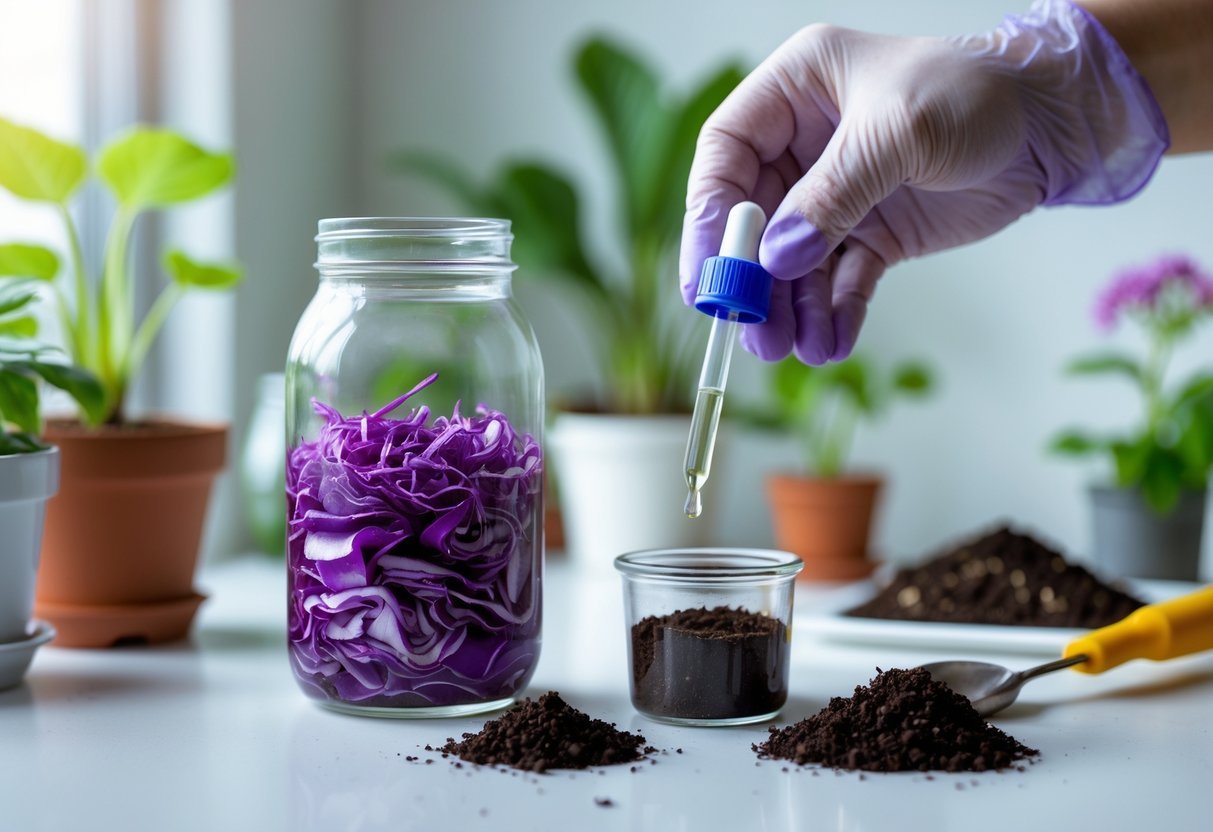
You can check nitrate levels in your soil using juice from boiled red cabbage. This natural test changes color depending on nutrient content and soil acidity. Simply boil the cabbage, strain the juice, and pour it onto a soil sample. Watch for color changes to see if your soil has enough nitrogen for healthy plants.
Recommended Products

Scientific maintenance: The 7 in one soil testing kit is more suitable for beginners, and can help you comprehensively understand the soil conditions of gardens and lawns, solving your confusion. You can adjust soil moisture and pH according to the values, and you can also clearly see the air temperature and humidity as well as soil temperature through the LCD display to improve plant growing conditions in time and scientifically nurture seedlings to help you make your plants flourish

2-in-1 Soil Moisture Meter & Soil pH Meter: Designed for beginners, upgraded testing structure, a creative Dual-Dial design, can meet your different needs. Simply unbox and use. This soil meter takes the guesswork out of taking care of your plants and elevates your planting experience to the next level. Helps you to plant lush and healthy house plants.
9. Test Soil pH Using Purple Cabbage Juice
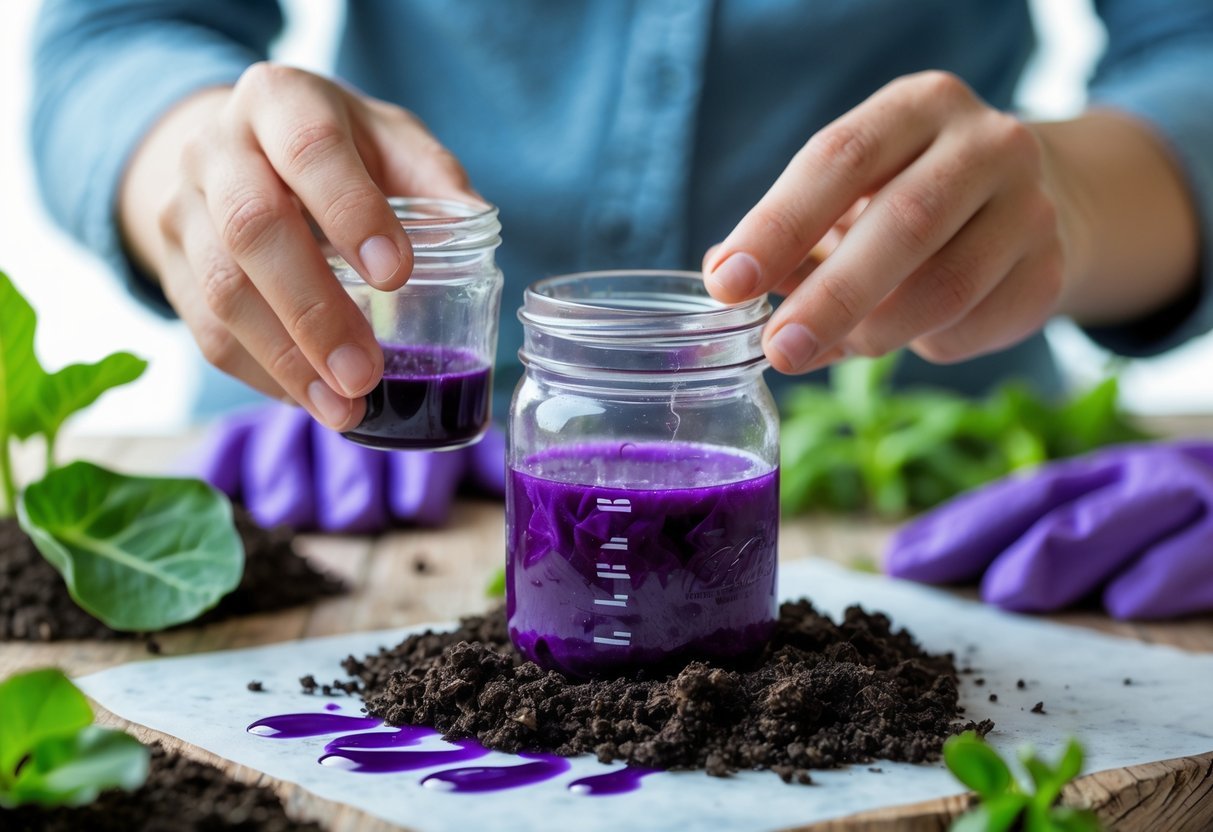
You can check your soil’s pH by using purple cabbage juice as a natural indicator. When you mix the juice with soil, the color changes show the pH level. Red means acidic, purple means neutral, and green means alkaline. This helps you decide if you should add lime or sulfur.
Recommended Products

✅Mikey's Worm Poop : is an all-natural vermicompost offering a unique and organic solution to soil enhancement.

NATURAL PLANT BOOSTER: 100% organic worm castings packed with beneficial microbes and nutrients that improve soil health and promote vigorous plant growth.

Natural Soil Conditioner for Healthier Plants: Heirloom Worm Castings are a 100% natural soil amendment rich in beneficial nutrients that improve overall soil quality and plant performance
10. Simple Test for Soil Microbe Activity Using Bread or Oatmeal
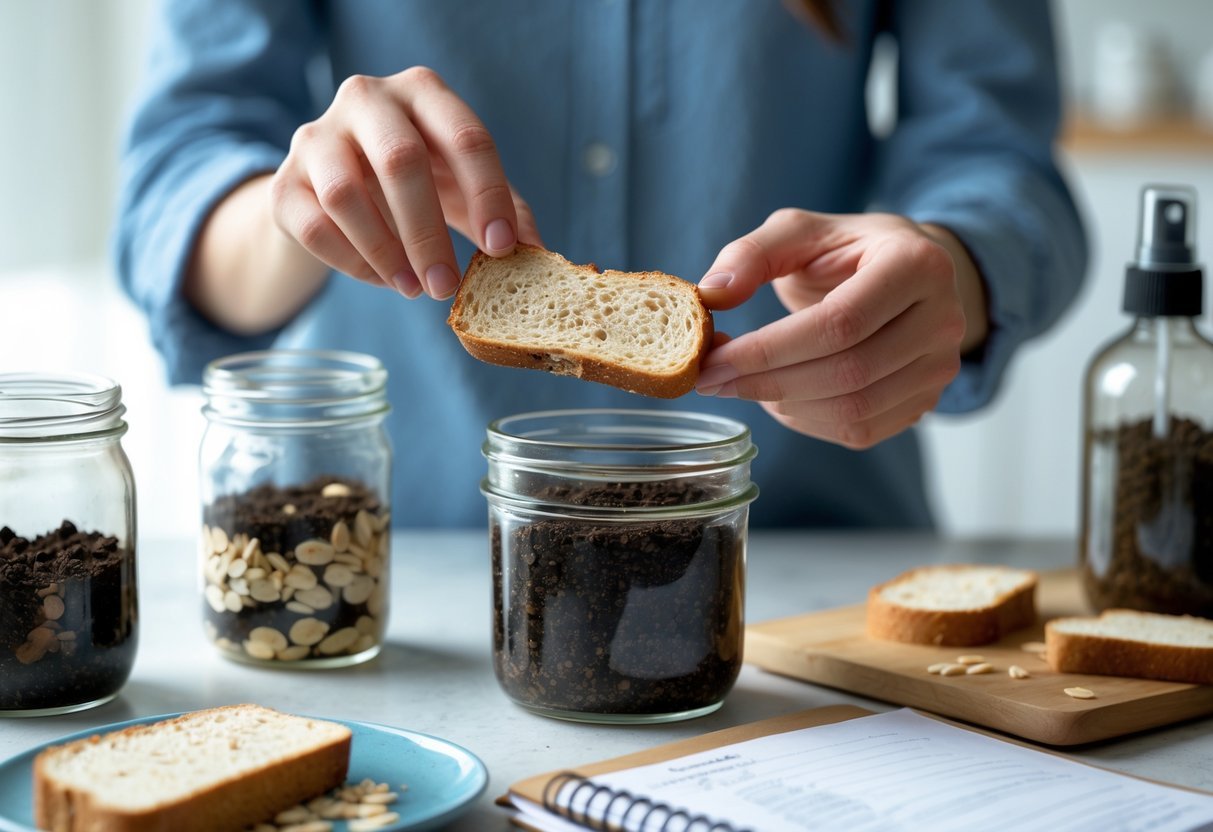
Place a small piece of bread or some oatmeal directly in your soil. After a few days, check for signs like mold or breakdown of the material. This shows that useful microbes are active, helping your soil stay healthy and support plant growth.
Recommended Products

【STOP GUESSING—WATER WITH CONFIDENCE】Know exactly when your plants need water. The EDGEVEIL soil moisture meter for plants shows real-time moisture levels and flashes a clear low-moisture alert, helping reduce overwatering, underwatering, root rot, yellow leaves, and unnecessary plant stress. Give every plant the right care at the right time

Adjustable: Our T-handle soil probe consists of 4 sections, each 16 inch long, you can increase or decrease the sections to the appropriate size, which can be adjusted to 32 inch, 48 inch, or 64 inch.

Designed for Detailed Soil Analysis: improve your soil's health with our stainless steel soil sample probe, crafted to meet your sampling needs; About 14 inches/ 35 cm length ensures you can take deep soil samples, while the pointed headed design easily penetrates the surface for sample extraction, with 1 plastic protective cap of 2.2 inches/ 5.5 cm; The handle features an about 1.18 inches/ 3 cm diameter ball for comfortable grip and hollow spaces at the bottom make sample retrieval effortless
11. Simple Way to Check Soil Warmth
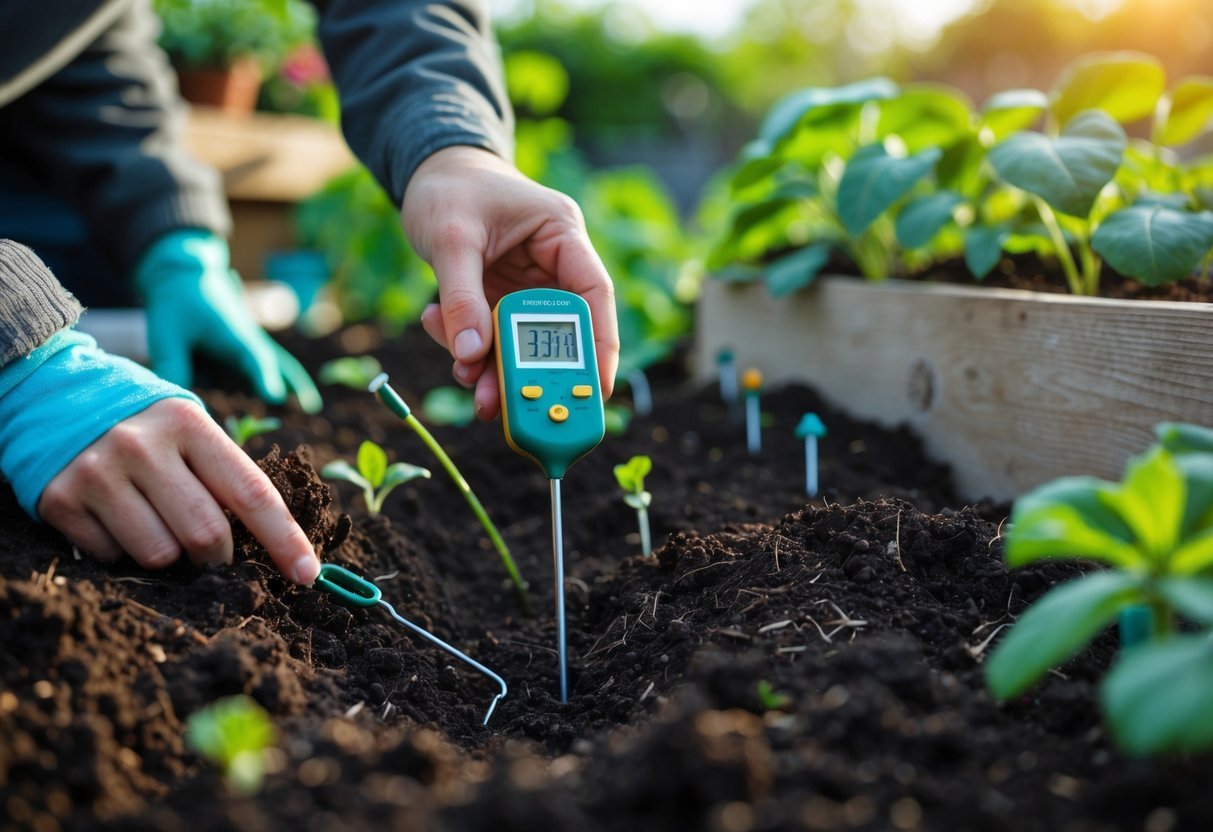
You can use a regular thermometer to measure the soil temperature before planting. Seeds need a certain warmth to start growing, so checking temperature helps you pick the best time. Keeping track of heat helps avoid planting too early and improves your garden’s success.
12. Checking Water Drainage in Raised Beds
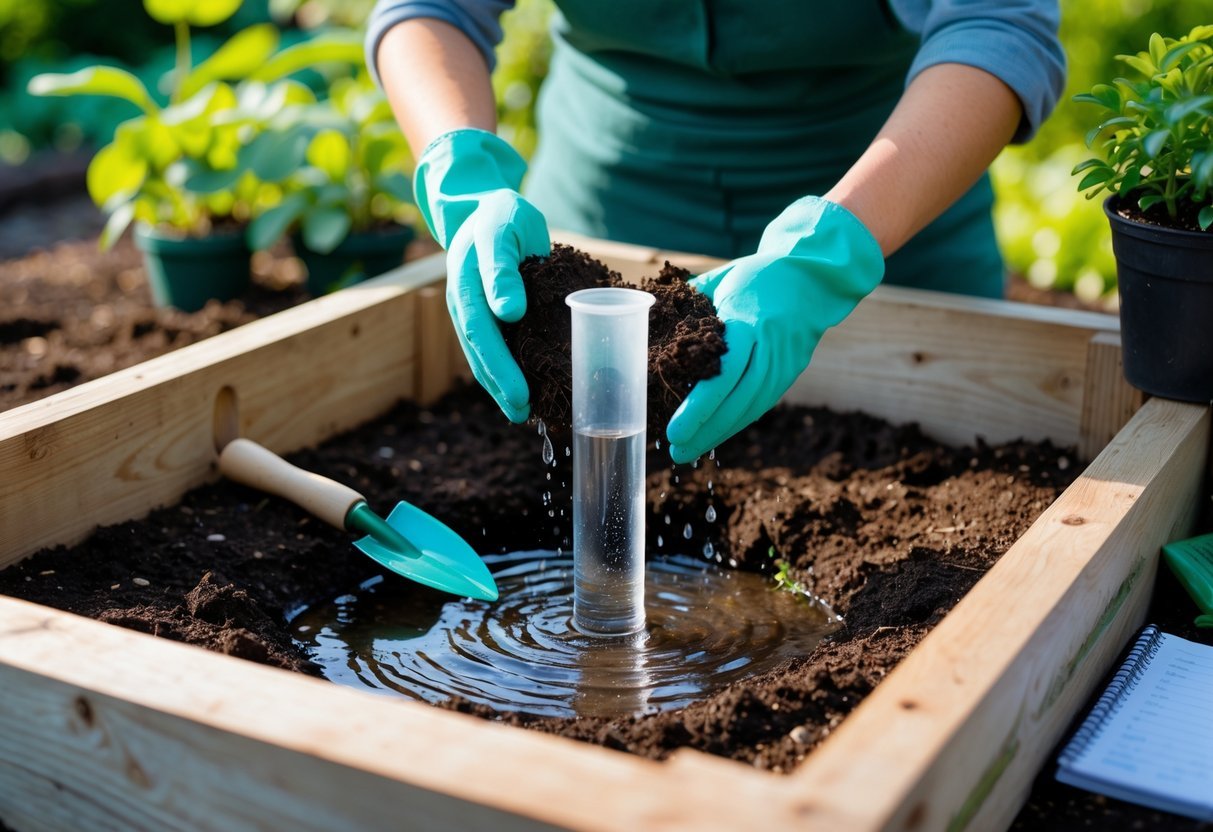
To test water drainage in your raised bed, dig a small hole and fill it with water. Measure how long it takes for the water to drain completely. If water drains too quickly or too slowly, you can adjust your soil mix to improve moisture balance. This simple test helps ensure your plants get the right amount of water.
13. Checking Soil Salt Levels with a Multimeter
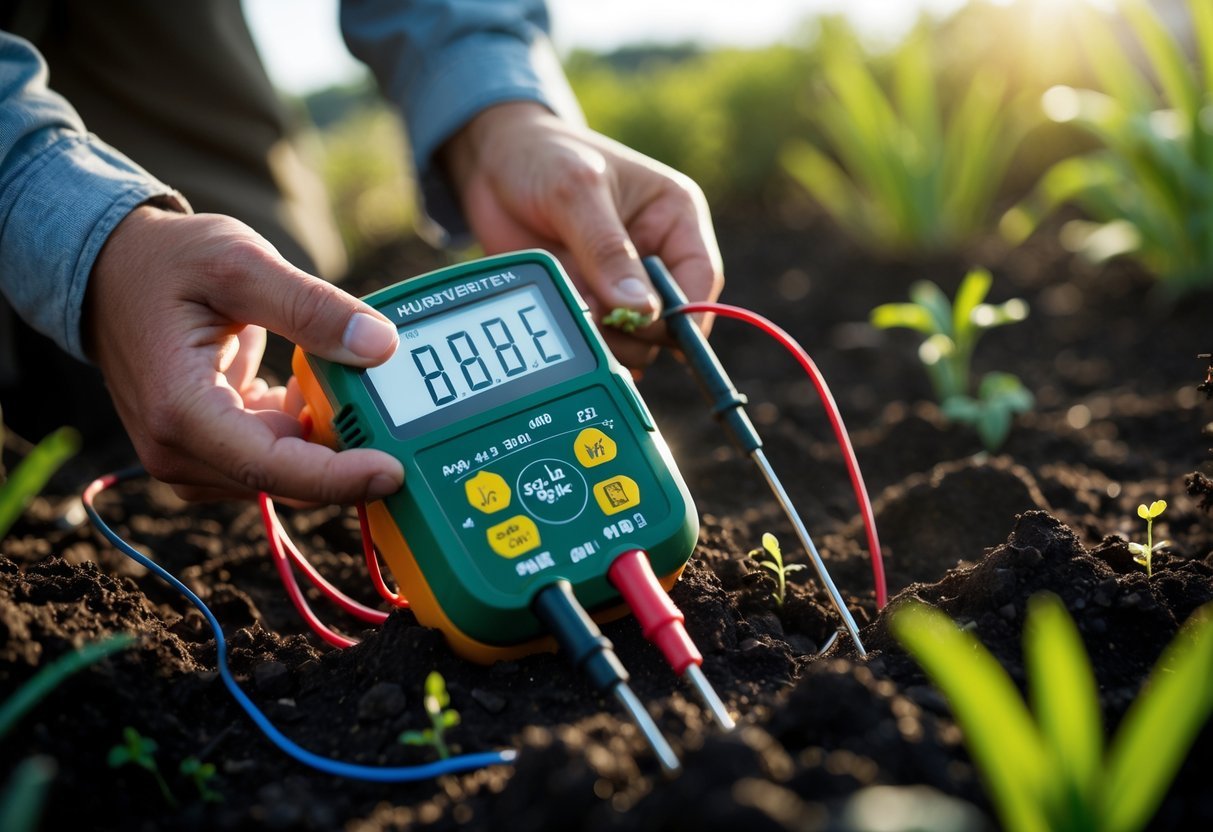
You can use a multimeter to find out how much salt is in your soil by measuring its electrical conductivity. Salt levels affect how plants absorb water, which can slow their growth. This method works well if you live in dry places or use treated water.
14. DIY Soil Moisture Sensor
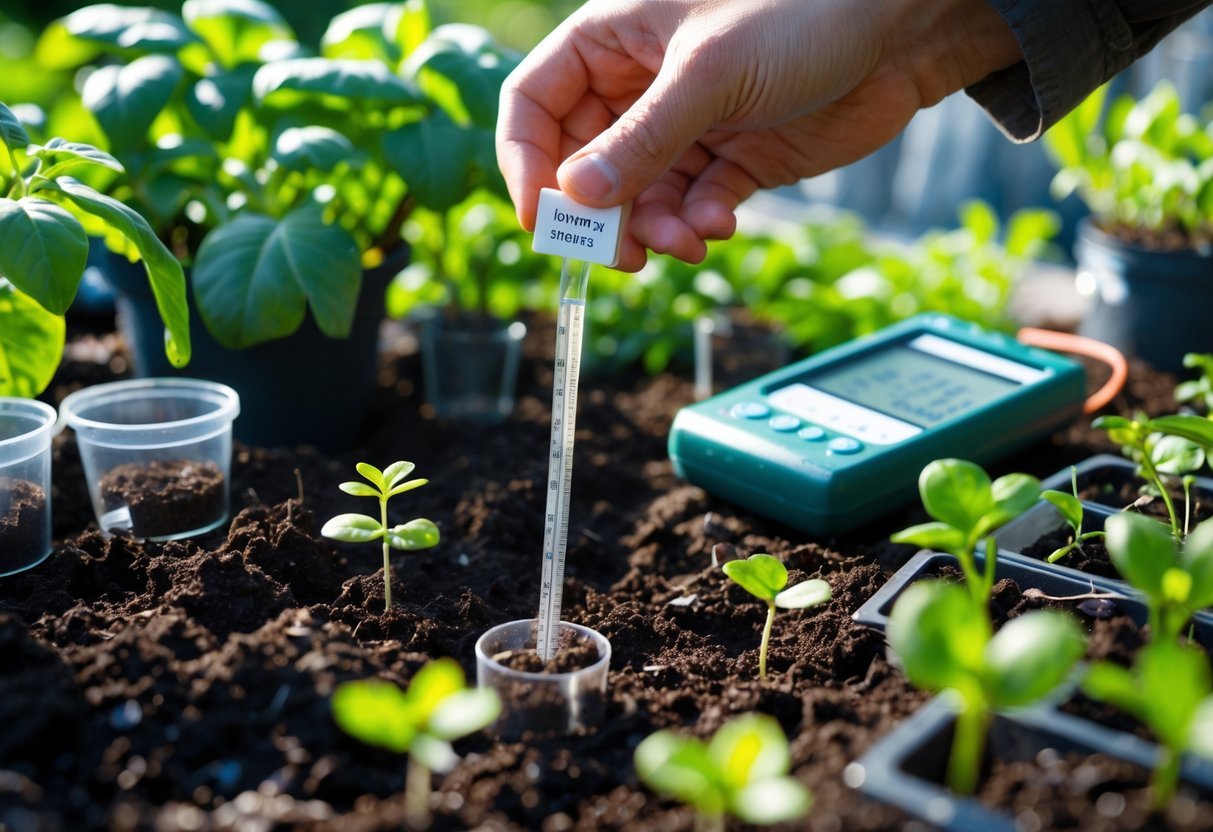
You can build a simple sensor using just nails, wires, and a battery to check how much water is in the soil. This tool helps you know when your plants need watering, so they don’t get too dry or too wet. It’s an easy and cheap option compared to store-bought sensors.
15. Test Soil by Growing Fast Plants
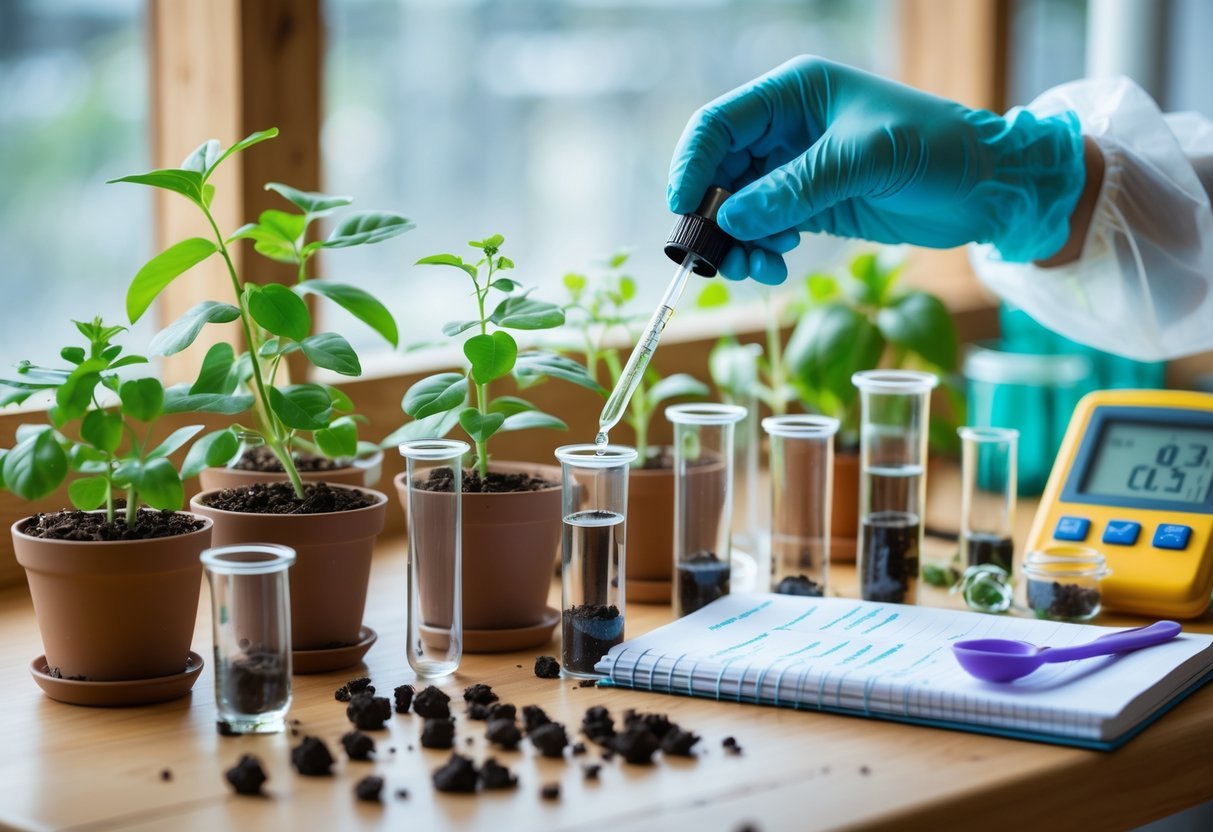
You can plant quick-growing crops like radishes or beans in your garden soil. Watch the seedlings closely for a week or two. Look for signs like poor growth, discoloration, or damage. This method helps you see how well your soil supports plants before planting on a larger scale.
16. Simple Test for Soil Life Activity
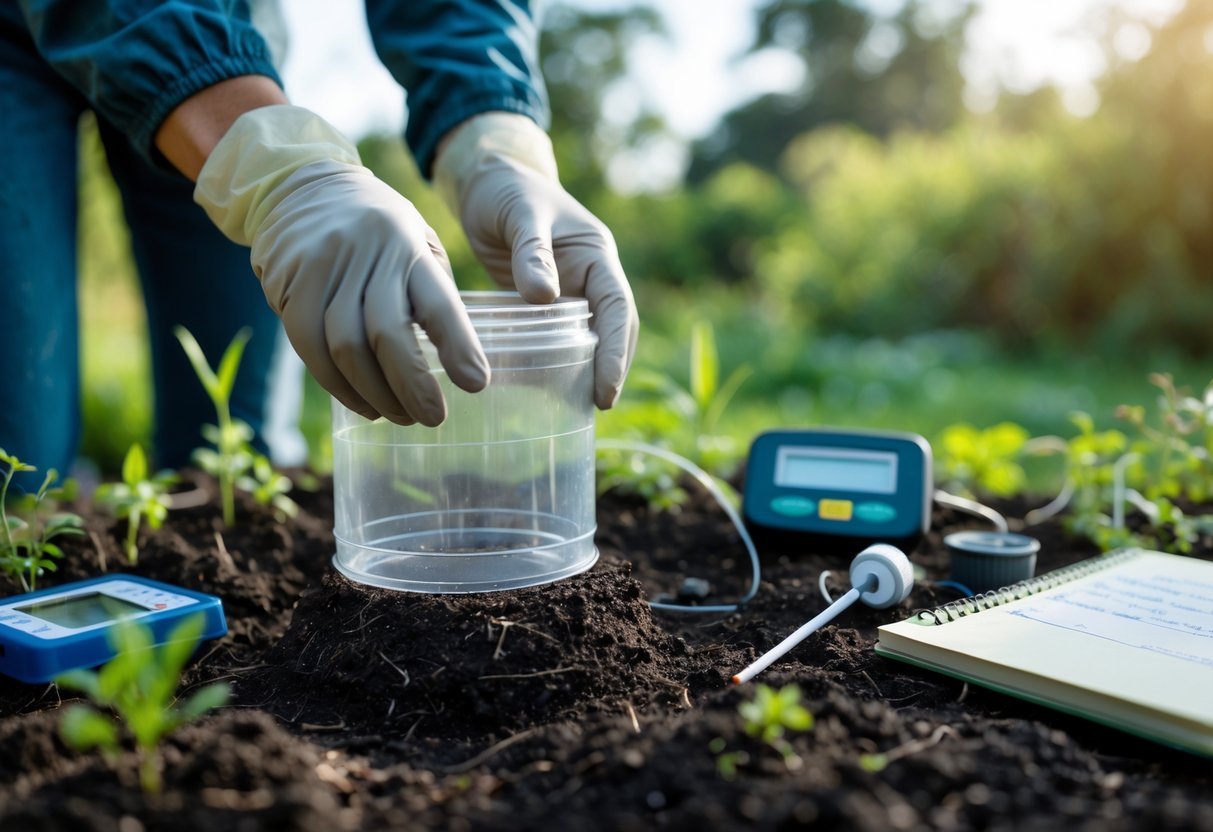
You can check soil health by measuring how much carbon dioxide soil microbes release. Put some soil in a closed jar with a CO₂ indicator inside. The color change in the indicator shows how active the soil life is. More activity means your soil is supporting healthy plant growth.
17. DIY Earthworm Tea Bag Check
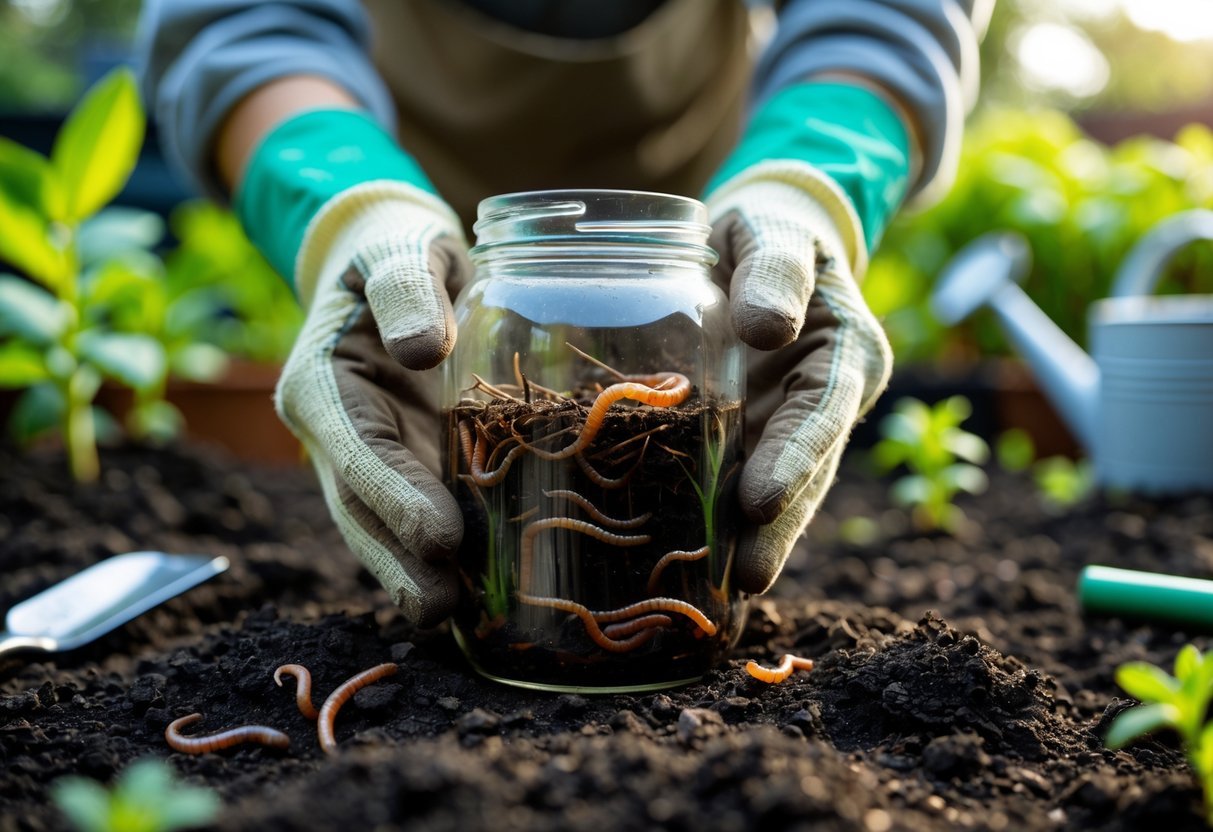
You can test your soil’s health by placing earthworms inside a tea bag or mesh pouch and burying it in your garden soil. Leave it there for about a day. When you dig it up, look at the worms’ condition.
If the worms are active and healthy, it usually means the soil has good moisture and balanced pH levels. This simple method lets you use earthworms as natural indicators of how suitable your soil is for plants.
To perform the test:
- Put a few earthworms in a tea bag or fine mesh
- Bury it about 6 to 8 inches deep in your garden
- Wait 24 hours, then carefully check the worms
Healthy worms suggest your soil’s moisture and acidity are in a good range for plant growth.